CARIARYCAR · DIARY · PERSPECTIVE
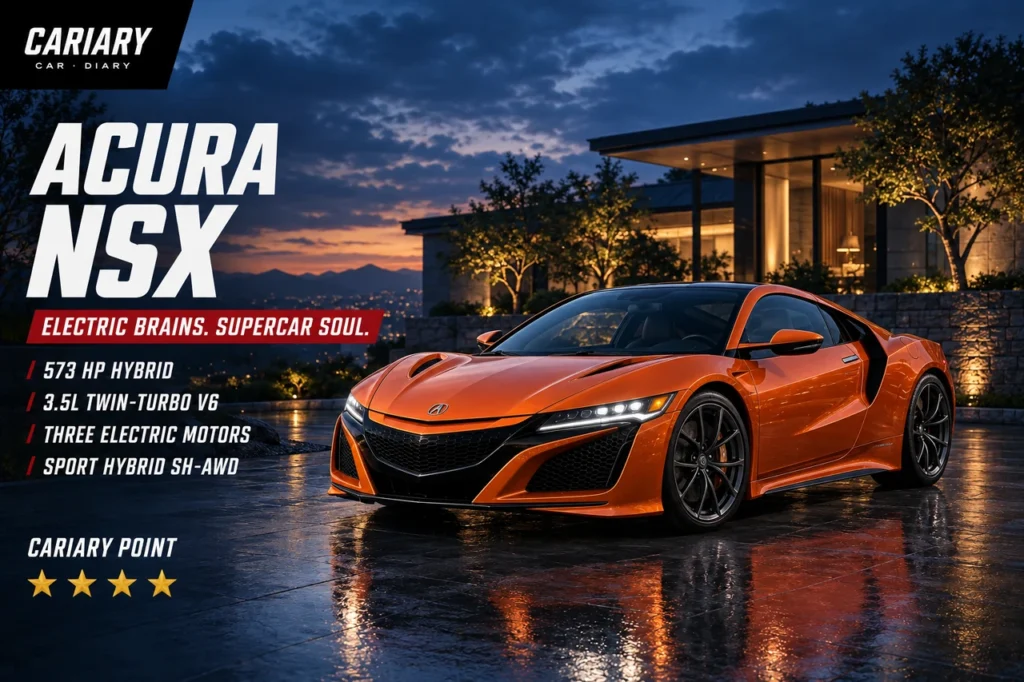
Cover: AI-generated Cariary editorial illustration, visually checked against the specified vehicle. It is not road-test photography.
This Acura NSX review starts with a different question from the usual supercar debate: can making a fast car easier to manage be a source of excitement in itself? The second-generation NSX makes a persuasive case. Its three electric motors are not decoration around a gasoline engine; they help define how the car responds.
That approach will appeal to someone who enjoys engineering as much as exhaust noise. It may be less convincing to the buyer who wants a deliberately raw machine, a manual gearbox or an engine that dominates every conversation. Understanding that distinction matters more than deciding whether this NSX is sufficiently like the original.
Cariary sees its strongest appeal in the space between occasion and usability. It looks exotic enough to make a short outing memorable, yet its design brief takes the driver’s workload seriously. The compromises lie elsewhere: storage, aging electronics and the practicalities of supporting a specialized hybrid.
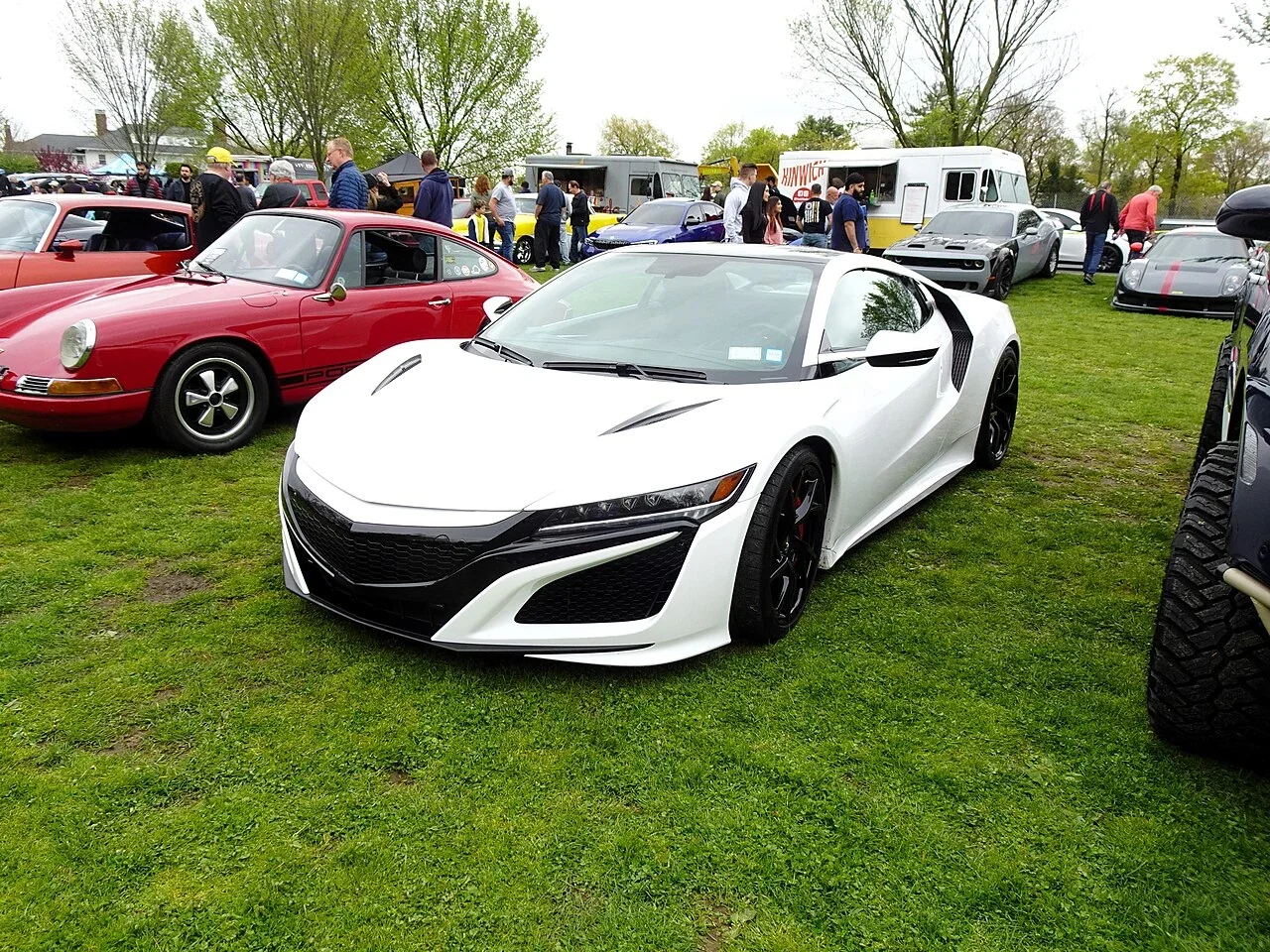
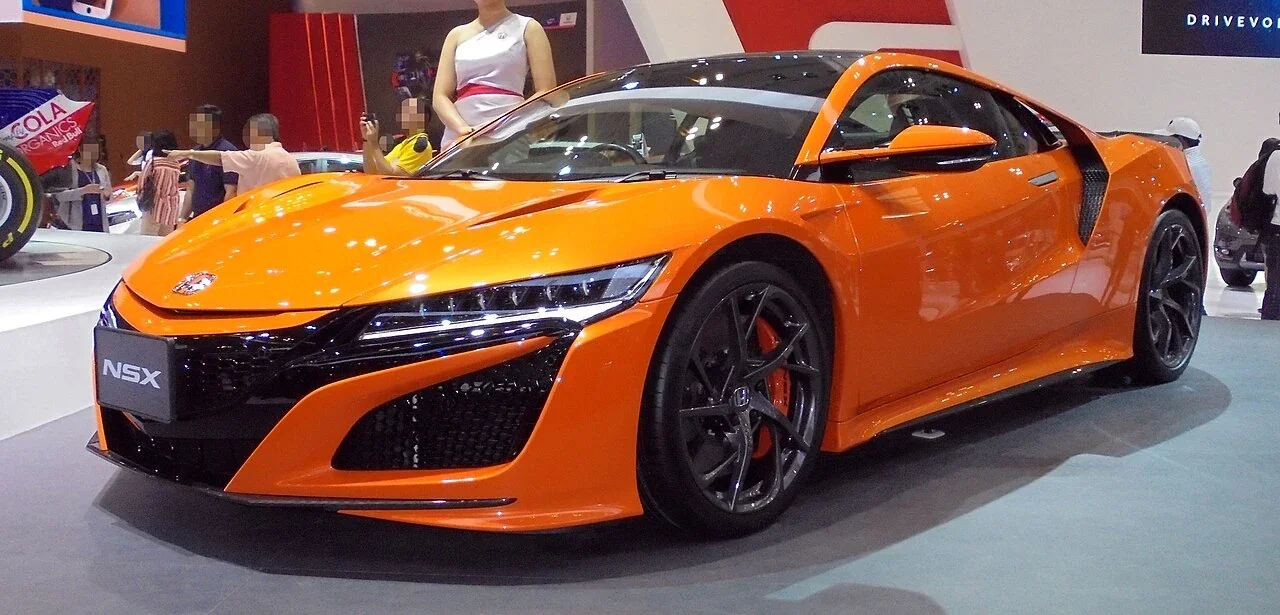
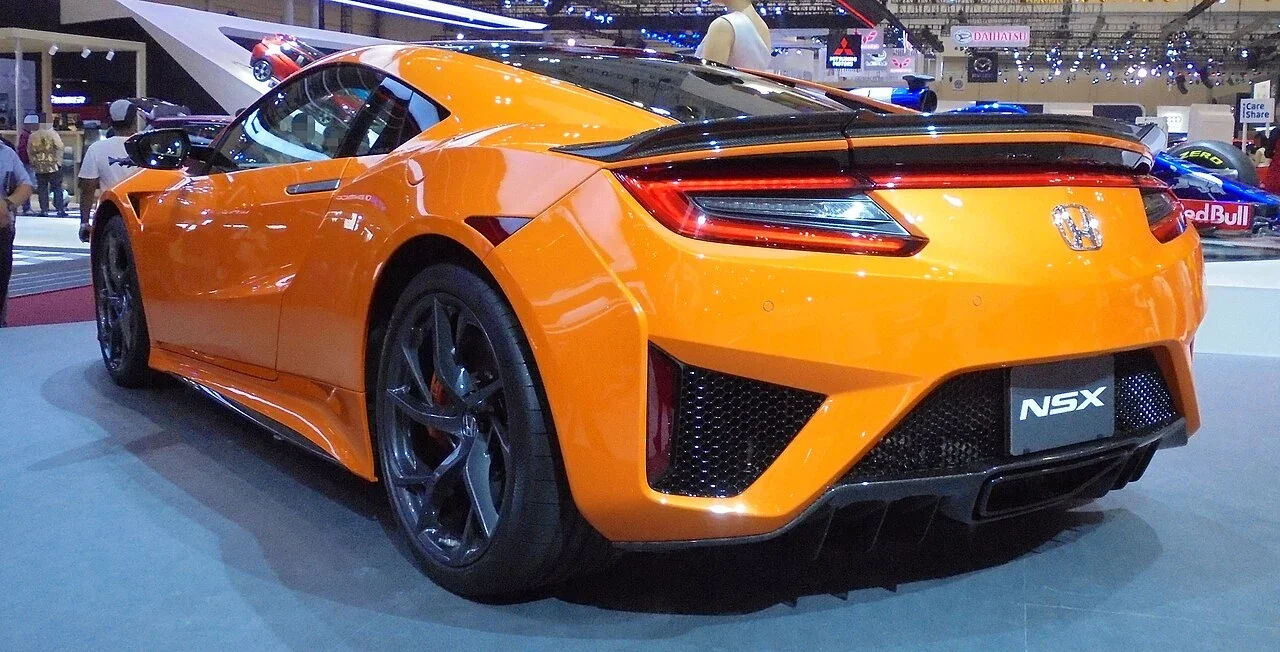
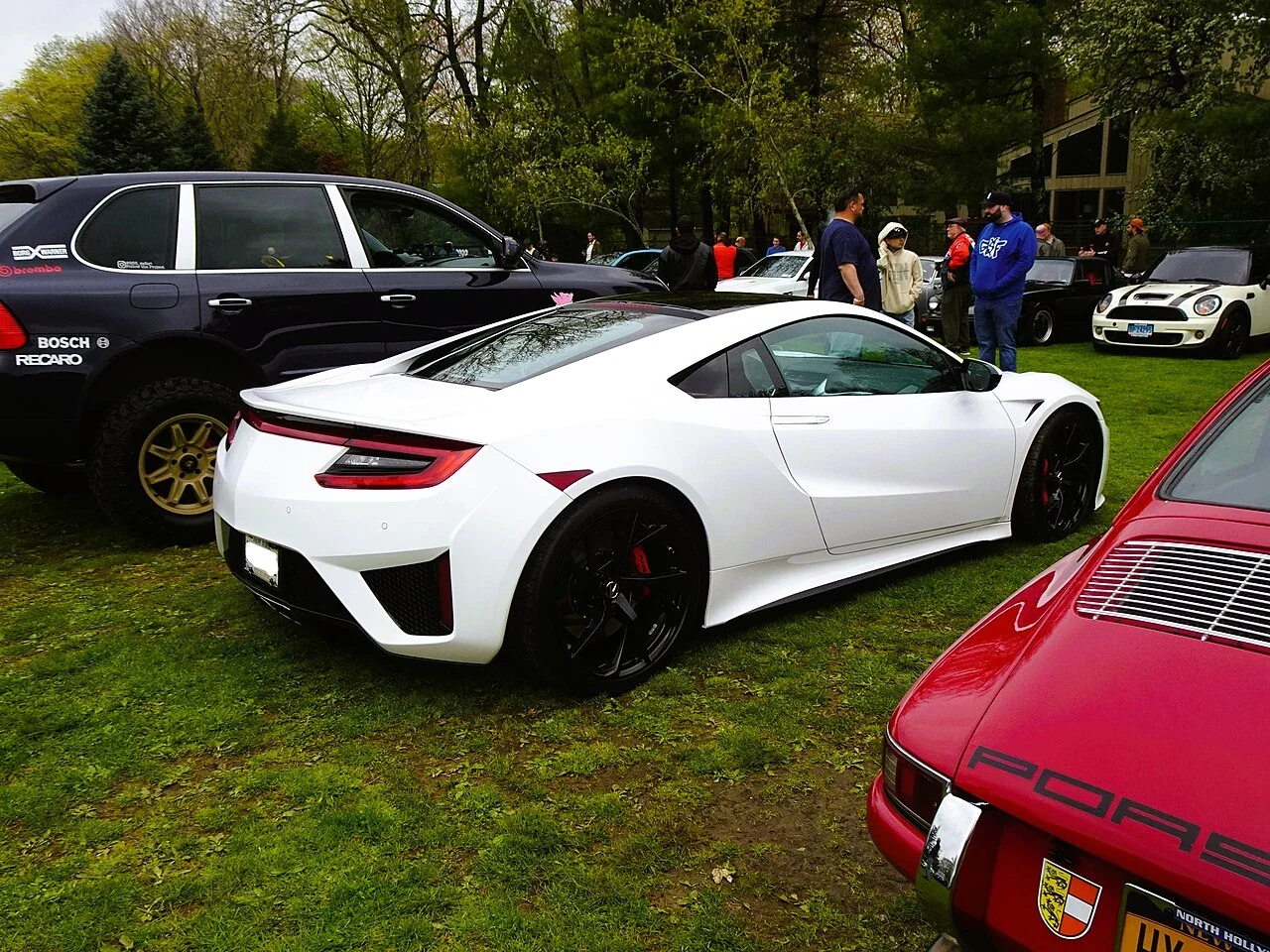
This research-based Acura NSX review focuses on the second-generation standard coupe, using the 2019 U.S. model as its reference. Earlier cabin and overseas Honda-badged photographs are identified in their captions. This is not a Cariary road test, and the later Type S is outside the main specification.
Four stars for a distinctive way of delivering supercar performance with less intimidation. Its advanced chassis thinking is a lasting attraction, but cabin technology and the logistics of ownership keep this from being a universal recommendation.
Acura NSX Review: Key Specifications
| Reference | 2019 U.S. standard NSX coupe |
|---|---|
| Power unit | 3.5-liter twin-turbo V6 + three electric motors |
| Combined output | 573 hp / 476 lb-ft |
| Transmission | Nine-speed dual-clutch automatic |
| Driven wheels | Sport Hybrid SH-AWD |
| Seating | Two |
| Curb weight | 3,878 lb, manufacturer specification |
| Original U.S. MSRP | $157,500 + $1,800 destination; before tax, options and fees |
Acura NSX Review: A Different Kind of Supercar
The NSX is most interesting when judged as an integrated product. The low cabin, mid-engine proportions and substantial rear haunches establish the occasion before the car moves. The engineering then aims to make that shape usable by a wider range of drivers, rather than demanding a ritual every time they leave home.
According to Honda’s 2019 model announcement, the update added a body-color upper grille treatment, revised chassis hardware and software, and a new standard tire. These were refinements to an existing idea. They did not turn the NSX into a different powertrain or a stripped-out special.
For a buyer, the distinction changes how to shop. A 2019 badge is useful context, but the condition and specification of the actual car remain more important than a facelift label. An earlier car on appropriate fresh tires may make more sense than a later example whose attractive appearance hides neglected upkeep.
The Acura badge can also be part of the pleasure. This is a car for someone who likes explaining an unusual answer to a familiar question. If the ownership dream relies mainly on instant recognition, consider whether you will enjoy the NSX just as much when nobody asks about it.
Three Motors Change the Corner, Not Just the Launch
Acura’s technical explanation describes two independently controlled front motors and a third motor between the V6 and transmission. The front wheels are not mechanically connected to the rear power unit. Instead, electrical control can vary their drive or regenerative torque, helping create a turning effect as well as forward thrust.
The useful idea is coordination. Imagine two people helping move a heavy table: equal effort moves it straight, while different effort can help rotate it. That is only an analogy, not a mechanical diagram, but it explains why the front motor pair has a role beyond making an acceleration number look better.
This also explains why adding the individual motor and engine peak ratings is misleading. Those peaks do not necessarily arrive together at the same speeds or under the same operating conditions. The manufacturer’s combined figure is the appropriate one to quote; it is not a sum assembled from the component labels.
Cariary’s interpretation is that the NSX should attract drivers interested in a consistent response to their inputs. It offers a different form of involvement from balancing a simple rear-drive car. Enjoying that assistance is a valid preference, just as preferring a more transparent mechanical layout is a valid reason to buy something else.
The 2019 Update Makes Tires Part of the Story
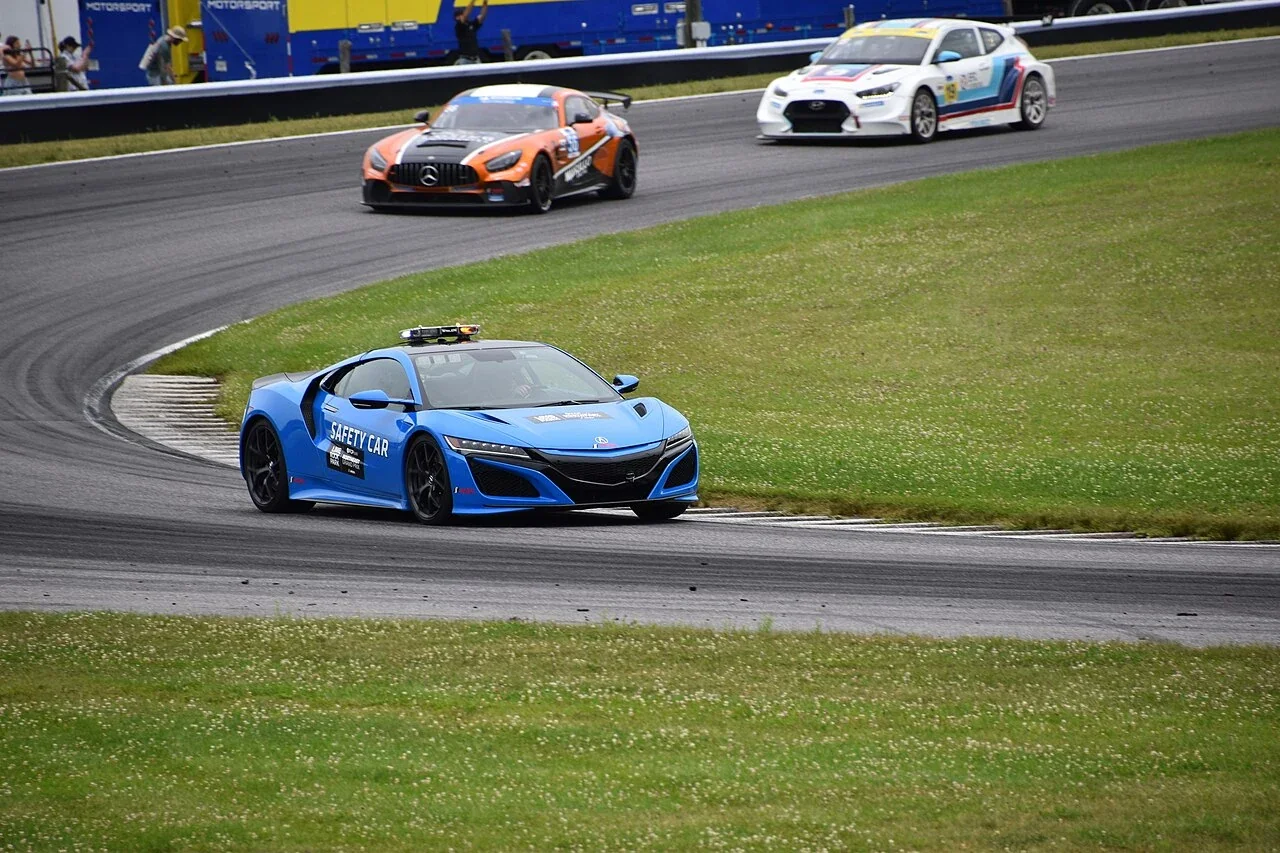
The revised model’s standard Continental SportContact 6 tires arrived with changes to anti-roll bars, rear bushings and control calibrations. Honda’s update summary presents these as a coordinated package. The lesson for a used buyer is to look beyond a wheel’s diameter or a tire’s remaining tread depth.
In its 2019 NSX drive at Honda’s Takasu proving ground, Car and Driver found the car forgiving yet less playful than hoped, and felt its infotainment lagged behind. The report also emphasized how important the new standard tire was to the update. Those are the publication’s observations from that event, not Cariary’s own driving experience.
A tire chosen mainly for appearance can change the experience you thought you were purchasing. Conversely, the most track-focused available tire is not automatically the right companion for a car used on cool mornings and wet roads. Choose the tire around where the NSX will actually spend its time.
The same reasoning applies to the modes. A firmer or louder setting is useful only if it helps the situation. A satisfying test drive should include imperfect surfaces and ordinary junctions, where you can judge the relationship between steering response, ride control and how confidently you place the front corners.
A Calm Cabin With an Aging Interface
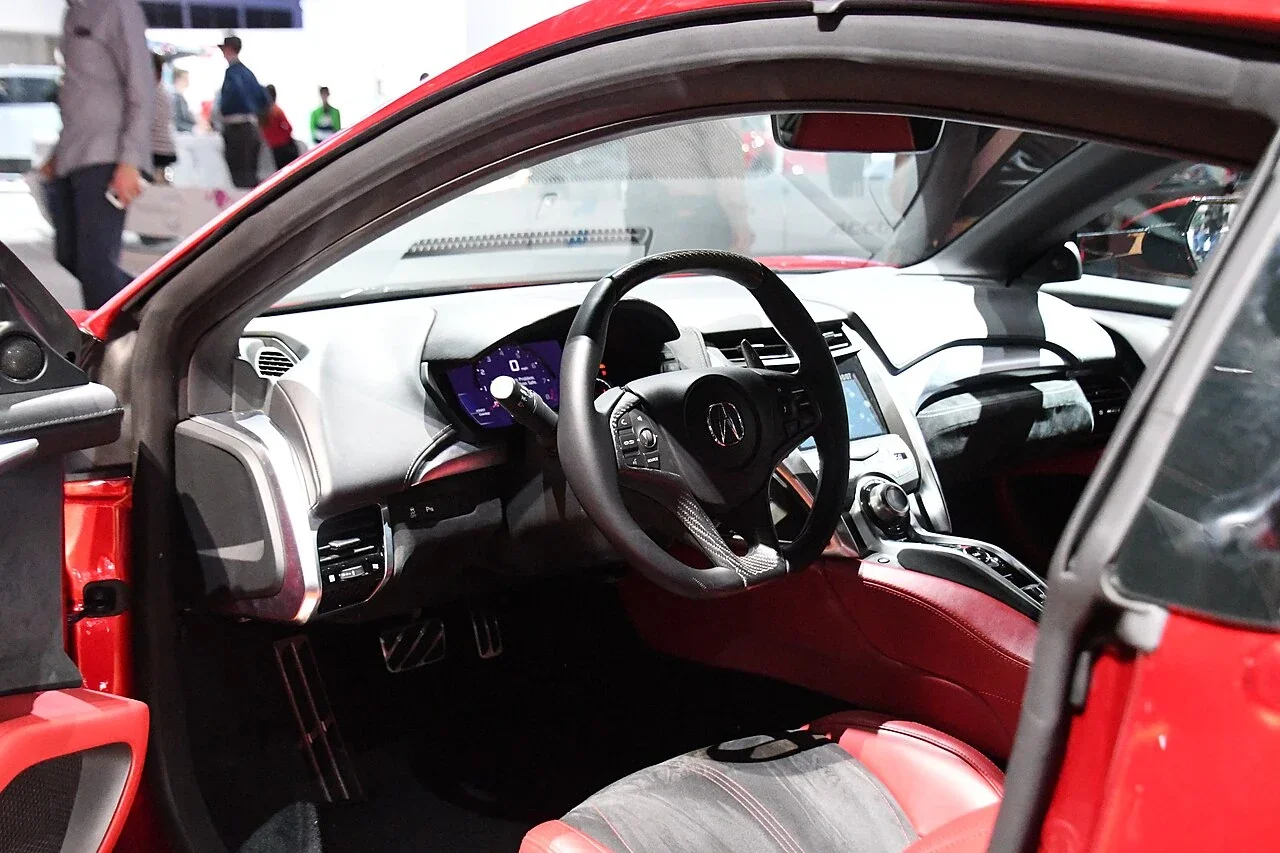
The cabin puts the driving position ahead of visual spectacle. A broad center console separates the occupants, the instruments sit close to the driver’s sightline, and the seats belong to a two-seat sports car rather than a lounge. That restraint can age well even when the display does not.
The 2019 equipment changes made power sport seats, navigation, premium audio and proximity sensors standard in the U.S., while a manual-seat alternative remained available. Verify which seat is fitted. The number of adjustment directions is less useful than whether you can support your thighs and shoulders without adopting an awkward reach to the wheel.
Do not judge the screen during a stationary showroom demonstration alone. Pair your own phone, start navigation, choose audio and change a setting while safely parked in the position you will use. Note the tasks that require extra attention. These small interruptions can accumulate more quickly than a disappointing trim texture.
There is a difference between an old interface that remains dependable and one that regularly obstructs you. The first may be an acceptable compromise in a special car; the second can undermine its daily-use argument. A good ownership decision should be based on your tolerance after using it, not a promise that you will stop noticing.
Exotic Proportions Still Have Everyday Consequences
The U.S. specification sheet lists a low body, two seats and limited ground clearance. Those are structural realities, not faults that disappear because the car is more approachable than some rivals. The route into your garage may be a more important test than an empty stretch of highway.
Walk through a normal day with the actual car. Open the door in a realistic parking space, get in wearing the coat you normally use, place your phone and wallet, then get out again. Bring the passenger who will travel with you. A comfortable driver does not automatically mean an equally comfortable companion.
The long, low side shape also makes visibility and judgment important near high curbs and tight ramps. Sensors help, but they do not tell you whether a particular driveway angle will work. Resolve that before purchase rather than discovering that every departure requires an awkward route or extra assistance.
For an occasional weekend car, these limits may barely matter. For a daily car, they become part of the cost in time and effort. Cariary would rather choose a less dramatic specification that gets used frequently than an ideal-looking example whose wheels, clearance or access make ordinary trips feel like planning exercises.
Hybrid Does Not Mean Plug-In Commuter
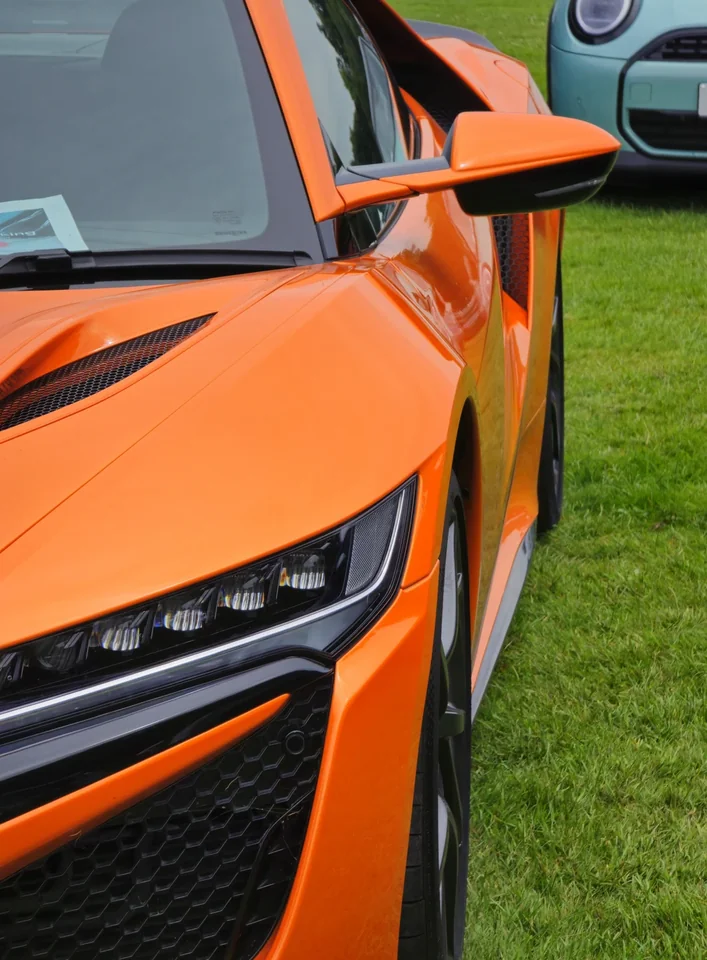
This NSX is not a plug-in hybrid bought around a useful electric commuting range. Its electrical system serves the performance package. Quiet operation at low speed can be welcome, but it should not become a promise that you can treat the car as a small EV for routine journeys.
Similarly, regeneration does not eliminate the need to inspect the friction brakes. Tires, brake hardware and fluid condition all matter when a fast car is expected to respond consistently. Identify whether the example has iron or optional carbon-ceramic discs, and have their condition assessed using the appropriate procedure rather than appearance alone.
Luggage requires the same practical approach. Pack the bags you would take for a two-person weekend and try them before buying. Soft bags often give more flexibility than rigid cases, but an exotic car’s storage arrangement should be tested rather than mentally enlarged by a photograph.
The best case for this hybrid is therefore emotional and dynamic. It uses electrical control to make a specialized car easier to enjoy. Someone primarily seeking low running costs or family versatility should begin with a different shortlist; those needs are not solved by the presence of a battery.
Buy the Support Network Along With the Car
A used NSX purchase should include a conversation with the workshop that will maintain it. Ask who performs NSX-specific diagnostics, how service appointments are handled and what support is available for hybrid components. An Acura sign outside a building is not a substitute for confirming relevant capability.
Request records for scheduled work, repairs and any accident assessment. A clean-looking nose cannot reveal the condition of cooling components or the quality of earlier work beneath the body. An independent inspection should consider the full car, including diagnostic faults, underbody damage and the operation of the charging and cooling systems.
Separate the purchase budget from the ownership reserve. Insurance, transport to a qualified workshop, tires and a plausible period off the road can matter as much as a headline repair quote. Get current local estimates for the specific example; this review does not present a generic annual cost as if it applied to every owner.
No reliable failure-rate estimate is established here, and a complicated design is not proof of unreliability. The sensible conclusion is narrower: complexity makes competent inspection and support more valuable. The car becomes easier to recommend when the buyer has already resolved those questions and can use it without worrying about every unfamiliar sound.
The Buyer Who Will Appreciate Its Intelligence
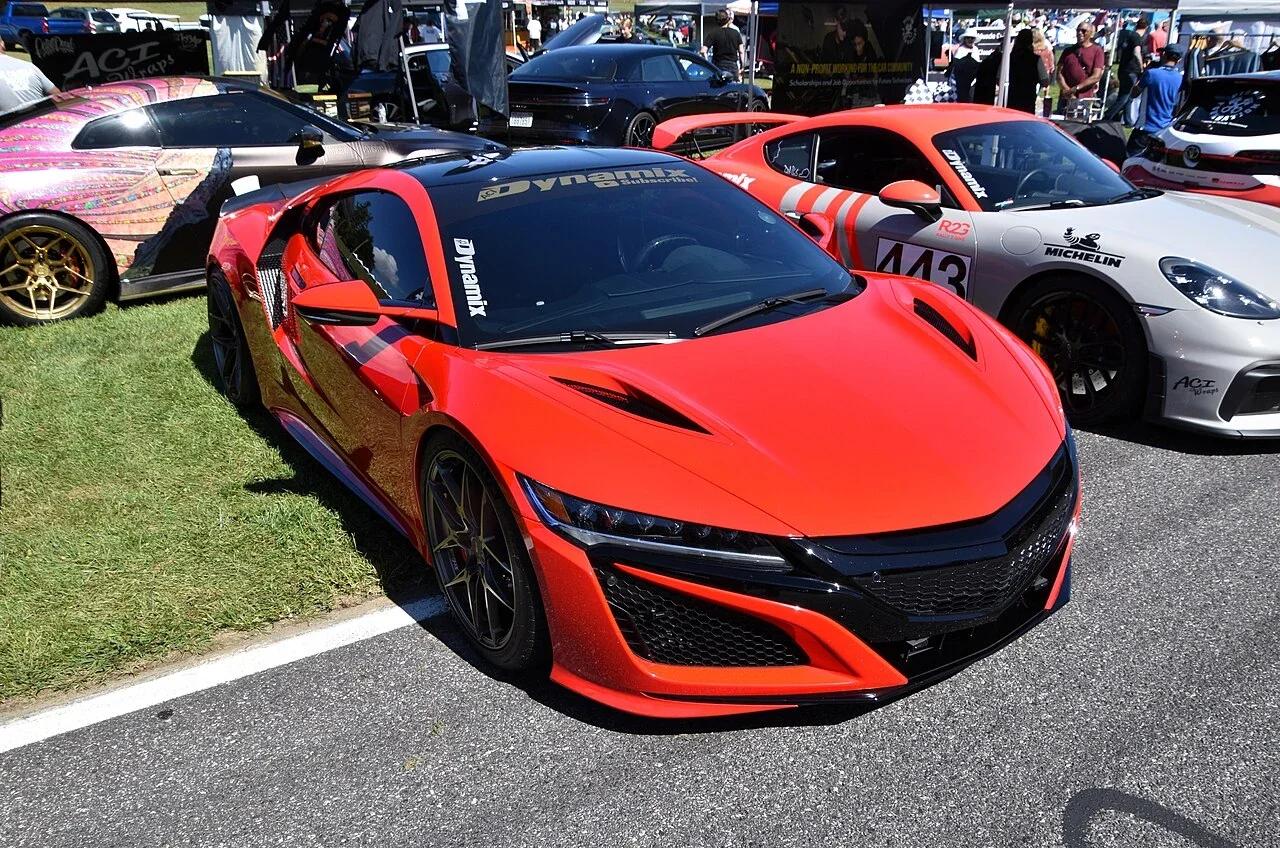
The strongest rival may be the car you emotionally wanted before learning how the NSX works. If that was a naturally aspirated V10, the Cariary Huracán review explores a more overtly theatrical alternative. If it was a manual sports car, a different kind of participation may matter more than the NSX’s pace.
Do not turn that comparison into a contest about which driver is more serious. There is satisfaction in a car that asks you to manage its behavior, and satisfaction in a car whose systems work cleanly together. The question is which satisfaction remains compelling after the first month, when the novelty of the specification has faded.
The NSX makes particular sense for someone who wants a special two-seat car and values reduced effort without demanding conventional luxury. It is less persuasive when bought only because another exotic appears more expensive. A cheaper admission price can still lead to an ownership experience poorly matched to your expectations.
Cariary’s four-star judgment rests on that distinct purpose. The hybrid architecture gives this generation a reason to exist beyond nostalgia. Its shortcomings are meaningful, but so is the chance to own a supercar whose most interesting feature is not simply the noise it makes when everyone is watching.
Who Should Buy It?
Recommended For
A technically curious buyer who wants a distinctive two-seat supercar, appreciates coordinated hybrid response and has access to competent NSX support.
Not Recommended For
Buyers who require a manual gearbox, generous luggage room, modern luxury-car interfaces or low-effort servicing through any nearby workshop.
One-Line Verdict: The NSX makes sophisticated assistance part of the pleasure, provided you buy into its whole ownership proposition.
Frequently Asked Questions
Is this the original NSX?
No. This article covers the second-generation hybrid coupe, with the 2019 U.S. standard model as the specification reference. It is a different engineering proposition from the original naturally aspirated car.
Does the NSX need to be plugged in?
No. This version is a non-plug-in performance hybrid. Do not choose it on the assumption that it will provide a substantial electric commuting range.
Is the combined output the sum of every peak rating?
No. Use Acura’s stated 573-hp system figure for the reference model. Individual engine and motor peak ratings do not necessarily occur simultaneously.
Should I seek a 2019 or later car?
The 2019 update is worth understanding, particularly its tires, chassis calibration and standard equipment. Condition, records and actual specification should still decide between individual cars.
Are Honda-badged photographs the same market specification?
They show the corresponding overseas NSX, not proof of U.S. equipment. Captions identify those references, and this review retains Acura’s U.S. figures.
Why four stars rather than five?
The distinctive powertrain and approachable brief earn a strong recommendation. Restricted practicality, an older interface and specialist support needs make the recommendation conditional.
Further Reading and Data Reference
Data reference date: September 11, 2026. Specifications and attributed test observations are linked where discussed. Cariary Point is an editorial buyer-fit assessment, not an owner road-test score or reliability rating.
Explore more Cariary car reviews and buyer perspectives.

