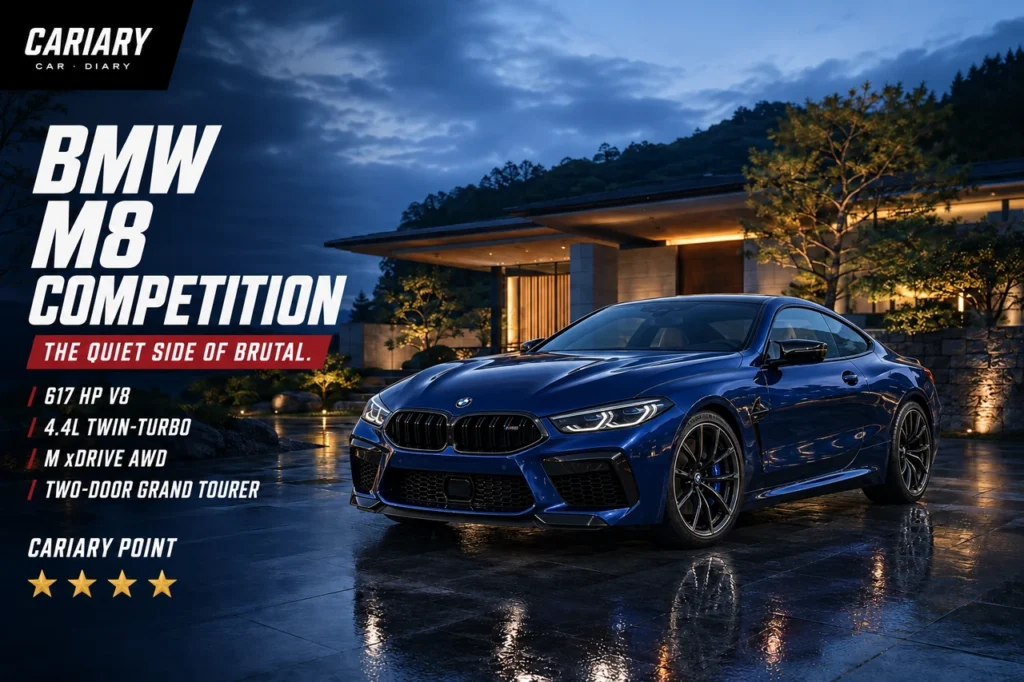
CARIARYCAR · DIARY · PERSPECTIVE
Cover: AI-generated Cariary editorial illustration, visually checked against the specified vehicle. It is not road-test photography.
This BMW M8 review considers a surprisingly difficult brief: how much supercar performance can you put into a luxury coupe before the two ideas start competing? The Competition version makes the question interesting because its pace is only one part of the appeal. The other is the prospect of using that capability without reorganizing your entire day.
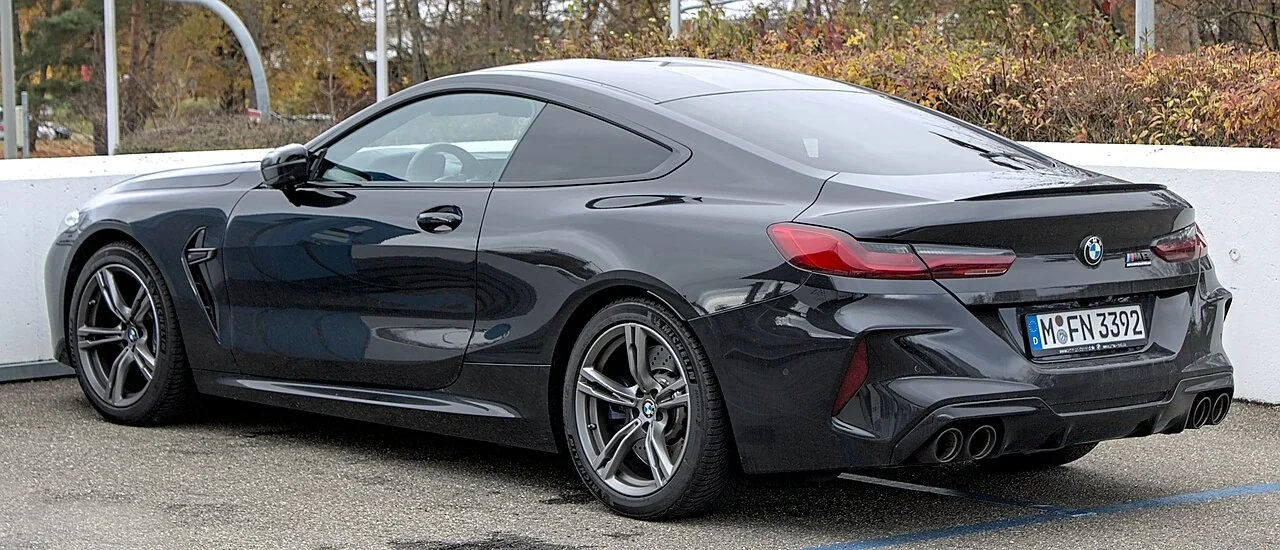
From a distance, the car is more familiar than exotic. Its long hood, two-door body and restrained roofline communicate a traditional grand tourer. There is no need to climb over a dramatic sill or explain an unfamiliar brand. For some buyers, that ordinary surface is exactly what makes the extraordinary power attractive.
Cariary would judge it by the moments between dramatic acceleration runs. Does the seat work for a long journey? Can you reach the controls without thinking? Will the broad body and long doors fit the places you visit? A car this capable still has to earn its space in a driveway through the experience of using it.
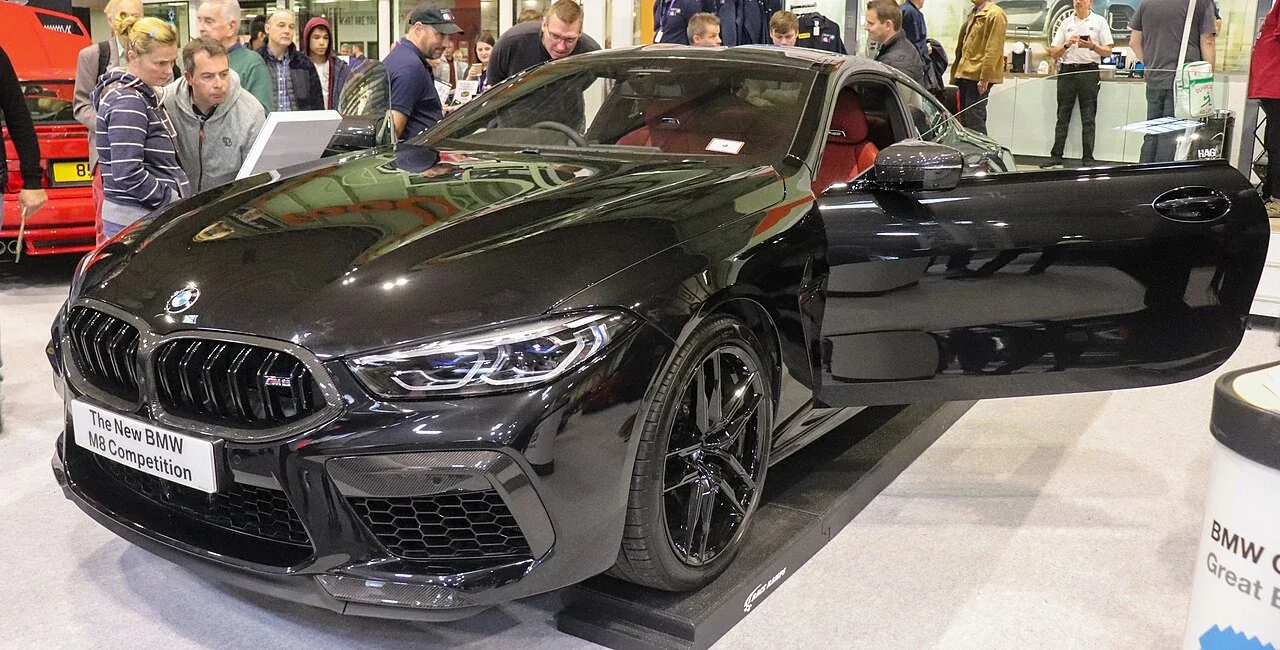
This research-based BMW M8 review focuses on the F92 Competition two-door coupe, using the 2020 U.S. model as its specification reference. Overseas photographs may show different equipment. The four-door Gran Coupe and convertible are separate bodies; this is not a Cariary road test.
Four stars for the breadth of its performance and the appeal of a familiar, usable cockpit. The M8 Competition is compelling for someone who wants a powerful two-door GT, but its size, ownership demands and limited back-seat role prevent a universal recommendation.
BMW M8 Review: Key Specifications
| Reference | 2020 U.S. F92 M8 Competition coupe |
|---|---|
| Engine | 4.4-liter twin-turbo S63 V8 |
| Output | 617 hp / 553 lb-ft |
| Transmission | Eight-speed M Steptronic automatic |
| Drive | M xDrive with rear-biased all-wheel drive |
| Seating / doors | Four / two |
| Manufacturer 0–60 mph | 3.0 seconds |
| Original U.S. MSRP | $146,000 plus $995 destination; before options, tax and fees |
BMW M8 Review: A Coupe With a Clear Reason to Exist
The M8 is easiest to understand when the coupe shape is part of the purchase rather than an inconvenience to excuse. Someone who usually travels with one passenger may reasonably prefer a lower roof and a pair of long doors to a more practical sedan. That preference does not have to be disguised as a spreadsheet victory.
BMW’s 2020 U.S. launch specification gives the Competition coupe 617 hp, compared with 600 hp for the standard M8 of that year. Both use the same quoted peak torque. The Competition badge therefore should not be read as a simple promise of more of everything; its calibration and equipment are part of the distinction.
The central buyer question is whether the grand-touring format enhances your driving life. An M8 might be the car you choose for a long trip even when a smaller sports car is available. If you would still take an SUV every time luggage or a passenger becomes involved, consider whether the coupe’s size is buying you a useful benefit.
That is why appearance deserves an honest place in the decision. The long, low body is a valid source of enjoyment. It becomes a weaker argument only when you pretend it supplies the same access and accommodation as a four-door car. Buy the shape because you want it, then verify the compromises.
The V8 Gives It Reserve, Not Just a Headline
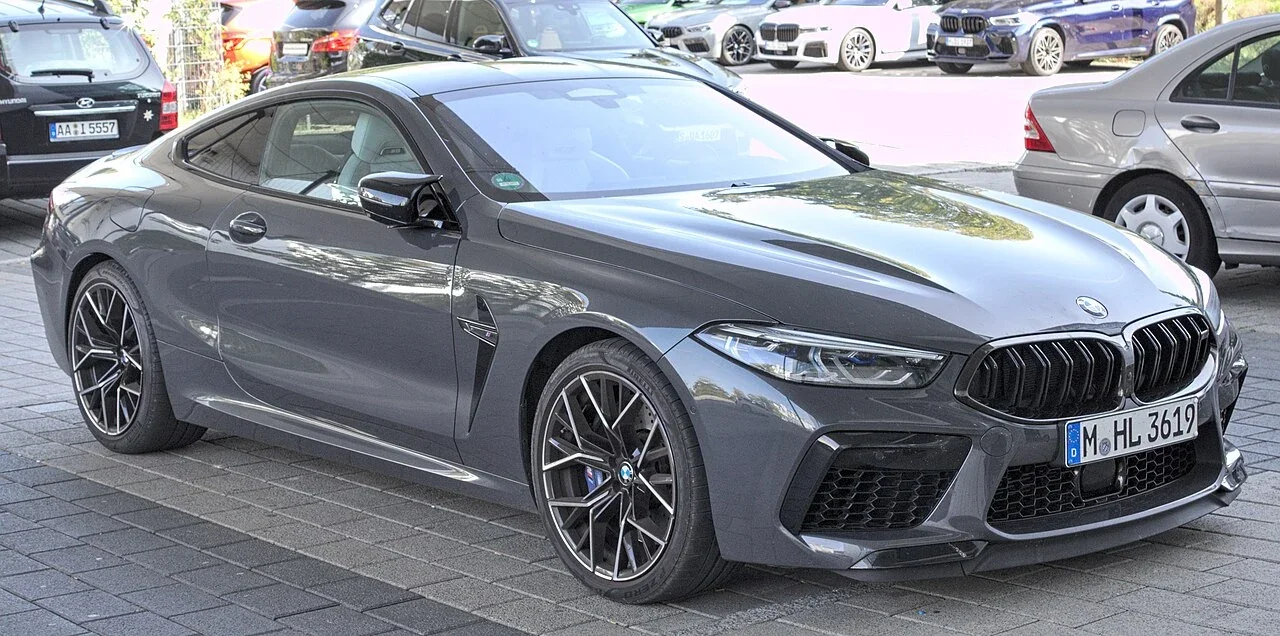
BMW places the S63’s two turbochargers within the V of the engine. Its launch technical description also details dedicated cooling provisions for the engine, charge air, oil and transmission. The useful idea is an integrated powertrain designed to manage repeated demands, rather than a large output figure added to an otherwise unchanged luxury coupe.
A broad reserve of performance can be satisfying even when only a small fraction is used. It allows a driver to choose a higher gear and make progress without constantly asking the engine for its maximum. Whether that feels relaxing or slightly detached is a personal preference worth exploring on a demonstration drive.
Do not confuse effortless acceleration with an absence of mechanical work. Tires, brakes, lubricants and cooling hardware still support a heavy, powerful car. A smooth experience from the driver’s seat can hide how much equipment is contributing. The maintenance plan should reflect the actual machine, not just how calmly it behaves in traffic.
A used example with a louder exhaust or additional power is not automatically more desirable. Establish the factory specification and understand any modifications before judging the driving experience. If what attracted you was a well-integrated GT, changes that make one component more dramatic may undermine the balance you wanted to buy.
M xDrive: Traction and Character Are Different Questions
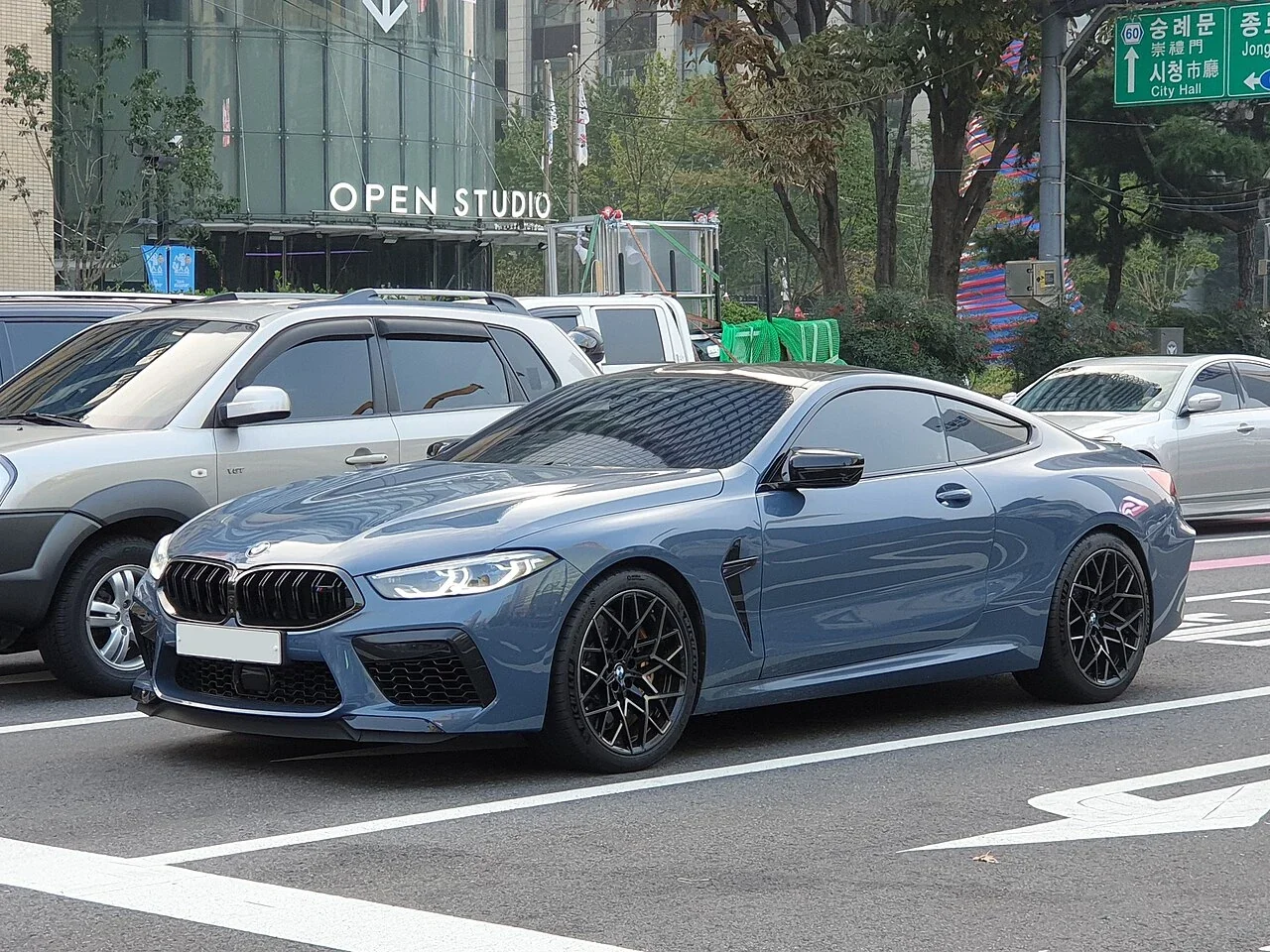
The rear-biased M xDrive system can distribute drive between the axles, while the Active M differential manages distribution across the rear. BMW also offers a rear-drive mode that requires stability control to be deactivated. That is a specific operating configuration, not an instruction to use it on ordinary public-road journeys.
For everyday ownership, the relevant benefit is how predictably the car responds with its normal assistance systems operating. An all-wheel-drive badge does not remove the influence of tire temperature, standing water or available grip. It also does not create a separate advantage in every braking situation simply because four wheels can receive engine torque.
There is a useful distinction between a car that can change its behavior and a driver who needs to change it constantly. On a proper test drive, begin with the ordinary settings and learn what they do. Only then decide whether an alternative calibration solves a real preference rather than merely sounding more exciting in a menu.
Cariary would favor a setup that makes the M8 consistent across a familiar route. The best configuration may be quieter and less aggressive than the one used for a magazine acceleration test. A car you trust and enjoy repeatedly has more personal value than a mode you select mainly because its name suggests a higher level.
What Independent Testing Adds to the Picture
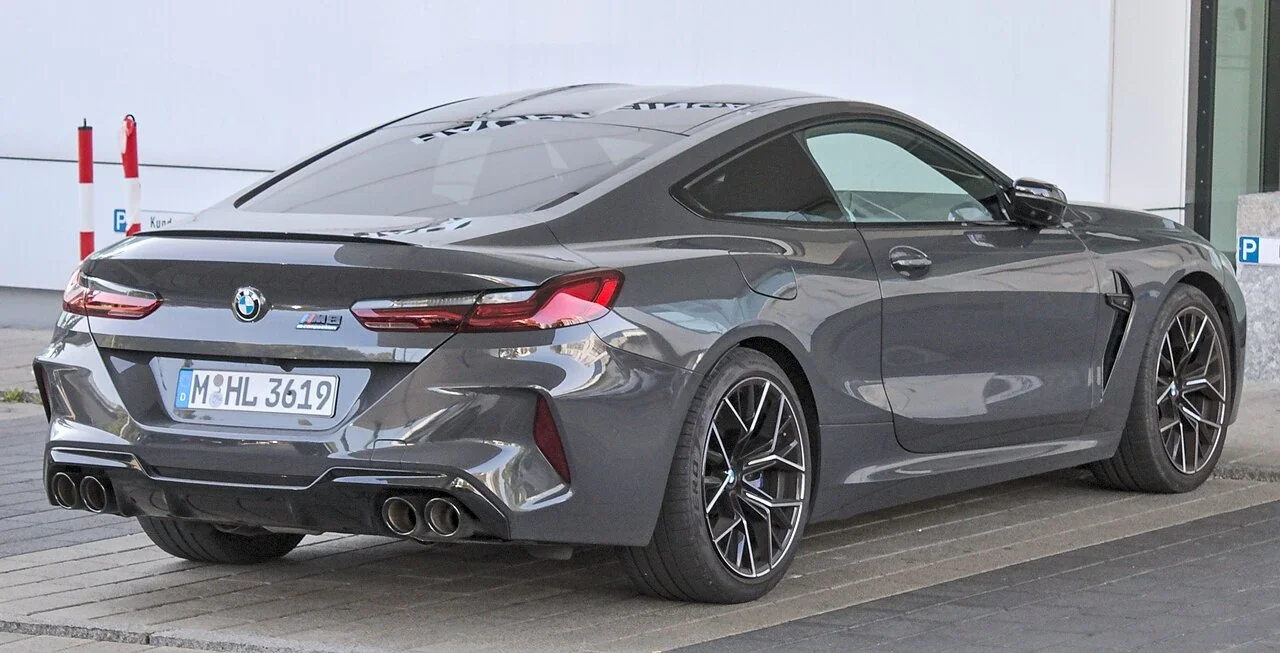
Car and Driver’s 2020 M8 Competition test recorded 2.5 seconds to 60 mph, excluding a 0.2-second rollout. It emphasized the ease of accessing the power, found steering response immediate but communication limited, and criticized the adjustable brake-pedal feel. These are attributed findings from that test car, not Cariary’s own measurements.
The result demonstrates capability, but it should not become the entire review. Your experience begins before the accelerator reaches the floor and continues after the next corner. Pedal consistency, steering information and the way the transmission behaves at modest speed can have more influence on everyday satisfaction than the fastest launch.
When comparing demonstrations, try to use similar roads and conditions. A quiet motorway cannot tell you how a suspension deals with broken urban surfaces. A brief blast cannot tell you whether the passenger feels comfortable after an hour. The M8’s broad brief deserves a broader test than a single acceleration impression.
It is also reasonable to prefer a slower car. If a smaller coupe gives you more confidence placing its wheels and more enjoyment at accessible speeds, that is relevant evidence about your priorities. The M8’s appeal is strongest when you value its particular combination of reserve, accommodation and appearance, rather than its place in a ranking.
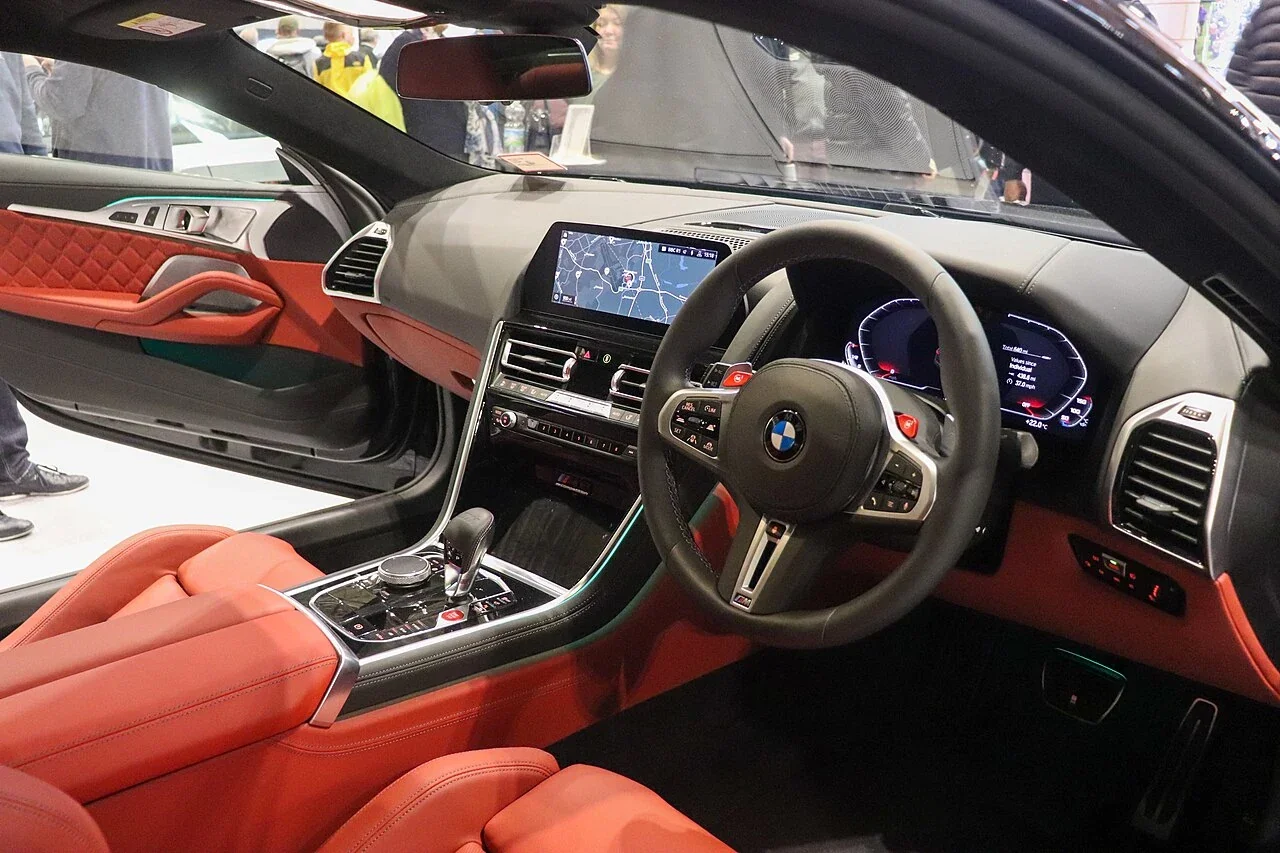
The Cockpit Is Part of the Performance
The actual interior photograph below shows an early overseas right-hand-drive Competition car. It is useful for the layout of the dashboard, center console and controls; it is not proof that every U.S. example has the same trim or optional equipment. A photograph should help you understand the space without pretending to establish a build sheet.
Physical controls can reduce the effort of familiar tasks, but their presence alone does not guarantee that you like the interface. Sit in the car, connect your phone and try your normal route-planning process. Change the audio source and temperature while stationary. The point is to learn whether the system fits your habits.
Spend time with the seat rather than accepting its appearance as evidence of comfort. Adjust the backrest, cushion and steering wheel, then check that the driving position remains natural. A strongly shaped seat can be excellent for one person and tiring for another. Your regular passenger should have the same opportunity to decide.
Later cars need their own equipment check. BMW’s 2023 update documentation describes changes including a larger central display. This article does not transfer that later equipment to the early car. If technology matters to your purchase, compare the exact model years and the actual functions present in each candidate.
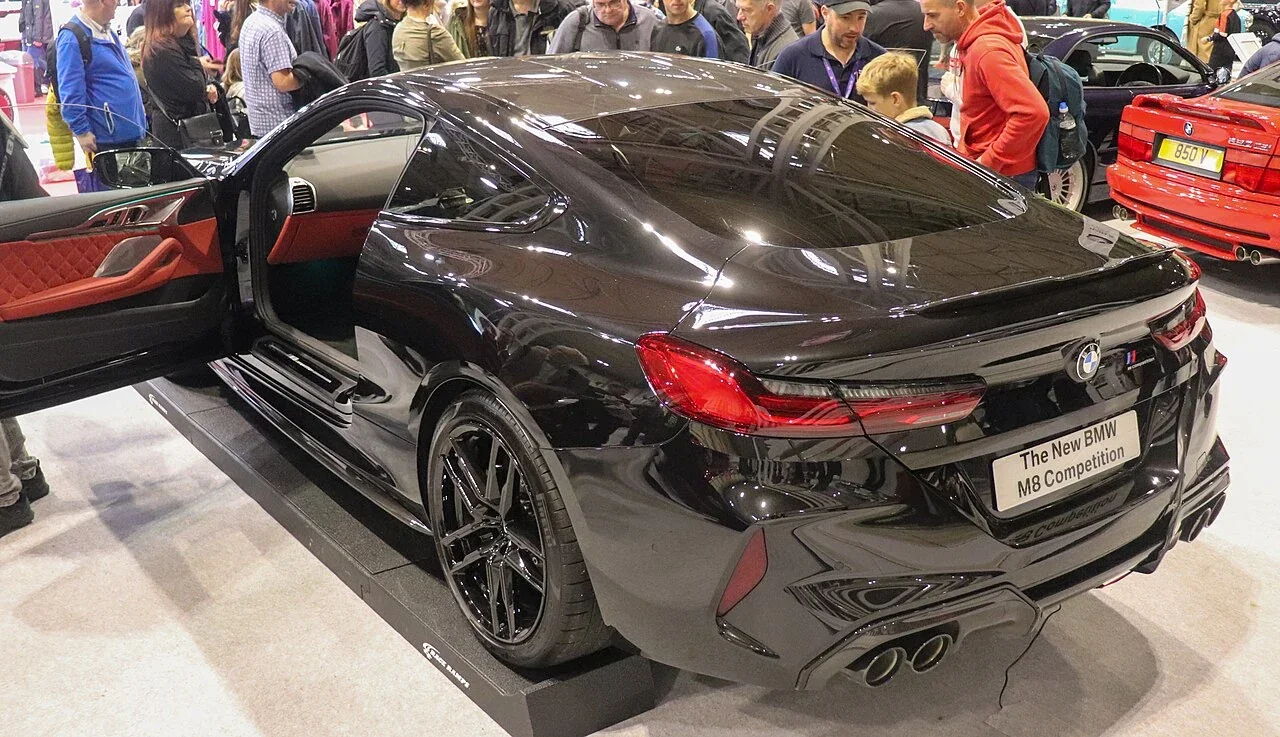
Four Seats Do Not Make It a Family Sedan
A two-door car asks more of rear passengers before the journey even starts. Try the entry process with the front seat adjusted for the person who will actually use it. Then restore that position and evaluate the rear space. A seat count is a formal description; comfort is a practical question.
The M8 Gran Coupe’s separate launch information identifies a substantially longer body and wheelbase than the two-door coupe. That matters if regular rear-seat use is part of the brief. The four-door is not simply the same car with two extra handles, and its dimensions should not be used to describe an F92.
For two-person trips, pack the car with the bags you normally take. Check the boot opening as well as the volume, and decide where coats, charging leads and small valuables will go. These small arrangements can make a grand tourer feel easy to live with or unexpectedly fussy.
Long doors also deserve attention in narrow parking spaces. A spacious-looking body does not necessarily create generous room to swing a door beside another car. Measure your own garage and try a realistic opening angle. This is especially useful if the M8 will replace a four-door rather than join an existing household fleet.
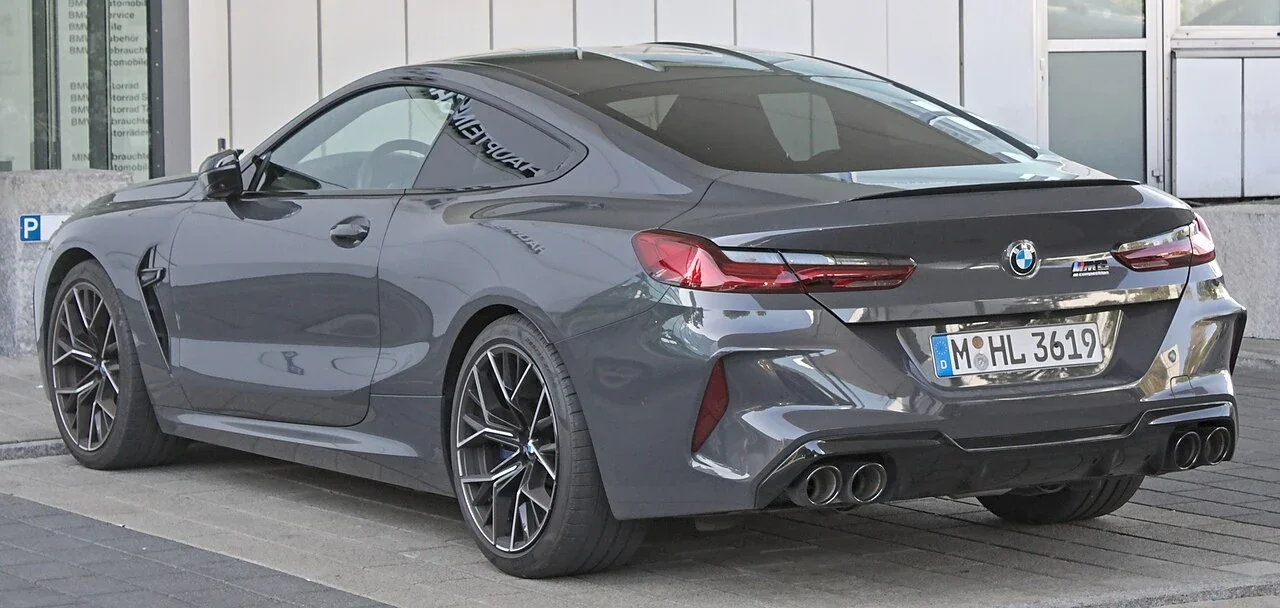
The Purchase Price Is Only One Part of the Decision
The original U.S. list price in the table is historical context, not a current valuation. Used asking prices must be compared within the same market and date, with mileage, specification and condition taken into account. A large advertised discount from new tells you little about the work the car may need next.
Ask for local quotes on the consumables fitted to your candidate. Wheel size, tire choice and brake specification can materially change that calculation. Optional carbon-ceramic brakes deserve an assessment by someone familiar with their inspection requirements. Do not infer remaining life merely from a clean wheel or the absence of an obvious dashboard warning.
Read service records as a timeline, not as a stack of paperwork. Dates and mileage should form a coherent history, and major work should be documented clearly. A specialist inspection should identify the present condition and any further questions. General internet praise or criticism of BMW will not replace evidence about the actual car.
Keep enough budget for the first period of ownership after purchase. Include insurance, immediate inspection findings and routine upkeep. This is not a prediction of failure; it is how you avoid turning a discretionary car into a source of resentment when an ordinary wear item needs attention.
M8 or a Different Kind of Grand Tourer?
Our Lexus LC 500 review provides a useful contrast in priorities. A buyer drawn to sound, design and a more leisurely sense of occasion may ask different questions from someone seeking the M8’s forceful acceleration and configurable drivetrain. The cars do not need to be equally quick to be meaningful alternatives.
A practical comparison begins with the journey you repeat most often. If that journey is mainly congested streets and tight parking, consider how much of each car’s character remains enjoyable there. If it includes long open-road travel with one passenger, evaluate seat comfort, noise and luggage arrangements over enough time to make a judgment.
Do not let a flagship label decide for you. A smaller or less expensive model may suit your roads better, while a larger four-door may suit your passengers better. The M8 earns its place when the two-door shape and the breadth of its performance are both things you will actively appreciate.
For Cariary, that makes the Competition coupe a strong but selective recommendation. It offers a compelling way to combine familiar controls with exceptional reserve. The right owner will enjoy that combination on an ordinary day, not just when explaining its horsepower to someone who has never sat in it.
Who Should Buy It?
Recommended For
Drivers who want a fast two-door touring car, usually travel with one passenger and appreciate a conventional cockpit. It makes sense when the long-hood shape is a positive choice, when its width suits the routes and parking available, and when the maintenance budget matches a complex high-performance flagship.
Not Recommended For
Buyers who regularly need easy rear-seat access, want a small and highly communicative sports car, or are stretching their entire budget to the asking price. It is also a weak fit if most of the attraction comes from a launch-control number that will rarely be relevant to their actual driving.
One-Line Verdict: The M8 Competition works when its extraordinary reserve makes an ordinary journey more enjoyable, not when the badge is asked to justify every compromise.
Frequently Asked Questions
Which M8 does this review cover?
The F92 Competition two-door coupe, using the 2020 U.S. specification. It does not use the Gran Coupe’s body dimensions or the convertible’s characteristics.
Does Competition mean 625 hp in this article?
No. The U.S. reference is 617 hp. International metric-horsepower figures use a different convention, so market and units must be kept together.
Is the M8 always all-wheel drive?
Normal operation uses M xDrive. BMW also provides a rear-drive setting with stability control deactivated; that specialist configuration is not needed to enjoy the normal road-car brief.
Does every car have the later touchscreen?
No. Check model year and equipment. The early reference and later update must not be treated as identical.
Are carbon-ceramic brakes essential?
This review does not make that recommendation. Choose around intended use, condition and replacement costs, and have the fitted system assessed by a qualified specialist.
Why four Cariary stars?
Its breadth and design are compelling, but space, size and running-cost considerations narrow the audience. The score is an editorial buyer-fit judgment rather than a road-test or reliability rating.
Further Reading and Data Reference
Data reference date: September 11, 2026. Specifications and attributed test observations are linked where discussed. Cariary Point is an editorial buyer-fit assessment, not an owner road-test score or reliability rating.
Explore more Cariary car reviews and buyer perspectives.

