CARIARYCAR · DIARY · PERSPECTIVE
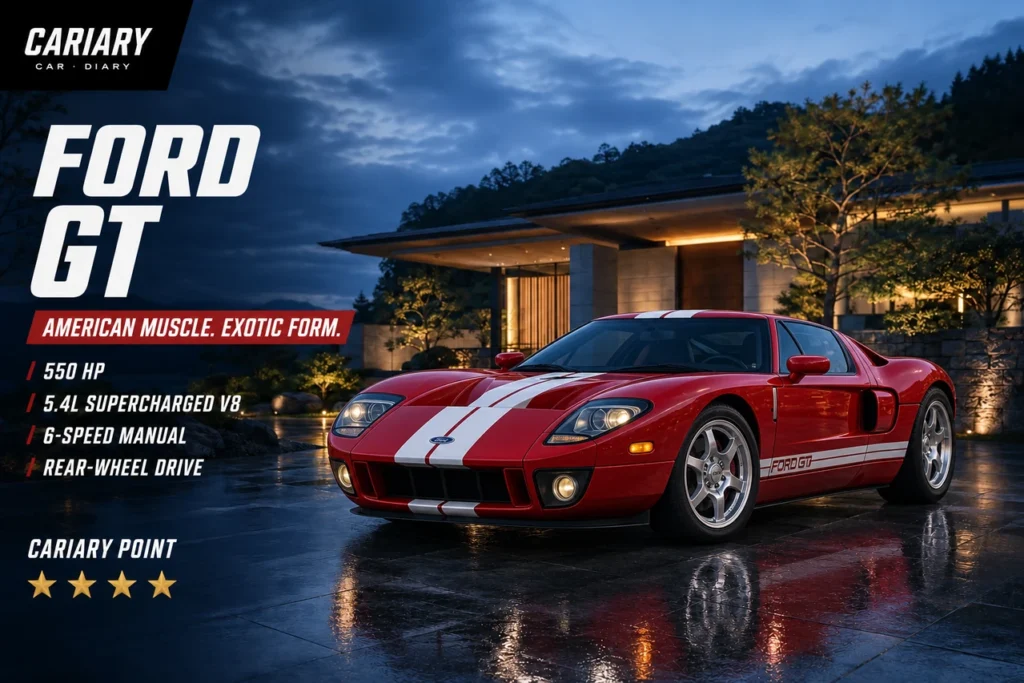
Cover: AI-generated Cariary editorial illustration, checked against the specified vehicle. It is not road-test photography.
This Ford GT review asks whether a famous shape can remain compelling once you move beyond the history lesson. In this case, the engine and gearbox give the modern road car an argument of its own. It is an exotic-looking Ford with a specific driving proposition, not merely a large model of an old racing car.
Cariary is interested in the contradiction that makes it memorable: a familiar blue-oval identity attached to a low, wide, two-seat machine that demands deliberate ownership choices. The car can be desirable without being easy to fit into every garage or every normal week.
This research-based review covers the production 2005–2006 first-generation Ford GT, using 2005 U.S. technical data. It excludes the 1960s GT40, development prototypes and the later EcoBoost V6 GT. A photographed right-hand-drive conversion is clearly identified. Cariary has not road-tested these cars.
4/5 for buyers who want a manual, supercharged V8 supercar with a distinct historical identity. Design and drivetrain give it enduring appeal; access, limited storage, age and specialist support impose meaningful ownership conditions.
Ford GT: Key Specifications
| Reference | 2005 U.S. production Ford GT; 2005–2006 generation |
|---|---|
| Engine | 5.4-litre supercharged V8 |
| Output / torque | 550 hp at 6,500 rpm / 500 lb-ft at 3,750 rpm |
| Transmission | Ricardo 6-speed manual |
| Drive / seats | Rear-wheel drive / 2 |
| Suspension | Front and rear double wishbones |
| Period test | 3.6 seconds 0–60 mph, Car and Driver 2005 comparison |
Ford GT: More Than a Familiar Silhouette
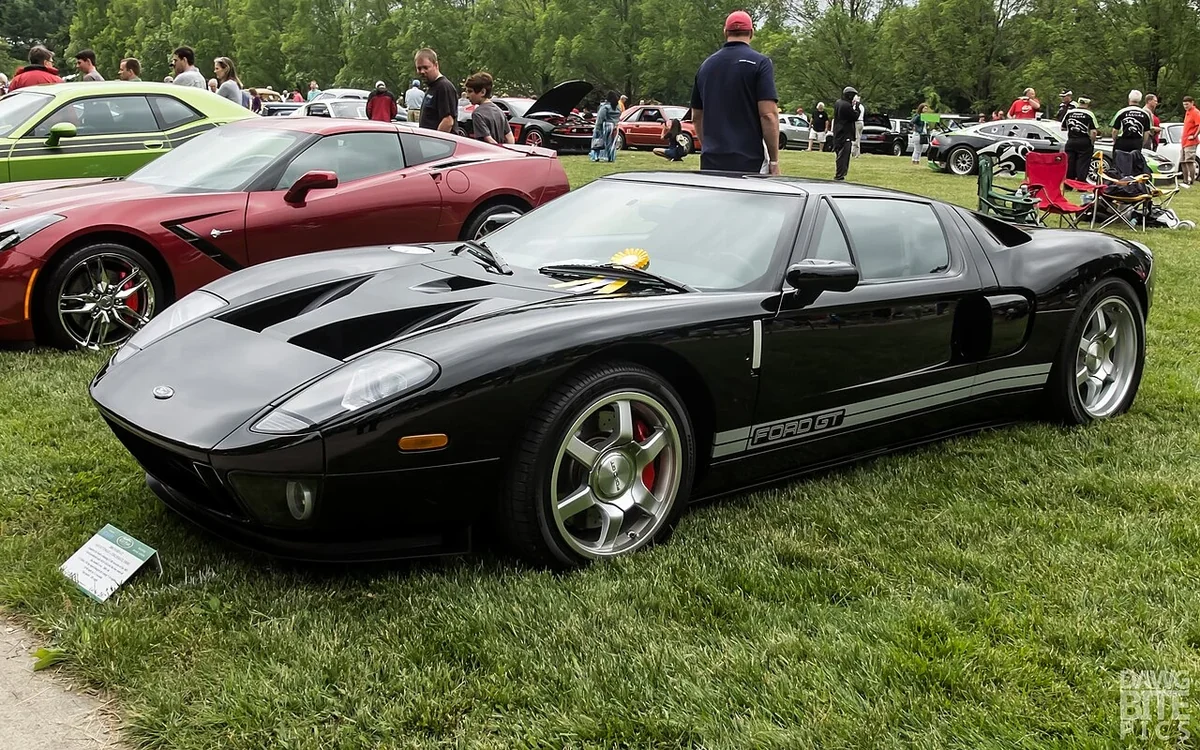
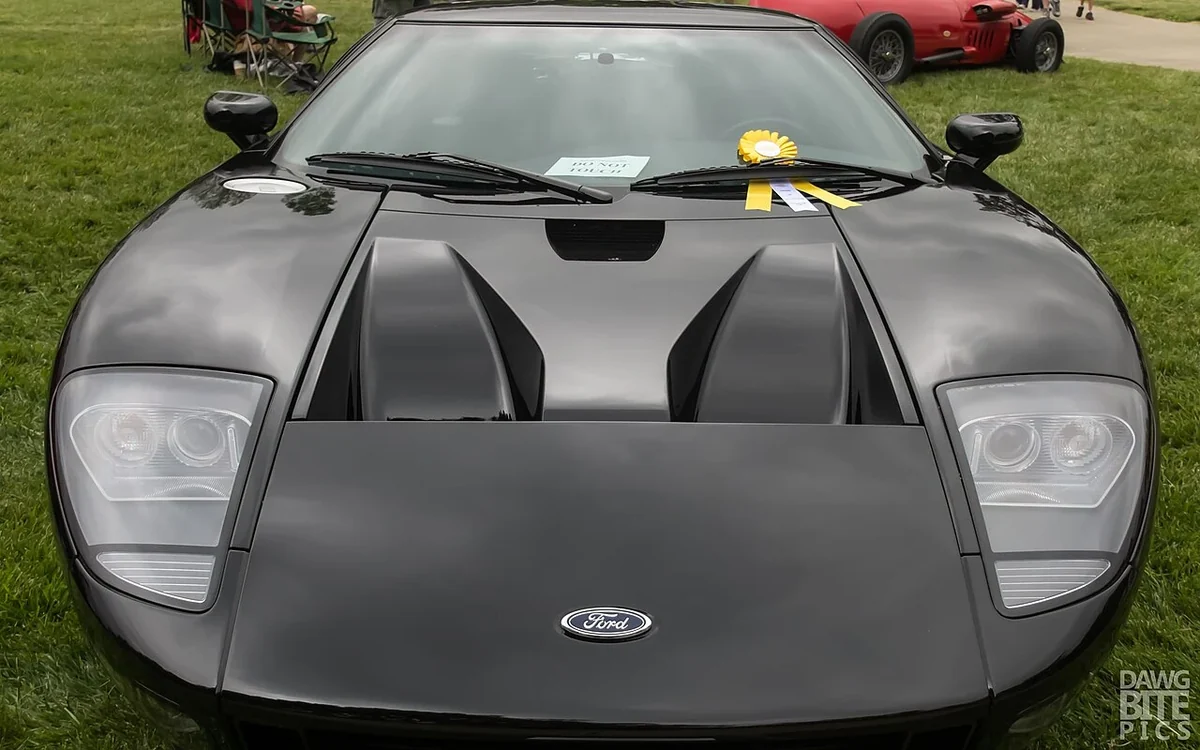
The low nose, broad shoulders and roof-cut doors make the design unmistakable. The historical reference is direct, yet the size and road-car purpose should be judged on their own terms. You are not buying a 1960s race car, and later V6-powered GT specifications do not belong in this review either.
A viewing should include more than a walk around the car in an open space. Imagine the body in your garage and on your normal roads. A shape that looks compact in a photograph can occupy considerable room in practice. Measure the space you have rather than relying on the way the car looks next to others at a show.
A Supercharged V8 Gives It Its Own Voice
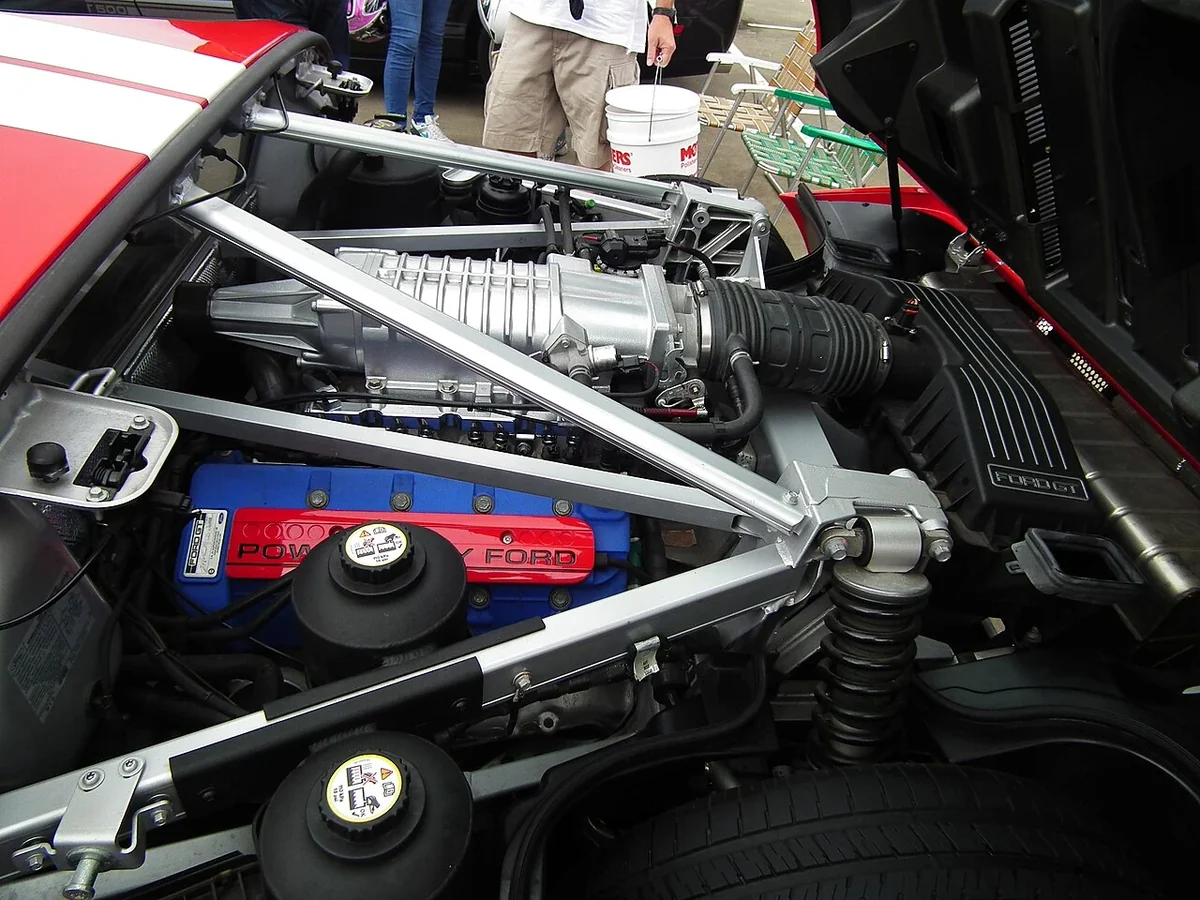
Ford’s production brochure specifies 550 hp, a supercharged 5.4-litre V8, dry-sump lubrication and the Ricardo manual transaxle. Those production figures matter: early development reports discuss different outputs and prototype hardware. They should not be presented as the specification of a finished customer car.
The purchase proposition is substantial V8 performance combined with direct gear selection. It is worth deciding whether that is what you want before being carried away by the bodywork. If your main priority is discreet, effortless progress, this car’s theater may become a burden. If you want the engine and shape to make a journey feel deliberate, the logic is much stronger.
The Ford GT Keeps the Driver Involved
The manual gearbox gives the car a clear connection between intention and action. That attraction can be appreciated without pretending every journey needs maximum acceleration. A good leisure drive includes the ordinary moments too: selecting a gear, easing through a bend and managing the car smoothly at modest speed.
In its 2005 supercar comparison, Car and Driver found the clutch and shifter approachable and praised the communication, while criticizing noise, storage and visibility. It measured 3.6 seconds to 60 mph. These are attributed period test findings, not evidence of the condition or behavior of a current advertisement.
A Dedicated Chassis Deserves a Coherent Setup
The factory specification combines double-wishbone suspension with staggered wheels and a limited-slip differential. The relevant ownership lesson is to preserve the relationship between the components. Fitting an impressive-looking part does not automatically make the whole car more effective or more enjoyable on the road.
Check tire specification and condition, alignment evidence, suspension work and brake history. If a car has substantial modifications, establish who designed the setup and why. You should be able to explain what you are buying in ordinary language. If the seller cannot provide a clear history, the burden of establishing the car’s condition does not disappear because it is exciting to look at.
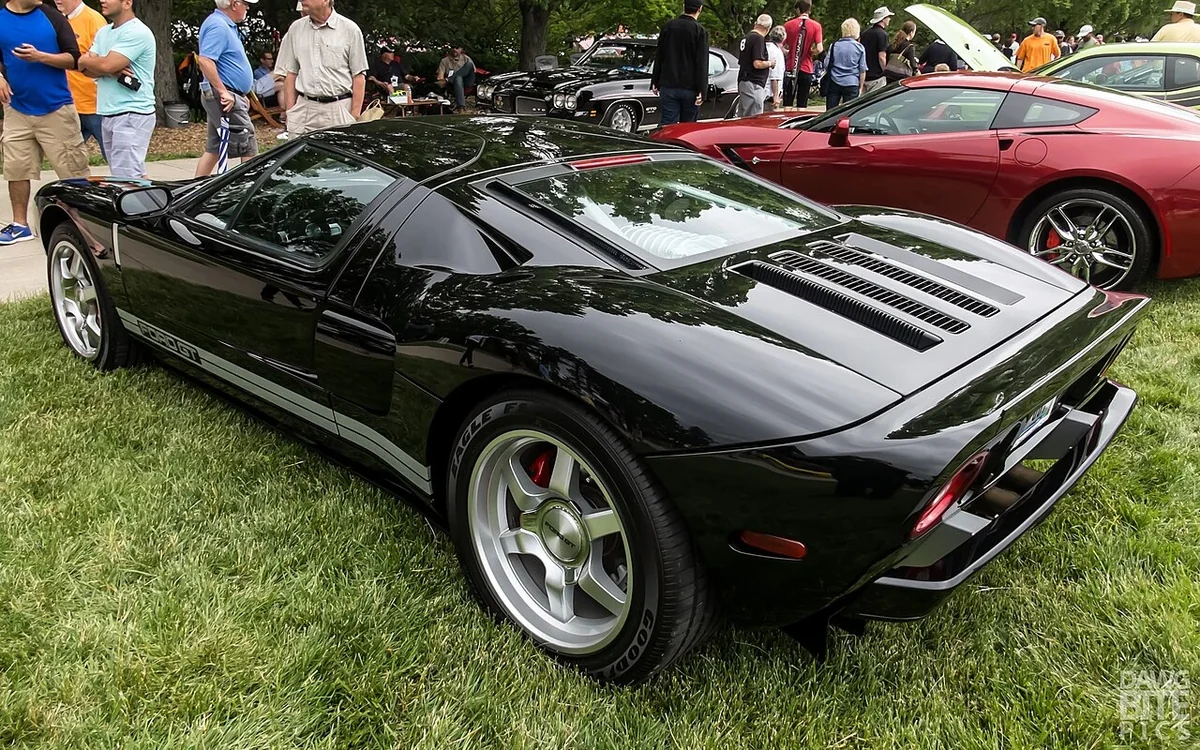
The Door and Garage Test Comes First
The door shape is part of the visual appeal, but it also makes access a practical question. Test entry and exit with a realistic amount of space alongside the car. Do the same on the passenger side. A large open showroom can hide an awkward ownership problem that appears the first time you park at home.
Also assess forward and rearward visibility from your own driving position. A tall or short driver may experience the same cabin differently. Work through normal maneuvers slowly and deliberately. Knowing the limits of your view is more useful than assuming familiarity will automatically solve every difficulty after purchase.
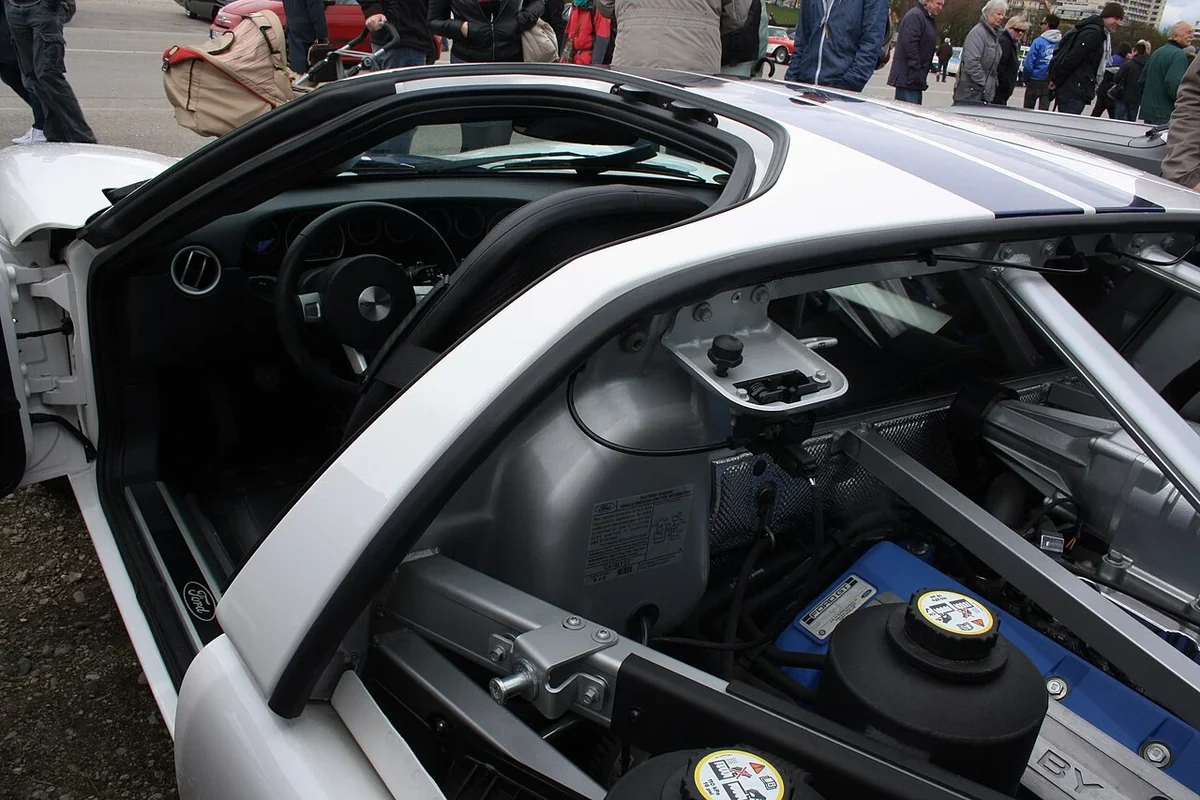
Ford GT Practicality: Plan the Journey
Ford’s archived specification material gives useful dimensions and seating information, but no table can pack a bag for you. Bring the luggage you expect to use. Check where it can go safely without interfering with controls or visibility. A nominal two-person trip can become a very different exercise when actual belongings are involved.
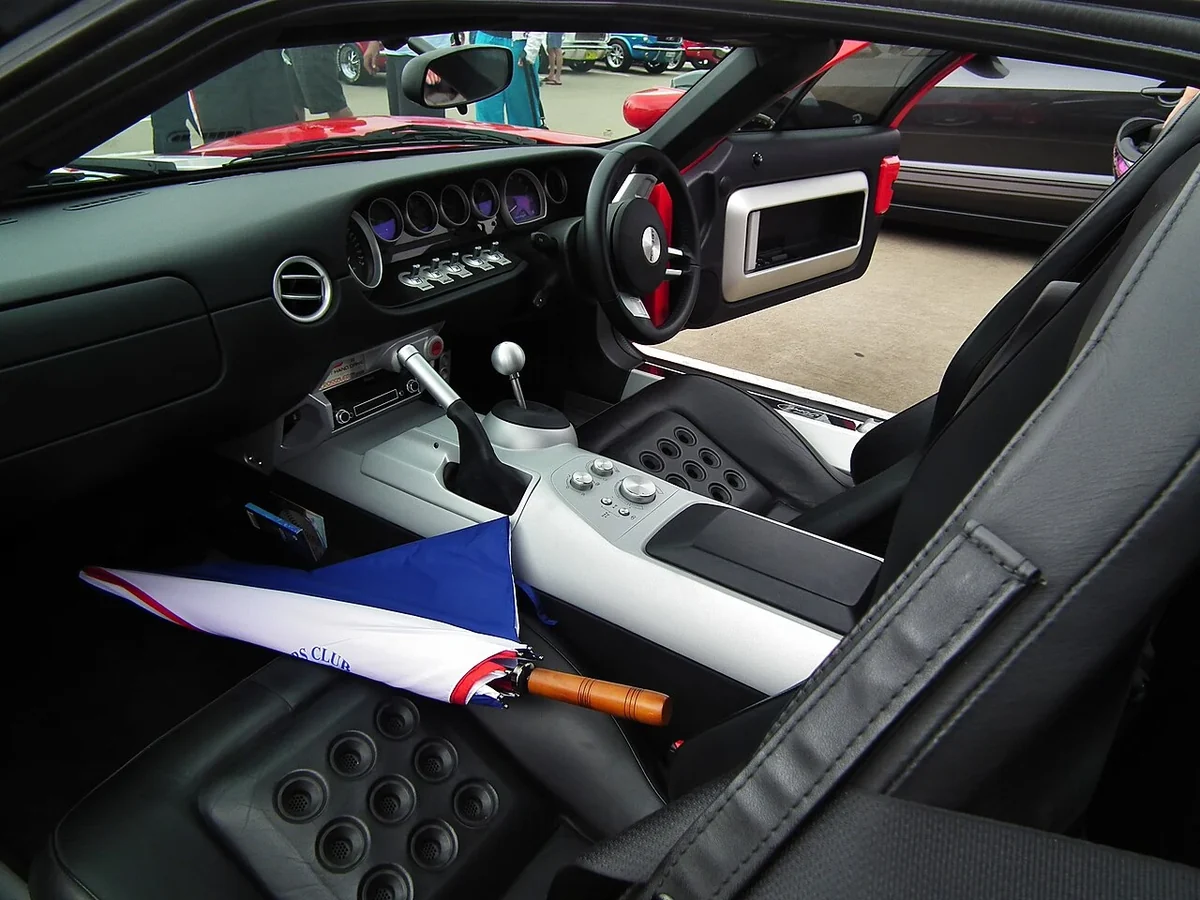
Make sure climate control, windows, mirrors, instruments and other everyday equipment operate correctly. An unusual supercar still needs these basic functions to make a journey pleasant. The right-hand-drive cabin photograph here shows a converted example, not factory U.S. configuration; any conversion requires its own documentation and inspection rather than being treated as standard equipment.
Specialist Support Before the Purchase
Find a workshop with direct knowledge of this generation and arrange an independent inspection. Ask for service invoices, identity documentation, diagnostic results and an examination of the structure and underside. Clarify prior damage, modifications and storage. Verify applicable recalls against the VIN through Ford, without assuming that a recent service proves every campaign is complete.
The Corvette Z06 review offers a different American supercar proposition, while the Gallardo review explores a period alternative. Compare support, access and your intended use as carefully as the engines. A car that fits your actual ownership resources is more likely to remain enjoyable after the first month.
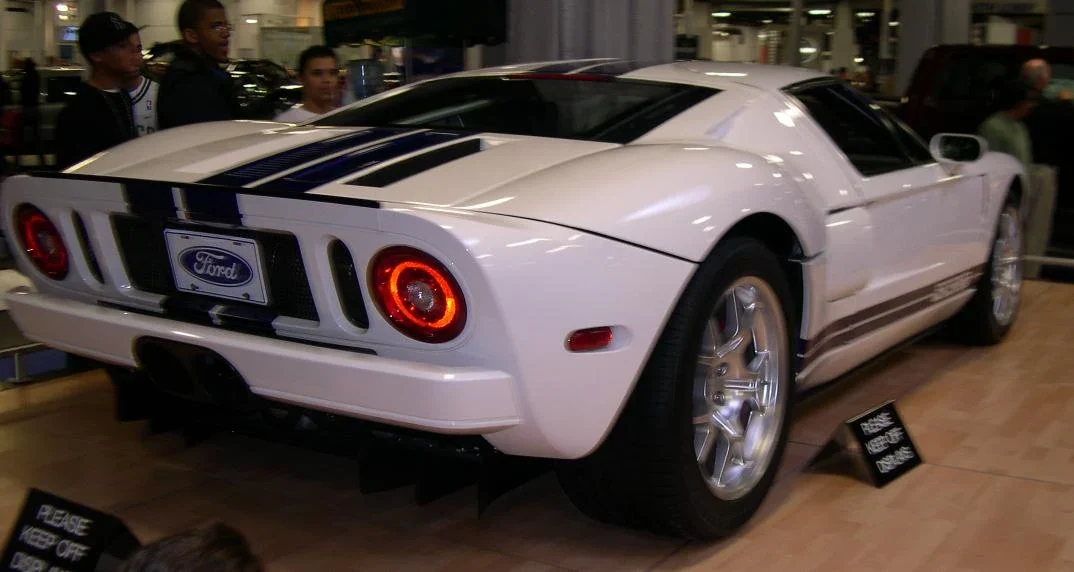
Why the Ford GT Receives Four Cariary Stars
Four stars reflect a deeply attractive combination: an enduring silhouette, a supercharged V8 and a manual gearbox in a purpose-built mid-engine car. There is a clear reason to want this generation that does not depend on claiming it is the fastest or most sophisticated option available. Its identity is strong enough to stand without those claims.
The fifth star is withheld for the practical and logistical demands. Access, storage and specialist attention can decide how often the car gets used. Cariary would prioritize documented condition and a realistic ownership plan over a speculative story about rarity. Choose the GT because you want to drive and care for this particular kind of car, not because a badge or rating promises an effortless investment.
Who Should Buy It?
Recommended For
An enthusiast who specifically wants a manual V8 supercar, has suitable parking and can arrange knowledgeable maintenance.
Not Recommended For
Buyers expecting ordinary coupe practicality, easy luggage accommodation, discreet daily use or universal service availability.
One-Line Verdict: The first modern Ford GT earns its appeal with a real mechanical identity, provided your ownership plan is as deliberate as its design.
Frequently Asked Questions
Is this the later V6 Ford GT?
No. This review covers the 2005–2006 supercharged V8 generation.
Does it use a manual gearbox?
Yes. The reference production car uses a six-speed Ricardo manual transaxle.
Why do early reports quote 500 hp?
Development reports preceded the final 550 hp production specification. Prototype information should not replace customer-car data.
Was the pictured RHD cabin factory U.S. specification?
No. It is identified as a right-hand-drive conversion. The review’s technical reference remains the U.S. production car.
What should I check before buying?
Start with independent model-specific inspection, documented history, recall status, actual cabin fit and the space needed to open the doors.
Further Reading and Data Reference
Data reference date: September 13, 2026. Official specifications and attributed test observations are linked where discussed. Cariary Point is an editorial buyer-fit assessment, not an owner road-test score or reliability rating.
Explore more Cariary car reviews and buyer perspectives.

