CARIARYCAR · DIARY · PERSPECTIVE
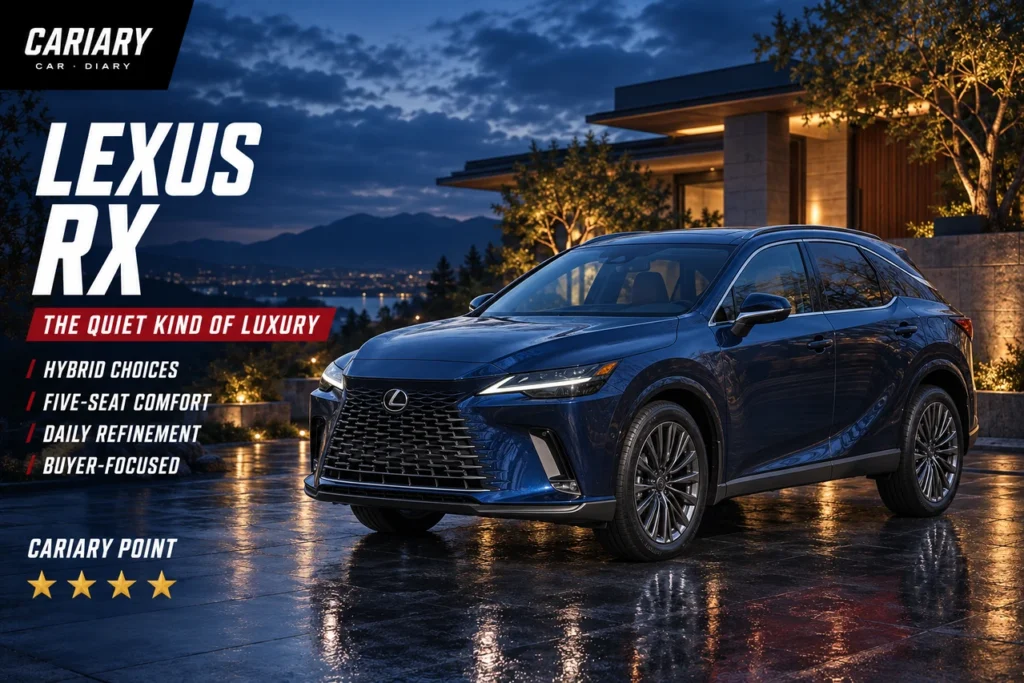
Cover: AI-generated Cariary editorial illustration, checked against the specified vehicle. It is not road-test photography.
This Lexus RX Review starts with a different question from the usual luxury-SUV comparison: how much attention should an expensive car demand from its owner? The RX is interesting because its most convincing version may be the one that asks for the least.
The range offers gasoline, conventional hybrid, plug-in hybrid and performance-hybrid choices. Those are different ownership propositions, not a neat ladder on which each larger badge is automatically a better purchase. A buyer seeking calm transport and a buyer seeking the strongest acceleration can enter the same showroom and leave with very different answers.
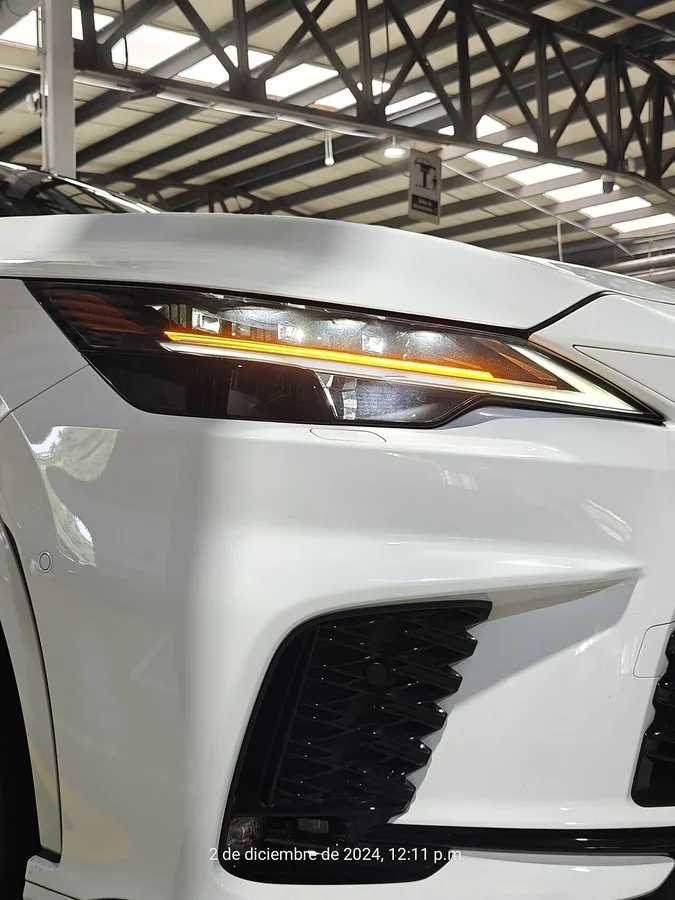
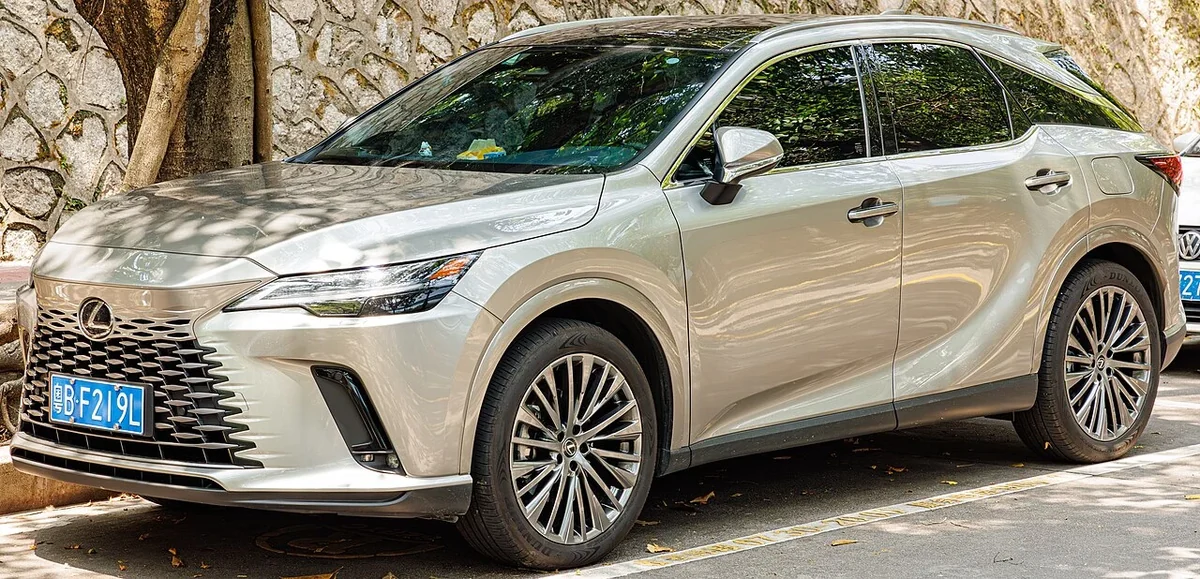
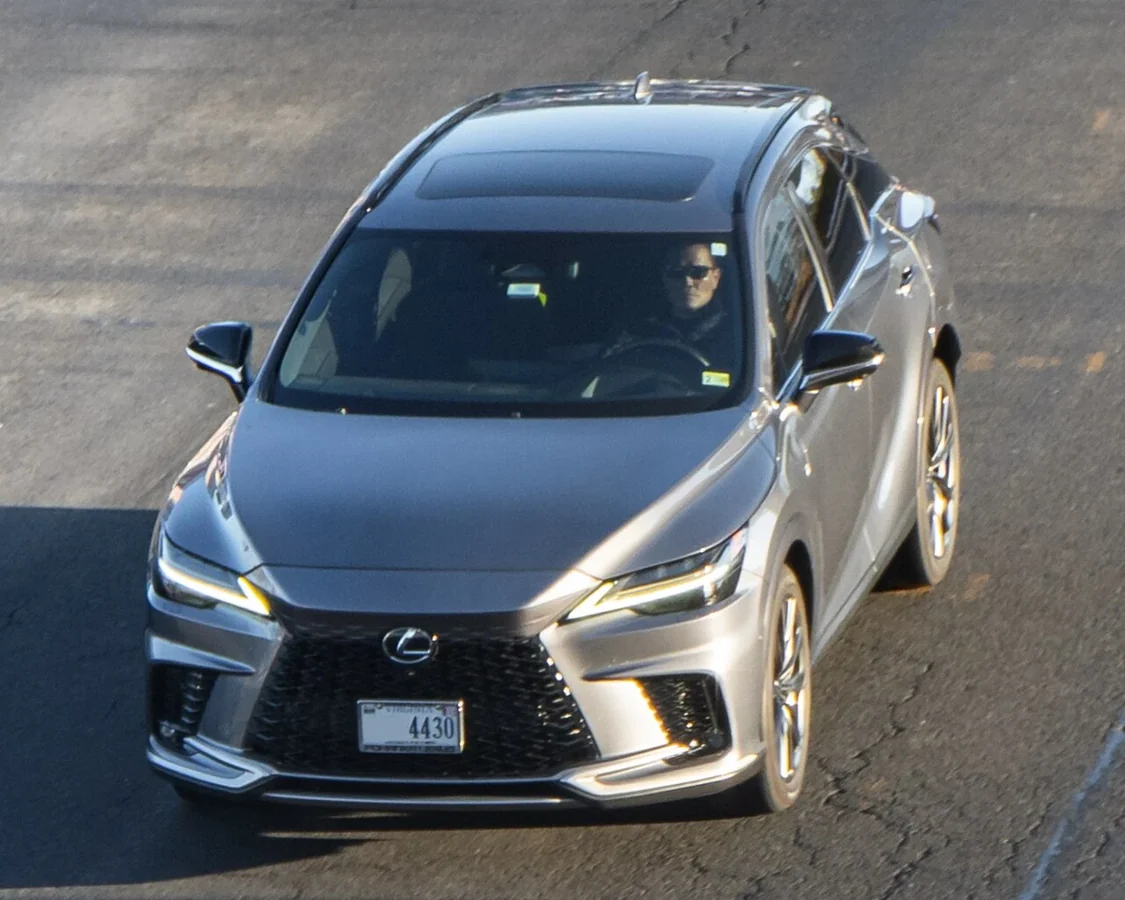
Scope: fifth-generation Lexus RX, U.S. model year 2026. Research-based buyer review, not a Cariary road test. Earlier current-generation and overseas reference photographs are identified in captions; equipment varies by market and grade.
Four stars for a coherent everyday-luxury proposition, especially in 350h form. The fifth is withheld because the plug-in premium needs a suitable charging routine, performance versions change the priorities, and this remains a five-seat crossover rather than a universal family solution.
Lexus RX Review: Key Specifications
| Reference market | United States · MY2026 · five seats |
|---|---|
| RX 350h | 2.5-liter hybrid · 246 net combined hp · AWD |
| RX 450h+ | 2.5-liter plug-in hybrid · 304 net combined hp · AWD |
| RX 500h | 2.4-liter turbo hybrid · 366 net combined hp · DIRECT4 AWD |
| RX 350h economy | EPA-estimated 36 mpg combined |
| RX 450h+ electric range | 38 miles, EPA-estimated in the dated Lexus release; actual range varies |
| 450h+ AC charging | 6.6 kW onboard charger · approximately 2.5 hours under ideal 240V conditions |
1. Lexus RX Review: Luxury as Less Work
Some luxury cars make the owner feel special by making every journey an event. The RX offers another possibility: making ordinary journeys less demanding. That distinction matters because most ownership happens between appointments, in traffic, or during an unremarkable trip home. A dramatic first impression does not necessarily become a better third year.
This is our interpretation of the range, not a measured claim that the RX is quieter or more comfortable than every rival. Those comparisons require the same roads, tires and test conditions. What the product choices do reveal is a strong emphasis on familiar crossover packaging and several routes into electrification without requiring every customer to adopt the same routine.
The result is a vehicle worth understanding on its own terms. Enthusiasts can appreciate a car that deliberately removes friction, just as they appreciate one that adds involvement. The useful question is whether the specification you choose reinforces that purpose or distracts from it. Bigger wheels, more power and more complicated equipment should each have a reason.
2. Why the 350h Is the Starting Point
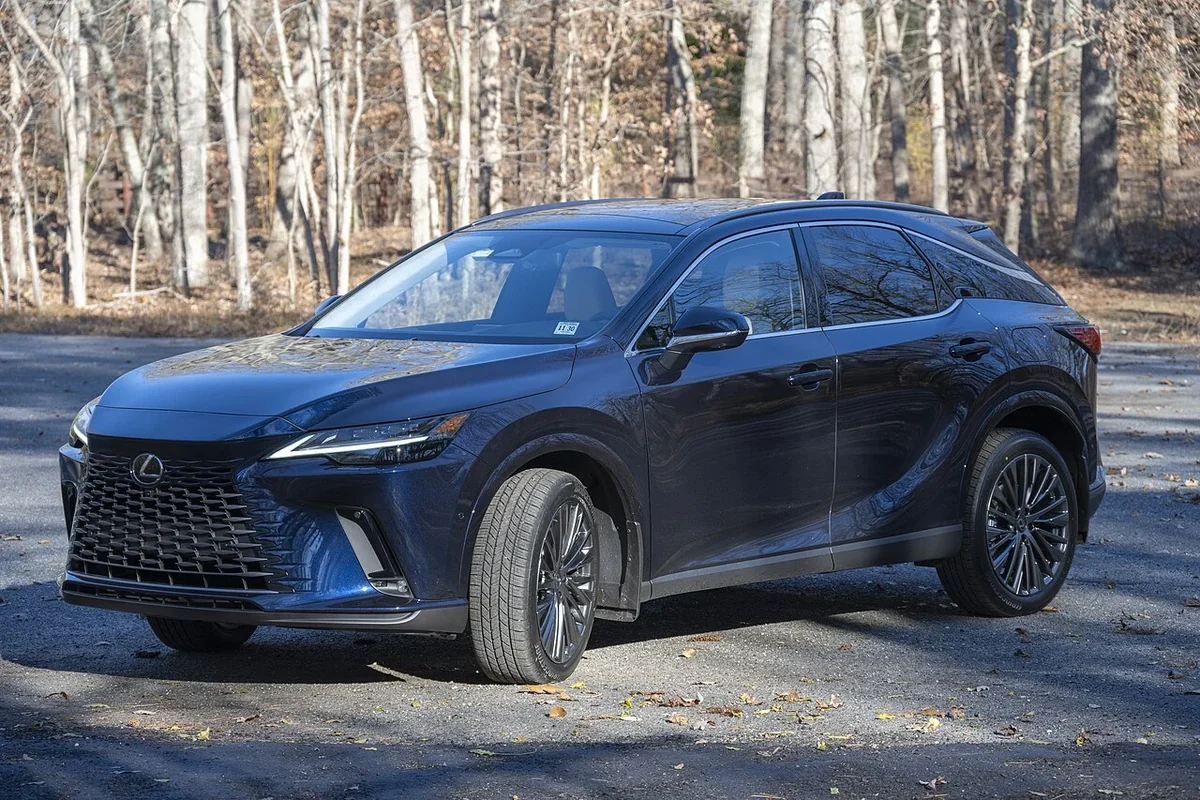
The 350h combines 246 net horsepower with an EPA-estimated 36 mpg combined in Lexus’ current RX hybrid specifications. It needs no external charging. That combination gives the ordinary hybrid a clear argument: electrification can contribute to the daily routine without adding a new task to it.
Do not translate that economy rating into a guaranteed fuel bill. Weather, speed, trip length and driving style influence consumption. Its relevance is comparative: a buyer whose week includes repeated urban journeys has a reason to consider the hybrid before simply choosing the gasoline model by habit. The electric assistance is part of a coordinated powertrain, not a promise that every trip will be silent.
The 350h also puts a useful ceiling on the shopping exercise. If it does what you need, the more expensive variants must justify themselves with a benefit you will use. That is an important change in perspective for a premium purchase. The question becomes “what problem does the upgrade solve?” rather than “which badge can I stretch to?”
3. The 450h+ Is a Routine, Not Just an Engine Choice
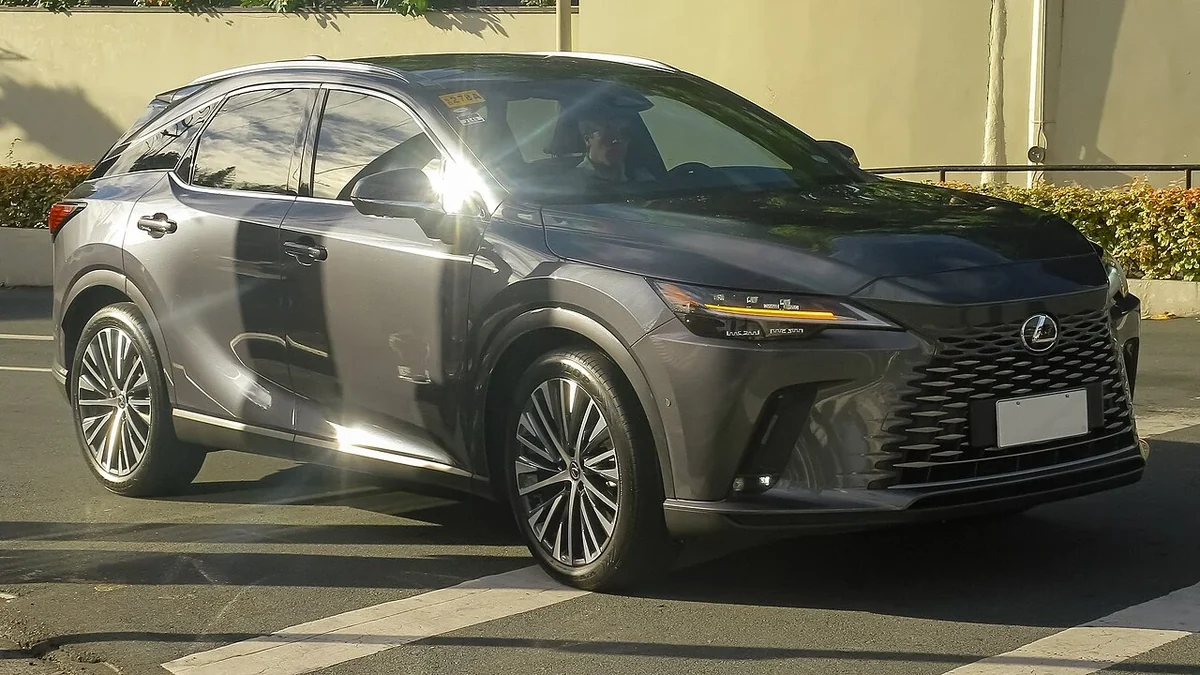
The plug-in RX offers 304 net combined horsepower in the model specifications. Lexus’ U.S. 2026 RX release gives a 38-mile EPA-estimated electric range and approximately two-and-a-half hours for a full charge under ideal 240V conditions with its 6.6-kW onboard charger. These figures describe different things: range is not a guarantee, and charging time assumes suitable electrical supply and conditions.
Picture two owners with similar commutes. One parks beside a suitable home charging point and connects the car each evening. The other relies on a public charger several streets away. The hardware is identical, yet the first owner has a much easier path to using the plug-in capability regularly. Access can matter more than enthusiasm for technology.
The 2026 addition of a Premium grade makes the 450h+ worth revisiting, but it does not remove the need for arithmetic. Compare actual transaction prices, home electricity costs and fuel use over your mileage. Do not treat MPGe as gasoline mpg or count an incentive that has not been confirmed for your purchase. Choose it because its electric-running opportunity fits your life.
4. The 500h Changes the Brief
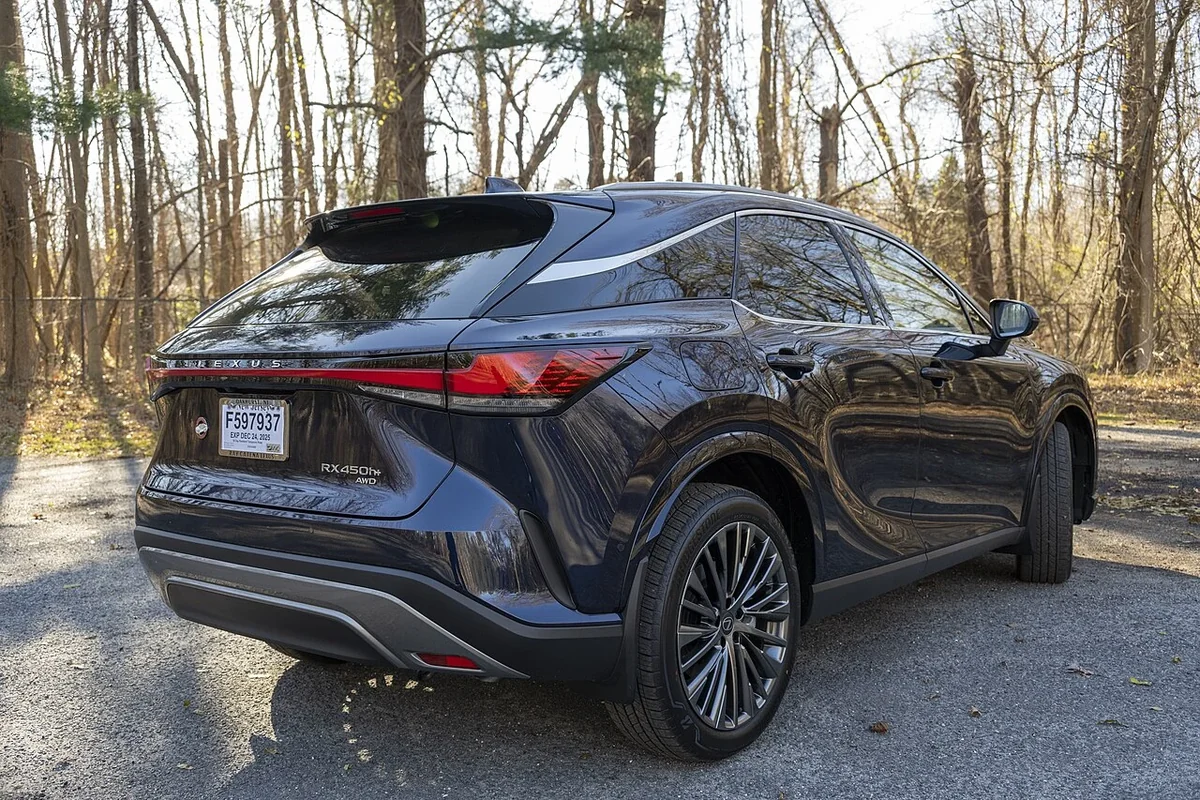
The 500h pairs a turbocharged 2.4-liter engine with hybrid assistance, a six-speed automatic and DIRECT4 all-wheel drive. Its 366-hp system output in Lexus’ U.S. 2026 RX release makes the performance version a different proposition from the 350h. “Hybrid” describes how power is supplied; it does not tell you what the engineers prioritized.
That is why an RX buyer should resist putting all three electrified versions into one efficiency comparison. The 350h makes a case for everyday economy. The 450h+ adds an opportunity to replace some gasoline driving with externally supplied electricity. The 500h puts more emphasis on response and performance. The badge alone cannot settle which is right.
For this Lexus RX Review, the performance model is appealing when the owner actively wants that change of character. It is less persuasive as an automatic upgrade for someone whose main requests were a comfortable commute and manageable running costs. Drive the relevant versions back to back, with attention to low-speed response and road noise, before paying for the sportier promise.
5. The Cabin Must Work After the Demonstration
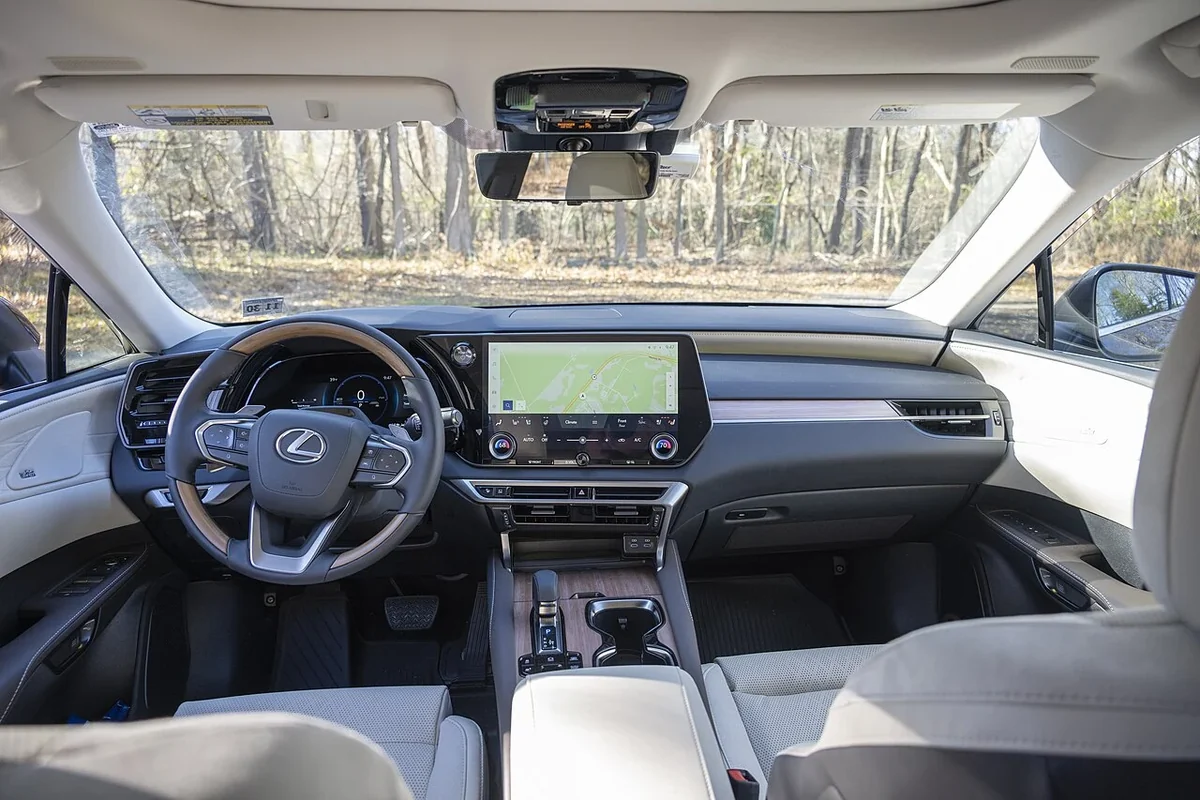
The current RX interior puts a prominent screen within the driver’s reach, with an available 14-inch display. A showroom demonstration can make every interface seem effortless because someone else knows the sequence. The better test is to complete your own ordinary tasks: change a destination, adjust temperature, switch audio source and reconnect your phone.
Try those tasks while parked first, then assess whether the controls remain easy to understand during a supervised test drive. Familiarity can reduce effort, but it should not be used to excuse a control arrangement that consistently distracts you. Check seat adjustment and sightlines before judging the upholstery color. Comfort starts with where your body and eyes naturally settle.
Lexus also uses electronic door release technology with assistance features. Ask the dealer to demonstrate normal operation and the manual emergency procedure rather than assuming every passenger will know it. A premium feature earns its place when it helps people use the car confidently. An attractive cabin should not depend on an owner becoming its full-time instructor.
6. Five Good Seats Are a Deliberate Limit
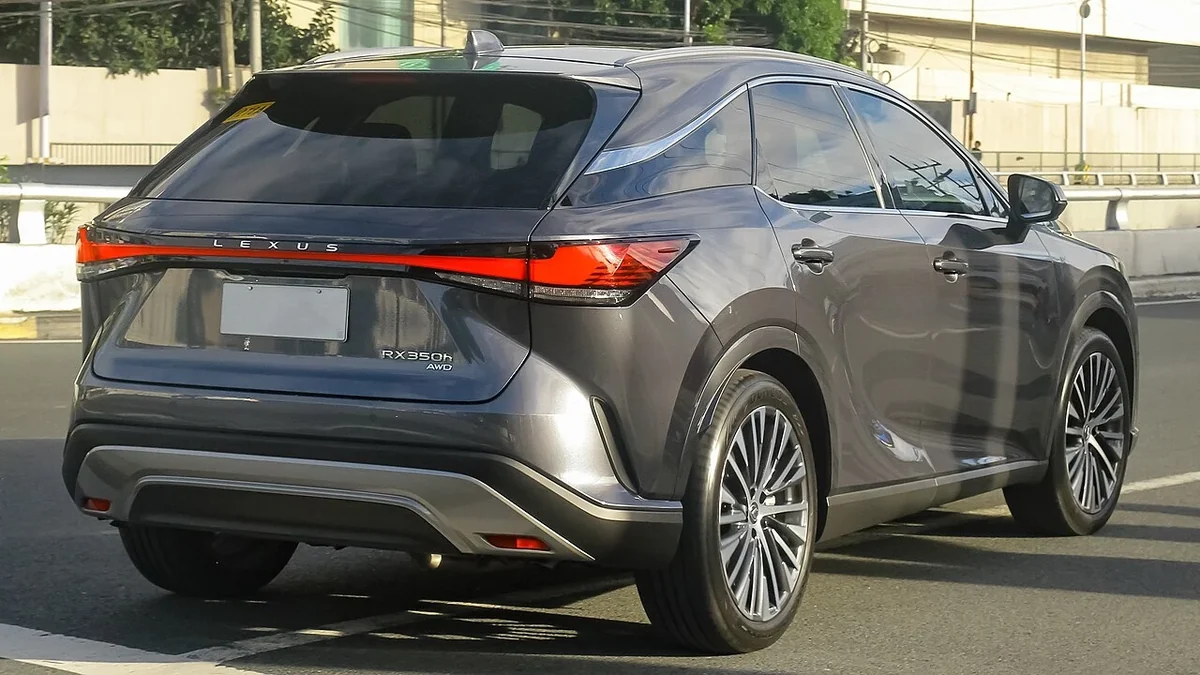
This generation of RX is a five-seat crossover. That makes it a candidate for households whose regular journeys fit within two rows, but not an answer for buyers who occasionally need a third row and expect it to appear when required. Clarifying that early saves a surprisingly large amount of unproductive comparison.
Bring the objects and people that determine your real space needs. A stroller’s folded shape, a dog crate or the position of a rear-facing child seat can matter more than a published volume. Set the front seat for the actual driver before trying the rear. Also check the load opening and how comfortably you can reach into the cargo area.
There is an interesting philosophical contrast with the Lexus GX 550. The GX’s rugged truck-based brief creates different opportunities and compromises. Choosing the RX can be an informed decision to prioritize normal-road use, rather than a lesser version of the same idea. They share a badge, not an identical reason to exist.
7. Price the Version You Would Actually Keep
The June 19, 2026 pricing update in Lexus’ release lists the 350h Premium at $57,250 and the 450h+ Premium at $66,780, including the stated $1,550 delivery, processing and handling charge. That is a $9,530 listed difference before tax, registration, options or dealer terms. It is a useful starting comparison, not a claim of identical equipment or a guaranteed transaction price.
The gap should prompt a practical conversation about usage. A plug-in may offer an appealing electric routine even when fuel savings alone do not repay its premium quickly. Conversely, a conventional hybrid can be the more satisfying purchase if it leaves room in the budget for the equipment and ownership reserve you actually value.
Wheel choice deserves the same discipline. An appealing large wheel does not prove a better ride on broken pavement; read why bigger wheels are not automatically better. Ask for the tire replacement price and test the exact setup where possible. The true luxury decision includes the recurring costs that arrive after the excitement of ordering has passed.
8. What the RX Should Change in Your Thinking
The most interesting lesson of this Lexus RX Review is that a premium car does not have to compete for your attention to deserve it. The ordinary hybrid’s appeal is the possibility of fitting into a busy life with relatively little adjustment. That is a coherent automotive character, even if it produces fewer dramatic social-media moments than a performance derivative.
Our four-star judgment is strongest for buyers who share that priority. It is conditional, not a prediction of faultless ownership. Brand reputation is not a substitute for checking the exact vehicle, warranty, service schedule and any open recalls. Cariary’s maintenance guide explains how to turn maintenance from a vague worry into a repeatable habit.
Before choosing, complete one final test: describe the benefit of your preferred version without saying its badge or horsepower. If the answer is an easy hybrid routine, the 350h deserves serious attention. If it is electric commuting with dependable charging access, examine the 450h+. If it is extra performance, admit that preference and test the 500h accordingly.
Who Should Buy It?
Recommended For
Drivers seeking a two-row premium crossover with a clear everyday role; the 350h suits buyers who want hybrid operation without plugging in, while the 450h+ suits a regular charging routine.
Not Recommended For
Buyers requiring three rows, drivers expecting every RX to behave like a performance SUV, or households buying the plug-in without checking convenient charging and the price difference.
One-Line Verdict: The RX is most convincing when you choose the kind of ease you want, rather than the largest badge you can afford.
Frequently Asked Questions
Which Lexus RX is the best starting point?
For everyday luxury without external charging, this review starts with the 350h. The best choice still depends on budget, driving pattern and the exact equipment you value.
Is the RX 500h a plug-in hybrid?
No. The 500h is the performance hybrid. The 450h+ is the plug-in model and needs regular charging to make the most of its electric capability.
Does the 2026 Lexus RX have a third row?
No. The current U.S. RX is a five-seat, two-row vehicle. Do not confuse it with older RX L versions or the separate Lexus TX.
Is the 38-mile plug-in range guaranteed?
No. The dated Lexus release identifies it as an EPA estimate. Temperature, speed and conditions change actual range.
Why four Cariary Point stars?
The RX has a strong everyday-luxury identity. Price, charging dependence in the plug-in, and the limits of its five-seat format keep this editorial assessment from five stars.
Further Reading and Data Reference
Data reference date: October 3, 2026. Official specifications and attributed test observations are linked where discussed. Cariary Point is an editorial buyer-fit assessment, not an owner road-test score or reliability rating.
Explore more Cariary car reviews and buyer perspectives.

