CARIARYCAR · DIARY · PERSPECTIVE
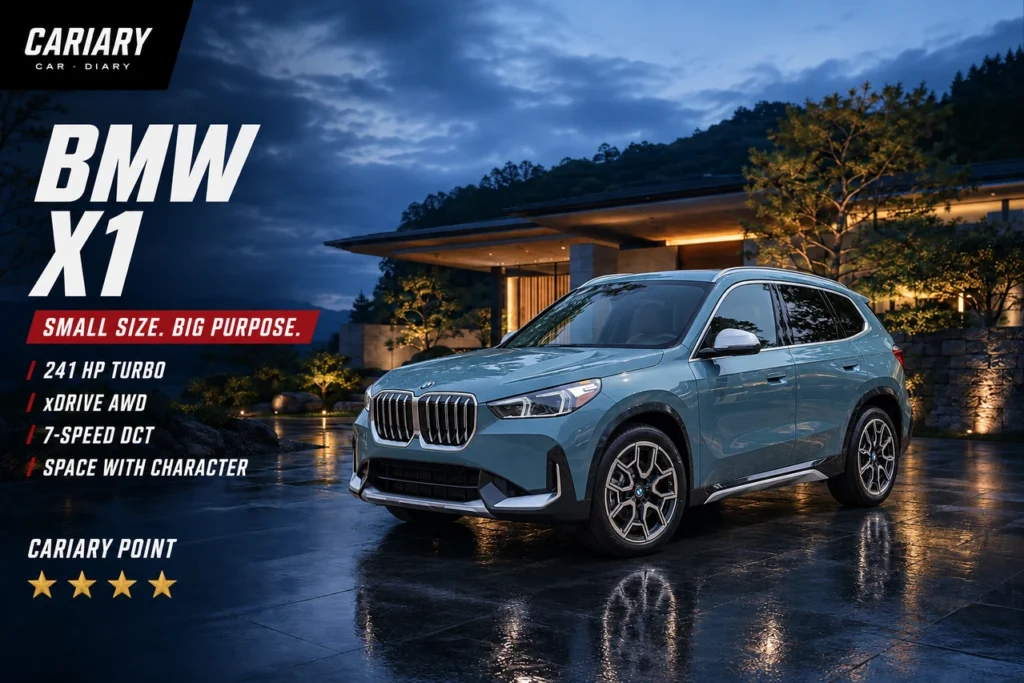
Cover: AI-generated Cariary editorial illustration, checked against the specified vehicle. It is not road-test photography.
This BMW X1 Review asks whether the smallest decision in the BMW SUV showroom might also be the most sensible. The xDrive28i has enough performance to feel substantial, a useful upright body and the kind of dimensions that still make sense in an ordinary garage.
Its most interesting quality is also the reason some traditionalists hesitate: the X1 is built around a different packaging philosophy from BMW’s classic longitudinal-engine sports sedans. That is not a secret defect to excuse. It is the design decision that helps explain the space, proportions and role of the car.
Cariary’s view is that a compact premium SUV earns its price by making repeated daily use more satisfying. An impressive badge and a quick sprint are welcome, but the decisive questions happen in traffic, while loading bags and when a second driver tries to change a setting.
Scope: 2027 U.S. BMW X1 xDrive28i, U11 generation. Earlier U11 photographs illustrate the shared body and cabin architecture; market, trim and software differences are identified in captions. This is a research-based buyer review, not a Cariary road test.
Four stars for useful packaging, a capable standard drivetrain and a distinctive cabin. Touchscreen dependence, option costs and the need to assess low-speed gearbox behavior prevent an unconditional five-star recommendation.
BMW X1 Review: Key Specifications
| Reference | 2027 U.S. X1 xDrive28i, U11 |
|---|---|
| Engine | 1,998 cc turbocharged four-cylinder |
| Output | 241 hp; 295 lb-ft from 1,500–4,000 rpm |
| Transmission / drive | Seven-speed dual-clutch automatic / xDrive AWD |
| Manufacturer 0–60 mph | 6.2 seconds; conditions affect results |
| Starting MSRP | $43,200 before applicable fees and options |
| Length / width / height | 177.2 / 72.6 / 64.6 inches; body width excludes mirrors |
| Rear seat | 40/20/40 split-folding backrest |
1. BMW X1 Review: Small Does Not Mean Incomplete
A compact luxury SUV can become an awkward compromise if it feels like a cheaper version of a larger car in every interaction. The X1’s stronger argument is that some people actually want the smaller footprint. Parking, garage access and city maneuvering are part of the product, not chores to be endured between enjoyable drives.
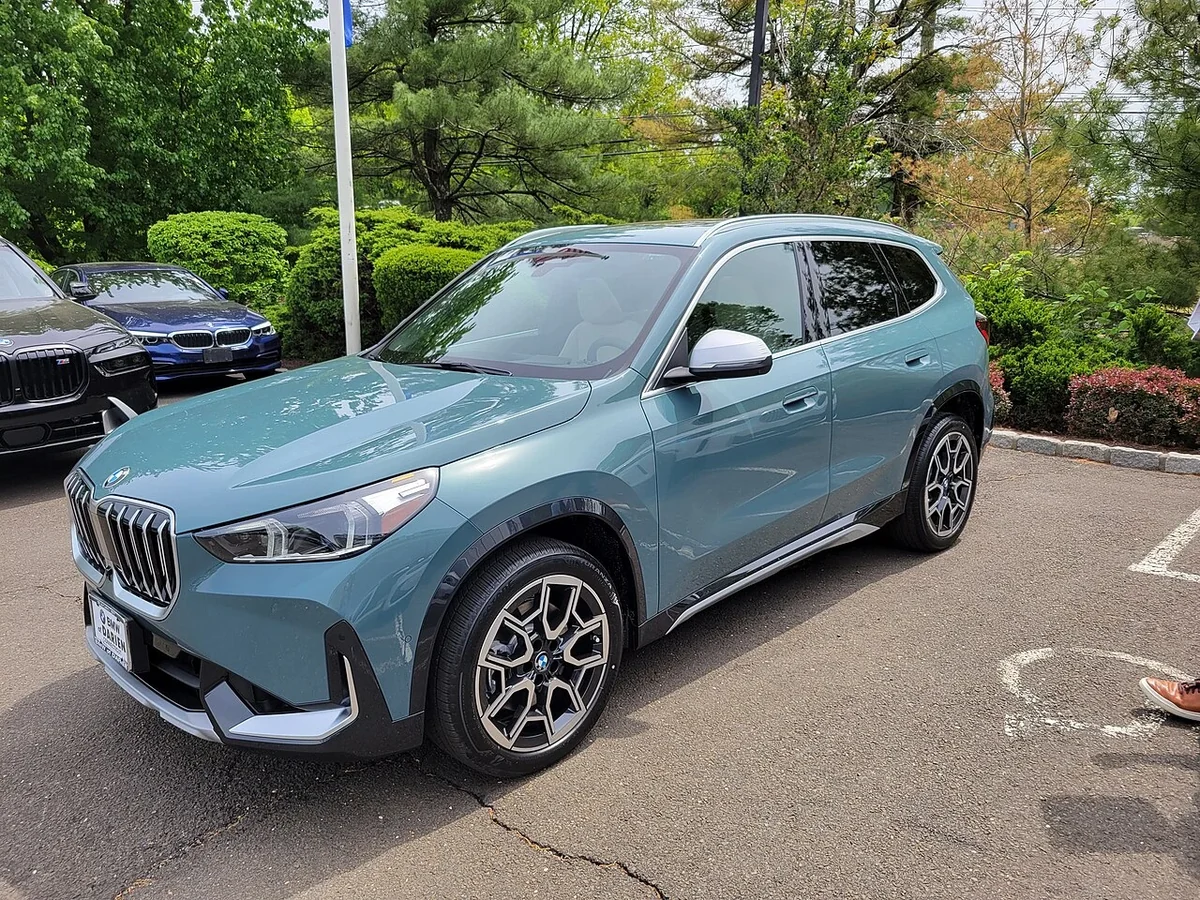
BMW’s current U.S. product and technical data lists a 177.2-inch length and a 72.6-inch body width. Including mirrors, width reaches 82.8 inches. That last measurement matters at the garage door; the body-only number is not the full clearance requirement. Compact is a relative description, not a guarantee that every narrow parking space becomes easy.
The upright rear section also distinguishes a useful small SUV from a fashionable silhouette that spends cabin space on appearance. If the X1 fits the people and objects you carry, buying a larger model may add cost and bulk without adding much value to the actual week. That is a positive reason to choose it, not a reason to apologize for it.
2. Why It Is Not Simply a Shrunken X3
The U11 X1 uses a transverse-engine architecture. In simple terms, the engine is arranged across the vehicle rather than following the lengthwise layout associated with many traditional BMW sedans. Packaging a compact engine and transmission this way helps reserve useful length for passengers and luggage.
BMW’s U11 launch engineering information explains the generation’s drivetrain and chassis development. That source is used here for architectural background, not to substitute 2023 prices or equipment for the current model year. The current xDrive28i specification is checked separately.
The consequence for an enthusiast is to reset expectations. The X1 can be responsive and engaging without reproducing the balance or sensations of a low sports sedan. Our BMW M340i perspective describes a different route to daily performance. A buyer who understands that difference is more likely to appreciate each car for the task it was designed to perform.
3. The Standard Engine Is Already a Serious Starting Point
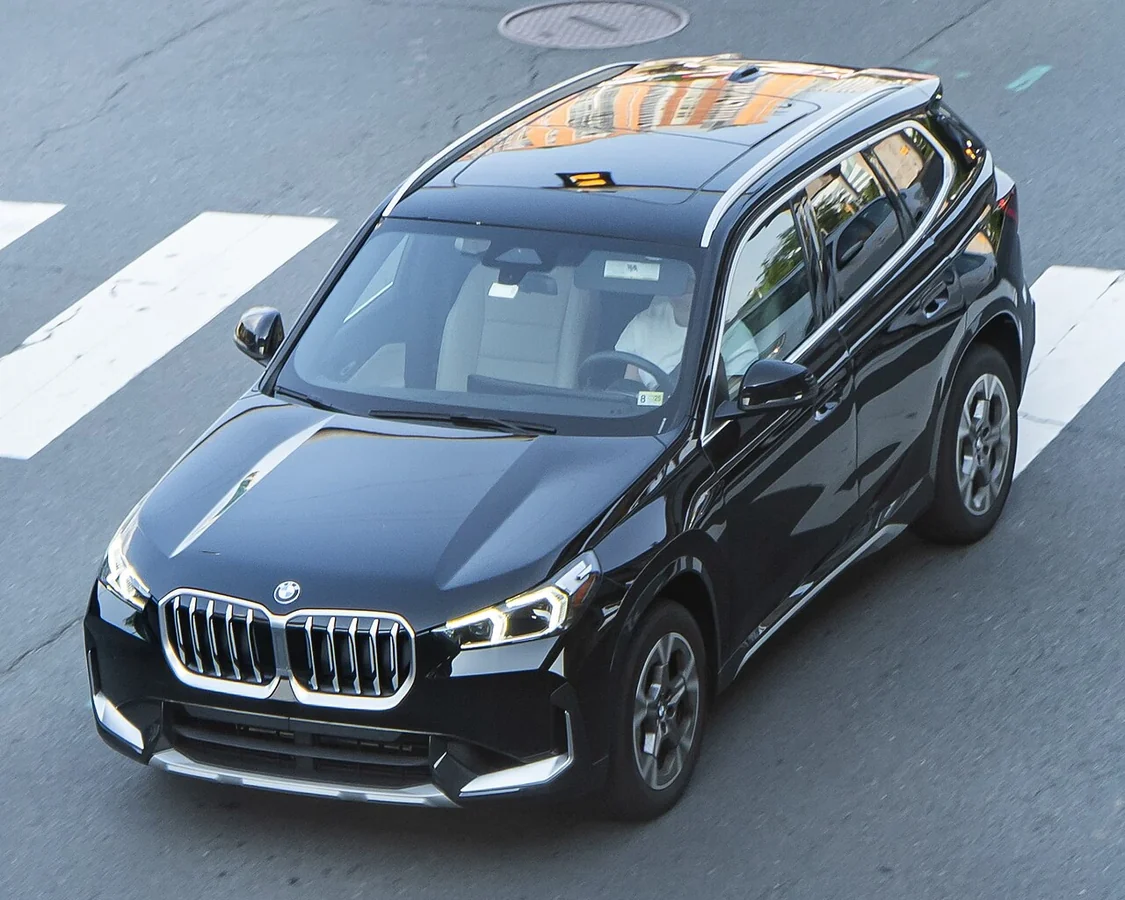
The 2027 xDrive28i produces 241 hp and 295 lb-ft, with that torque available from 1,500 to 4,000 rpm in BMW’s data. The manufacturer quotes 6.2 seconds from 0–60 mph. These are specification and manufacturer-performance figures, not a Cariary timed test.
The broad torque band is more relevant to ordinary use than a top-speed claim. It gives the drivetrain useful output across the engine speeds involved in joining a highway or accelerating away from a town. That still leaves gearbox response, accelerator mapping and load as important parts of how immediate the car feels.
It is easy to move straight toward the M35i because it sounds like the enthusiast’s answer. Instead, drive the xDrive28i first. If it already gives you the response you want, a more expensive performance version may be solving a problem you do not have. Money kept for useful options, travel or ownership costs can make the overall experience better than buying the biggest output figure.
4. The Seven-Speed DCT Deserves a Traffic Test
The X1 uses a seven-speed dual-clutch automatic. Its basic appeal is quick, efficient gear selection, but a dual-clutch unit is not mechanically identical to a torque-converter automatic. Slow creeping requires controlled clutch engagement, which makes calibration and the driver’s particular traffic pattern worth evaluating.
This is a test-drive recommendation, not a claim that every X1 hesitates or behaves badly. Try an uphill parking maneuver, a gentle reverse and the first few yards after releasing the brake. Then repeat with the start-stop behavior and drive mode you would normally use. A transmission can impress at speed and still deserve closer attention in the maneuver you perform every morning.
Our guide to transmissions and drivetrains explains these differences without assuming one design always wins. For Cariary, repeated small irritations matter. If the car’s response feels natural to both regular drivers, the DCT becomes a feature you stop thinking about. That is a better outcome than spending years explaining away a mismatch.
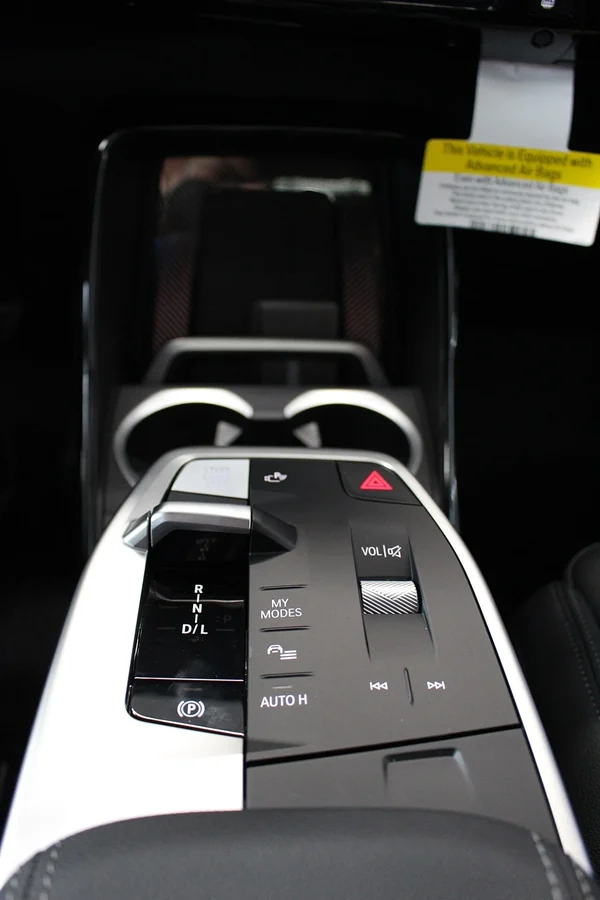
5. Practicality Comes From the Shape, Not the Badge
The rear backrest folds in a 40/20/40 split. The narrow center section is useful when a long object needs to pass through while two passengers retain the outer seats. It is a modest piece of hardware, but one that can make a compact vehicle more flexible than a single cargo-volume number suggests.
Use your own luggage as the measuring instrument. A stroller, a dog crate and a pair of large suitcases ask different questions of the opening, floor height and seat shape. Check the rear seat with the front adjusted for the actual driver, and try getting a child into the seat rather than merely confirming that the restraint can be attached.
For a couple or a small family, the X1’s upright packaging can be enough. If you routinely fill every seat and carry holiday luggage, make the larger-car comparison honestly. Premium trim cannot create shoulder room that is not there. The most satisfying purchase is the smallest vehicle that comfortably performs the repeated job, not the smallest vehicle you can barely make work once.
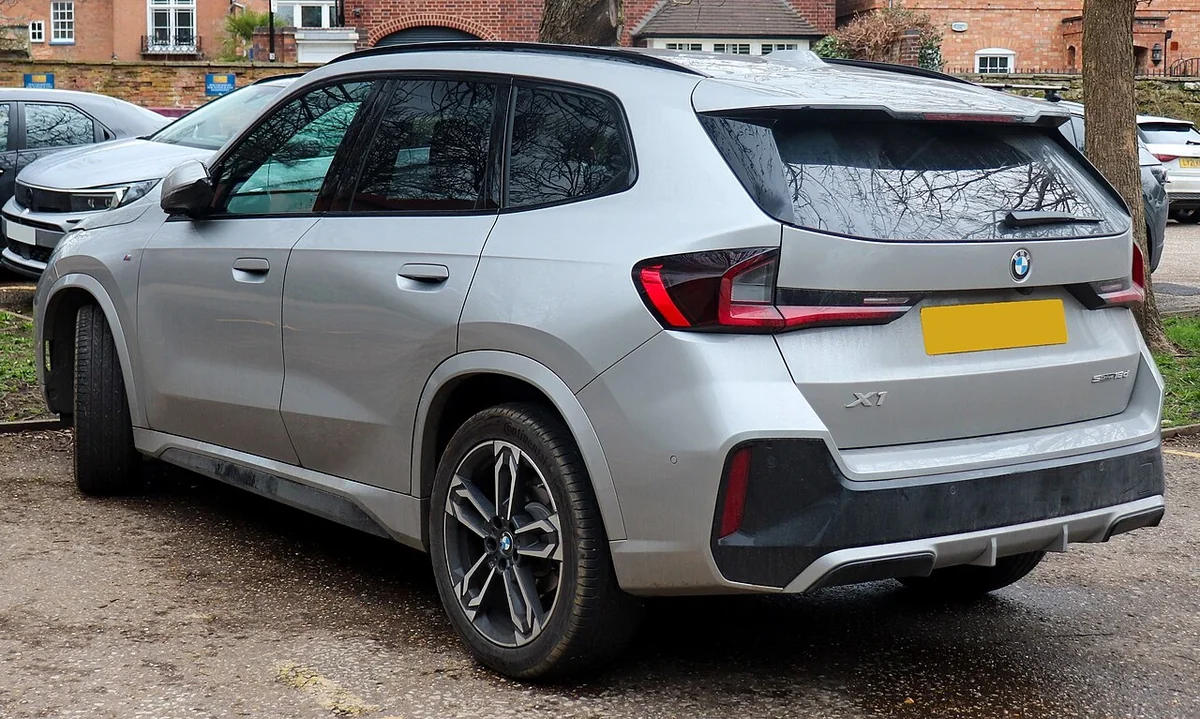
6. The Cabin Looks Modern; Make It Prove It Is Easy
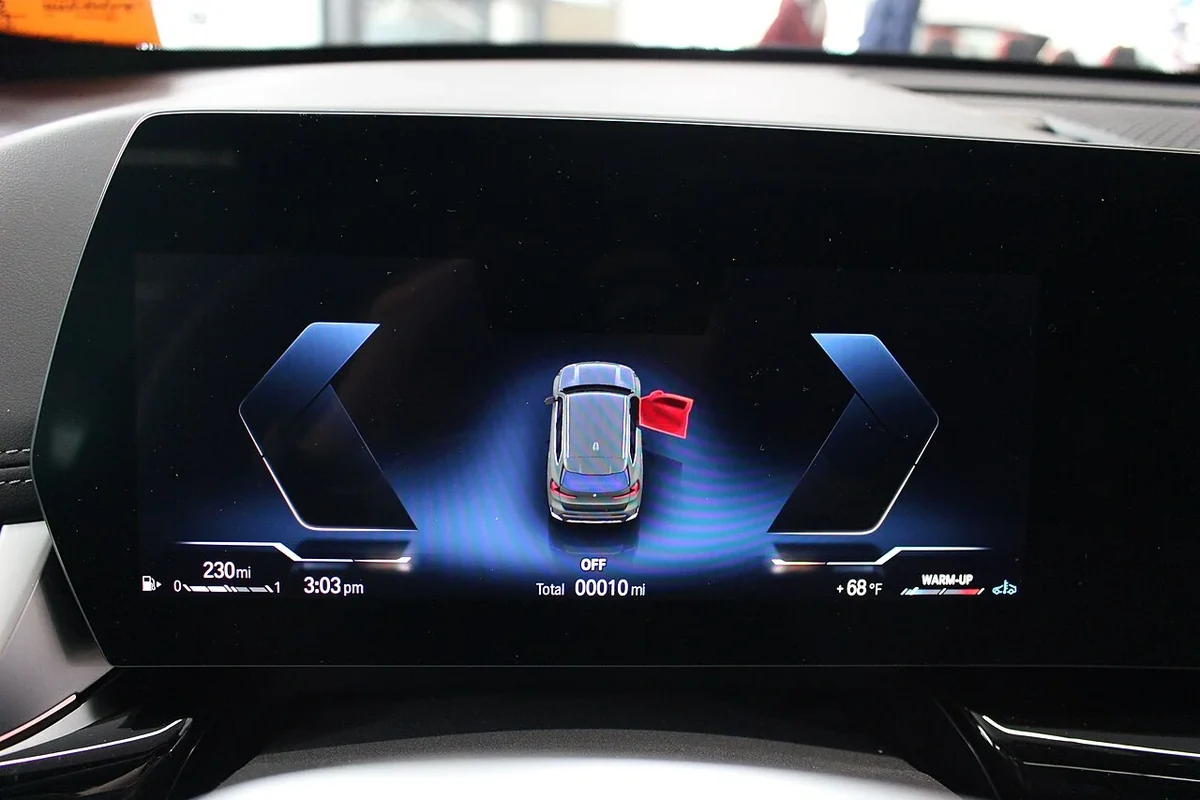
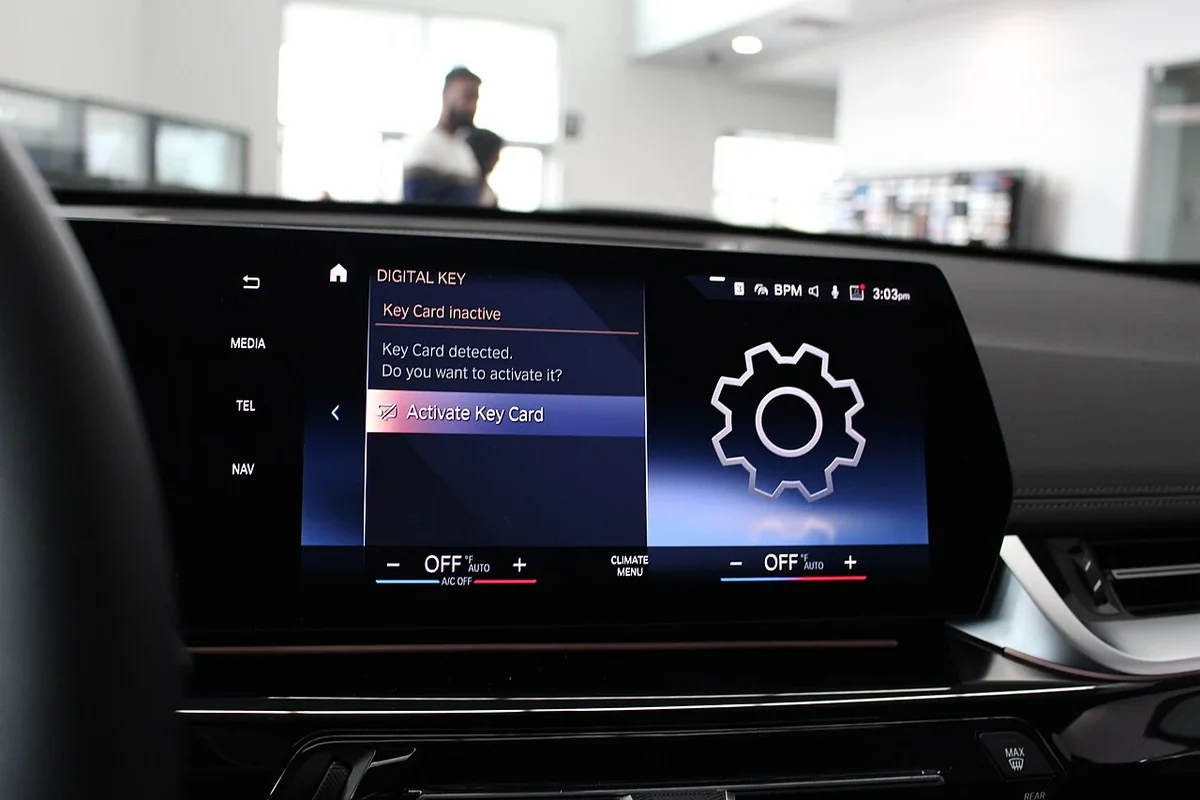
The BMW Curved Display gives the dashboard a clean visual center, while the floating console changes how the cabin uses its available space. The current model offers touch and voice operation, standard wireless phone charging and Veganza upholstery. Older U11 cabin photographs in this review illustrate the physical arrangement; screen graphics and software can differ.
Minimalism moves some work from physical controls to a digital interface. That can be convenient when the task is well designed and frustrating when a frequent adjustment takes more attention than expected. Judge it by the actions you repeat, not by the number of functions hidden inside the menu.
During a demonstration, change the temperature, find a saved destination and switch between media sources. Check whether the phone stays cool and secure on the charging tray with its normal case. Have the other household driver try the same steps. The quality of the shared routine is a stronger reason to pay for a premium cabin than a dashboard that photographs beautifully.
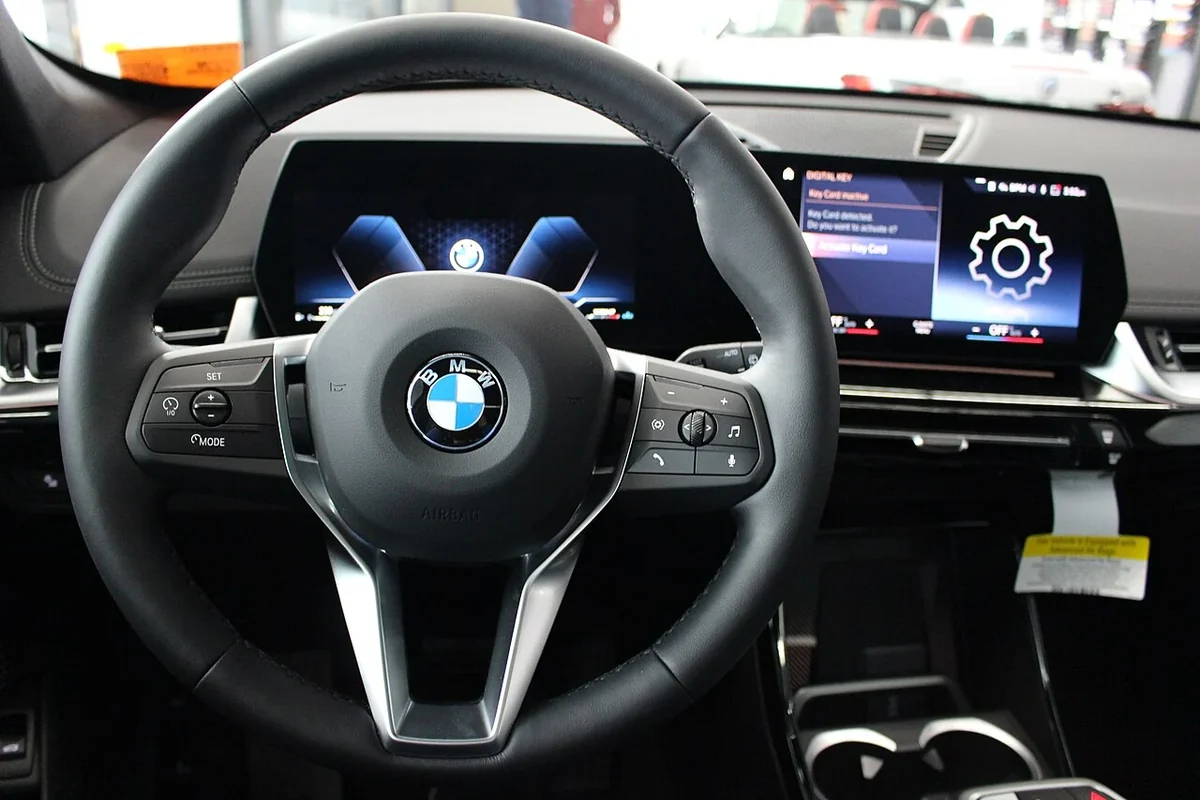
7. Options and Wheels Can Rewrite the Value
BMW lists a $43,200 starting MSRP for the 2027 xDrive28i. The illustrated configuration on the same page is $43,850, which is a useful reminder that a picture and a base-price headline need not describe the same car. Obtain the complete configured price, with applicable fees and options, before comparing it with a larger BMW or another brand.
Available parking cameras and driver assistance may reduce daily effort, particularly in a city. They should be evaluated for the actual package on the vehicle. Driver support does not remove the need to supervise the road. Similarly, all-wheel drive can help distribute propulsion; it does not cancel the braking and cornering limits of the tires. Our FWD, RWD and AWD comparison puts that distinction in context.
Wheel and tire choice deserves just as much attention as cosmetic trim. Larger wheels can make the car look more assertive while leaving less tire sidewall to work with. Compare ride quality on familiar broken pavement and obtain replacement-tire costs for the exact size. An attractive configuration is a poor bargain if it repeatedly makes your local roads less pleasant.
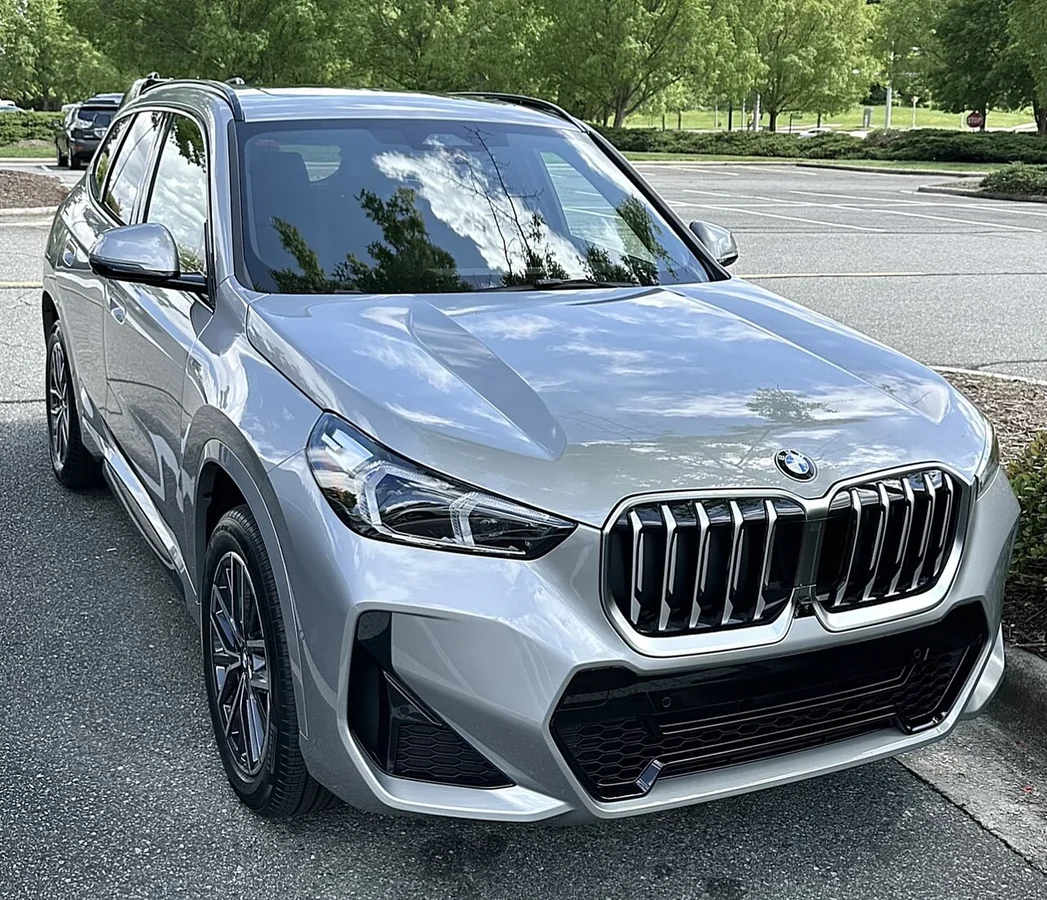
8. Cariary Perspective: Enough BMW, Without Unused Size
The X1 is most convincing when the buyer values space efficiency and daily responsiveness more than a strict interpretation of traditional BMW engineering. It has its own job: to bring a premium cabin and useful performance into a footprint that remains manageable.
Our four-star assessment recognizes that coherent role. The standard powertrain is not merely a placeholder, and the body shape gives the cabin a practical foundation. The conditions are equally clear: the interface must suit the driver, the DCT must feel comfortable in the local routine and the options list must remain under control.
The fifth star is withheld because those conditions are not small details. They determine the experience every day. If the X1 passes those tests, it can be a more thoughtful choice than a bigger SUV bought for status. The best compact luxury car is the one that makes its size feel intentional.
Who Should Buy It?
Recommended For
Buyers seeking a compact premium SUV with useful space, standard AWD and ample everyday performance; households willing to test the controls together.
Not Recommended For
Drivers expecting sports-sedan balance, a U.S. plug-in X1, abundant physical controls or the lowest running costs; families whose normal load already pushes the cabin limits.
One-Line Verdict: The X1 works best when its compact size is the point of the purchase, and its daily controls feel as good as its specification.
Frequently Asked Questions
How powerful is the 2027 BMW X1 xDrive28i?
BMW lists 241 hp and 295 lb-ft from its 2.0-liter turbo four-cylinder, with a manufacturer-quoted 6.2-second 0–60 mph time.
Is the U.S. BMW X1 all-wheel drive?
The 2027 xDrive28i reviewed here has standard xDrive all-wheel drive. Other markets and earlier versions can have different configurations.
What transmission does the BMW X1 use?
The xDrive28i uses a seven-speed dual-clutch automatic. Test its creeping and parking behavior as well as its response on an open road.
Is the X1 a smaller version of the X3?
It serves a smaller-SUV role, but the U11 X1 uses a different transverse-engine architecture. Its packaging and driving priorities should be assessed on their own terms.
Why does Cariary rate the X1 four stars?
Its packaging and standard performance are persuasive. Interface preferences, option costs and the low-speed driving routine make the final recommendation conditional.
Further Reading and Data Reference
Data reference date: October 3, 2026. Official specifications and attributed test observations are linked where discussed. Cariary Point is an editorial buyer-fit assessment, not an owner road-test score or reliability rating.
Explore more Cariary car reviews and buyer perspectives.