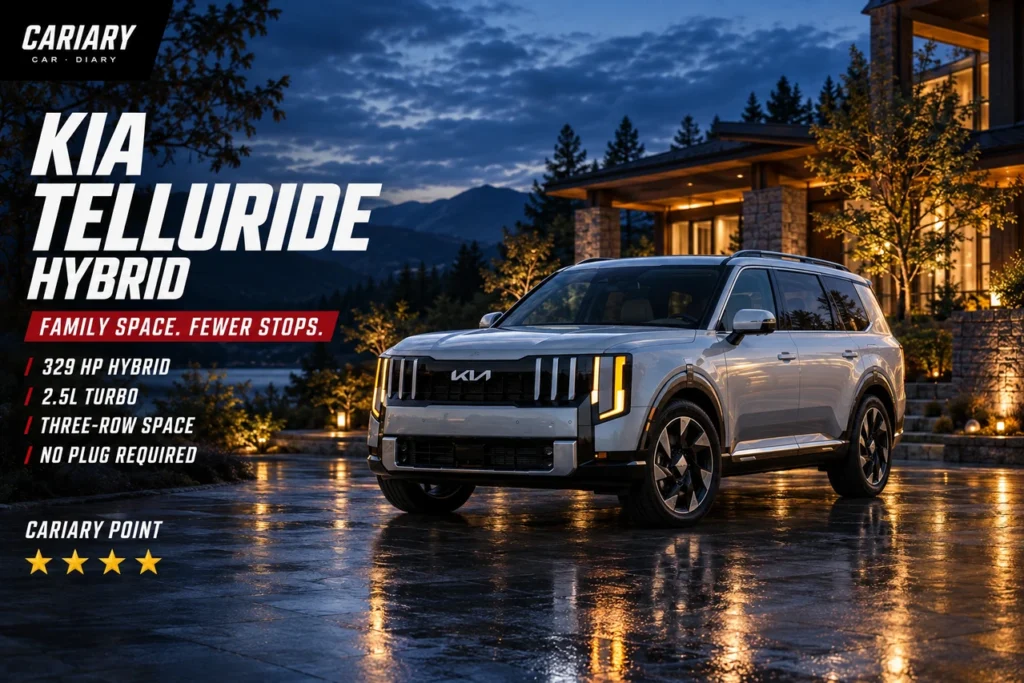
CARIARYCAR · DIARY · PERSPECTIVE
Cover: AI-generated Cariary editorial illustration, checked against the specified vehicle. It is not road-test photography.
This Kia Telluride Hybrid review starts with a family-car question: can a large SUV become easier to justify without becoming smaller? The first Telluride made room, upright design and a welcoming cabin feel like enough reason to leave a familiar badge. Its successor adds a hybrid powertrain to that argument.
The interesting change is not simply the extra performance. It is the possibility of keeping the useful parts of a three-row SUV while reducing how often its size asks for fuel. That makes this a more meaningful update than another screen or another rugged trim name.
This research-based review covers the second-generation, 2027 U.S.-market Telluride HEV. Specifications vary by trim and drivetrain. Cariary has not road-tested this vehicle; driving judgments below are buyer considerations, not firsthand measurements.
Four stars for a clearly useful combination of family space and hybrid efficiency. The price of upper trims, the limits of a heavy SUV and the absence of long-term evidence for this new generation prevent an automatic fifth star.
Kia Telluride Hybrid: Key Specifications
| Reference | 2027 U.S. Telluride HEV |
|---|---|
| Powertrain | 2.5-liter turbocharged gasoline hybrid; six-speed automatic |
| System output | 329 hp / 339 lb-ft |
| Drivetrain | FWD or AWD, depending on trim |
| Best EPA combined figure | 35 mpg, EX FWD; other configurations differ |
| Starting MSRP | EX FWD $46,490, plus $1,545 destination |
| Maximum trailer rating | Up to 4,500 lb when properly equipped; verify exact vehicle |
| Charging | Conventional hybrid: no external charging plug |
Why the Kia Telluride Hybrid Matters
A three-row SUV has two jobs that frequently disagree. It must carry people and their belongings, yet spend much of its life transporting one or two people. Buying for the busiest weekend often means paying a daily penalty for capacity that sits unused. A hybrid cannot remove that mismatch, but it can soften one of its most visible costs.
Kia’s official model overview places the hybrid alongside the new gasoline Telluride. This is a choice within the same family-car idea, rather than a demand that the buyer accept a completely different vehicle. You keep a conventional refueling routine and do not need a home charger. For renters or households with only street parking, that distinction can decide the purchase before acceleration enters the conversation.
There is still a reason to ask whether you need the third row. A smaller hybrid may use less space and cost less to own. The Telluride makes the most sense when its larger cabin solves a recurring problem, not when it merely prepares for an imaginary future holiday.
329 HP: Useful Reserve, Not a Performance Identity
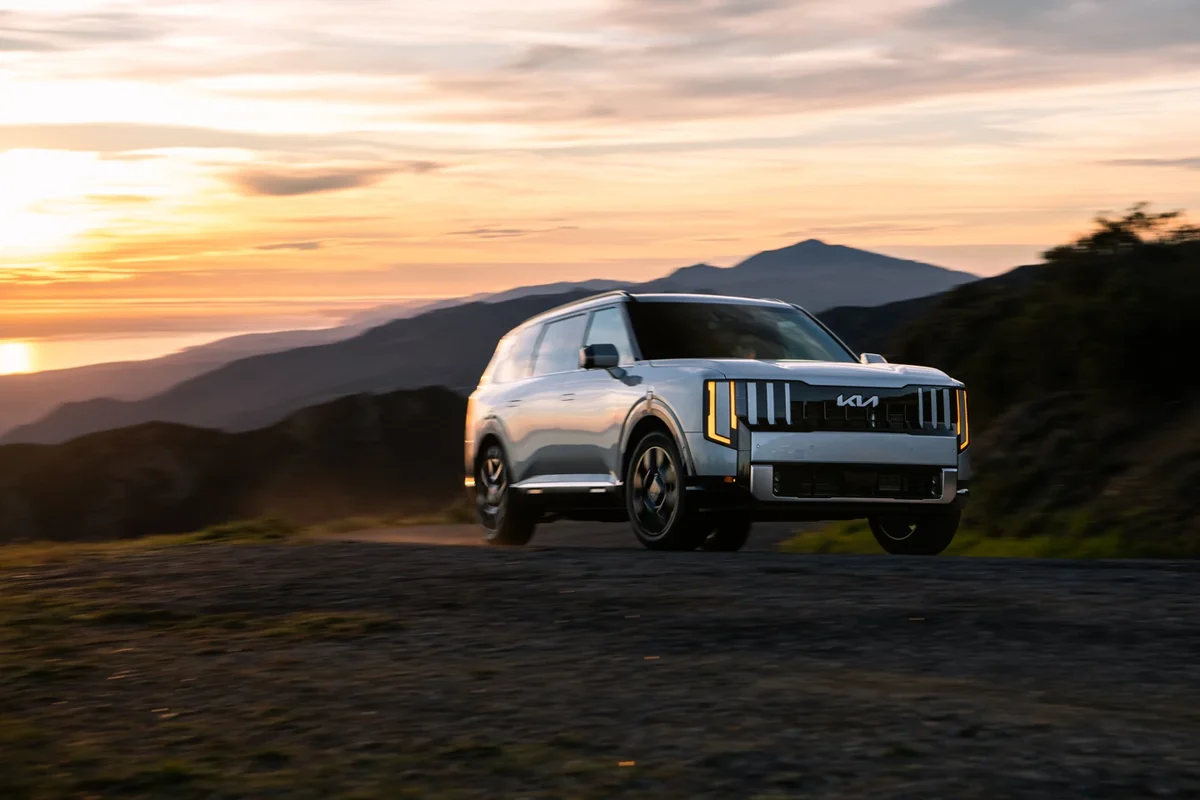
The official specifications list a turbocharged 2.5-liter hybrid system producing 329 hp and 339 lb-ft, paired with a six-speed automatic. System output describes the coordinated powertrain; it is not a promise that separate engine and motor peak figures can simply be added together at every road speed.
For the buyer, the useful question is how the vehicle responds with passengers, luggage and air conditioning all making demands at once. Electric assistance can contribute during acceleration, while the engine carries sustained work. The hybrid system manages these sources automatically. This is not an EV with a gasoline backup that can be ignored for a week.
The conventional stepped transmission also gives this powertrain a different mechanical arrangement from hybrids using a power-split transaxle. That distinction alone does not prove smoother shifts or better response. On a test drive, try a gentle start, a rolling junction and a normal highway merge. Those transitions reveal more about family-car satisfaction than one maximum-throttle launch.
Fuel Economy That Changes the Conversation
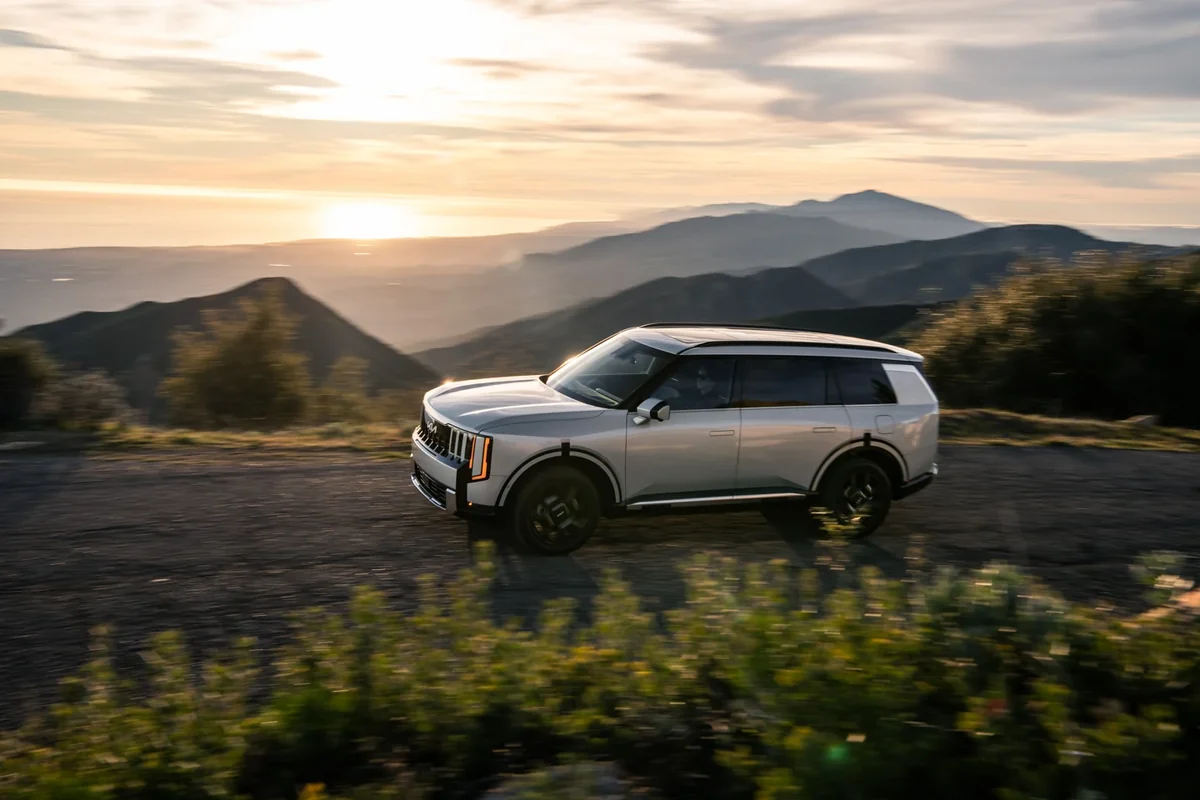
Kia quotes an EPA-estimated 35 mpg combined for the EX FWD. Read the trim and drivetrain as part of that number. The headline does not establish the consumption of an AWD vehicle on larger wheels, with a roof box, in winter, or while towing. The current U.S. Telluride Hybrid product page provides the configuration-specific context.
An illustrative calculation makes the meaning clearer. At 12,000 miles a year, 35 mpg would require about 343 gallons. A hypothetical 25-mpg alternative would require 480 gallons. The difference is roughly 137 gallons, or about $480 if fuel costs $3.50 a gallon. This is arithmetic using assumed conditions, not a measured saving or a comparison with a named rival.
That saving can matter, but it does not justify any purchase premium at any price. Financing, insurance and depreciation can overwhelm the fuel difference. Compare the actual vehicles you would buy, with the equipment you need, rather than comparing the cheapest gasoline advertisement with a fully equipped hybrid.
Regenerative braking recovers some energy that would otherwise become heat. It does not create free energy, and cold weather or sustained highway speed can change the benefit. The intelligent reason to want this hybrid is reduced waste within a familiar routine, not an expectation that a large SUV has escaped physics.
Three Rows Need More Than a Seat Count
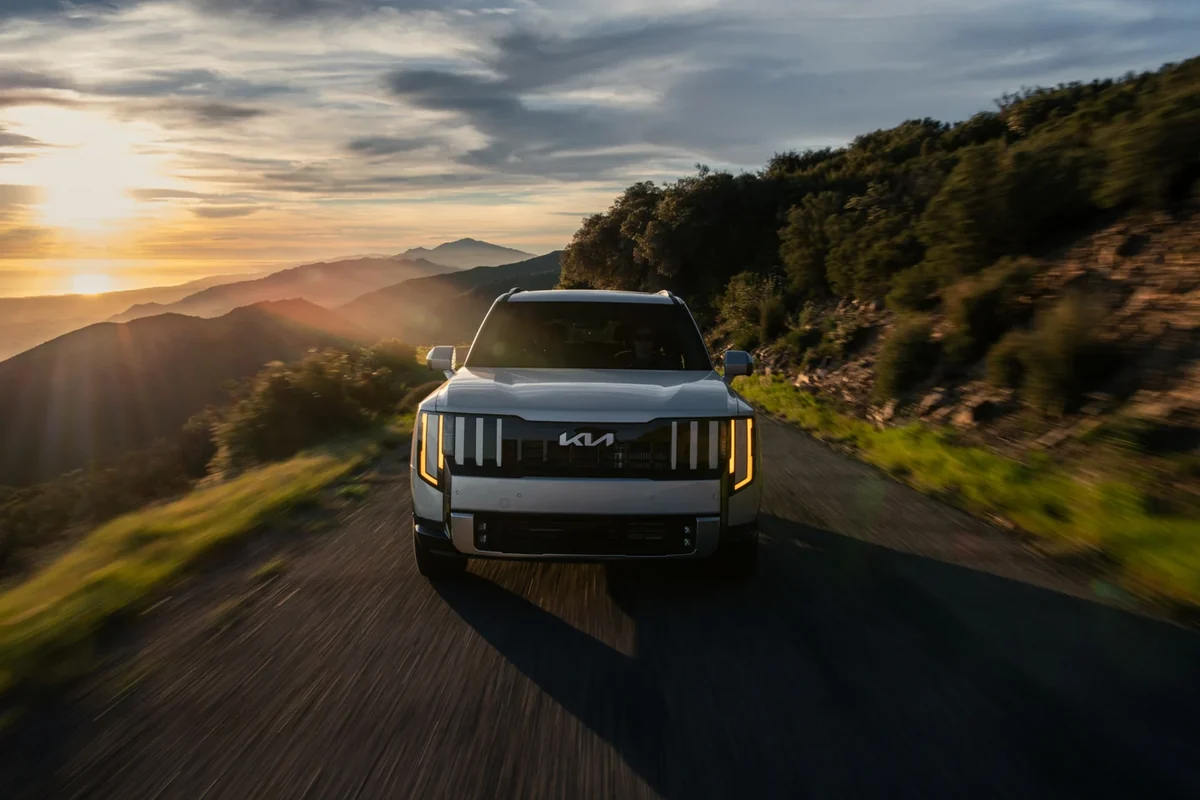
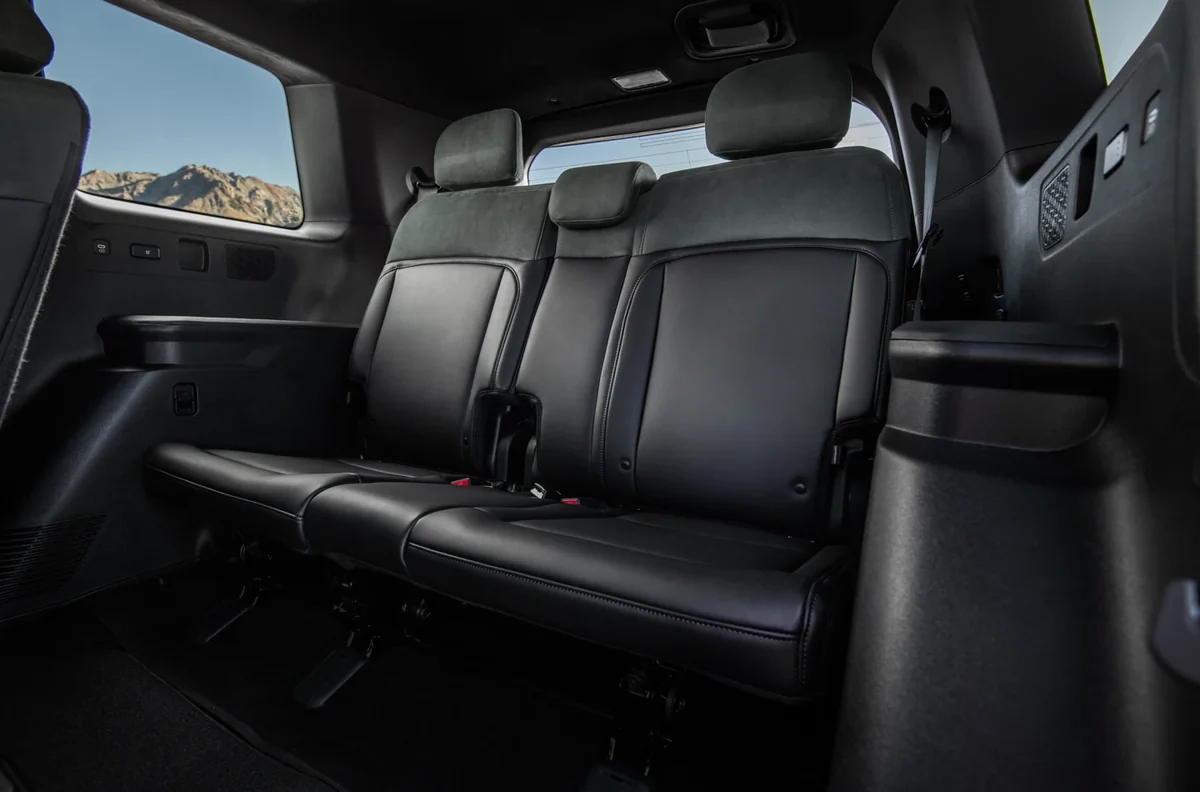
The upright exterior makes a clear promise: this vehicle is about usable volume. Yet a family should judge access and the shape of the space as carefully as the brochure capacity. Take the child seat, stroller or mobility equipment you actually use to the showroom. A few minutes with those objects can prevent years of awkward loading.
Try the third row with the second row positioned for its real occupant. Moving a seat forward until the rear looks generous proves very little if it leaves someone else cramped. Check the path into the back, the effort needed to move the seats and whether a child can reach the relevant controls without climbing.
The other test is luggage with every required seat upright. Folding the third row produces an appealing maximum cargo figure, but it does not help on the trip when every passenger is coming. This is where a minivan belongs in the discussion. Sliding doors and a different cabin layout can be more valuable than a tougher silhouette, even if the SUV wins the emotional argument.
The Interior Should Reduce Work
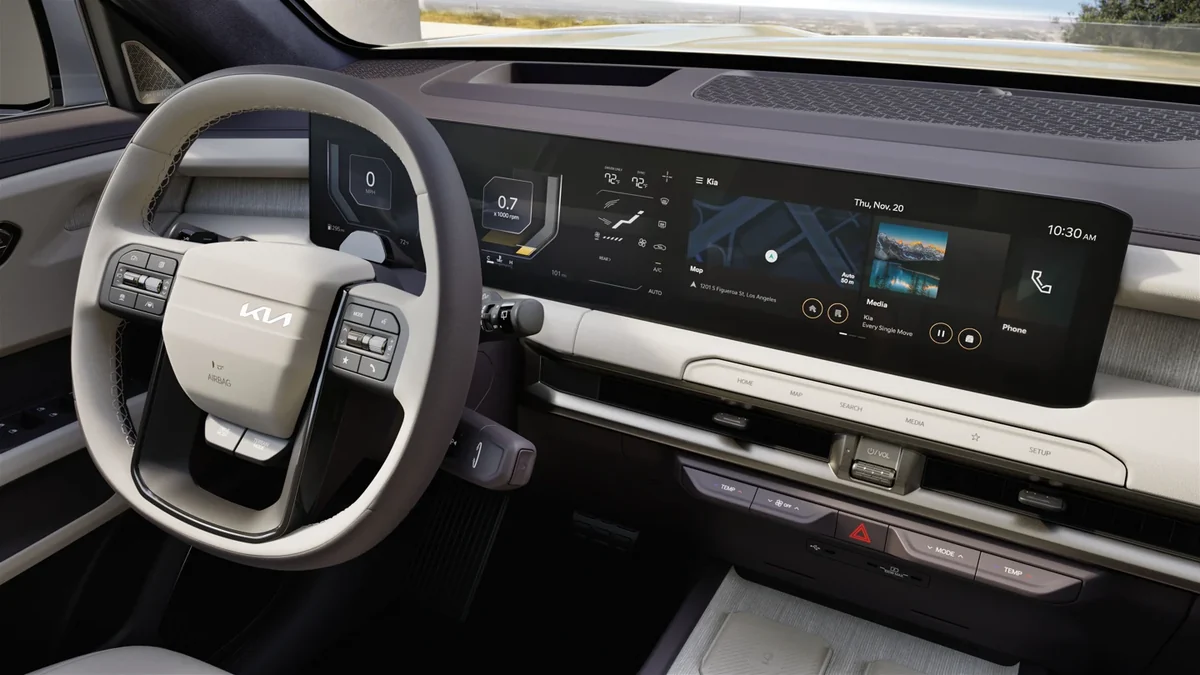
The dashboard’s broad displays and the richer-looking materials help explain why people move toward upper trims. They also create a temptation to buy the showroom impression rather than the daily experience. Before signing, operate the temperature, navigation, audio and seat functions as you would in traffic, while parked safely.
A large screen is useful when it makes information easier to see. It is less useful if a frequent task requires more attention than before. Check the reach from your normal seating position, reflections in daylight and whether another driver can quickly establish a familiar setup. The best family technology is the technology nobody needs to explain twice.
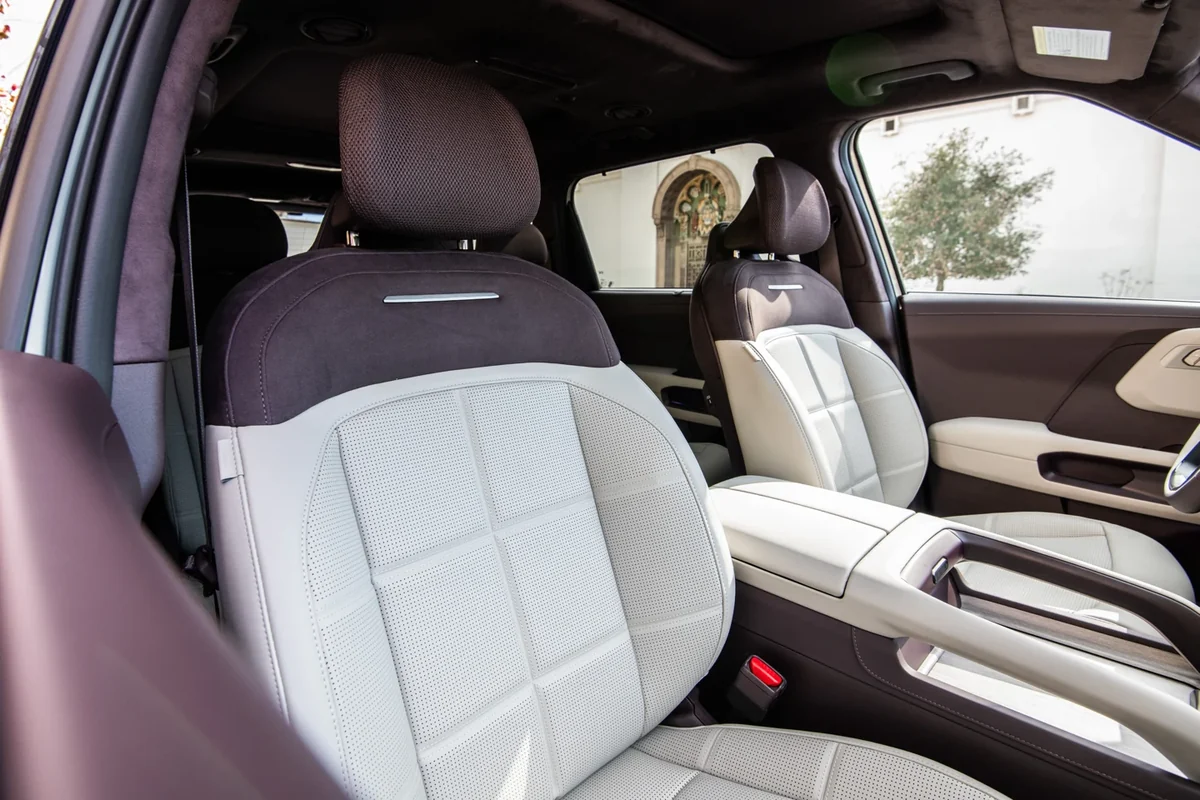
Seat comfort deserves a longer trial than a quick sit. Cushion angle, head-restraint position and the relationship between wheel and pedals can matter more than upholstery grade. The cabin photographs show specific equipped vehicles; colors and features should be checked against the exact trim you order.
AWD and Towing: Buy the Capability You Need
All-wheel drive can help put power down when traction is limited. It does not shorten every braking distance or replace suitable tires. For a household that mostly drives on paved roads in a mild climate, front-wheel drive deserves a fair hearing, especially because the headline efficiency figure belongs to that configuration.
The hybrid’s maximum trailer figure is up to 4,500 pounds when properly equipped. Do not transfer a gasoline X-Pro rating or equipment claim onto a hybrid merely because both say Telluride. Trailer weight, tongue load, passengers and luggage all compete within vehicle limits. The owner’s manual and the specific vehicle’s labels govern the final answer.
Think about how often you will tow, what the loaded trailer actually weighs and whether you need margin for a future change. Buying unnecessary capability can be expensive; buying too little is worse. Our FWD, RWD and AWD guide explains why drivetrain labels need that practical context.

Kia Telluride Hybrid Price and Trim Judgment
The official U.S. price list starts the EX FWD at $46,490 before $1,545 destination. The EX AWD is $48,490 before destination. Taxes, options, dealer charges and any negotiated discount are separate. These are list prices, not a prediction of the check you will write.
Start with a short list of non-negotiable equipment. If the EX already solves the seating and safety requirements, moving upward should buy something you will appreciate repeatedly. The SX FWD lists at $51,490, while the X-Line SX Prestige AWD reaches $57,590 before destination. That is a meaningful spread within one model family.
The four-star case is strongest when the purchase stays connected to family use. At the upper end, compare alternatives at the same transaction price rather than assuming a more expensive Telluride is automatically better value. A useful seat feature may be worth the upgrade; decorative ruggedness may not be, depending on your life.
Rivals: The Better Question Is How Your Family Travels
The Hyundai Palisade Hybrid is an obvious comparison because it addresses a similar large-family brief. Approach both with the same people and luggage, and compare the actual trim equipment. Shared corporate background is not a substitute for checking seat shape, access, visibility and the controls you prefer.
The Toyota Grand Highlander Hybrid asks a similar space-and-efficiency question through a different product family. Pay attention to the exact hybrid version because a performance-oriented powertrain and an economy-oriented one can lead to different buying conclusions. Avoid judging a whole lineup from its most exciting badge.
Finally, put a hybrid minivan on the list if children, older relatives or bulky daily cargo dominate your schedule. The Telluride’s design may make you feel better about the purchase, and that counts. It should win after the practical comparison, not because the practical alternative was never allowed into the room.
Ownership: Savings and Complexity Belong in the Same Discussion
The hybrid adds electrical machinery and energy storage to a turbocharged gasoline vehicle. That does not establish that it will be unreliable, but it does make a simplistic “fewer fuel stops means lower total cost” conclusion incomplete. Fuel is only one line in the ownership budget. A service schedule, insurance quote and replacement-tire estimate are more useful than a confident prediction about an unproven future.
Ask the dealer to explain the warranty terms that apply to the complete vehicle, powertrain and hybrid components, including any differences for a subsequent owner. A long advertised warranty is not the same as every component being covered for the same period. Keep the actual documents with the purchase records rather than relying on a sales summary.
For a family planning to keep the car for many years, local service access matters too. Find out where hybrid diagnosis is performed and how routine maintenance can fit around school and work. A theoretically economical car becomes inconvenient if every service visit requires a complicated transport plan.
The new generation also has less accumulated owner history than its predecessor. Reports about an older V6 Telluride cannot prove the durability of this turbo-hybrid combination. Treat early owner reports as individual observations, look for documented patterns over time, and resist both automatic reassurance and automatic alarm. The four-star verdict acknowledges a strong purpose without pretending the long-term chapter has already been written.
Cariary Perspective: Keep the Space, Question the Excess
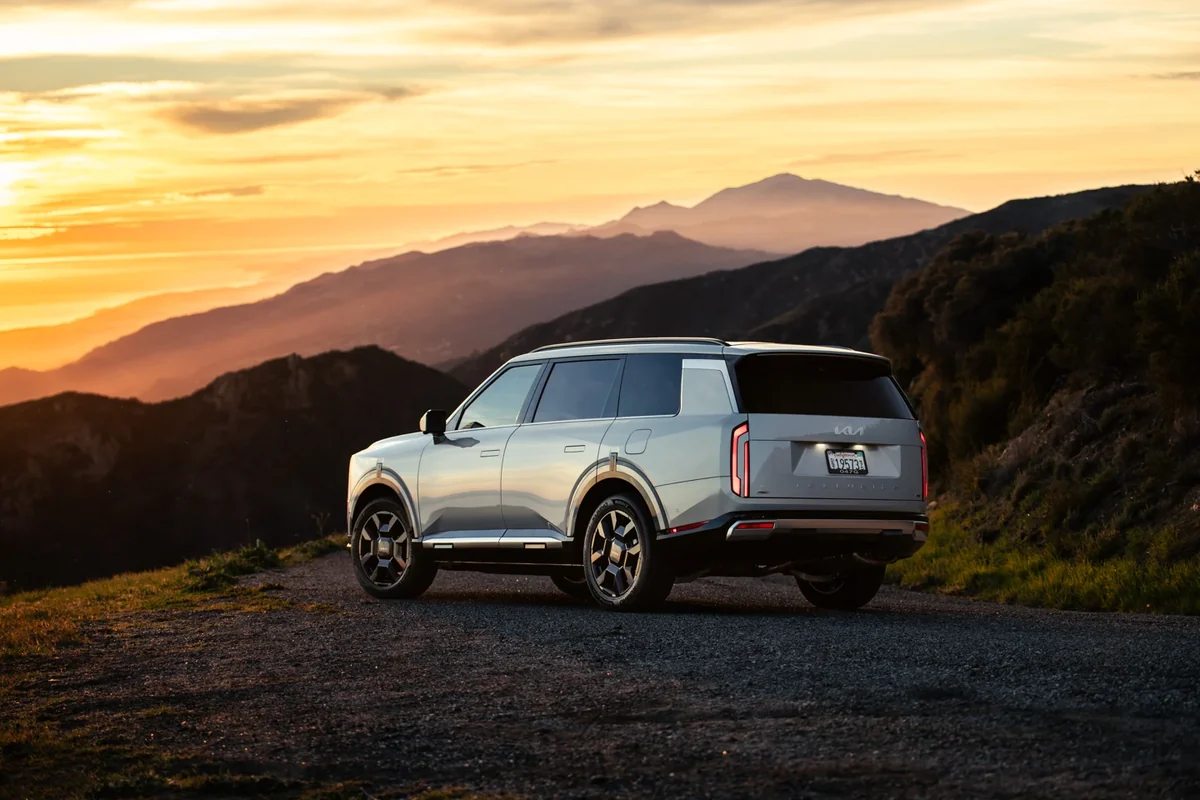
The Kia Telluride Hybrid is interesting because it improves the argument for a vehicle people already wanted. It does not ask the family to become an early adopter or reorganize its week around charging. It makes an existing routine less wasteful while preserving the appeal of a big, square family car.
That is also where the restraint should begin. A hybrid badge should not become permission to buy more car, more wheels and more equipment than you need. The strongest version of this story is a household using the space regularly and choosing the trim deliberately. Four stars recognize that purpose; the fifth would need stronger evidence about the whole ownership experience.
Who Should Buy It?
Recommended For
Families that regularly use three rows, want a conventional fueling routine and will compare trims carefully. Particularly relevant when home charging is impractical.
Not Recommended For
Drivers who seldom need the extra seats, buyers seeking proven long-term results for this new generation, or households whose real towing requirement exceeds the equipped hybrid’s limits.
One-Line Verdict: The Telluride Hybrid gives a large family SUV a better everyday argument, provided you genuinely need the size.
Frequently Asked Questions
Is the Kia Telluride Hybrid a plug-in hybrid?
No. The 2027 U.S. HEV is a conventional gasoline-electric hybrid and does not require external charging.
How much power does it have?
Kia lists 329 hp and 339 lb-ft for the hybrid system, with a six-speed automatic transmission.
Does every Telluride Hybrid achieve 35 mpg?
No. The 35-mpg combined EPA estimate cited here is for the EX FWD. Check the window sticker for the exact configuration.
Is AWD standard?
No. The hybrid range includes FWD and AWD configurations. Availability depends on the trim.
How much does the Kia Telluride Hybrid cost?
The EX FWD starts at $46,490 plus $1,545 destination, before tax, options and dealer charges, using the official price list checked for this review.
Can it tow like the gasoline X-Pro?
Do not assume so. The hybrid rating is up to 4,500 pounds when properly equipped; consult the exact vehicle’s documentation and loaded trailer requirements.
Should I choose the cheapest hybrid or a higher trim?
Begin with the equipment your family actually needs. The EX is the sensible price reference; move upward for features you will use repeatedly, rather than assuming a higher trim improves fuel savings.
Further Reading and Data Reference
Data reference date: October 4, 2026. Official specifications and attributed test observations are linked where discussed. Cariary Point is an editorial buyer-fit assessment, not an owner road-test score or reliability rating.
Explore more Cariary car reviews and buyer perspectives.

