CARIARYCAR · DIARY · PERSPECTIVE
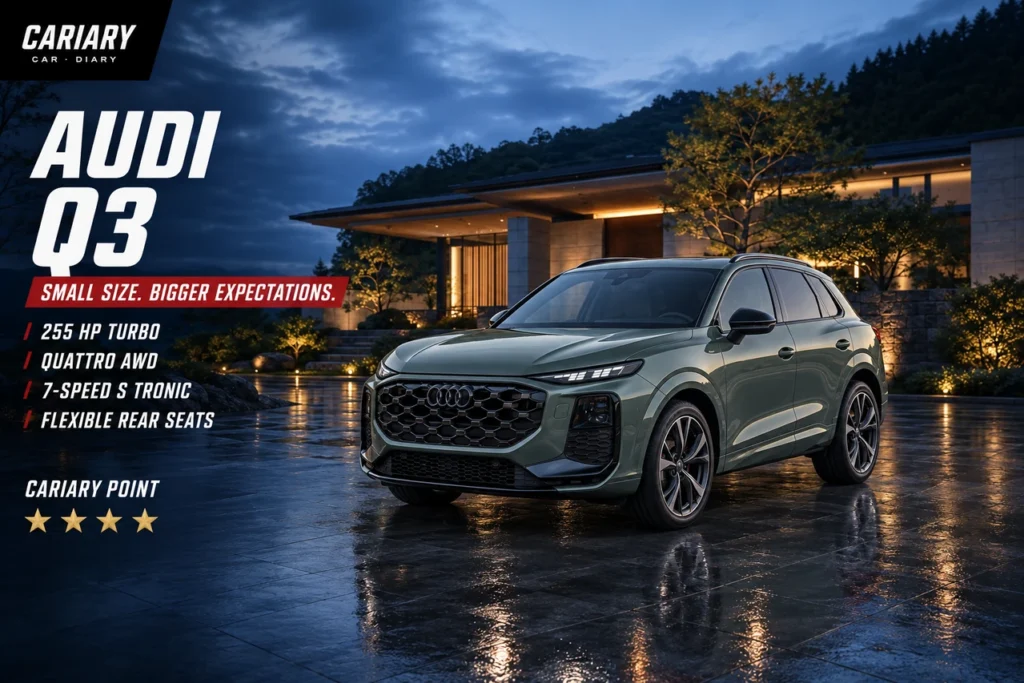
Cover: AI-generated Cariary editorial illustration, checked against the specified vehicle. It is not road-test photography.
This Audi Q3 review asks whether buying the smallest Audi SUV still feels like a compromise. With 255 hp, standard quattro all-wheel drive and a substantially updated cabin, the current U.S. model no longer needs to sell itself purely as the affordable entrance to a badge.
The more interesting possibility is that some buyers simply do not want a larger car. A garage, a crowded commute and a two-person household can make compact dimensions a benefit worth paying for. The Q3 must therefore feel convincing as a complete choice, not merely as a temporary stop before a Q5.
This research-based review uses the current 2027 U.S. Audi Q3 specification. It covers the third-generation SUV, not the European Sportback or plug-in hybrid. Official European photographs illustrate the shared design; U.S. equipment differs. Cariary has not road-tested this vehicle.
Four stars for useful compact packaging, meaningful performance and generous core equipment. Expensive options, screen-heavy controls and unproven long-term results for the new generation keep the verdict measured.
Audi Q3: Key Specifications
| Reference | 2027 U.S. Audi Q3 SUV, third generation |
|---|---|
| Engine | 2.0-liter turbocharged four-cylinder |
| Output | 255 hp / 273 lb-ft |
| Transmission / drive | Seven-speed S tronic / standard quattro AWD |
| 0–60 mph | 5.5 seconds, manufacturer claim |
| Starting price | $44,400 MSRP; destination, options and tax additional |
| Rear seats | 40/20/40 split; slide, recline and fold |
| Displays | 11.9-inch driver display; 12.8-inch central touchscreen |
An Audi Q3 Review Should Start With Size
A small luxury SUV has a difficult brief. It needs to justify a premium over a mainstream crossover while living below larger models from its own brand. More power and more screens are easy ways to advertise the difference. Making the car pleasant to use on a wet Tuesday is the harder achievement.
The Q3’s best potential customer is not necessarily someone stretching to reach an Audi badge. It may be someone deliberately refusing a bigger vehicle. If the rear seats are occupied only occasionally, a larger SUV can mean paying for extra exterior bulk every day in exchange for interior space used twice a month.
That makes the test unusually specific. Is the front-seat experience satisfying? Can the rear seat adapt when needed? Are visibility and parking manageable where you live? A vehicle that answers those questions well can be a successful luxury purchase without pretending to be a miniature limousine.
255 HP Changes What Entry-Level Means
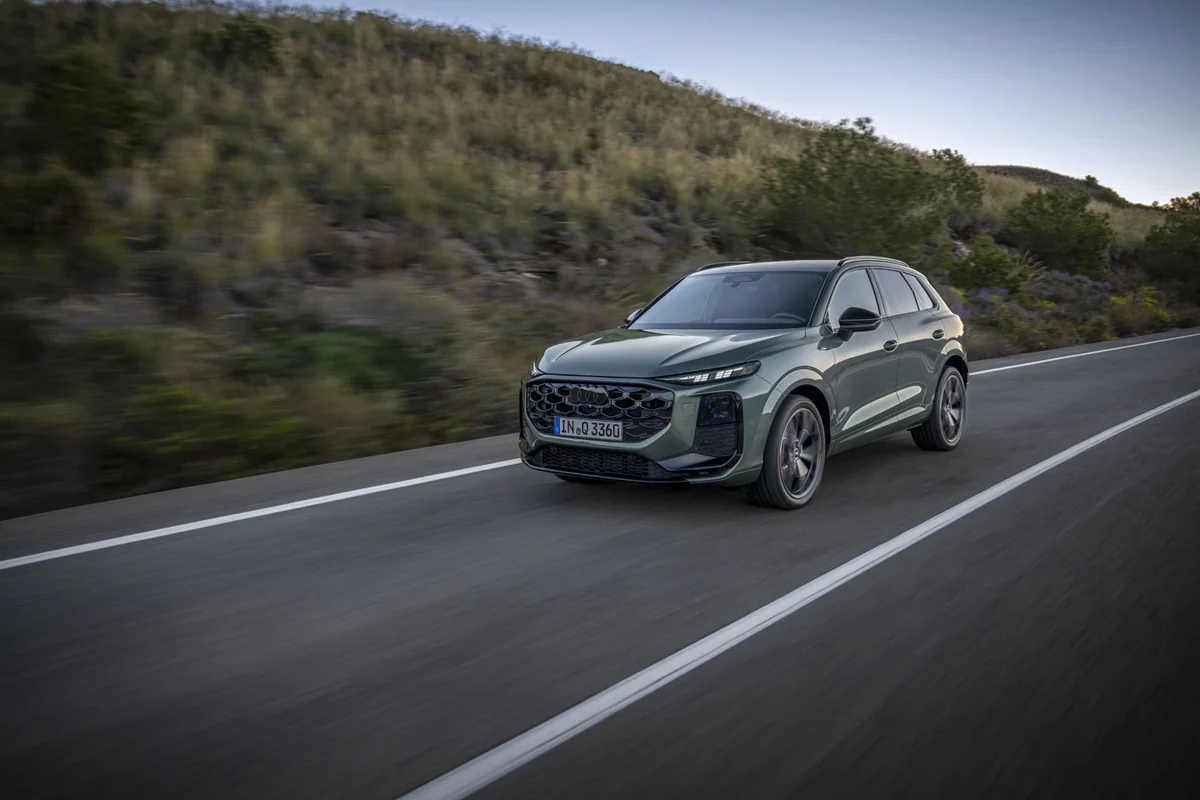
The current Audi USA specification lists 255 hp and 273 lb-ft from a turbocharged 2.0-liter four-cylinder, with a seven-speed transmission and standard quattro AWD. Audi claims 0–60 mph in 5.5 seconds. That is a manufacturer figure, not a Cariary test result, and real conditions can change it.
The practical meaning is that the Q3 does not need an apologetic performance explanation. There should be useful acceleration reserve for an ordinary merge without shopping for a separate performance model. The missing information in that sentence is how naturally the car responds at small throttle openings, which requires a drive rather than a stopwatch claim.
The S tronic dual-clutch transmission is another reason to test more than full-throttle shifts. Try parking, creeping traffic and a gentle hill start. The behavior that feels exciting on an open road may matter less than smoothness when inching into a narrow space. Do not assume a faster acceleration claim proves a calmer commute.
Our drivetrain basics guide provides the mechanical context. The engine, transmission, tires and control calibration work as a system; one impressive component cannot answer every driving question.
Quattro Is Useful, but Tires Still Do the Braking
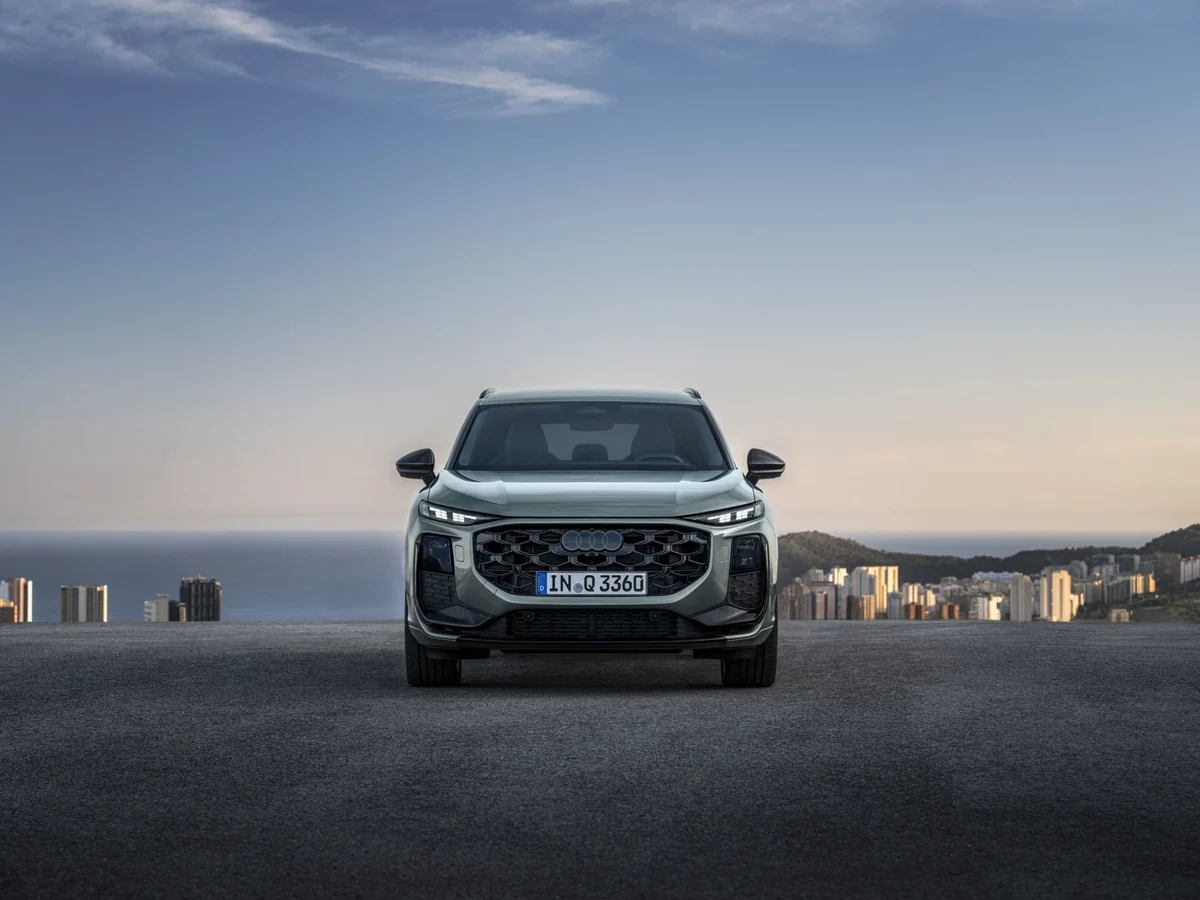
Standard all-wheel drive simplifies one part of the buying decision. You do not have to climb to a separate drivetrain version to obtain it. It can help distribute power where traction is available, which is useful when pulling away on a slippery surface.
It is not a universal safety upgrade in every maneuver. Braking and cornering still depend heavily on tire grip, speed and conditions. A premium badge does not allow a summer-oriented tire to behave like a winter tire on snow. If winter travel matters, budget for the appropriate tire solution before decorative options.
The word quattro also covers different mechanical arrangements across Audi’s range. Avoid assuming that this compact, transverse-engine SUV has the same hardware or driving character as a larger longitudinal-engine Audi. The shared name describes a brand promise around all-wheel drive, not identical machinery in every model.
Design: More Presence Without More Car Than You Need
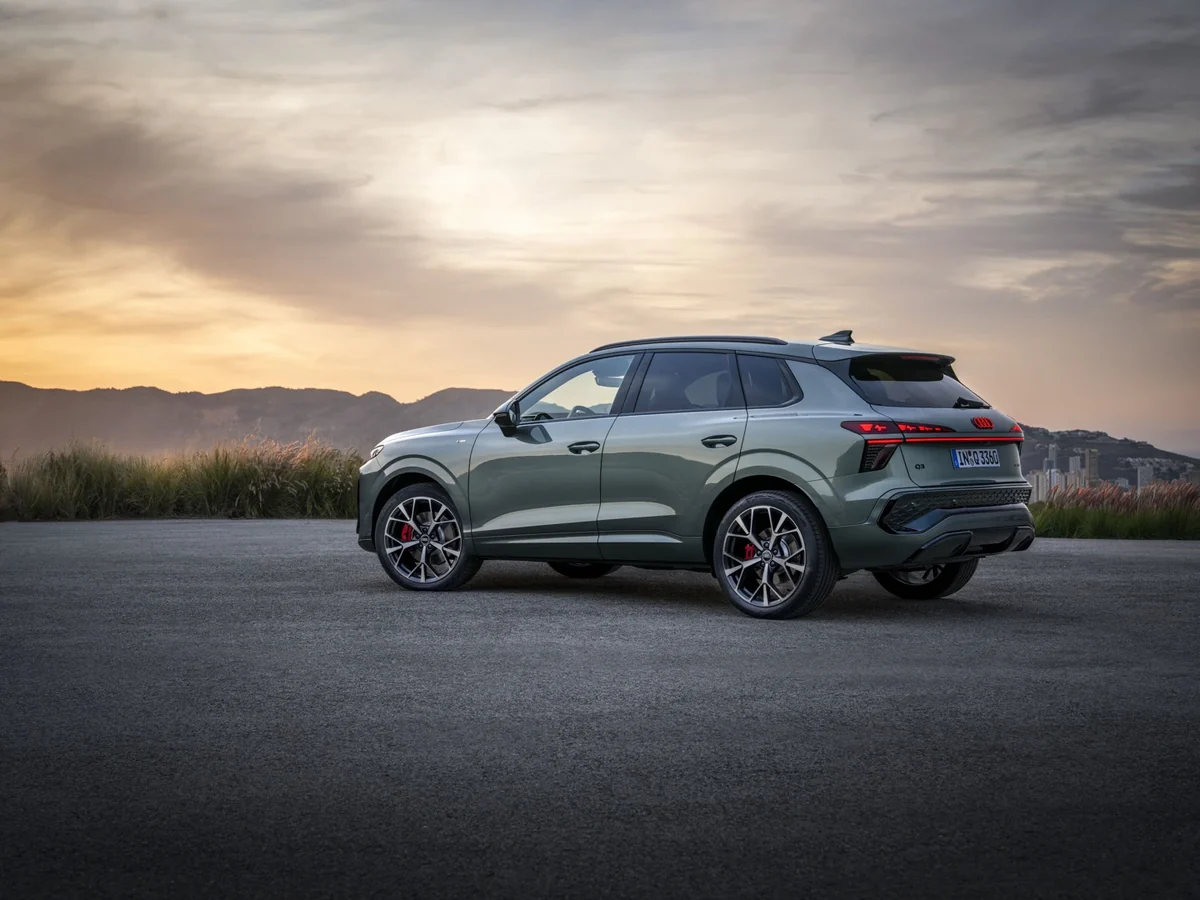
The third-generation shape uses a stronger grille, slim upper lighting and a more defined body to make the Q3 look less like the quietest vehicle in the showroom. Whether that is attractive is personal. What matters editorially is that the small model now participates more visibly in Audi’s current design language.
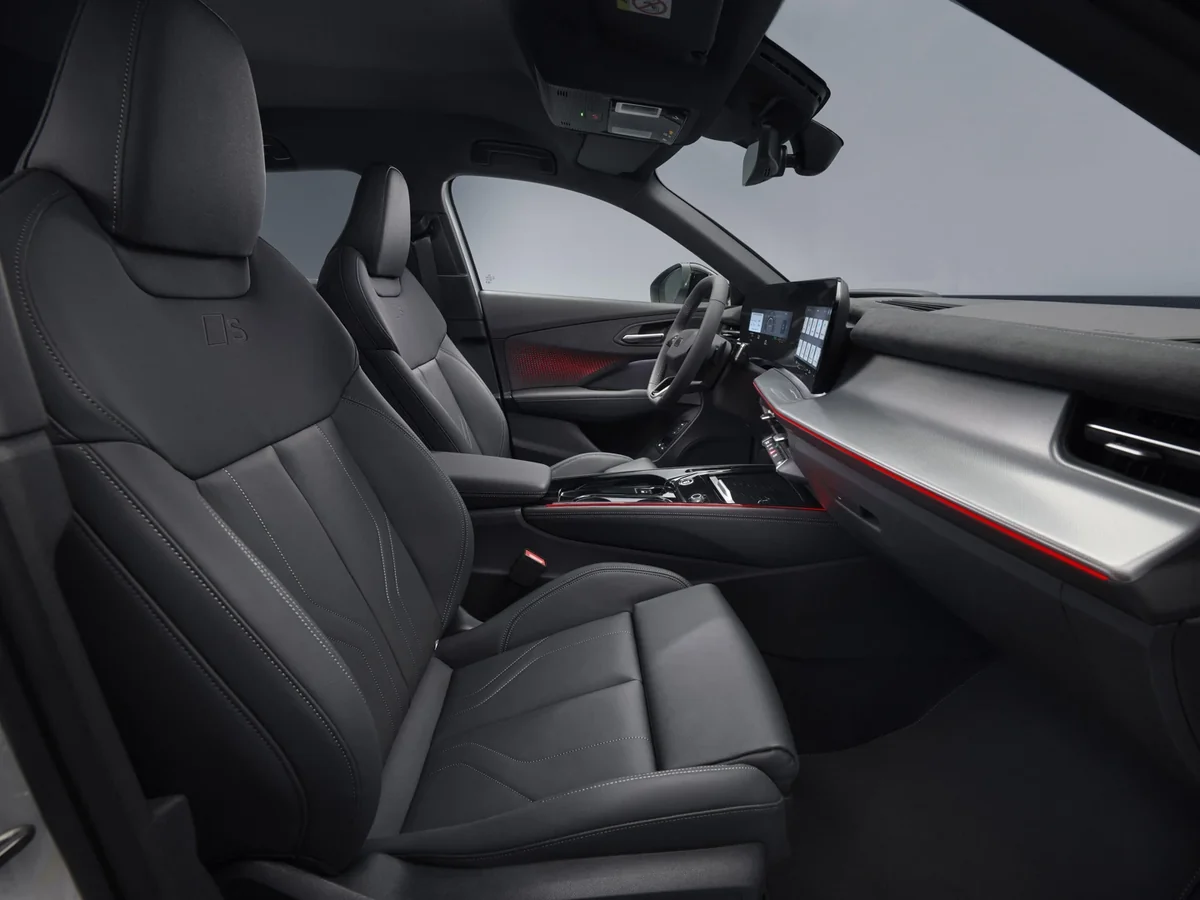
That confidence comes with a familiar trap: the optional wheel can become the whole sales pitch. Audi lists 18-inch wheels as standard, with larger alternatives available. More wheel diameter may sharpen the appearance, but it should not be treated as an automatic improvement to comfort or ownership cost.
Ask for a drive on the wheel and tire package you intend to order. Replacement tire prices, pothole exposure and the roads around your home are more useful considerations than the display car’s stance. Our discussion of stiff suspension and handling explains why a more aggressive-looking setup is not automatically a better one.
Audi Q3 Interior: A Digital Upgrade With a Human Test
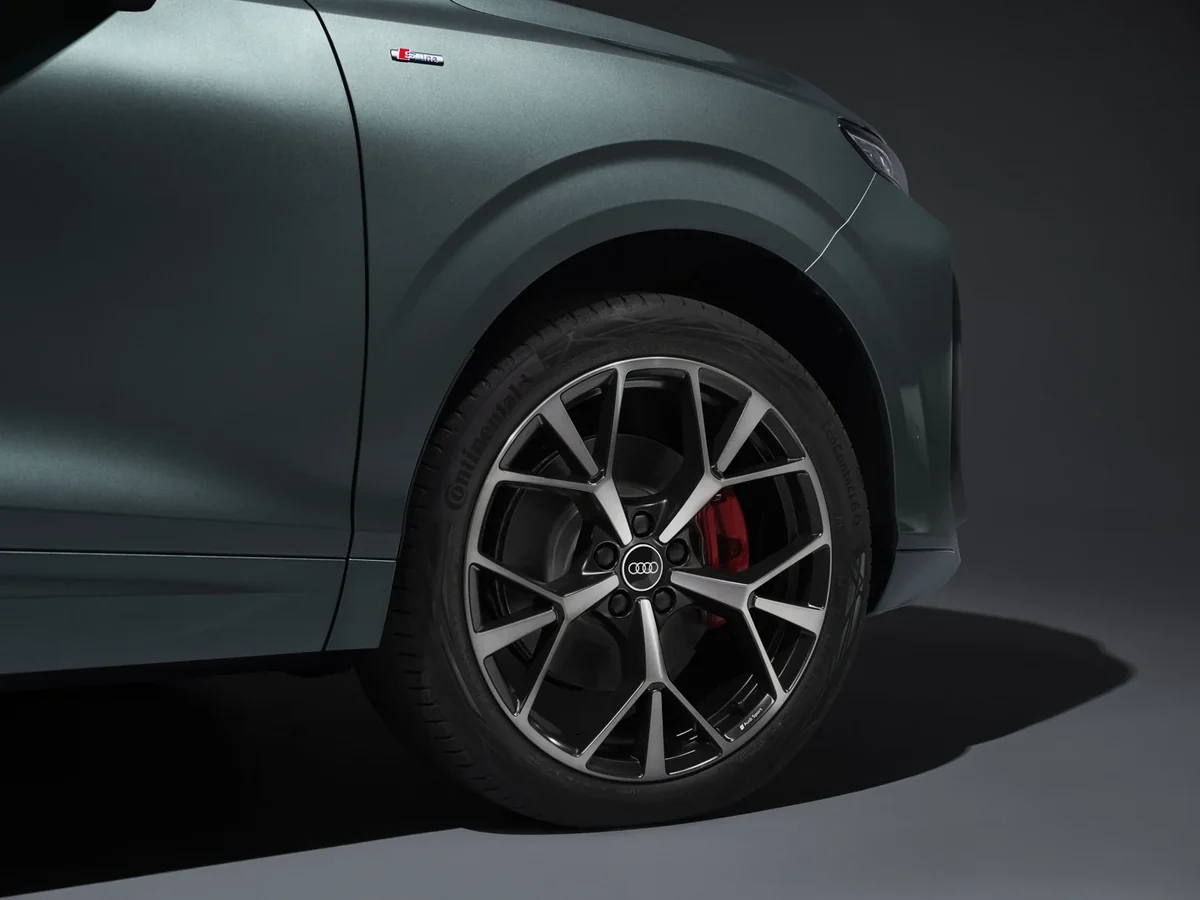
Audi combines an 11.9-inch driver display with a 12.8-inch central touchscreen. The new cabin’s layout and operating concept are described in the Audi technology explanation. The visual effect is a more integrated digital environment rather than a small screen added to a conventional dashboard.
The buyer’s test should be less theatrical. While parked, change the temperature, select a destination, switch audio sources and return to the view you prefer. Check whether essential information remains easy to understand when a passenger adjusts something else. The most attractive screen is not necessarily the least distracting interface.
Wireless smartphone integration is useful if it lets you keep familiar navigation and audio habits. It does not excuse weak native controls, and a connected-service trial should not be confused with a permanently free feature. Ask what remains available without a subscription and what requires a data connection.
Front-seat ergonomics deserve the same attention as graphics. Make sure the wheel, displays and mirrors work together at your chosen seat height. A small vehicle feels luxurious when it fits naturally, not when you spend the first week compensating for an awkward control.
The Rear Seat Is More Interesting Than a Cargo Headline
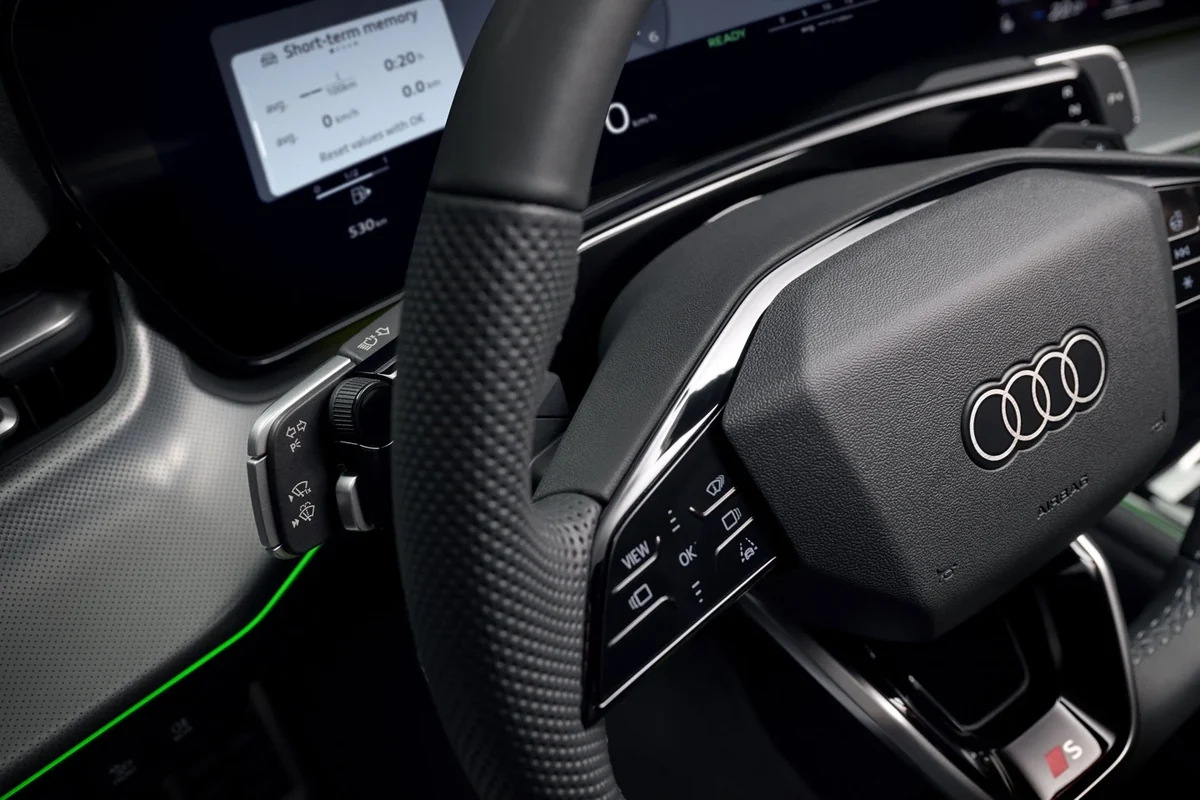
The rear seat’s 40/20/40 split, sliding adjustment and reclining function are central to the Q3’s practical argument. They let the cabin adapt between people and luggage rather than committing to a single compromise. The narrow center section can also be useful when carrying a longer object without folding the entire rear bench.
None of that creates unlimited room. Move the seat to accommodate your actual rear passenger, then check the remaining luggage space. A generous cargo measurement obtained with a bench pushed forward may be irrelevant if a tall person needs the legroom at the same time.
Bring the child seat or the largest routine item to the dealership. Check door openings, belt access and whether the front occupant must move uncomfortably far forward. Buyers who need full adult comfort in both rows every day may discover that the larger model is worth its footprint. Occasional rear-seat users may reach the opposite conclusion, for equally sensible reasons.
Comfort Equipment Is Only the Beginning
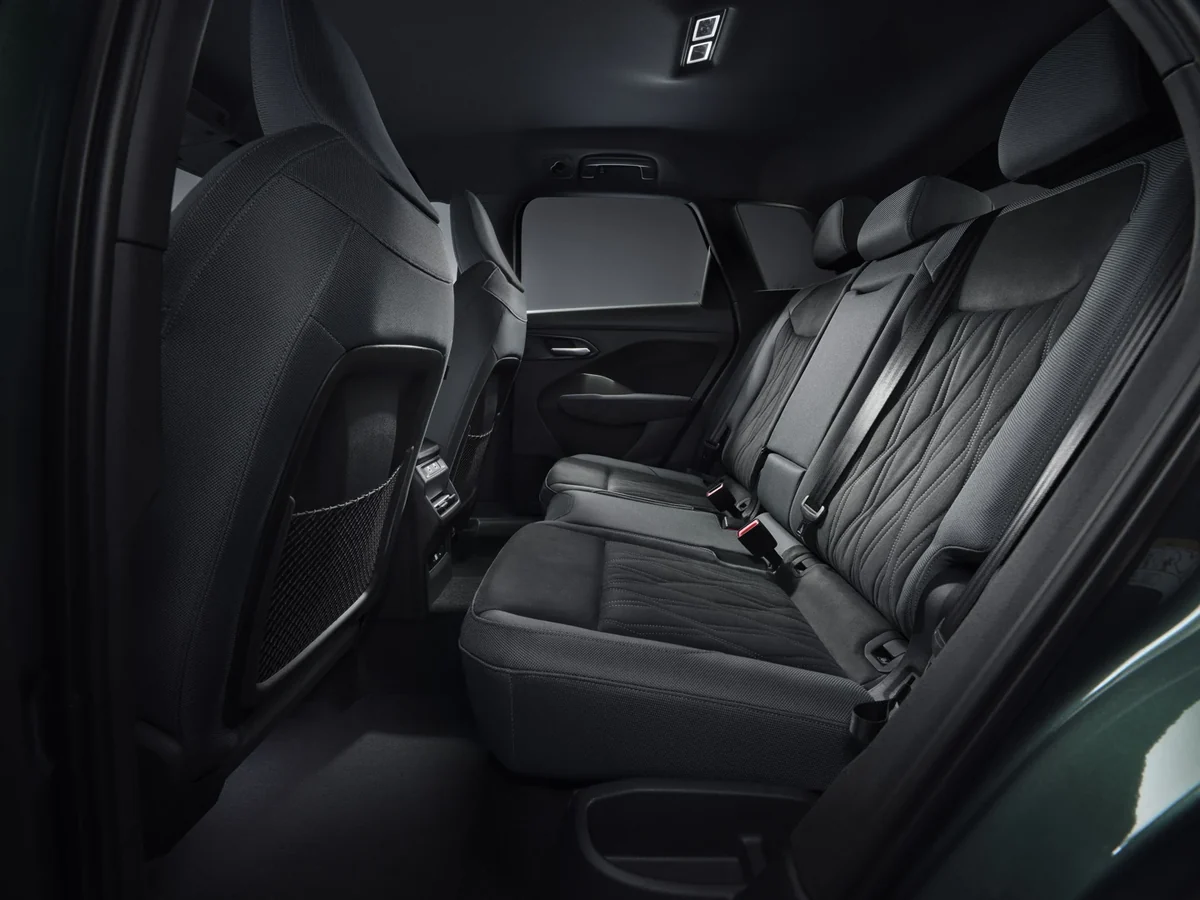
The current U.S. product page lists a panoramic sunroof, heated front seats with driver memory, ambient lighting and acoustic front-door glass among the standard equipment. These details help explain what the price is buying beyond acceleration and exterior branding.
Acoustic glass is an ingredient, not a cabin-noise measurement. Tire choice, road surface and speed still matter. Use a familiar rough section during a test drive and switch the audio off for a while. It is easier to judge the car when the sound system is not doing the sales work.
Available assistance and camera systems should be checked on the exact car. The presence of a feature in a promotional photograph does not make it standard. Ask for a clear list of equipment and try the controls while stationary. Driver assistance remains assistance; the driver is responsible for observing the road.
Audi Q3 Price: Protect the Reason You Chose a Small SUV
Audi’s current U.S. page starts the 2027 Q3 at $44,400 before destination, options and tax. That is the correct reference for this review; older launch articles may quote a different model year and price. Obtain a written, itemized quote for the car being offered.
Options can move a compact luxury purchase into a different comparison set. A useful camera package may make sense in a tight garage. A cosmetic package may be worth it because you love the appearance. The mistake is allowing several individually tolerable upgrades to erase the financial reason for choosing the smaller model.
The official page also lists scheduled maintenance coverage for three years or 30,000 miles on model-year 2027 vehicles and a four-year/50,000-mile new-vehicle limited warranty, subject to terms. Maintenance coverage does not mean every wear item, accident or future repair is included. Read the scope and ask what happens after the included period.
Long-term reliability for this generation should remain an open question. Neither older Q3 anecdotes nor a manufacturer warranty can establish the future failure rate of a new car. Insurance quotes and tire costs are available before purchase; use those concrete numbers instead of a confident but unsupported ownership prediction.
Rivals Expose the Right Buying Question
The BMW X1 is the natural alternative for a buyer considering a compact German luxury SUV. Compare your normal seating position, rear-seat requirements and the controls you use most. Differences that look small in a specification table can decide which vehicle feels easier to live with.
A Mercedes-Benz GLA offers another interpretation of the compact premium brief. Do not decide from brand stereotypes about sportiness or comfort. Compare current local equipment and the precise wheel packages on the cars you can actually buy. A test drive on mismatched tires can create a misleading brand verdict.
A well-equipped mainstream crossover is the uncomfortable but necessary third comparison. It may offer the room and features you need at a lower cost. The Q3 needs to justify the extra money through the combined experience you value. If the badge is the only part you can identify, pause before financing it.
Cariary Perspective: Smaller Can Be the Deliberate Choice
The new Audi Q3 becomes more interesting when it stops being treated as the Audi for people who could not buy a bigger one. A compact footprint can be a luxury of its own: less bulk to maneuver, less unused vehicle to carry around, and enough flexibility for the occasional exception.
Four stars recognize the coherence of that idea and the stronger current specification. The fifth star would require a more complete case around interface ease, ride on real roads and ownership over time. The right buyer should leave the showroom pleased to have chosen the Q3, rather than already planning the upgrade.
Who Should Buy It?
Recommended For
Buyers who actively want a compact luxury SUV, value acceleration and AWD, and need an adaptable rear seat rather than maximum permanent space.
Not Recommended For
Large families, drivers who strongly prefer physical controls, and buyers whose option list brings the price close to a larger vehicle they actually need.
One-Line Verdict: The Q3 works best as a deliberate small luxury SUV, not as a down payment on a bigger Audi.
Frequently Asked Questions
Which Audi Q3 does this review cover?
The third-generation SUV using the current 2027 U.S. specification. European Sportback and plug-in-hybrid versions are outside this review’s scope.
How powerful is the 2027 Audi Q3?
Audi lists 255 hp and 273 lb-ft from a turbocharged 2.0-liter four-cylinder.
Is quattro AWD standard?
Yes on the U.S. model discussed here. Suitable tires still matter for braking and winter use.
How quick is it?
Audi claims 0–60 mph in 5.5 seconds. That is not an independent measurement by Cariary.
Are the rear seats adjustable?
Yes. Audi lists 40/20/40 split rear seats that slide, recline and fold. Check passenger space and luggage room together.
What is the starting price?
The current U.S. page lists $44,400 MSRP, before destination, options, tax and other applicable charges.
Why four Cariary Point stars?
The compact format, useful standard equipment and performance form a convincing package. Options, interface preferences and limited long-term evidence still require judgment.
Further Reading and Data Reference
Data reference date: October 4, 2026. Official specifications and attributed test observations are linked where discussed. Cariary Point is an editorial buyer-fit assessment, not an owner road-test score or reliability rating.
Explore more Cariary car reviews and buyer perspectives.

