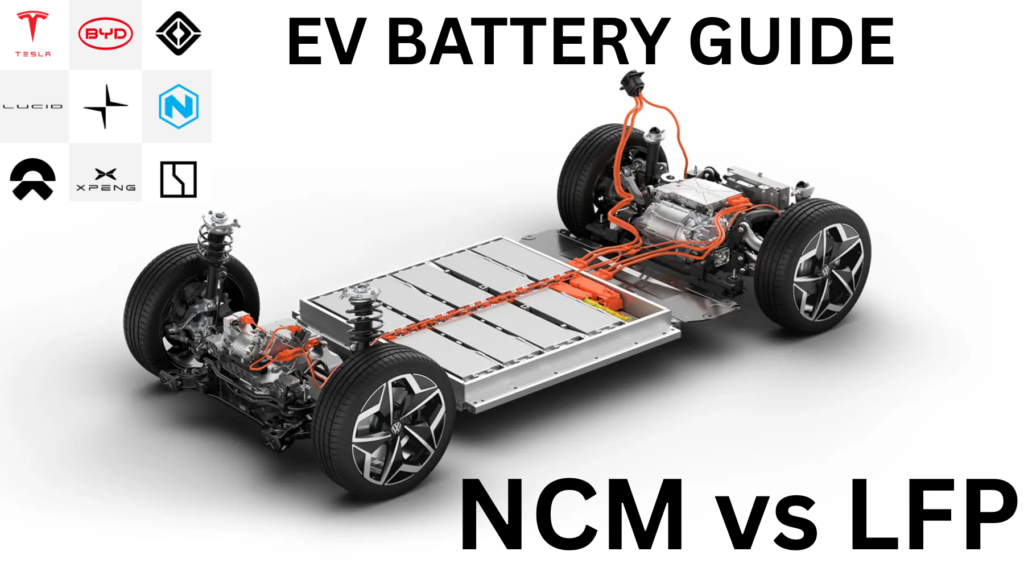
EV BATTERY GUIDE 2025 (NCM vs LFP)
Before I got into EVs, I was just a simple car guy who loved internal-combustion engines.
I had no idea what LFP or NCM meant.
I honestly thought I’d drive gasoline cars forever.
But a few months ago, something unexpected happened:
I ended up signing a contract for an electric car.
I never imagined my EV day would come this early,
but thanks to my wife (who normally doesn’t care about cars at all),
it happened faster than I expected.
One day she casually said,
“Should we try switching to an EV? My friend says it’s great.”
I started researching… and well, that led to a contract.
(I’ll write about which EV we chose in another post!)
For now, here are the things I had to learn in the process—
and the things you’ll want to know before buying an EV.
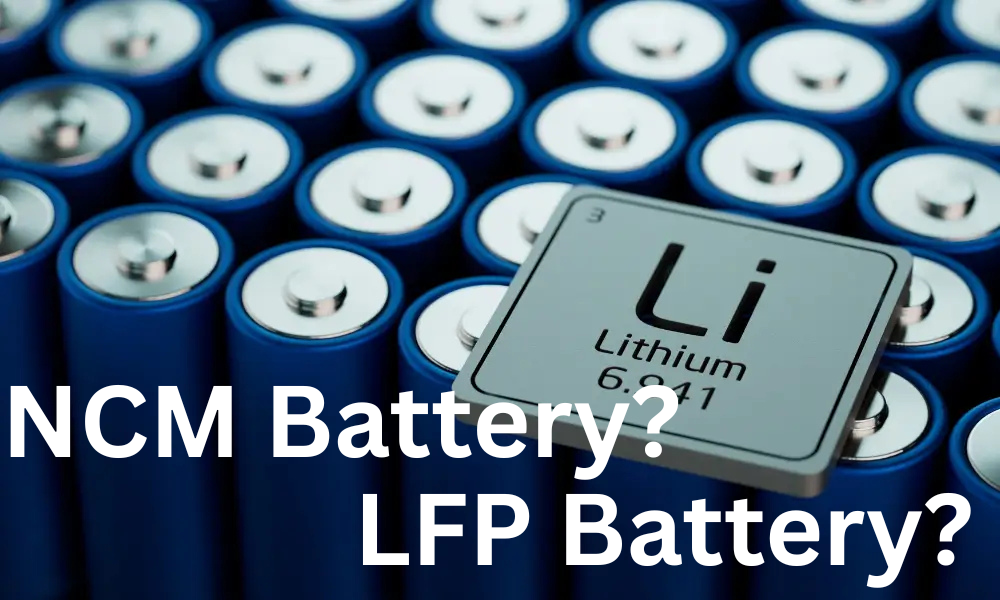
EV Batteries : NCM , LFP
Gasoline cars rely on engines, transmissions, turbos, intakes, exhausts…
There are tons of parts working together.
EVs?
Not really.
If the battery is good, the car is good.
End of story.
Everything else is secondary.
So let’s talk batteries—because there are really only two main types:
- NCM
- LFP
They look unfamiliar, but once you know the abbreviations,
they’re actually super simple.
- NCM = Nickel · Cobalt · Manganese
- LFP = Lithium Iron Phosphate
Even with zero chemistry background, you’ll recognize the names.
- NCM uses nickel, cobalt, manganese
- LFP uses lithium, iron, phosphate
Basically the battery is named after the materials it’s made of.
Pretty straightforward.
LFP Batteries (Lithium Iron Phosphate)
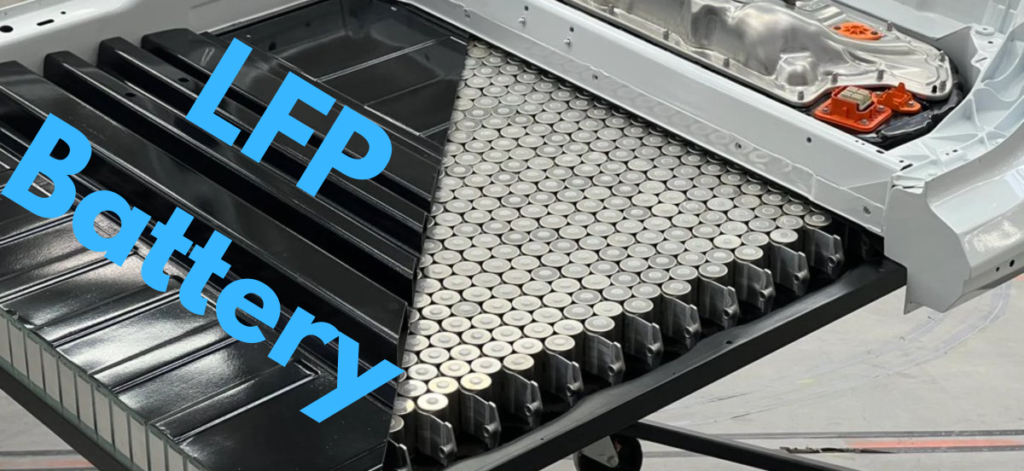
LFP stands for:
- L = Lithium
- F = Ferrous (Iron)
- P = Phosphate
So Lithium + Iron + Phosphate = LFP.
The core idea:
LFP is a lithium–iron based battery that’s safe, stable, and long-lasting.
Why does iron matter?
- Earth has LOTS of iron → cheap
- Iron is incredibly heat-resistant → very safe
- Iron-based chemistry → long cycle life (3,000–4,000 cycles)
So LFP batteries are:
- safer
- easier to manage
- durable
- perfect for budget-friendly EVs
But of course, there are downsides:
LFP Drawbacks
1) Lower energy density → Shorter driving range
Same-size battery = about 15–30% less range compared to NCM.
Also heavier.
2) Poor cold-weather performance
In cold climates:
- slow charging
- reduced power
- weak regen braking
- overall efficiency drops hard
Northern regions feel this a lot.
3) Not suitable for high-performance EVs
LFP simply can’t output the same peak power.
4) Slower charging than NCM (generally)
Improving each year, but still behind.
In one line:
LFP = safety, durability, cost efficiency.
NCM Batteries (Nickel · Cobalt · Manganese)
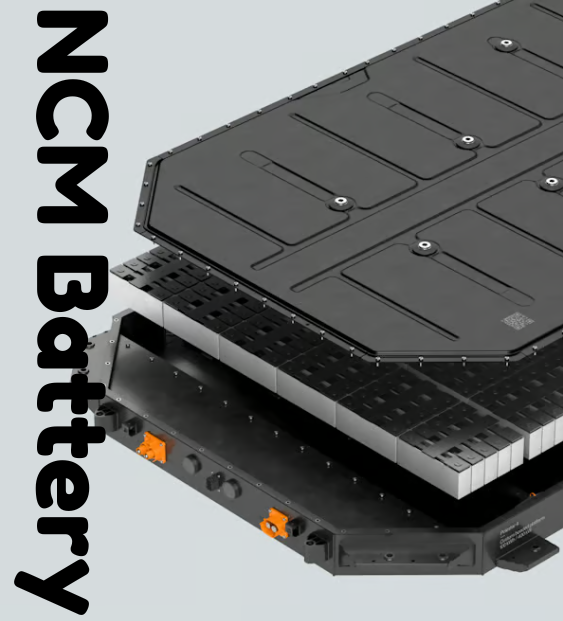
NCM consists of:
- N = Nickel
- C = Cobalt
- M = Manganese
So Nickel + Cobalt + Manganese = NCM.
NCM’s key idea:
It’s a lithium battery enhanced with nickel, cobalt, and manganese to dramatically boost performance.
The most important material?
Nickel.
Why?
- Higher energy density
- Better capacity-to-weight ratio
- Longer driving range
- More powerful acceleration
The more nickel you add,
the farther and faster the EV can go.
But yes—there are downsides:
NCM Drawbacks
1) Higher cost
Nickel and cobalt are expensive.
Cobalt especially—rare, costly, and has ethical mining issues.
2) Heat sensitivity → Needs stronger thermal management
NCM is more prone to thermal runaway than LFP.
Especially high-nickel types like NCM811.
That’s why premium EVs use advanced cooling systems.
3) Shorter lifespan than LFP
- LFP: 3,000–4,000 cycles
- NCM: 1,500–2,000 cycles
4) Harder to balance cost, heat, and longevity
More nickel = more performance
→ but also more heat + higher cost
→ so brands must invest heavily in thermal management.
In one line:
NCM = performance, range, premium EVs.
NCM 523 / 622 / 811 — The Battery Formation Explained
NCM batteries often come with numbers like 523, 622, 811.
These represent the ratio of Nickel : Cobalt : Manganese.
Let’s make it easier using soccer positions:
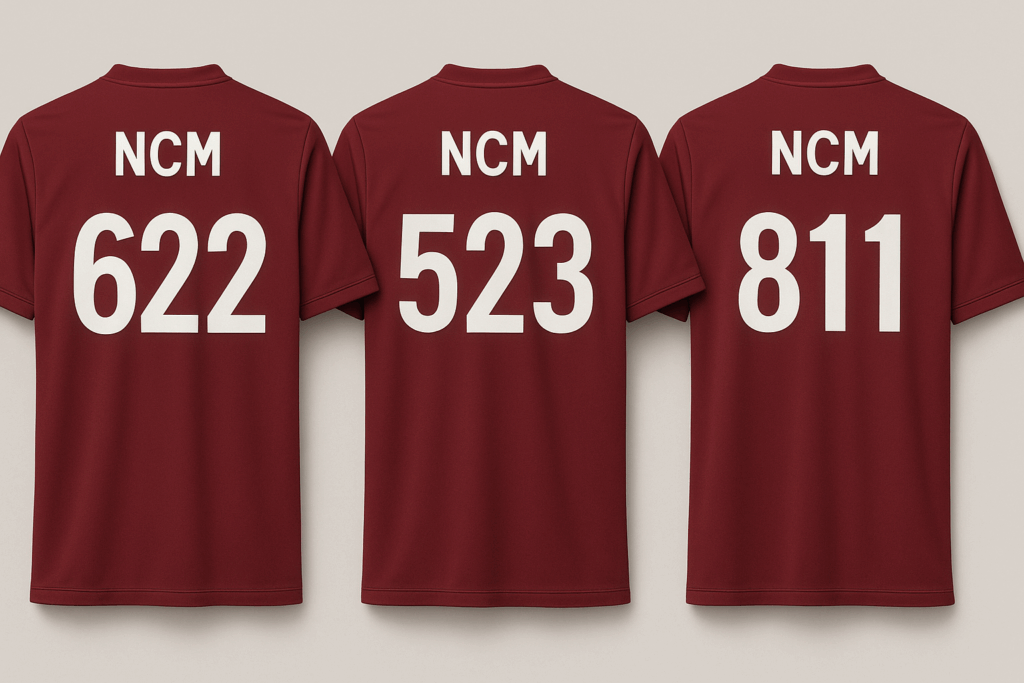
1) NCM 523 = Defensive Midfielder (CDM)
- highest stability
- cheap
- low offensive power
→ great for budget EVs prioritizing safety
2) NCM 622 = Box-to-Box Midfielder (CM)
- balanced offense & defense
- stable, strong, affordable
→ most commonly used composition
3) NCM 811 = Striker (ST)
- extremely high performance
- longest range
- ideal for premium & long-distance EVs
- requires advanced thermal management
Is NCM 811 Dangerous?
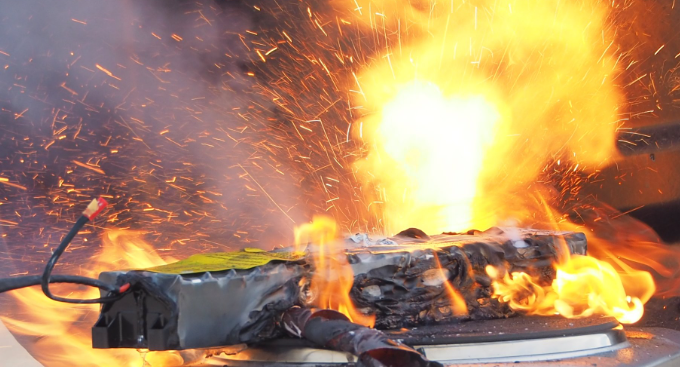
Not if managed correctly.
High-nickel batteries are heat-sensitive,
but premium brands solve this with serious thermal engineering:
- advanced liquid cooling
- heat pumps controlling temperature in all seasons
- thermal barriers between cells
- intelligent BMS algorithms
- reinforced battery housing
Result?
NCM811 becomes both powerful and safe
(…and even more expensive )
What You Can Read From a Battery Spec
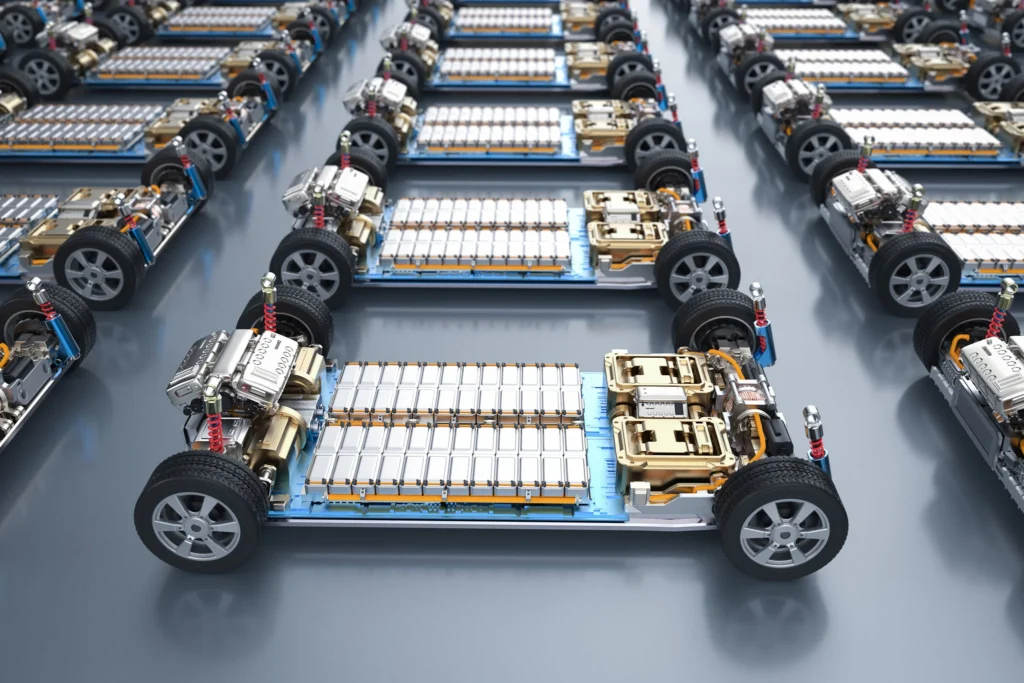
Now you can identify a car’s character just from the battery:
- LFP → cost-effective, stable
- NCM523 → safe & budget-friendly
- NCM622 → balanced
- NCM811 → performance-focused premium EV
You can literally look at one line in the spec sheet and say:
- “This one prioritizes stability.”
- “This one is priced aggressively → LFP.”
- “This brand trusts their thermal management → 811.”
So… Which Battery Should You Choose?
There’s no universal answer,
but here’s my priority:
I value range and safety above everything.
EV battery incidents still exist,
and my family will ride this car—
so safety is my top priority.
Also, EVs already have insane acceleration.
Even entry-level models can outperform many gasoline performance cars.
So I don’t think you need a high-performance battery unless you’re buying a true sports EV.
(And honestly, real performance belongs to internal-combustion engines.
Fast but silent has no charm to me.
Where’s the engine, the weight, the noise? )
- If you want maximum cost efficiency → choose LFP.
- If you want range, performance, and premium quality → choose NCM.
Above all… The best car is the one you love to look at