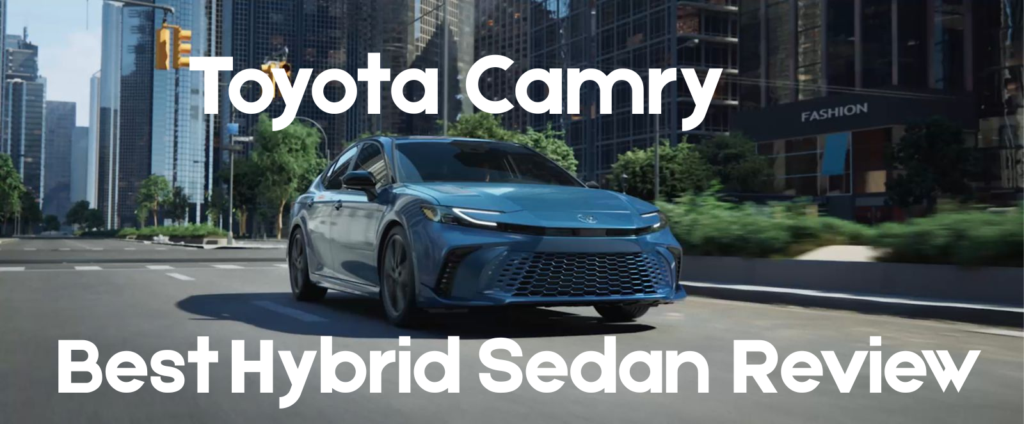
Quick Take
The Toyota Camry is not the kind of car that tries to impress you in the first five minutes.
It does not accelerate like an EV. It does not have a luxury-car seat that makes you talk about foam density. It does not make every pedestrian turn around. But after driving one in real life, especially over a proper road trip, it becomes very easy to understand why Toyota has such a strong position in the global car market.
Cariary rented a Camry in Los Angeles during our honeymoon last year and drove it around LA and to Las Vegas. That experience made one thing clear: the Camry is a textbook example of a car with excellent fundamentals.
It goes well. It stops well. It uses fuel carefully. It asks very little from the driver. That sounds simple, but simplicity done this well is exactly why the Camry has lasted so long.
What Is the Toyota Camry?
The Toyota Camry is a midsize sedan built around reliability, efficiency, comfort, and daily usability.
In the U.S., the current 2026 Camry is hybrid-only. Toyota lists a starting MSRP of $29,300, up to an estimated 51 combined MPG, up to 232 net combined horsepower, and available front-wheel drive or electronic on-demand all-wheel drive.
Those numbers explain the modern Camry’s position well. It is no longer just a plain gasoline family sedan. It is now Toyota’s mainstream hybrid sedan for people who want low fuel use without changing their driving habits.
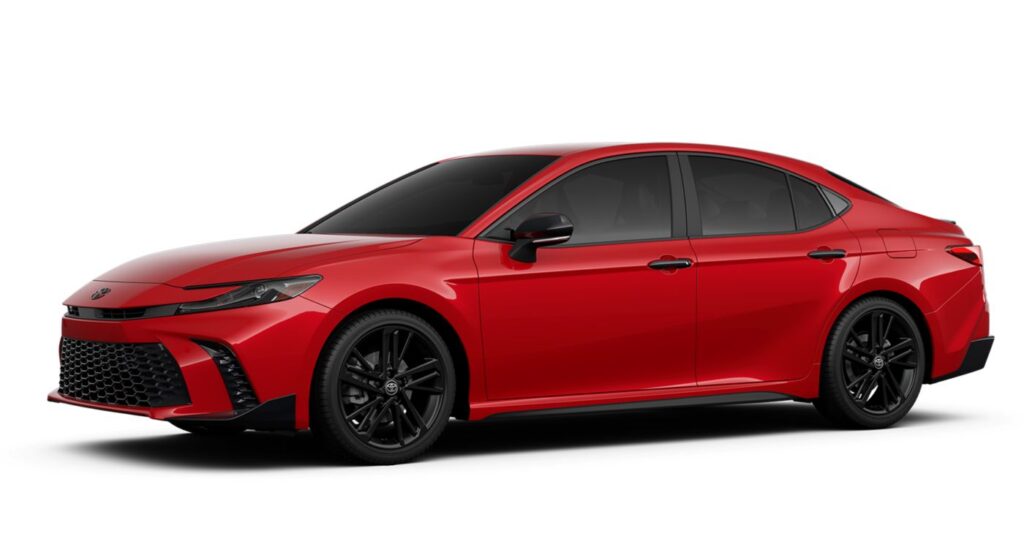
Credit: Image: Toyota
Why This Car Exists
The Camry exists because most people do not need drama from a car.
They need something that starts every morning, drives smoothly, stops confidently, returns good fuel economy, carries passengers, and does not become a financial headache. That is not a boring mission. It is one of the hardest missions in the car industry because the car has to satisfy millions of normal buyers, not only enthusiasts.
Toyota understands this better than almost anyone.
The Camry is not built around one emotional headline. It is built around consistency. That connects directly with the idea behind Cariary’s article Why Are Japanese Cars So Popular in the U.S.? Part 1: Durability & Efficiency Edition
Japanese cars became popular in America not because they were always the most exciting, but because they made ownership feel easier, cheaper, and less risky.
The Camry is one of the clearest examples of that philosophy.
Key Specs and Real-World Meaning
Toyota’s current Camry hybrid system is not just about MPG.
Yes, the official fuel economy is strong. But the more important point is how naturally the system works. In our LA rental experience, the Camry felt responsive from low speed. The accelerator reaction was quicker than expected, especially for a car with such a sensible image.
That matters because many economy-focused cars feel like they are always asking the driver to be patient. The Camry did not feel like that. It moved cleanly, reacted quickly, and never felt lazy in normal traffic.
The braking also stood out. The car stopped with confidence and predictability. In a family sedan, that is more important than a dramatic horsepower number. A good everyday car should feel natural when accelerating and natural when slowing down. The Camry does both.
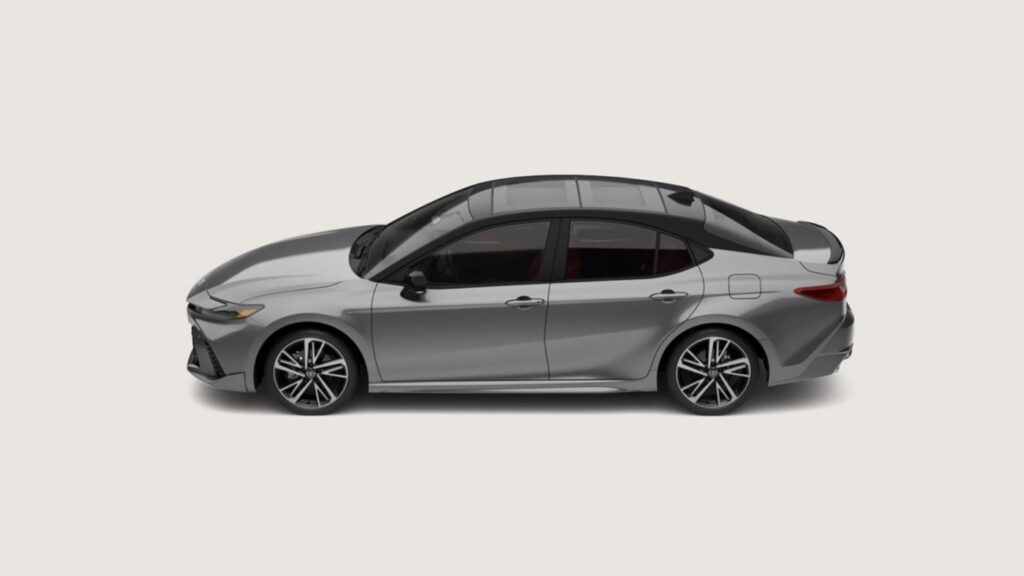
Credit: Image: Toyota
Real-World Fuel Economy
The Camry’s hybrid efficiency is not just a spec-sheet advantage.
During our trip, the rental car started with a full tank in Los Angeles. We drove around LA, went to Las Vegas, and did not need to stop for fuel during that trip. That kind of experience changes how you understand the car. Good fuel economy becomes less about saving a few dollars and more about reducing friction.
You think less about gas stations. You worry less about range. You simply use the car.
This is where Toyota’s hybrid experience matters. Toyota has been building hybrid systems for decades, and the Camry benefits from that maturity. It does not make the driver feel like they are operating special technology. It just feels like a normal car that happens to use fuel very carefully.
Credit: Image: Toyota
Design and Identity
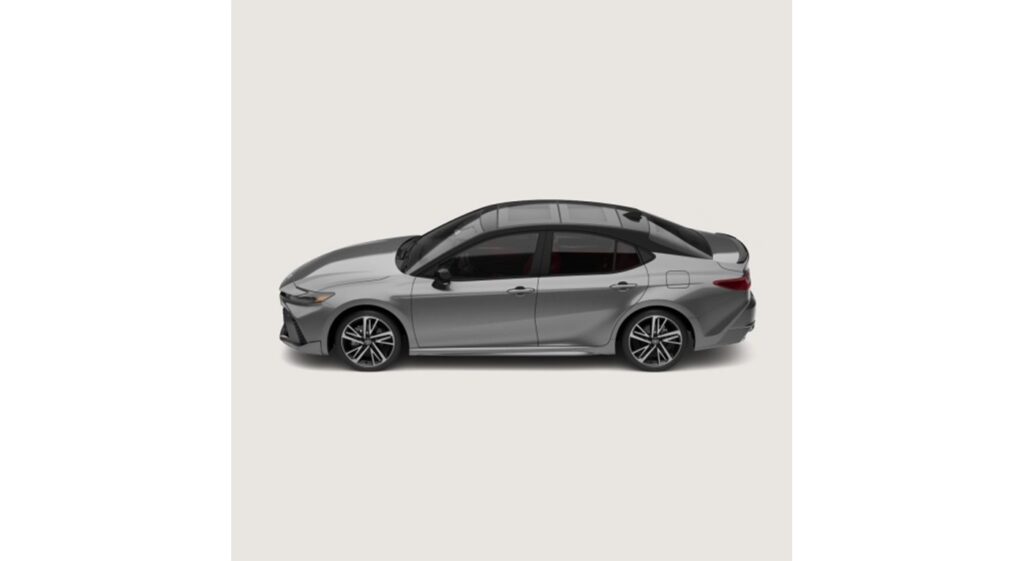
The Camry’s design is more interesting than its reputation.
It is still clearly a family sedan, but the newer Camry has a sharper face, a lower stance, and enough visual energy to avoid looking anonymous. This matters because the Camry has to appeal to two different groups: buyers who want something safe and sensible, and buyers who still want their daily car to have some presence.
In Los Angeles, we saw a white Camry with tasteful exterior tuning and a rear wing. Surprisingly, it worked. A spoiler on a family sedan can easily look forced, but the Camry’s current shape can carry that kind of modification better than expected.
That says something about the design. It is not a sports sedan, but it has enough structure and confidence to accept a sportier look without becoming ridiculous.
Interior and Daily Use
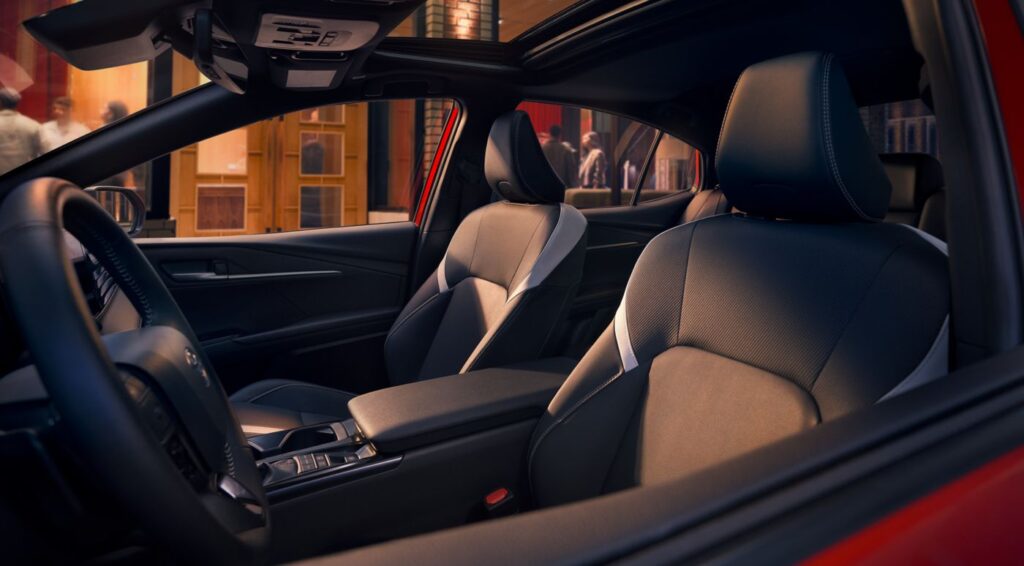
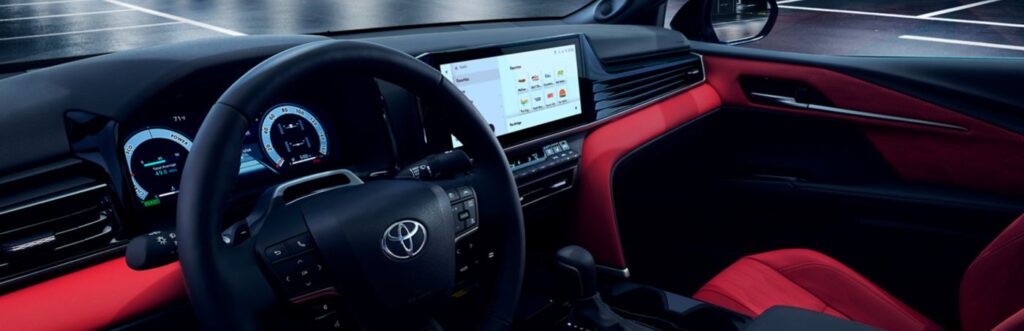
The Camry interior is not trying to feel like a luxury lounge.
That is not the point. The point is that everything should be easy to understand, easy to use, and comfortable enough for long daily use. The cabin feels practical rather than special, and that fits the car’s mission.
Credit: Image: Toyota
The seats are not the kind of seats you remember as a major feature. They are not unusually soft, unusually sporty, or unusually premium. But they are good enough, and in a Camry, “good enough without creating a problem” is part of the formula.
Credit: Image: Toyota
Rear-seat space is also part of why the Camry still matters. Crossovers have taken over much of the family-car market, but a midsize sedan still makes sense when it gives passengers enough room, a comfortable ride, and better fuel economy than many SUVs.
Technology and Infotainment
Our rental Camry had one real annoyance.
Apple CarPlay worked without issue, but Android Auto did not work properly in that car. It is possible this was specific to that rental vehicle, cable, phone, software version, or setup. We have also heard that software updates may have improved the issue since then.
So this should not be treated as a universal Camry problem. But buyers who rely heavily on Android Auto should still test it during a test drive, especially if they are buying used or renting.
Aside from that, the Camry did not leave many obvious complaints. That is part of the car’s character. It may not delight you with one spectacular feature, but it also avoids many of the small frustrations that make daily cars tiring.
Practicality
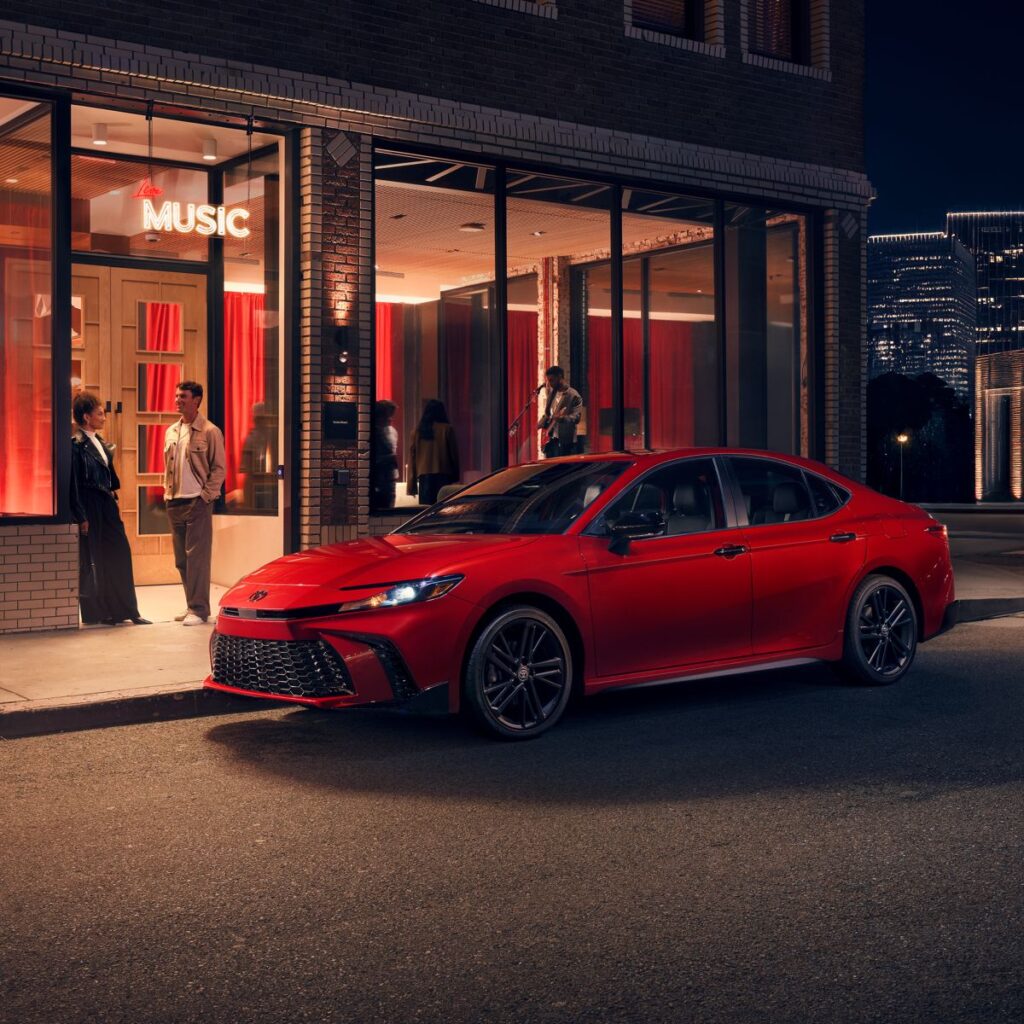
The Camry’s practicality is straightforward.
It has a usable cabin, a real trunk, good fuel economy, and the kind of everyday size that works for commuting, airport runs, road trips, and family errands. It does not need clever gimmicks to be useful.
Credit: Image: Toyota
This is why the Camry can feel almost invisible in the best way. It does the job, then disappears from your list of worries.
Price-to-Value Judgment
The Camry’s value is not that it gives you the most exciting car for the money.
Its value is that it gives you one of the safest answers to the question: “What car should I buy if I do not want problems?”
You are paying for Toyota’s hybrid experience, durability reputation, easy servicing, strong resale value, and a car that works for a huge number of people. That does not make it emotional in the traditional enthusiast sense, but it does make it rational.
The Camry is the kind of car that makes sense for people who see a car primarily as transportation. That may sound like a weak compliment, but it is actually the foundation of Toyota’s success.
If Cariary did not love cars so much and viewed cars only as transportation, the Camry would be one of the first cars we would consider. That does not mean car enthusiasts cannot enjoy a Camry. Many do. It means the Camry is unusually good at serving people who do not want their car to become a hobby.
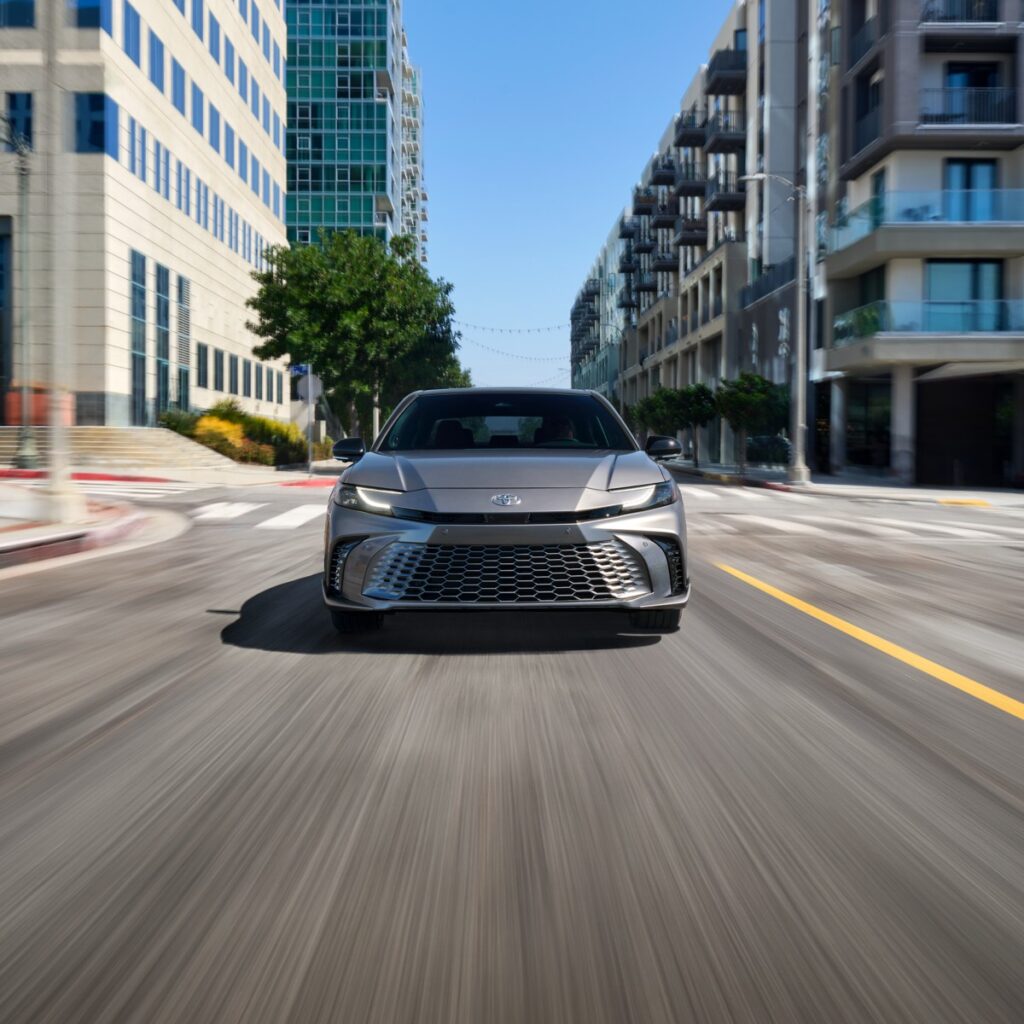
Credit: Image: Toyota
Competitor Comparison
The Honda Accord Hybrid is the Camry’s most natural rival. The Accord often feels a little more mature and driver-focused, while the Camry feels more Toyota-like: easy, efficient, predictable, and slightly less demanding.
The Hyundai Sonata Hybrid gives buyers a stronger design statement and often a generous feature set. The Camry counters with Toyota’s long-term reputation and hybrid credibility.
The Kia K5 is more style-driven and may appeal to buyers who want a sedan with more visual attitude. The Camry is the safer ownership bet and the stronger hybrid choice.
The Nissan Altima remains relevant for buyers who want a comfortable midsize sedan and available all-wheel drive in some markets. The Camry’s hybrid-only strategy gives it a clearer efficiency advantage.
The Lexus ES Hybrid is the premium cousin in spirit. It is more comfortable and more refined, but it also costs more. The Camry is the practical version of the same basic Toyota logic.
Recommended For
The Camry is recommended for buyers who want a car that simply works.
It fits commuters, families, students, ride-share drivers, road-trip drivers, and anyone who values fuel economy, reliability, predictable controls, and easy ownership.
It is especially strong for buyers who do not want to think too much about the car after buying it.
Not Recommended For
The Camry is not ideal for buyers who want strong emotional character, luxury-level seats, EV-like acceleration, or a car that makes people stare.
It is also not the best choice for someone who wants maximum cargo flexibility. A crossover may still make more sense for that buyer.
And if Android Auto is essential, test the exact car before purchase.
Buyer Verdict
The Toyota Camry is not exciting in the usual automotive-review sense.
But it is deeply convincing.
After driving one in Los Angeles and to Las Vegas, the Camry’s appeal became obvious. It accelerates well enough, brakes confidently, uses fuel impressively, and avoids unnecessary complications. It does not feel like a car trying to entertain you. It feels like a car trying to take care of the basics properly.
That is why it is so hard to find a serious weakness. The Camry does not have one spectacular advantage that changes your life. Instead, it has very few bad habits. For most buyers, that is more valuable.
Cariary Perspective
The Camry feels like the automotive version of a model student.
Not the loudest person in the room. Not the most stylish. Not the one everyone talks about first. But steady, well-prepared, disciplined, and difficult to criticize. It feels like a car that was raised properly from the beginning.
That may be the most Toyota thing about it. The Camry understands that most people do not want a car to become a source of stress. They want it to move, stop, save fuel, last a long time, and be easy to maintain. The Camry is built almost entirely around that idea.
For enthusiasts, that can sound too sensible. But for real life, especially after a long trip through California and Nevada, it makes perfect sense.
One-Line Verdict
The Toyota Camry is not a car you buy for drama; it is a car you buy because the fundamentals are almost impossible to argue with.
FAQ
Is the Toyota Camry a good car?
Yes. The Camry is one of the strongest midsize sedans because it combines reliability, hybrid efficiency, easy driving, and low ownership stress.
Is the Camry Hybrid fuel-efficient in real life?
Yes. In Cariary’s LA and Las Vegas rental experience, the Camry used fuel so efficiently that we did not need to refuel during the trip after starting with a full tank.
Is the Toyota Camry fun to drive?
It is not a sports sedan, but it drives better than its reputation suggests. The accelerator response is quick, the braking feels confident, and the car feels well sorted.
Is the Camry better than the Honda Accord Hybrid?
The Accord may appeal more to buyers who want a slightly more driver-focused sedan. The Camry is the safer, easier, more Toyota-like choice for buyers prioritizing efficiency and long-term ownership.
Does the Toyota Camry support Apple CarPlay and Android Auto?
Current Camry models support modern smartphone connectivity, but our rental car had Android Auto issues while Apple CarPlay worked properly. Buyers who rely on Android Auto should test it in the exact car.
Who should buy the Toyota Camry?
Buyers who want reliable transportation, excellent fuel economy, easy maintenance, and a car that does not create daily stress should consider the Camry.
Who should avoid the Toyota Camry?
Avoid it if you want EV-level acceleration, luxury-car comfort, dramatic styling, or maximum cargo flexibility.
Related Cars
- Honda Accord Hybrid
- Hyundai Sonata Hybrid
- Kia K5
- Nissan Altima
- Lexus ES Hybrid
- Toyota Crown
Data Reference Date
June 19, 2026