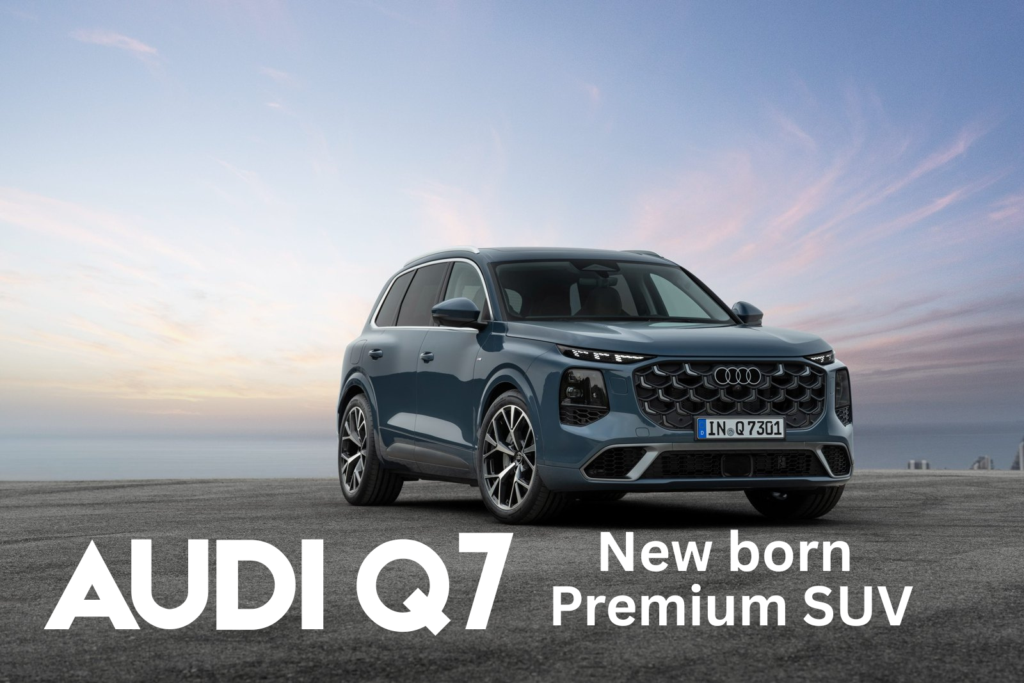
Quick Take
The new Audi Q7 is not trying to become a completely different kind of SUV. It is still a large, practical, premium three-row Audi.
But after roughly 11 years since the second-generation Q7 first appeared, the new model arrives with a much louder face, a more digital cabin, more flexible seating, and a clear attempt to feel more competitive beside the BMW X7 and Mercedes-Benz GLS.
The interesting question is not whether the Q7 is useful. It almost certainly is. The bigger question is whether usefulness is enough in a luxury SUV class where buyers often want presence, status, and emotional confidence as much as cargo space.
What Is It?
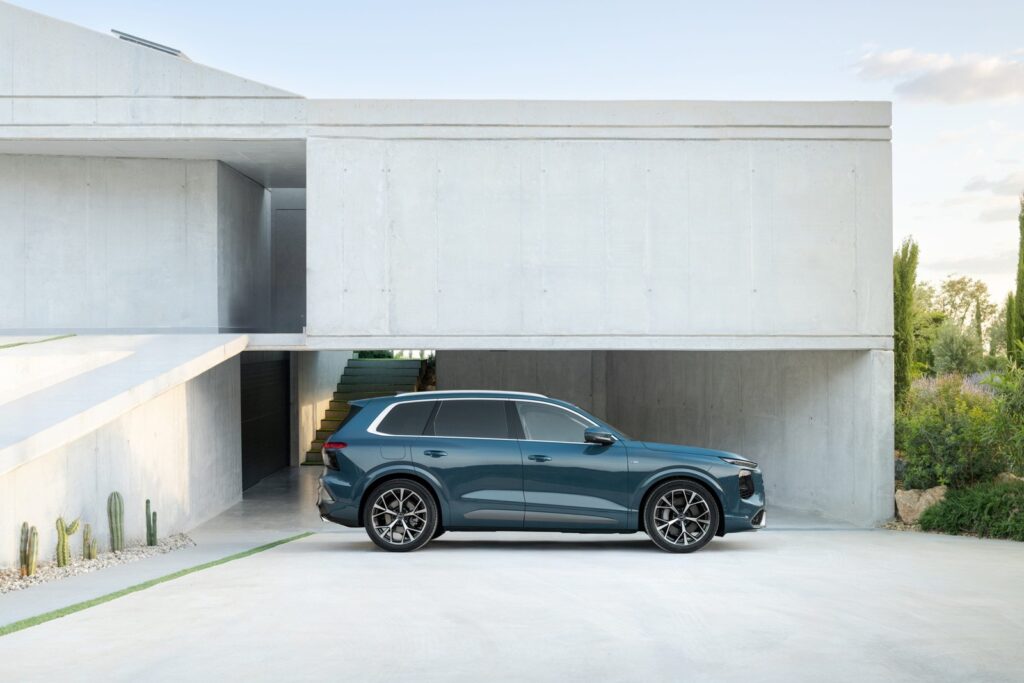
Credit: Image: Audi, via Car and Driver
The Audi Q7 is Audi’s large three-row luxury SUV. It sits above models like the Q5 and below or alongside Audi’s more style-focused upper SUV offerings depending on market structure.
For global readers, the Q7 has always played a specific role: it is the sensible premium family SUV from Audi. It is not as flamboyant as a Range Rover, not as visibly status-driven as a Mercedes GLS, and not as aggressively confident as a BMW X7. Its appeal has traditionally been quieter: space, quattro all-wheel drive, restrained design, and a cabin that feels technical rather than theatrical.
The new third-generation Q7 keeps that foundation, but Audi has clearly decided that quiet confidence alone may no longer be enough.
Why This Car Exists
The luxury three-row SUV market has changed. Buyers now expect a large SUV to do several jobs at once: family transport, road-trip machine, technology showcase, status symbol, and sometimes even performance vehicle.
That is why the new Q7 matters. Audi cannot simply make a practical SUV and assume buyers will understand its value. The BMW X7 has become one of the most visually confident German luxury SUVs, and Mercedes has kept the GLS close to the idea of an S-Class SUV. Audi needed the Q7 to look less background and more intentional.
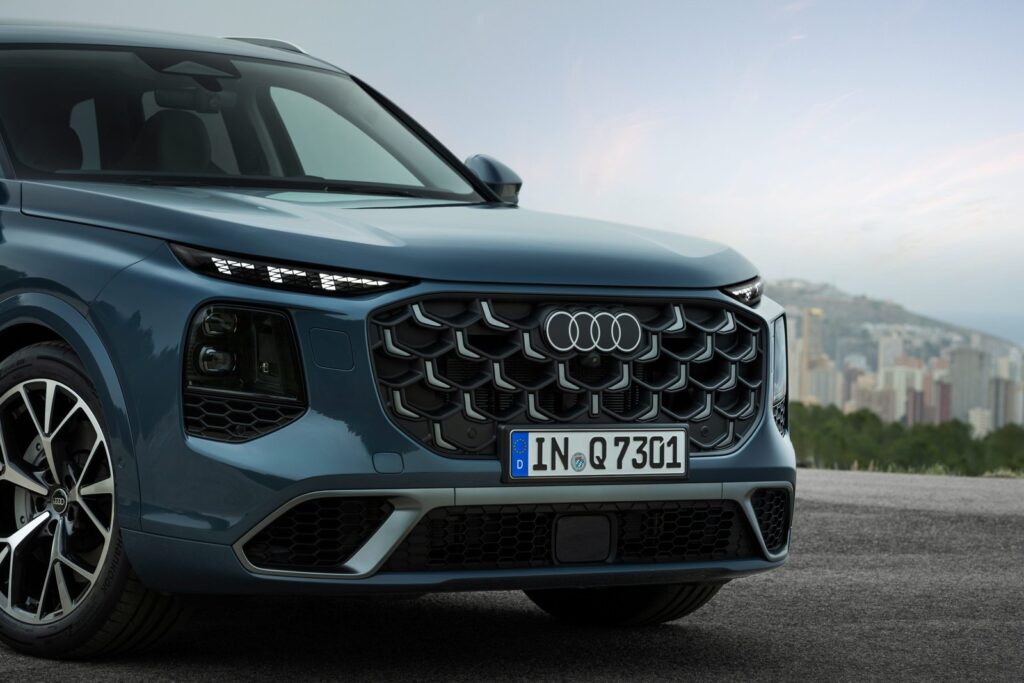
That context explains the new front end. The larger grille, split lighting layout, and more upright face feel like Audi moving away from its older restrained SUV language. It is difficult not to see some BMW X-series influence here. That does not mean Audi copied BMW directly, but it does suggest Audi understands where the segment’s visual energy has gone.
Key Specs and Real-World Meaning
Early global reports describe the new Q7 with a 3.0-liter V6 diesel mild-hybrid powertrain in some markets, while U.S.-focused reports point to a new turbocharged 2.9-liter V6 gasoline engine for the 2027 Q7. That market difference matters.
For buyers in diesel-friendly markets, a V6 diesel makes sense in a large SUV. It provides torque, long-distance efficiency, and easy highway cruising. This is not the kind of powertrain chosen to make the Q7 feel futuristic. It is chosen because big luxury SUVs still benefit from effortless range and low-stress torque.
For North American buyers, the gasoline V6 direction fits a different reality. Diesel luxury SUVs are no longer the obvious answer in the U.S. and Canada, while strong gasoline engines and hybrid-ready combustion platforms still have buyer appeal.
Either way, the message is similar: Audi is not abandoning combustion power for large luxury SUVs yet. Like several European brands, Audi appears to be keeping high-end combustion models alive while the EV transition becomes more selective and more market-dependent.
Credit: Image: Audi, via Car and Driver
Design and Identity
Credit: Image: Audi, via Car and Driver
The front is the most controversial part of the new Q7.
Audi’s older SUV design language was cleaner and more conservative. This new front end is more forceful. The grille is larger, the lighting is split, and the whole face looks more upright and assertive. For some buyers, that will finally give the Q7 the road presence it lacked. For others, it may feel like Audi is reacting to BMW rather than defining its own direction.
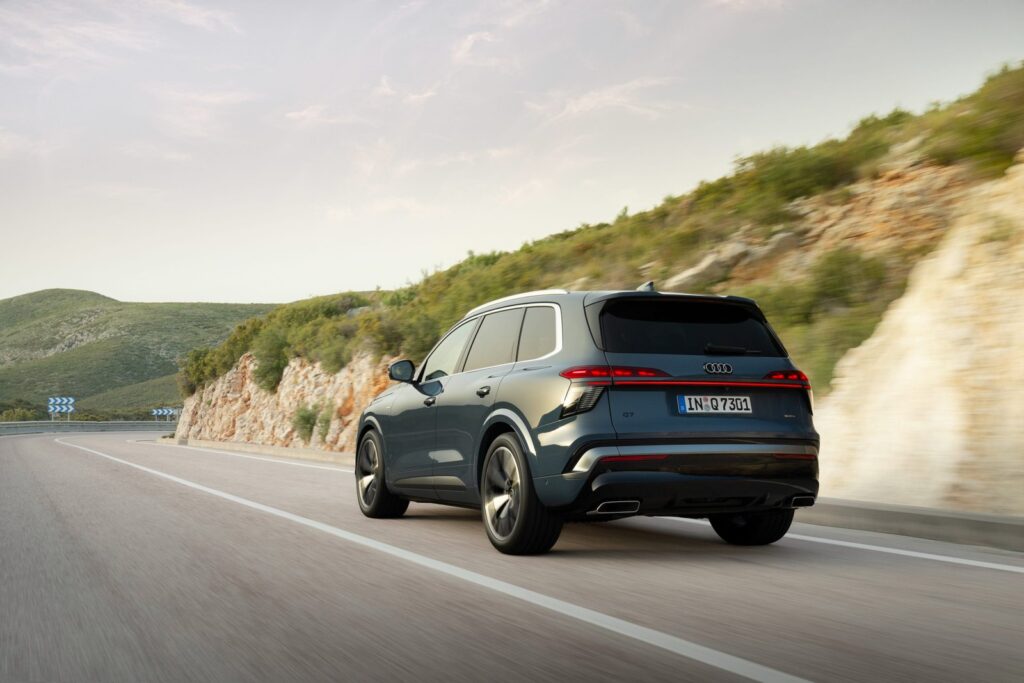
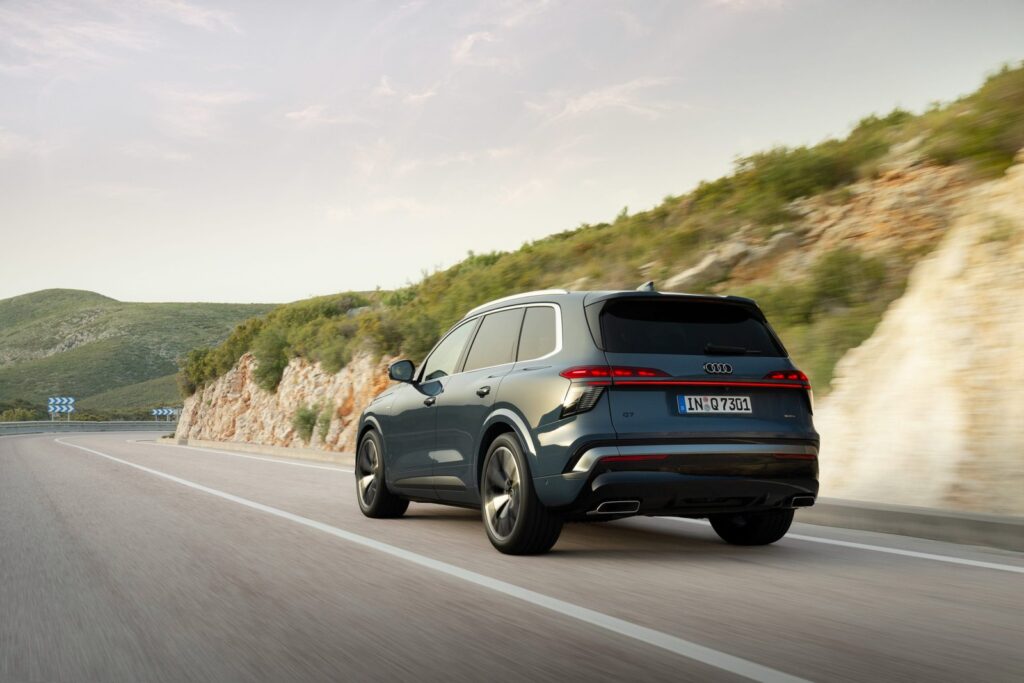
The rear is more familiar.
Credit: Image: Audi, via Car and Driver
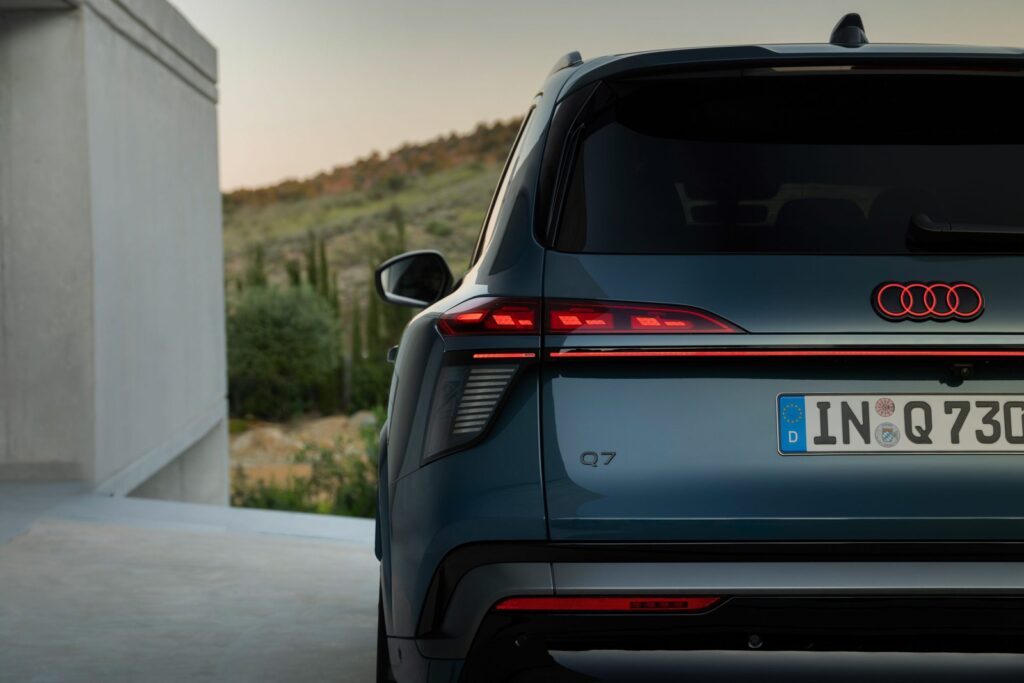
Apart from the full-width light bar and updated taillight treatment, the back of the Q7 does not feel dramatically different from the previous model. That may be intentional. Audi seems to have spent most of the visual drama at the front, while keeping the rear closer to the Q7 identity existing buyers already know.
Credit: Image: Audi, via Car and Driver
The result is a design with two personalities: a bolder front meant to win attention, and a more conservative rear meant to preserve continuity.
Interior and Daily Use
Credit: Image: Audi, via Car and Driver
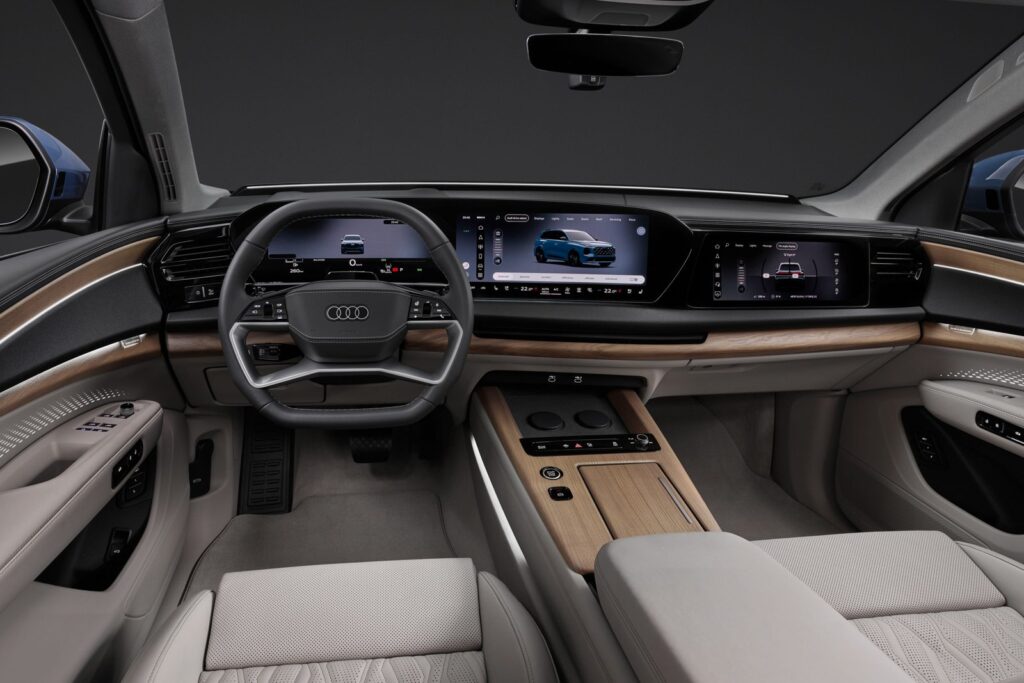
The interior is where the new Q7 feels most clearly connected to Audi’s latest direction.
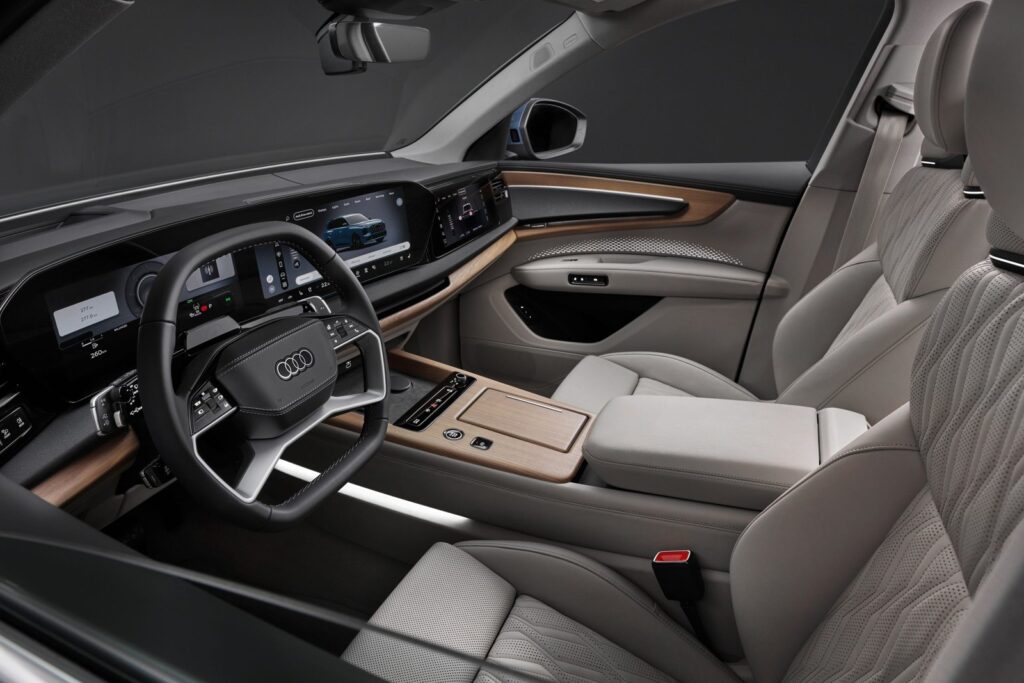
The cockpit-style layout seen in newer Audi models, including the A7, continues here. The driver faces a wide digital display arrangement, while the passenger side now receives its own large screen. This gives the cabin a more aircraft-like, command-center feeling than the older Q7.
That matters because large luxury SUV buyers spend a lot of time inside the car. The Q7 is not only judged by how it looks in a driveway. It is judged during school runs, airport trips, highway drives, and long family weekends.
Credit: Image: Audi, via Car and Driver
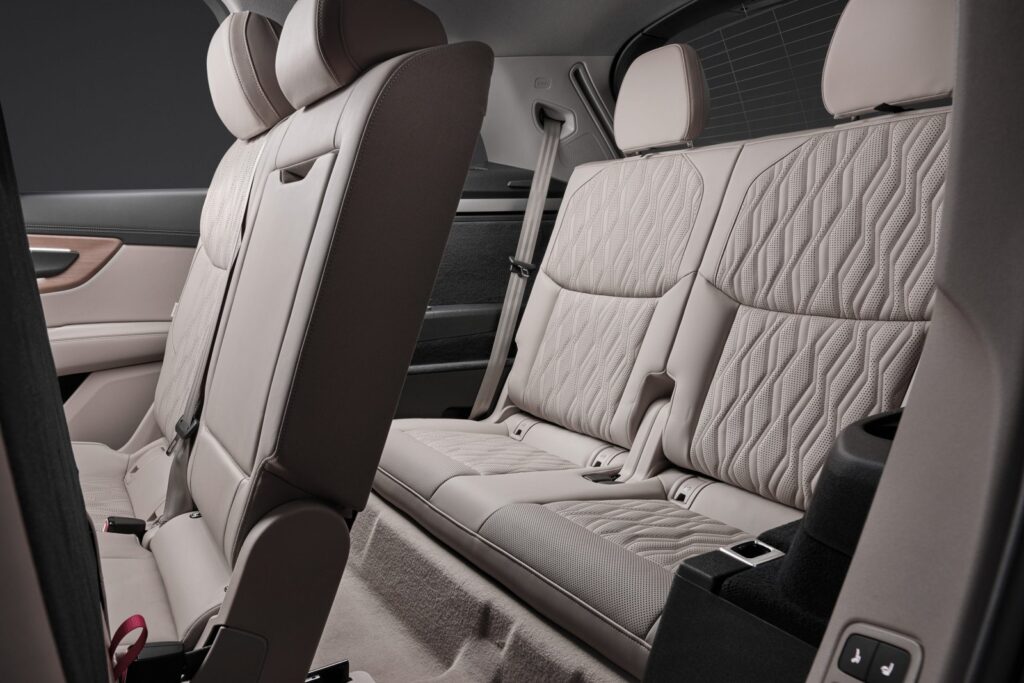
The seats also move the Q7 further into premium territory. Diamond quilting gives the cabin a more expensive look, and the availability of five-, six-, and seven-seat configurations makes the car easier to match to different families.
Credit: Image: Audi, via Car and Driver
The six-seat version with second-row captain’s chairs may be the most interesting choice. Cariary currently drives a six-seat Hyundai Santa Fe MX5, and one thing that stands out in real ownership is how much passengers appreciate independent second-row seats. They make the second row feel less like a compromise and more like a proper place to sit.
That same logic applies to the Q7. In a premium SUV, captain’s chairs are not only about comfort. They change the atmosphere of the vehicle. A seven-seat Q7 is the practical family version. A six-seat Q7 feels more like a luxury shuttle.
Credit: Image: Audi, via Car and Driver
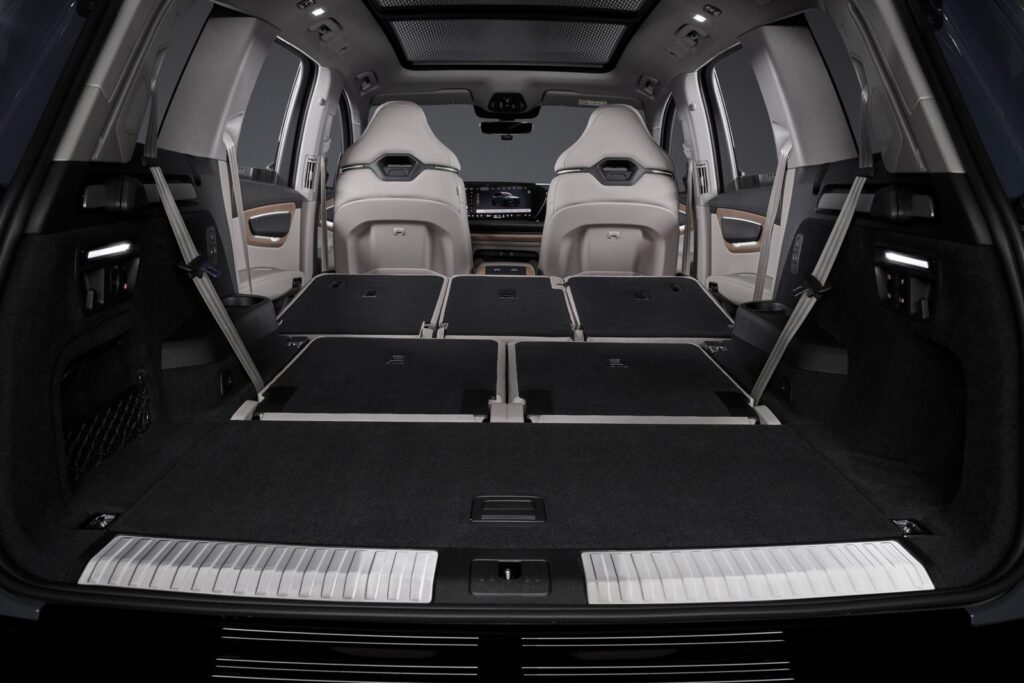
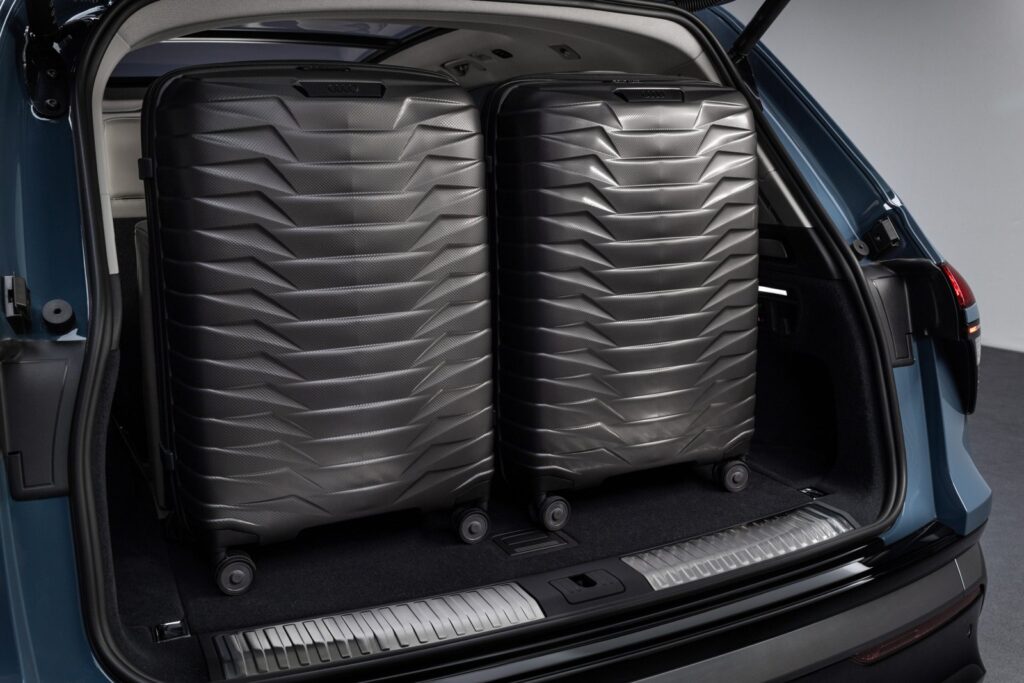
Cargo space remains one of the Q7’s core strengths. This is still a vehicle for people who need to carry passengers, luggage, child seats, sports gear, or travel bags without turning every trip into a packaging problem.
Credit: Image: Audi, via Car and Driver
Technology and Audio
The Bang & Olufsen system is one of the details that could make the new Q7 feel more special than its spreadsheet suggests.
A 22-speaker setup with 4D audio and seat vibration actuators sounds like a small luxury until you imagine the real use case: a long night drive, family asleep in the back, or a quiet highway stretch with music filling the cabin. For buyers who genuinely enjoy driving with music, this could become one of the Q7’s most memorable features.
This is the kind of technology that makes sense in a luxury SUV. It is not there only to impress during a showroom demonstration. It can improve the feeling of using the car every week.
Price-to-Value Judgment
The Q7’s value problem is not that it lacks substance. It has plenty of substance.
The issue is the company it keeps.
At this price level, buyers will naturally compare it with the BMW X7, Mercedes-Benz GLS, Volvo XC90, Lexus TX, and possibly the Range Rover Sport depending on market and budget. In that group, being practical is important, but it may not be enough.
Audi’s strongest argument is that the Q7 gives buyers a balanced version of large luxury SUV ownership: less flashy than a GLS, less extroverted than an X7, more technical than a Lexus TX, and more family-focused than style-led SUVs.
That is a real argument. But it is also a quieter one. The Q7 will make the most sense to buyers who value restraint, usability, and cabin quality more than social impact.
Competitor Comparison
BMW X7
The BMW X7 is the rival that most directly challenges the Q7’s new personality. It has stronger visual confidence and a more obvious flagship-SUV feel. The new Q7’s front design almost feels like Audi acknowledging that BMW has set the tone for large German SUV presence.
The Q7 counters with a calmer, more practical character. But if the buyer wants the SUV to feel like a statement, the X7 still has the louder voice.
Mercedes-Benz GLS
The GLS sells luxury in a more traditional way. It feels closer to the idea of a chauffeured family SUV, especially in higher trims. The Audi Q7 feels more technical and less ceremonial.
That makes the Q7 better for buyers who want premium without too much theater. It also makes the GLS more convincing for buyers who want their three-row SUV to feel like the obvious flagship.
Volvo XC90
The Volvo XC90 is not as visually aggressive as the German rivals, but it has a clear identity: safety, Scandinavian design, and family comfort. It is the rival that exposes whether the Q7’s practicality is truly distinctive.
If the buyer wants understated family luxury, the XC90 remains difficult to ignore. The Q7 has to win with stronger performance, technology, and Audi brand appeal.
Lexus TX
The Lexus TX is the rational rival. It may not feel as premium in brand image as Audi, but it speaks directly to families who care about comfort, reliability, and long-term ownership peace.
The Q7 feels more European and more premium. The Lexus may be easier to justify for buyers who see a luxury SUV mainly as a family tool.
Range Rover Sport
The Range Rover Sport is not a pure three-row practicality rival in the same way, but it matters because many luxury SUV buyers shop by image. The Range Rover has more lifestyle pull and stronger design identity.
The Q7 is the more logical choice. The Range Rover is the more emotional one.
Recommended For
The Audi Q7 is recommended for buyers who want a premium three-row SUV with real family usability, a modern digital cabin, and a more restrained personality than the BMW X7 or Mercedes GLS.
It also makes sense for buyers who care about second-row comfort, long-distance driving, audio quality, and a luxury SUV that does not feel desperate for attention.
Not Recommended For
The Q7 may not be ideal for buyers who want their SUV to feel like a clear status symbol.
It is also not the strongest choice for shoppers who prioritize maximum emotional design, maximum off-road image, or the most dramatic luxury experience in the class.
If the buyer is spending this much money mainly for presence, the BMW X7 and Mercedes GLS may feel more immediately convincing.
Buyer Verdict
The new Audi Q7 looks stronger, feels more digital, and should be more flexible inside than before. The captain-chair option, passenger display, diamond-quilted seating, and Bang & Olufsen 4D audio all help it feel more premium.
But the Q7’s challenge is not basic quality. Audi knows how to build a polished SUV.
The challenge is identity. In this segment, buyers are not only asking, “Is it practical?” They are asking, “Why this one?”
The Q7’s answer is calm luxury, real usability, and a more technical Audi personality. That is a good answer. It just may not be the loudest answer.
Cariary Perspective
The new Q7 feels like Audi trying to make its most practical luxury SUV harder to ignore.
The front end seems to admit that the old Audi understatement was no longer enough. The cockpit, passenger screen, captain-chair option, and B&O 4D audio all point in the same direction: Audi wants the Q7 to feel less like a sensible choice and more like a premium experience.
Still, Cariary’s concern is that Q7 buyers at this price level may not place practicality first. If someone is shopping against a BMW X7 or Mercedes GLS, they are often buying image, hierarchy, and emotion as much as seating flexibility. That is where the Q7 still has to prove itself.
The Q7 may be best understood as the luxury SUV for buyers who want the benefits of a flagship family vehicle without the loudness of one. That is a valid identity. Audi just needs to make sure buyers can feel it immediately.
One-Line Verdict
The new Audi Q7 is more confident, more digital, and still deeply practical, but it must prove that quiet Audi intelligence is enough against louder luxury SUV rivals.
FAQ
Is the new Audi Q7 a full redesign?
Yes. The new third-generation Q7 represents a major redesign after the long-running second-generation model, with a new exterior, updated interior, and more flexible seating options.
Does the Audi Q7 have captain’s chairs?
Yes. The new Q7 is available with a six-seat configuration using second-row captain’s chairs, depending on market and specification.
Is the Audi Q7 better than the BMW X7?
The Q7 is likely better for buyers who prefer restrained luxury, practicality, and a technical cabin. The BMW X7 has stronger road presence and a more obvious flagship-SUV image.
Is the Audi Q7 better than the Mercedes GLS?
The GLS feels more like a traditional luxury flagship. The Q7 feels more modern, technical, and practical. The better choice depends on whether the buyer values ceremony or usability more.
Does the Audi Q7 still use a combustion engine?
Yes. Reports indicate combustion powertrains remain central to the new Q7, with diesel mild-hybrid options in some markets and a gasoline V6 for the U.S. market.
Is the Audi Q7 a good family SUV?
Yes. The Q7’s seating flexibility, cargo space, all-wheel-drive layout, and premium cabin make it a strong family SUV. Its main question is whether it feels special enough for its price.
What is the biggest weakness of the Audi Q7?
The Q7’s biggest weakness may be emotional clarity. It is practical and premium, but rivals like the BMW X7 and Mercedes GLS may feel more immediately desirable to luxury SUV buyers.
Related Cars
- BMW X7
- Mercedes-Benz GLS
- Volvo XC90
- Lexus TX
- Range Rover Sport
- Audi Q8
Data Reference Date
June 20, 2026