Quick Take
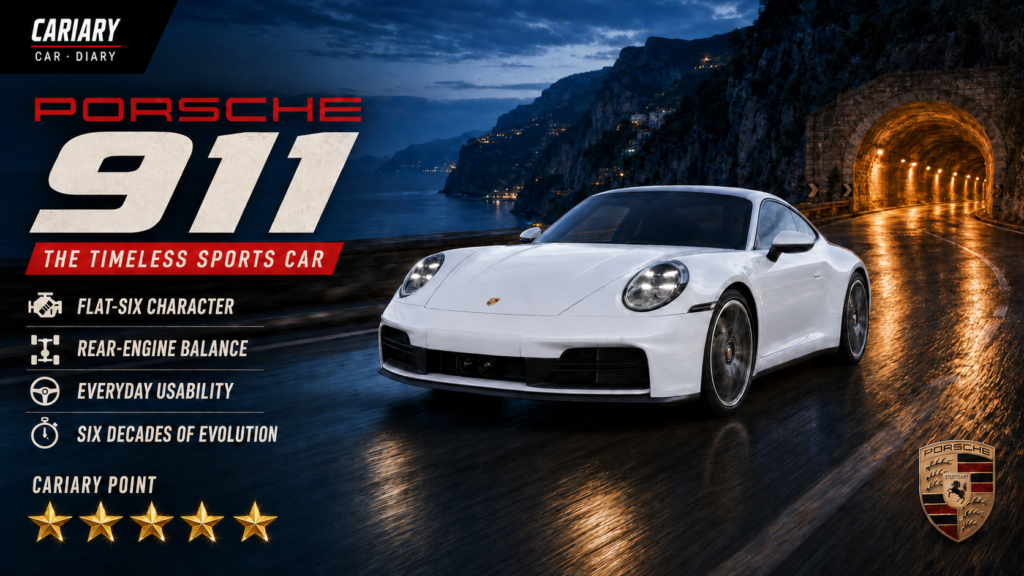
The Porsche 911 is not just another Porsche model.
It is the car that explains Porsche.
The Cayenne helped Porsche grow into a global luxury SUV brand. The Panamera
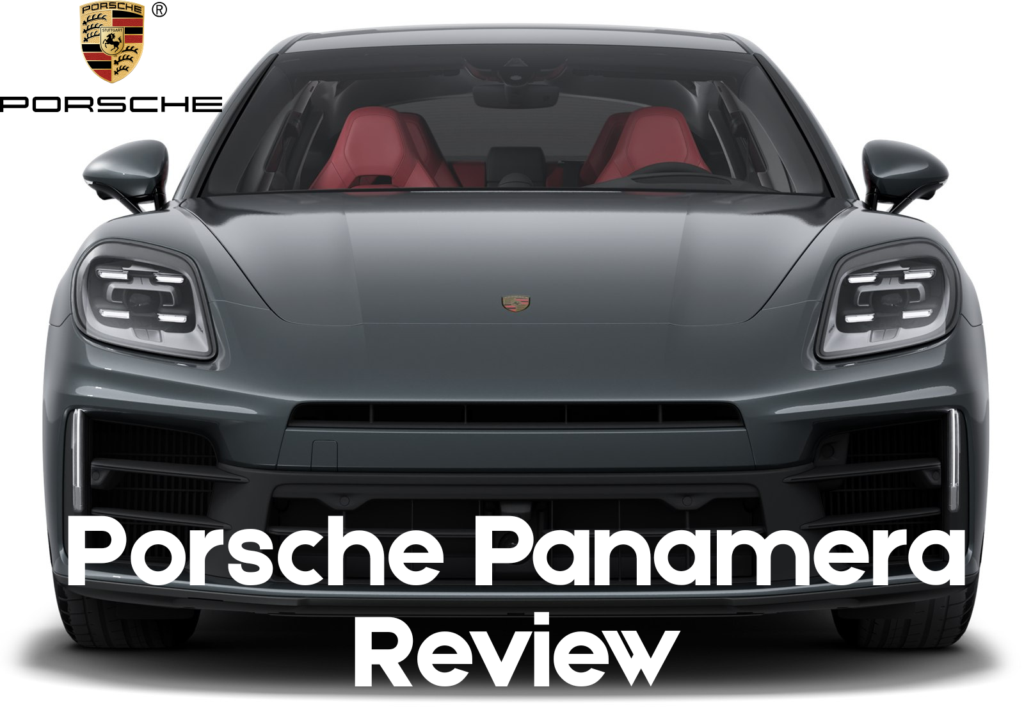
proved that Porsche could build a family-friendly performance sedan. The Taycan
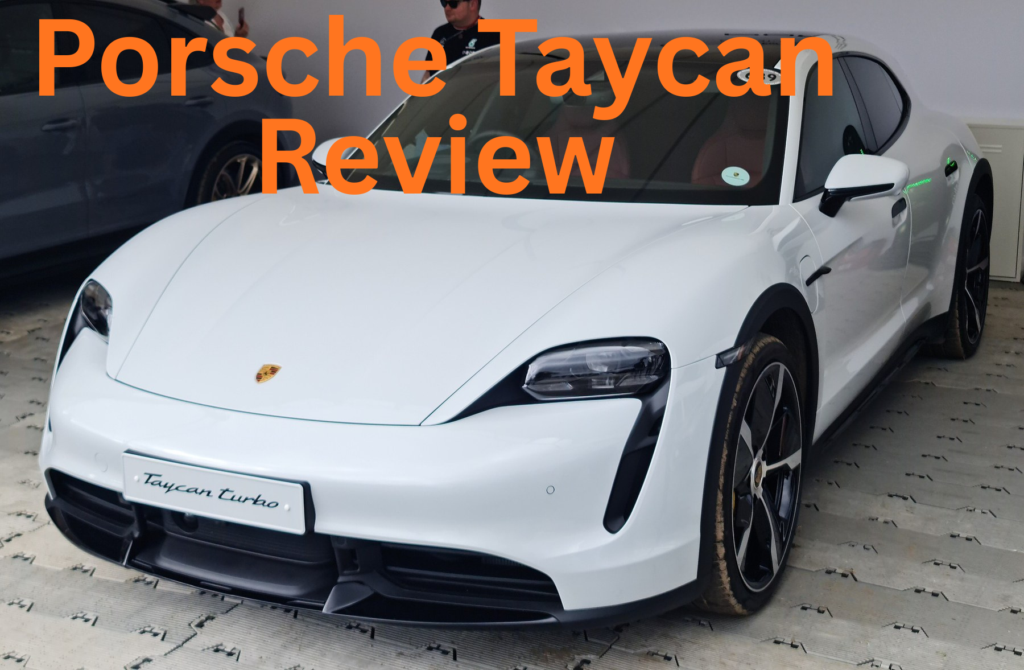
showed that Porsche could enter the EV era without losing its performance identity. The 718 Cayman
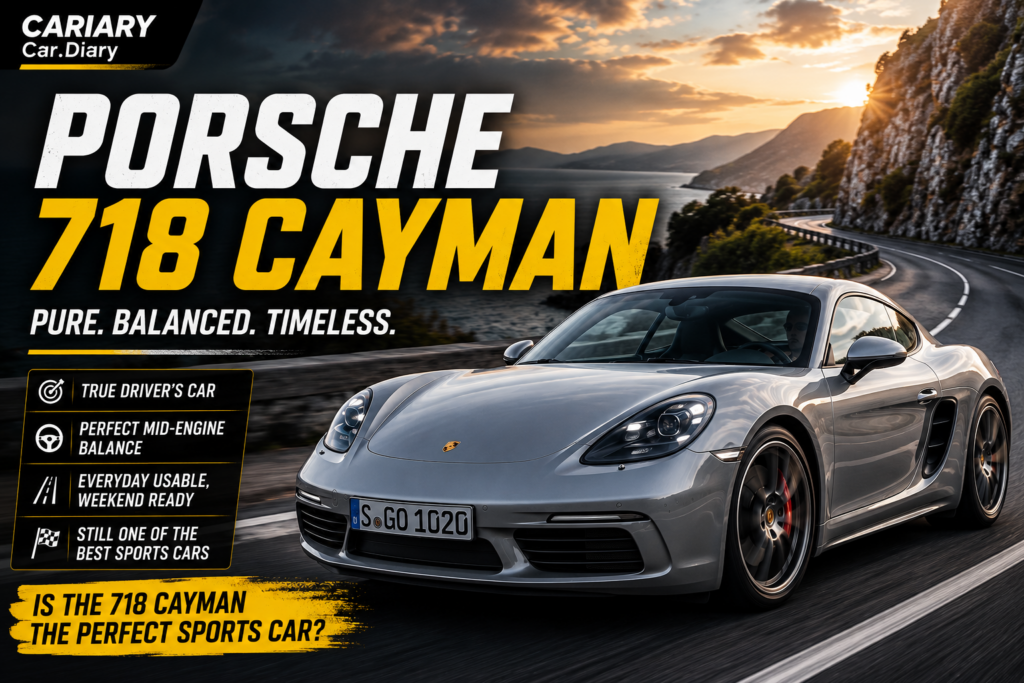
reminds buyers that small sports cars still matter.
But the 911 is the center.
It is the car people picture when they hear the word Porsche. It has the round headlights, the low nose, the sloping roofline, the rear-engine layout, and the frog-like front face that has become Porsche’s visual signature.
What Is It?
The Porsche 911 is Porsche’s flagship sports car family.
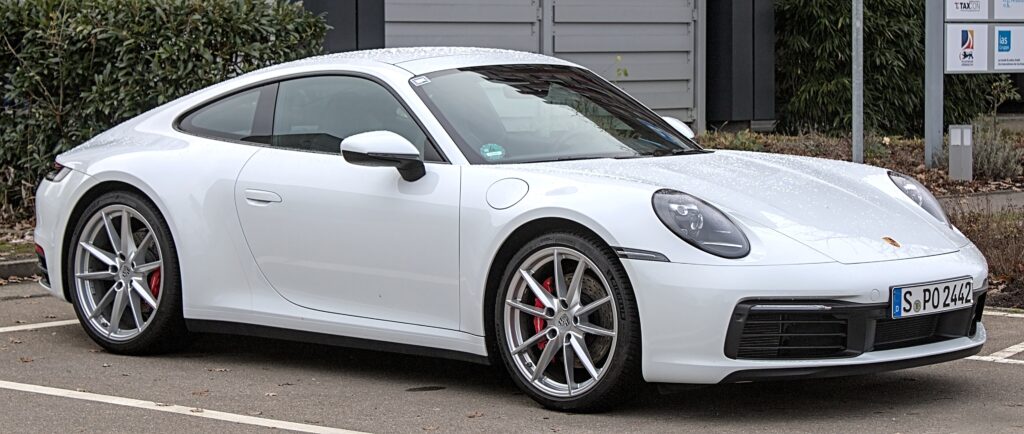
Image: Alexander Migl, CC BY-SA 4.0, via Wikimedia Commons
At the entry point, the Carrera models give buyers the essential 911 shape and driving experience. Above that, Carrera S and GTS versions add more performance. The Cabriolet offers a fully open roof, while the Targa uses a fixed roll-bar structure and glass rear section for a more distinctive open-roof design.
Then the serious models arrive.
The GT3 and GT3 RS are the track-focused 911s. The Turbo and Turbo S are the everyday supercar versions. At that level, the 911 no longer feels like a normal luxury sports car. It begins to sit in the same emotional territory as Ferrari, Lamborghini, and McLaren products.
That is what makes the 911 unusual. It can be a usable sports car, a weekend dream car, a track weapon, or a supercar alternative depending on the version.
Why This Car Exists
The 911 exists because Porsche has spent decades protecting one idea: a sports car does not need to abandon its original shape to keep improving.
Most cars change completely over time. The 911 evolves carefully.
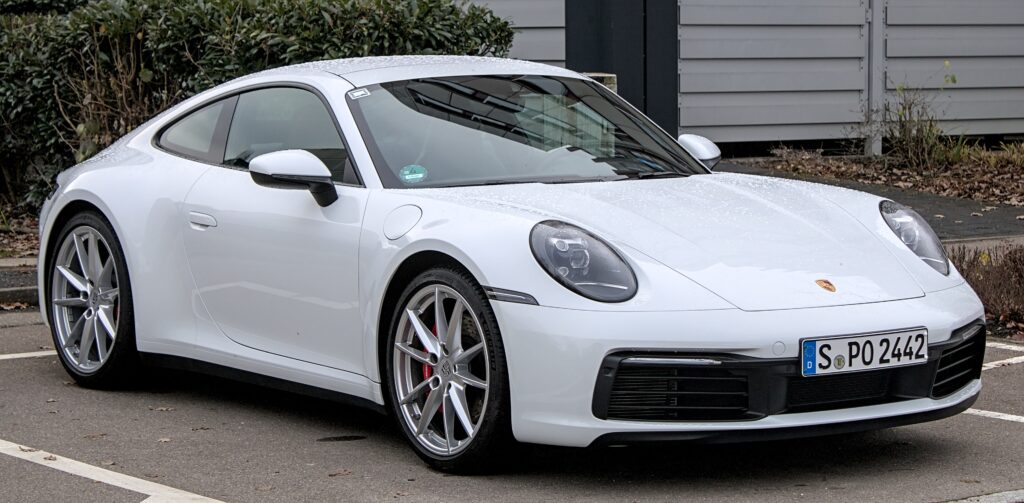
Image: Alexander Migl, CC BY-SA 4.0, via Wikimedia Commons
The headlights, roofline, rear-engine proportions, and compact cabin have all changed, but never so much that the car becomes unrecognizable. Porsche knows that the 911 is not only transportation. It is brand memory.
That is why the 911 matters more than its spec sheet. A 911 Carrera is not bought only because it is fast. It is bought because it gives the driver access to one of the longest-running sports-car identities in the world.
Key Specs and Real-World Meaning
The modern 911 range is wide.
The current 911 Carrera uses a 3.0-liter twin-turbo flat-six producing 388 hp. The Carrera S increases output to 473 hp. The Carrera GTS uses Porsche’s T-Hybrid system with 532 hp. The GT3 uses a naturally aspirated 4.0-liter flat-six with 502 hp. Turbo S models push the 911 into supercar acceleration territory.
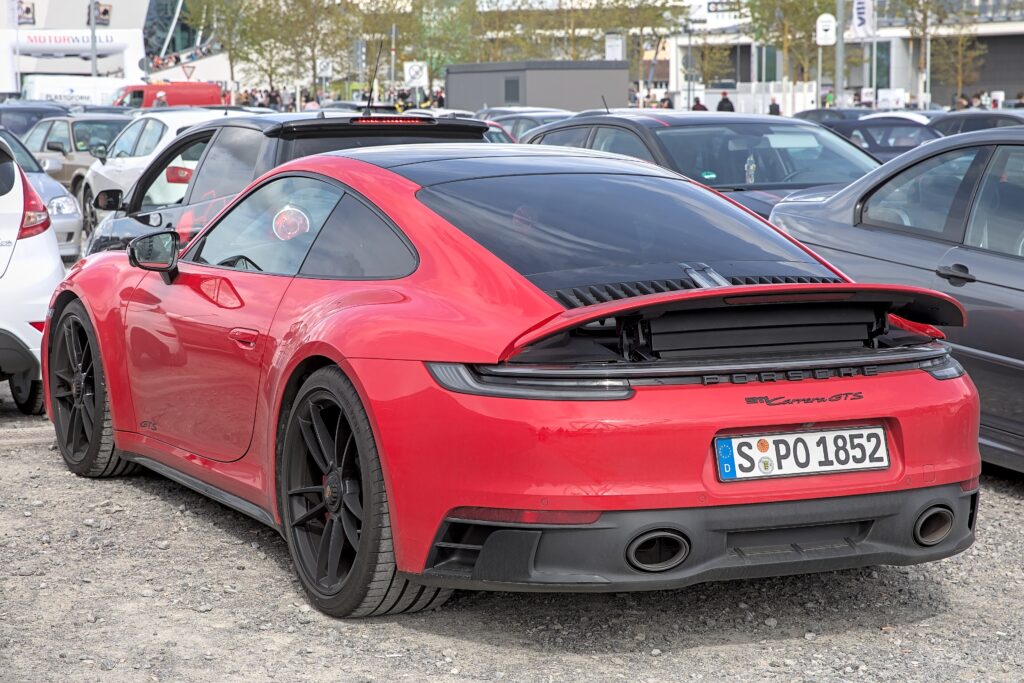
Image: Alexander-93, CC BY-SA 4.0, via Wikimedia Commons
But the buyer should not read those numbers like a normal hierarchy.
A Carrera is already more than enough for public roads. It is quick, composed, and expensive enough to feel special. The GTS adds sharper performance and a more serious edge. The GT3 is for drivers who care about track feel, engine response, and precision. The Turbo S is for buyers who want almost absurd speed while still keeping daily usability.
The 911 is not one car. It is a family of answers to the same question: how much Porsche sports car do you actually need?
Design and Identity
The 911 front end is one of the most recognizable shapes in the car world.
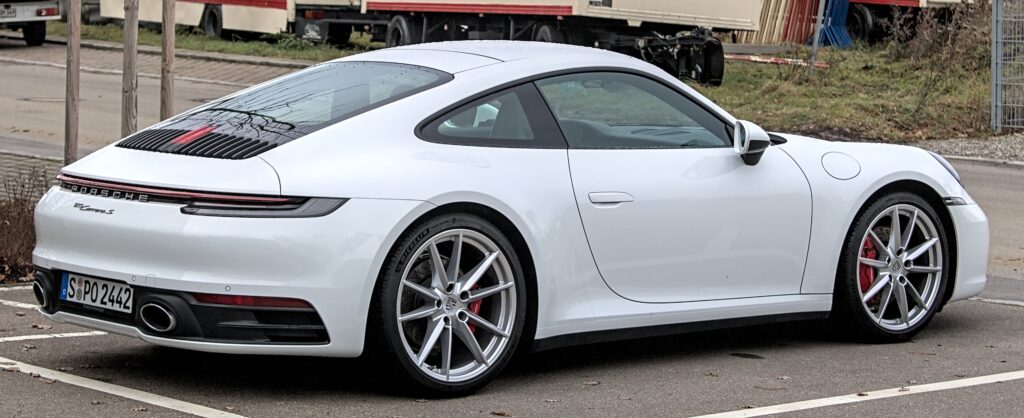
Image: Alexander Migl, CC BY-SA 4.0, via Wikimedia Commons
Some people describe it as frog-like, and that is not an insult. The round headlights, low nose, wide stance, and smooth fenders are part of the 911’s identity. Porsche has refined the shape for decades, but the basic face still feels connected to earlier generations.
From the rear, the 911 is wider and more muscular than the Cayman. That matters because people often compare the two. The Cayman is smaller, more centered, and more compact. The 911 feels more established and more expensive, even before you talk about performance.
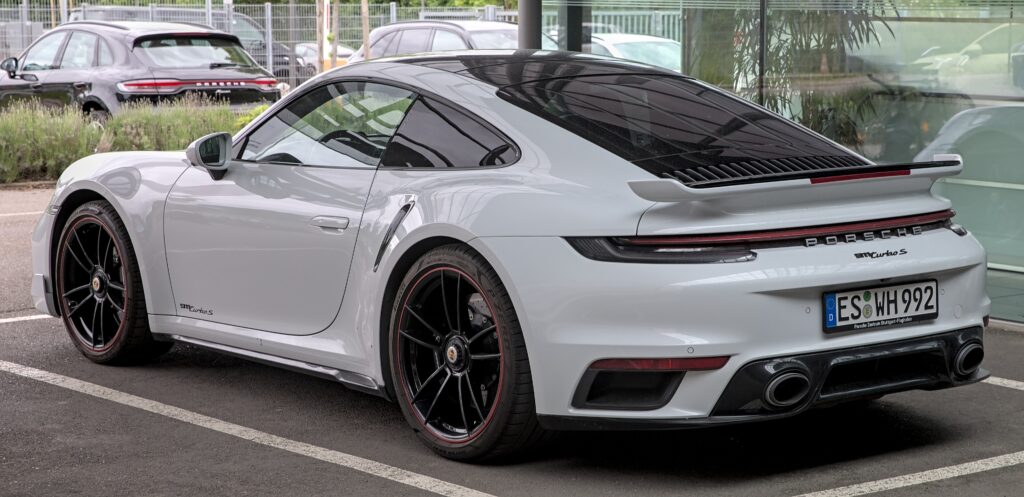
Image: Alexander Migl, CC BY-SA 4.0, via Wikimedia Commons
The 911 design is not about surprise. It is about continuity.
Coupe, Cabriolet, and Targa
The 911 Coupe is the classic form.
It is the cleanest shape, the one most buyers imagine first, and the version that best represents the pure 911 silhouette. For many buyers, the Carrera Coupe is already enough.
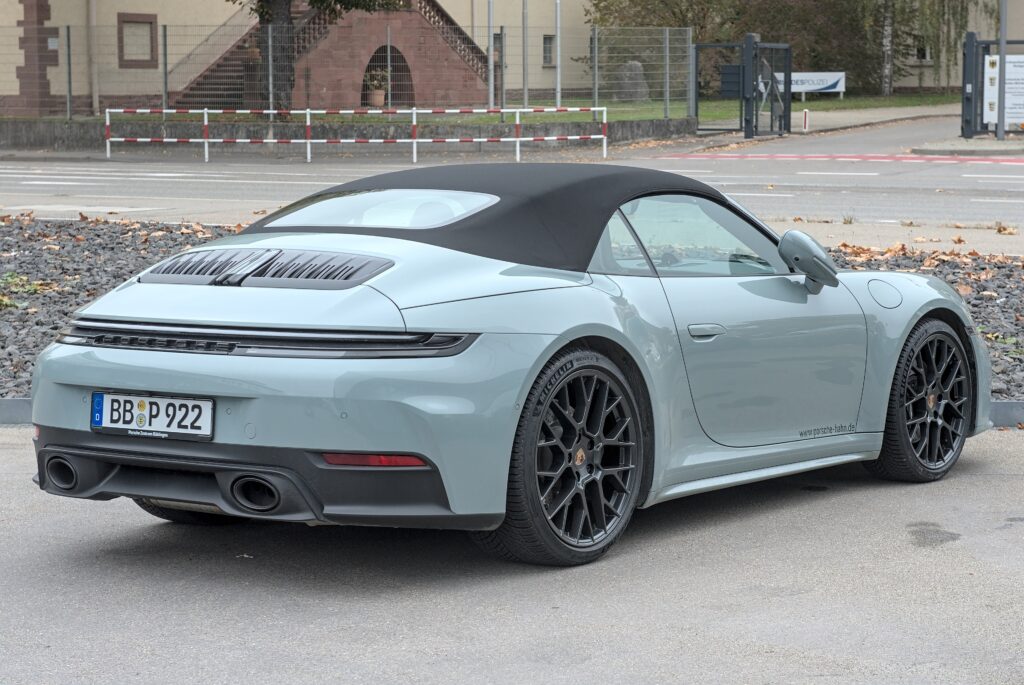
Image: Alexander Migl, CC BY-SA 4.0, via Wikimedia Commons
The Cabriolet is for buyers who want the full open-air experience. It changes the personality of the car. A 911 Cabriolet feels less like a pure sports-car decision and more like a lifestyle decision. That is not a criticism. It simply attracts a different buyer.
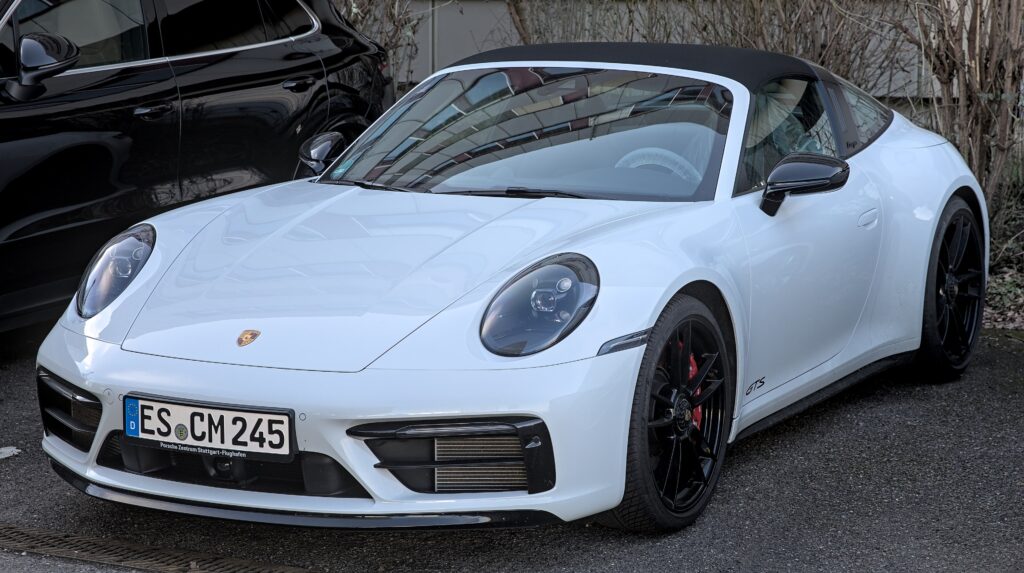
Image: Alexander Migl, CC BY-SA 4.0, via Wikimedia Commons
The Targa sits between the two. It is not as visually pure as the Coupe and not as open as the Cabriolet, but it has its own special character. The fixed Targa bar and glass rear section make it one of the most stylish versions of the 911.
The Targa is not the most logical 911. It may be one of the most emotional.
GT3, Turbo S, and Supercar Territory
The Carrera models are already fast. But the GT3, GT3 RS, Turbo S, and other high-end 911 variants move the car into a different class.
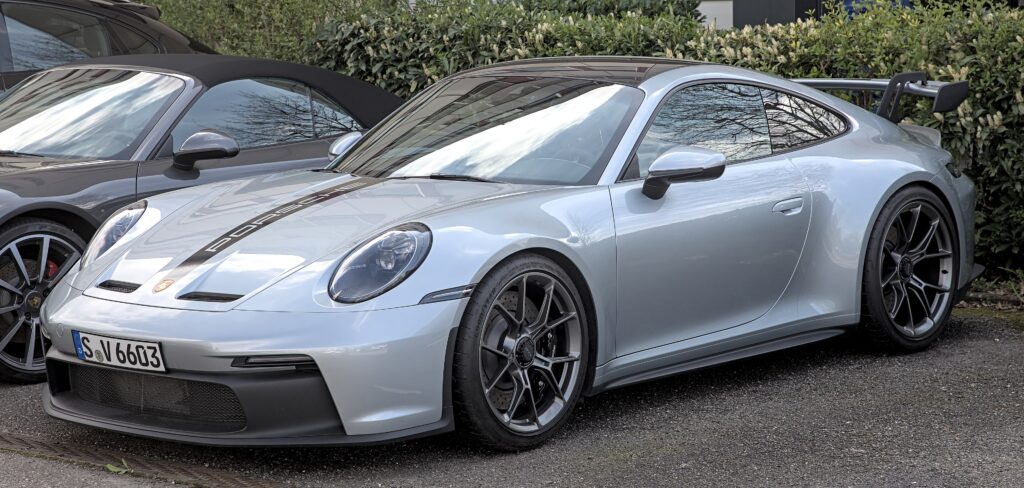
Image: Alexander-93, CC BY-SA 4.0, via Wikimedia Commons
The GT3 is the one for drivers who care about engine response, chassis feel, track use, and Nürburgring credibility. Porsche announced that the 2025 911 GT3 with manual transmission completed the Nürburgring-Nordschleife in 6:56.294 minutes, making it the fastest manual production car around the circuit at the time of Porsche’s announcement.
That matters because the GT3 is not only a trim level. It is a symbol.
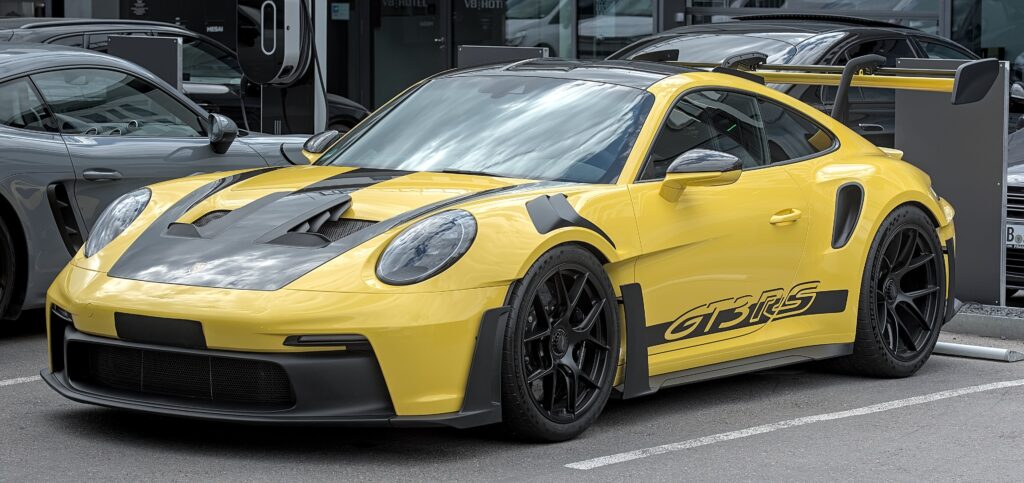
Image: Alexander Migl, CC BY-SA 4.0, via Wikimedia Commons
The GT3 RS goes even further, using aggressive aerodynamics and track-focused hardware to make the 911 feel closer to a race car for the road.
The Turbo S is different. It is not as raw as the GT3. It is more about devastating acceleration, all-weather grip, and daily supercar usability.
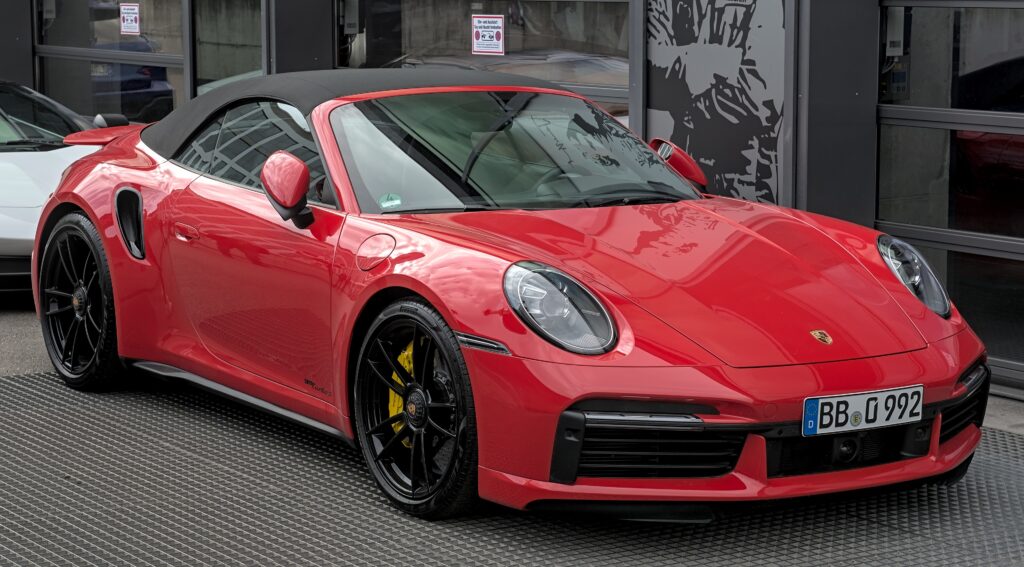
Image: Alexander Migl, CC BY-SA 4.0, via Wikimedia Commons
At this point, the 911 can be compared with Ferrari, Lamborghini, and McLaren products. It may not always be as theatrical, but it has something many exotic cars struggle to match: usability.
Interior and Daily Use
The 911 is technically a 2+2, but buyers should be honest about the rear seats.
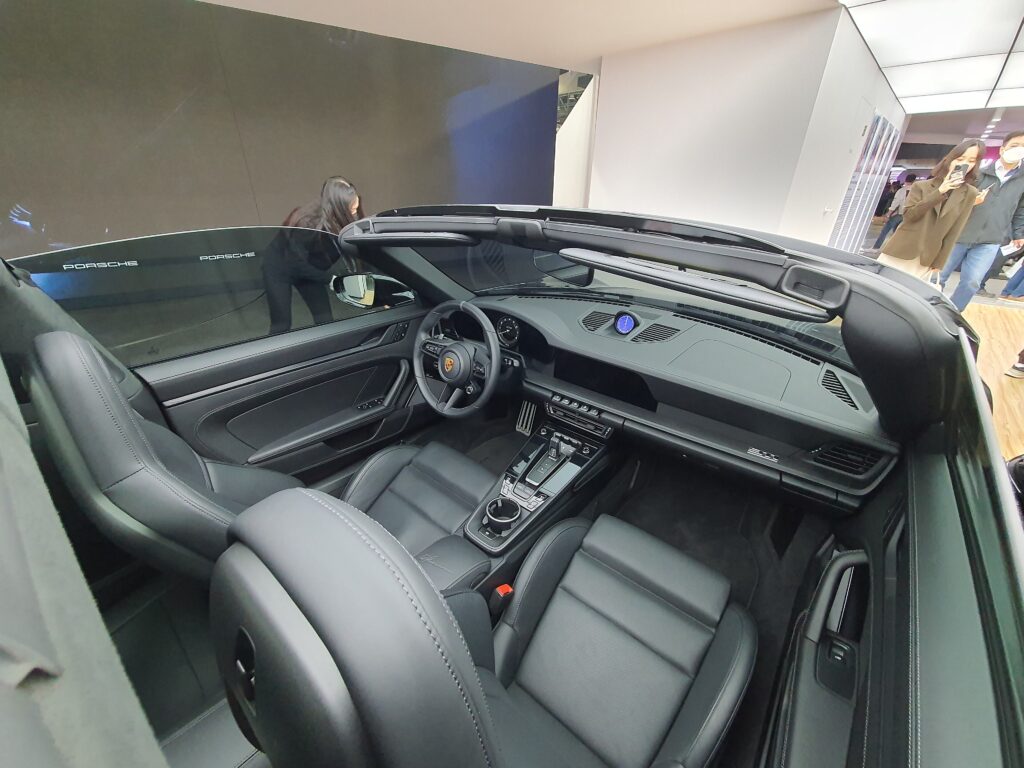
Image: Damian B Oh, CC BY-SA 4.0, via Wikimedia Commons
They are not truly comfortable adult seats. They are better understood as extra storage, a place for a child in limited situations, or, in more honest owner language, a luxury handbag shelf. The rear seats exist, but they do not turn the 911 into a real four-seat car.
That is also true of the 718 Cayman in a different way. The Cayman has no rear seats at all, which makes its purpose clearer. The 911 pretends to be a little more practical, but the reality is still sports-car first.
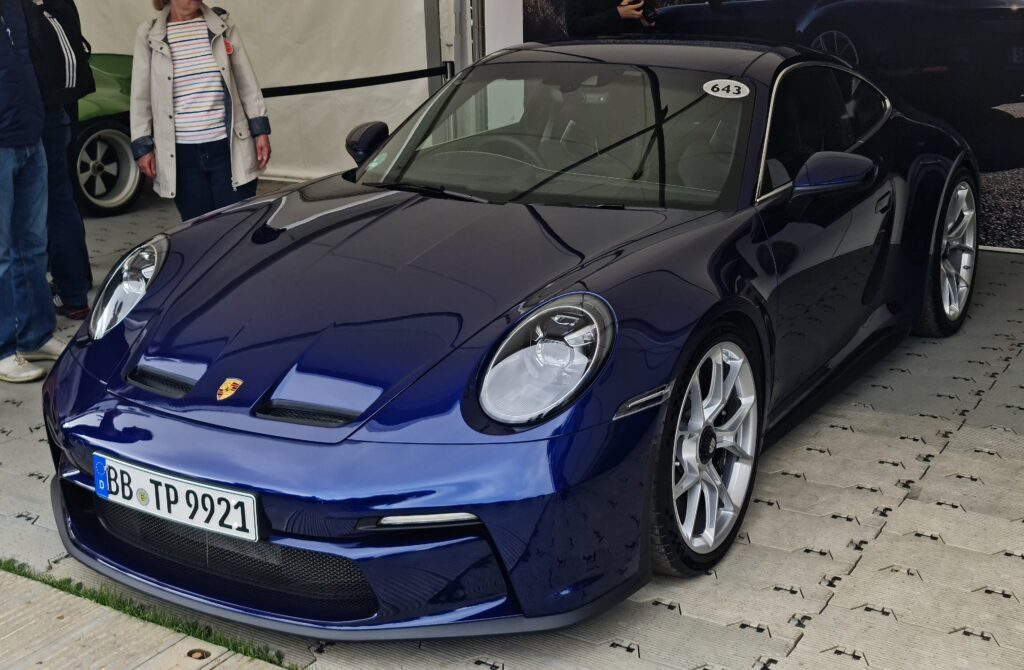
Image: MrWalkr, CC BY-SA 4.0, via Wikimedia Commons
The front seats and driving position are the real story. The cabin feels more premium than a Cayman, more compact than a Panamera, and more focused than most luxury grand tourers.
This is why many people can daily drive a 911. It is low and special, but not unusable.
Price-to-Value Judgment
The 911 is expensive even before options.
A Carrera can already cost more than many high-performance sedans. Carrera S, GTS, Targa, GT3, Turbo, and Turbo S versions can move the price into serious supercar territory. Porsche options also add up quickly.
So the question is not whether the 911 is cheap. It is not.
The better question is whether the 911 gives you something few cars can replace. In many cases, yes. A Carrera gives buyers the core Porsche sports-car experience. A GTS adds the sweet-spot performance edge. A GT3 gives track credibility. A Turbo S gives supercar speed with everyday manners.
The value is not measured by horsepower per dollar.
The value is that a 911 still feels like a 911.
Competitor Comparison
The Ferrari Roma is more romantic and more visually exotic. It feels more special as an object, but it is less practical and usually more expensive to own.
The Lamborghini Huracan is more dramatic, louder in image, and more supercar-like in public. But it is also less subtle and less everyday-friendly.
The McLaren Artura offers a more exotic carbon-fiber supercar formula with hybrid performance, but it does not have the 911’s long brand continuity or daily usability reputation.
The Mercedes-AMG GT is probably the closest German emotional rival. It offers strong performance and grand touring appeal, but it does not carry the same rear-engine Porsche identity.
The 718 Cayman is the internal alternative. It is smaller, more focused, and more attainable. But it does not have the 911’s cultural weight.
Recommended For
The Porsche 911 is recommended for buyers who want the most complete Porsche sports-car experience.
A Carrera or Carrera S makes sense for buyers who want a high-end sports car that can still be used regularly. A GTS is ideal for buyers who want more performance without entering GT3 or Turbo S territory. A GT3 is for drivers who care deeply about track feel. A Turbo S is for buyers who want supercar acceleration without giving up everyday usability.
If you want one car that feels like a true Porsche and still works in real life, the 911 remains one of the strongest choices in the world.
Not Recommended For
The 911 is not recommended for buyers who need real rear-seat usability, easy family practicality, or low running costs.
It is also not the right choice for buyers who mainly want visual shock. A Ferrari, Lamborghini, or McLaren will usually attract more attention.
And if the buyer simply wants Porsche driving fun at a more realistic price, the 718 Cayman may be the smarter emotional decision.
Buyer Verdict
The Porsche 911 is still the Porsche that matters most.
Not because it is always the fastest. Not because it is always the best value. Not because it is the most practical. The 911 matters because it carries Porsche’s identity more clearly than anything else in the lineup.
A Carrera is enough for public roads. A Cabriolet adds lifestyle. A Targa adds style. A GT3 adds track obsession. A Turbo S adds supercar acceleration.
That range is why the 911 remains so powerful.
It is not one answer. It is Porsche’s entire sports-car philosophy in one model family.
Cariary Perspective
Cariary sees the 911 as the car that explains why Porsche can stretch so far without losing itself.
Porsche can build the Panamera, Taycan, Cayenne, Macan Electric, and Cayman because the 911 still anchors the brand. It gives Porsche permission to experiment because it keeps reminding buyers where the brand came from.
The funny thing is that most buyers will never use a 911 anywhere near its limit. On public roads, even a Carrera is already enough. The GT3 and Turbo S are so capable that their full performance belongs more to circuits, empty roads, and owner imagination than normal traffic.
But that does not weaken the 911. It strengthens the dream.
The 911 is not just a car people buy for what they will do every day. It is a car people buy because every drive feels connected to something bigger than transportation.
One-Line Verdict
The Porsche 911 is the Porsche identity in its purest modern form: usable enough to drive, powerful enough to dream about, and iconic enough to need no explanation.
FAQ
Is the Porsche 911 a supercar?
Some 911 models are closer to sports cars, while high-performance versions like the GT3, GT3 RS, Turbo S, and limited models can compete with supercars from Ferrari, Lamborghini, and McLaren.
What is the difference between 911 Carrera, Cabriolet, and Targa?
The Carrera Coupe is the classic fixed-roof 911. The Cabriolet is fully open-top. The Targa uses a fixed roll-bar structure with a removable roof section and glass rear area, giving it a more distinctive look.
Is a base 911 Carrera enough?
For public roads, yes. The Carrera already has more performance than most buyers can fully use outside a track. Higher trims add emotion, speed, and specialization, not basic usability.
Are the rear seats in a Porsche 911 usable?
They are very small. They may work for children or short trips, but adults will usually find them uncomfortable. Many owners use them more as storage space than passenger seats.
Is the Porsche 911 GT3 good for daily driving?
It can be daily driven, but it is much more focused, louder, and firmer than a Carrera or Turbo S. It is best for buyers who genuinely care about track feel.
Should I buy a 911 or a 718 Cayman?
Choose the 718 Cayman if you want a smaller, more focused, more attainable Porsche sports car. Choose the 911 if you want the full Porsche icon, more power, more status, and broader model choice.
Related Cars
Porsche 718 Cayman
Porsche 911 Turbo S
Porsche 911 GT3
Ferrari Roma
Lamborghini Huracan
McLaren Artura
Mercedes-AMG GT
Data Reference Date
August 4, 2026