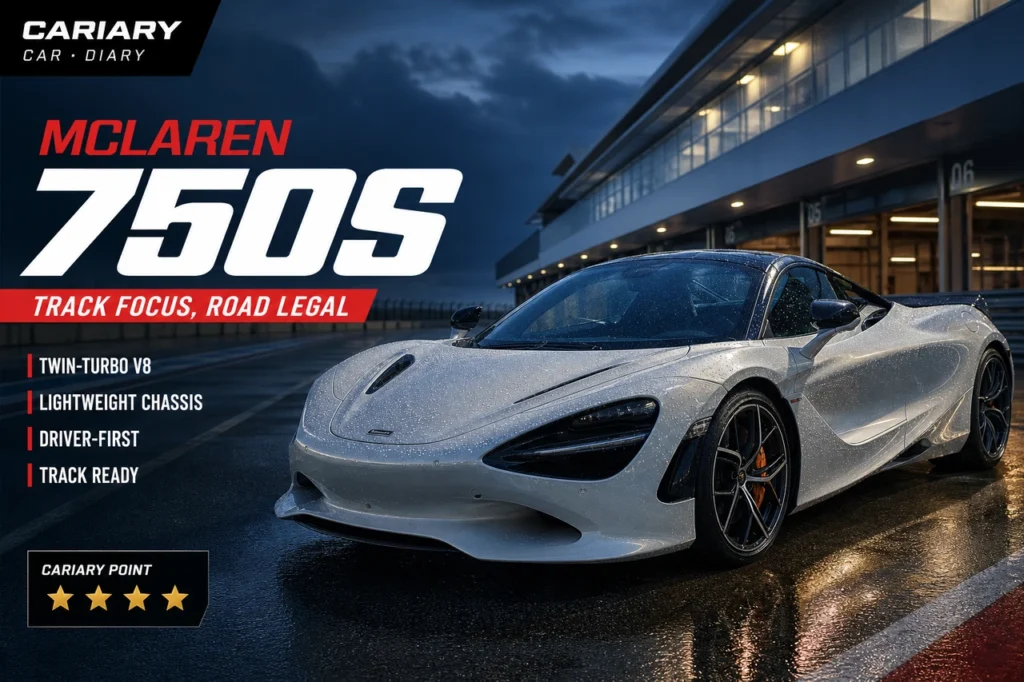
The McLaren 750S is an unusually clear proposition in a supercar market moving toward electrification. It keeps a 4.0-liter twin-turbocharged V8, rear-wheel drive, and a seven-speed dual-clutch transmission, then builds its identity around low mass, hydraulic suspension, steering feel, and track-ready response. It is not the most practical or efficient way to spend supercar money. That narrow focus is exactly why it matters.
Quick Take: What the McLaren 750S Is Really For
The 750S is best understood as a heavily optimized evolution of the 720S rather than a clean-sheet replacement. McLaren says roughly 30 percent of its components are new or revised. Independent instrumented testing records 740 horsepower, 590 lb-ft of torque, and a 2.3-second run to 60 mph. Those numbers are extraordinary, but Cariary’s buyer judgment rests on something simpler: this is the McLaren for an owner who genuinely values circuit ability and direct driver involvement.
For daily commuting, family use, fuel economy, or low ownership stress, there are more sensible choices. For a buyer who wants a combustion-led supercar that still treats weight, feedback, and chassis response as priorities, the 750S has a coherent reason to exist.
Calreyn88 · CC BY-SA 4.0 · Wikimedia Commons
From 720S to 750S: Evolution Instead of Reinvention
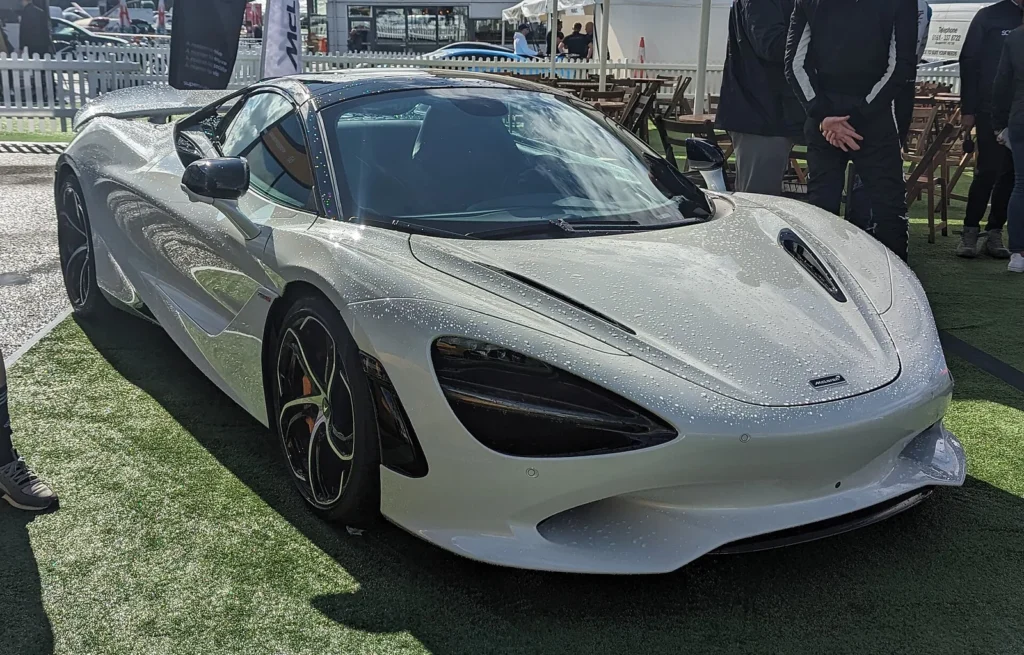
The visual connection to the 720S is obvious, and some buyers may call the exterior evolution conservative. That criticism is understandable. The 750S does not attempt to reset McLaren design in the way an all-new model might. Instead, it refines a shape already dictated by airflow, visibility, cooling, and a very low mid-engine profile.
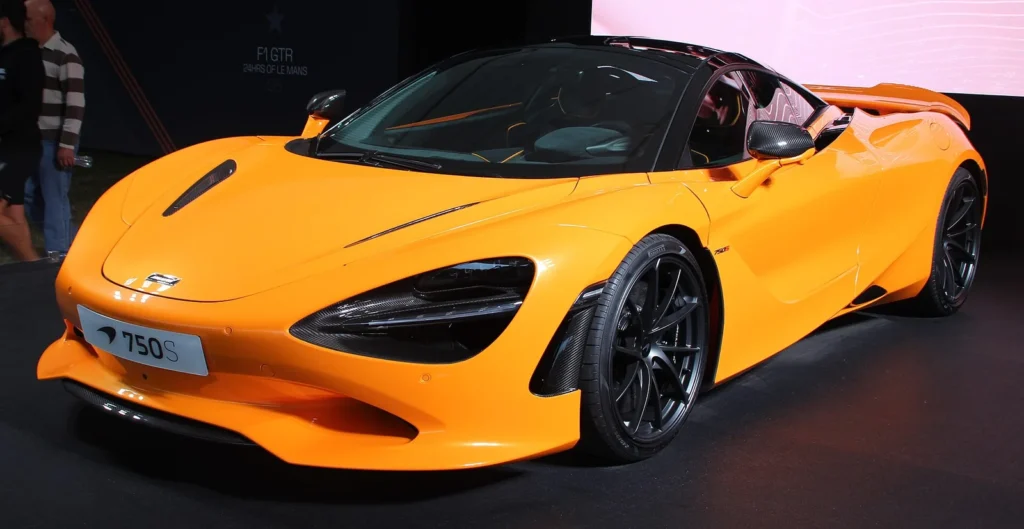
The engineering changes are more meaningful than a quick glance suggests. McLaren increased output, shortened the final-drive ratio, revised the suspension, fitted lighter standard wheels, changed the exhaust, and enlarged the active rear wing. The result is not a different category of car; it is a sharper expression of the same lightweight supercar idea.
Calreyn88 · CC0 · Wikimedia Commons
Exterior Design: Familiar Shape, Serious Function
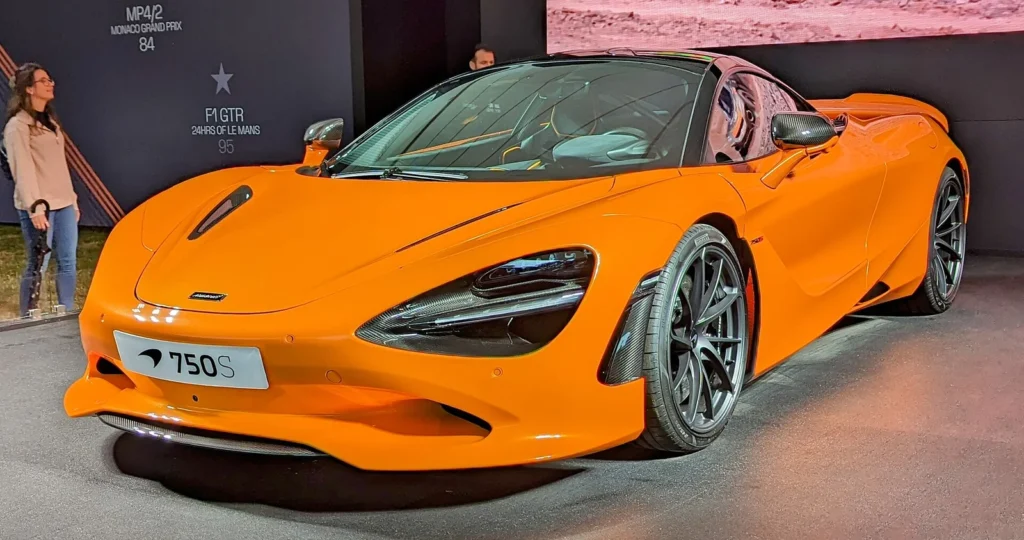
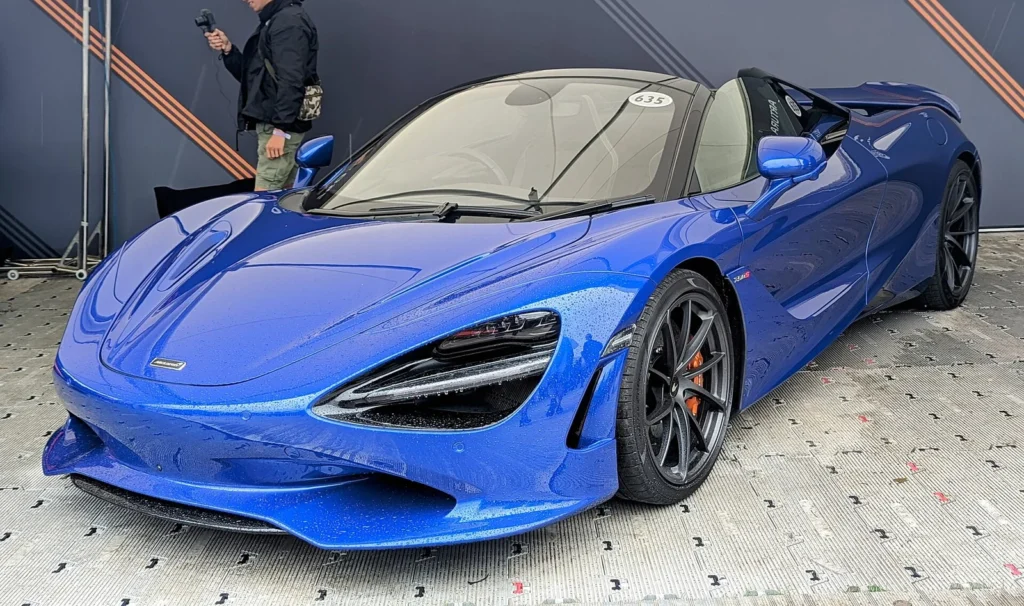
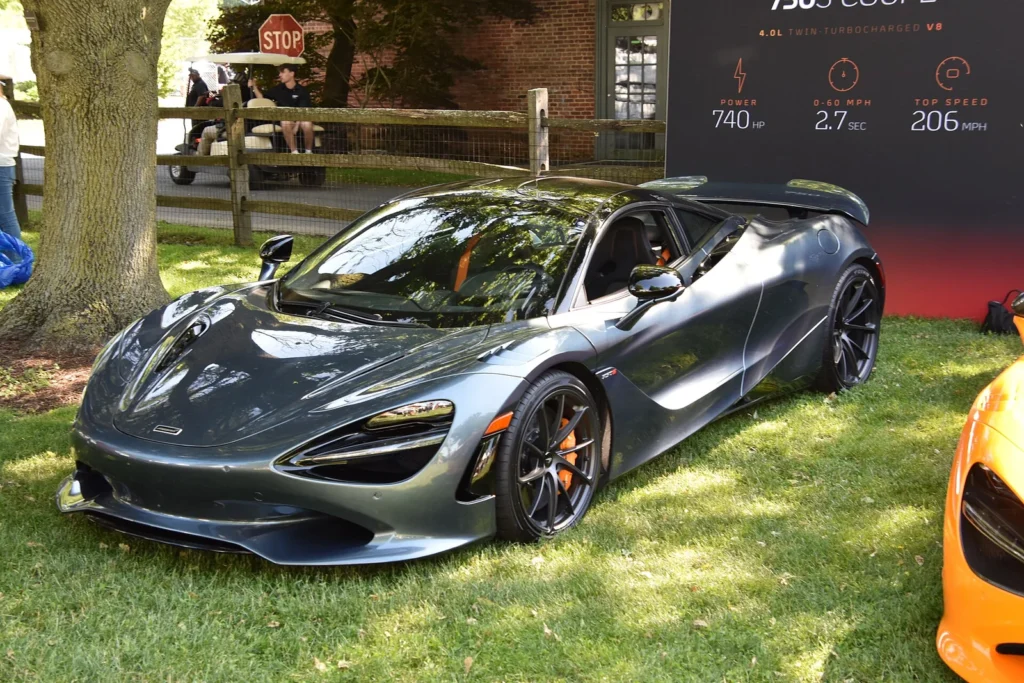
Cariary’s owner perspective is mixed in a useful way. The front lighting signature is one of the strongest visual elements, giving the car an alert and technical expression. The body remains low and tightly wrapped around the cabin, and the deep side openings communicate function without requiring decorative aggression.
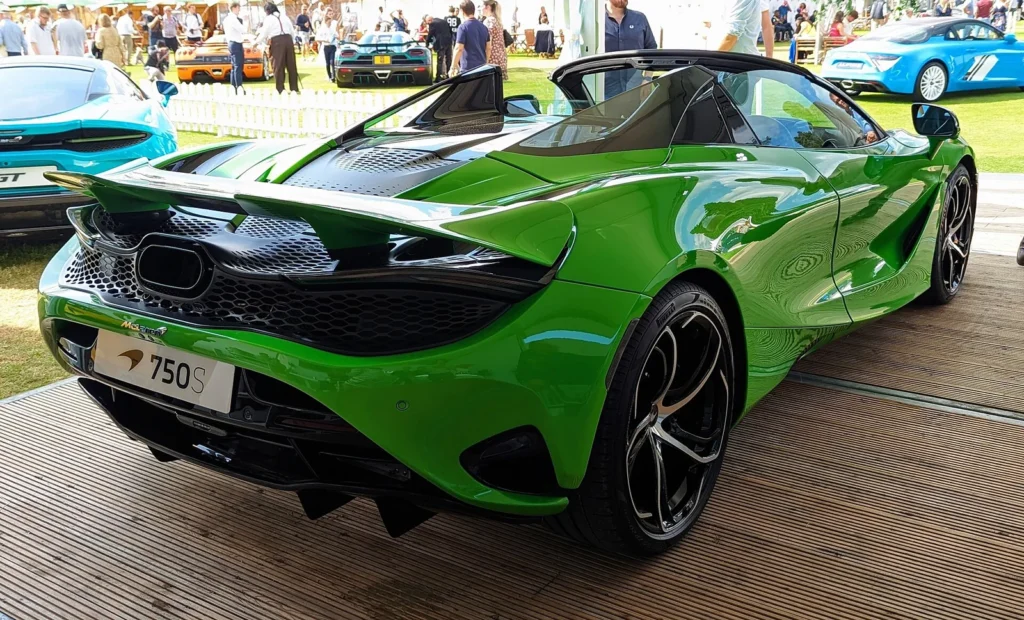
The high-mounted central exhaust is less convincing from Cariary’s point of view. It is technically purposeful and visually distinctive, but it interrupts the rear design in a way that will not appeal to everyone. This is not a claim that the design is unsuccessful. It is an example of the kind of specific judgment a buyer should make in person, because the 750S relies more on functional drama than traditional beauty.
Calreyn88 · CC BY 4.0 · Wikimedia Commons
Calreyn88 · CC BY 4.0 · Wikimedia Commons
Engine and Transmission: The Combustion-Led Argument
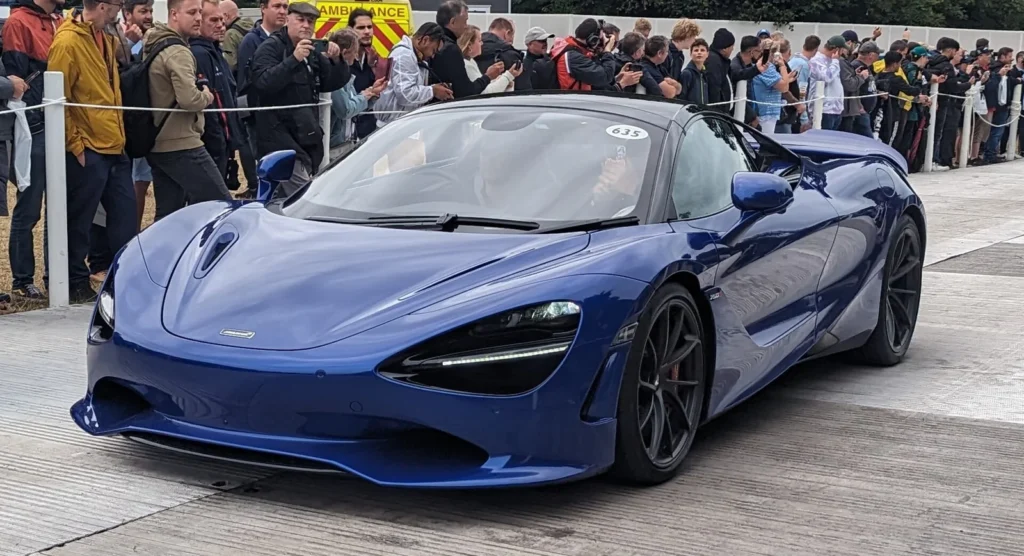
The 750S uses McLaren’s 4.0-liter twin-turbocharged V8 with 740 horsepower and 590 lb-ft of torque, driving the rear wheels through a seven-speed dual-clutch transmission. McLaren’s quoted maximum speed is 206 mph. Car and Driver recorded 60 mph in 2.3 seconds and a 9.8-second quarter-mile at 145 mph in its instrumented test.
Raw acceleration is only part of the argument. Electrified performance cars can deliver even more immediate launch force, but the 750S combines violent pace with a lighter, rear-drive platform and a transmission intended to keep the engine involved. Cariary expects the gearbox response to feel direct and urgent, but this remains an editorial expectation rather than a first-hand driving claim.
Calreyn88 · CC BY 4.0 · Wikimedia Commons
Chassis and Steering: Why Track Drivers Care
McLaren’s hydraulic suspension concept is central to the 750S. Instead of relying on a conventional anti-roll-bar arrangement, the linked hydraulic system manages body control while allowing the car to retain compliance over uneven surfaces. The 750S also uses lightweight springs and dampers, revised geometry, and active aerodynamics to increase response and stability.
This is where the McLaren separates itself from a supercar purchased mainly for visual presence. A track-focused buyer is not only paying for horsepower; the value lies in braking confidence, steering information, consistent body control, and the ability to place the car accurately. Independent testing also suggests that the ride is more supple than the styling and performance level imply. Cariary has not driven this example, so comfort is reported as outside evidence rather than personal experience.
MrWalkr · CC BY-SA 4.0 · Wikimedia Commons
Coupe or Spider: Which 750S Makes More Sense?
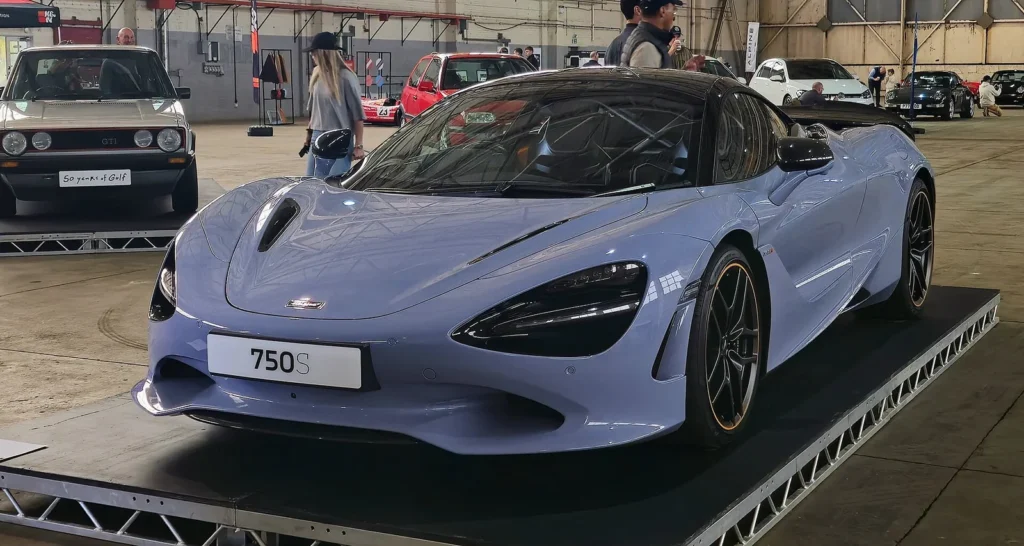
Both body styles preserve the same basic mission. The Coupe is the purer recommendation for a buyer who prioritizes minimum weight and regular circuit use. The Spider adds the theatre of open-air driving and makes the engine and exhaust more present, but it also gives up some cargo flexibility and carries additional cost and mass.
The correct choice depends on actual use. A buyer planning repeated track days should begin with the Coupe. A buyer who wants road enjoyment, sound, and occasion without abandoning serious performance may prefer the Spider. Neither version becomes practical in a conventional sense.
Calreyn88 · CC BY-SA 4.0 · Wikimedia Commons
Interior and Everyday Use
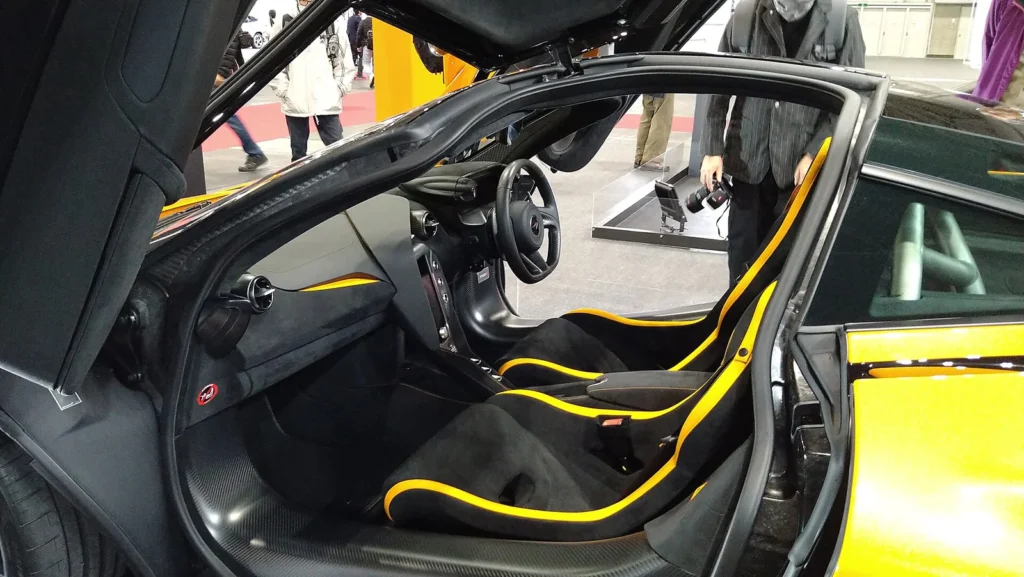
The 750S cabin keeps the driver’s workload visually simple. The steering wheel avoids unnecessary buttons, the digital instrument display sits directly ahead, and the main dynamic controls are positioned close to the driver. This is a cockpit designed to reduce distraction rather than imitate a luxury lounge.
Daily limitations remain real. It seats two, cargo capacity is limited, rearward visibility is compromised, and the car’s width and value make ordinary parking stressful. A nose-lift system helps with ramps and speed bumps, and independent reviewers have praised the low-speed ride, but none of that turns the 750S into an effortless commuter. Buyers should also confirm phone compatibility, luggage needs, insurance, tire costs, and local service access before treating it as their only car.
Aos.1905 · CC BY-SA 4.0 · Wikimedia Commons
Fuel Economy and Ownership Reality
EPA estimates cited by independent testing are 15 mpg city, 19 mpg highway, and 17 mpg combined. Efficiency is therefore not a strength, and Cariary would not recommend the 750S to a buyer who feels uncomfortable with fuel use or the running costs of a highly specialized supercar.
Purchase price is only the opening number. Tires, carbon-ceramic brakes, insurance, transport to specialist service, optional equipment, and depreciation all deserve attention. The 750S makes the most sense when the owner understands those costs in advance and still values what the chassis offers.
Charles from Port Chester, New York · CC BY 2.0 · Wikimedia Commons
McLaren 750S vs Ferrari SF90 and Lamborghini Aventador
The Ferrari SF90 uses hybrid power and all-wheel drive to deliver a different kind of performance proposition. It is the more technology-dense answer, while the 750S is lighter, rear-driven, and more deliberately centered on steering and chassis feedback.
The Lamborghini Aventador offers naturally aspirated V12 theatre, scissor-door ritual, and a much louder visual identity. The McLaren is less ceremonial but more focused on the relationship between low mass, visibility, suspension behavior, and track precision. These are not interchangeable purchases: Ferrari emphasizes hybrid breadth, Lamborghini emphasizes flagship drama, and McLaren emphasizes driving focus.
Read the Related Cariary Reviews
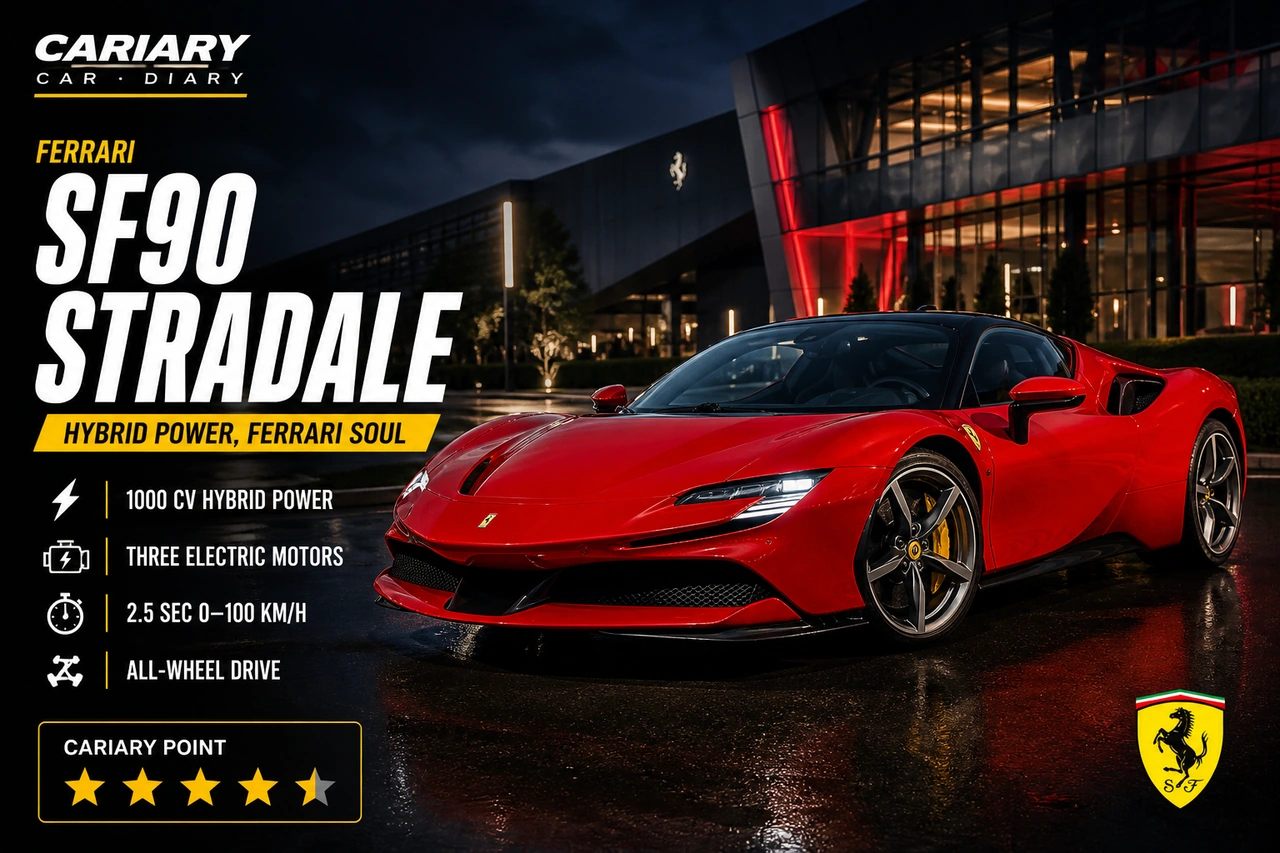
Want to read the full Ferrari SF90 Review: The 1000 CV Hybrid Supercar That Changed Ferrari story? Click the thumbnail below. Read the full post on Cariary →
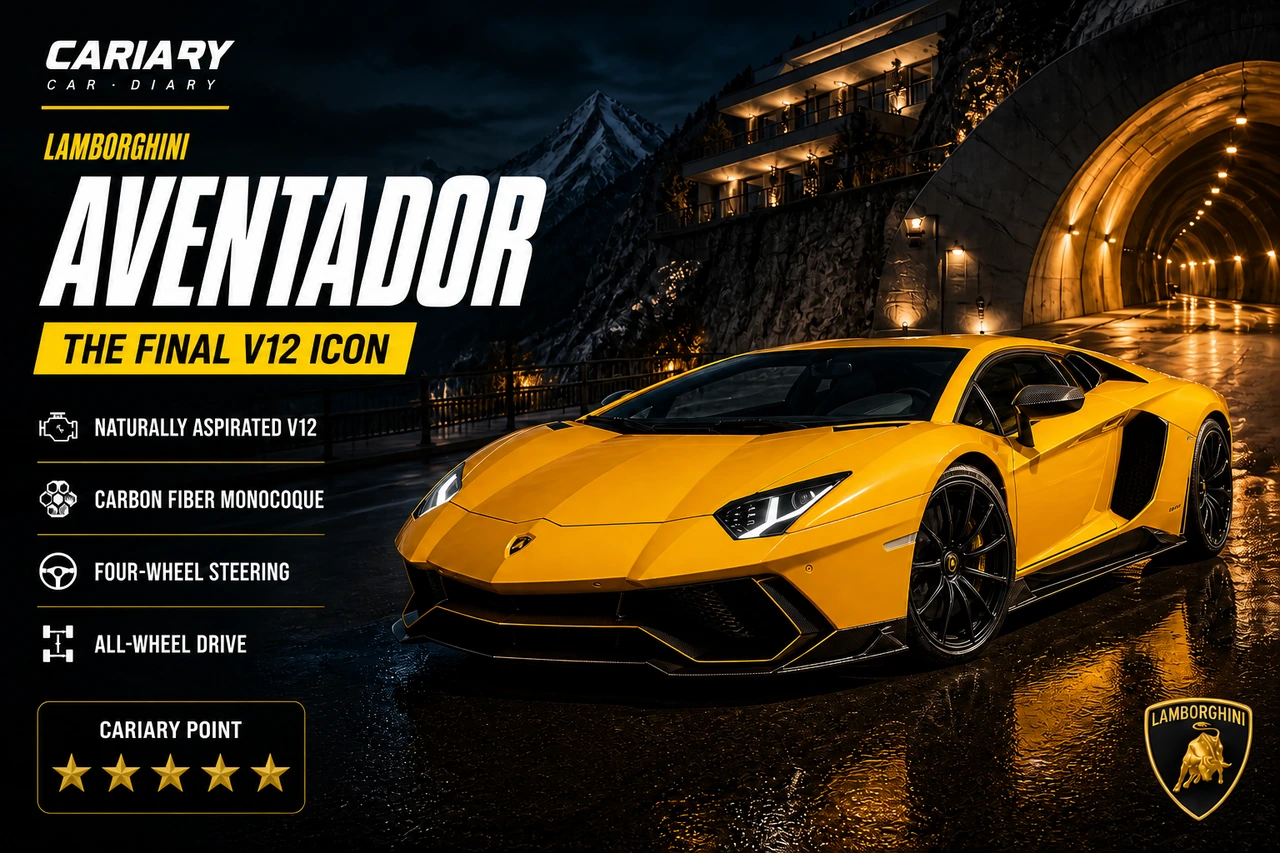
Want to read the full Lamborghini Aventador Review: The V12 Supercar That Defined an Era story? Click the thumbnail below. Read the full post on Cariary →
Strengths and Considerations
- Strength: exceptional acceleration from a 740-hp twin-turbo V8 and rear-wheel-drive layout.
- Strength: low-mass engineering, hydraulic suspension, and steering-led character.
- Strength: Coupe and Spider choices without abandoning the core performance mission.
- Consideration: limited cargo space, two-seat packaging, and expensive consumables.
- Consideration: poor fuel economy and a dealer/service network that requires planning.
- Consideration: evolutionary styling may feel too familiar to buyers wanting an all-new visual statement.
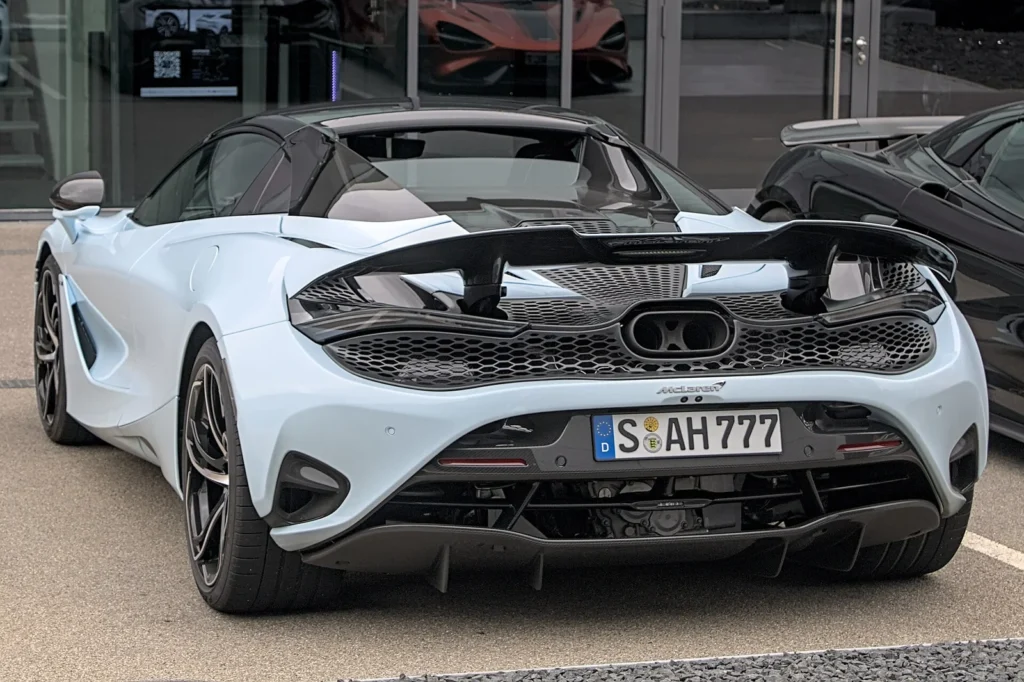
Alexander-93 · CC BY-SA 4.0 · Wikimedia Commons
Cariary Perspective
Cariary sees the McLaren 750S as the supercar for a driver who plans weekends around driving rather than using the car to solve everyday transport. Ferrari and Lamborghini can offer more obvious theatre in different ways, but McLaren’s appeal is the seriousness of its chassis mission. The front lighting and low, technical proportions communicate that focus clearly, even if the central exhaust treatment is not our favorite detail.
The important distinction is honesty. Cariary has not driven the 750S, so ride quality and transmission feel should not be presented as first-hand conclusions. Independent testing indicates that the car can be surprisingly compliant, while our expectation is that its direct gearbox response and track-led calibration will be the traits that matter most. A buyer should choose it because that focused character will be used, not merely because the badge is rare.
Recommended For
- Drivers who attend track days and value steering, braking, and chassis feedback.
- Buyers seeking a current combustion-led alternative to increasingly hybrid supercars.
- Owners who already have practical transport and want a special-purpose performance car.
- Enthusiasts who prefer low mass and rear-wheel drive over maximum system complexity.
Not Recommended For
- Buyers needing family space, generous luggage capacity, or stress-free daily use.
- Shoppers prioritizing fuel economy, low running costs, or a broad service network.
- Owners unlikely to use the car’s track-oriented ability enough to justify its compromises.
- Buyers who want an entirely new design rather than a highly developed 720S evolution.
Frequently Asked Questions
How much power does the McLaren 750S make?
The 4.0-liter twin-turbocharged V8 produces 740 horsepower and 590 lb-ft of torque in U.S. specification, paired with a seven-speed dual-clutch transmission and rear-wheel drive.
Is the McLaren 750S faster than the 720S?
Yes. It adds power, uses a shorter final-drive ratio, and reduces weight. Car and Driver recorded a 2.3-second 0–60 mph run, quicker than the 720S it previously tested.
Can the McLaren 750S be used every day?
It can be driven on ordinary roads and has a nose-lift system and unexpectedly compliant suspension, but its two-seat layout, limited cargo room, width, operating costs, and visibility make it a compromised daily car.
Should I choose the 750S Coupe or Spider?
Choose the Coupe for the most focused and lightest configuration. Choose the Spider if open-air theatre matters more than the Coupe’s small weight and packaging advantages.
Is the McLaren 750S a hybrid?
No. The 750S is a combustion-led supercar using a twin-turbocharged V8 without a hybrid drive system, which distinguishes it from rivals such as the Ferrari SF90.
Sources and Data Reference
- McLaren 750S official model page
- Car and Driver McLaren 750S review, specifications, and instrumented results
Data reference date: August 21, 2026. Specifications and market details can change; confirm current regional equipment and pricing with McLaren.