Core summary
The higher-output EQB combines dual-motor performance with a boxier, family-focused body.
The EQB 350 4MATIC combines the X243 EQB's upright family-SUV body with its higher-output dual-motor powertrain. Its strongest point of difference from the smaller EQA is packaging, not simply acceleration. The optional third row in eligible versions may be useful for occasional smaller passengers, but it should not be treated as a substitute for a large seven-seat SUV. The 350 sits above the 300 in performance while sharing the basic family mission. This guide separates original and facelift examples, and uses dated European information for specifications. It provides editorial buying guidance rather than a claim of a Cariary hands-on test of these photographed cars.
History & generations
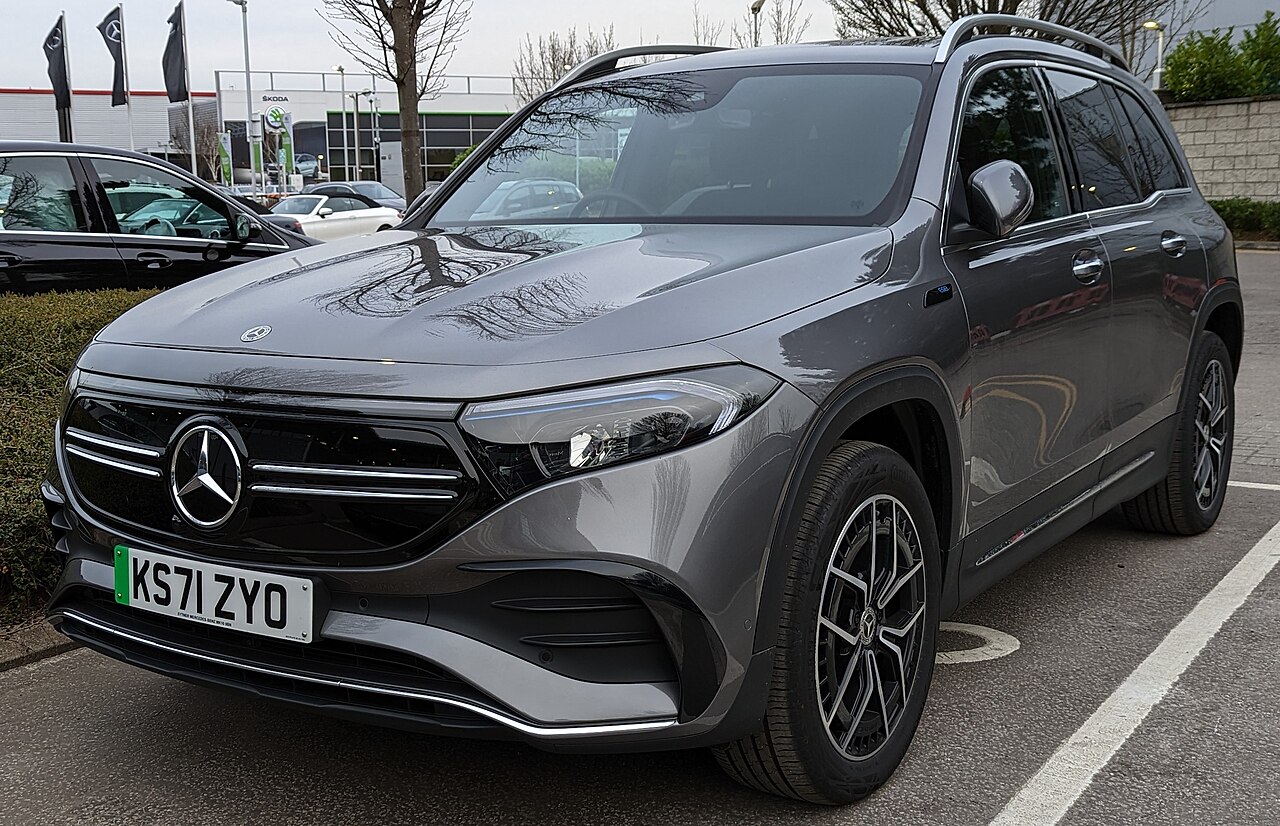
Mercedes presented the EQB in 2021, with sales timing differing between regions. X243 identifies this generation, whose upright shape and optional third row distinguish it within the compact electric range. The update announced in 2023 brought later styling and equipment, with updated European deliveries beginning in 2024. The gallery includes both earlier EQB 350 examples and a 2024 facelift, with the distinction in their captions. When shopping used, do not infer the facelift solely from a registration year or the seller's stock image. Obtain the build details and compare the actual front end, interior controls and equipment list with the appropriate market brochure.
Body, platform & design
The EQB's relatively square roofline and tall rear opening emphasize usable family space. That body shape is a more meaningful reason to choose it than a wheel package. The early grey cars and later blue facelift in the gallery show different styling stages of the same generation. Before deciding on an example, check the liftgate's opening height in your parking space and load the stroller or equipment you actually carry. Examine roof rails, glass, lower bodywork and wheels for damage, particularly if the car has been used for family holidays. The published photographs show exteriors only and should not be interpreted as proof of a particular seating configuration.

Engine & drivetrain
The European EQB 350 specification uses two electric motors and 4MATIC all-wheel drive, rated at 215 kW and 520 Nm in the updated range announcement. It offers a performance step above the 168 kW EQB 300, not an extra passenger row. The important ownership distinction is whether that additional response is worth the price after equipment and condition are matched. Try low-speed maneuvering, gentle acceleration and progressive braking with passengers aboard. A family vehicle should be easy to drive smoothly, not merely quick in a straight line. Confirm the precise battery and charging specification from the car's own year and market documents rather than borrowing values from a newer EQB advertisement.

Trim differences
The 350 powertrain can be combined with different appearance and equipment packages. AMG Line styling does not itself tell you whether the car has a third row, a particular camera system or upgraded assistance. Seat count is an especially important listing detail: physically inspect the rear compartment rather than relying on a generic model description. Check factory options for roof, audio, lighting and parking features and then demonstrate the equipment. Family users may place more value on easy-access seats and effective climate control than large wheels. The later European trim-package names are not a universal key to earlier cars in every country, so request local specification records.
_(53970199500).jpg)
Interior & seating
The EQB can be configured with five seats or an optional third row where offered. Mercedes's original description limited the third-row accommodation to occupants up to 1.65 metres tall; it is not an adult-sized third row for everyone. Test entry, knee space and headroom with the intended passengers, and consult the manual for child-seat suitability. Also test luggage capacity with the row raised, because people and baggage compete for the same rear space. A family that needs all seats and holiday luggage simultaneously should compare a larger vehicle. In the second row, assess comfort behind the normal driver position rather than a seat moved forward for a showroom demonstration.
Efficiency & range
The updated European EQB 350 announcement quoted 396–447 km WLTP, depending on configuration. The same release positioned the front-wheel-drive EQB 250+ with a higher official range band, making it a relevant comparison for distance-focused buyers. These are dated laboratory figures, not an assessment of a used car's battery. Plan charging around the family's routine: arriving late with tired children makes a reliable charging location more important than a theoretical maximum range. For regular motorway trips, compare realistic stop locations and leave an arrival reserve. Confirm the vehicle's charging curve and hardware through the appropriate documents rather than treating the largest quoted power as a constant session rate.
Safety & equipment
Check the actual car's restraints, seats and assistance equipment, especially when the optional third row is a reason for buying. Follow the owner's manual for child-seat placement and do not assume every position accepts the same installation. Test camera and parking functions, investigate warnings and look for repairs around radar or camera mounting areas. The large family role also makes tire load ratings and correct pressures important. Have suspected battery-enclosure damage assessed by an EV-qualified technician, never by opening high-voltage components yourself. Confirm recall status against the VIN. Four-wheel traction can assist under power, but appropriate tires and cautious driving remain essential in poor conditions.
Strengths
The EQB 350 offers an unusual combination within its size class: an upright electric family body, optional occasional extra seating and a higher-output dual-motor version. Its appeal is strongest when those practical characteristics matter before the badge. A household that fits comfortably can gain electric daily driving without choosing a more coupe-like shape that sacrifices access. The 350 also gives performance-oriented buyers an option without abandoning the EQB's boxier form. Cariary's assessment is that packaging should earn the EQB a place on the shortlist first; only then should the 350's extra output decide between versions. A less powerful but better-equipped example may still be the better family purchase.
Buy the EQB 350 for a space-first electric family role with extra performance, but physically test the optional third row before assigning it seven-seat duties.
Considerations
The optional third row is a compromise, and assuming otherwise is the easiest way to buy the wrong EQB. Test all intended passengers and luggage together. Separately, ask for battery-warranty terms, charging history where available, service records and independent condition checks. Demonstrate the charge-port latch and an AC session, and inspect cables for damage. Compare tire prices for the exact wheel specification; a premium SUV's running costs are not limited to electricity. If the 350 commands a substantial premium over the 300, decide whether acceleration has enough value in the family's actual use. Do not let a seven-seat listing or AMG Line badge replace these checks.
Recommended use
The EQB 350 makes most sense for a family with dependable charging, a preference for an upright cabin and occasional use for extra smaller passengers where the option is fitted. It is less suitable for seven adults traveling with luggage or for an owner who cannot establish a workable charging routine. A useful viewing includes fitting child seats, lifting the normal cargo into the boot and trying the second-row position before inspecting the third. Let every regular driver test parking visibility. These mundane tasks will determine satisfaction more reliably than a short acceleration demonstration or a brochure photograph showing an empty, neatly arranged cabin.
Rivals & related
The EQB 300 is the closest value comparison because it shares the packaging with less output. The EQB 250+ deserves attention if range and purchase price matter more than all-wheel drive. A five-seat BMW iX1 or Volvo EX40 can compete for buyers who do not need the extra row, but they should not be credited with seats they do not provide. If genuine seven-person travel is essential, compare a larger three-row electric SUV rather than insisting on a compact footprint. Compare actual cabin fit, charging routine, service support and used condition before using nominal passenger capacity as the deciding number.
FAQ
Q: Does every EQB 350 have seven seats?
A: No. The third row is an option in eligible configurations; inspect the specific car.
Q: Is the third row intended for all adults?
A: Mercedes's original guidance refers to occupants up to 1.65 metres. Check the manual and physical fit.
Q: Is the 350 longer than the 300?
A: The powertrain badge is not a body-length upgrade.
Q: Are the blue and grey gallery cars different generations?
A: No. The blue example is a facelift X243; the earlier examples illustrate the pre-facelift appearance.
What makes the Mercedes-Benz EQB 350 4MATIC different?
Buy the EQB 350 for a space-first electric family role with extra performance, but physically test the optional third row before assigning it seven-seat duties.
Who should consider it?
Family electric driving with a more upright cabin
Sources & updates
Mercedes's 2021 premiere explains the model's family positioning and third-row limits. The October 2023 ordering release supplies the updated European power and range comparison, while the EQB environmental document provides broader model context and is not used as proof of every 350-specific feature. Each of the four photographs links to an identified EQB 350 source with creator and licence. Market-specific manuals and a VIN build record remain necessary for a purchase decision. Cariary's recommendations are independent editorial judgments, not a manufacturer warranty or a claimed first-hand driving impression.
- Mercedes-Benz — 2021 EQB world premiere →
- Mercedes-Benz — updated European EQB range, October 2023 →
- Mercedes-Benz — EQB environmental check, 2024 →
Last editorial review: September 20, 2026. Specifications remain market- and model-year-specific.