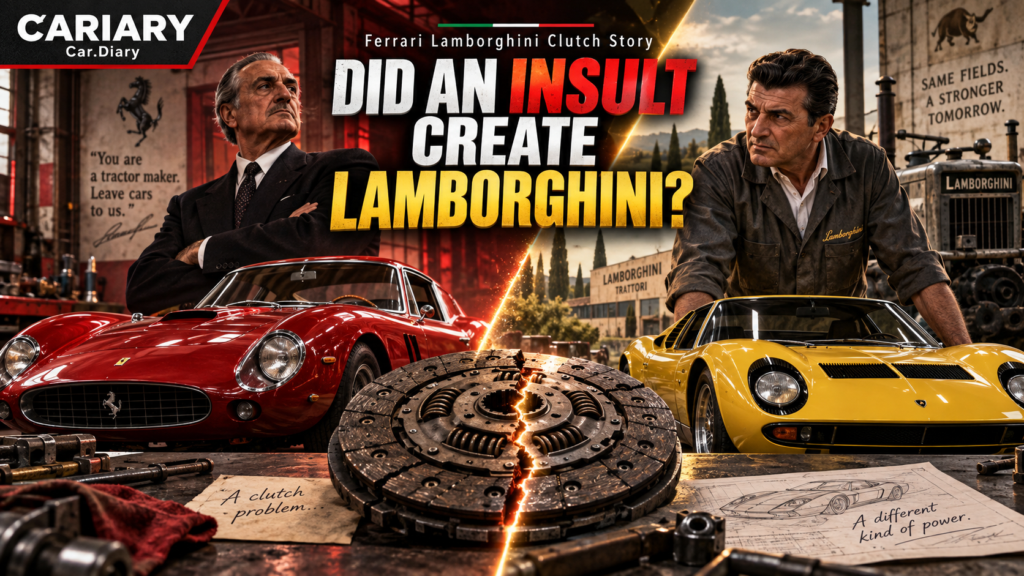
The Ferrari Lamborghini Clutch Story is one of those car stories that sounds almost too perfect: a proud Ferrari owner complains, Enzo Ferrari dismisses him, and the offended customer decides to build Lamborghini.
It is dramatic, funny, and easy to remember. But the real version is more interesting than a simple insult story.
Ferruccio Lamborghini was not just an angry customer. He was a wealthy industrialist, a mechanically minded businessman, and a serious car enthusiast who believed there was room for a different kind of Italian performance car.
Quick Summary
- Ferruccio Lamborghini was already a wealthy industrialist before he built sports cars.
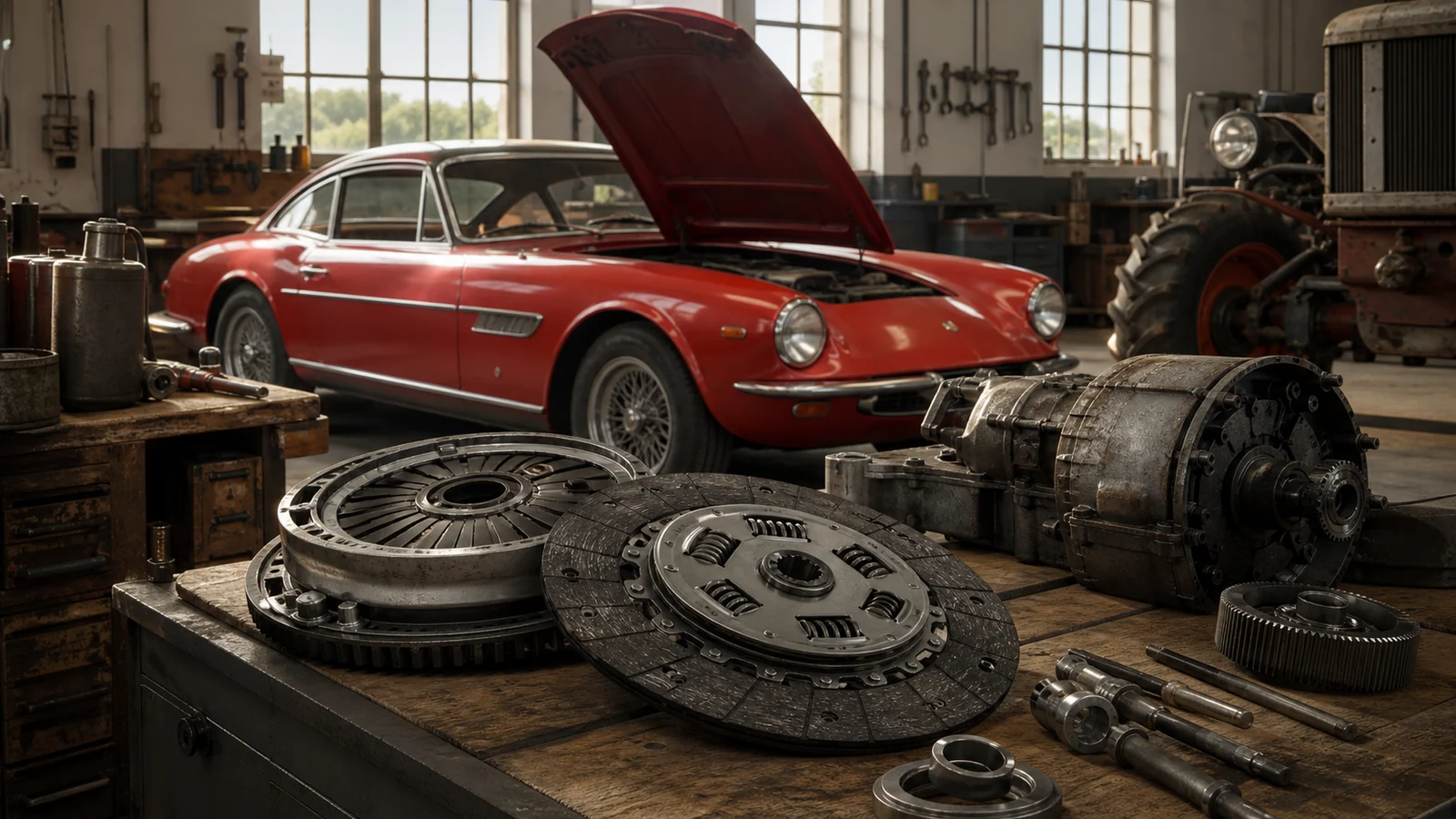
- He owned Ferrari GT cars and became frustrated by repeated clutch problems and service experiences.
- The famous confrontation with Enzo Ferrari is historically grounded, but the exact wording of the insult is difficult to verify.
- The argument was likely a spark, not the only reason Lamborghini entered the GT car business.
- The deeper story is a clash between Ferrari’s racing-first mindset and Lamborghini’s dream of a fast, refined road GT.
Why This Story Still Matters
Some automotive stories survive because they are dramatic. This one survives because it also explains a real brand difference.
If we only say, “Ferrari insulted Lamborghini, so Lamborghini built a car,” the story becomes fun but too small. The more interesting version is about pride, engineering, customer frustration, and two different ideas of what a high-performance road car should be.
Ferrari was born from racing. Lamborghini was born from a successful industrialist who wanted a better road-going grand tourer. That difference still echoes through how people imagine the two brands today.
Ferruccio Lamborghini Before Supercars
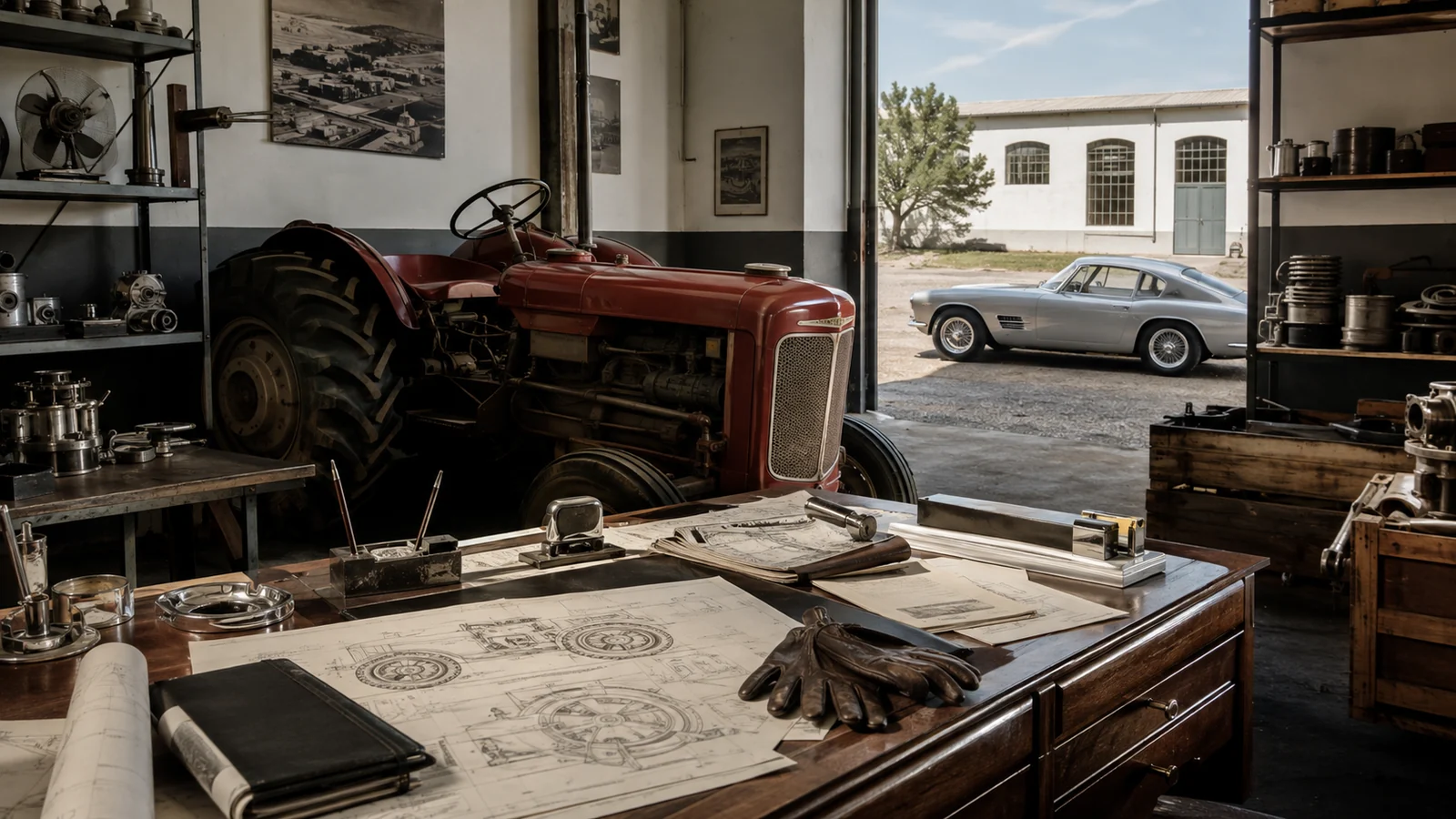
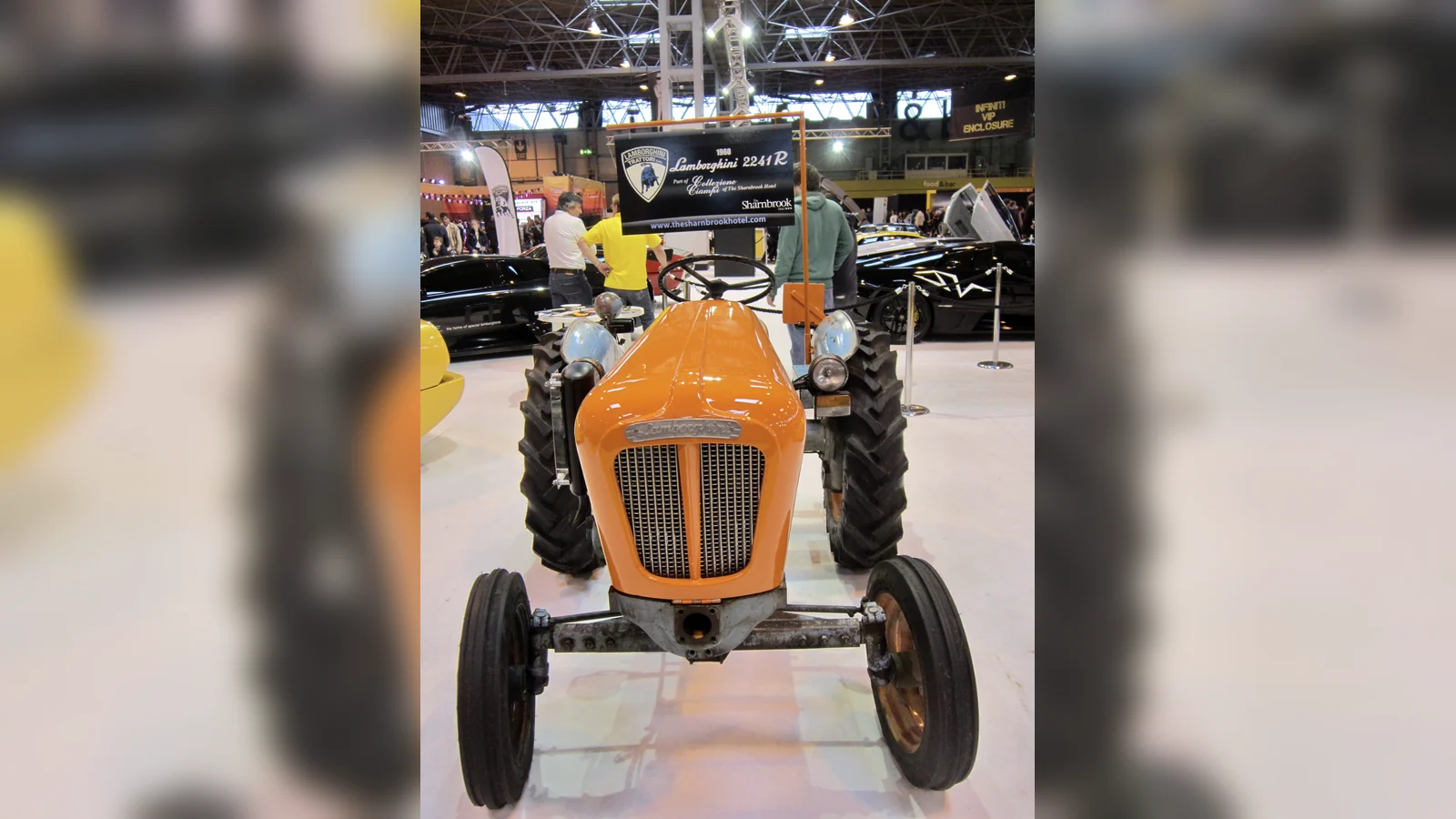
Ferruccio Lamborghini was not a young dreamer trying to enter the car world from nothing. He was born in 1916 and became successful after World War II by building tractors and later expanding into other industrial businesses, including heating and air-conditioning equipment.
That background matters. A tractor company may not sound glamorous next to Ferrari, but it teaches practical engineering. Tractors have to work hard, survive abuse, be serviceable, and make money for their owners.
By the early 1960s, Ferruccio had money, mechanical knowledge, business experience, and a serious love of cars. He owned expensive machines from brands such as Ferrari, Maserati, Mercedes-Benz, and Jaguar. In other words, he was not simply jealous from the outside. He was already a customer inside the world of elite GT cars.
The Repeated Ferrari Clutch Problem
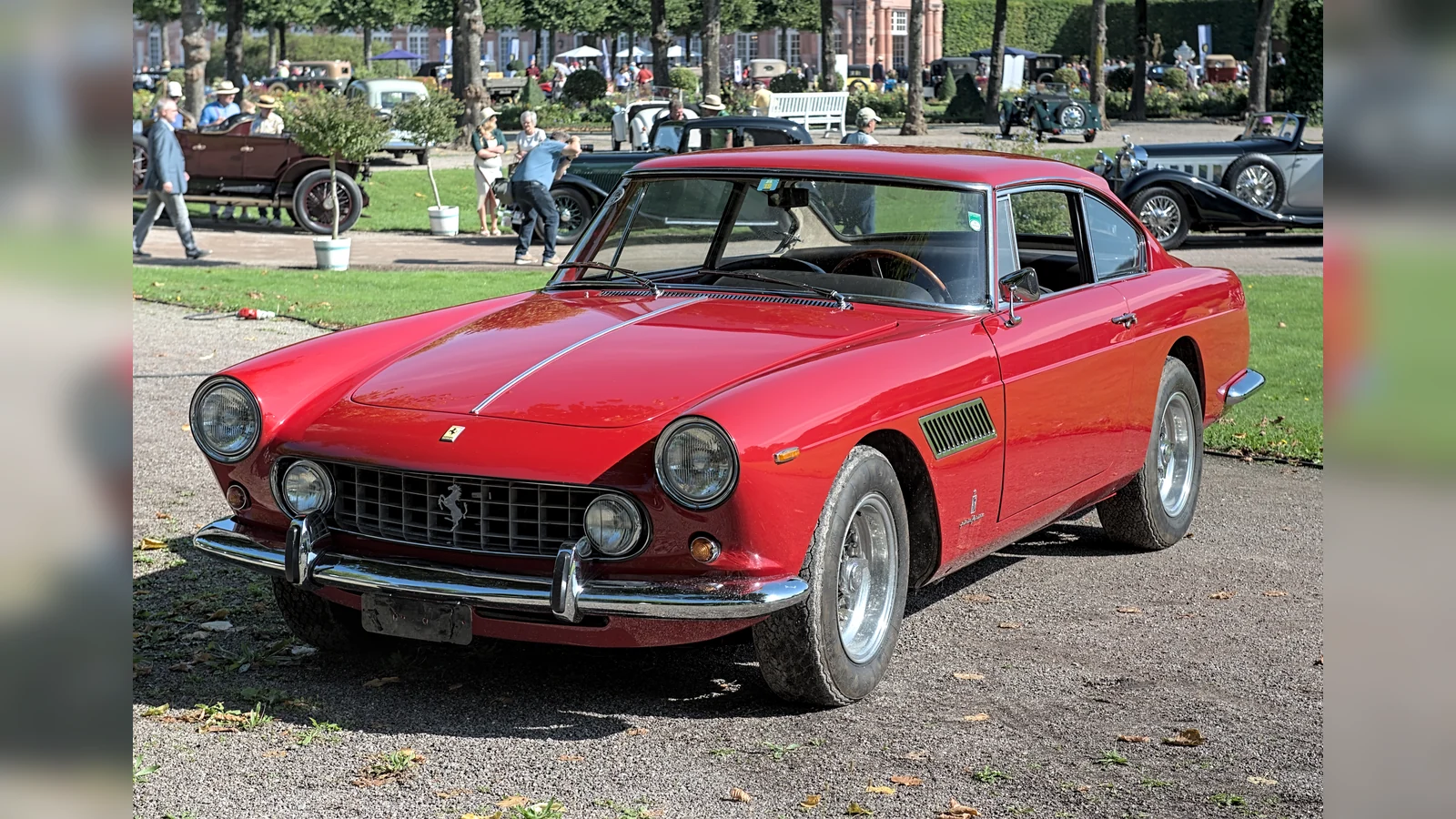
The part of the story most people remember is the clutch. A clutch is the part that connects and disconnects the engine from the gearbox in a manual car. When it works properly, power flows smoothly. When it slips or wears quickly, the engine can rev without the car accelerating the way it should.
According to several retellings, including accounts connected to Ferruccio Lamborghini’s own recollections, he became frustrated because his Ferrari GT cars repeatedly needed clutch work. What annoyed him was not only the part itself, but the feeling that the problem was not being solved in a satisfying way.
A famous version of the story says Lamborghini discovered that the clutch component was similar to something used in his tractors. Whether every detail is perfectly literal or polished by time, the point is clear: Ferruccio felt he understood the mechanical issue well enough to criticize it.
The Meeting With Enzo Ferrari
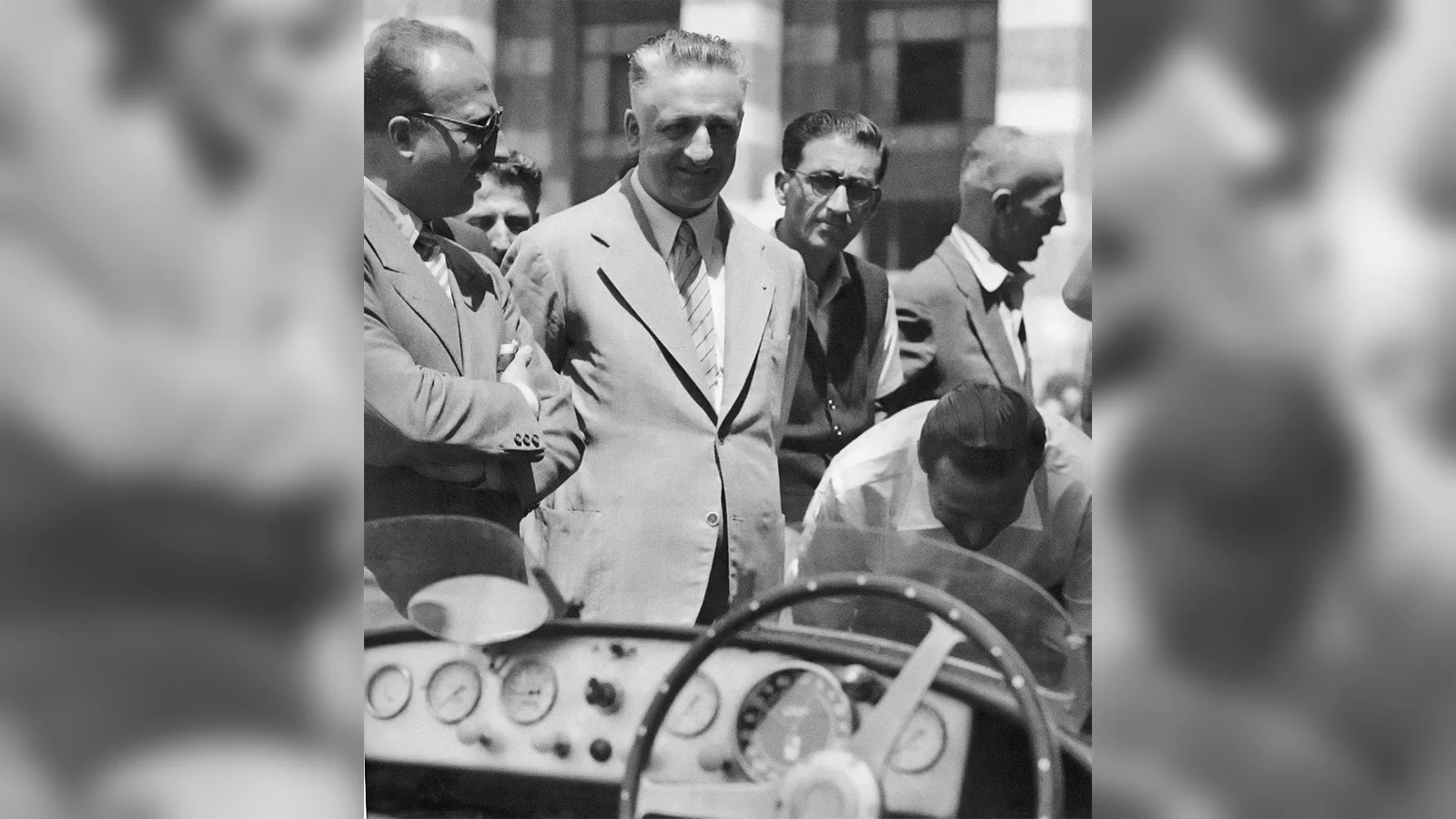
Ferruccio eventually raised his complaints with Enzo Ferrari. This is where the story turns into legend.
Many versions say Enzo dismissed him with the idea that Lamborghini should stick to tractors or that he did not know how to handle a Ferrari. The exact phrase is hard to prove because there is no recording of the conversation, and different sources preserve different wording.
That uncertainty is important. It is responsible to say that Enzo Ferrari is reported to have dismissed Lamborghini sharply. It is not responsible to present one cinematic sentence as a verified transcript.
But even if the precise words are unclear, the meaning of the story is consistent: Ferruccio felt insulted, and the exchange helped push him toward building the kind of GT car he believed Ferrari was not making.
What We Can Verify and What Became Legend
This story sits in a fascinating space between fact and legend.
We can confidently say Ferruccio Lamborghini was a successful tractor and industrial-equipment businessman. We can say he owned Ferrari cars and that the clutch complaint story appears in serious automotive histories and recollections. We can say Automobili Lamborghini was established in the early 1960s and that the 350 GT soon became the company’s first production car.
What we should be more careful with is the exact insult. The popular “go build tractors” version captures the spirit of the rivalry, but the exact wording changes depending on the source.
That does not make the story useless. It just means we should read it like automotive history, not movie dialogue.
From Complaint to Automobili Lamborghini
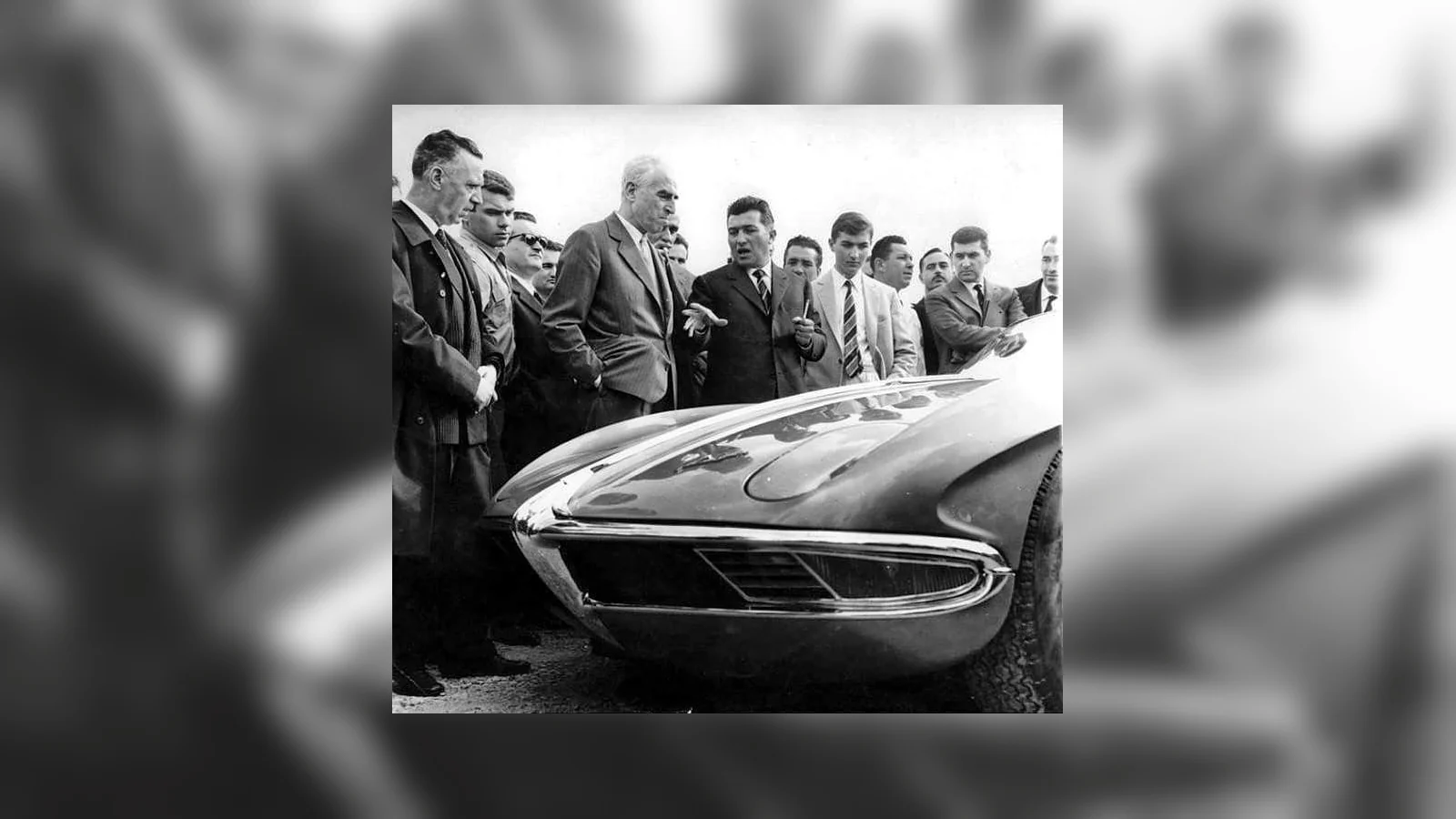
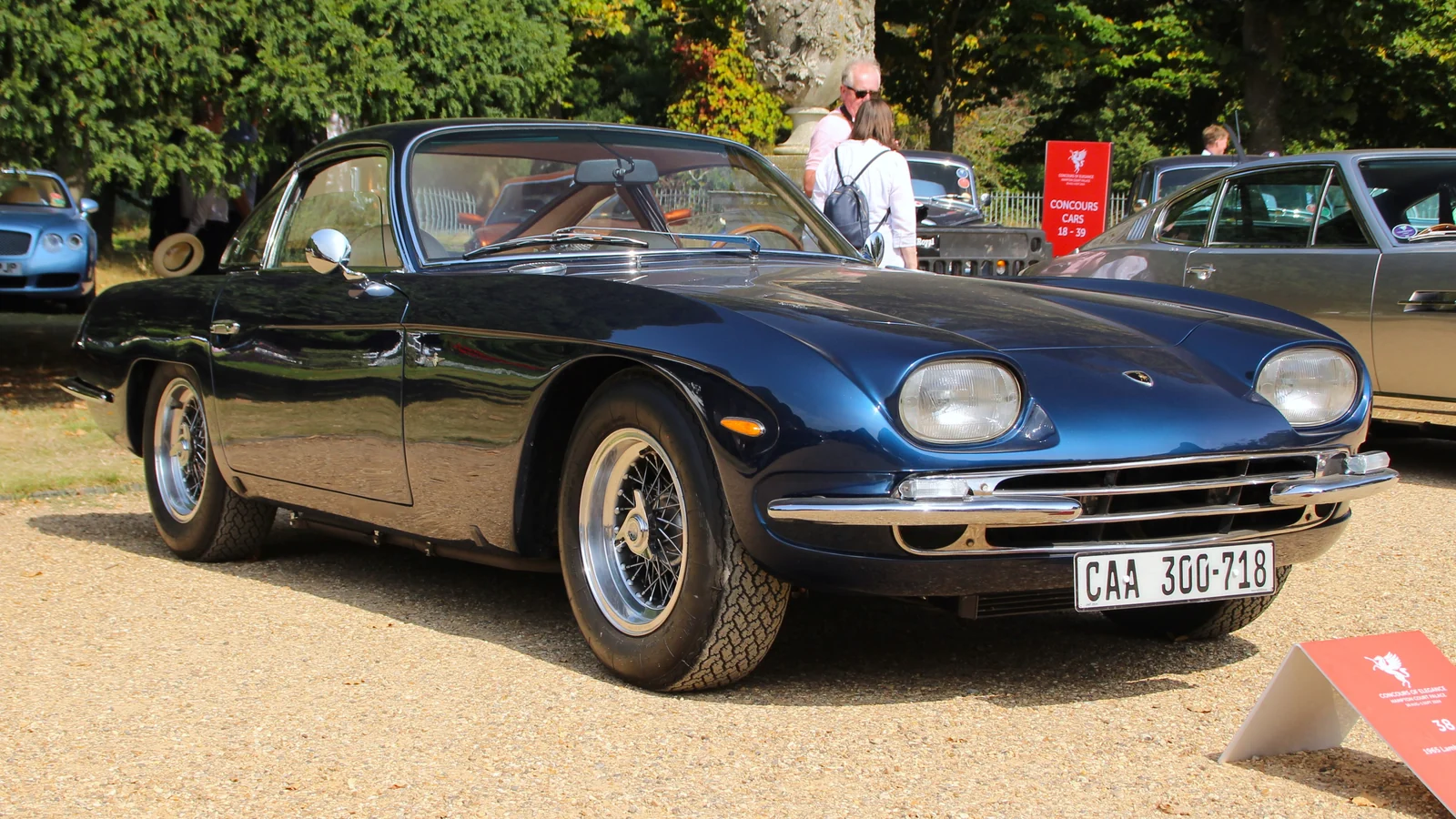
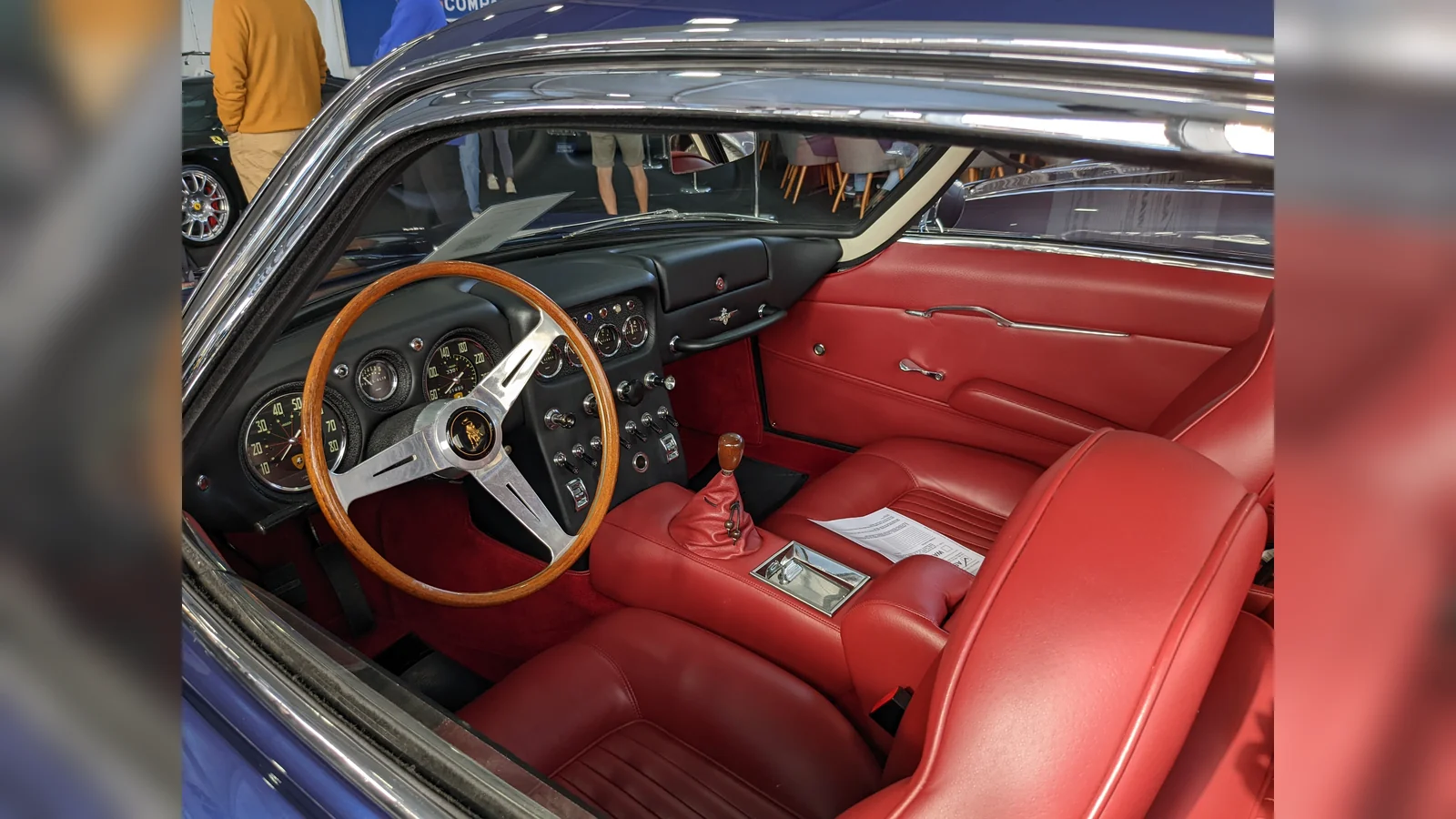
In 1963, Automobili Lamborghini took shape in Sant’Agata Bolognese. Ferruccio did not simply wake up angry and build a supercar company the next morning. He gathered talent, invested money, and aimed at a clear market opportunity: a high-performance GT that could be fast, refined, beautifully built, and more comfortable for road use.
The 350 GTV prototype showed the ambition. Then the 350 GT turned that idea into a real production car. This matters because it proves Lamborghini was not only responding emotionally. The company had a product philosophy.
The early Lamborghini idea was not “let’s beat Ferrari on the race track.” It was closer to “let’s build the kind of road car a wealthy enthusiast would actually want to drive far and often.”
Then Came the Miura
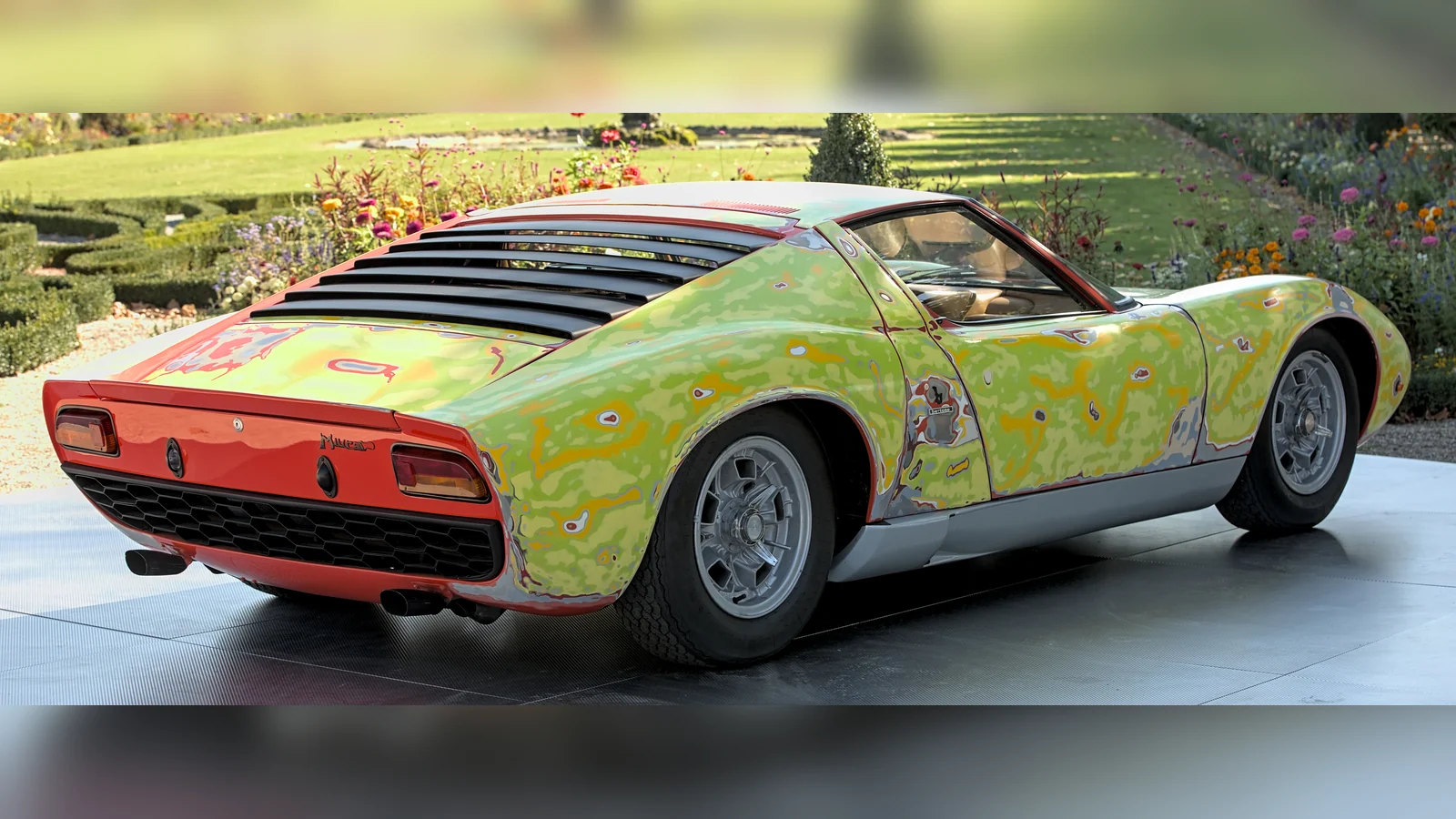
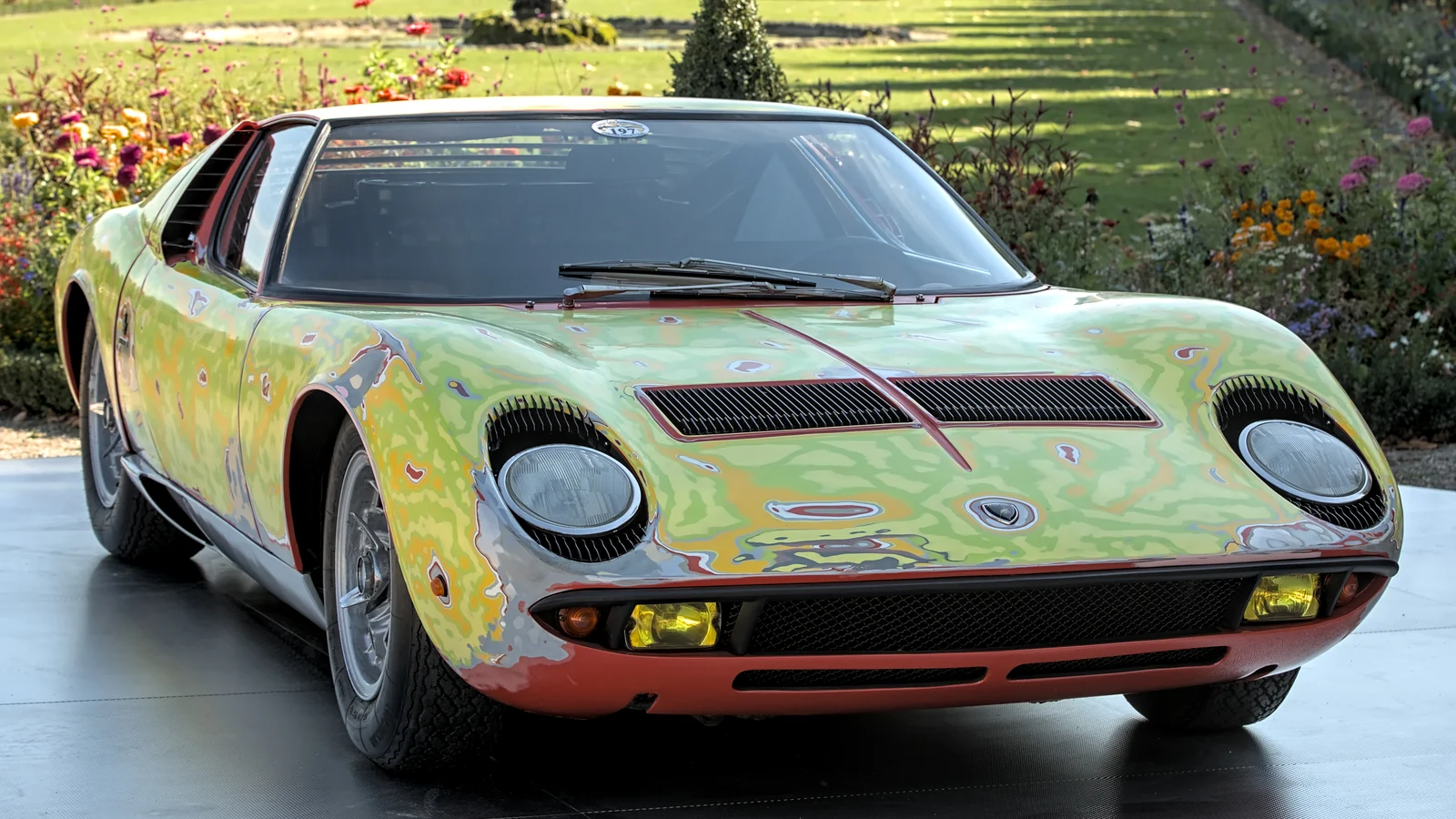
If the 350 GT made Lamborghini credible, the Miura made Lamborghini unforgettable.
Introduced in the mid-1960s, the Miura used a dramatic mid-engine layout at a time when that idea was still associated more with racing prototypes than comfortable road cars. Its design, proportions, and mechanical layout helped create the emotional template for what many people now call the modern supercar.
This is where the story becomes bigger than one insult. A frustrated Ferrari owner did not merely build a replacement Ferrari. His company helped move the entire idea of the exotic road car forward.
Ferrari and Lamborghini Wanted Different Things

The deepest part of the story is the philosophy clash.
Enzo Ferrari’s world was racing. Road cars helped support the racing operation and carried the aura of motorsport. That is why old Ferrari road cars often felt like machines with racing blood running underneath the leather and paint.
Ferruccio Lamborghini wanted something different. He respected speed, but he also wanted refinement, usability, comfort, build quality, and long-distance elegance. He wanted a GT car that could be extremely fast without feeling like a racing car reluctantly adapted for the road.
That difference explains why the rivalry feels so rich. Ferrari did not create Lamborghini by insult alone. Ferrari created the standard Lamborghini wanted to challenge.
Advantages of the Famous Story
The clutch story is powerful because it makes brand history easy to remember. It gives readers a clear doorway into Lamborghini’s origin: a demanding customer, a mechanical complaint, an insult, and a decision to build something better.
It also explains why Lamborghini’s early cars were not designed as Ferrari copies. They were aimed at a slightly different dream: high speed with comfort and sophistication.
As a teaching story, it works beautifully.
Disadvantages of the Famous Story
The danger is that the story can become too simple.
If we describe Lamborghini as pure revenge, we miss Ferruccio’s business intelligence. He already had money, factories, engineering experience, and a strong sense of what wealthy GT customers might want.
We also risk turning Enzo Ferrari into a cartoon villain. Enzo was proud and difficult, but he was also building one of the greatest racing and road-car companies in history. The real story is more interesting when both men are treated seriously.
Common Misconceptions
Ferruccio Lamborghini was just a tractor farmer. Not really. He made tractors, but he was a successful industrialist and businessman with deep mechanical understanding.
Enzo Ferrari definitely said one exact famous line. We should be careful. The insult is widely reported, but the exact wording varies by source.
Lamborghini was created only because of revenge. Revenge or pride may have been the spark, but the business case and GT philosophy mattered too.
The first Lamborghini was the Miura. No. The 350 GT came first as the early production proof of the company’s GT idea. The Miura arrived later and changed the scale of Lamborghini’s reputation.
Real-world Examples
The Lamborghini 350 GT is the best early example of Ferruccio’s original goal. It was a refined V12 grand tourer, not a wild bedroom-poster supercar.
The Miura is the moment Lamborghini became more than a Ferrari alternative. Its mid-engine layout and visual drama helped define the supercar image for generations.
Ferrari’s own early road cars, including models in the 250 GT family, show why the comparison mattered. These were expensive, beautiful, fast grand tourers with a strong connection to Ferrari’s racing identity.
Put simply, Ferrari represented racing prestige. Lamborghini tried to answer with industrial confidence, road-car refinement, and eventually theatrical design.
Cariary Thoughts
What I like about this story is that it starts with something very human: a customer feels ignored.
At first, it sounds like a simple revenge legend. But after looking more carefully, it becomes a better lesson about cars. A complaint is not always just complaining. Sometimes it reveals a gap between what a brand thinks it is selling and what a customer actually wants.
Ferrari was not wrong to be Ferrari. The company’s racing obsession is exactly why Ferrari became Ferrari. But Ferruccio Lamborghini saw another possibility: a car could be fast and emotional without asking the owner to accept roughness as part of the romance.
That is the part that feels important to me. Lamborghini did not only challenge Ferrari’s speed. It challenged Ferrari’s definition of the ideal road car.
Maybe that is why the story still feels alive. A dismissed customer did not just leave a bad review. He built a different answer.
One-line Summary
The Ferrari insult may have lit the fuse, but Lamborghini was really born from Ferruccio’s belief that a fast GT car could be powerful, refined, and built around the road.
FAQ
Did Ferrari’s insult really create Lamborghini?
It helped inspire the story, but it was probably not the only cause. Ferruccio Lamborghini already had money, engineering knowledge, business experience, and a clear idea for a better GT car.
What was Ferruccio Lamborghini complaining about?
He was frustrated by repeated clutch problems in his Ferrari GT cars and by how the issue was handled. The clutch story became the famous spark behind the Lamborghini origin legend.
Did Enzo Ferrari really tell Lamborghini to build tractors?
That is the popular version, but the exact wording is not confirmed by a recording. Reliable writing should say Ferrari reportedly dismissed him or that Lamborghini later recalled the exchange sharply.
When was Automobili Lamborghini founded?
Automobili Lamborghini was founded in 1963 in Sant’Agata Bolognese, Italy.
What was the first production Lamborghini?
The Lamborghini 350 GT was the company’s first production car and showed Ferruccio’s early focus on refined high-performance grand touring.
Why was the Lamborghini Miura so important?
The Miura helped define the modern supercar with its mid-engine layout, dramatic proportions, and road-car presence.
What is the main difference between Ferrari and early Lamborghini philosophy?
Ferrari’s identity grew from racing, while early Lamborghini focused more on building a fast, refined, comfortable GT for road use.
Related Thoughts
Internal link: [Insert link to “Why Car Brands Build Halo Cars”]
Internal link: [Insert link to “What Makes a Supercar a Supercar?”]
References
Automobili Lamborghini, History
Automobili Lamborghini, 350 GT
Car and Driver, Lamborghini Supercars Exist Because of a Tractor Clutch
Carscoops, Lamborghini’s Humble Beginnings
Data Reference Date: September 5, 2026

