Bigger Brakes look like a promise: a huge disc, a bright red caliper and enough pistons to make the standard setup seem underqualified. Surely a car with all that hardware will stop much sooner than the same car with ordinary brakes?
Sometimes an upgrade does shorten a stop. But the most interesting benefit may appear on the fifth hard braking event, not the first. To understand why, we have to separate three things we often call “good brakes”: stopping distance, resistance to heat and the way the pedal lets us control the car.
This is Car Myths Part 5. We will work from the tire touching the road inward, rather than awarding victory to whichever caliper looks largest.
Quick Summary
- When healthy brakes can already reach the tires’ available traction, more brake torque does not automatically produce a shorter emergency stop.
- Larger, correctly engineered brakes often earn their value through heat management and repeatability.
- 1P, 4P and 6P describe piston counts, not a universal ranking of stopping performance.
- Pads, fluid, cooling, brake balance and ABS integration are part of the system, not supporting details.
- The useful question is what currently limits the car: traction, temperature, control, condition or an unsuitable component combination.
1. Bigger Brakes Still Depend on the Tires
A disc brake uses pads to apply friction to a rotor attached to the wheel hub. That creates brake torque: a twisting force opposing wheel rotation. But the force slowing the vehicle along the road is transmitted through the tires.
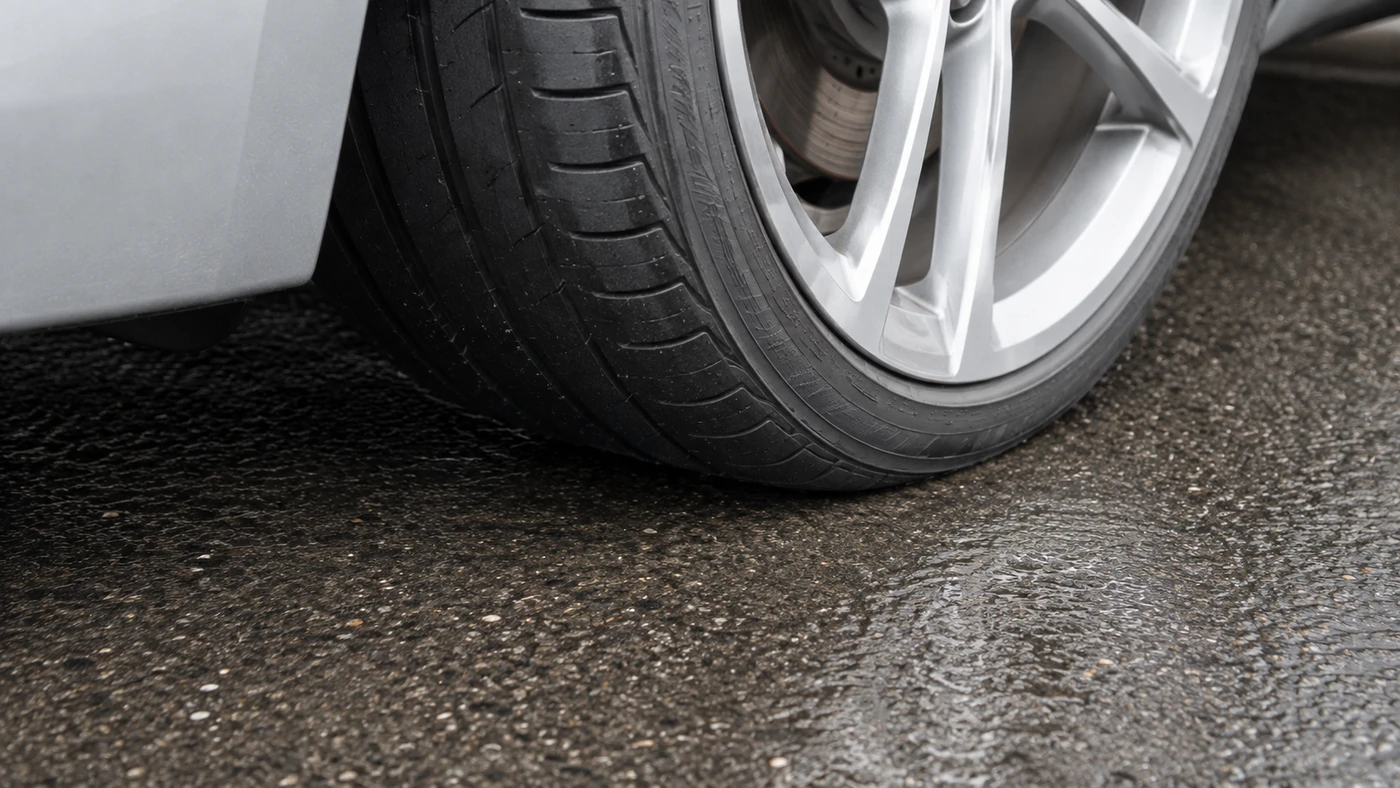
The familiar phrase “brakes stop the wheels; tires stop the car” is a helpful memory aid, not a complete engineering description. Braking loads pass through the hub and suspension into the vehicle, and the tire-road contact provides the external force. Brakes and tires have to work together.
If brake torque tries to slow a wheel more than the available road grip permits, that wheel tends toward excessive slip and lock-up. Increasing caliper force cannot create friction that the tire and surface do not have.
This explains why a healthy standard brake system can already activate ABS during an emergency stop. Replacing it with an enormous caliper may bring the same tires to the same traction limit. In that situation, a dramatic reduction in a single-stop distance is not guaranteed.
ABS is important, but not a certificate of perfect brakes
The anti-lock braking system monitors wheel behavior and adjusts brake pressure to control excessive wheel slip. One major benefit is retaining steering control instead of allowing sustained wheel lock. Bosch’s ABS explanation describes that pressure regulation.
However, feeling ABS once does not prove that every wheel is delivering its best contribution, that the brakes will cope when hot, or that the same system has enough reserve at every speed and load. Calibration, pressure build-up, brake balance and road conditions still matter.
ABS cannot guarantee the shortest conceivable distance on every surface, and it does not create extra tire grip. Do not disable it or deliberately trigger it on public roads to evaluate an upgrade.
Why a sports car may stop better anyway
A performance car usually brings a whole package: suitable tires, suspension control, brake hardware and electronic calibration. The tire’s compound and condition may explain more of a particular result than the caliper’s color.
Imagine the same car in two hypothetical configurations. One has healthy standard brakes, suitable fresh tires and correctly maintained fluid. The other has large six-piston calipers but old tires with poor wet traction. The first can stop better in a wet emergency; the second has not purchased its way around the road surface.
That is not a test result or a promise about any two tire models. It is a reminder to identify the limiting part of the system. Brake and Tire Basics explains how those parts cooperate.
Braking distance is not the whole stopping distance
A measured braking distance normally starts when braking begins. The distance traveled while a driver notices a hazard and reacts comes before it.
At 100 km/h, a car covers about 27.8 meters in one second. That is an arithmetic illustration, not an assumed reaction time for every driver. Better hardware does not remove the distance traveled before it is used, which is another reason speed and attention remain central.
2. The Real Challenge Is Often the Next Stop
A single emergency stop asks whether the system can generate and control enough braking force now. Repeated hard stops ask an additional question: can it keep doing that as heat accumulates?
Think of a closed-circuit sequence: slowing from 220 to 100 km/h, accelerating again, then braking from 200 to 80 km/h. The brakes may have little time to cool between events. Those speeds illustrate circuit loads, not road-driving advice.
Speed turns into energy very quickly
Translational kinetic energy, the energy associated with a vehicle moving forward, follows E = 1/2 x mass x speed squared. Mass enters once; speed is multiplied by itself. This relationship is explained in OpenStax’s kinetic-energy chapter.
For a fictional 1,600 kg vehicle, the calculation gives:
| Speed before stopping | Translational kinetic energy | Relative to 100 km/h |
|---|---|---|
| 100 km/h | Approximately 617 kJ | 1x |
| 200 km/h | Approximately 2,469 kJ | 4x |
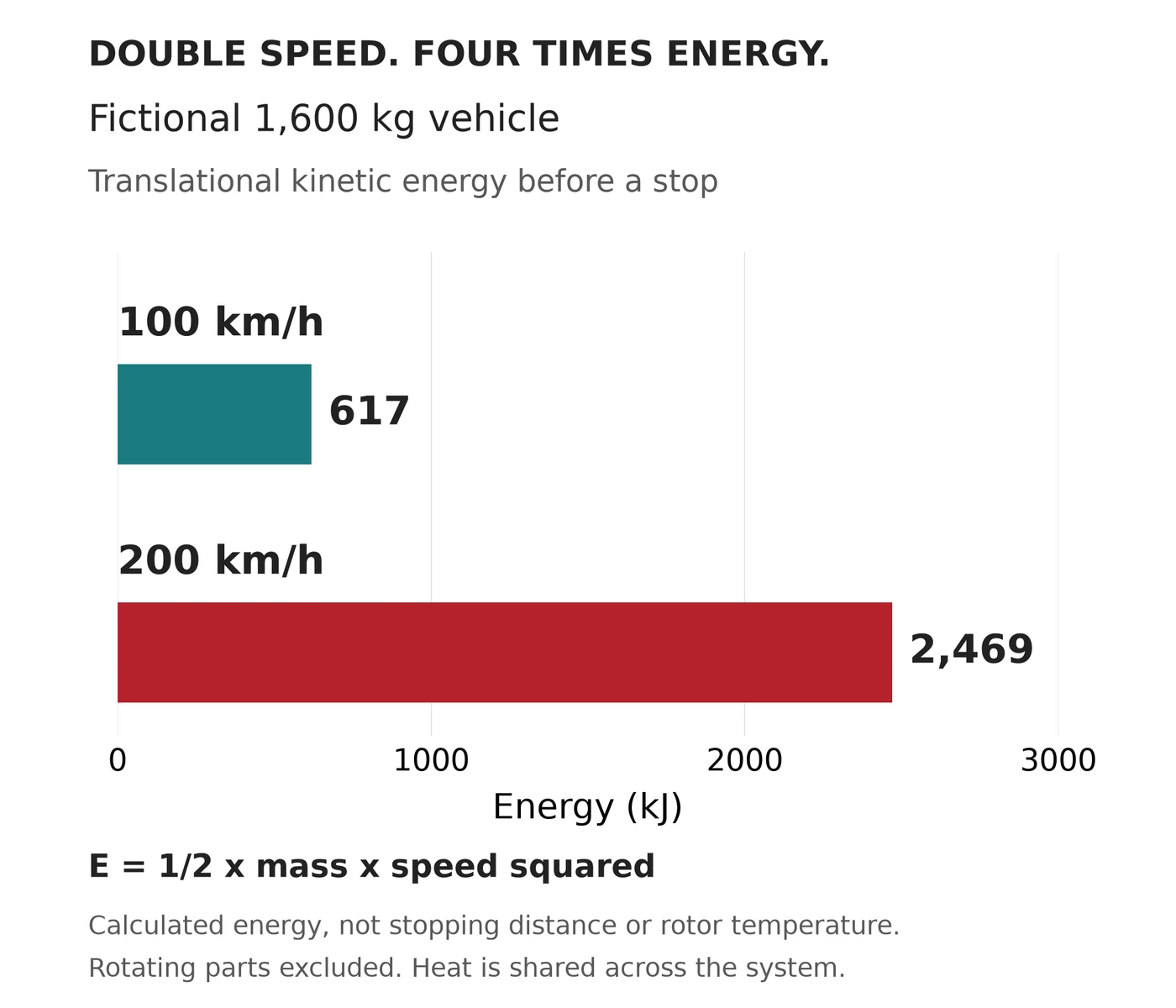
A kilojoule is simply a unit of energy. The important relationship is the fourfold increase. For slowing rather than stopping, calculate the difference between the starting and finishing energies; do not use speed difference alone.
These figures exclude rotating parts and do not say that all the energy enters one rotor. Aerodynamic drag, rolling losses, engine braking or regeneration may remove some energy. Friction-brake heat is also shared among components and axles. On a long descent, gravity keeps adding energy even without repeated acceleration.
What brake fade actually means
Brake fade describes reduced effectiveness as the system becomes too hot for its operating conditions. One mechanism is the pad-disc friction system losing effectiveness outside its suitable temperature range. The pedal can remain relatively firm while the car slows less strongly than expected.
A different mechanism occurs when overheated brake fluid produces vapor. Gas is much easier to compress than liquid, so the pedal can become long or spongy. These mechanisms can overlap, and similar symptoms can have other causes. Pedal feel alone is not a diagnosis. Ferodo’s brake-efficiency guide discusses fluid-related loss of braking effectiveness.
The rotor’s temperature, pad behavior, caliper heat and cooling environment all interact. It is therefore misleading to describe fade simply as “the disc gets hot” or assume every hot brake has already faded.
Does an upgrade ever shorten the distance? Yes
The opposite absolute, “big brakes never stop shorter,” is also wrong. Brembo reports a loaded seventh-generation Golf R comparison organized by Automoto.it, using repeated ABS braking with stock and upgraded systems.
The first ten-stop session from 115 km/h averaged 47.65 meters with the stock brakes and 46.72 meters with the upgrade. A later five-stop session from 150 km/h was reported at 87.77 versus 81.49 meters. See Brembo’s account of the comparison.
These are results reported by the brake supplier for a particular test, not Cariary measurements or a universal improvement. They compare complete brake systems under repeated load, not rotor diameter alone or two fresh single stops. Their useful lesson is that hardware can matter without making every oversized caliper a guaranteed distance reduction.
3. A Larger Rotor Offers Leverage and Thermal Headroom
A rotor, also called a brake disc, is more than a surface for a caliper to squeeze. Its dimensions influence how torque is produced and how heat is managed.
More effective radius means more leverage
Imagine loosening a tight bolt with a longer wrench. Apply the same force farther from the center and it produces more torque.
Similarly, moving the pad’s effective friction action farther from the hub center can increase brake torque for the same tangential pad force. The important quantity is the effective friction radius, not simply the disc’s outer edge. Brembo’s overview of brake-system factors discusses disc dimensions alongside pad and caliper design.
That leverage can provide useful reserve. But if the tires are already limiting deceleration, extra torque may simply require the controller to reduce pressure sooner.
More capacity is not the same as faster cooling
For a given material, more rotor mass generally means a larger energy input is needed to produce the same temperature rise. A larger, thicker iron friction ring may therefore tolerate repeated high-energy events better than a smaller one.
Do not infer mass or thermal capacity from diameter alone. Thickness, vent layout and material all matter. A larger but unusually thin disc does not automatically store more heat.
Cooling is the other half of the story. Ventilation passages between the rotor faces and well-directed airflow help carry heat away. Capacity is the ability to absorb energy; cooling is the rate of removing it. A large heat reservoir can still become overwhelmed if heat arrives faster than it leaves.
Performance brake ducts are designed around airflow, packaging and operating temperatures, not just an opening somewhere near a wheel. Drilled holes or slots on the friction face are also not the same as internal ventilation. Their presence alone is not proof of better cooling or shorter stops, and modification of a disc is not a safe substitute for a validated design.
4. Why 1P, 4P and 6P Are Not a Performance Ladder
P stands for piston in this shorthand. Pistons are the moving parts that turn hydraulic pressure into pad force. Counting them tells us something about the architecture, but not enough to rank the entire brake.
A single-piston floating caliper applies both pads
In a common floating caliper, the piston or pistons sit on one side of the disc. Hydraulic pressure pushes the inner pad into the rotor, and the caliper body slides on guides so the outer pad also applies force.
A fixed caliper stays mounted in position and uses opposed pistons on both sides. This can support a large pad with useful stiffness and pressure distribution when properly designed. Floating designs are often compact and cost-effective; fixed designs are not automatically lighter or stiffer simply because of their name. Brembo’s caliper guide explains the difference.
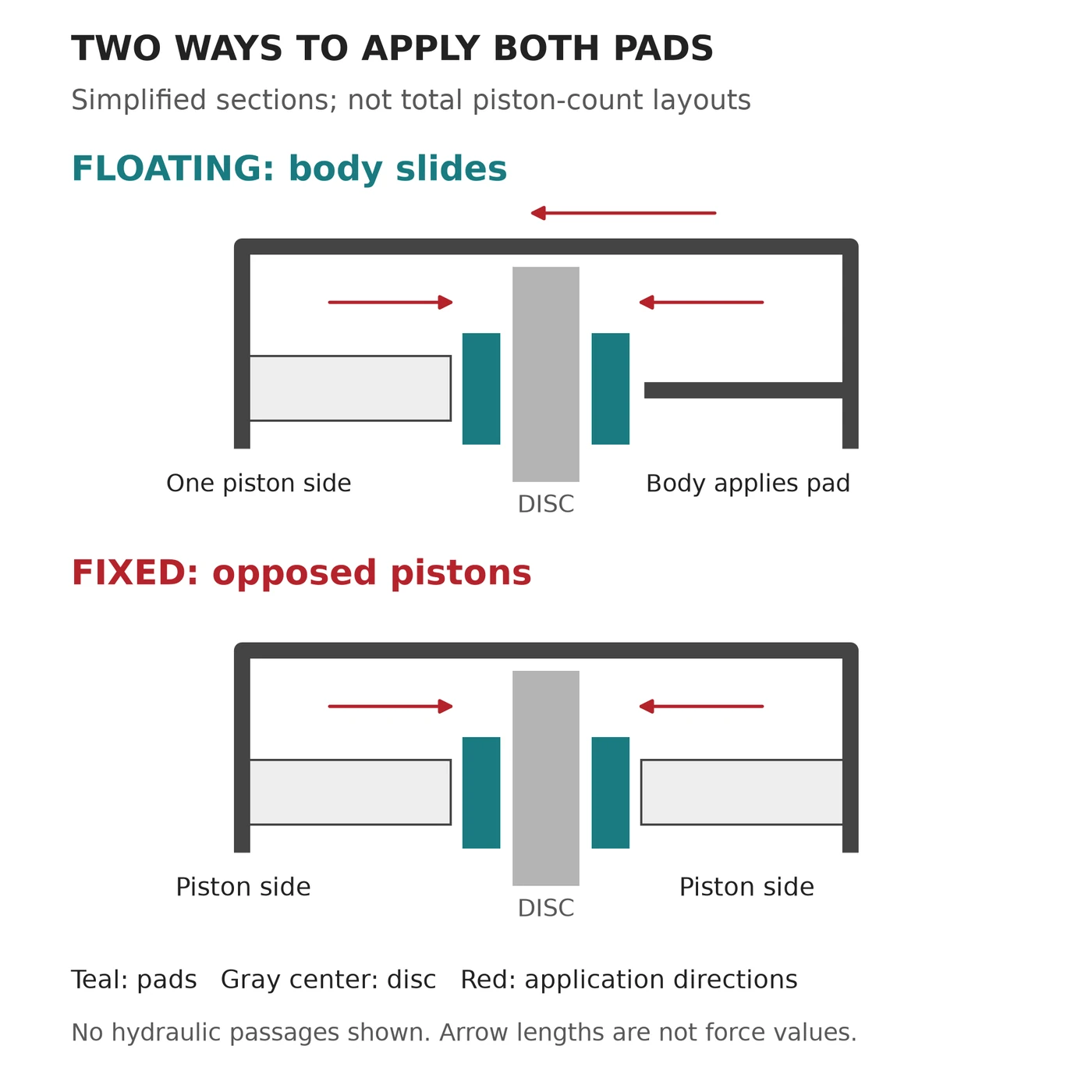
The key correction is simple: one piston does not mean one braking surface. A working floating caliper squeezes the disc from both sides. Its slide mechanism is part of how it does that, which is why condition and maintenance matter.
Count the area, not just the pistons
At a given hydraulic pressure, piston force depends on piston area. Circular area depends on diameter squared. Six small pistons can therefore have less combined area than four larger ones.
To avoid mixing floating and fixed architectures, consider two entirely fictional opposed-piston fixed calipers:
| Fictional caliper | Pistons on one side | Area on one side |
|---|---|---|
| 4P total | Two pistons, each 40 mm diameter | About 25.13 cm² |
| 6P total | Three pistons, each 30 mm diameter | About 21.21 cm² |
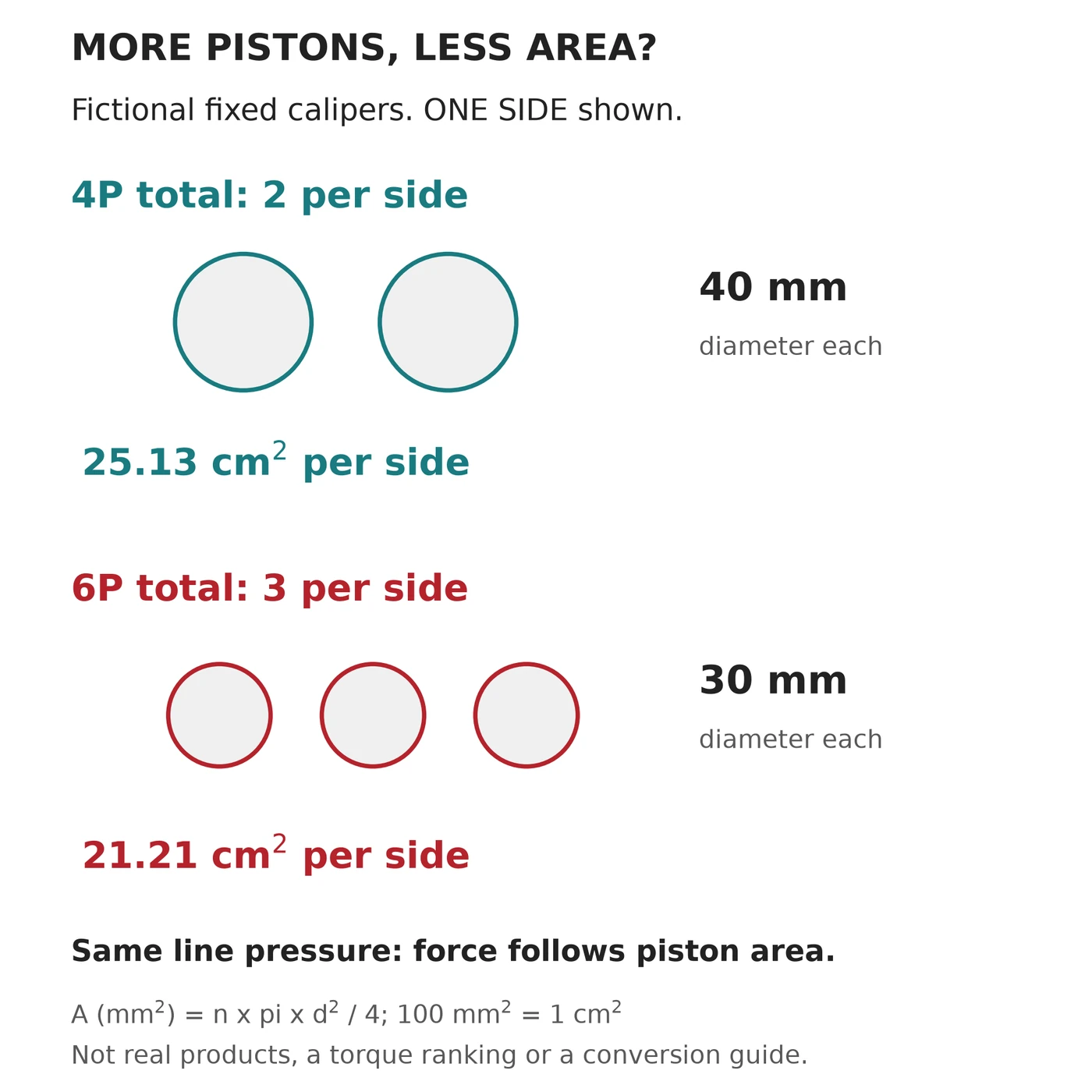
At equal line pressure, the 4P example applies more force to each pad. That reverses the simple piston-count ranking without establishing which complete brake is better. Actual designs may use different piston diameters within the same caliper.
The area convention matters. AP Racing’s CP7410 technical drawing, for example, explicitly distinguishes area per pad from total area. Our illustration uses one side consistently. Do not directly compare an unqualified total from a fixed caliper with the piston area of a floating caliper; their reaction mechanisms differ.
So why use several pistons?
Multiple pistons let a designer distribute force along a larger pad and manage pad loading and wear. Caliper stiffness and the layout of the bridge around the disc also influence how the assembly deflects. The opportunity is better control of the pad, not magic multiplication of tire grip.
Pad area itself does not simply multiply friction force at an unchanged total pad load. Larger pads can distribute heat and wear and help meet the intended duty cycle. Compound and temperature remain essential.
Pedal feel and modulation are real benefits
Modulation means being able to adjust braking smoothly and predictably, rather than experiencing an abrupt on/off response. A consistent pedal helps the driver request the amount of deceleration needed.
A well-matched stiff caliper can contribute to that feel, but the master cylinder, booster, hoses, pads, fluid volume and electronic controls also contribute. More piston area changes hydraulic requirements as well as force. An incompatible conversion can create excessive travel or upset front-to-rear brake balance.
That is why a kit must be validated as a system for the vehicle, not assembled from attractive parts. For more detail on this specific question, continue with 4 Piston Brakes: Are 4P and 6P Calipers Really Better?.
5. Pads and Fluid Can Change the Story
The components hidden behind the caliper often deserve as much attention as the caliper itself. A large brake paired with an unsuitable pad or neglected fluid is still an unsuitable system.
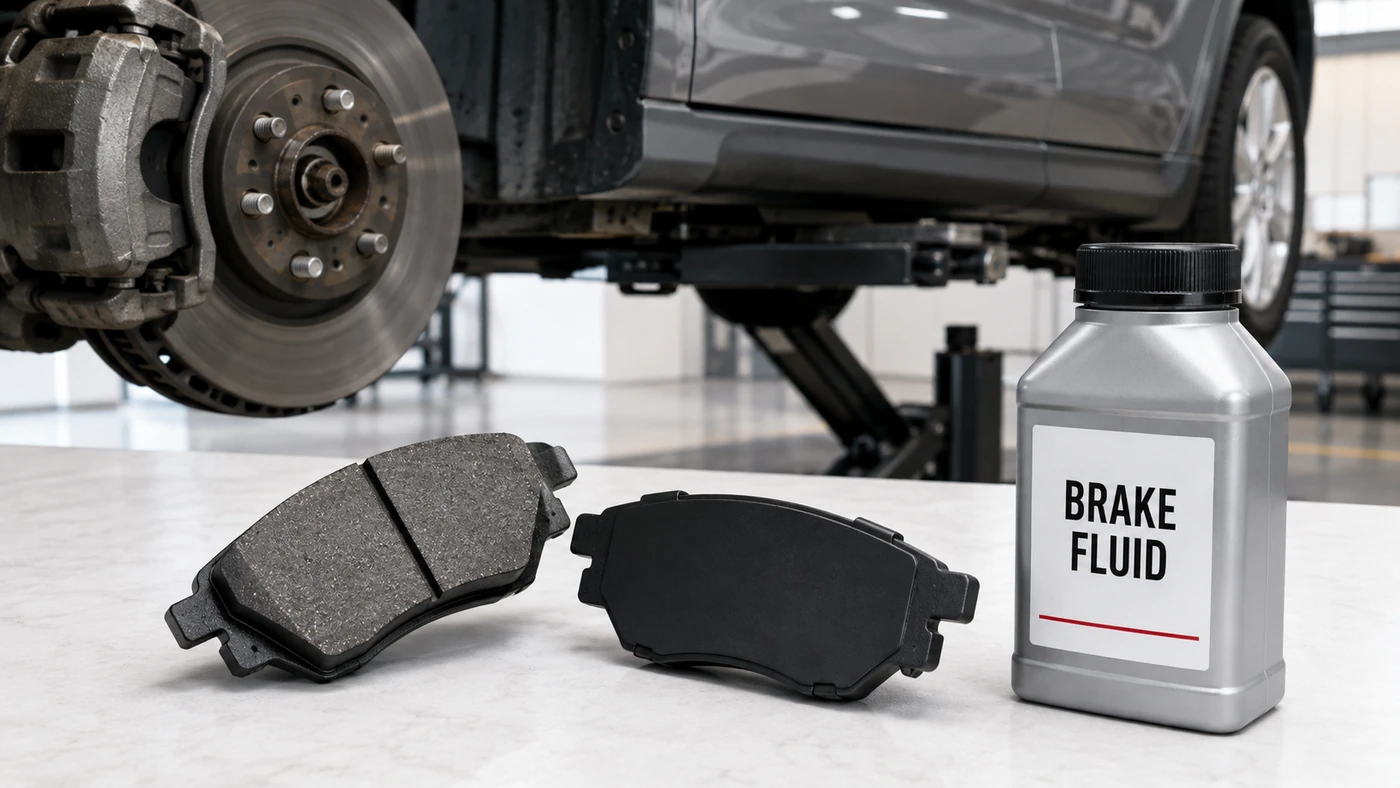
Street and track pads solve different problems
A road pad must work predictably from ordinary temperatures while balancing noise, dust, wear and comfort. A race-oriented compound may prioritize a much hotter operating window and sustained loads, accepting compromises that are unpleasant or unsuitable on the street.
As a concrete example, Ferodo lists a 200-750°C working range for its DS1.11 compound and explicitly identifies it as unsuitable for road use. That is a statement about that product, not all performance pads. The manufacturer’s DS1.11 specification makes the intended environment clear.
Some track compounds can have poor cold response, more noise or different wear behavior. Other pads span different uses. The correct conclusion is to match the actual compound and approvals to the job, not assume every expensive pad needs warming or every street pad is incapable.
Fluid transfers pressure, until vapor gets in the way
Common glycol-based brake fluids absorb moisture over time. That can lower boiling resistance. During severe heating, vapor bubbles can form, making the hydraulic system more compressible and compromising braking.
The distinction between dry and wet boiling points helps here: dry describes fresh fluid under the specified test, while wet describes a standardized moisture-conditioned sample. Neither number predicts the exact temperature inside your caliper today. Brembo’s fluid explanation connects boiling, moisture and vapor lock.
Use the vehicle’s required specification, including viscosity and compatibility, and follow its maintenance schedule and any applicable track-use requirements. A higher advertised boiling point is not permission to substitute fluid indiscriminately or leave it unchanged indefinitely. DOT 5 silicone and DOT 5.1 non-silicone fluid are not interchangeable; Chevron’s DOT 5.1 data sheet states the incompatibility explicitly.
A warning sign is a reason to stop, not to experiment
If braking becomes weak, the pedal suddenly changes, or a brake warning appears, get out of danger and stop safely. Do not continue fast driving, repeat tests to diagnose fade, or assume cooling has repaired the cause. Arrange qualified inspection before relying on the system again.
This article explains principles, not brake installation, bleeding or emergency-recovery procedures. Those require the correct vehicle instructions and trained judgment.
6. Materials, Weight and Wheel Space Are Trade-offs
More substantial iron rotors can add mass near the wheel. The rotor rotates with the hub, while a conventional wheel-mounted caliper contributes to unsprung mass without rotating. That distinction matters when balancing heat capacity against suspension response and inertia.
Why two-piece rotors exist
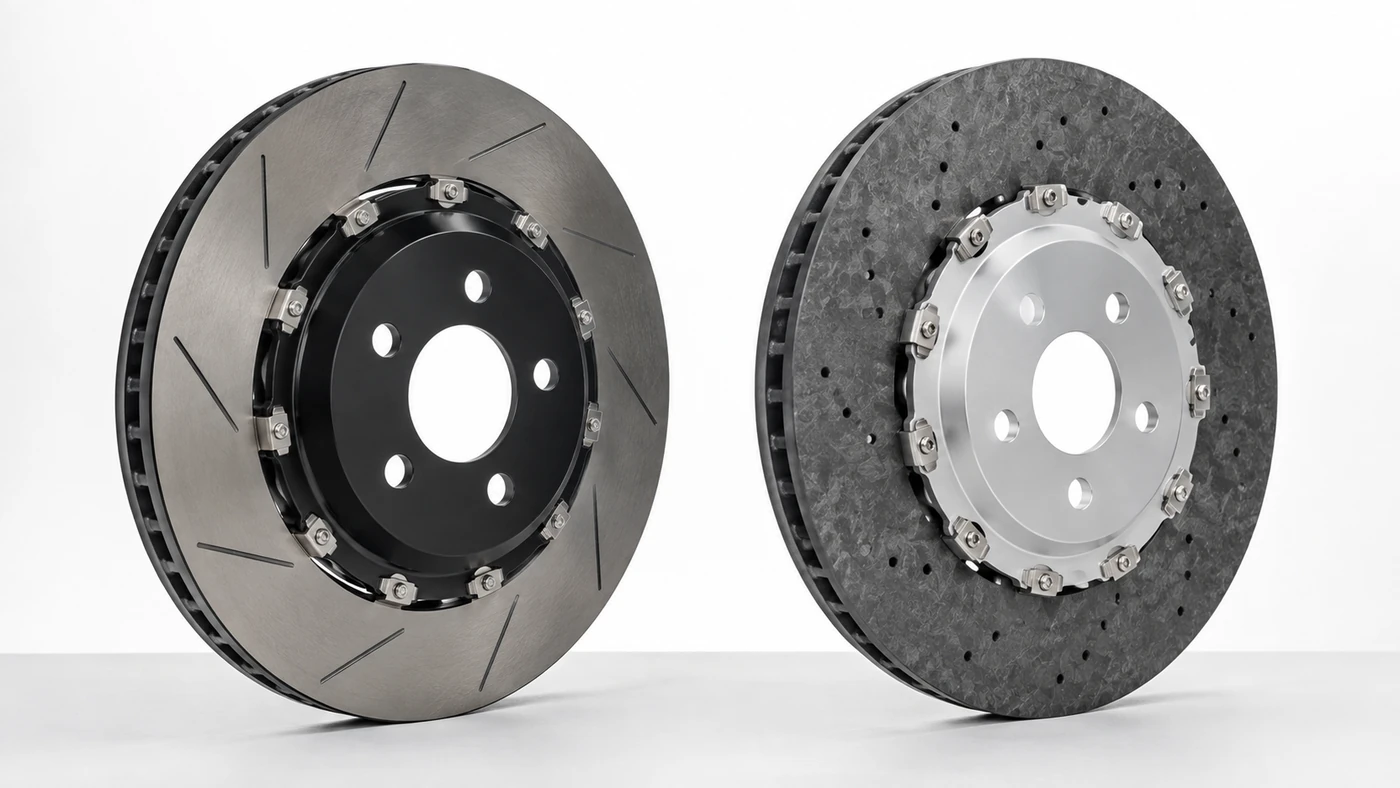
One common design separates an iron friction ring from a lighter aluminum center hat, the part attaching the disc assembly to the hub. This can reduce mass compared with an equivalent all-iron construction, while the connecting system manages the relationship between the two pieces.
Some designs provide controlled movement to accommodate thermal expansion. Two-piece construction does not automatically mean the disc is fully floating. AP Racing’s floating-disc mounting guidance explains radial expansion and axial float as specific design functions.
Carbon-ceramic does not remove the traction limit
Road-car carbon-ceramic rotors can combine lower mass than comparable iron designs with high-temperature capability and corrosion resistance. The full benefit depends on their friction material, matching pads and system design. Brembo’s carbon-ceramic overview describes those material priorities.
Trade-offs include high cost, replacement expense and specific inspection and handling requirements. Service life is not infinite; use, damage and thermal duty matter. We should not promise a lifetime part or a fixed reduction in meters from its material alone.
Also, road carbon-ceramic brakes are not the same thing as the carbon-carbon friction systems associated with F1. Do not transfer racing warm-up assumptions wholesale to a road car. Brembo distinguishes the applications in its explanation of competition carbon brakes.
If the tires already set the limit in a particular stop, a ceramic rotor does not supply missing tire grip. Its advantage may instead be weight, thermal stability and repeated performance. Conversely, do not assume every well-maintained iron system is inadequate for demanding use.
Sometimes the brake makes the wheel bigger
A larger rotor and caliper need radial clearance inside the wheel barrel and clearance behind the spokes. Diameter alone is insufficient: wheel shape, offset and the exact brake envelope matter. A proper brake-clearance check uses the applicable dimensions or template.
This can lead to a larger wheel-and-tire package, adding another set of mass, ride and cost trade-offs. The upgrade cannot be evaluated as a caliper alone. It is the same whole-vehicle thinking developed in Car Basics for Enthusiasts.
7. Match Braking Capacity to the Work
Heavy vehicles carry more kinetic energy at the same speed. High speeds and repeated stops increase the task further. That helps explain why substantial brake systems appear on large sedans, SUVs and high-performance EVs, not just light sports cars.
Vehicle mass is not, however, a simple multiplier of every stopping-distance result. Tire load behavior, axle load transfer, brake balance and other conditions interact. More mass clearly increases the energy challenge; actual distance still needs a properly controlled comparison.
EV regeneration helps, but friction brakes remain
An EV’s drive motor can act as a generator during deceleration, recovering some energy into the battery. That can reduce friction-brake use in everyday driving. It does not remove the need for a capable service-brake system.
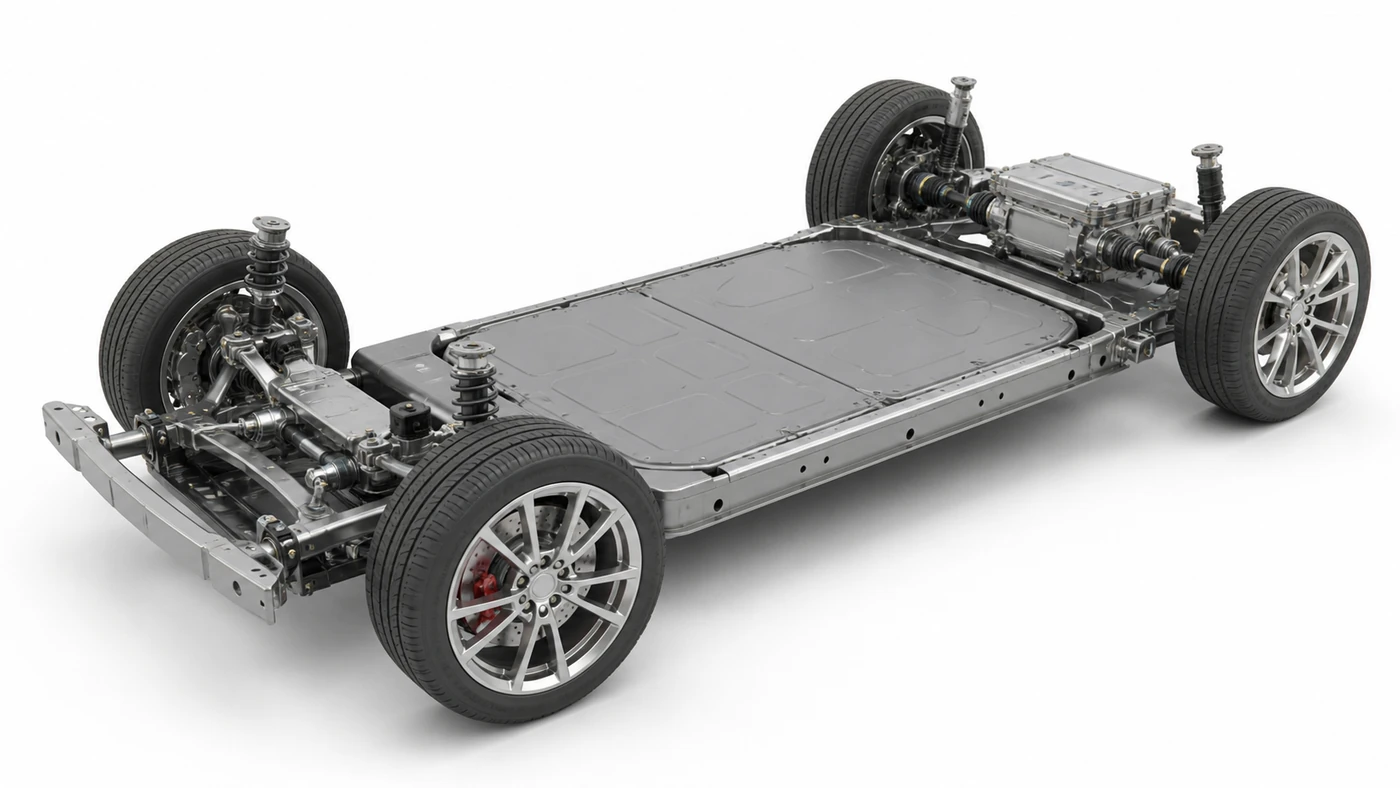
Battery temperature and state of charge can limit regeneration. Tesla’s Model 3 braking instructions, for example, identify cold or fully charged batteries as possible limitations. How friction braking blends in varies by vehicle and software.
During an emergency or demanding repeated braking, motor capability, battery acceptance and stability control cannot be treated as an unlimited substitute for friction brakes. Equally, regeneration does not necessarily disappear in every hard stop. The car coordinates the available systems to meet the request.
Less frequent use also does not mean the friction brakes can be ignored. Follow the vehicle’s inspection and maintenance guidance rather than assuming an EV’s low pad wear proves the whole system is healthy.
Start with the limitation, not a shopping list
| Situation | The useful question | Sensible direction |
|---|---|---|
| Ordinary commuting | Is the original system healthy and appropriate? | Restore condition and use suitable tires and approved components |
| One poor wet stop | Was tire-road traction the limiting factor? | Check tires, surface, speed and system condition before blaming piston count |
| Long descents or heavy loads | Is heat accumulating beyond the intended duty? | Use the vehicle’s descent guidance and have capacity and condition assessed |
| Repeated closed-circuit braking | Are temperatures, pedal consistency or pad behavior limiting performance? | Evaluate pads, fluid, cooling and hardware as a validated package |
| Brake conversion | Will the whole system remain compatible? | Professional validation of hydraulics, balance, electronics, clearances and applicable requirements |
There is no universal upgrade order. Restoring a defective system comes before modifying a healthy one. After that, appropriate tires, pads, fresh specified fluid and effective cooling may address the real issue; larger hardware becomes valuable when the intended duty calls for more capability.
For some cars, that means retaining the standard calipers. For others, a properly engineered big-brake system is exactly the right solution. The distinction is a demonstrated need, not the appeal of a 6P badge.
Common Misconceptions
“Six pistons always stop shorter than four.” Piston area, hydraulic matching, pad behavior and the complete system decide what those pistons accomplish.
“If ABS works, the brakes can never be improved.” A single ABS event does not prove ideal balance, thermal reserve or performance across all conditions.
“A firmer pedal proves a shorter stopping distance.” Feel and modulation matter, but they are not measurements of the tire’s traction limit.
“Carbon-ceramic brakes need F1-style warm-up before road use.” Road carbon-ceramic and competition carbon-carbon systems are different. Follow the specific vehicle’s instructions.
“Big brakes are only for looks.” Properly engineered systems can provide important control and thermal benefits, and sometimes shorter stops. The mistake is assuming the benefit from size alone.
Cariary Thoughts
What I find most revealing is how different “stops hard” and “keeps stopping hard” really are. From outside the car, both are represented by the same impressive-looking caliper. Underneath, they are asking different questions of the system.
The tire discussion does not make brakes less interesting. It makes the engineering more interesting. Designers are balancing force, temperature, weight, pressure, cooling and control, while keeping the car predictable for someone who may never think about any of them.
It also changes how I look at a modest single-piston brake. If it suits the vehicle and its work, simplicity is not an embarrassment. And when a large performance brake is justified, the achievement is more meaningful than the piston count suggests.
The question I would now ask is not “How many pistons does it have?” It is “What can this system do consistently, and under which conditions?” That is a better way to appreciate both ordinary and extraordinary brakes.
One-line Summary
Tires set the available road grip; a well-matched brake system lets the car use it, repeatedly and controllably.
FAQ
Do bigger brakes always shorten an emergency stop?
No. If healthy brakes already let the tires reach their available traction, additional torque may not shorten that stop. An upgrade can still help when the original system is limited by heat, control, condition or capacity. Compare the actual package and test conditions.
Are six-piston brakes better than single-piston brakes?
Not by count alone. A floating single-piston caliper applies both pads, while an opposed fixed design uses pistons on both sides. Piston area, stiffness, hydraulics, pads and rotor design must be considered together.
Why do sports cars need large rotors?
Larger effective radius can provide torque leverage, and a suitably designed rotor can offer more thermal capacity and cooling capability. Those are especially useful during repeated high-energy braking, provided the entire system is matched correctly.
What is brake fade?
It is a loss of effectiveness associated with excessive operating temperatures. Pad friction can fall, or fluid can boil and make the pedal long or spongy. Similar symptoms can have other causes, so changes in braking need professional inspection rather than self-diagnosis.
Can better tires matter more than a big-brake kit?
They can when tire-road grip is the limiting factor. A large caliper cannot make an unsuitable or worn tire produce grip it lacks. The appropriate tire depends on the surface, weather, vehicle and use, and the brakes must still be healthy.
Are track pads suitable for everyday driving?
Some are not. Their operating range, cold response, noise, wear and road approval can differ from street pads. Check the exact compound’s intended use rather than assuming a racing label makes it universally better.
Do carbon-ceramic brakes stop shorter than iron brakes?
Not automatically. They can offer weight and thermal advantages, but the complete friction system and tire traction still determine the result. Material choice alone cannot promise a specific stopping-distance improvement.
Does regenerative braking replace normal brakes?
No. Regeneration depends on motor, battery and control-system limits. Conventional friction brakes remain essential, including when the requested deceleration exceeds regeneration or battery conditions restrict it.
Why does a brake upgrade sometimes require different wheels?
The rotor and caliper must clear the wheel barrel and spokes throughout their approved installation. Two wheels of the same nominal diameter can have different brake clearance. Use the appropriate fitment check, not an inch measurement alone.
What should be checked before upgrading brakes?
Start with the existing system’s condition and the real limitation. Then assess tires, pads, fluid, cooling, hydraulic compatibility, brake balance, electronic integration and wheel clearance with a qualified specialist. More hardware is not a substitute for those checks.
Related Thoughts
- Brake and Tire Basics: understand the foundation of a stop
- 4 Piston Brakes: a closer look at 4P and 6P calipers
- Car Basics for Enthusiasts: connect brakes to the whole vehicle
References
- Bosch Electronic Service: anti-lock braking control
- OpenStax: kinetic energy
- Ferodo: brake efficiency and vapor lock
- Brembo: reported stock-versus-upgrade Golf R comparison
- Brembo: interacting brake-system factors
- Brembo Parts: fixed and floating calipers
- AP Racing: CP7410 technical drawing and piston-area conventions
- Ferodo Racing: DS1.11 specifications and road-use warning
- Brembo Parts: brake fluid, moisture and vapor lock
- Chevron: DOT 5.1 fluid compatibility
- AP Racing: floating-disc mounting and thermal expansion
- Brembo: road carbon-ceramic discs
- Brembo: competition carbon brakes and road applications
- Race Technologies: brake-to-wheel clearance
- Tesla: Model 3 braking and regeneration
Data Reference Date: September 7, 2026. Energy and piston-area examples are calculated teaching cases, not vehicle tests or component recommendations. Generated images are educational illustrations, not product photographs or evidence of measured performance.

