Core summary
The BMW Z4 is a two-seat roadster developed for open-top road touring. It belongs to Third-generation G29 Z4. Its defining technical combination is turbocharged four- or six-cylinder petrol with rear-wheel drive. Those facts establish the category, but the profile is best understood by examining how its packaging, drivetrain and equipment support its intended use.
The BMW Z4 is a two-seat roadster developed for open-top road touring. It belongs to the third-generation G29 Z4. Its defining technical combination is turbocharged four- or six-cylinder petrol power with rear-wheel drive. Those facts establish the category, but the profile is best understood by examining how its packaging, drivetrain and equipment support its intended use.
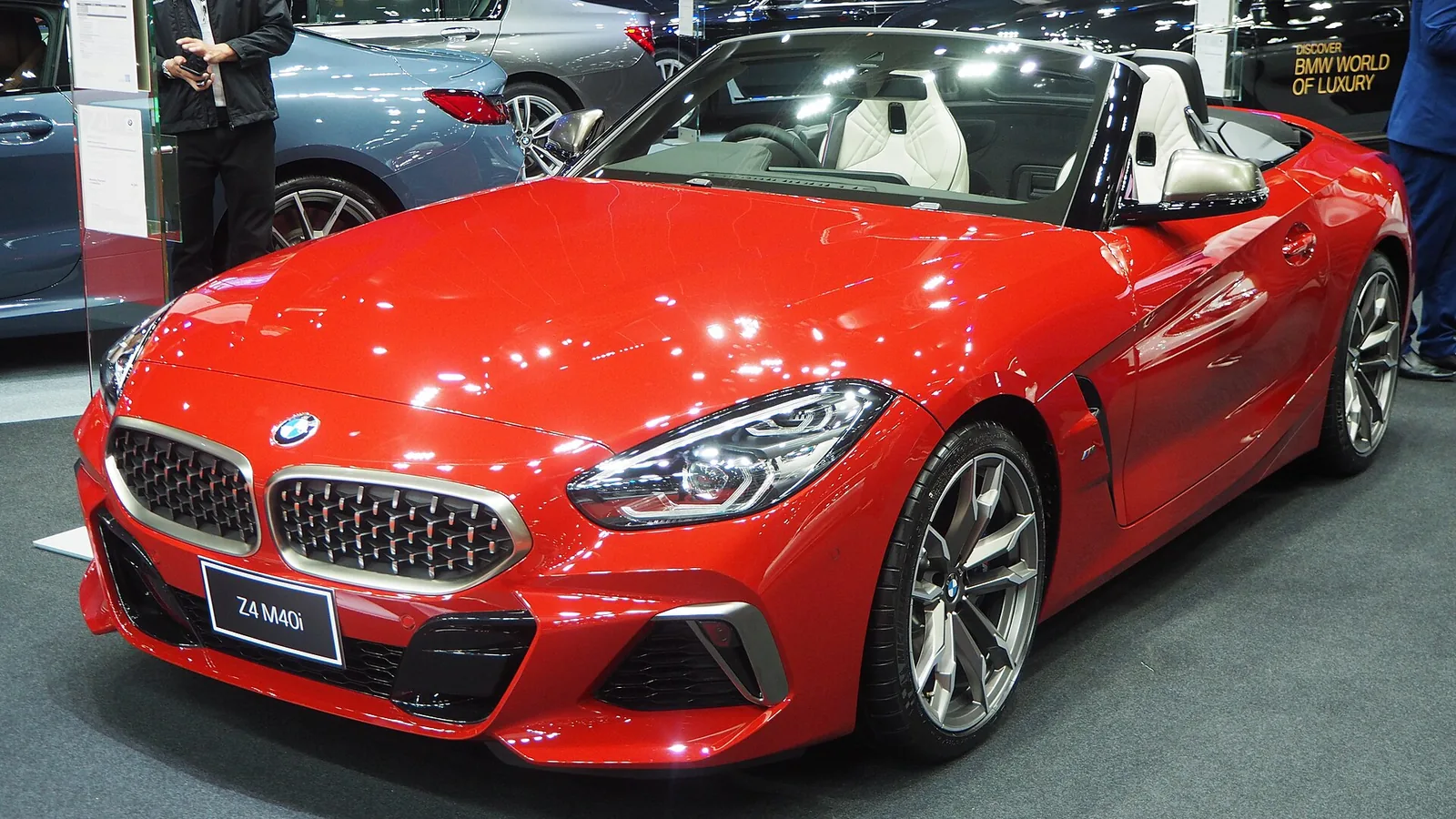
The G29 generation returned the Z4 to a fabric roof and retained the classic front-engine, rear-drive roadster layout. Its shared development background with the Toyota GR Supra is relevant, but the BMW has a distinct open cabin, chassis calibration, equipment strategy and model range. Four-cylinder derivatives prioritise lower mass and accessible performance, while the six-cylinder M40i provides the powertrain most closely associated with the modern Z4's enthusiast identity. Buyers should compare roof operation, luggage space, seat comfort and regional transmission availability alongside acceleration figures because these details determine whether the car works as a touring roadster rather than only a weekend performance machine.
This page separates verified model information from market-specific variables. Specifications, trim names and standard equipment can change by country and model year, so official regional material remains the final reference for an individual vehicle.
History & generations
The G29 Z4 restored BMW's compact roadster to a soft-top layout and shares its fundamental sports-car architecture with the Toyota GR Supra. The model's place in the range is therefore more important than a simple launch date: it represents third-generation g29 z4.
Generational context matters when shopping or researching. A shared badge does not guarantee identical structure, powertrain or equipment across years. Cariary treats the current profile as a defined generation and points readers to separate profiles when materially different predecessors or successors are documented.
Body, platform & design
A long hood, low seating position, short rear deck and folding fabric roof create classic roadster proportions with modern BMW surfacing. The proportions are not only visual; they reveal where passengers, mechanical components and luggage are placed. Exterior details can change with trim, wheel package and facelift, but the basic body architecture remains the more reliable way to identify the model.
Design should also be read functionally. Door openings, glass area, overhangs, roof shape and cooling requirements influence visibility, access, aerodynamics and usable space. The gallery is organised to show these relationships rather than repeat near-identical front three-quarter photographs.
_(1).jpg)
Engine & drivetrain
The sDrive30i uses a turbocharged four-cylinder, while the M40i uses BMW's turbocharged inline-six; transmission availability depends on market and model year. Power is delivered through rear-wheel drive, a choice that shapes traction, packaging and driving character.
Published output and performance figures must be tied to a specific derivative. Battery, engine, transmission, final-drive and software calibrations can change without the body appearing different. Prospective owners should verify the VIN, model year and regional specification instead of relying on a single headline number attached to the model name.

Trim differences
sDrive30i and M40i define the main range. The M40i adds power, chassis hardware and, in selected markets, a manual-transmission option. Appearance packages can resemble performance derivatives without sharing their mechanical changes, so badges alone are not enough.
A useful trim comparison starts with drivetrain, battery or engine, suspension, brakes, wheel size and seating configuration. Comfort and styling options come second. This order prevents an expensive visual package from being mistaken for the version that best fits the buyer's charging, passenger, cargo or performance requirements.
_1X7A7373.jpg)
Interior & seating
Two occupants sit low behind a driver-oriented dashboard, with a small but usable trunk that remains accessible whether the fabric roof is raised or lowered. Materials and screen size receive attention in showrooms, but seat access, driving position, control logic and outward visibility have greater long-term influence.
Cargo figures should be compared using the same measurement standard. Roof shape, load height, seat-folding design and small-item storage can matter more than a single published volume. Buyers carrying child seats, mobility equipment or bulky luggage should test the exact task rather than assume the body category guarantees sufficient room.
_(3).jpg)
Efficiency & range
The four-cylinder is the lighter and more economical choice, while the six-cylinder trades fuel use for stronger response and sound. Official ratings are produced under controlled cycles and are best used to compare similarly tested vehicles, not predict every journey.
Temperature, speed, load, tyres, wheel size and driving style all change consumption. Electrified models add charging losses and infrastructure; combustion models add fuel grade and urban idling. The relevant ownership question is whether the powertrain suits the reader's repeatable weekly pattern, including the least convenient trip rather than only the easiest commute.
Safety & equipment
Modern braking, stability, parking and available driver-assistance systems make the Z4 easier to use than older roadsters without changing its two-seat purpose. Feature names do not guarantee identical capability across regions, and assistance systems remain aids rather than replacements for an attentive driver.
Safety evaluation should combine crash-test information where available, basic visibility, tyre condition, braking hardware, child-seat access and the behaviour of assistance systems. Large wheels, unusual controls or limited rear vision can affect everyday risk even when the specification sheet contains a long list of electronic functions.
Strengths
Open-air experience, compact footprint, rear-drive balance, strong engines and all-season daily usability distinguish the Z4. This combination explains why the model can be a strong fit for open-top road touring.
Strengths are recorded here as product characteristics rather than universal praise. A feature is valuable only when it supports the user's actual work: passenger access, long-distance range, steering response, charging speed, cargo flexibility or low-speed control. The same feature may carry a cost in weight, complexity, price or efficiency.
The Z4 is most coherent as a fast, comfortable roadster for real roads, not as a convertible attempting to imitate a dedicated track car.
Considerations
Only two seats, limited storage, wind noise and a softer grand-touring character than a hard-edged track car define the compromise. These are not automatic reasons to reject the vehicle, but they deserve confirmation before purchase.
Ownership research should include insurance, tyres, servicing access, software support, warranty terms and resale conditions in the buyer's location. Complex drivetrains and premium equipment can make two visually similar examples very different propositions. A pre-purchase inspection and complete history remain more useful than an attractive option list.
Recommended use
The clearest use case is open-top road touring. The two-seat roadster format and rear-wheel drive layout should be judged against that mission. Buyers whose routine matches the design brief are more likely to use the model's expensive hardware rather than merely carry it.
It is less suitable when the buyer needs a fundamentally different body, seating plan, operating cost or infrastructure requirement. Test the longest regular trip, the tightest parking space and the largest recurring load. Those three checks expose more ownership friction than a short demonstration drive.
_1X7A6946.jpg)
Rivals & related
Relevant alternatives include Porsche 718 Boxster, Toyota GR Supra, Mazda MX-5 and used premium convertibles. They overlap in price, body style, performance or use case, but none should be treated as identical.
A fair comparison fixes the same model year and market, then compares drivetrain, usable space, charging or fuel needs, warranty and standard equipment. Cariary links to related Profiles and full Car Post reviews only when those pages exist, preserving a useful internal path without inventing unavailable coverage.
FAQ
What type of vehicle is the BMW Z4? It is a two-seat roadster intended primarily for open-top road touring. What powers it? The core configuration is turbocharged four- or six-cylinder petrol with rear-wheel drive.
What should a buyer verify? Confirm model year, trim, regional specification, equipment, service history and any market-specific range or efficiency rating. Is it the best choice for everyone? No. Its strongest qualities must align with the buyer's repeated use rather than an occasional idealised journey.
What makes the BMW Z4 different?
The Z4 is most coherent as a fast, comfortable roadster for real roads, not as a convertible attempting to imitate a dedicated track car.
Who should consider it?
Open-top road touring
Sources & updates
This profile prioritises manufacturer model pages, technical specifications and official newsroom material. Independent regulatory or test data should be added when it directly verifies a safety, efficiency or performance claim.
Source titles below describe what each link supports. Links are maintained as references rather than decorative outbound links, and the profile should be reviewed when the manufacturer changes the range, publishes a facelift or replaces the generation. Publication dates, regional pages and archived specifications are retained where possible so later revisions can distinguish a genuine product change from a simple website update or a difference between markets.
- Official BMW Z4 Roadster Overview →Official manufacturer or newsroom reference.
- BMW Group PressClub Z4 Technical Archive →Official manufacturer or newsroom reference.
Last editorial review: August 23, 2026. Specifications remain market- and model-year-specific.