Core summary
The L461 Range Rover Sport is a five-seat model in its own right. A six-cylinder, plug-in hybrid and SV V8 represent different ownership choices, not merely different badges.
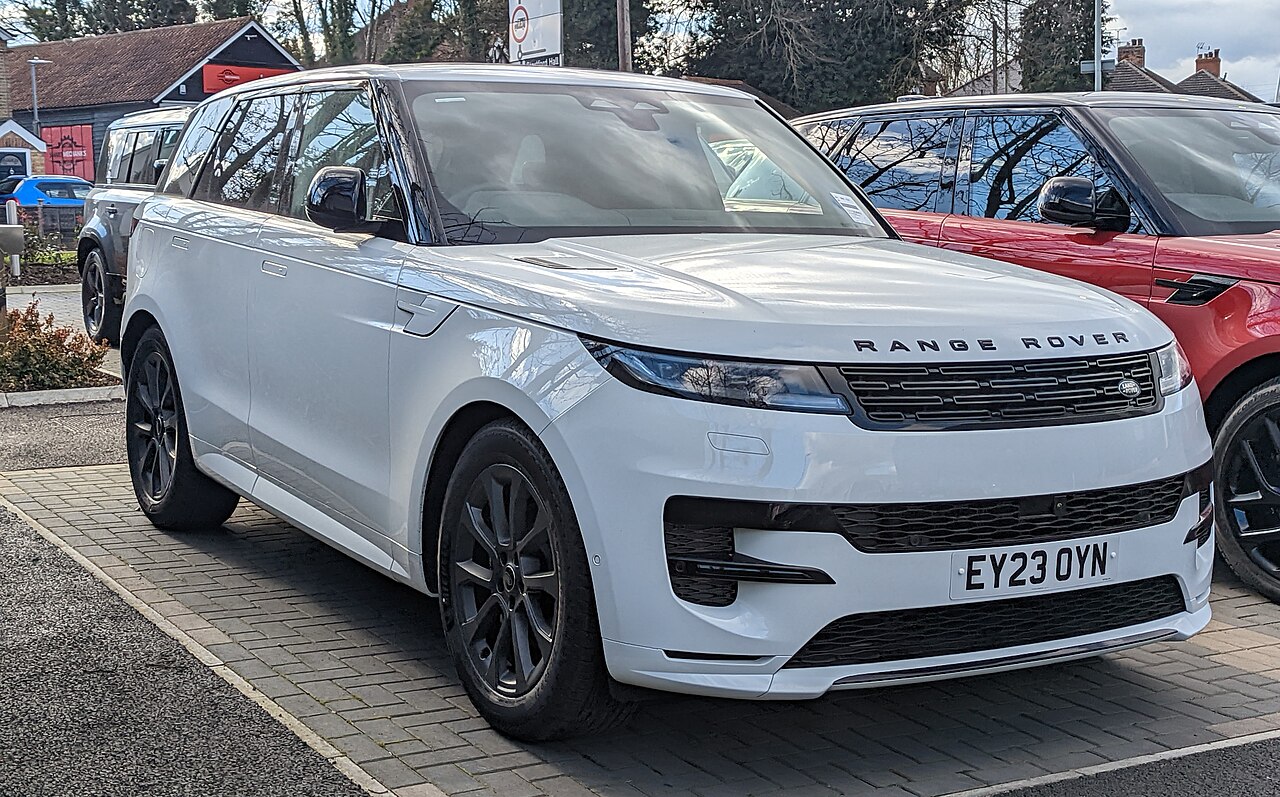
The L461 is the third-generation Range Rover Sport, introduced in 2022. It is a separate five-seat SUV, not simply a sporty trim of the full-size Range Rover. The photographs show regular L461 examples rather than SV performance models.
Cariary's buying priority is to match the drivetrain to the household. A plug-in only makes its strongest case when charging is practical, while a V8 should be selected with realistic fuel and maintenance expectations.
History & generations
The current body replaced the earlier Range Rover Sport generation. Around a model change, registration dates and stock photographs can mislead, so confirm the L461 identity from the vehicle's records.
Powertrain availability has evolved since launch and differs by market. P440e, P460e and P550e labels should not be used interchangeably, and older SVR descriptions do not establish the specification of the newer SV.
Body, platform & design
The smoother body surfaces and narrow lighting give the L461 a cleaner appearance than its predecessor. The gallery includes front and rear views of this generation without presenting a full-size Range Rover as the Sport.
Its proportions still call for a practical parking test. Measure the garage entrance and allow for mirrors and door opening, especially if the car replaces a narrower crossover. Styling alone says little about daily access.

Engine & drivetrain
The range includes six-cylinder mild hybrids, plug-in hybrids and V8 derivatives. The current manufacturer overview describes P460e and P550e plug-ins with a 3.0-litre inline-six and a 160-kW electric motor.
The US page separately quotes 523 hp for P530 and 626 hp for the SV's P635 V8. Do not assign the SV figure or its performance claims to an ordinary Sport. A mild hybrid is not externally charged like a PHEV.

Trim differences
Decide between conventional refuelling and regular plug-in use before considering trim finishes. A well-specified six-cylinder example may suit family travel better than an upper performance derivative chosen for its badge.
SV needs its own chassis and consumables assessment. Appearance editions and wheel choices are not automatically separate engines. Ask for the original build specification, particularly when comparing used cars with similar asking prices.
Interior & seating
The five-seat format is important: do not assume this generation provides an occasional third row because another Land Rover product does. Bring the people and child seats who will use the car.
Test loading height, rear-seat access and the control interface. Large wheels, upholstery and technology options can change the ownership experience without changing the body name, so a test in a differently specified demonstrator has limits.
Efficiency & range
For a PHEV, estimate how many regular journeys can start with a charged battery. Its weighted fuel figure is not a prediction for repeated long trips with little charging. Use the local rating for the exact derivative.
A mild-hybrid or V8 purchase needs a conventional fuel budget. Include tyres, insurance and servicing in the comparison rather than deciding solely from an advertised monthly payment or an isolated consumption headline.
Safety & equipment
Demonstrate the fitted cameras, parking sensors and assistance features. Four-wheel drive helps distribute propulsion, but it does not eliminate the importance of braking distance or suitable tyres in poor weather.
For a used L461, request campaign and service records and a specialist inspection of suspension, electronics and any underbody damage. Investigate warning messages rather than accepting that they will disappear after a short drive.
Strengths
The Sport combines a recognisable luxury identity with a more compact brief than the full-size Range Rover. Its range of powertrains gives buyers genuine alternatives within one body style.
That flexibility is most useful when selected deliberately. A household with home charging may value the plug-in proposition, while a frequent long-distance driver may place more weight on refuelling convenience and local service support.
Start with the powertrain that fits your journeys and charging access. Then test the exact wheel and suspension specification on familiar roads before paying for performance you may not use.
Considerations
This remains a substantial, complex luxury vehicle. Check the cost and availability of the exact tyre size and understand warranty coverage before purchase. Attractive used pricing does not turn expensive components into budget-car parts.
Also distinguish the pictured regular L461 from SV. Reviews of specialised performance hardware should not be used to promise the same behaviour from every Sport.
Recommended use
The Range Rover Sport suits buyers wanting five-seat luxury travel and willing to budget for the class. Test it on the roads, ramps and parking spaces that make up everyday life rather than only a smooth demonstration route.
If seven seats are essential, look elsewhere in the range. If charging is unavailable, assess the PHEV honestly against the other engines instead of assuming electrification always reduces running costs.
Rivals & related
Porsche Cayenne offers a useful comparison for buyers prioritising road dynamics, while BMW X5 provides another broad powertrain range. Match plug-in to plug-in when comparing energy costs.
The full-size Range Rover serves a different space and luxury brief. Defender is relevant when a different utility emphasis is wanted, but neither should be treated as simply a trim level of the Sport.
FAQ
Is Range Rover Sport a trim of Range Rover? No; it is a separate model.
Does the L461 have seven seats? This generation is a five-seater.
Can a mild hybrid be plugged in? No; that requires the PHEV derivative.
Are the gallery cars SV models? No; they illustrate the regular L461 body.
What makes the Land Rover Range Rover Sport different?
Start with the powertrain that fits your journeys and charging access. Then test the exact wheel and suspension specification on familiar roads before paying for performance you may not use.
Who should consider it?
Luxury family travel with varied road and weather demands
Sources & updates
Manufacturer references identify the dated specifications used here. Cariary buying assessments are editorial analysis, not a claimed first-hand road test or a diagnosis of an individual vehicle. Photographs carry individual source and licence credits. Confirm the exact build, market and equipment before purchase; photographs of another trim do not establish your car’s specification.
- Range Rover Sport US model overview →
- Range Rover Sport global powertrain overview →
- Range Rover electric-range guidance →
View all official references (3 more)
- Photograph — White third-generation Range Rover Sport front →Calreyn88; CC BY-SA 4.0
- Photograph — Black L461 Range Rover Sport rear at a show →Alexander-93; CC BY-SA 4.0
- Photograph — Black L461 Range Rover Sport front at a show →Alexander-93; CC BY-SA 4.0
Last editorial review: September 20, 2026. Specifications remain market- and model-year-specific.