Core summary
The 992 Porsche 911 places its engine at the rear, not at the front. Carrera, GTS, Turbo and GT derivatives differ substantially in powertrain, seating and intended use.
The 992 family retains a rear-mounted flat-six engine. Carrera, GTS, Turbo and GT derivatives differ sufficiently that one output, gearbox or seat count cannot describe the entire range. The 2024 Carrera/GTS update is the dated reference here, rather than a claim that every 992 is hybrid.
History & generations
The 2024 update commonly distinguished as 992.2 introduced T-Hybrid technology to the Carrera GTS. The regular Carrera followed a different powertrain path. This is a substantive engineering distinction from an earlier GTS, not merely a change in lights or infotainment, and matters when comparing used and newer examples.
Body, platform & design
Coupe, Cabriolet and Targa bodies create different roof experiences around the rear-engine format. The front luggage compartment also distinguishes the 911 from a conventional front-engine coupe. Practical suitability depends on the actual bags and seat configuration, rather than assuming the small rear area is equivalent to a normal rear bench.

Engine & drivetrain
Porsche’s updated GTS combines a 3.6-litre flat-six, an electrically assisted turbocharger and a motor integrated into the PDK transmission. The launch system rating is 398 kW/541 PS and 610 Nm. The regular updated Carrera instead uses a 3.0-litre twin-turbo engine; the GTS specification must not be assigned to it.
Trim differences
T-Hybrid is a performance-oriented hybrid system, not a plug-in commuting drivetrain. Likewise, a GT derivative is not simply a Carrera with a styling package. First choose the derivative and transmission offered for that model year, then compare options; the family name alone does not establish manual availability.
Interior & seating
The 2024 launch describes the updated Coupe as a two-seater with rear seats available as an option. This is why a universal four-seat claim is unreliable. Cabriolet, Targa and specialist derivatives need their own specification check. Occasional rear use should be confirmed on the actual car, not inferred from a familiar 911 silhouette.
Efficiency & range
The GTS hybrid system should not be evaluated as though it provides a plug-in electric commute. For running costs, use the exact derivative’s official figures and the intended mileage. A Carrera used for touring and a GT car used on circuit are too different to share one meaningful ownership estimate.
Safety & equipment
Tyres and braking hardware should match the intended use and conditions. Performance options are not automatic evidence of superior suitability for every road journey. This article does not certify a car for circuit use or infer its accident history from its appearance; a specialist assessment remains a separate matter.
Strengths
The family offers several distinct sports-car experiences without abandoning its rear-engine identity. A buyer can choose touring, open-air use or a more specialised performance brief. That breadth is valuable only if the comparison stays specific; the most extreme version need not be the best road companion.
A 911 should be chosen by derivative and intended experience, not by assuming that every version is the same car with more power. The rear-engine layout is the common identity; the rest needs a specific model reference.
Considerations
The important buying risk is collapsing very different derivatives into a single 911 price comparison. Seat arrangement, transmission, roof and powertrain revision can change the reason to buy. A higher asking price may reflect a different purpose rather than a straightforward improvement for the same owner.
Recommended use
For road touring, begin with the seating and roof requirements, then decide which drivetrain experience is wanted. For frequent circuit use, investigate the appropriate derivative and preparation separately. Buying a specialist model for an imagined future use can impose compromises on every ordinary journey.
Rivals & related
An Aston Martin Vantage offers a different front-engine sports-car concept, while a Porsche 718 provides a mid-engine internal comparison. Neither duplicates the 911’s layout. The useful comparison is the experience and practicality wanted, not simply matching horsepower between architectures with different priorities.
FAQ
Q: Is the 911 front-engined?
A: No. Its engine is mounted at the rear.
Q: Is every updated 992 a hybrid?
A: No. The cited GTS T-Hybrid and Carrera have different powertrains.
Q: Can T-Hybrid be plugged in?
A: No. It is not a plug-in system.
Q: Does every 911 have rear seats?
A: No. Derivative and configuration matter.
What makes the Porsche 911 different?
A 911 should be chosen by derivative and intended experience, not by assuming that every version is the same car with more power. The rear-engine layout is the common identity; the rest needs a specific model reference.
Who should consider it?
Sports-car touring with model-specific practicality
Sources & updates
Manufacturer references: Porsche: 2024 Carrera and Carrera GTS update; Porsche: Carrera GTS T-Hybrid engineering. Direct links are listed below. These dated references identify the model years and markets discussed; they do not establish a universal specification.
Comparisons and suitability judgements are Cariary editorial analysis, not a first-hand road test. Photograph credits and captions identify illustrative vehicles; photographs alone do not verify trim or equipment.
- Porsche: 2024 Carrera and Carrera GTS update →Dated manufacturer specification; editorial analysis distinguished in text.
- Porsche: Carrera GTS T-Hybrid engineering →Dated manufacturer specification; editorial analysis distinguished in text.
- Official model information →
View all official references (4 more)
- Manufacturer media archive →
- Porsche: 992 Carrera powertrain →
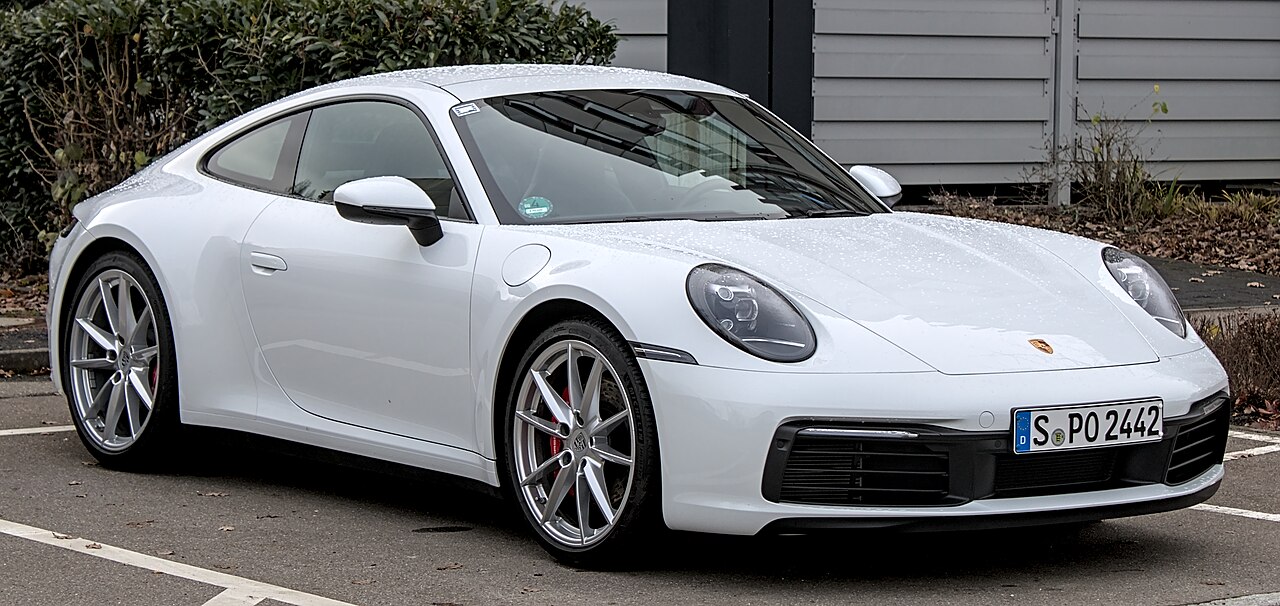
- Photograph — White Porsche 911 Carrera S 992 Coupe, front three-quarter view →Alexander Migl; CC BY-SA 4.0
- Photograph — White Porsche 911 Carrera S 992 Coupe, rear three-quarter view →Alexander Migl; CC BY-SA 4.0
Last editorial review: September 20, 2026 — vehicle-specific editorial revision. Specifications remain market- and model-year-specific.