
This Bentley Continental GT Review examines the vehicle through Cariary’s buyer-focused perspective.
The current Continental GT’s defining change is beneath its familiar silhouette: a V8 plug-in-hybrid system brings extraordinary claimed performance, while the cabin, ride-focused character and Bentley badge preserve its appeal as a conspicuous but comfortable daily grand tourer.
Table of Contents
- The Verdict: Bentley’s Philosophy Matters More Than Visual Revolution
- A V8 Plug-In Hybrid Is the Real Fourth-Generation Story
- Electric Running Adds Everyday Relevance—If You Can Charge at Home
- The Exterior Is Familiar at the Front, Stronger at the Rear
- Hand-Finished Cabin Craft Still Carries the Luxury Argument
- Comfort Is the Point, Not an Excuse for Slow Progress
- Rear Seats Make It a 2+2, Not a Practical Four-Seat Car
- Craftsmanship and Repairability Pull in Different Directions
- Why the Bentley Badge Is Part of the Product
Bentley Continental GT Review: The Verdict: Bentley’s Philosophy Matters More Than Visual Revolution
The Continental GT is best understood not as a radically reinvented coupe, but as a modernisation of an established Bentley idea: arrive quickly, comfortably and with unmistakable social presence. The supplied owner assessment argues that the fourth-generation label is earned chiefly by the reworked powertrain rather than a wholesale change in appearance or cabin architecture. That is a meaningful distinction for buyers expecting a visibly dramatic clean-sheet redesign.
Cariary’s view is that this restraint is both the car’s strength and its qualification. It protects the familiar Continental identity and keeps the purchase focused on effortless luxury rather than novelty for novelty’s sake. Yet owners of the preceding car may reasonably feel that much of the visual and interior experience remains recognisably familiar. Choose it for the total Bentley proposition—craft, performance and the winged badge—not solely for a transformation in styling.
A V8 Plug-In Hybrid Is the Real Fourth-Generation Story
According to the supplied owner material, the Continental GT combines a 4.0-litre V8 rated at about 600PS with an electric motor of roughly 190PS, for a quoted combined maximum of 782PS. The same material cites 0-100km/h in approximately 3.2 seconds. These are claimed figures rather than independently measured Cariary results, but their buyer relevance is clear: this is grand-tourer performance delivered at a level once reserved for much more overtly focused machinery.
The change gives the Continental GT a more persuasive technical case than an exterior-led update would. Independent coverage supports the broad positioning: Motor1 characterised the 2026 Continental GT S as taking a Porsche-like approach but making it more luxurious, while Arabian Business described the Azure’s appeal as speed without tension. Those are trim-specific impressions, not a substitute for testing every Continental GT variant, but they reinforce the central idea. This Bentley is intended to make immense pace feel composed rather than demanding.
Electric Running Adds Everyday Relevance—If You Can Charge at Home
The owner-supplied specifications list a 25.9kWh battery, an electric-only range of around 81km, and AC charging at up to 11kW. A 7kW charger is said to require roughly three to four hours, while DC rapid charging is described as unavailable. There is also said to be a mode that uses the engine to replenish battery charge while driving. Exact range and charging performance will vary by market, conditions and final specification, so buyers should verify local figures before ordering.
In practical terms, the PHEV system is most compelling for an owner with dependable home or workplace charging. An indicated electric range of this scale can potentially cover many shorter journeys without asking the V8 to do all the work, while the combustion engine preserves the long-distance freedom expected of a Continental. The lack of rapid charging is the important caveat: this is not a car built around opportunistic high-speed public charging. Charging access is therefore a purchase condition, not a minor convenience.
The Exterior Is Familiar at the Front, Stronger at the Rear
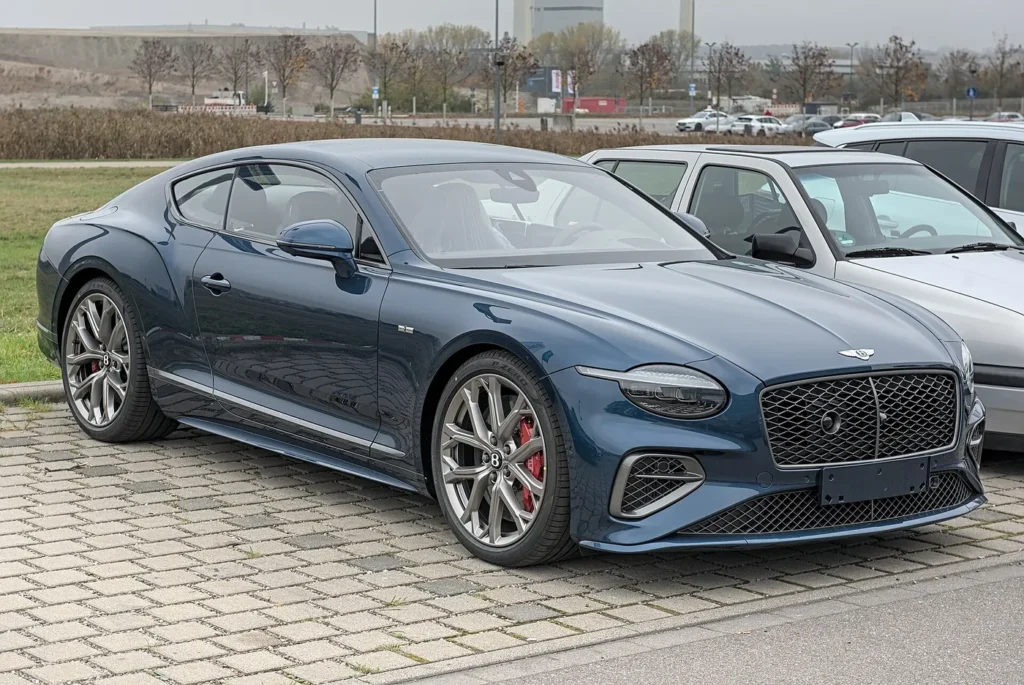
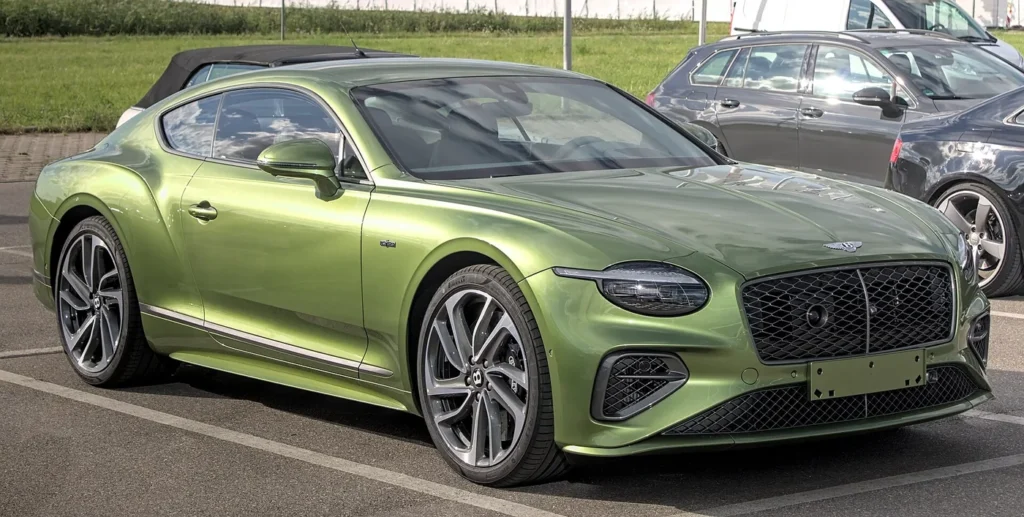
The owner perspective sees the new front-end lighting as sharper and more linear than the round-lamp look traditionally associated with the Continental, but questions whether the change goes far enough for an ultra-luxury new model. This is a fair subjective criticism: evolution keeps the car recognisable, though familiarity can look conservative when viewed beside more aggressively restyled rivals.
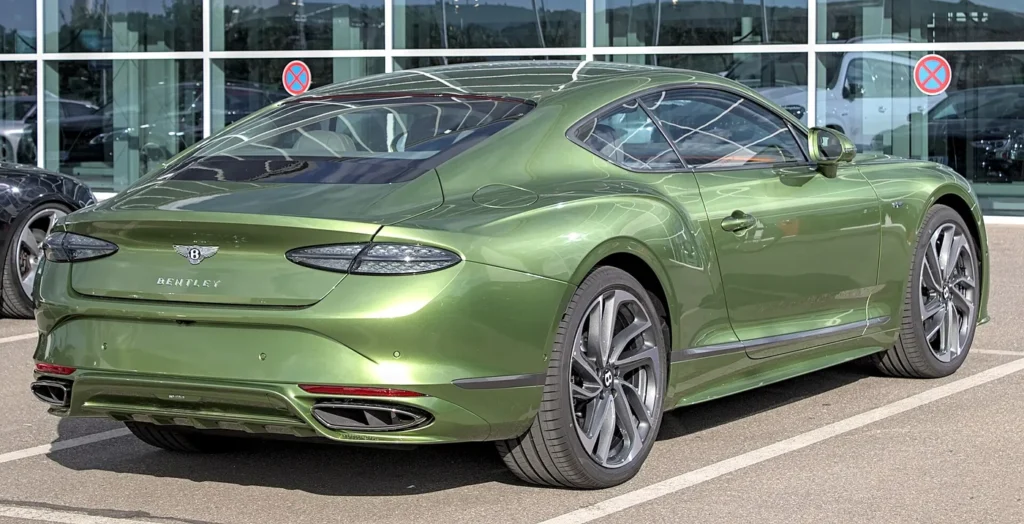
The rear is the more convincing part of the design in Cariary’s reading of the supplied assessment. Slimmer, more assertive tail-lamps, a crystal-like lighting effect and clearer body surfacing give the back of the car a leaner, more technical impression. That matters because a Continental GT is as much an object of arrival as it is a car to operate. Buyers who want elegance without visual anonymity should find its overall presence persuasive, even if they would have preferred a bolder departure at the nose.
Hand-Finished Cabin Craft Still Carries the Luxury Argument
The interior is described as broadly similar in layout to its predecessor, with diamond-pattern perforation and stitching, Alcantara trim and a level of hand-finished execution that remains a core part of the Bentley appeal. The supplied material also describes a rotating central display with three faces: a 12.3-inch screen, a set of analogue-style instruments comprising a compass, clock and temperature gauge, or a veneer panel that hides the display.
That feature captures what the Continental does better than a technology-first luxury car. It does not reject digital functionality; it allows the owner to remove it from view when the occasion calls for a calmer, more traditional cabin. Cariary’s judgment is that this is a stronger expression of luxury than simply fitting a larger screen. The limitation is equally plain: buyers seeking an obviously new cabin concept may see continuity where Bentley sees timelessness.
Comfort Is the Point, Not an Excuse for Slow Progress
The ownership case is built around comfort as much as badge value. The owner interview identifies the ideal user as someone seeking a daily car that combines brand importance with a comfortable ride, and describes the Continental GT as comfortable wherever it goes while still earning recognition from others. Arabian Business’s Azure drive similarly reported a quiet cabin and an unhurried character in slow Dubai traffic; that report is specific to the Azure, but it supports the wider Continental GT brief.
This is where the car’s huge output should be interpreted correctly. The headline is not merely that it is fast; it is that the performance is intended to coexist with a relaxed luxury experience. Cariary would not present that as a promise that every trim rides identically, but it explains why the Continental GT has a distinct place among expensive performance cars. Its appeal is not about making every journey feel like a track session.
Rear Seats Make It a 2+2, Not a Practical Four-Seat Car
The owner-supplied assessment calls the Continental a four-seat coupe but notes that the rear accommodation is tight for adults, with limited space beneath the front seats for feet and restricted headroom. It also highlights the pillarless hardtop arrangement, in which both side windows can open without a B-pillar, as a particularly stylish feature.
The pillarless profile contributes greatly to the occasion of the car, but it does not make the rear compartment a family-car substitute. The rear seats are best treated as occasional accommodation rather than the basis for regular adult transport. This is the defining practical compromise. Buyers who routinely carry adult passengers, prioritise easy access, or need a genuinely versatile load-and-passenger solution should not rationalise away the limitation simply because the Continental has four seats.
Craftsmanship and Repairability Pull in Different Directions
The supplied owner perspective values Bentley’s hand-worked production and views it as evidence of the brand’s premium position. It also suggests that some previously complex aluminium superforming construction has given way to more conventional panel structures, a change regarded with some regret from a craft perspective but potentially helpful for accident repairs and replacement parts. Cariary has not independently verified the extent of this construction change, so it should be treated as informed owner commentary rather than a confirmed engineering specification.
Even so, the observation identifies an important luxury-car tension. Buyers may admire difficult-to-produce construction as part of the object’s specialness, while also appreciating a less complicated path to restoring the car after damage. The Continental GT’s value is inseparable from its craftsmanship, but long-term ownership is not improved by treating serviceability as beneath consideration. Discuss repair processes, parts availability and insurance requirements with a retailer before committing.
Why the Bentley Badge Is Part of the Product
When asked what remains after the specification sheet is forgotten, the owner interview’s answer was simply the brand mark. That may sound superficial, but in this part of the market it is direct and honest. The Bentley emblem carries recognition, heritage and a particular promise: high performance presented with formality, craftsmanship and comfort rather than stripped-back aggression.
Cariary’s conclusion is that the badge is not a substitute for substance here; it is the thread that connects the car’s individual elements. The plug-in-hybrid V8 supplies excess performance, the cabin supplies hand-finished theatre, and the shape supplies immediate recognition. A buyer who wants maximum practicality will find that logic unconvincing. A buyer who wants a daily grand tourer that feels acknowledged before the door opens will understand exactly why the Continental GT exists.

Cariary Perspective
The Bentley Continental GT is a compelling luxury-performance daily driver for the buyer who values visible status and calm, high-speed capability more than packaging efficiency. Its most consequential update is the claimed 782PS V8 plug-in-hybrid powertrain, not a dramatic visual reset, so existing Continental owners should not expect an entirely unfamiliar car. The enduring cabin craftsmanship, screen-hiding theatre and increasingly sharp rear design preserve the Bentley character; the tight rear seats and charging-dependent PHEV proposition set the boundaries. Buy it because the Bentley philosophy is the destination, not because it is the most rational four-seat car for the money.
Recommended For
- Buyers wanting a comfortable, recognisable Bentley grand tourer for frequent daily use
- Owners with reliable home or workplace AC charging who can use the plug-in-hybrid system regularly
- Drivers who value exceptional claimed performance without a deliberately raw, track-led character
- Luxury buyers for whom hand-finished cabin details and the Bentley badge are central to the purchase
Not Recommended For
- Buyers who need regular, comfortable adult rear-seat accommodation
- Families seeking a genuinely practical four-seat car with maximum everyday versatility
- Drivers without convenient charging access who would not benefit from the PHEV system
- Existing Continental GT owners expecting a dramatically different interior and exterior experience
Sources and Further Reading
Frequently Asked Questions
What is the key change in the current Bentley Continental GT?
The supplied owner assessment identifies the V8 plug-in-hybrid powertrain as the major change, with a quoted 782PS combined output.
Is the Bentley Continental GT practical for four adults?
It has four seats, but the supplied assessment describes the rear accommodation as tight for adults. It is better viewed as a 2+2 for occasional rear use.
Can the Continental GT be rapid charged?
The supplied material describes AC charging up to 11kW and says DC rapid charging is not supported. Confirm local specifications with a Bentley retailer.
Who should buy a Continental GT?
It suits buyers who prioritise comfort, brand presence, craftsmanship and effortless high performance over maximum practicality.
Data reference date: 2026-08-26

