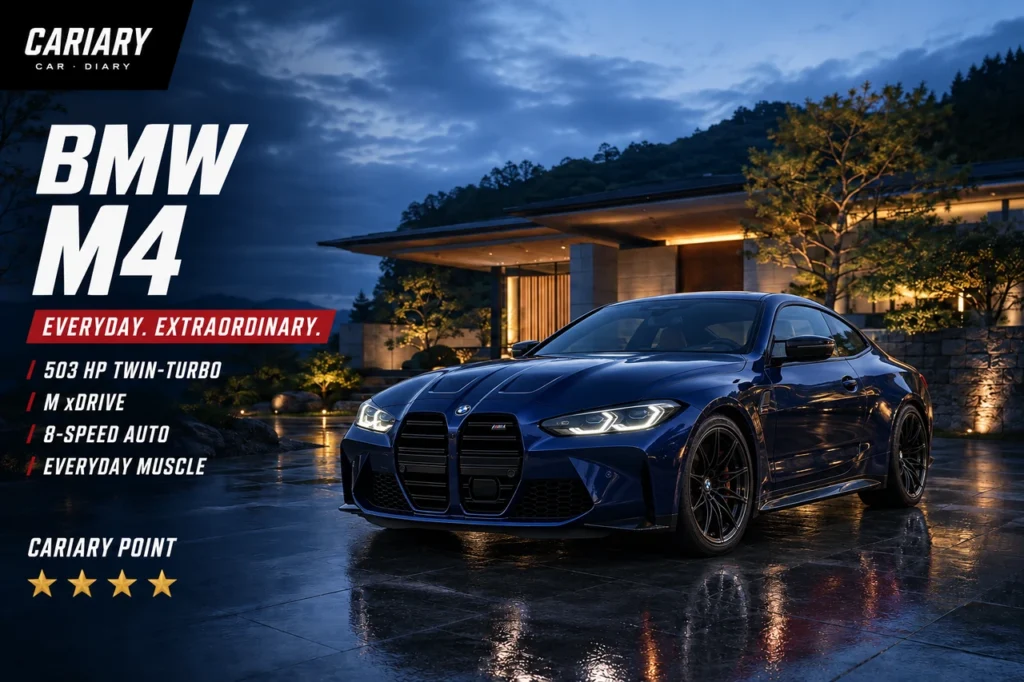
CARIARYCAR · DIARY · PERSPECTIVE
Cover: AI-generated Cariary editorial illustration, visually checked against the specified vehicle. It is not road-test photography.
This BMW M4 review asks whether enormous performance can still make sense in a car used for ordinary journeys. The early Competition xDrive provides a persuasive answer, provided the buyer accepts the coupe’s size, running costs and access compromises.
The appealing part is the range of jobs it can do. There is a serious performance powertrain, a usable luggage compartment and a cabin that does not require supercar-style commitment every time you get in. A driver can want the car on a Sunday and still find a reason to take it out on Monday.
Cariary would approach it as a complete ownership package. The launch number can attract attention; seat comfort, tires, parking and maintenance determine whether that attention turns into lasting satisfaction.
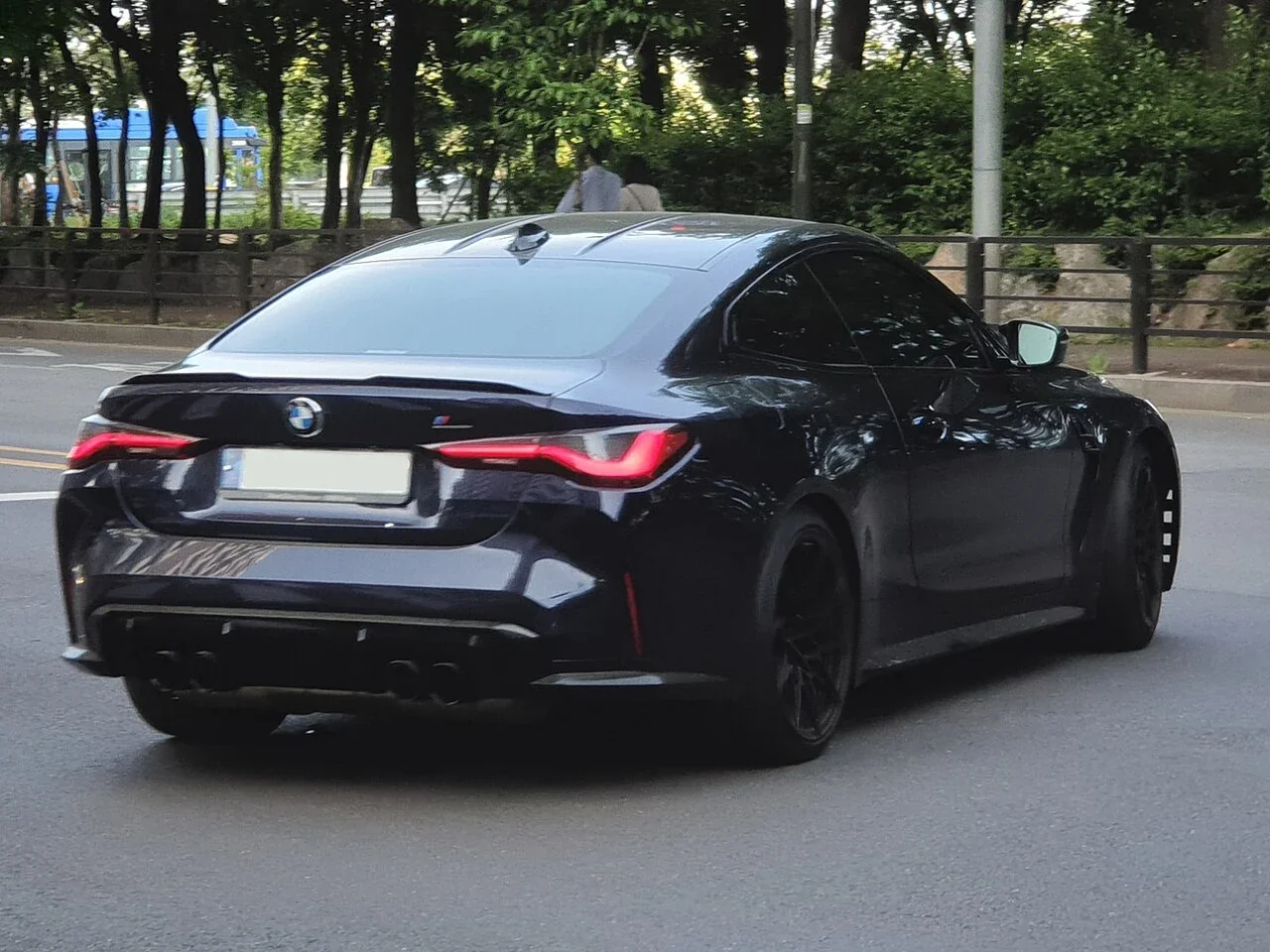
This research-based review focuses on the early G82 Competition xDrive Coupe, using the 2022 U.S. specification. Later 2025 updates are identified separately. It is not a Cariary road test; overseas photographs are labeled by their visible specification.
Four stars for the breadth of performance and everyday use. Coupe access, size and costly consumables prevent an unconditional recommendation. This is an editorial assessment, not a personal road-test score.
BMW M4 Review: Key Specifications
| Reference | 2022 U.S. Competition xDrive Coupe |
|---|---|
| Engine | 3.0-liter twin-turbo inline-six |
| Output | 503 hp / 479 lb-ft |
| Transmission | Eight-speed M Steptronic automatic |
| Driven wheels | M xDrive AWD |
| Manufacturer 0–60 mph | 3.4 seconds |
| Seating | Four |
| Original base MSRP | $78,800 plus $995 destination; historical |
BMW M4 Review: Start With the Right Version
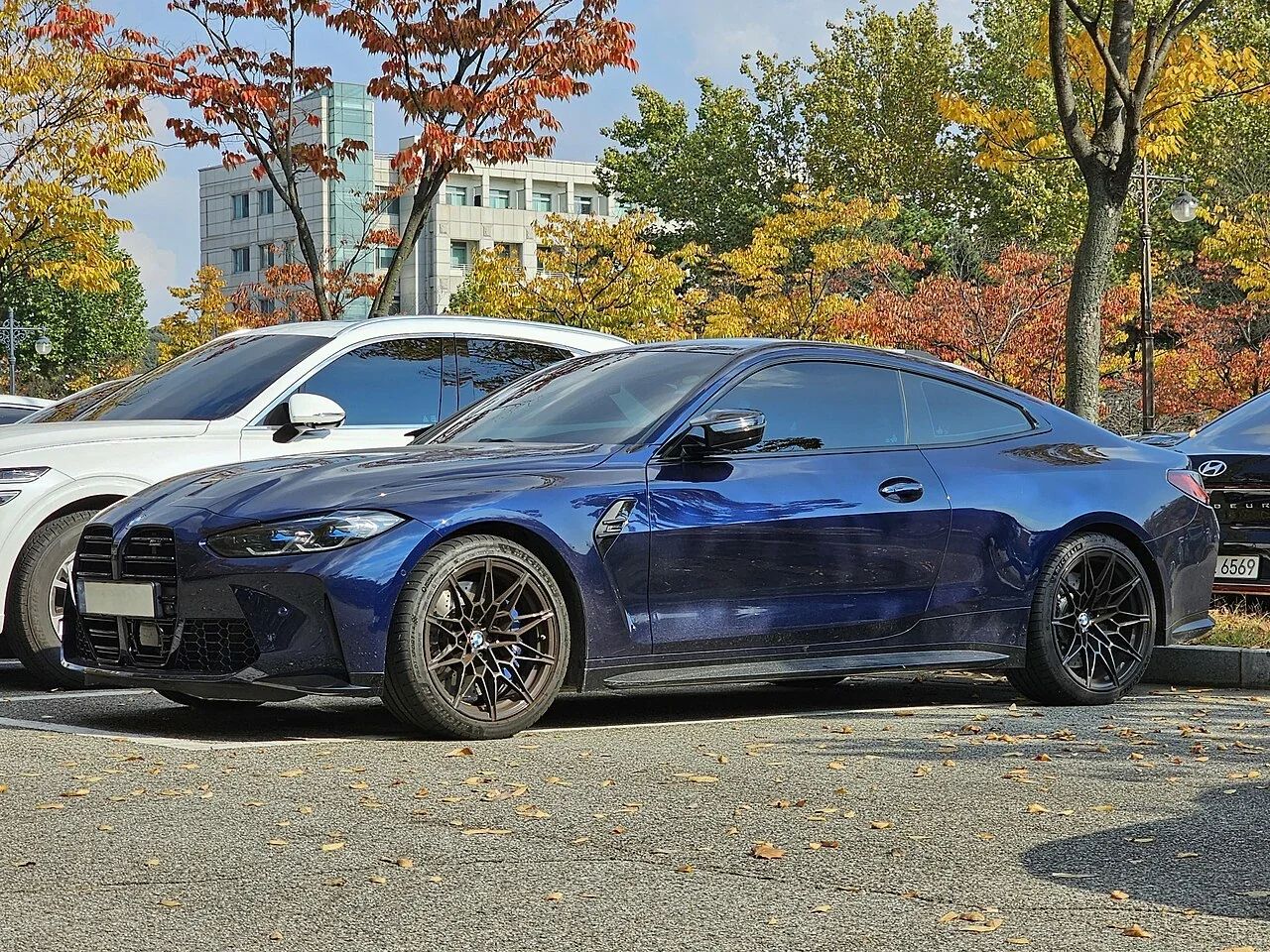
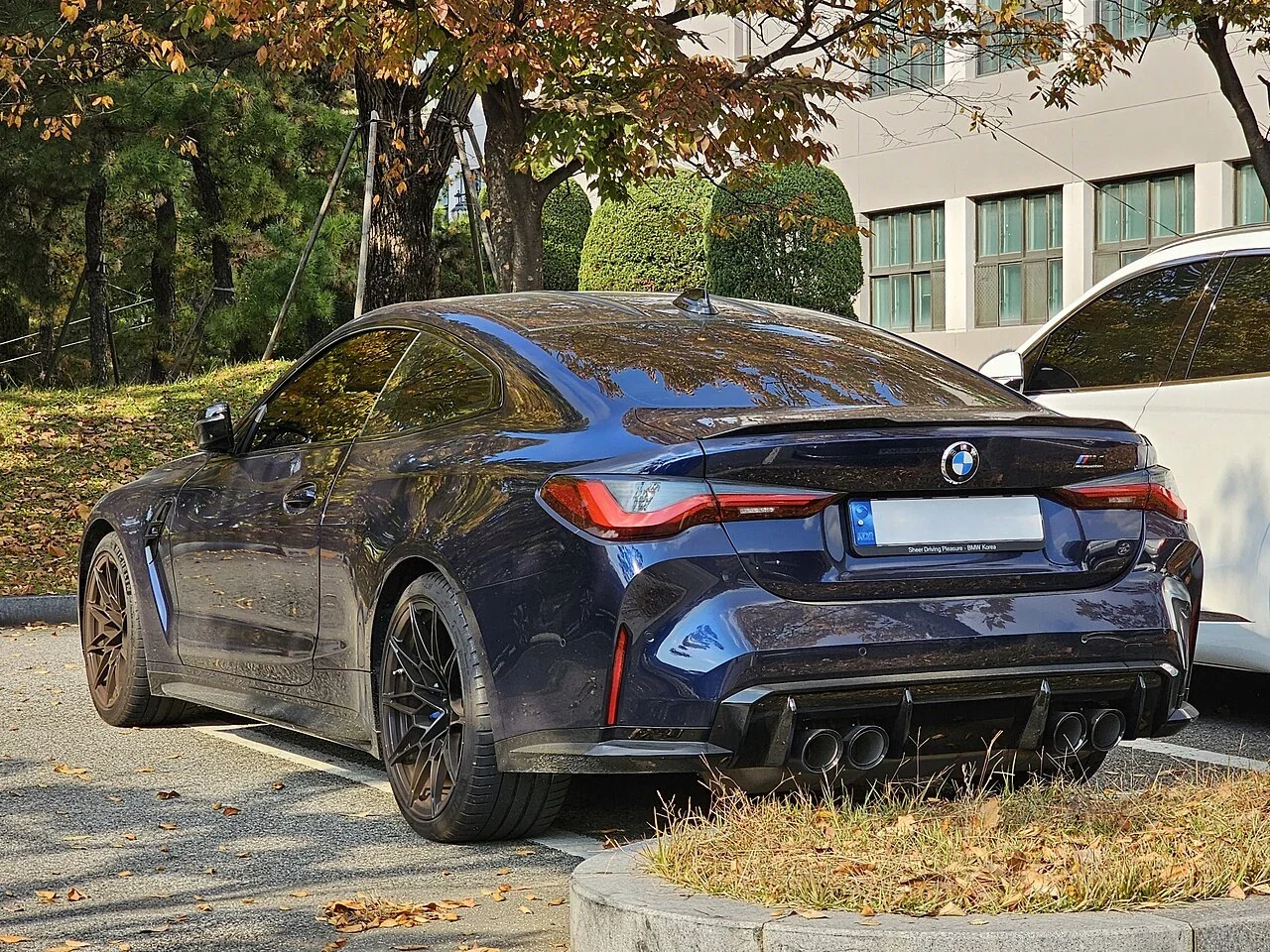
M4 is a family name, not one fixed driving experience. This article centers on the early all-wheel-drive Competition coupe. The manual rear-wheel-drive car, the rear-drive Competition and special CS or CSL versions should not be treated as equivalent simply because their grilles look related.
BMW’s 2022 U.S. launch release specifies 503 hp, 479 lb-ft and a $78,800 base price before destination. These period numbers establish the car reviewed here. They are not current dealer prices or a promise about the specification of an imported example.
For a used buyer, the identification work comes before comparing advertisements. Check the build specification, model year, drivetrain, seats, brakes and any aftermarket changes. Two cars with the same badge can make very different ownership propositions once condition and options are considered.
The Toyota GR Supra illustrates a different route to a fast coupe: fewer seats and a smaller brief. The M4 earns its place through breadth. If that breadth will never be used, the extra size is harder to justify.
503 HP Is Plenty; Delivery Matters More
The S58 inline-six gives the early Competition a substantial reserve. The interesting question is how that reserve fits the driver’s roads. Frequent short trips may reveal more about response at modest throttle than about peak power. A buyer should spend time in both situations before deciding what the engine adds to daily life.
An automatic transmission is part of this specification. It reduces the work of commuting and lets the driver call for a gear with a paddle when desired. The trade-off is that it cannot provide the same physical participation as coordinating a clutch pedal. More performance does not make that preference disappear.
Avoid choosing an aftermarket power package before learning the standard car. Modifications can complicate inspection, support and resale, and a higher advertised output does not establish a better-balanced road car. Request documentation for the installed software and hardware rather than accepting a vague assurance that the car is “only lightly tuned.”
For Cariary, a healthy standard example is a convincing starting point. The aim is to enjoy performance repeatedly, not to turn every trip into a demonstration. That leaves room for the engine to feel special without making maximum acceleration the only measure of success.
What M xDrive Actually Adds
BMW describes a rear-biased, variable system that can send drive to the front axle when needed, working with the rear differential and stability control. This helps explain the appeal without pretending that the car has a permanently fixed front-to-rear torque split.
The practical benefit is the ability to use more of the engine’s output when traction allows. The practical limit remains the tire’s contact with the road. All-wheel drive does not create additional braking grip simply because it improves acceleration, and appropriate tires still matter in cold or wet conditions.
In Car and Driver’s 2022 test, the Competition xDrive reached 60 mph in 2.8 seconds. That is the publication’s result under its own procedure. BMW’s 3.4-second claim is retained in the specification table rather than blending the two into one supposedly universal figure.
A driver who prefers a manual is still allowed to choose it. The xDrive car’s advantage is repeatable ease, while the manual offers another form of involvement. The sensible decision follows how you want to interact with the car, not a ranking built around a single stopwatch result.
The Seat Choice Can Matter More Than Another Option
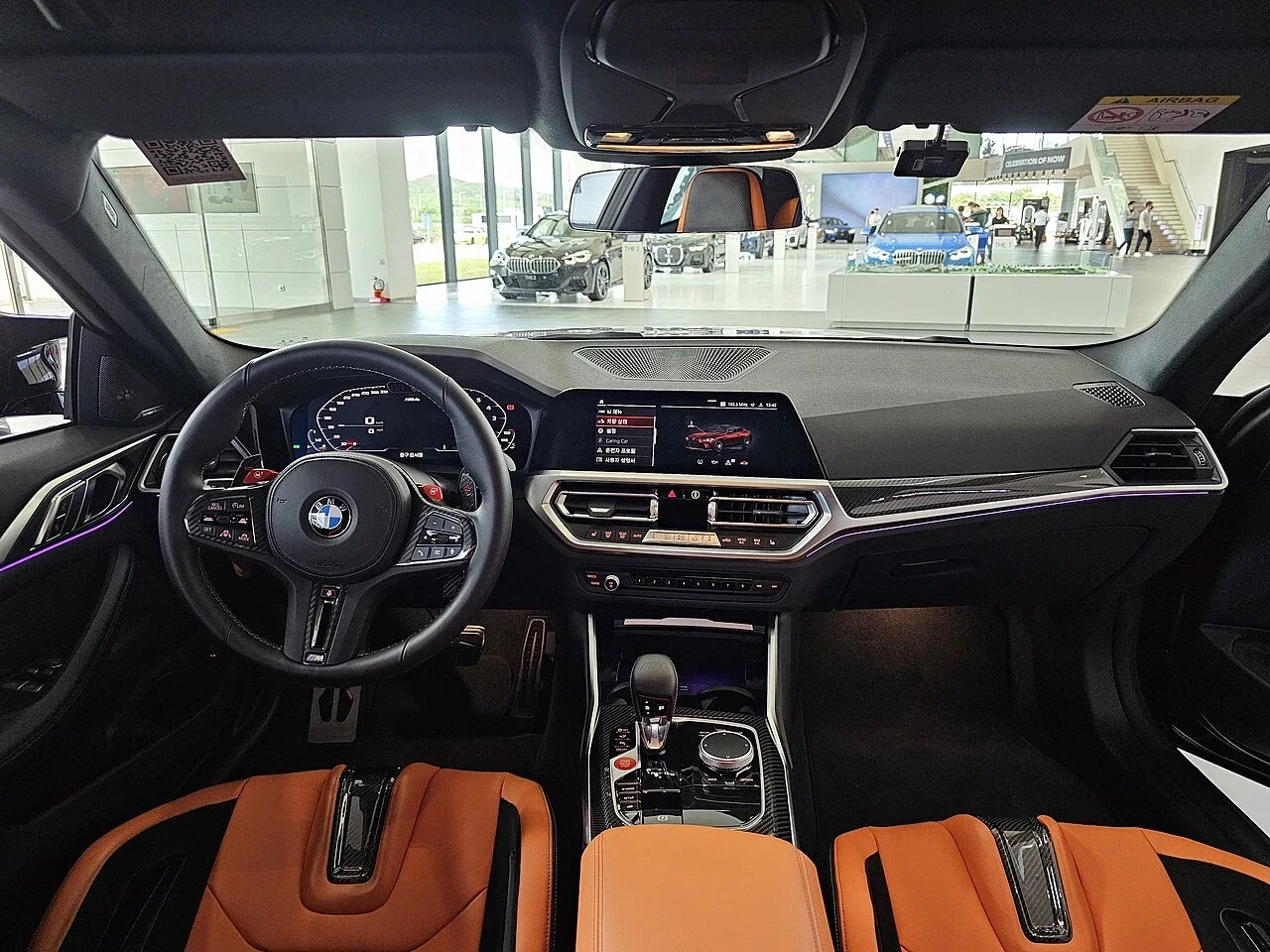
The real early-G82 cabin photographs show a driver-oriented layout with conventional physical controls and separate display areas. They are useful references for this period, rather than evidence of the later curved-screen interface. Equipment and steering position must still be checked against the actual car for sale.
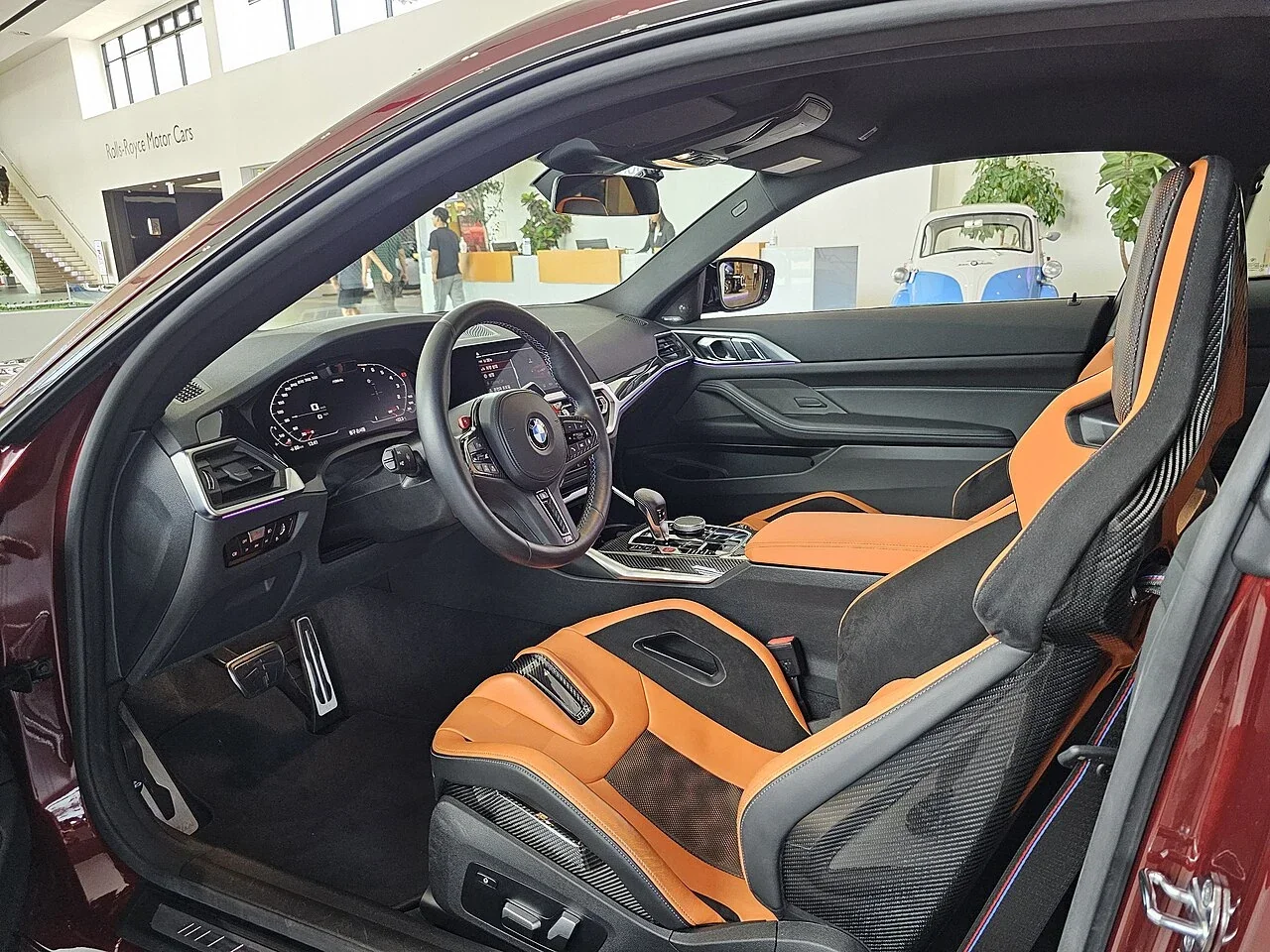
Spend time in both the standard sport seat and any optional carbon bucket that interests you. A seat can provide excellent lateral support and still be awkward for your body during entry or a long journey. The most dramatic-looking option is not automatically the most rewarding one to own.
Reproduce your routine during the seat test: adjust the wheel, reach the controls, move a coat or bag and get out in a narrow space. Check whether a passenger can find a comfortable position too. These small exercises reveal more than a photograph of the carbon shell.
Cariary’s preference is the seat that encourages use. A car selected for its daily versatility loses some of its argument if its owner starts avoiding short trips because access has become irritating. Track-focused options make sense when their benefits match the intended use.
A Coupe With Practical Space, but Coupe Access
The M4’s rear seats and luggage space make it more adaptable than a two-seat sports car. That does not make it a four-door sedan. Rear passengers must still pass the front seats, and the usefulness of the available room depends on the people, child seats and journeys involved.
Anyone expecting regular family use should try the exact task before buying. Install the intended child seat according to the manufacturer’s guidance, check access and confirm that the front seating position remains acceptable. Bring the usual luggage rather than relying only on a capacity figure.
Long doors also deserve attention in a home garage or a busy car park. A generous opening on a showroom floor can become a narrow gap beside another vehicle. The coupe’s shape is part of its appeal, but it asks for more space during entry than the exterior footprint alone suggests.
The LC 500 offers another answer to the attractive-coupe question, with a different emphasis on engine character and touring. The M4’s argument is strongest when its additional performance and everyday flexibility both have a real job to do.
Wheels, Tires and the Comfort Test
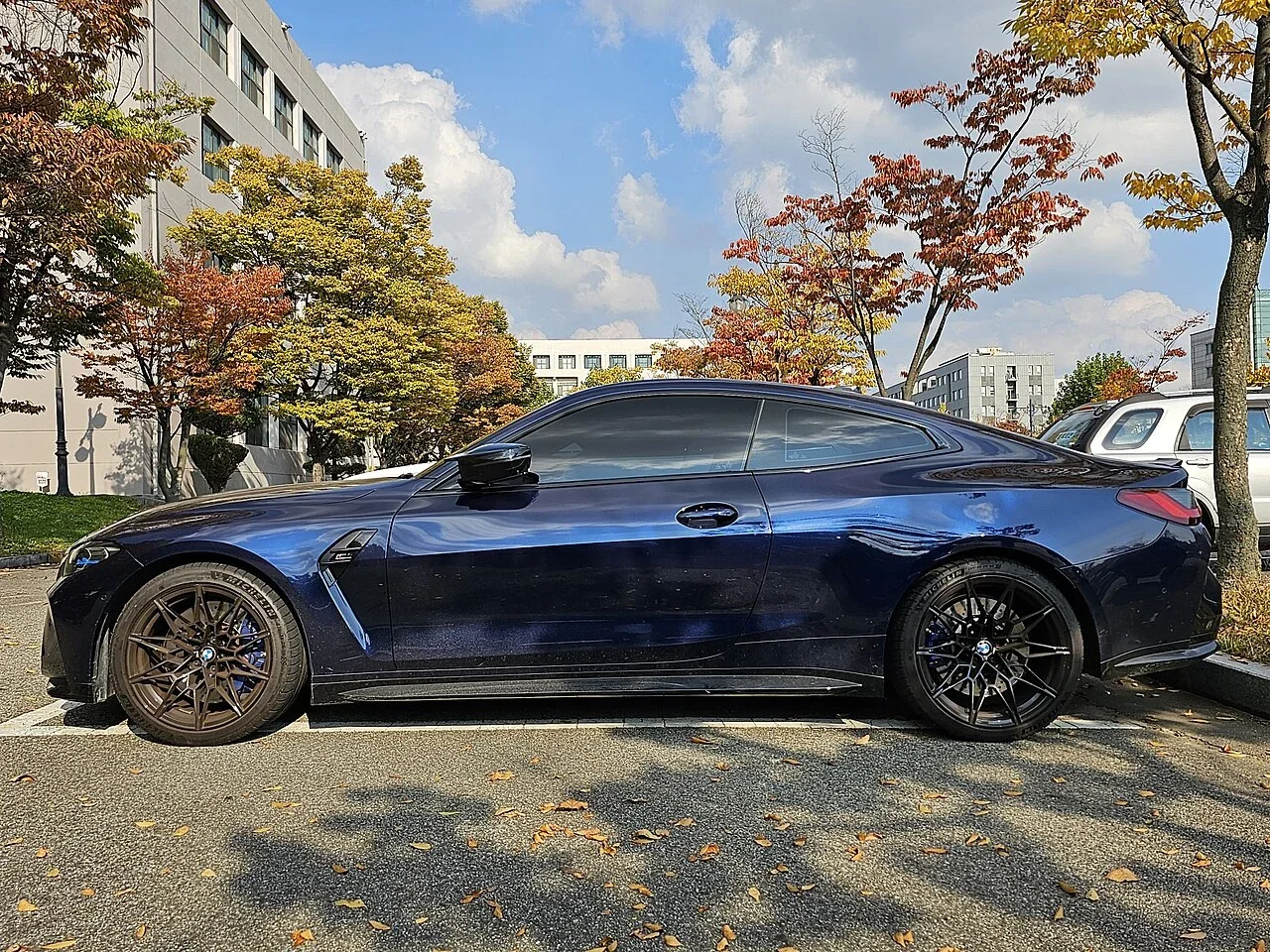
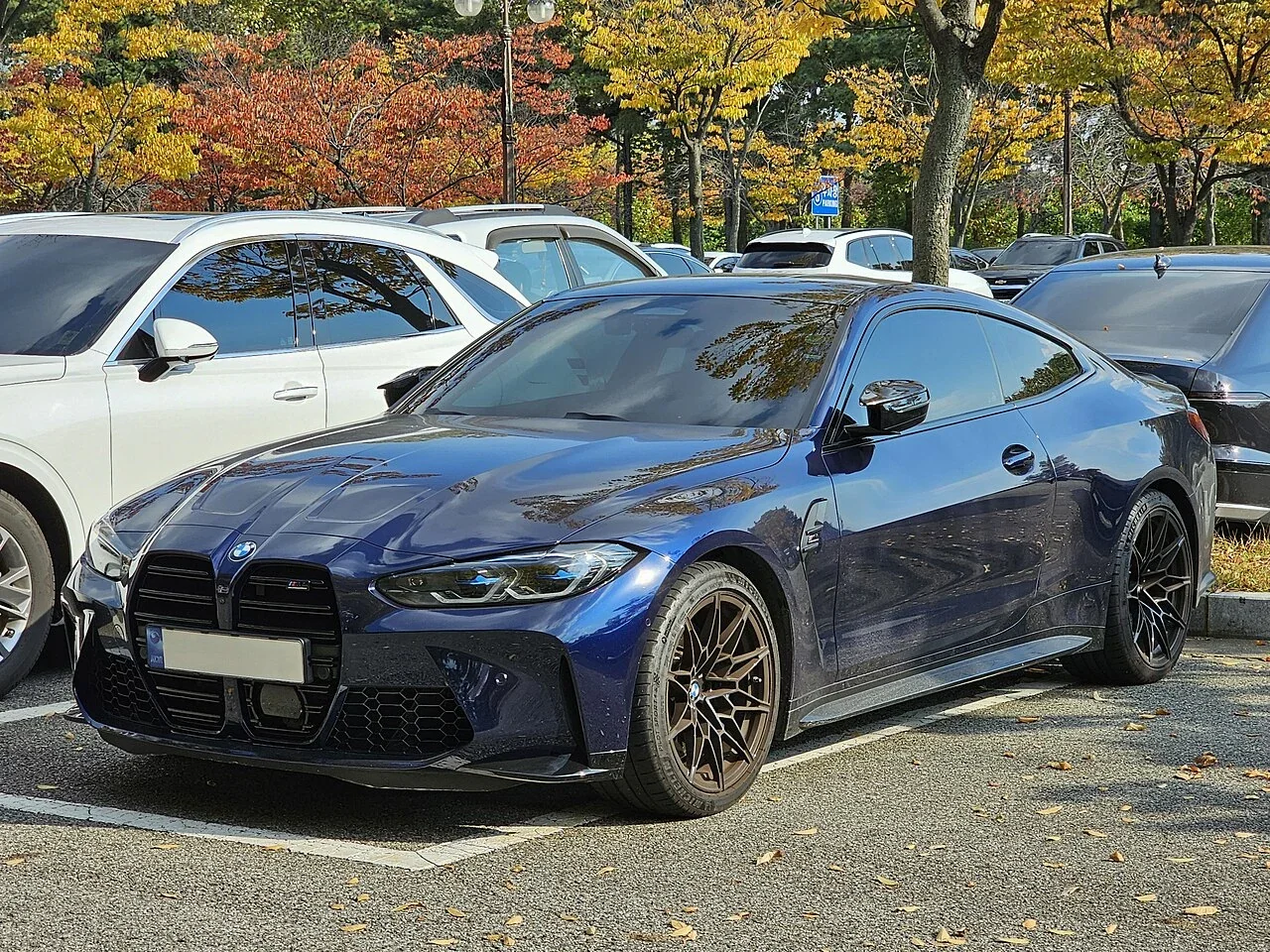
The early xDrive specification pairs 19-inch front wheels with 20-inch rears. A staggered setup is part of the factory package, so replacement planning needs to follow the correct sizes and specifications. A matching appearance alone does not establish that a used car has the right tires fitted.
Inspect tread, age, damage and wear patterns across all four tires. Then obtain a local replacement quote for a suitable complete set. This is a more useful ownership number than a seller’s claim that the car has “expensive wheels,” because the tires are a recurring expense that directly affects how it drives.
Test the ride on the surfaces you actually encounter: expansion joints, patched streets and the approach to your driveway. Try the available suspension settings without assuming the firmest one is the most capable on every road. Control and compliance must work together for the tire to do its job.
The same logic applies to brakes. Identify the installed hardware, inspect it appropriately and price the work that is due. A specification sheet cannot tell you how much life remains. Treat premium consumables as part of the purchase calculation rather than an unpleasant discovery after delivery.
2025 Updates: Compare the Whole Car
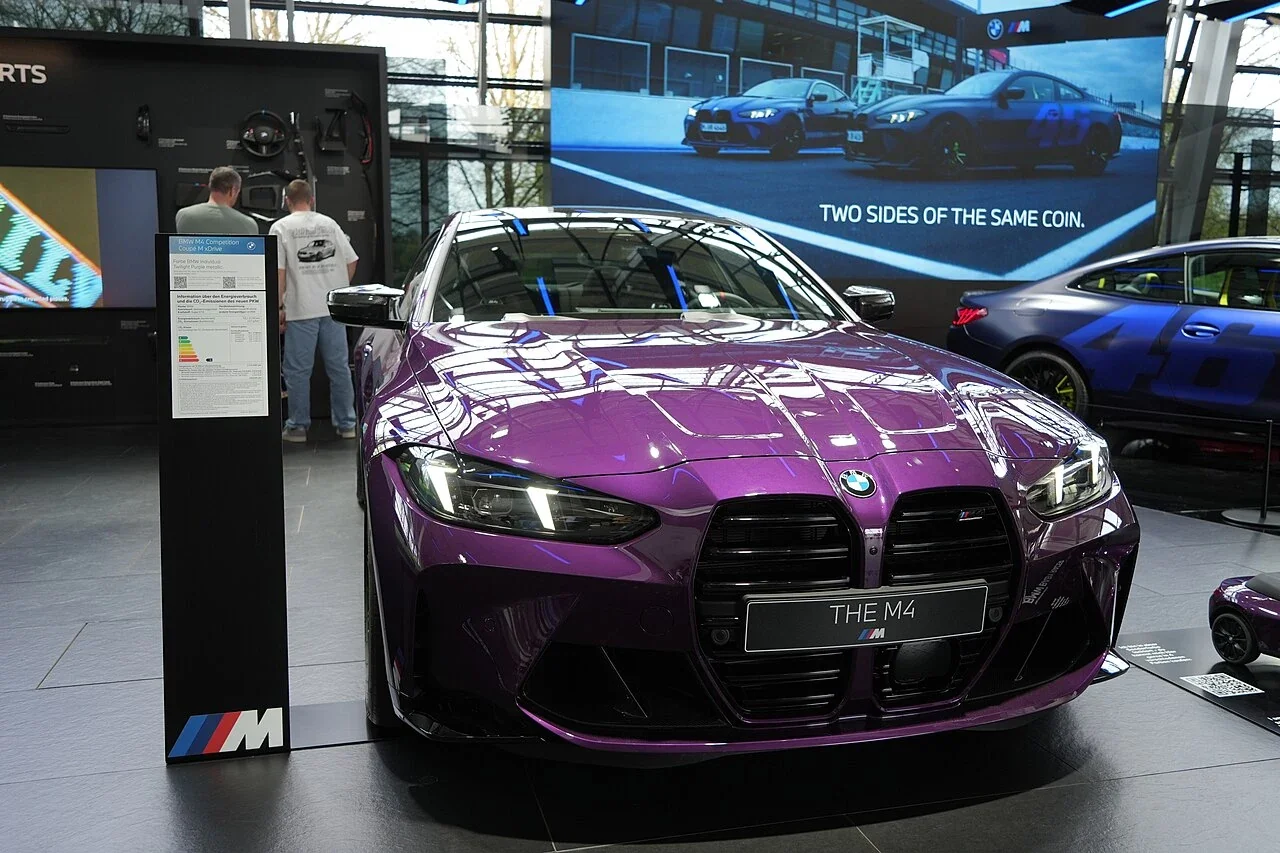
BMW’s 2025 U.S. update raises Competition xDrive output to 523 hp. The release also identifies revised lighting, steering wheels and iDrive 8.5. These details belong to the later car and should not be attributed to the early 503-hp reference.
The later model’s display and control arrangement may suit one buyer better, while another may prefer the earlier physical layout. Sit in both before describing the change as an automatic upgrade. The interface is used on every journey; the extra peak output may be much harder to appreciate in normal use.
The facelift display-car photograph below is deliberately placed in this comparison section. It is not presented as the early car’s nose or as a guarantee of U.S. equipment. Model-year identification is especially important when browsing photos from other markets, where calendar dates and model years differ.
Compare actual asking prices, warranty terms, maintenance already completed and the options you would otherwise pay to add. A cheaper early example may offer compelling value, but only if deferred work does not erase the saving. Conversely, the newer car needs to justify its premium through benefits you will use.
The Cariary Perspective: Buy the Car You Can Keep Enjoying
An independent pre-purchase inspection should cover service records, diagnostic findings, signs of modifications, leaks, cooling, transmission behavior, suspension and brakes. These are sensible checks for a used performance car; listing them does not assert a specific epidemic of failures in the M4.
Ask for evidence of required early servicing and subsequent maintenance for the car’s market and history. Confirm outstanding recalls by VIN through the relevant official channel. A clean-looking dashboard is not a substitute for those checks, and an advertisement’s service-history phrase should be backed by records.
The M4 is particularly persuasive for someone who wants one car to cover commuting and enjoyable driving. It becomes less convincing if rear access, parking or running costs are already causing doubt. Those doubts are not signs that the buyer lacks enthusiasm; they are useful information about fit.
Four stars reflect a broad but conditional recommendation. The early Competition xDrive has enough ability to remain interesting after the first impressive launch. Choose a well-documented example, specify comfort honestly and keep the operating budget realistic. That is how a fast coupe becomes a car you continue wanting to drive.
Who Should Buy It?
Recommended For
A driver seeking substantial performance with usable rear seats and luggage space, who accepts coupe access and performance-car running costs.
Not Recommended For
A buyer needing easy daily rear-seat access, low tire costs, compact dimensions or the physical involvement of a manual gearbox in this xDrive specification.
One-Line Verdict: The early M4 Competition xDrive is a remarkably complete fast coupe when its everyday details fit the owner.
Frequently Asked Questions
Which BMW M4 is reviewed here?
The early G82 Competition xDrive Coupe, with the 2022 U.S. 503-hp specification as the reference. The 2025 update is discussed separately.
Does the M4 Competition xDrive have a manual?
No. This specification uses an eight-speed automatic. The manual M4 is a different, rear-wheel-drive version.
Is 503 hp the same as the later 523 hp figure?
No. BMW’s 2025 U.S. update gives the Competition xDrive an additional 20 hp. An earlier car does not gain that specification because it shares the model name.
Are carbon bucket seats essential?
No. They are a personal fit and use-case decision. Try the actual seats for access and longer-term comfort before paying for them.
Is M xDrive enough for winter driving?
All-wheel drive helps distribute drive torque, but appropriate tires and conditions still govern traction and braking. Assess the complete tire setup for your climate.
What should a used buyer check first?
Confirm the exact specification, service records and modification history, then arrange an independent inspection and price any immediate work before agreeing the purchase.
Further Reading and Data Reference
Data reference date: September 11, 2026. Specifications and attributed test observations are linked where discussed. Cariary Point is an editorial buyer-fit assessment, not an owner road-test score or reliability rating.
Explore more Cariary car reviews and buyer perspectives.

