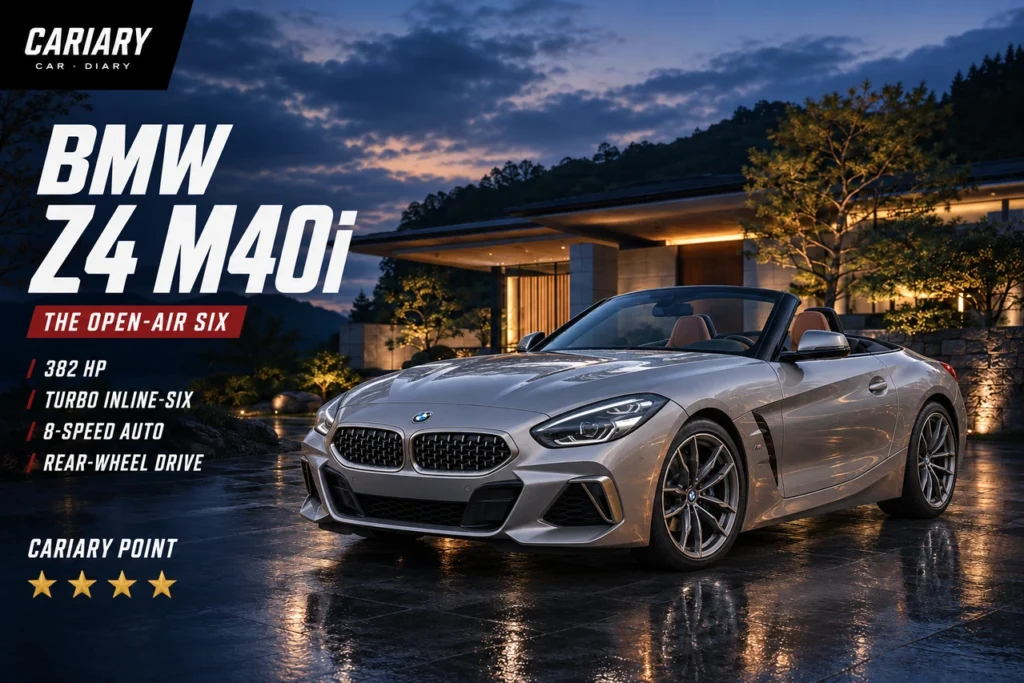
CARIARYCAR · DIARY · PERSPECTIVE
Cover: AI-generated Cariary editorial illustration, checked against the specified vehicle. It is not road-test photography.
This BMW Z4 M40i review asks whether a powerful six-cylinder roadster can be enjoyable without being the sharpest sports car in every comparison. Its answer depends on the buyer: sunshine, easy overtaking and an automatic gearbox can be exactly the point, rather than compromises to excuse.
The G29 BMW Z4 M40i brings a familiar BMW idea into a small two-seat shape. It looks like a special-occasion car, yet its controls and transmission aim to make regular use approachable. The danger is expecting either a stripped-out track machine or a completely effortless everyday substitute for a sedan. It occupies a more specific space between those expectations.
Scope: early G29 BMW Z4 M40i, using the 2020 U.S. eight-speed automatic specification. Overseas pre-facelift photographs are labeled; regional engine ratings and equipment differ. The 2025 U.S. manual is discussed separately, not pictured as the same specification. This is a research-based buyer review, not a Cariary road test.
Four stars for the combination of six-cylinder character and usable open-top performance. Steering expectations, two-seat packaging and the importance of actually using the roof prevent a blanket recommendation.
BMW Z4 M40i: Key Specifications
| Reference | 2020 U.S. Z4 M40i, pre-facelift G29 |
|---|---|
| Engine | 3.0-liter turbocharged inline-six |
| Output | 382 hp |
| Torque | 369 lb-ft |
| Transmission / drive | Eight-speed automatic / rear-wheel drive |
| Manufacturer 0–60 mph | 3.9 seconds, updated launch specification |
| Roof | Electrically operated fabric soft top |
| Cabin | Two seats; no rear seats |
The BMW Z4 M40i Is a Roadster First
A roadster earns its place by changing the quality of an ordinary journey. An open roof, a low seating position and a responsive engine can make a familiar route feel different without requiring a stopwatch. That is the most useful starting point for the Z4. If those things do not appeal, a two-seat body becomes a limitation with little compensation.
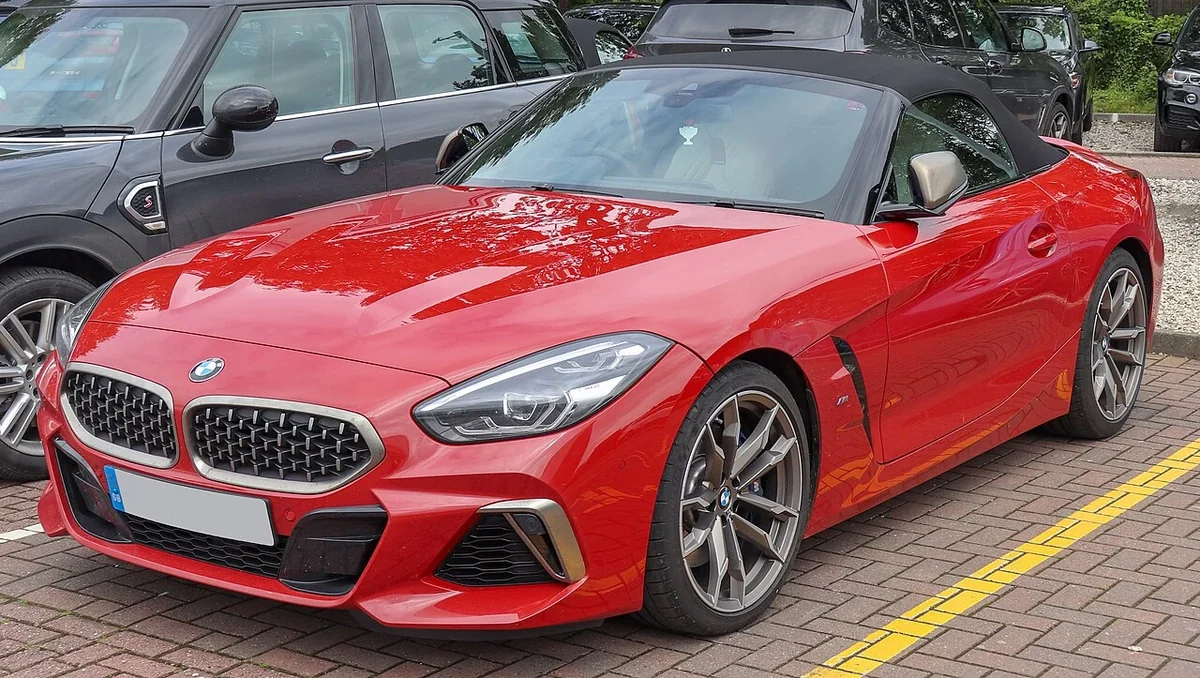
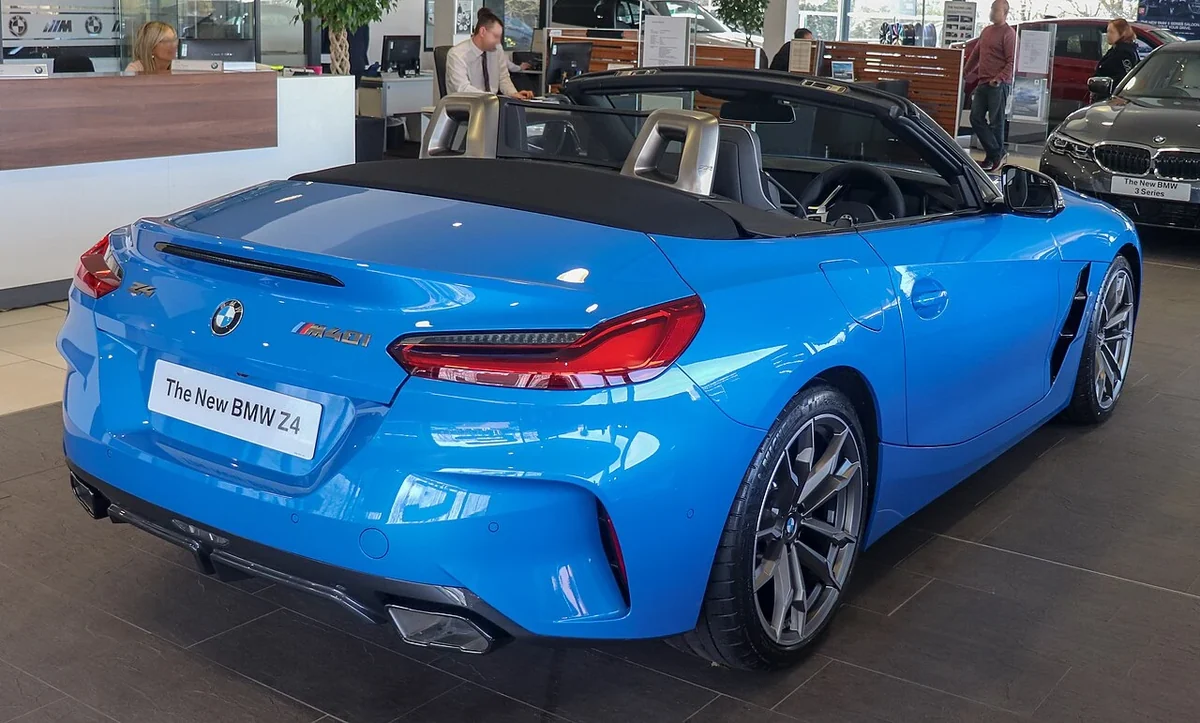
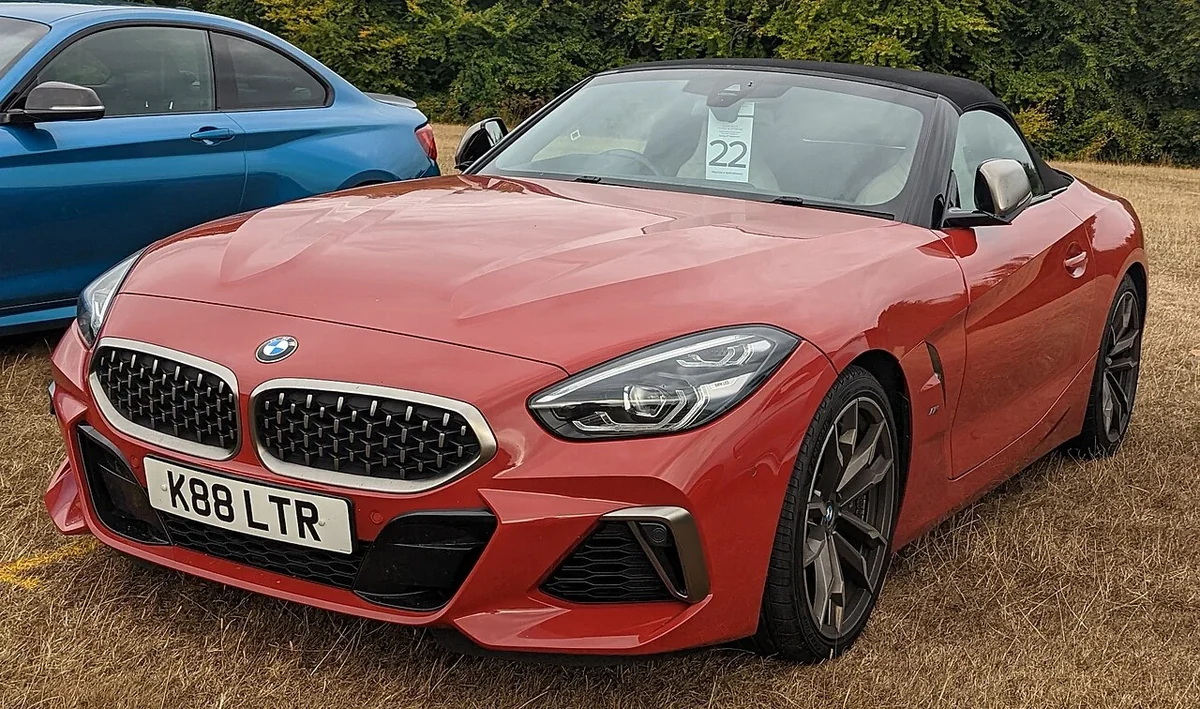
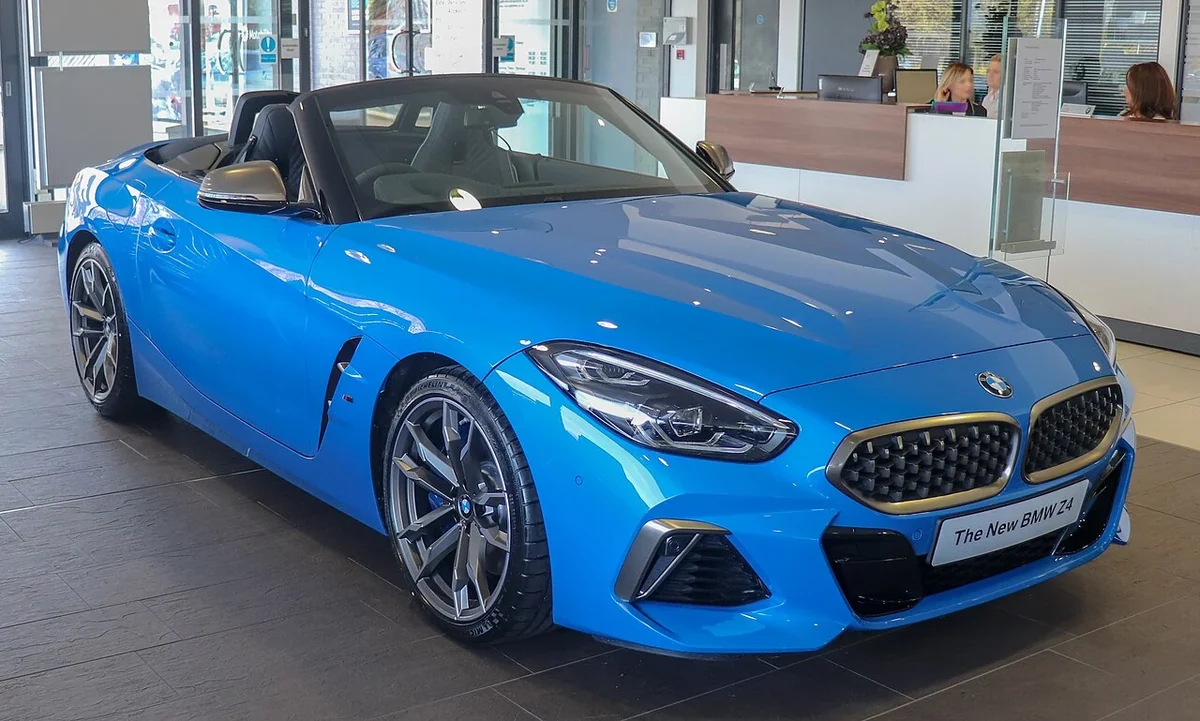
The early G29 returned to a fabric roof rather than the previous generation’s folding hardtop. Its long hood and short passenger compartment are visible in the photographs, but its practical identity is equally clear: this is a car organized around two occupants. Extra passenger capacity is not waiting behind the seats for an emergency.
Treat it as a deliberate choice rather than a smaller substitute for a larger BMW. A person with another household vehicle may enjoy its limits because they make every outing feel intentional. A person trying to solve all transport needs with one car should examine those same limits much harder. A good roadster can be a poor answer to the wrong ownership question, and the M40i badge cannot alter that.
BMW Z4 M40i Engine: Why Choose the Six?
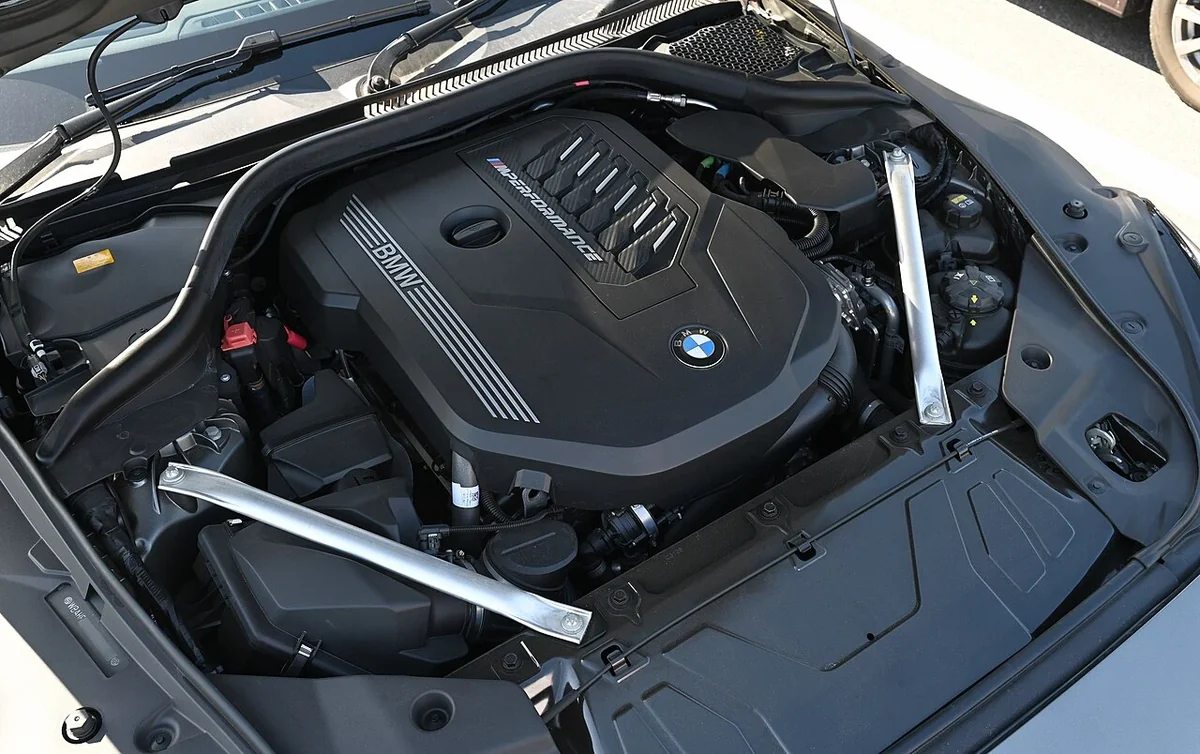
BMW’s updated U.S. launch release specifies 382 hp, 369 lb-ft and an eight-speed automatic for the M40i. The engine uses a twin-scroll turbocharger; “TwinPower Turbo” does not mean that this inline-six has two separate turbochargers. The difference matters when explaining the hardware rather than simply repeating a badge.
The broader buying point is that an engine can add appeal beyond the amount of acceleration available. A driver who values six-cylinder character may find the BMW Z4 M40i worthwhile even without exploiting its maximum output. Someone who mainly wants open-air scenery should also consider the four-cylinder version before assuming that the larger number is essential.
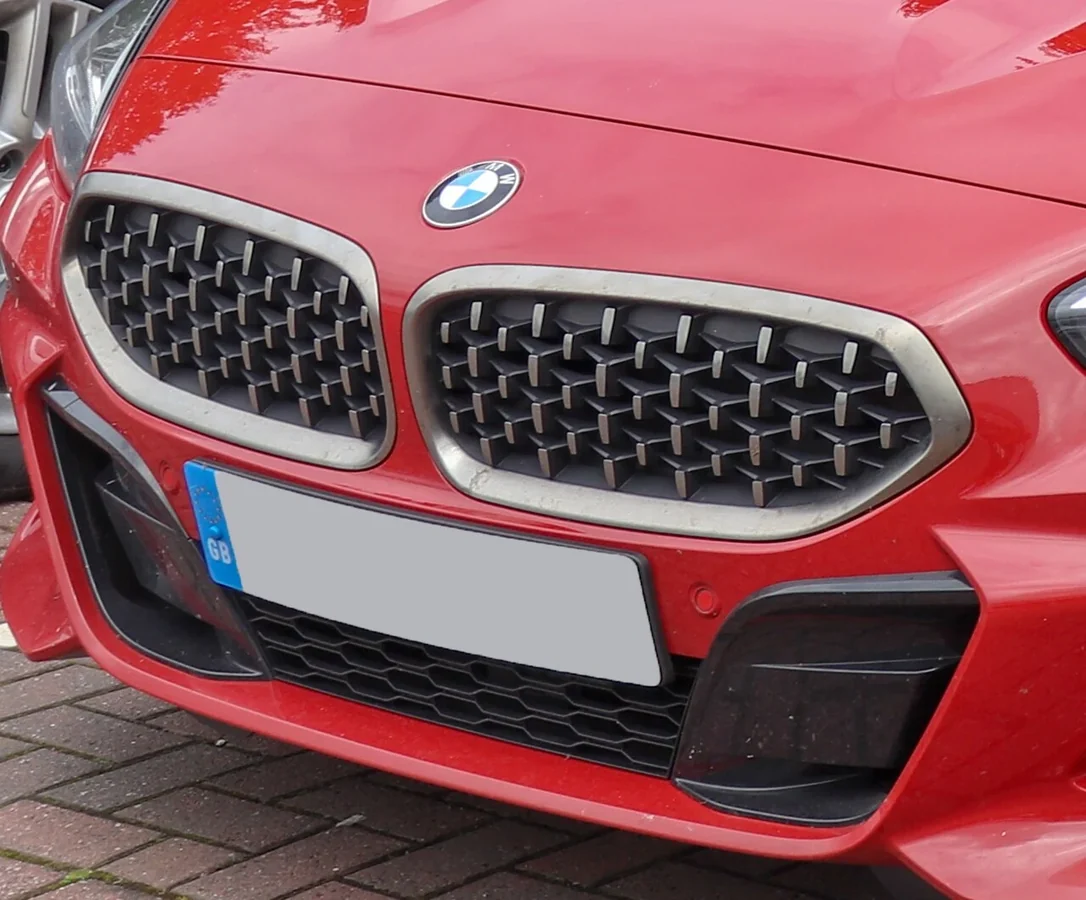
In a used example, resist treating the engine family’s reputation as an inspection report. Ask about software changes, intake and exhaust modifications, cooling-system work and the service history. A tune can change both the experience and the uncertainty. The actual engine-bay photograph helps identify the installation, but it does not prove original software, internal condition or maintenance quality. Those need documentation and a competent assessment, not confidence borrowed from a popular engine name.
Living With the BMW Z4 M40i Soft Top
The fabric roof is central to the Z4’s appeal. Before buying, establish how often you would lower it, where you would park and whether a passenger enjoys the same conditions. Weather is only one consideration. Traffic noise, sun exposure, pollen and the route itself can make an open-top trip feel different from the imagined weekend drive.
Operate the roof through its full normal cycle while following the vehicle handbook. Look at the fabric, seals and cabin for signs of damage or water entry. Check the windows and roof together rather than separately, and ask a specialist about anything uneven, noisy or hesitant. These are normal convertible inspection priorities, not an allegation that every G29 has a roof defect.
BMW describes a ten-second opening or closing cycle in the launch release. That convenience is useful, but it cannot replace choosing an appropriate moment to operate it. More fundamentally, buy a convertible because you want the roof open. If you expect to leave it closed almost permanently, the benefits of a fixed-roof alternative deserve a fair hearing. An attractive specification is not enough if the main feature remains unused.
Quick and Capable Does Not Always Mean Communicative
Car and Driver’s 2020 M40i test reported 0–60 mph in 3.8 seconds. Its testers liked the engine, grip and relaxed ride but criticized the steering’s communication and noted open-roof turbulence. Their judgment is valuable context, not a claim that Cariary has driven the same car or that every driver will share their priorities.
That distinction is important because steering speed and steering information are different qualities. A car can respond quickly to a small input without communicating every change in the road surface. Some buyers appreciate that light, immediate response on a casual drive. Others want a more detailed conversation through the wheel and may prefer a different sports-car philosophy.
Try a route that includes the surfaces you normally use, at sensible speeds and with the roof both up and down. Compare the driving modes without assuming the firmest setting is best. The right setting is the one that gives confidence and comfort in context. A roadster chosen for frequent enjoyment should not require a perfect road to justify leaving the garage. That is where the automatic M40i’s broad brief can be a strength rather than a criticism.
Familiar Controls Are Part of the Appeal
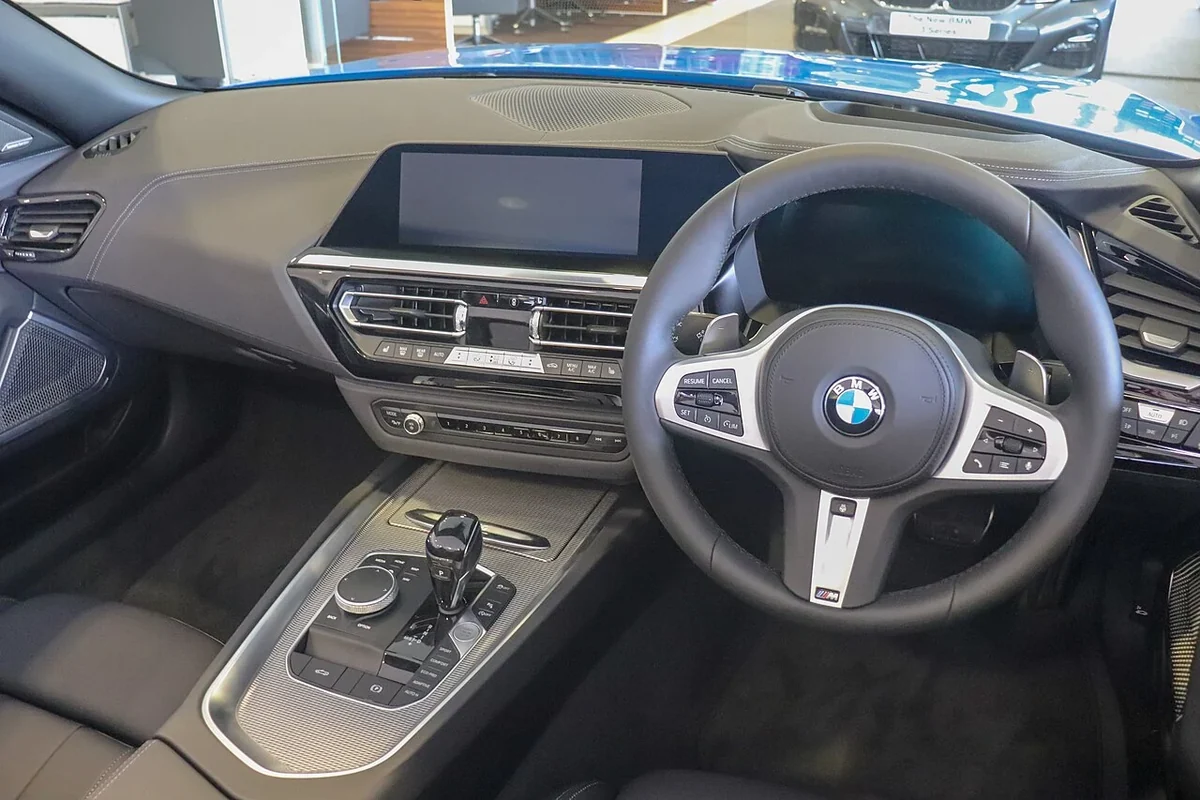
The early cabin photograph shows a conventional automatic selector, a rotary controller and physical controls beneath the display. It is an overseas right-hand-drive example, so do not use it to establish the exact equipment of a U.S. car. It does illustrate the basic approach: a driver-focused cockpit that still resembles a recognizable BMW workspace.
Familiarity can lower the effort of using a special car. It also creates a risk of overlooking differences between individual specifications. Verify phone compatibility, navigation, parking assistance, audio and seat functions in the actual example. An option shown in an advertisement or a photograph of another car is not proof that it is fitted and working here.
Cabin fit deserves more attention than the screen. Set the seat for a normal driving position, check knee and shoulder room, then put on the shoes and outerwear you usually drive in. Try getting out beside another parked car rather than with the door fully open in an empty showroom. Those small rehearsals reveal whether a compact roadster will feel inviting after work as well as on an enthusiastic first visit.
Pack for Two, Then Check the Ownership Costs
The useful luggage test is simple: bring the bags you intend to carry and try them. A quoted volume cannot tell you whether a rigid case fits the opening or whether two people will need softer luggage. Keep the passenger seat available for a person rather than using it to disguise a packing problem during the test.
For running costs, compare insurance quotes, tire replacement and the initial work identified by an inspection before comparing monthly payments. Check the fitted wheel and tire specification instead of pricing the smallest size in the range. Different wheel choices can affect both replacement cost and the way broken pavement reaches the cabin.
Have the mechanical inspection cover leaks, cooling, suspension, brakes and diagnostic history, alongside the roof and body. None of these checks implies that a particular fault is inevitable. Their purpose is to establish the car’s condition rather than rely on the model’s reputation. A well-supported automatic can be a better purchase than a more desirable specification with unresolved questions. The savings from buying used are only useful if the first round of neglected work does not absorb them.
BMW Z4 M40i: Automatic or Later Manual?
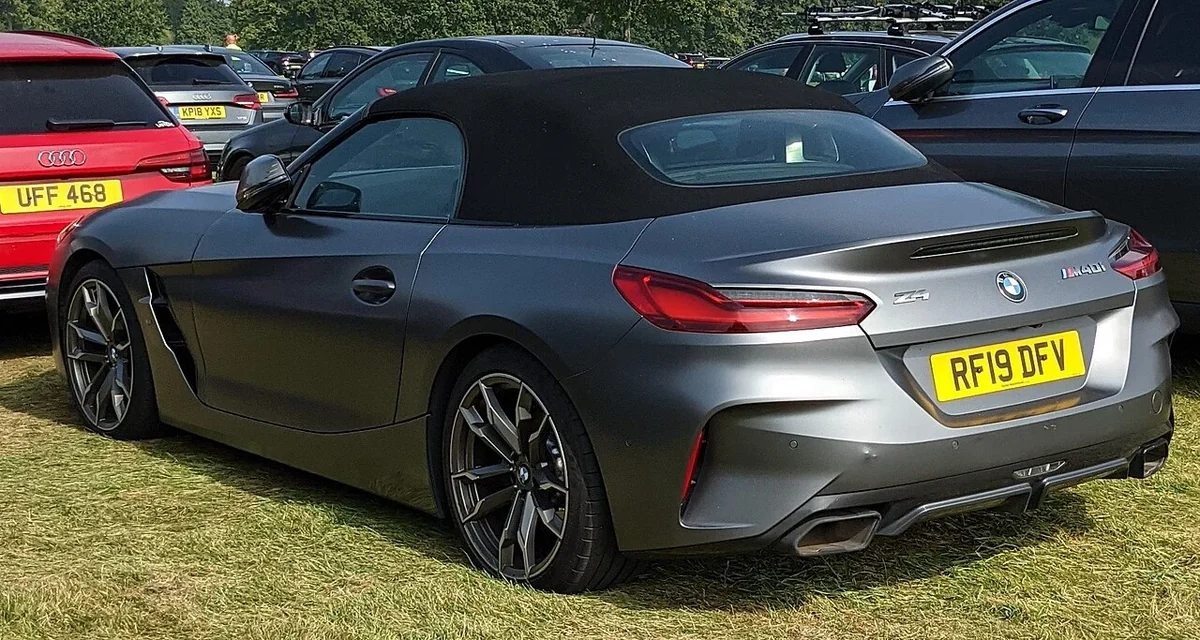
The 2025 U.S. six-speed manual is a separate proposition. BMW paired it with chassis changes rather than merely replacing the selector. That means a buyer should compare whole cars, not assume the early automatic becomes equivalent after changing one component. The pre-facelift automatic photo below is deliberately not presented as the manual.
Choose based on how you want to participate. A clutch pedal and deliberate shifts can make a short drive more satisfying for someone who enjoys that activity. The automatic asks less of the driver in congestion and may better suit shared use. Neither answer needs to be justified through acceleration alone.
BMW subsequently announced March 2026 as the end of Z4 production. At this review’s September 2026 reference date, do not assume a fresh factory order is available. Investigate actual stock or used cars locally. Nor should the announcement be treated as a promise of appreciation: purchase condition, price and the usefulness of the car remain more tangible than speculation about future collectibility.
Cariary Perspective: Choose the Weekend You Want
The Toyota GR Supra is a natural comparison for someone attracted to a compact six-cylinder performance car who does not need an opening roof. Compare the actual model year and gearbox, because the two ranges changed over time. A broad family resemblance is not evidence that every specification is identical.
The Mazda MX-5 Miata asks a different question: would a smaller, less powerful open car deliver enough enjoyment? That comparison should not be reduced to how much power is missing. It can clarify whether your priority is a particular engine or the basic pleasure of a roadster. A Porsche Boxster deserves consideration when steering feel and sports-car focus are central, but budget and condition must remain comparable.
Cariary gives the early BMW Z4 M40i four stars because it offers a persuasive blend for the right owner: an appealing six-cylinder engine, automatic convenience and a genuinely different kind of journey. It loses the fifth through limited versatility and expectations that need careful calibration. Buy it because the actual experience fits your weekends, not because a specification sheet persuades you that every sports car must be judged on the same terms.
Who Should Buy It?
Recommended For
Drivers who want an open-top six-cylinder car for regular leisure use, value automatic convenience and have already checked seating, roof operation and luggage fit.
Not Recommended For
Buyers needing rear seats, those who rarely want the roof open, or drivers who expect the early automatic M40i to feel like a later manual-package car or a dedicated track model.
One-Line Verdict: The early Z4 M40i is a convincing roadster when six-cylinder character and easy enjoyment matter more than winning every comparison.
Frequently Asked Questions
Is the BMW Z4 M40i a full Z4 M?
M40i is an M Performance designation. Do not assume that its badge makes it equivalent to a dedicated M model. Evaluate the actual chassis, controls and purpose rather than buying an expectation created by the letter alone.
Is the engine twin-turbocharged?
The referenced inline-six uses a twin-scroll turbocharger. BMW’s TwinPower Turbo branding should not be read as a count of turbochargers. The distinction helps buyers avoid repeating an inaccurate description when comparing engines.
Does the 2020 U.S. car have a manual?
The reference car uses an eight-speed automatic. The later 2025 U.S. manual is discussed separately. Check the exact model year and transmission rather than relying on a listing that simply says G29 or M40i.
Can two people use it for a weekend away?
Potentially, provided both people fit comfortably and their luggage fits the actual opening. Try the trip’s bags before buying. A small car can work well for a specific routine without being flexible enough for every routine.
Is the four-cylinder Z4 worth considering?
Yes, particularly when the main attraction is open-air touring rather than six-cylinder character. Compare the overall purchase and running budget. More power is valuable only if it adds something you care about enough to pay for.
Why four Cariary stars?
The M40i has a clear appeal but a specific audience. Seating limits, steering expectations and convertible use affect the recommendation. This rating is an editorial buyer-fit assessment, not proof of reliability or a claimed Cariary test result.
Further Reading and Data Reference
Data reference date: September 13, 2026. Official specifications and attributed test observations are linked where discussed. Cariary Point is an editorial buyer-fit assessment, not an owner road-test score or reliability rating.
Explore more Cariary car reviews and buyer perspectives.

