CARIARYCAR · DIARY · PERSPECTIVE
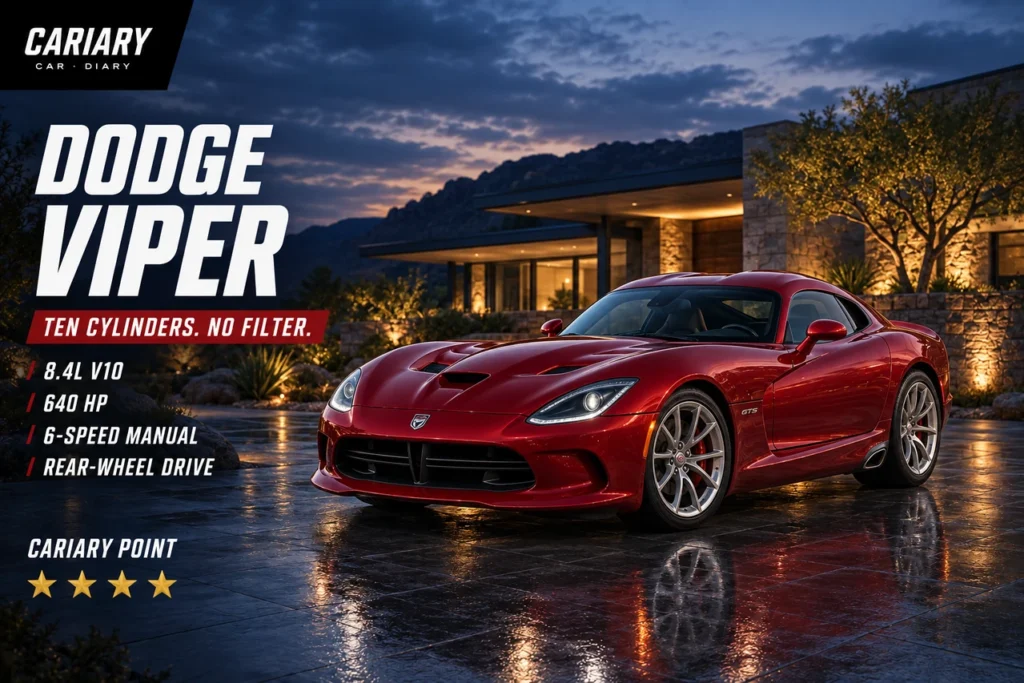
Cover: AI-generated Cariary editorial illustration, checked against the specified vehicle. It is not road-test photography.
This Dodge Viper review is about commitment: choosing a car because the entire experience matters, rather than because its specification wins an argument. An enormous naturally aspirated V10, a manual gear lever and a compact two-seat cabin are a remarkably direct statement of intent.
Cariary likes cars that retain a reason to exist after the excitement of the first acceleration run. The Viper has that reason in abundance. The harder question is whether the owner will still welcome its demands when the weather is poor, the road is busy or the destination has inconvenient parking.
This research-based review focuses on the 2013 U.S. SRT Viper GTS, the fifth-generation car. Dodge Viper is used as the familiar search name; the 2013 model was marketed under SRT. It is not a later ACR or 645-hp model. Cariary has not road-tested it.
4/5 for a deliberate weekend sports-car purchase. The V10 and manual transmission create exceptional identity, but access, heat and a demanding usage brief make the final star dependent on too many personal compromises.
Dodge Viper: Key Specifications
| Reference | 2013 U.S. SRT Viper GTS |
|---|---|
| Engine | 8.4-litre naturally aspirated V10 |
| Output / torque | 640 hp / 600 lb-ft |
| Transmission / drive | 6-speed manual / rear-wheel drive |
| Seats | 2 |
| GTS distinction | Two-mode suspension; confirm equipment on the individual car |
Dodge Viper: The Long Hood Is the Point
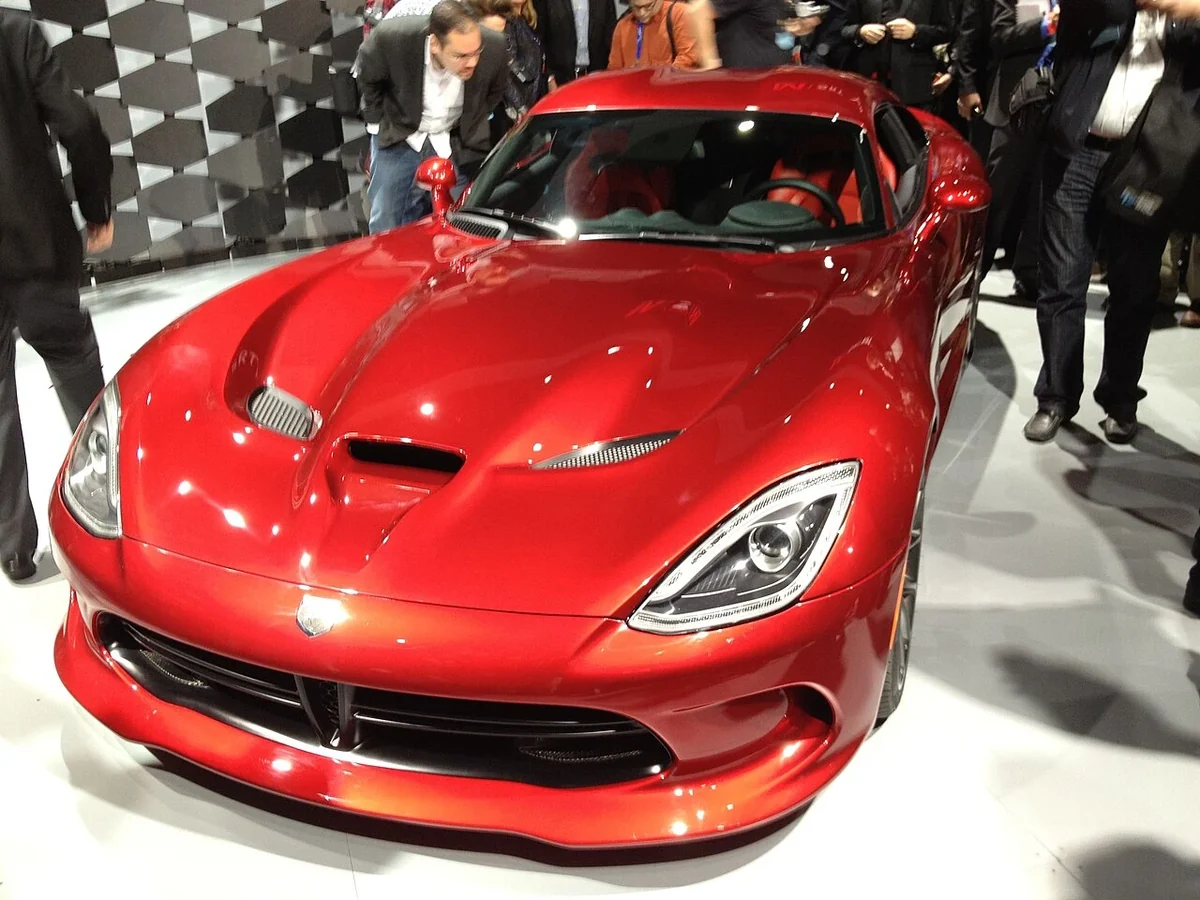
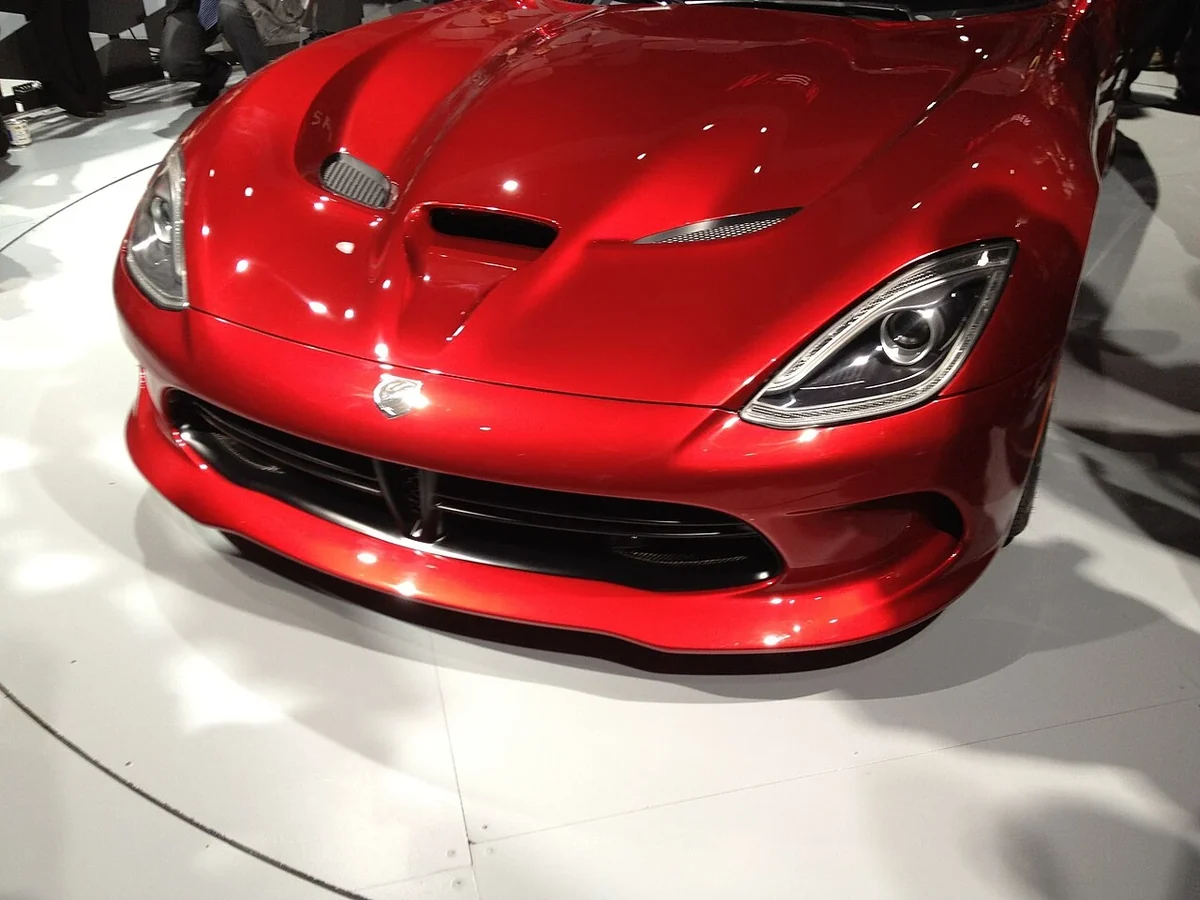
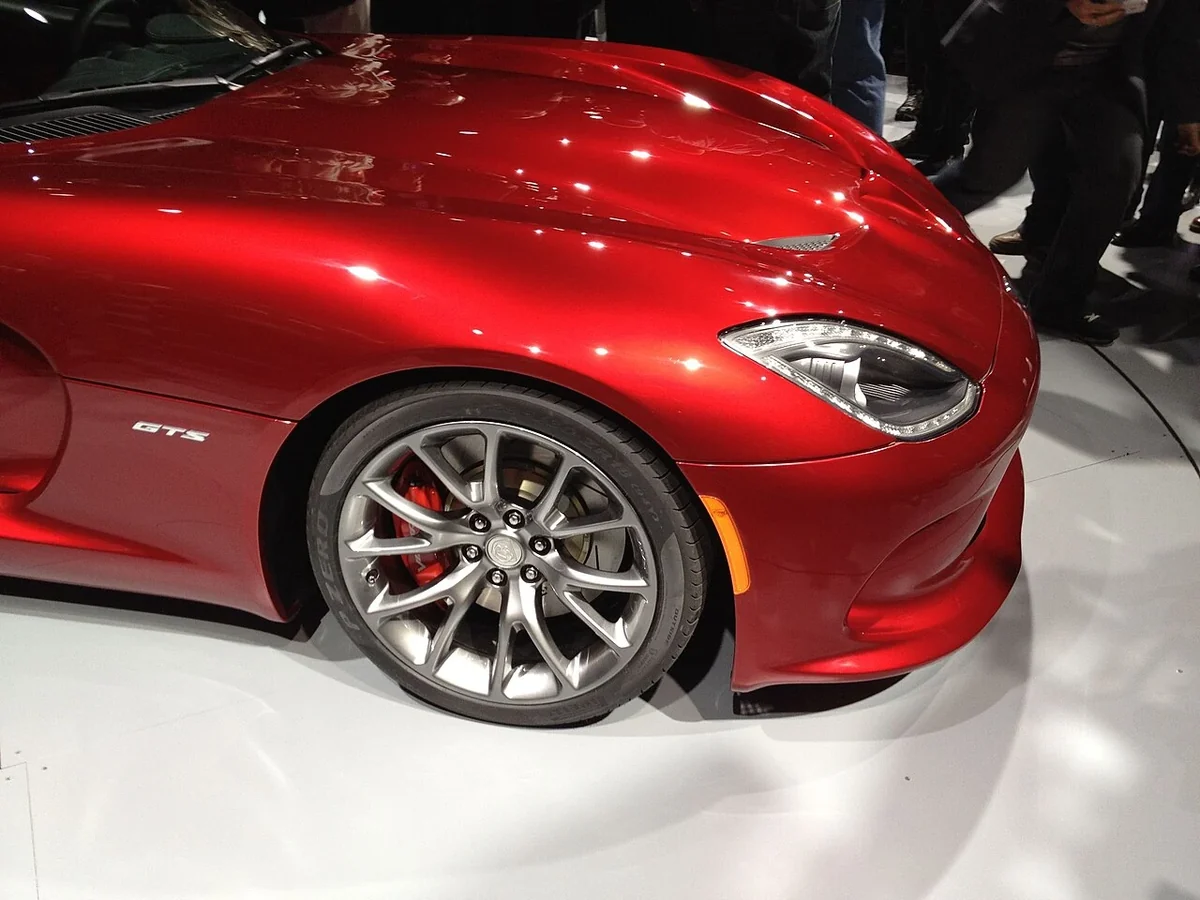
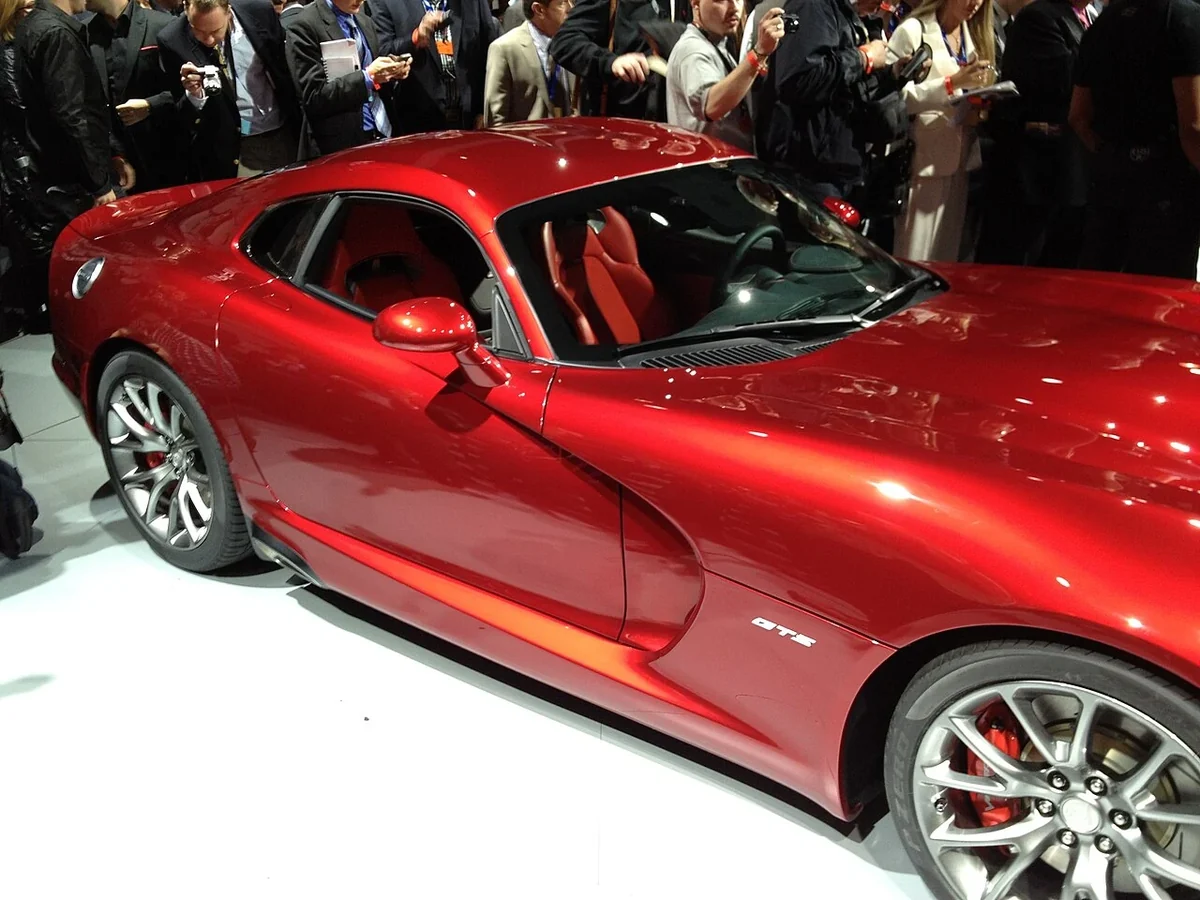
The front of the Viper appears to stretch away from its occupants, while the cabin sits tightly behind it. The shape communicates the relationship between engine and driver with unusual clarity. This is not a small practical car that happens to have become fast; the proportions ask the buyer to accept a sports-car priority from the beginning.
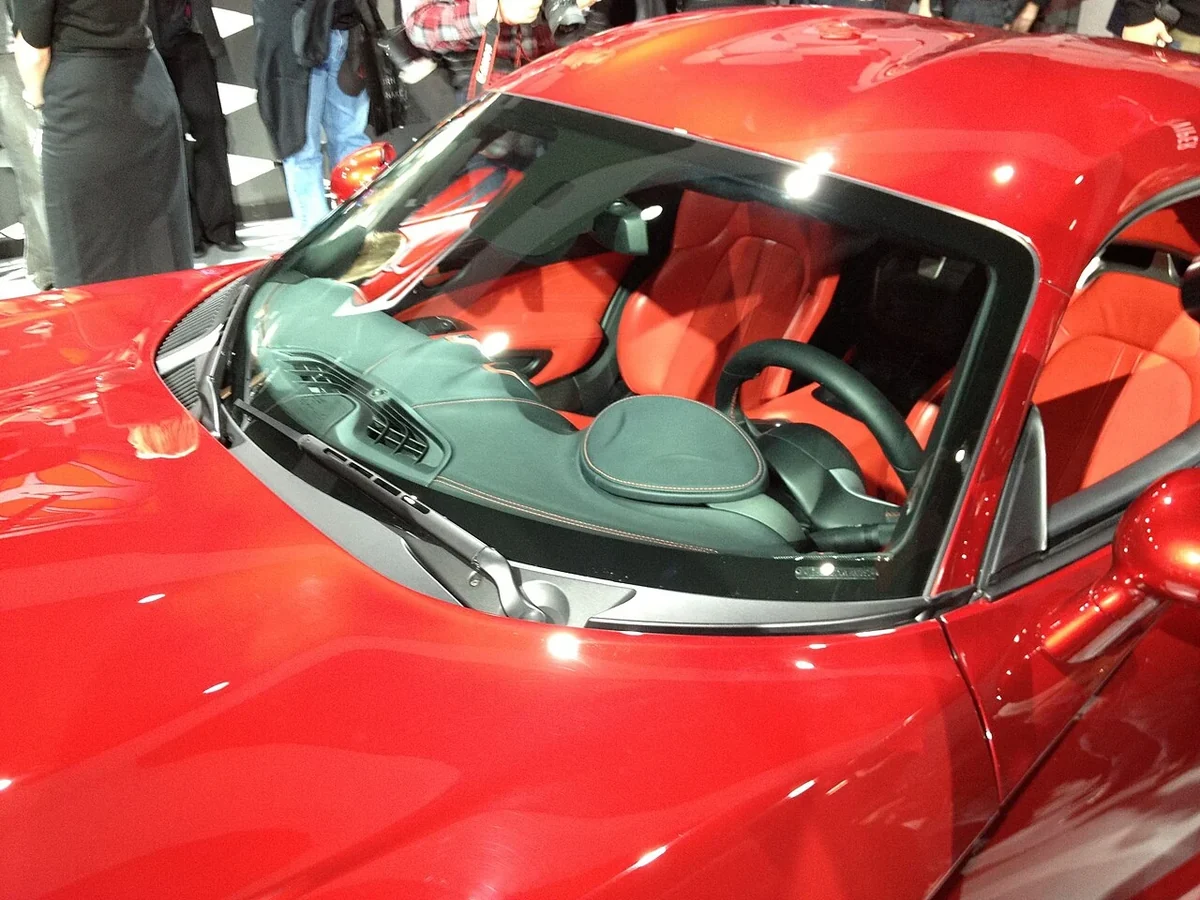
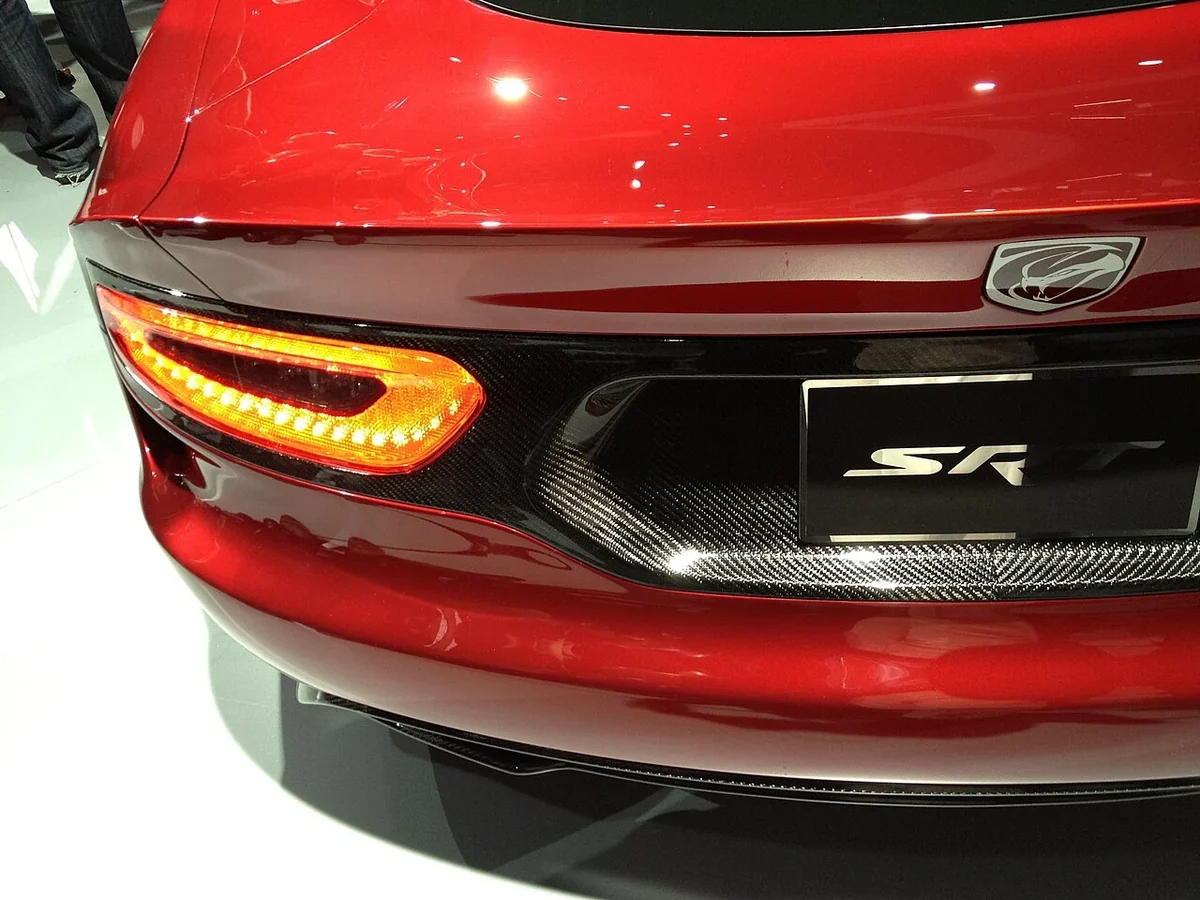
The GTS photographs here come from the 2012 New York unveiling of the 2013 model. They document a launch display, not a Cariary road test or the condition of a car for sale. Keeping that distinction clear matters with a model whose later variants and aftermarket changes can easily blur an otherwise straightforward buying conversation.
640 HP Without a Turbocharger
Chrysler’s 2013 U.S. launch announcement gives the Viper’s output as 640 hp and 600 lb-ft. Its 8.4-litre V10 is naturally aspirated. There is no need to borrow a later model’s rating to make those numbers impressive.
For Cariary, the appeal is that the engine is the centre of the ownership decision. That does not mean maximum acceleration has to be the centre of every drive. A sensible buyer should be interested in how comfortably they can control the car, how naturally the pedals fit, and whether the whole experience encourages a measured relationship with the machinery.
The Manual Gearbox Gives You a Job
The manufacturer’s 2013 technical overview identifies a Tremec six-speed manual and describes the updated shift arrangement. This is a car whose appeal explicitly includes operating the transmission yourself. If that sounds like an inconvenience rather than part of the pleasure, take the feeling seriously.
During a prospective purchase, check the clutch and shift action through ordinary, unhurried driving with an appropriate specialist. A heavy-duty reputation does not excuse poor operation or unexplained noises. Equally, an unfamiliar feel is not automatically a fault. The useful distinction is between characteristics you enjoy learning and problems you would be paying to inherit.
What GTS Adds to the Viper Brief
The GTS specification includes selectable two-mode damping. The same manufacturer overview documents the fifth generation’s electronic stability and traction controls. It would therefore be misleading to describe this 2013 car as a Viper with no electronic safety assistance at all.
Those additions broaden the brief, but they do not promise that every driver or surface can use the engine’s full output. Leave road driving within sensible limits and evaluate both suspension settings on the actual roads you intend to use. The question is not whether a menu offers a softer mode; it is whether the car remains agreeable enough for the journeys you are buying it to make.
A Better Cabin Still Needs a Personal Trial
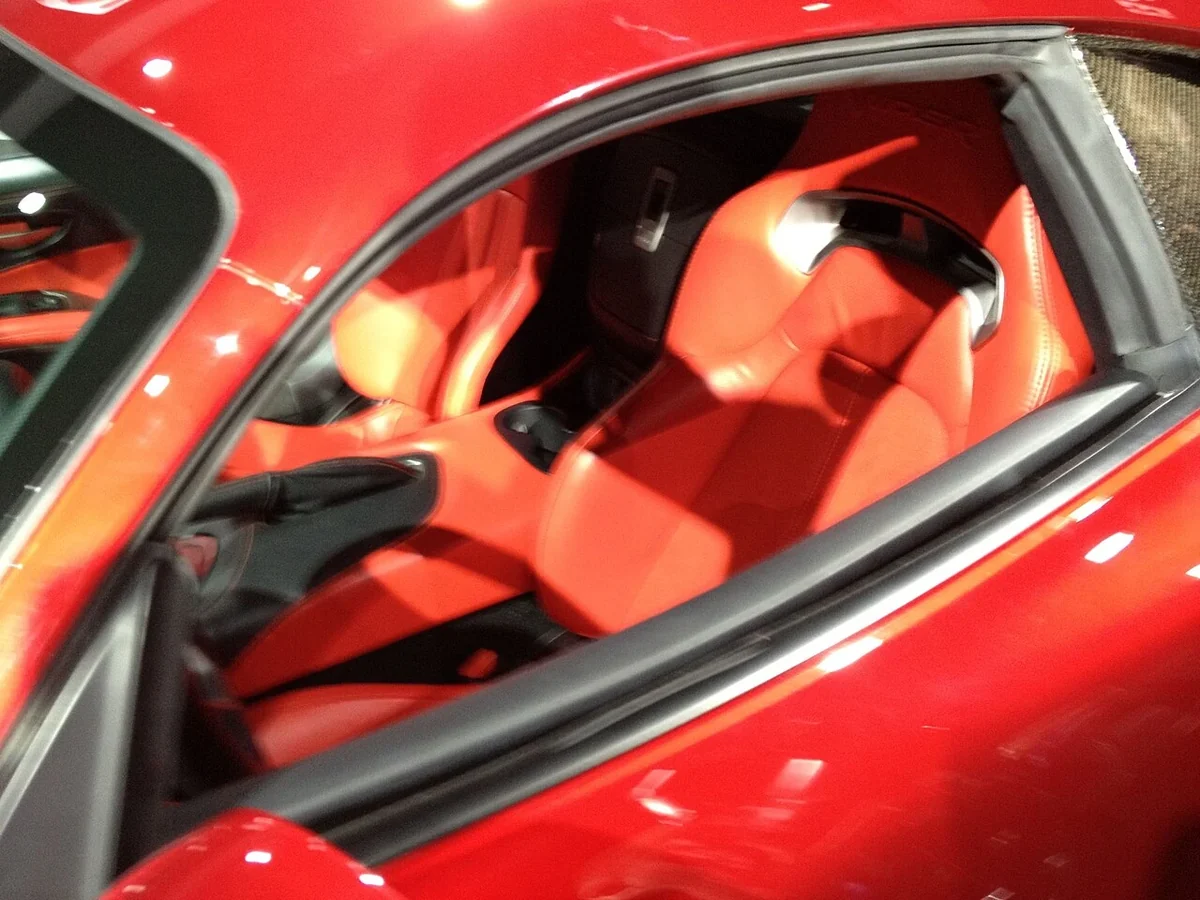
Car and Driver’s first drive noted better seating and ergonomics than the previous car, while warning that the side exhaust still heated the rockers. That is a specific observation about the new-generation car, not permission to recycle every criticism of an older Viper.
Try entry and exit with the shoes you normally wear. Sit with the door closed, establish a proper driving position and check whether the controls remain comfortable to reach. A car can look generous in a photograph yet fit one body shape much better than another. The right purchase makes you want to climb back in after a break, not merely admire it from outside.
Plan the Journey Around the Real Car
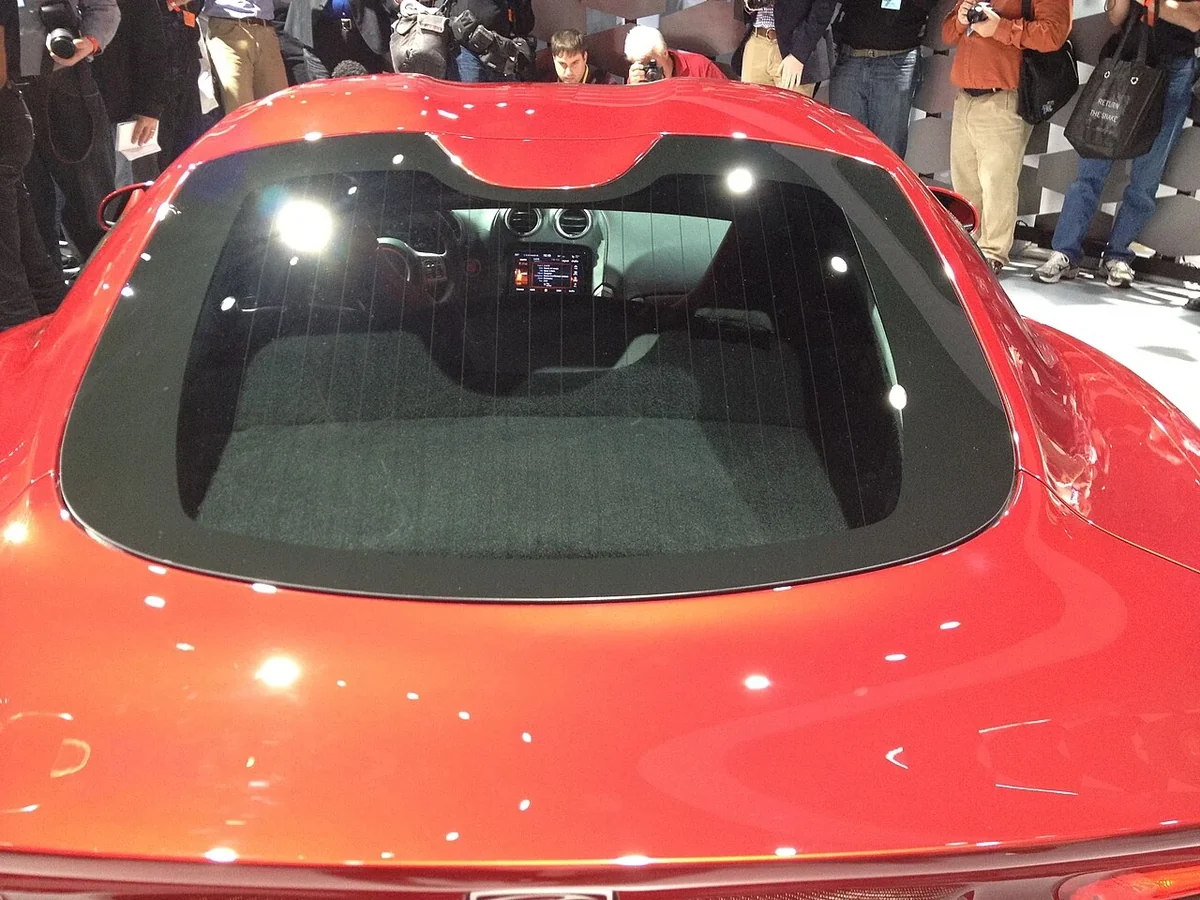
Two seats make the passenger decision simple, but they do not answer the rest of the travel question. Bring the bags you use for a short trip and check the available loading space. Think about where those bags will go when a passenger brings something extra. An imagined weekend is always easier to pack than a real one.
Also assess your parking route, driveway approach and ordinary low-speed visibility. Ask whether you would choose the Viper spontaneously for an evening out. If every departure requires negotiation with the weather, luggage or access, it may still be an excellent second car. It simply should not be justified as an effortless solution to every transport need.
An Honest Example Matters More Than a Loud One
A pre-purchase inspection should cover accident repair, underbody condition, tyre age and specification, brakes, fluid leaks and the operation of the driveline. Have the inspector explain findings in terms of the individual car. Internet folklore cannot establish how a particular Viper was stored, serviced or driven.
Be especially clear about modifications and previous track use. Neither a polished engine bay nor a low odometer reading supplies a complete history. Ask for dated invoices and obtain current estimates for work that is due. The purchase budget should leave room to put the car right, because a sports car that you cannot afford to maintain quickly becomes an expensive ornament.
Dodge Viper Review: A Deliberate Four-Star Choice
The Viper’s strongest quality is its refusal to become anonymous. The buyer is choosing a very particular kind of involvement, and that can remain meaningful long after a faster car appears. Cariary awards four stars because the emotional proposition is powerful, while its day-to-day demands are too significant to treat as incidental.
Our Corvette Z06 review explores another American performance philosophy, from a different era and layout. Use that contrast to clarify what you enjoy rather than to manufacture a direct test result. The Viper is most persuasive when you already want its way of making a journey memorable, and can choose the right journey for it.
Who Should Buy It?
Recommended For
An engaged driver seeking a distinctive manual weekend car, with realistic expectations about fit, access and ownership support. The V10 should be the reason for the purchase, not simply a conversation starter.
Not Recommended For
Anyone expecting a quiet, adaptable everyday coupe or buying solely for a power figure. A buyer who dislikes manual operation is unlikely to find the Viper’s central attraction rewarding.
One-Line Verdict: The Viper GTS earns its place through involvement and identity, provided the owner welcomes the commitment that comes with both.
Frequently Asked Questions
Was the 2013 Viper actually called a Dodge?
It was marketed as the SRT Viper. This review uses the familiar Dodge Viper name while specifying the exact 2013 SRT GTS reference.
Is the V10 turbocharged?
No. The reference car uses a naturally aspirated 8.4-litre V10 rated at 640 hp.
Does it have stability control?
Yes. The fifth-generation 2013 Viper introduced standard electronic stability and traction control; it should not be confused with earlier cars.
Further Reading and Data Reference
Data reference date: September 13, 2026. Official specifications and attributed test observations are linked where discussed. Cariary Point is an editorial buyer-fit assessment, not an owner road-test score or reliability rating.
Explore more Cariary car reviews and buyer perspectives.

