CARIARYCAR · DIARY · PERSPECTIVE
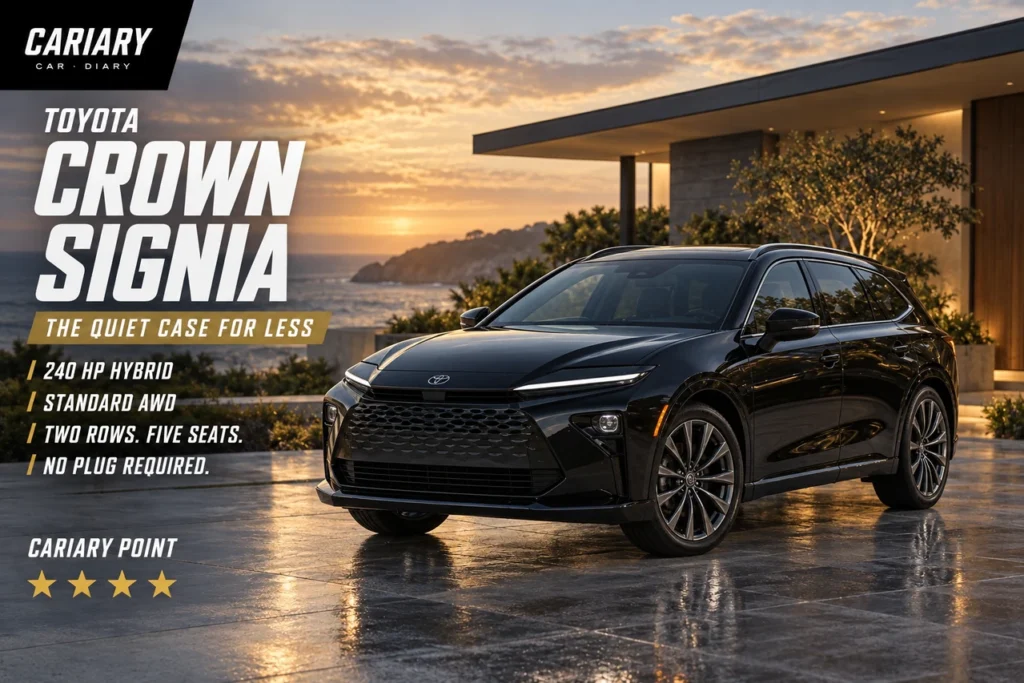
Cover: AI-generated Cariary editorial illustration, checked against the specified vehicle. It is not road-test photography.
This Toyota Crown Signia review is about a car that becomes more appealing when you stop asking it to do everything. It does not offer a third row, an off-road costume or a performance sub-brand. Instead, it puts a hybrid powertrain and a more carefully equipped cabin into a long, relatively low crossover.
That is an unusual proposition in a market where the answer to almost every buying question seems to be “go bigger.” The Crown Signia suggests another route: carry the people you actually travel with, keep the flexibility of a hatch, and spend the remaining budget on the experience of an ordinary journey.
This research-based review covers the 2026 U.S. Toyota Crown Signia. It is distinct from the Crown sedan and Japanese-market Crown Estate specifications. Photographs identify their model year; 2025 images illustrate the same generation, not every 2026 detail. Cariary has not road-tested this vehicle.
Four stars for a coherent five-seat hybrid brief, standard AWD and a cabin specification aimed at daily satisfaction. Its price, modest performance ambition and limited appeal to buyers needing more seats hold it below five.
Toyota Crown Signia: Key Specifications
| Reference | 2026 U.S. Toyota Crown Signia |
|---|---|
| Powertrain | 2.5-liter four-cylinder hybrid; electronic continuously variable transmission |
| System output | 240 net combined hp |
| Drive / seats | Standard electronic on-demand AWD / five seats |
| EPA-estimated economy | 38 mpg combined |
| Current starting MSRP | $44,690, excluding delivery, options and tax |
| Maximum towing | 2,700 lb when properly equipped |
| Charging | Conventional hybrid; no external charging |
Why the Toyota Crown Signia Exists
The Crown name carries a long history within Toyota, but a U.S. buyer does not need to know that history to understand this car. Its immediate job is to offer a more upmarket five-seat crossover without requiring a luxury-brand badge or a much larger body. It sits in a space where a purchase can be about preference rather than maximum capacity.
Toyota’s 2026 model announcement describes a hybrid-only model with standard AWD and two grades. The limited menu is part of the character. There is no basic gasoline version that needs a separate argument, and no third-row option that turns the cabin into a different proposition.
The challenge is explaining why someone should pay more than they would for a sensible mainstream hybrid. The answer has to live in details the owner notices repeatedly: seat comfort, cabin presentation, luggage access and the overall sense of a car chosen deliberately. Heritage alone cannot make that case.
A Wagon-Like Answer in a Crossover Market
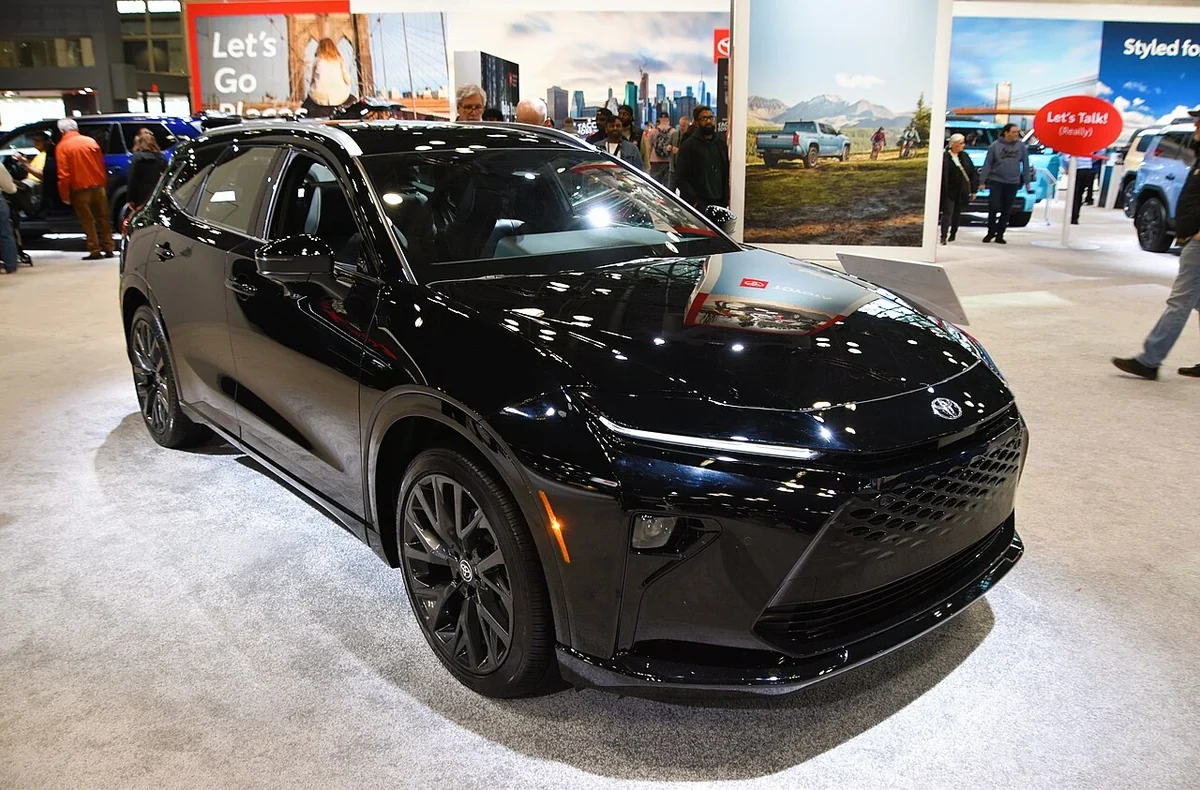
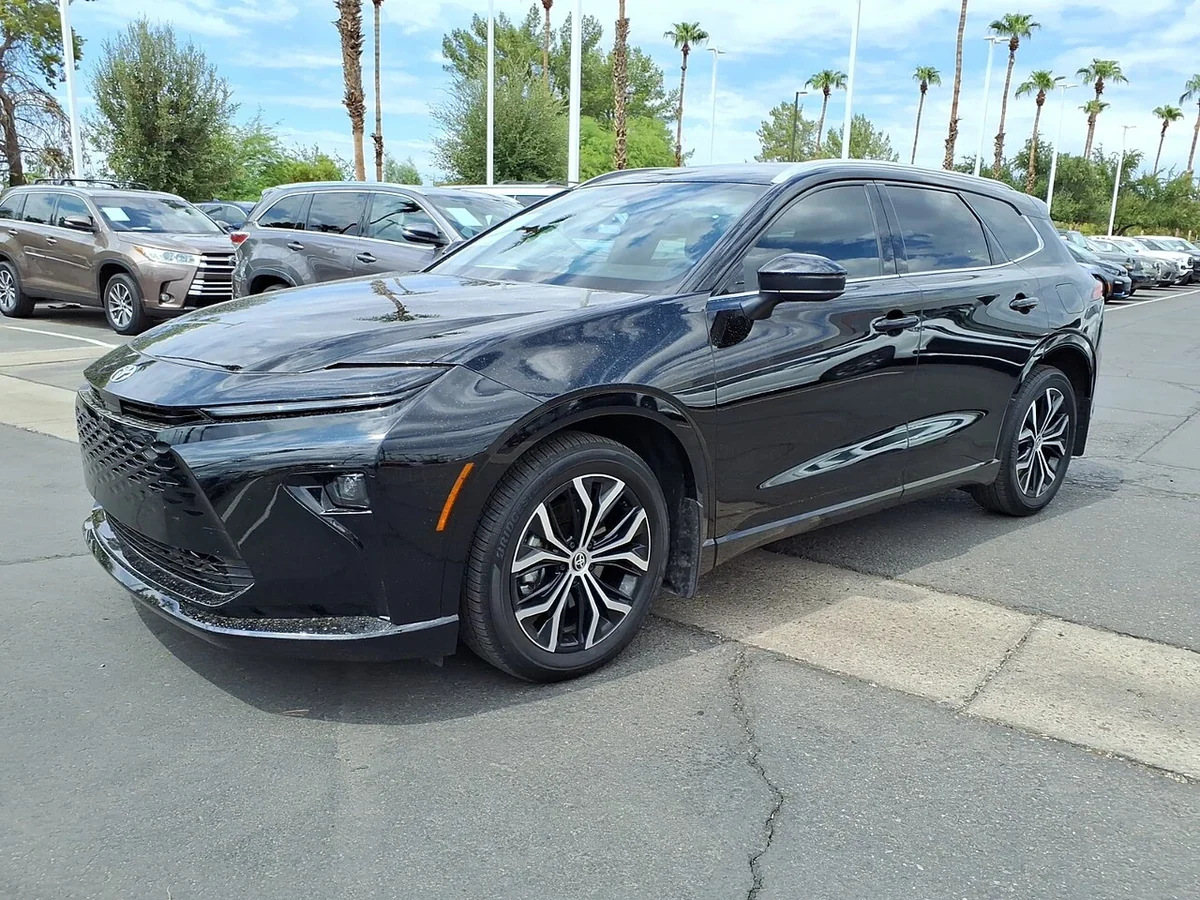
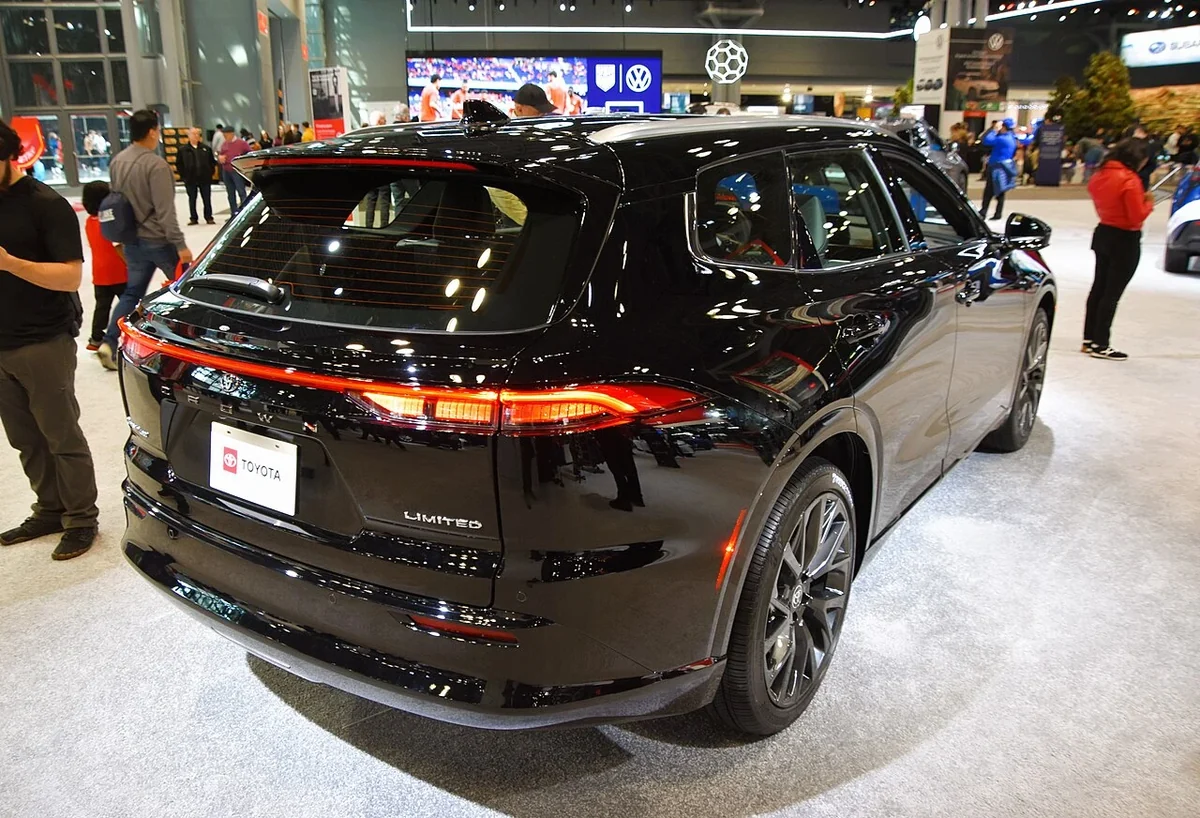
Toyota sells the Crown Signia as an SUV, but its long roof and restrained stance give it some of the appeal of a wagon. That visual distinction matters because not every buyer wants their daily vehicle to imply an expedition. A low, flowing profile can communicate usefulness without pretending to be a trail machine.
The shape also makes the car look different from the Crown sedan. These are related names, not interchangeable bodies. If you search for photographs, specifications or accessories, include Signia and the relevant market. Japanese Crown Estate details should not be silently substituted for U.S. specifications.
For the enthusiast, the design question is more interesting than whether the car looks expensive. It asks whether practicality can still be elegant when almost everything is labeled an SUV. The Crown Signia’s appeal is strongest when you appreciate that restraint rather than wishing Toyota had added larger grilles, more cladding or a louder trim badge.
240 HP: Enough Is the Point
The hybrid system pairs a 2.5-liter four-cylinder with electric assistance for 240 net combined horsepower. An electronic continuously variable transmission manages the power delivery. Toyota’s current U.S. product information is the reference for the model discussed here.
The number should set expectations, not become an invitation to invent a sports-car personality. This is a powertrain chosen around ordinary movement, efficiency and an uncomplicated ownership routine. A buyer attracted by dramatic acceleration should test alternatives built around that goal rather than hoping the Crown name hides a performance model.
Electric assistance can help at low speeds and during acceleration, while the engine provides energy for sustained driving. The system can recover some energy during slowing, but it still needs gasoline. There is no charging port to plan around and no promise that your daily trip will take place entirely on electricity.
An eCVT should also not be judged simply by the behavior of an unrelated belt-type CVT. The term describes a continuously variable operating effect; hybrid power-split machinery is a different arrangement. What ultimately matters is whether the engine response and sound under your normal acceleration feel acceptable to you.
38 MPG Means More When You Keep the Calculation Honest
The published combined EPA estimate is 38 mpg. It is a comparison tool, not a guarantee for every commute. Short cold trips, sustained speed, traffic, loads and tire condition can all change consumption. A calm-looking car still obeys the same physical rules as a more aggressive-looking one.
For context, 12,000 miles at 38 mpg would consume about 316 gallons. A hypothetical 28-mpg vehicle would use about 429 gallons. At an assumed $3.50 per gallon, the difference is approximately $395 a year. Those are illustrative calculations, not Cariary road-test results or a claim about a specific competitor.
The point is not to dismiss the saving. It is to keep it in proportion to the purchase price. If the Signia costs several thousand dollars more than another suitable car, fuel alone may not explain the decision. You may be paying for the cabin, styling and equipment as well, which is reasonable if you acknowledge it.
For a different interpretation of Toyota’s everyday hybrid philosophy, read our Toyota Camry review. The useful question is whether you need the crossover’s hatch and seating position enough to move away from the sedan format.
Toyota Crown Signia Interior: Spend on the Journey
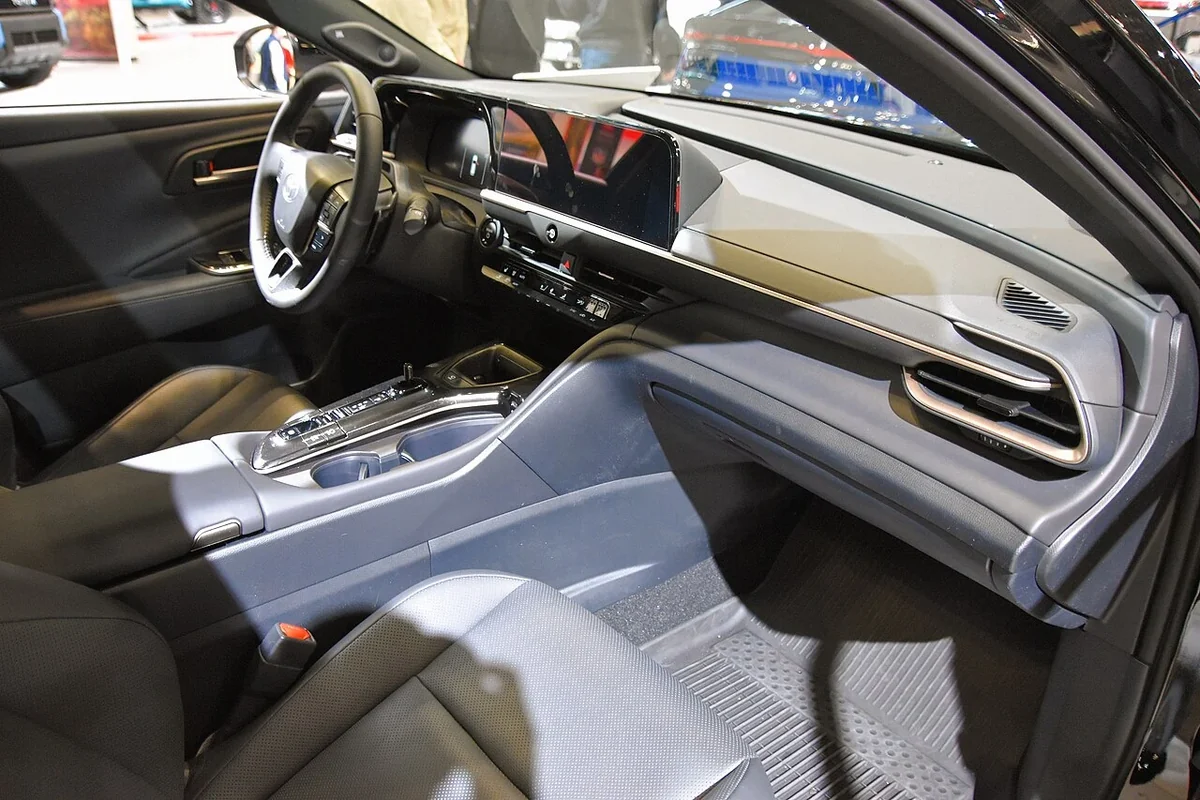
Standard leather-trimmed seating and a 12.3-inch multimedia display help explain the positioning. Yet the important part of the cabin is not whether it can win a photograph against a luxury-brand rival. It is whether the driver and regular passengers find a comfortable position without negotiation.
Sit for longer than the sales introduction. Check thigh support, wheel reach, the front passenger’s posture and rear-seat comfort behind the driver’s actual position. A cabin that looks quiet and generous can still fit one body type better than another. Materials cannot compensate for an awkward seating relationship.
The central display should be judged by the tasks you repeat. Navigation, climate adjustments and phone integration matter more than a home-screen animation. Establish which connected functions require subscriptions after any included trial. A useful feature today should not become a surprise recurring cost later.
The photographed 2026 cabin provides a direct view of the layout. It does not establish a noise measurement or a ride-quality result. Those impressions require a drive on familiar roads, ideally with the people who will share the car.
Five Seats Can Be a Strength
A third row is valuable when you use it. When you do not, it can turn a purchase into an argument about capability that never improves your day. The Crown Signia commits to five seats, allowing the buying discussion to stay focused on the second row and the load area behind it.
Toyota describes a long load floor with the rear seats folded. That is useful for bulky objects, but a maximum-volume figure should never stand in for the real loading test. A bicycle, suitcase or dog crate has a shape. So do the hatch opening, wheel housings and seatbacks.
Try loading the objects you routinely carry while retaining the passenger places you need. If you often transport five adults and their luggage, test that combination rather than the empty showroom arrangement. If the rear bench is usually vacant, the long roof may be exactly the flexibility you wanted without stepping into a taller three-row vehicle.
The power liftgate and hatch format can make the Signia more convenient than a sedan for certain tasks. They do not automatically make it the better family vehicle. Parking dimensions, rear visibility and the height at which you lift heavy items are part of practicality too.
Standard AWD Does Not Turn It Into an Off-Roader
The electronic on-demand AWD system gives the Crown Signia a useful traction tool without requiring the buyer to choose a different engine. Its purpose should be understood in the context of a road-oriented crossover, not an invitation to transfer expectations from a body-on-frame off-roader.
Tires remain the connection to the road. Snow, standing water and emergency braking ask different questions from accelerating away from a stop. The Cariary drivetrain comparison explains why all-wheel drive and all-weather confidence are related but not identical.
Toyota lists a 2,700-pound towing capacity when properly equipped. That may cover some modest trailer needs, but it is not a reason to estimate loaded weight casually. Passengers, cargo, tongue weight and the actual equipment on the car all matter. Use the vehicle documentation and weigh the loaded trailer when necessary.
Toyota Crown Signia Price: The Hardest Part of the Case
The current Toyota model page lists a starting MSRP of $44,690. That differs from the $44,390 figure in the November 2025 launch announcement. This review uses the current displayed starting price, with delivery, options, taxes and dealer charges separate. A written quote is the final shopping reference.
At this level, the Crown Signia must compete both with less expensive mainstream choices and with entry points into luxury brands. It cannot rely on being the obvious budget answer. The buyer needs to prefer its particular combination of equipment, hybrid operation and shape.
Start by driving the XLE before deciding the Limited is necessary. Wheel size, available features and appearance choices can change both the experience and the bill. The 2026 model adds an available two-tone treatment on the Limited, but a new paint combination does not change the fundamental buying argument.
The most useful comparison is not a list-price duel between mismatched cars. Price the vehicles you would genuinely take home, including the options that matter, then obtain insurance quotes. A lower monthly payment created by a longer loan does not make a more expensive car cheaper.
Rivals: Toyota, Lexus or Something More Ordinary?
A RAV4 Hybrid belongs in the comparison because it tests whether the additional spending is buying something you value. If the simpler car already handles your passengers, luggage and commute, the Signia’s appeal must come from the extra care you perceive in the overall package. That is a preference, not a mathematical obligation.
A Lexus NX hybrid introduces a different question: do you want this Toyota’s particular proportions and cabin, or the luxury-brand experience and packaging offered by Lexus? Compare the actual seating and cargo needs rather than assuming the more prestigious badge must suit you better.
A larger hybrid SUV makes sense if the missing third row is a real limitation. It is a poor substitute if you would simply carry unused capacity because it seems like better value. The Crown Signia is most convincing for buyers who know what they can leave off the specification sheet.
Ownership: Separate Confidence From a Guarantee
Toyota’s hybrid experience is part of the attraction, but it is not a model-specific reliability statistic. The Crown Signia has not accumulated decades of ownership evidence just because its manufacturer has built hybrids for a long time. Avoid turning brand familiarity into a promise that nothing expensive will happen.
Before purchase, inspect the service schedule, warranty terms, local dealer access and tire replacement cost. Ask which items are routine maintenance and which are wear items. Those are answerable questions. Predicting the exact resale value several years from now is much less certain.
Also consider whether your household can use the car comfortably if the connected services are unavailable. Core controls and basic travel should remain understandable without treating every app feature as essential. The best ownership plan gives you confidence from information, rather than reassurance from a badge alone.
Cariary Perspective: The Luxury of Knowing What You Need
The Toyota Crown Signia makes an unusually adult argument. It suggests that a car can feel like an upgrade without adding seats, a louder engine or a claim to conquer somewhere you will never visit. There is pleasure in choosing a shape and a routine that fit.
Four stars recognize that clarity. The price still needs defending, and the car will not satisfy someone looking for excitement through acceleration or maximum utility. But for the buyer who has stopped measuring every purchase by how much more it can do, the Signia offers an appealing alternative: enough, considered carefully.
Who Should Buy It?
Recommended For
Households that need five seats, appreciate a long-roof hatch, prefer conventional hybrid refueling and are willing to pay for the cabin and design they personally prefer.
Not Recommended For
Buyers who need three rows, strong performance character, substantial towing capability or the lowest possible cost for a practical hybrid.
One-Line Verdict: The Crown Signia makes a thoughtful case for a better five-seat routine instead of a bigger SUV.
Frequently Asked Questions
Is the Toyota Crown Signia the same as the Crown sedan?
No. The Crown Signia is a distinct two-row crossover with a hatch. Do not interchange its specifications with the Crown sedan.
Is it a plug-in hybrid?
No. The U.S. Crown Signia is a conventional hybrid and does not require external charging.
How much power does it produce?
Toyota lists 240 net combined horsepower for the 2.5-liter hybrid system.
Does it have a third row?
No. It seats five in two rows. Buyers regularly needing more seats should consider a different vehicle.
Is all-wheel drive standard?
Yes. Electronic on-demand AWD is standard on the U.S. Crown Signia.
What fuel economy should I expect?
The published combined EPA estimate is 38 mpg. Actual consumption depends on driving, temperature, loads and other conditions.
What is the current starting price?
Toyota’s current 2026 U.S. model page lists $44,690 MSRP before delivery, options, tax and applicable charges. Earlier launch prices differ.
Further Reading and Data Reference
Data reference date: October 4, 2026. Official specifications and attributed test observations are linked where discussed. Cariary Point is an editorial buyer-fit assessment, not an owner road-test score or reliability rating.
Explore more Cariary car reviews and buyer perspectives.

