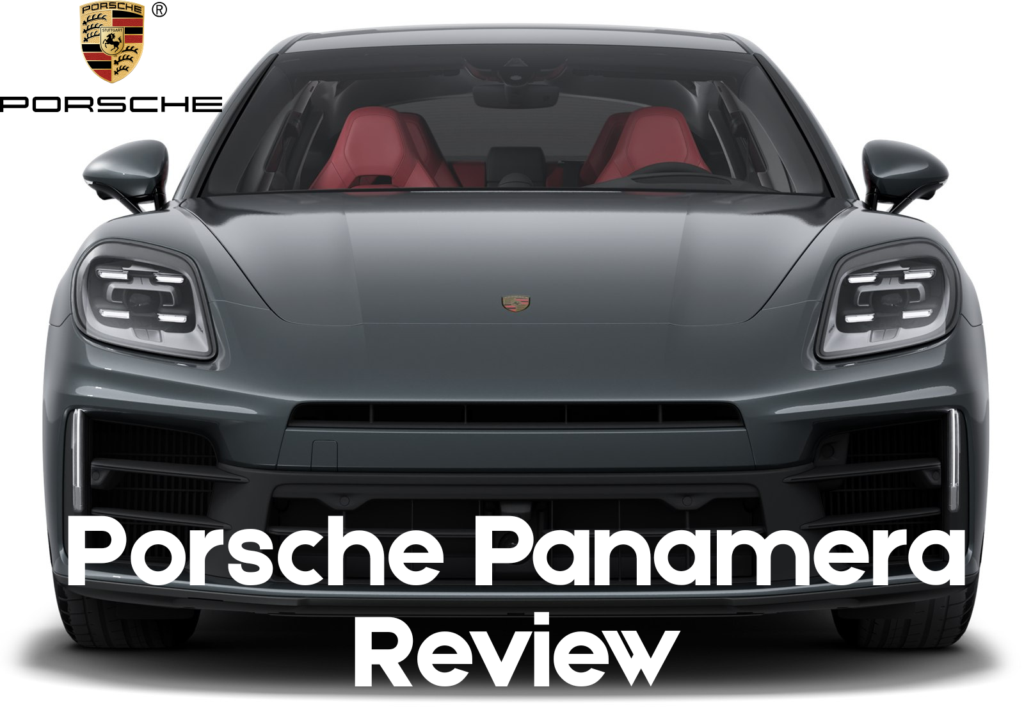
The Porsche Panamera is one of those cars that makes more sense once you stop asking it to behave like a normal sedan.
It is not a 911 with extra doors. It is not simply a luxury sedan with a Porsche badge. It sits somewhere between a sports car, a grand tourer, and a family car for people who do not want to give up driving emotion just because life has become more practical.
That is the Panamera’s entire point.
Quick Take
The Porsche Panamera is for buyers who want Porsche DNA, real four-seat usability, long-distance comfort, and enough performance to make ordinary luxury sedans feel distant.
It is expensive, and it is not the cleanest value choice in the segment. But if you have the financial room and want one car that can carry your family while still feeling like something you chose for yourself, the Panamera is one of the clearest answers in the luxury performance market.
What Is It?
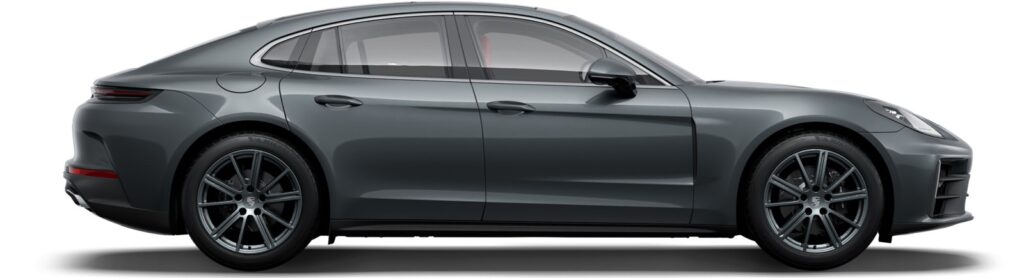
The Panamera is Porsche’s four-door luxury performance car. Depending on market and trim, it ranges from a twin-turbo V6 model to powerful E-Hybrid versions and high-output Turbo variants.
Porsche’s U.S. page lists the 2027 Panamera from $113,000, with the base model producing 348 hp and reaching 60 mph in 5.0 seconds. Higher trims move much further: the Turbo S E-Hybrid is listed with 771 hp and a 2.8-second 0-60 mph time.
Credit image: Porsche
But the numbers are not the most important part. The Panamera matters because it tries to answer a very specific buyer problem:
What if you want a Porsche, but you also need room for your family?
Why This Car Exists
Porsche was once viewed mainly as a sports car company. The idea of Porsche building a family SUV sounded strange before the Cayenne. The idea of Porsche building a large four-door car sounded strange before the Panamera.
But those cars changed Porsche.
The Cayenne helped transform Porsche’s business by proving that a practical Porsche could still be desirable. The Panamera did something similar on the sedan side. It challenged the old belief that Porsche had to be a two-door sports car brand to remain authentic.
Porsche itself has described the Panamera as a “genuine four-seater sports car,” and that phrase explains why the car exists. It is not trying to replace the 911. It is trying to make Porsche ownership possible for buyers who need more seats, more luggage space, and more everyday usability.
Cariary’s view is simple: there must have been resistance inside and outside Porsche when cars like the Cayenne and Panamera were being developed. That is not something we should present as a documented boardroom fact without internal records, but as a market observation it makes sense. Both cars broke the old Porsche stereotype, and both helped expand what the brand could be.
Design and Identity
Credit image: Porsche
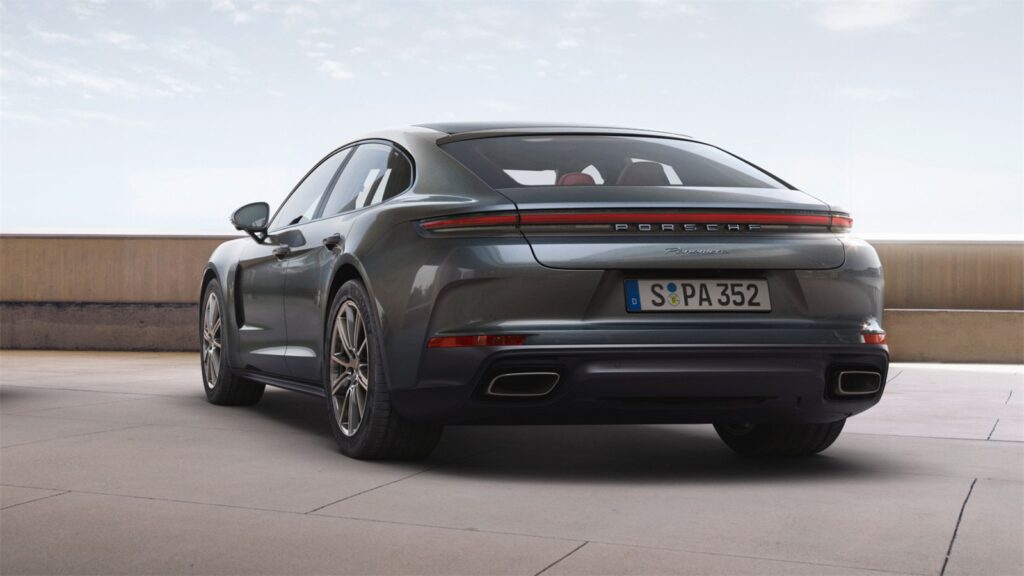
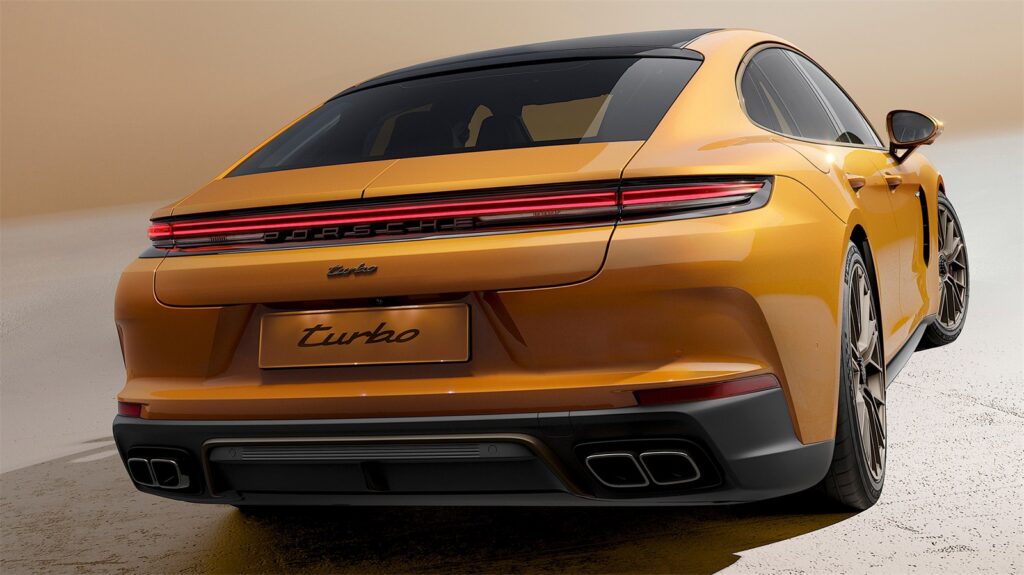
The current Panamera looks sharper, more technical, and more mature than before. The front has a cleaner Porsche face, the rear is wide and planted, and the hatchback shape still gives it a character most sedans do not have.
That said, Cariary personally prefers the previous-generation Panamera’s design. The older car had more flowing curves, and those softer lines made the long body feel more elegant. The new model is more precise, but the previous one looked a little more emotional.
Credit image: Porsche
Still, the Panamera remains instantly recognizable. The long roofline, wide rear, and low stance tell you this is not a conventional executive sedan. It has the shape of a car that wants to cross countries quickly, not just arrive quietly at a hotel entrance.
Interior and Daily Use
Credit image: Porsche
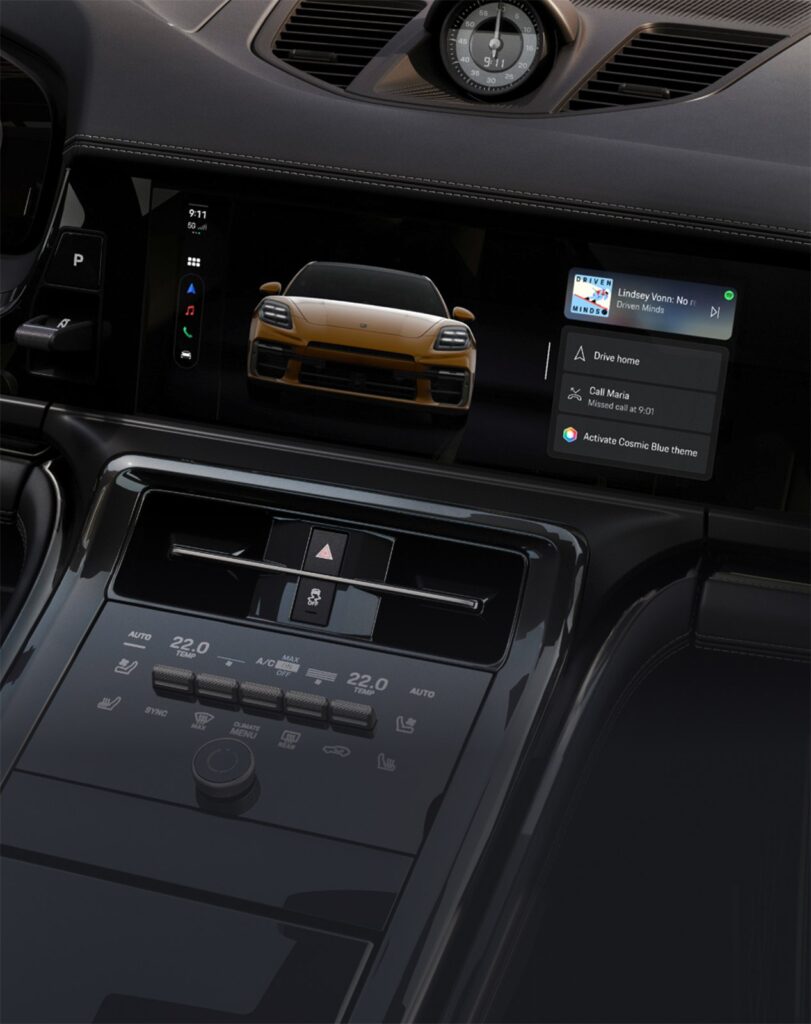
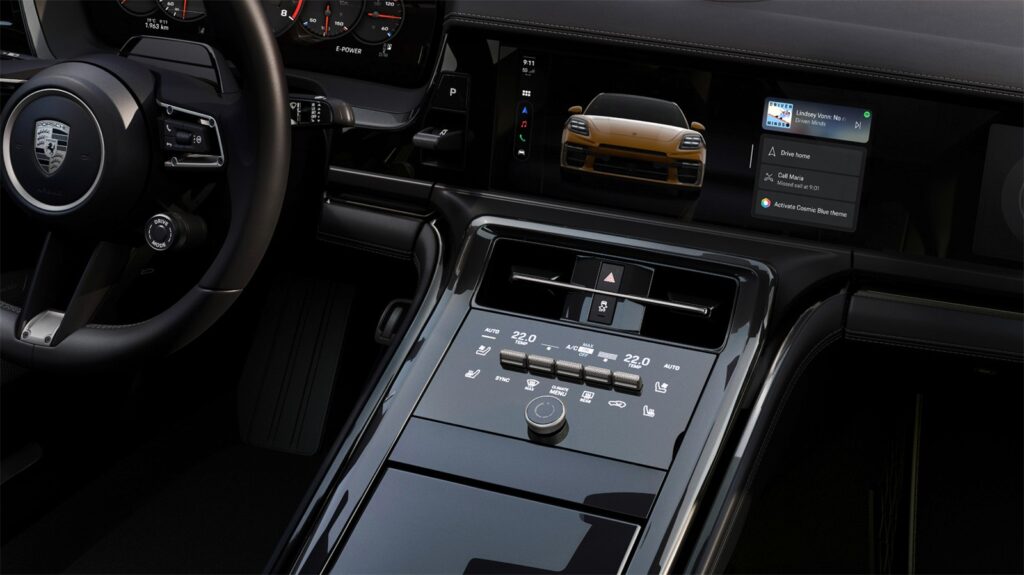
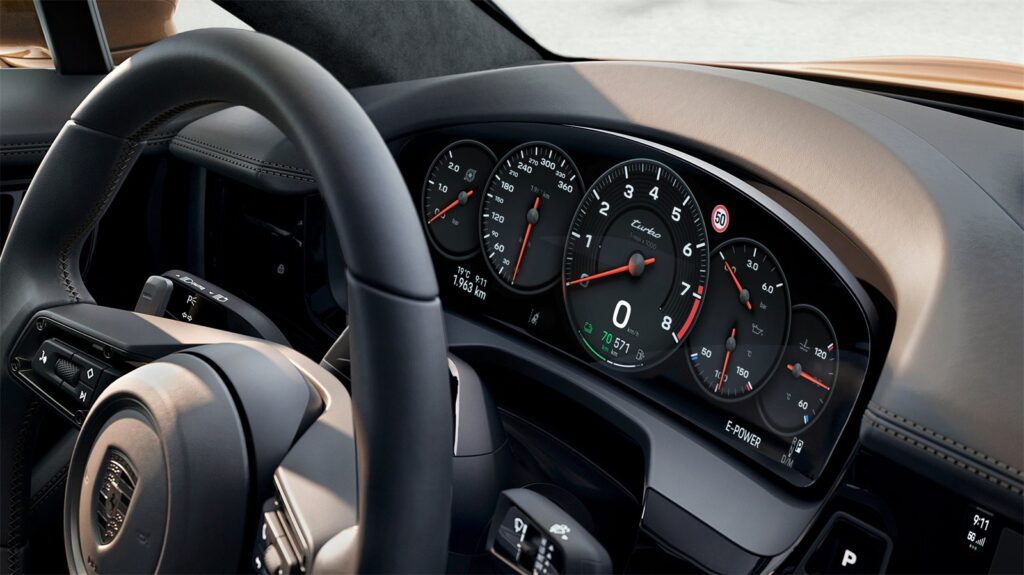
Inside, the Panamera now feels more digital and more cockpit-like. Porsche has moved toward a screen-heavy layout, with a curved driver display, modern infotainment, and compact controls.
The controversial part is the gear selector.
Credit image: Porsche
The newer Panamera uses a small selector near the steering wheel area instead of a traditional center-console gear lever. Technically, this frees up space and makes the cabin look cleaner. But from Cariary’s perspective, the older center-mounted gear lever was better.
It looked more substantial. It was easier to understand at a glance. It gave the interior a more mechanical, driver-focused feeling.
BMW has moved in a similar direction with smaller gear selectors, and not every version of this trend feels like progress. Minimalism can make a cabin cleaner, but it can also make basic controls less intuitive.
Credit image: Porsche
The Panamera’s cabin is still excellent, but this is one of those details where modern design may have removed some emotional satisfaction.
Family Practicality Without Becoming Ordinary
Credit image: Porsche
The Panamera makes the most sense for parents who still care deeply about cars.
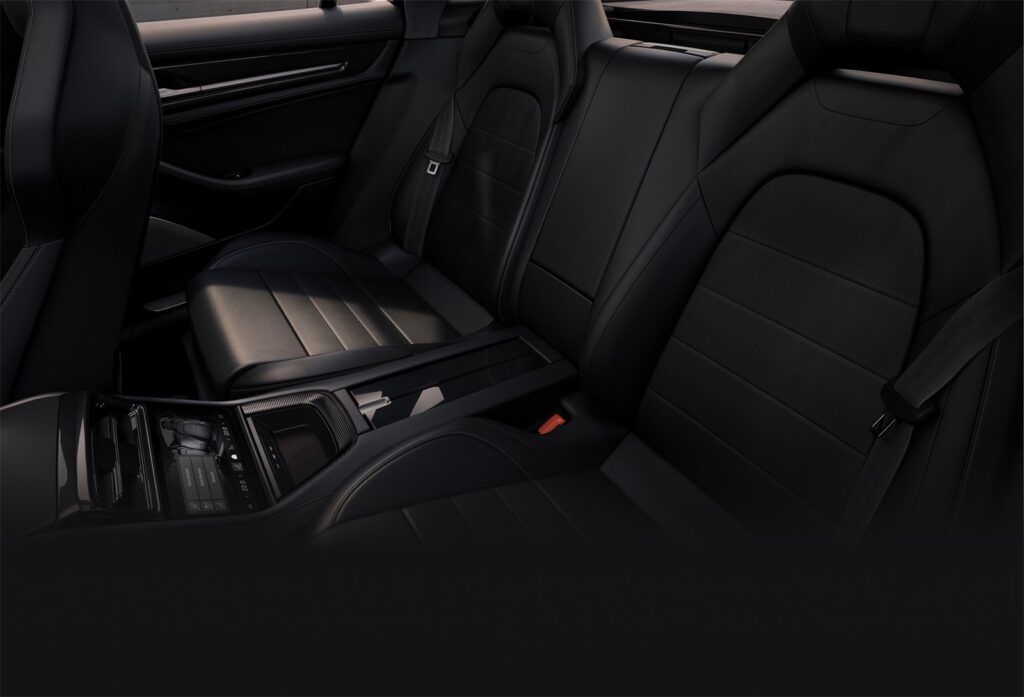
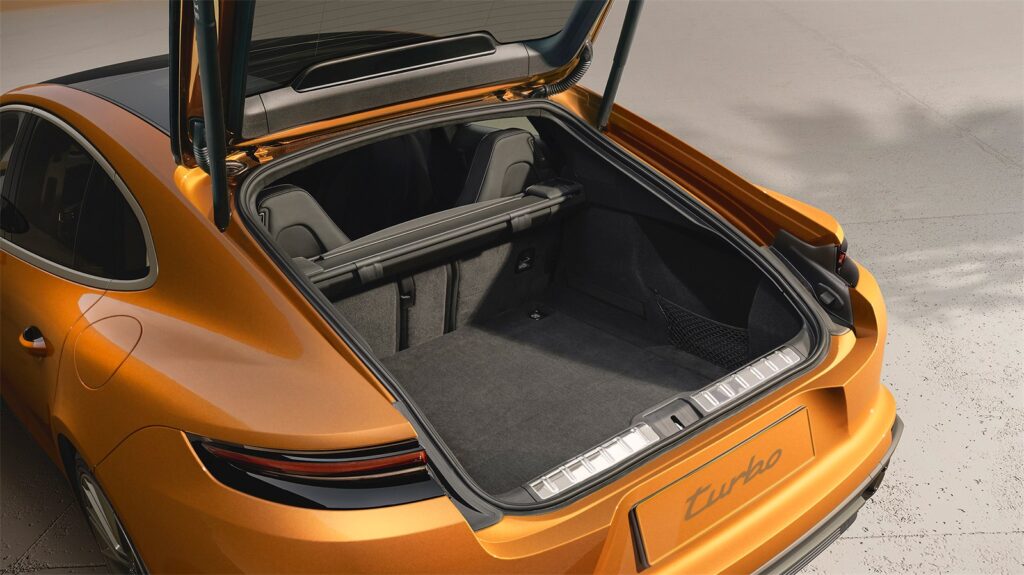
If you are a mother or father who wants Porsche DNA but cannot justify a two-seat or tight four-seat sports car as the main family vehicle, the Panamera becomes very compelling. It gives you rear seats that adults can actually use, a large hatchback cargo area, and enough refinement for daily driving.
Credit image: Porsche
This is where the Panamera separates itself from many performance cars. It does not ask you to choose completely between personal enjoyment and family responsibility.
It lets you bring both into the same car.
Driving Character
Credit image: Porsche
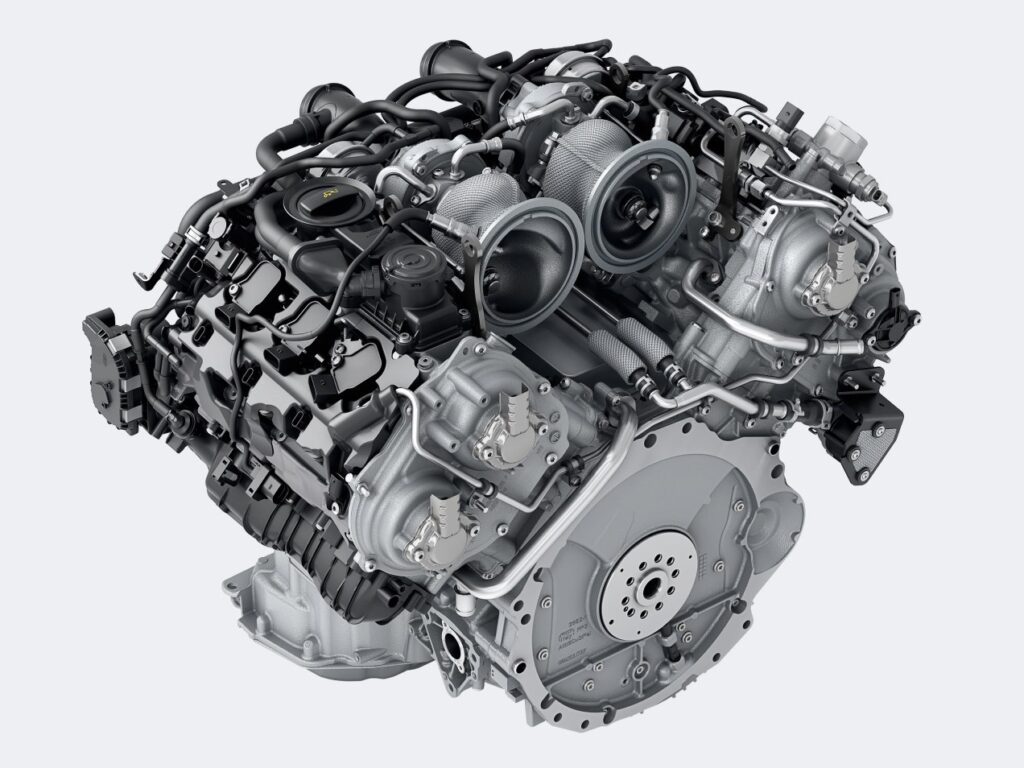
The base Panamera’s 2.9-liter twin-turbo V6 is not the emotional peak of the lineup, but it is still serious hardware. With 348 hp, it is quick enough for real-world driving, and it gives the car a more balanced character than many buyers might expect.
Higher trims add more drama. The E-Hybrid models bring huge power, and the Turbo models move into supercar acceleration territory. But the Panamera’s real strength is not just straight-line speed. It is how Porsche makes a large, comfortable car feel disciplined.
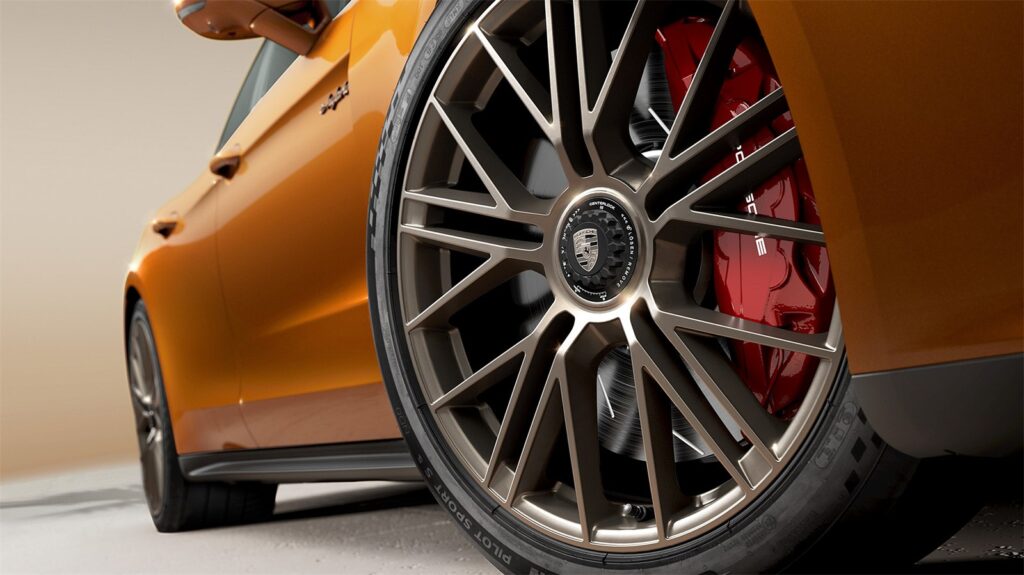
Porsche fits adaptive air suspension with PASM as standard, and E-Hybrid models can be equipped with Porsche Active Ride. In simple terms, the car is designed to control body movement better than a normal luxury sedan. It should feel composed when driven quickly, but still comfortable enough for long-distance use.
Credit image: Porsche
That is the Panamera formula: weight and luxury are present, but they do not fully erase the Porsche feeling.
It Is Still a Porsche
Credit image: Porsche
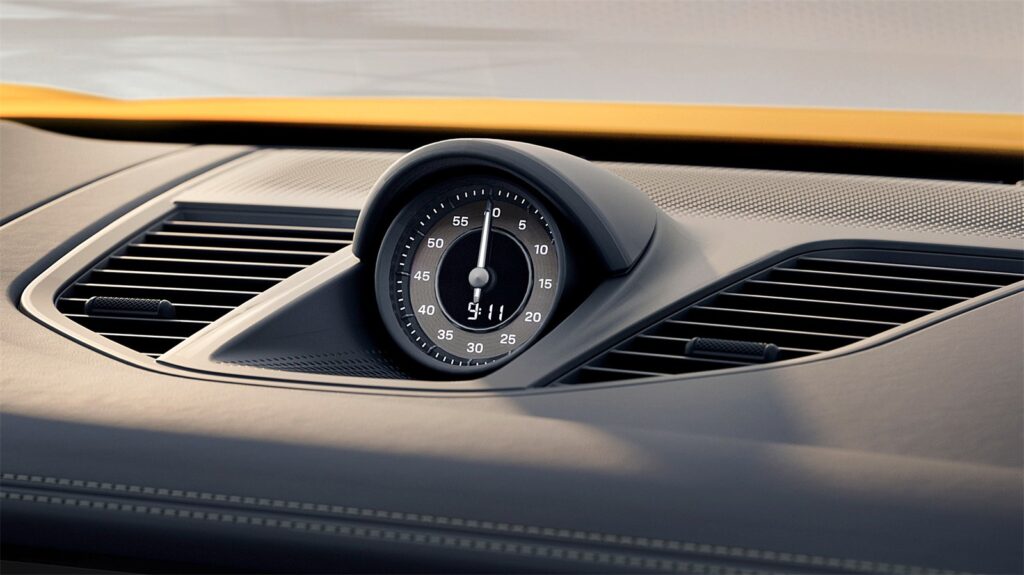
It is easy to talk about the Panamera as a family car, but that can make it sound too sensible. It is not only sensible.
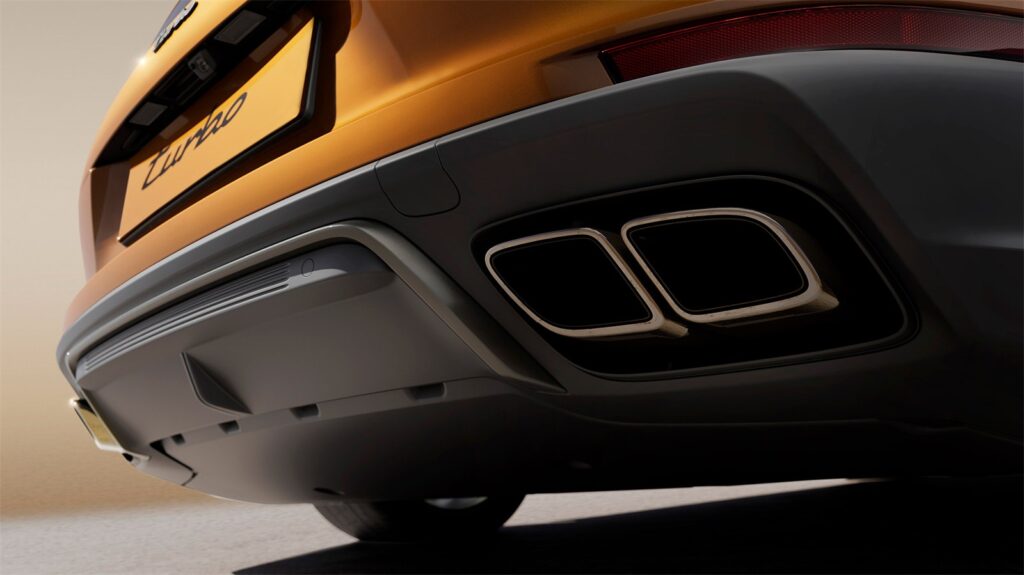
Depending on trim and options, the Panamera can still deliver the sound, response, and emotional edge buyers expect from Porsche. With the right drive mode and sport exhaust setup, it can turn from calm family transport into something that feels alive.
Credit image: Porsche
That matters. The Panamera is not a car you buy only because you need space. You buy it because you want space without surrendering the part of you that still enjoys driving alone for no practical reason.
Price-to-Value Judgment
The Panamera is not cheap, and it is not supposed to be.
If you judge value only by equipment, horsepower, or rear-seat space, other cars may look more rational. A Mercedes-Benz S-Class is more traditionally luxurious. A BMW M5 may feel more aggressive. An Audi RS7 offers a similar fastback idea with a different personality.
But the Panamera’s value is not about winning a spreadsheet.
Its value is that it gives you a Porsche experience in a form that can work for family life. That is rare. For the right buyer, that emotional and practical combination is exactly what justifies the price.
For the wrong buyer, the Panamera will simply feel expensive.
Competitor Comparison
The BMW M5 is the more obvious performance sedan choice if you want brutal power and a more traditional four-door shape. It feels more like a super sedan built to dominate numbers.
The Audi RS7 Sportback is probably the closest conceptual rival. It also uses a fastback body, offers strong performance, and feels more visually dramatic than a normal luxury sedan. The Audi may appeal more to buyers who want design confidence and all-weather usability without the Porsche price structure.
The Mercedes-AMG GT 4-Door Coupe is the more extroverted rival. It feels more aggressive and theatrical, but it may not match the Panamera’s blend of long-distance comfort and Porsche brand identity.
The BMW 8 Series Gran Coupe is elegant and lower in attitude, but it does not carry the same sports-car heritage. It is a stylish luxury GT first, while the Panamera still feels like Porsche trying to stretch its sports-car logic into a family format.
Recommended For
Buy the Porsche Panamera if you want a Porsche but need real family usability.
It is especially strong for buyers who have the budget for a premium car, want four usable seats, care about driving feel, and do not want to move into an SUV.
It also makes sense for parents who already have practical responsibilities but still want a car that feels personally meaningful.
Not Recommended For
Do not buy the Panamera if you mainly want maximum rear-seat luxury. A traditional flagship sedan may serve you better.
Do not buy it if your budget is stretched just to reach the base price. Porsche options can quickly push the final cost much higher.
And do not buy it expecting a 911 with four doors. The Panamera is fast and capable, but it is still a large grand-touring car.
Buyer Verdict
The Panamera is one of the best answers for a very specific buyer: someone who can afford a Porsche, needs to carry family, and refuses to treat driving as a purely practical activity.
If your life requires four seats but your heart still wants a Porsche, the Panamera makes more sense than almost anything else in the segment.
Cariary Perspective
The Panamera matters because it proves Porsche did not survive by protecting old stereotypes.
The Cayenne showed that a Porsche SUV could be accepted. The Panamera showed that a Porsche sports sedan could exist without turning the brand into something ordinary. Both cars asked Porsche fans to accept a wider definition of the brand.
Cariary still prefers the previous Panamera’s softer, more curved design, and the old center gear selector felt more natural. But the core idea remains powerful.
If you have the financial ability and want one car that your family can use while still giving you a Porsche experience, the Panamera is not a compromise. It is the point.
One-Line Verdict
The Porsche Panamera is the family Porsche for buyers who need four seats but still want the car to feel like it was built for the driver.
FAQ
Is the Porsche Panamera a real Porsche?
Yes. It is larger and more practical than a 911, but the Panamera still uses Porsche’s performance logic: strong engines, fast-shifting PDK, serious chassis tuning, and driver-focused controls.
Is the Panamera good for families?
Yes, especially compared with traditional sports cars. It offers usable rear seats and a practical hatchback cargo area, while still feeling more emotional than most luxury sedans.
Which Panamera is the best value?
For many buyers, the base Panamera or Panamera 4 will be the most rational choice. They deliver the core Porsche sedan experience without pushing into the much higher cost and complexity of Turbo E-Hybrid models.
Is the Panamera better than a Porsche Cayenne?
It depends on your lifestyle. The Cayenne is more practical as an SUV. The Panamera is better if you want a lower driving position, a more sedan-like feel, and stronger grand-touring character.
Is the previous Panamera better looking?
That is subjective, but Cariary prefers the previous generation’s more curved design. The current model is cleaner and sharper, while the older car felt more flowing and elegant.
Related Cars
- Audi RS7 Sportback
- BMW M5
- Mercedes-AMG GT 4-Door Coupe
- BMW 8 Series Gran Coupe
- Porsche Taycan
Data reference date
June 23, 2026.