Quick Take
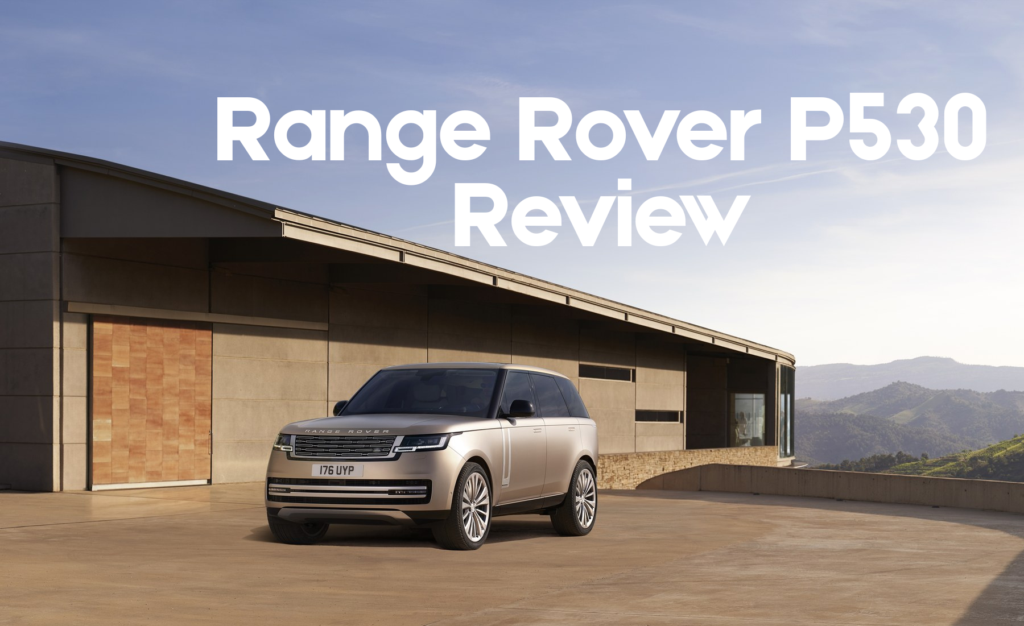
The Range Rover P530 is the kind of SUV people describe as the Rolls-Royce of SUVs, even though Rolls-Royce now makes an actual SUV.
That nickname still says something important. The Range Rover is not only expensive, large, and luxurious. It has a strange ability to make reliability concerns, repair bills, and common sense feel secondary. Many buyers know the old British-car reputation: electrical issues, complicated repairs, expensive maintenance, and a fear that the service bill may eventually feel larger than the car’s value. Yet the Range Rover continues to sit above that conversation.
The P530 is not bought because it is the safest financial decision. It is bought because no other SUV combines status, silence, softness, design restraint, and off-road credibility in quite the same way.
What Is It?
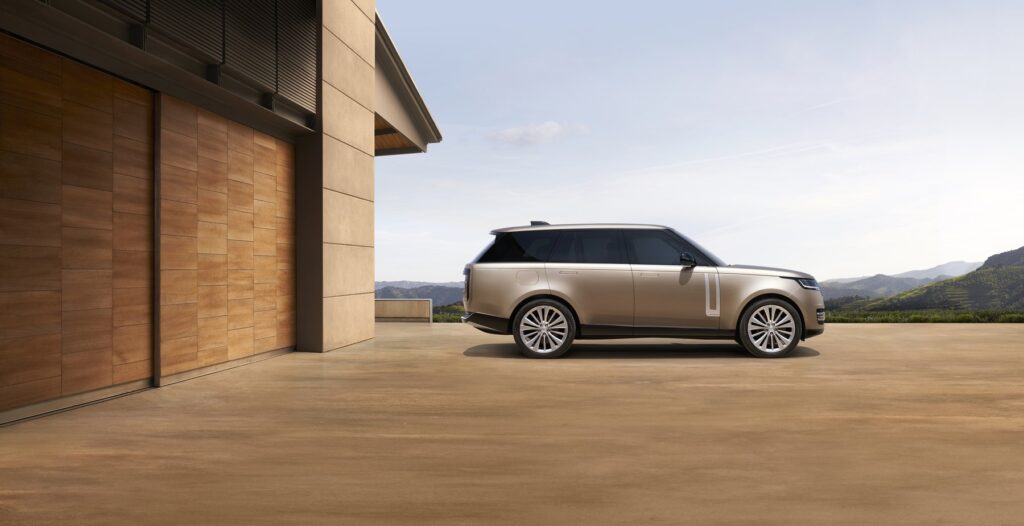
The Range Rover P530 is the V8 version of the full-size Range Rover, using a 4.4-liter twin-turbo V8 with 530 PS and 750 Nm of torque. In U.S. terms, that is roughly 523 horsepower and 553 lb-ft.
Credit: Image: JLR / Range Rover Media Centre
Those numbers are strong, but the P530 is not a Lamborghini Urus-style performance SUV. It does not exist to attack corners or make every throttle input feel dramatic. The V8 is there to make a very large luxury SUV feel effortless.
That matters. In a Range Rover, power should feel like reserve energy. The best version of this car is not one that screams. It is one that moves away quietly, quickly, and without making passengers think about the engine working.
Why This Car Exists
The Range Rover exists because some buyers do not want their luxury SUV to feel like a sport sedan on stilts.
A BMW X7 feels more German and structured. A Mercedes-Benz GLS feels more traditional and family-luxury focused. A Cadillac Escalade feels more American, larger, and more theatrical. A Rolls-Royce Cullinan is on another price planet.
The Range Rover sits in the middle of all that. It is formal without being old-fashioned, expensive without being as unreachable as a Rolls-Royce, and capable without looking like a work vehicle.
Credit: Image: JLR / Range Rover Media Centre
That is why the P530 still makes sense. It gives the flagship Range Rover a proper V8 heart at a time when luxury SUVs are being pulled toward electrification, hybrid systems, and efficiency pressure. The P530 feels like one of the last expressions of traditional flagship SUV luxury before everything becomes quieter, heavier, and more electric.
Design and Identity
The Range Rover design works because it does not try too hard.
Credit: Image: JLR / Range Rover Media Centre
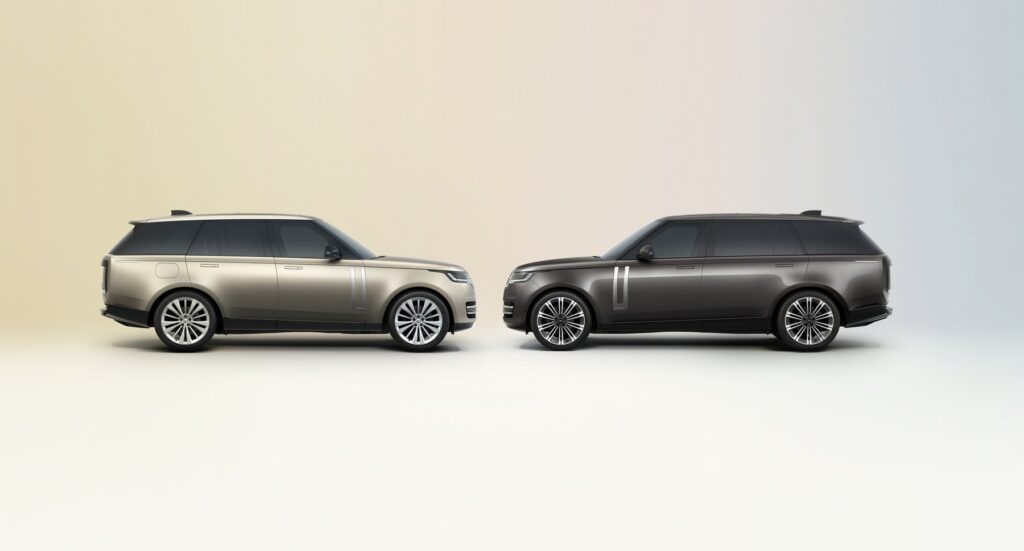
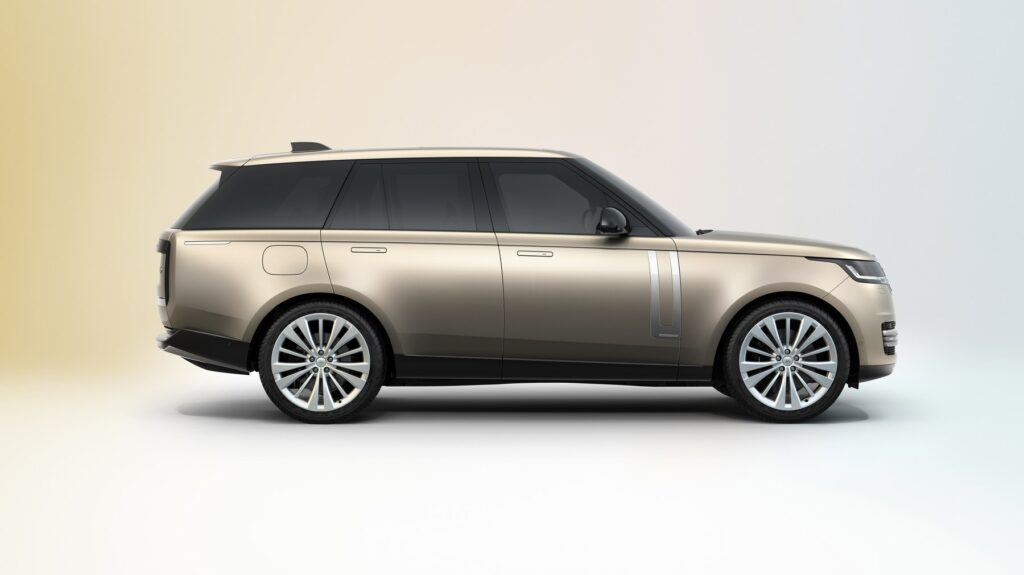
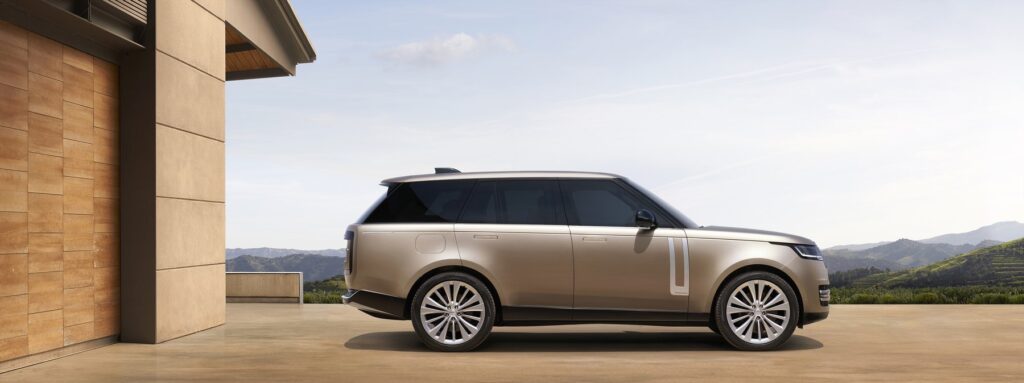
The body is upright, clean, and formal. The side profile is almost architectural. The rear is simple, with vertical lighting and a smooth tailgate area that avoids unnecessary decoration. It looks expensive because it leaves space around itself.
Cariary personally finds the Range Rover Velar more beautiful in pure design terms. The Velar has a sleeker shape and a more fashion-like elegance. But the full-size Range Rover has something the Velar cannot fully copy: authority.
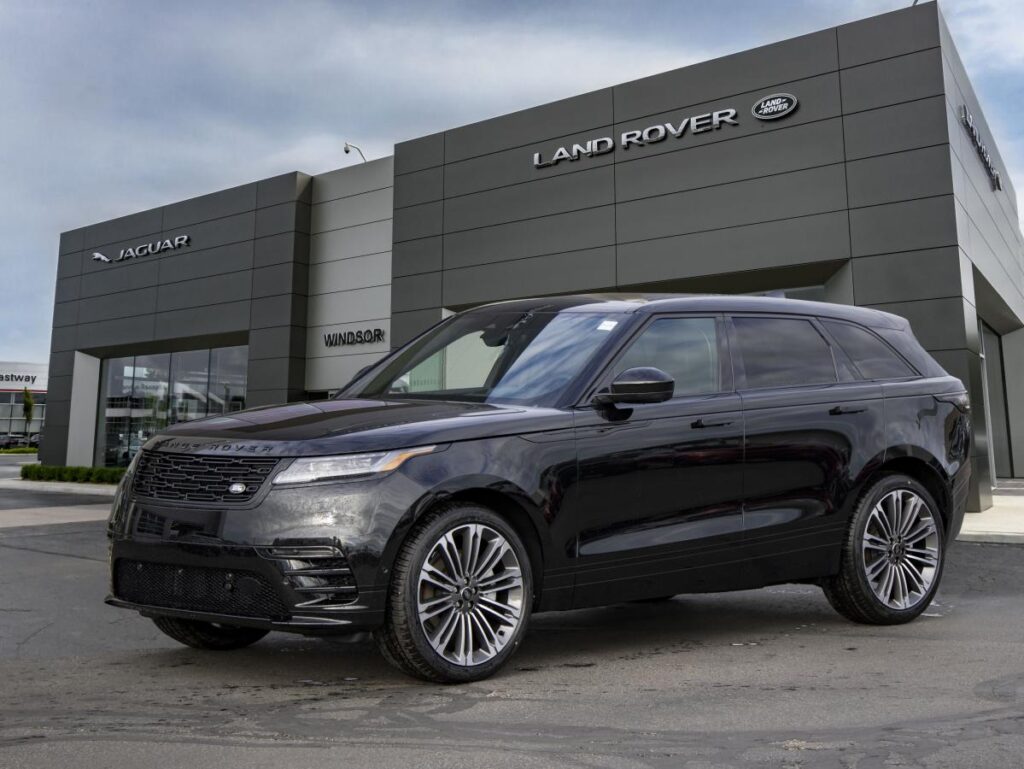
The Velar is prettier. The Range Rover is more important.
That difference matters for buyers. If you want the most stylish Range Rover, the Velar deserves attention. If you want the model that feels like the center of the brand, the P530 is the real one.
Interior and Daily Use
Credit: Image: JLR / Range Rover Media Centre
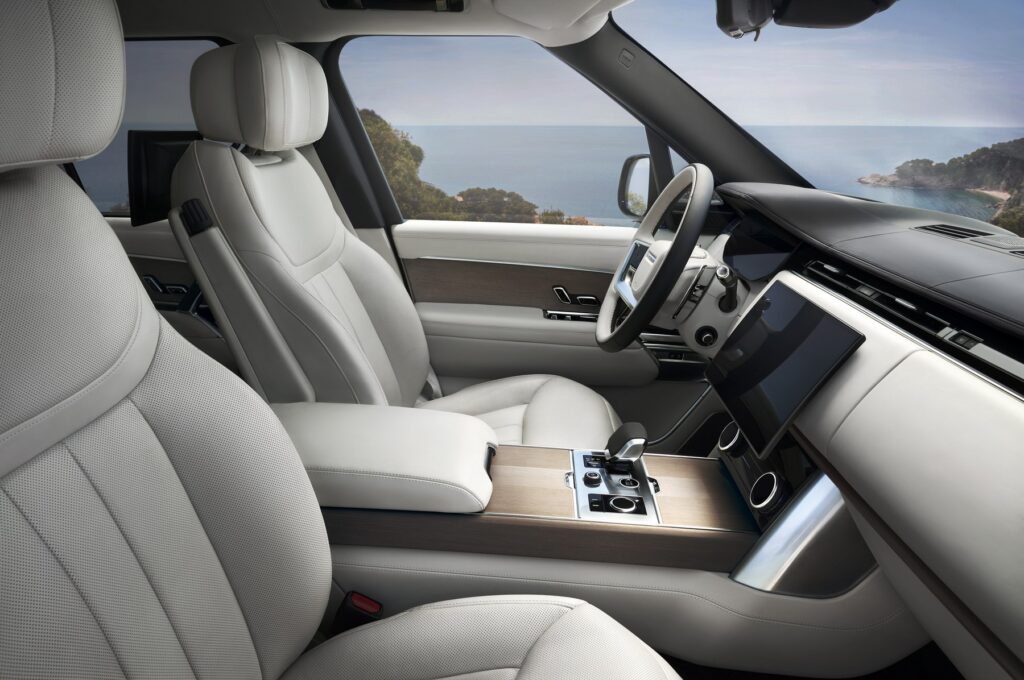
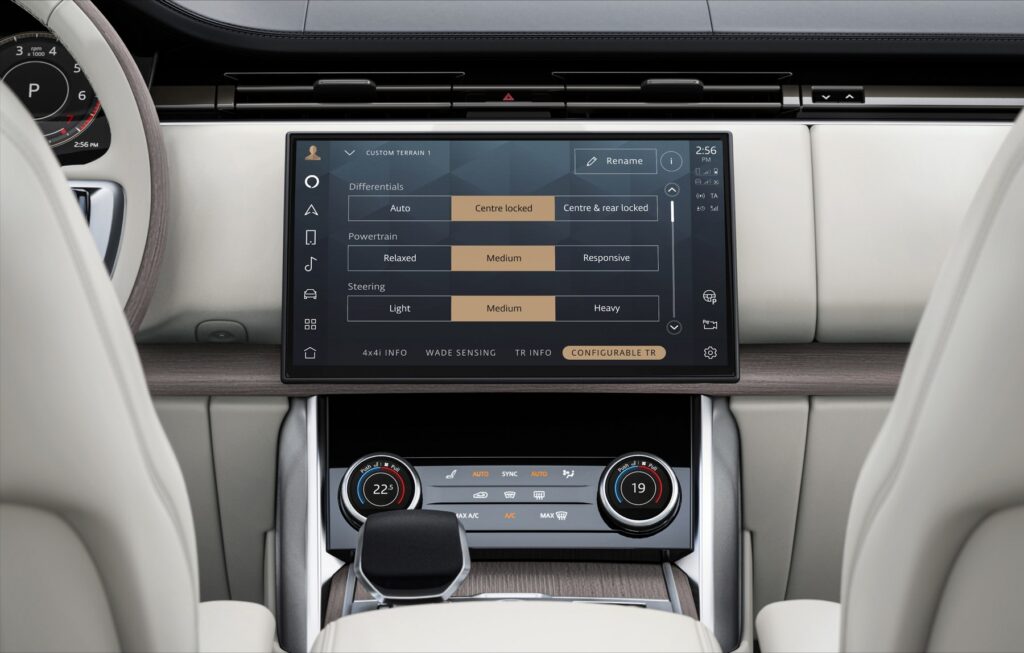
The interior is where the P530 begins to justify its reputation.
The cabin is calm, wide, and deeply quiet. Range Rover does not chase a cockpit-like feeling. It gives the driver a commanding position, a clean dashboard, and a sense that the car is trying to reduce stress rather than create excitement.
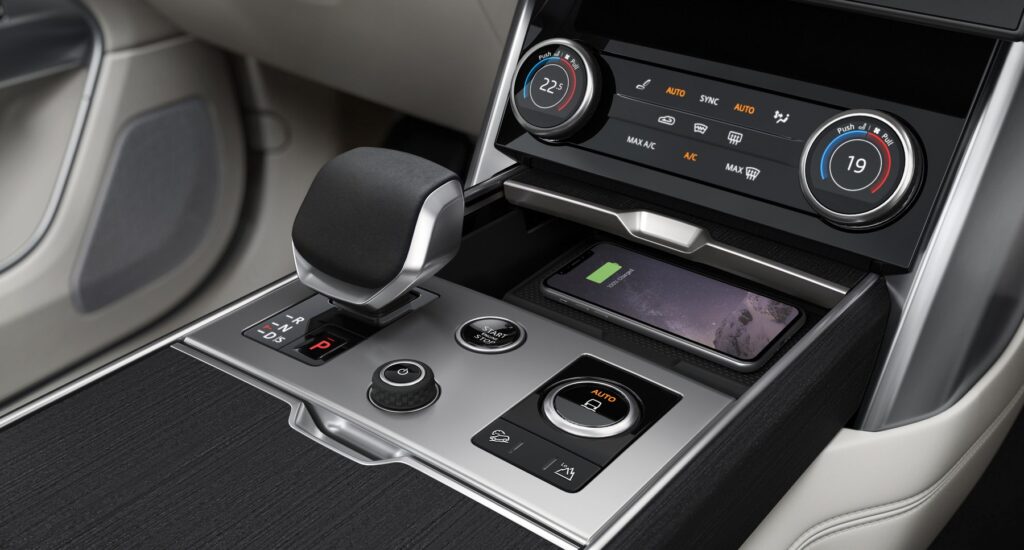
The infotainment system has been one of the areas where Range Rover owners have historically complained. Some newer systems feel more stable than older Jaguar Land Rover setups, but Cariary would not state that display-related issues have been solved because of a specific LG display supplier unless there is clear public confirmation. The safer buyer judgment is this: newer Range Rovers appear more polished than older JLR infotainment generations, but technology reliability should still be checked carefully before purchase.
Credit: Image: JLR / Range Rover Media Centre
That is the Range Rover ownership paradox. The cabin can feel like one of the most relaxing places in the SUV world, while the brand’s reliability reputation still asks buyers to be realistic.
Rear Seats and Comfort
Credit: Image: JLR / Range Rover Media Centre
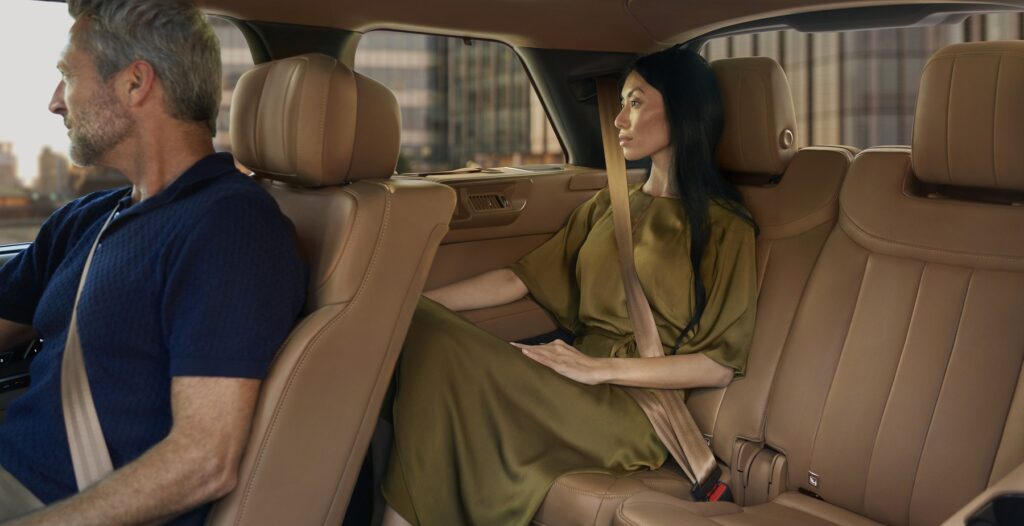
The second row is one of the biggest reasons to buy a Range Rover instead of a sportier luxury SUV.
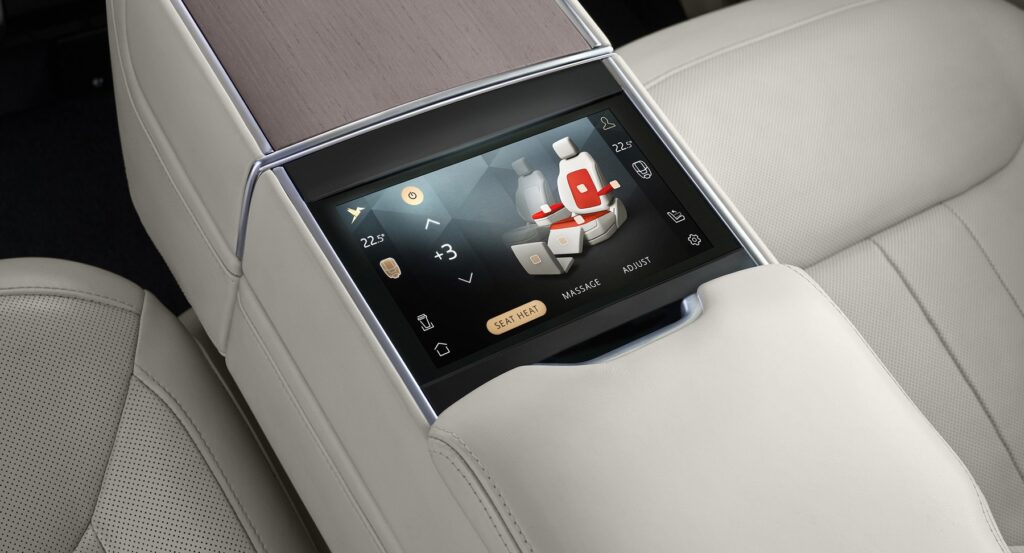
The space is generous, the seating position feels expensive, and the seat cushioning has the deep, padded feeling expected from a flagship SUV. The recline function matters more than it sounds. It changes the second row from “large SUV back seat” into something closer to a lounge.
Credit: Image: JLR / Range Rover Media Centre
This is where the Range Rover separates itself from SUVs that are simply large. A big cabin is not enough. The seats need to feel expensive after two hours, not only in the first five minutes. The P530 understands that.
Cargo Space and Split Tailgate
The Range Rover split tailgate is one of those details that sounds small until you use it.
The lower tailgate can work almost like a small bench or loading platform. It gives the car a calm, outdoor-luxury personality that fits the Range Rover image perfectly. It is not just a trick. It is a practical detail with emotional value.
Credit: Image: JLR / Range Rover Media Centre
Cargo space is useful, but expectations matter. If someone says this size of Range Rover does not have enough cargo room, that buyer may be looking for a Cadillac Escalade or another longer American full-size SUV. The Range Rover is spacious, but it is still prioritizing luxury proportions, passenger comfort, and design over maximum box-like cargo volume.
Driving Experience
Credit: Image: JLR / Range Rover Media Centre
The P530 is powerful, but it is not trying to be an Urus.
That is the correct decision. A Range Rover should not feel like it is constantly asking to be driven harder. It should feel like it can move quickly without disturbing the people inside.
Ride comfort is one of the strongest parts of the car. The suspension tuning, cabin isolation, and high seating position all work together to create that famous Range Rover calm. It is quiet, soft, and controlled in the way a flagship SUV should be.
The P530 can accelerate hard, but its real luxury is not speed. Its real luxury is how little effort it asks from the driver.
Reliability and Ownership Reality
This is the uncomfortable part of any Range Rover review.
British luxury cars, especially Jaguar and Land Rover models, have long carried a reputation for complicated electronics, expensive repairs, and frustrating service visits. Buyers do not imagine this out of nowhere. The reputation exists because enough owners have experienced enough problems over enough years.
But the flagship Range Rover also lives in a different ownership world.
Some buyers at this price level may have multiple vehicles. If the Range Rover goes into service, it may be inconvenient, but not life-stopping. That does not excuse reliability concerns, but it helps explain why the model continues to sell and maintain status despite its reputation.
There is also a difference between buying a used entry-level JLR product on a tight budget and buying a new or well-warrantied Range Rover flagship. The second buyer has more financial buffer, better warranty protection, and often a different tolerance for inconvenience.
Still, Cariary’s advice is clear: buy the P530 with warranty coverage, service history, and realistic maintenance expectations. Do not buy it hoping it will behave like a Toyota Land Cruiser.
Price-to-Value Judgment
The Range Rover P530 is not good value in the normal sense.
It is expensive to buy, expensive to maintain, expensive to insure, and likely expensive to repair outside warranty. A Lexus LX will probably feel more rational. A Cadillac Escalade gives more obvious size and cargo space. A BMW X7 may feel more precise to drive. A Mercedes GLS may be easier to justify as a family luxury SUV.
But the Range Rover offers something different: social weight.
People understand what it is. It does not need an explanation. It has the design, history, and brand presence to make even very expensive rivals feel slightly less iconic.
That is the value. Not low cost. Not perfect dependability. Not maximum practicality. The value is that the Range Rover still feels like the original luxury SUV.
Competitor Comparison
The Mercedes-Benz GLS is the more predictable luxury family SUV. It is easier to recommend to buyers who want comfort, space, and less emotional risk.
The BMW X7 is more driver-focused. It feels sharper and more controlled, but it does not have the same old-money Range Rover calm.
The Cadillac Escalade is the better choice if size, cargo room, road presence, and American luxury theater matter most.
The Lexus LX is the reliability-conscious alternative. It may not feel as elegant or serene, but it carries stronger long-term durability confidence.
The Rolls-Royce Cullinan is the true ultra-luxury SUV, but its price puts it in another category. The Range Rover remains the more attainable symbol.
Recommended For
The Range Rover P530 is recommended for buyers who want a full-size luxury SUV with real presence, exceptional comfort, a smooth V8, a calm cabin, and a brand image that still feels special.
It also makes sense for buyers who care more about arriving relaxed than driving aggressively.
Not Recommended For
The P530 is not recommended for buyers who want low ownership costs, simple long-term maintenance, maximum cargo space, or Toyota-like reliability confidence.
It is also not the best choice for someone who wants a performance SUV that feels sharp and loud. That buyer should look at a Lamborghini Urus, Porsche Cayenne Turbo, or Range Rover Sport SV instead.
Buyer Verdict
The Range Rover P530 is not the rational answer. It is the emotional flagship answer.
It has flaws. The reliability reputation matters. The running costs matter. The service experience matters. But the Range Rover survives those criticisms because it delivers something few SUVs can: calm authority.
This is the SUV for buyers who want comfort pushed close to the extreme, a V8 that feels effortless, rear-seat luxury that actually matters, and a design that does not need to shout.
Cariary Perspective
The Range Rover P530 is interesting because it almost refuses to defend itself.
It knows people will talk about reliability. It knows people will compare repair bills. It knows some buyers will say a Lexus, Mercedes, BMW, or Cadillac makes more sense. And yet the Range Rover still stands there like none of that fully applies to it.
That confidence is exactly why it remains special.
Cariary may prefer the Velar’s design, but the full-size Range Rover is the one that carries the crown. It is not perfect. It is not carefree. But if an SUV can feel like a private lounge with a V8 engine and a royal posture, this is still one of the clearest examples.
One-Line Verdict
The Range Rover P530 is the luxury SUV for buyers who value calm authority, V8 effortlessness, and flagship presence more than perfect practicality or worry-free ownership.
FAQ
Is the Range Rover P530 reliable?
It is a complex luxury SUV, and Range Rover’s reliability reputation remains a real buyer concern. Warranty coverage and service history are especially important.
What engine does the Range Rover P530 use?
The P530 uses a 4.4-liter twin-turbo V8 producing 530 PS and 750 Nm of torque.
Is the Range Rover P530 fast?
Yes, but speed is not its main personality. The V8 is best understood as effortless power rather than sports-SUV drama.
Is the Range Rover better than the BMW X7 or Mercedes GLS?
It depends on the buyer. The X7 feels more precise, the GLS is easier to justify as a family luxury SUV, and the Range Rover has the strongest image and calmest flagship character.
Is the split tailgate useful?
Yes. The lower tailgate can work as a loading platform or casual seating area, which gives the Range Rover a small but memorable practical advantage.
Should I choose a Range Rover Velar instead?
Choose the Velar if design and style matter more than flagship presence. Choose the P530 if you want the full-size Range Rover experience.
Related Cars
- Mercedes-Benz GLS
- BMW X7
- Cadillac Escalade
- Lexus LX
- Range Rover Velar
- Rolls-Royce Cullinan
Data Reference Date
July 22, 2026