CARIARYCAR · DIARY · PERSPECTIVE
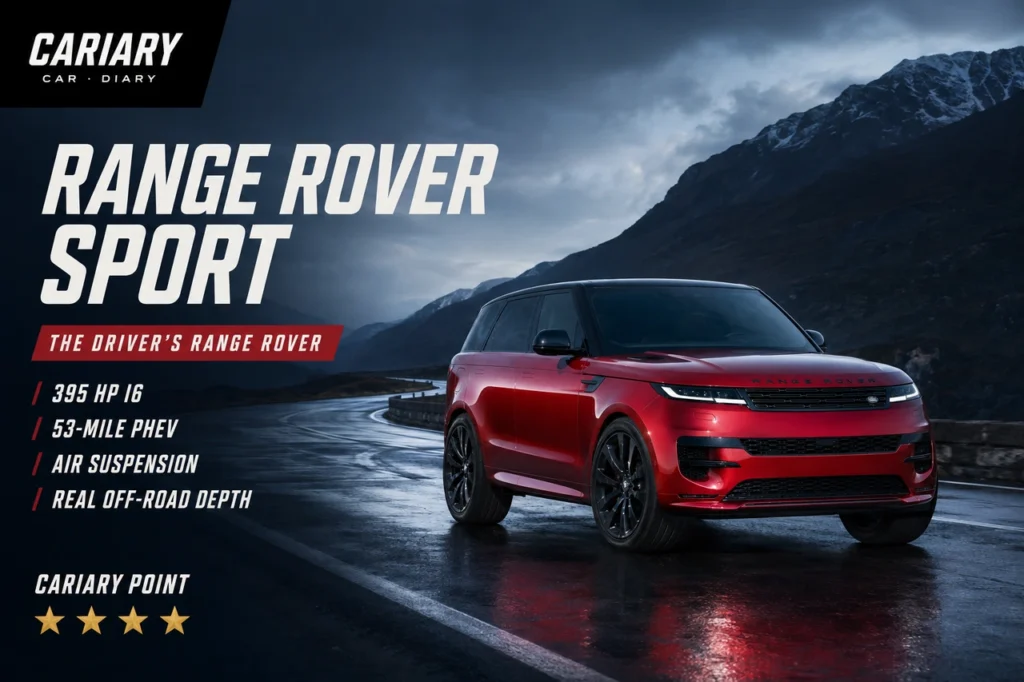
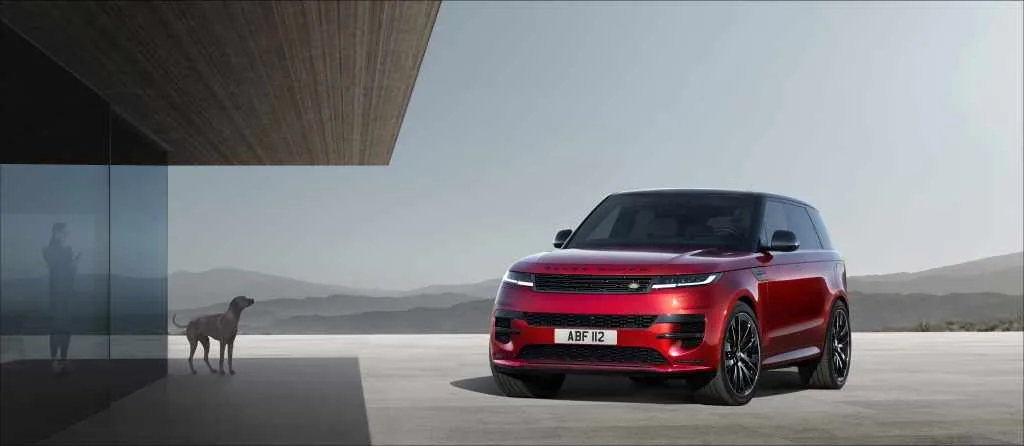
Cover: AI-generated Cariary editorial illustration, checked against official third-generation Range Rover Sport references. It is not road-test photography.
This Range Rover Sport Review asks a simple question: what does the “Sport” badge really add when the regular Range Rover already offers power, luxury and off-road authority? The answer is not one spectacular number. It is the way a shorter, more driver-focused body combines air-suspension comfort, confident road manners and genuine low-range hardware without losing the calm presence that makes a Range Rover desirable.
Cariary has not road-tested this vehicle, so this is a research-based buyer review of the current third-generation U.S. lineup. It draws on Range Rover technical material, current model and pricing information, and independent instrumented testing. The purpose is to separate the hardware that matters from the expensive options that merely decorate it.
Range Rover Sport Review: Quick Verdict
The Range Rover Sport is at its best when it resists becoming a giant performance car. Its appeal is breadth: quiet highway cruising, a commanding seating position, strong six-cylinder performance, real terrain capability and a chassis that feels more controlled than the full-size Range Rover. It is expensive and electronically complex, yet few rivals blend status, comfort and ability with the same clarity.
The P400 is the rational starting point. The P460e adds useful electric commuting if charging fits your life. The P530 supplies the effortless V8 character many buyers expect at this level. The SV is a fascinating engineering project, but its price and intensity move it into a different conversation. For most owners, Dynamic SE with the appropriate engine is the sweet spot.
Table of Contents
- Why the Sport Has Its Own Identity
- Design and Presence
- Cabin, Controls and Daily Use
- P400, P460e, P530 and SV
- Is the Plug-In Hybrid Worth It?
- Air Suspension and Chassis Engineering
- Real Off-Road Depth
- What Makes the SV Different
- Practicality and Ownership
- Cariary Perspective
Why the Sport Has Its Own Identity
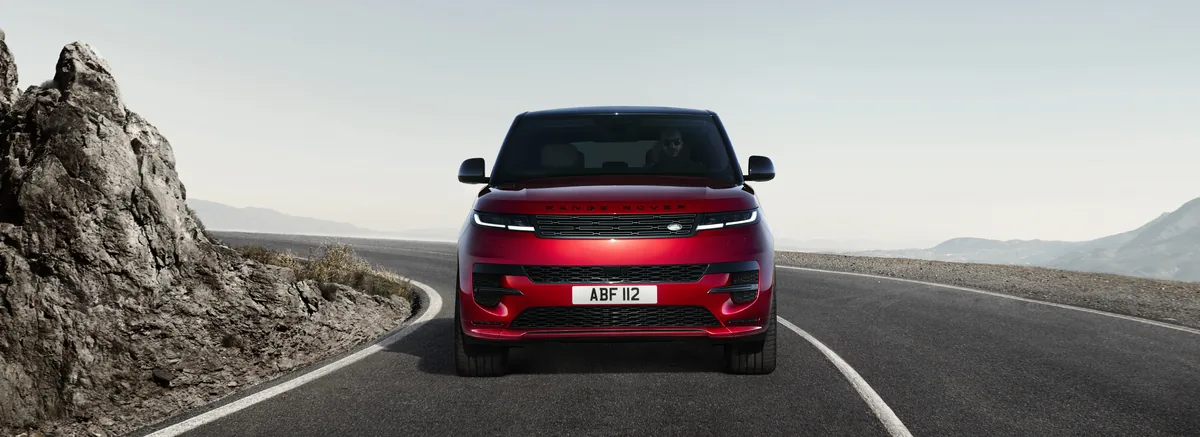
The full-size Range Rover is the formal flagship. It prioritizes rear-seat space, ceremony and the feeling of being removed from the road. The Sport sits lower, uses a shorter body and asks the driver to participate more. It still feels substantial, but it places less distance between the steering wheel and the vehicle’s mass.
That distinction matters because luxury SUVs often chase the same broad recipe. A BMW X5 is sharper, a Porsche Cayenne is more communicative and a Mercedes-Benz GLE can feel more overtly technological. The Range Rover Sport counters with a rare combination: its design has social presence, its ride can be genuinely relaxing and its transfer-case and terrain systems are more than decorative claims.
Cariary’s separate Range Rover P530 review explains the flagship’s appeal. The Sport is the better answer for an owner who still wants that identity but expects to drive the car rather than simply occupy it.
Clean Design With Real Authority
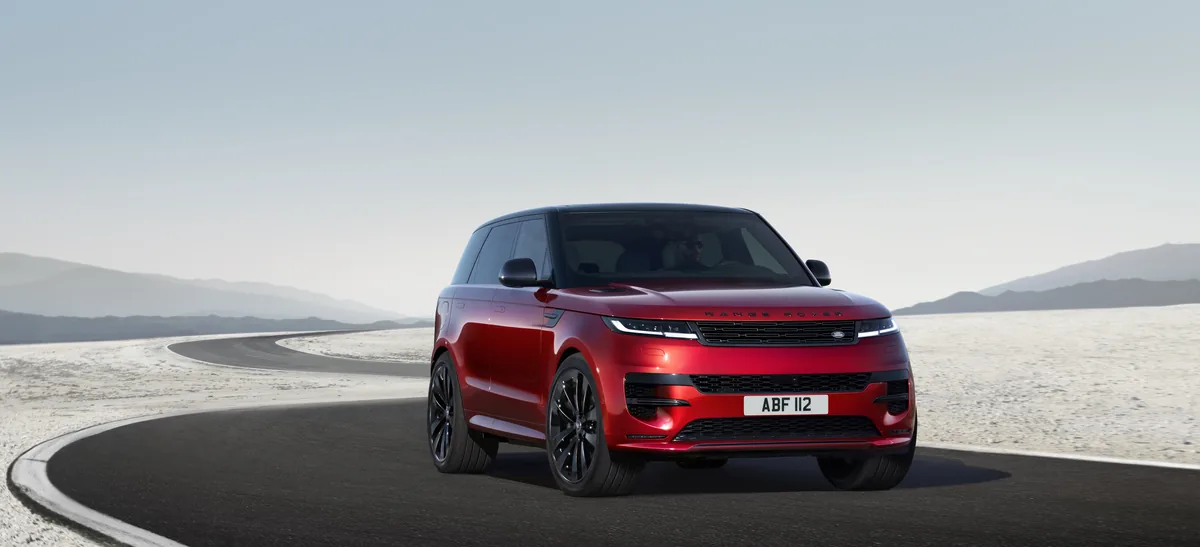
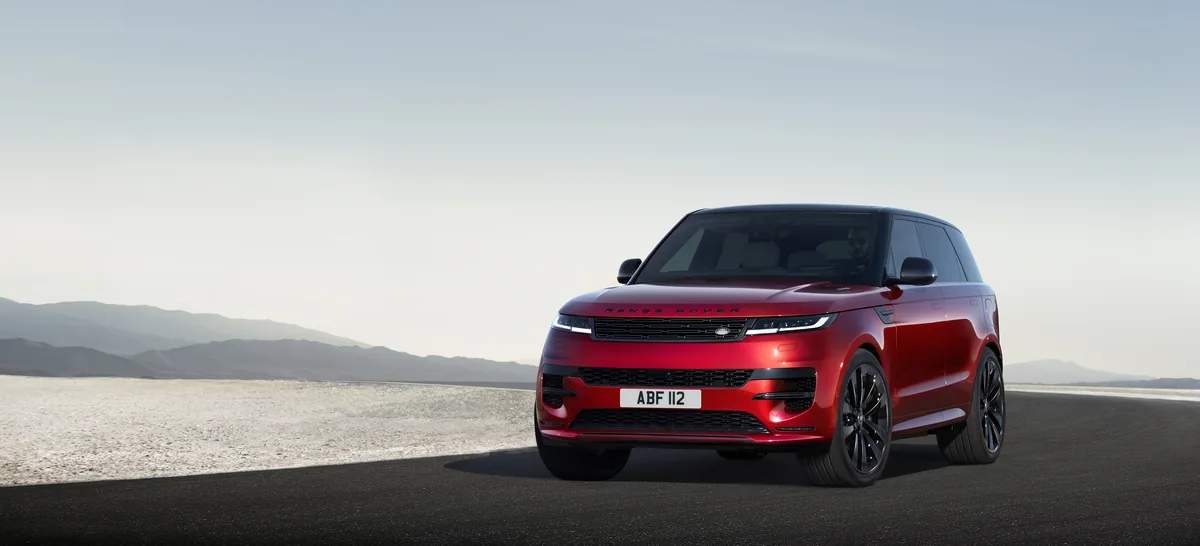
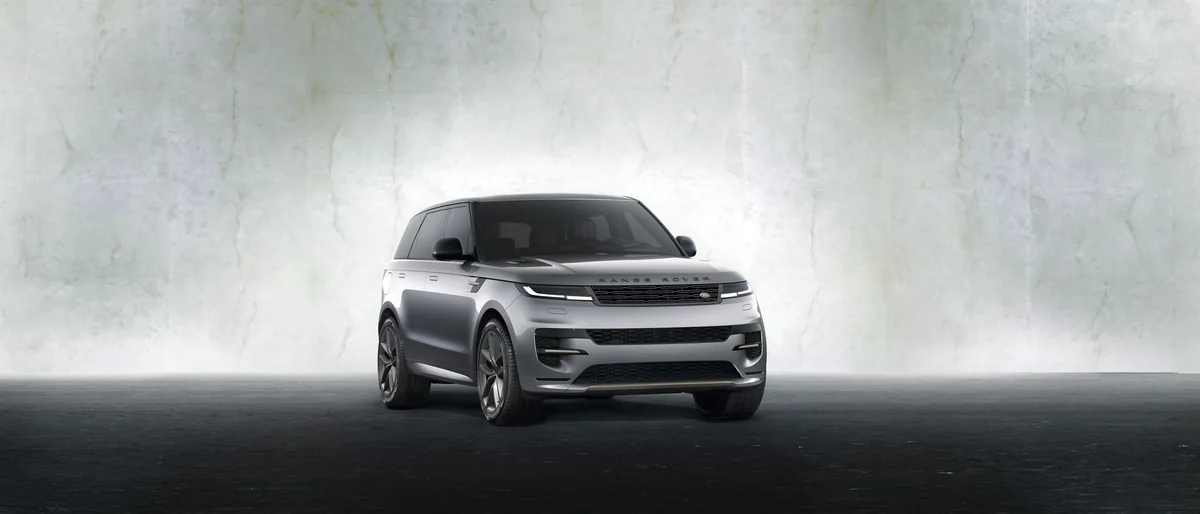
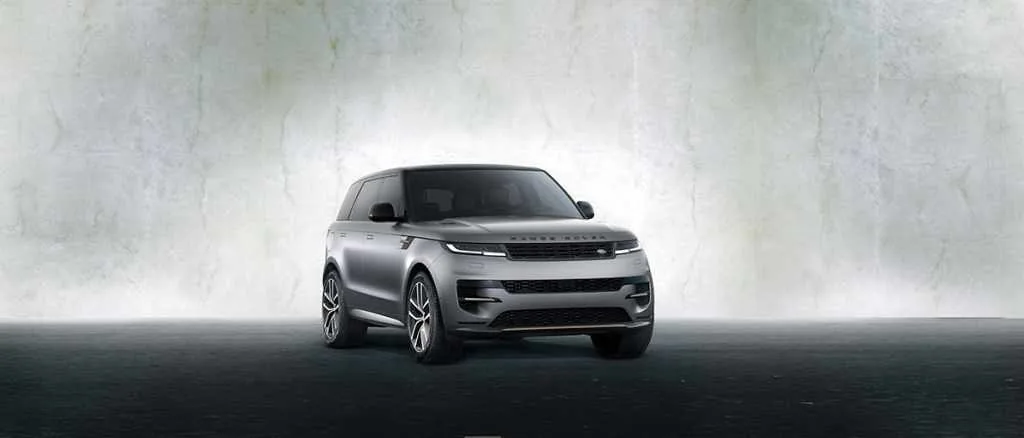
The current shape succeeds because it removes detail. Flush door handles, narrow lighting and almost unbroken side surfaces make the body look expensive without requiring oversized trim. The rear is more compressed than the flagship’s, while the high shoulder and short overhangs preserve the stance of a serious SUV.
Large wheels can strengthen that stance, but they are not free. They increase tire cost, reduce the amount of sidewall available to absorb sharp impacts and may compromise the comfort that gives the Sport its range. A visually restrained specification on 21- or 22-inch wheels may age better than the most aggressive showroom build.
A Calm Cabin With One Important Compromise
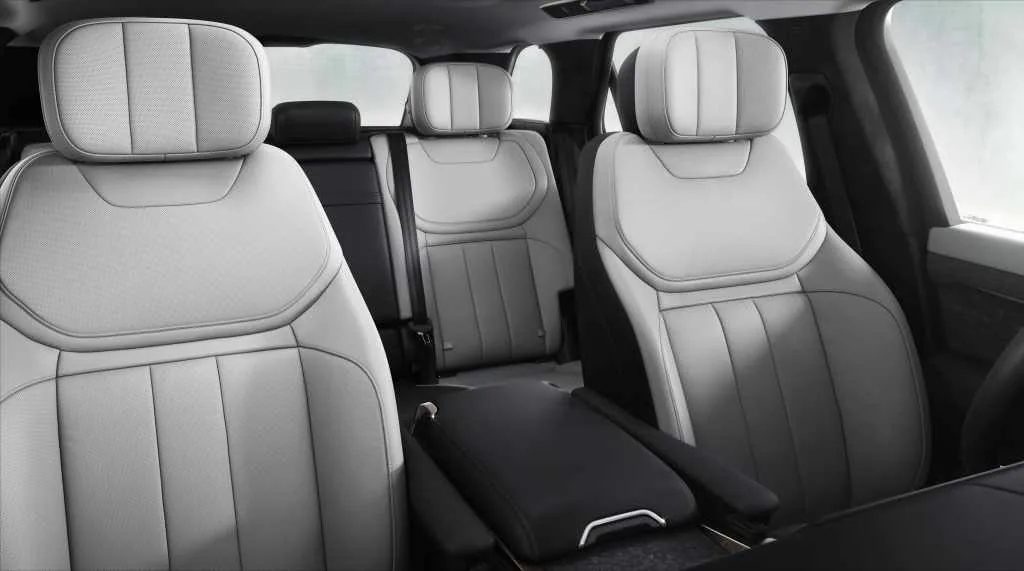
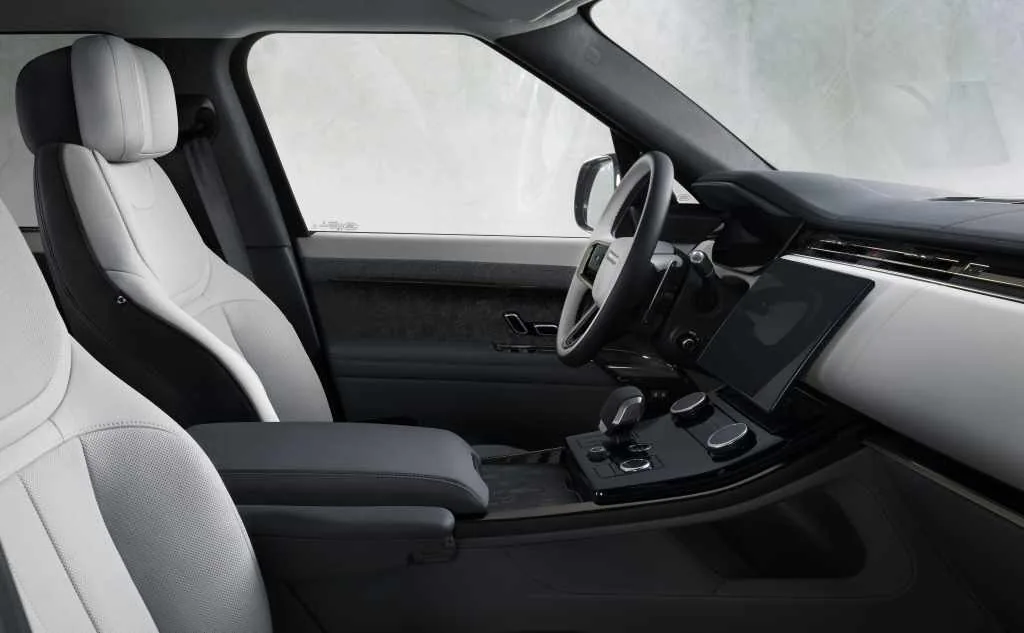
The driving position is central to the experience. The dashboard stays low and horizontal, while the seat gives a clear view over the hood. Windsor leather and 20-way heated and ventilated front seats are standard on the current U.S. SE. The materials, glass area and simple geometry create a more relaxing environment than the aggressively layered cabins in some rivals.
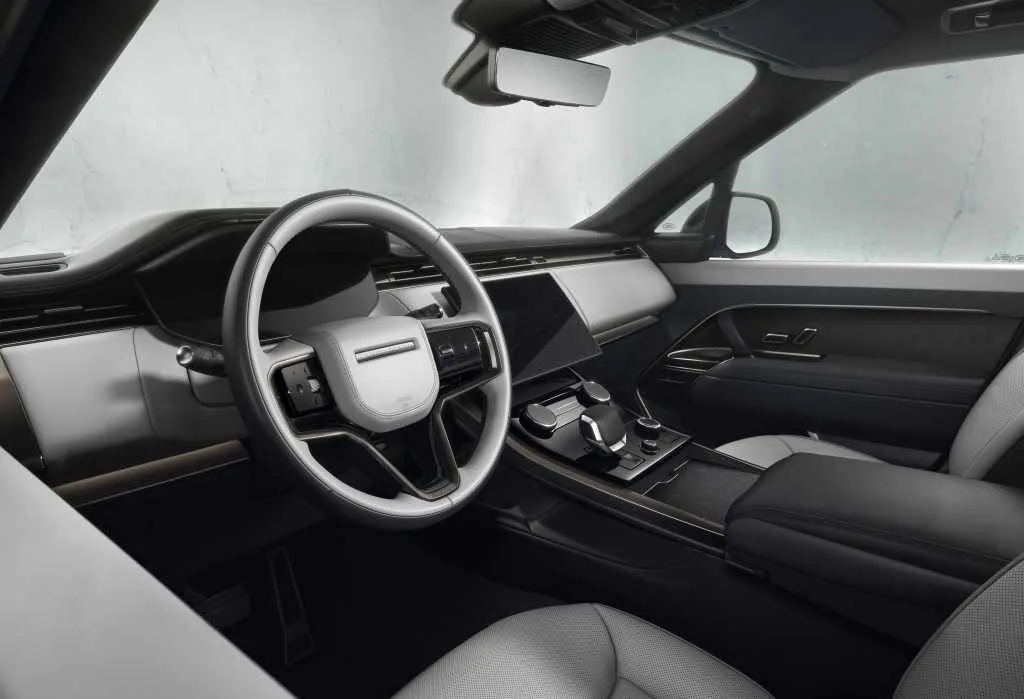
The compromise is control logic. The 13.1-inch Pivi Pro display is clear and responsive when everything works as intended, but current versions route climate settings, audio volume and vehicle functions through the screen. Independent testing has specifically criticized the lack of a physical volume knob. A premium cabin can look cleaner after removing switches while becoming less convenient on a rough road.
That should be part of the test drive. Pair a phone, change the temperature, adjust drive modes and lower the volume while moving. Buyers should judge those repeated actions more heavily than a beautiful startup animation.
Choosing the Right Engine
| Version | Power | Character |
|---|---|---|
| P400 | 395 hp / 406 lb-ft | Smooth mild-hybrid inline-six; best value |
| P460e | 454 hp / 487 lb-ft | Plug-in hybrid with useful electric range |
| P530 | 523 hp / 553 lb-ft | Twin-turbo V8; effortless and traditional |
| SV | 626 hp / 553 lb-ft | Flagship performance with 6D Dynamics |
The P400’s 3.0-liter turbocharged inline-six is enough engine for the vehicle. Its low-speed assistance and broad torque suit quiet daily driving, while 395 horsepower prevents the Sport from feeling ordinary. It also leaves more budget for the chassis and comfort options that owners will notice every day.
The P530’s 4.4-liter twin-turbo V8 is emotionally persuasive. Its advantage is less about chasing acceleration figures than having reserve power with little apparent effort. It suits the Sport’s expensive, confident character, but brings higher purchase price, fuel consumption and operating cost.
Is the P460e Plug-In Hybrid Worth It?
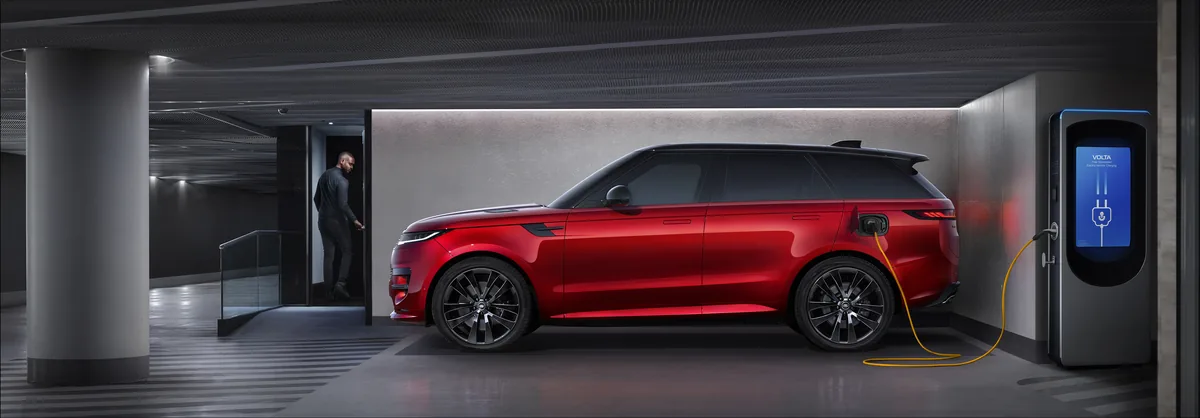
The P460e makes sense for an owner who can charge at home and completes many journeys within its electric range. Its battery can turn school runs, commuting and short errands into quiet electric trips without requiring a second car for long-distance travel. The idea fits the Range Rover Sport unusually well because electric operation reinforces the calm cabin.
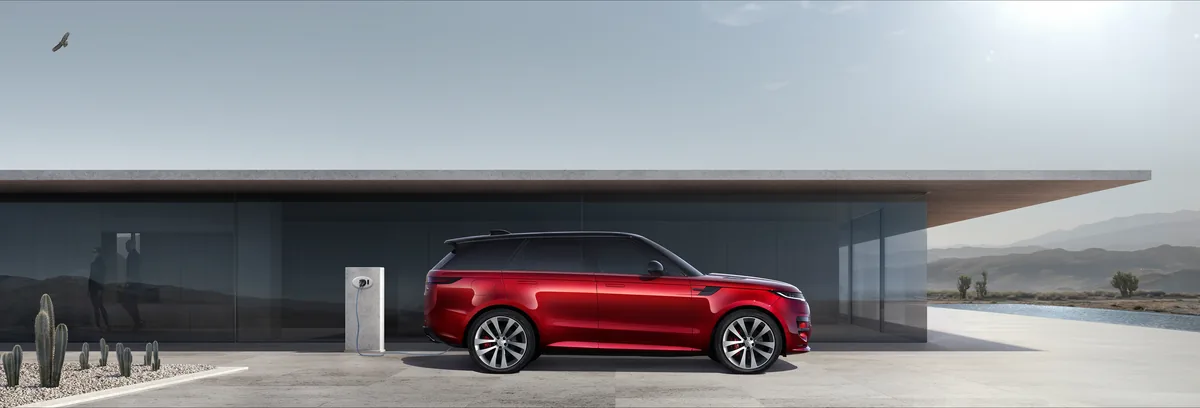
The caution is mass and integration. Car and Driver measured a related P550e at 6,444 pounds and recorded 54 miles in its 75-mph electric-range test, close to the EPA’s 51-mile rating for that version. The publication praised the cushy isolation but found the transition between electric and gasoline power could feel awkward. The current P460e uses less combined power, so buyers should test both low-speed response and braking smoothness rather than assuming the hybrid is automatically the most refined choice.
Why the Air Suspension Matters
Dynamic Air Suspension is standard across the current U.S. range. The system uses switchable-volume air springs, allowing the effective spring volume to change as the chassis moves between comfort, control and off-road demands. Adaptive dampers continuously manage wheel and body motion. The result should be breadth rather than a permanently firm setup.
Available all-wheel steering reduces the apparent size at parking speeds and stabilizes the vehicle at higher speeds. An electronic active rear differential can distribute torque across the rear axle, helping the Sport rotate more naturally under power. These systems are valuable because they manage mass without asking the driver to tolerate a brittle ride.
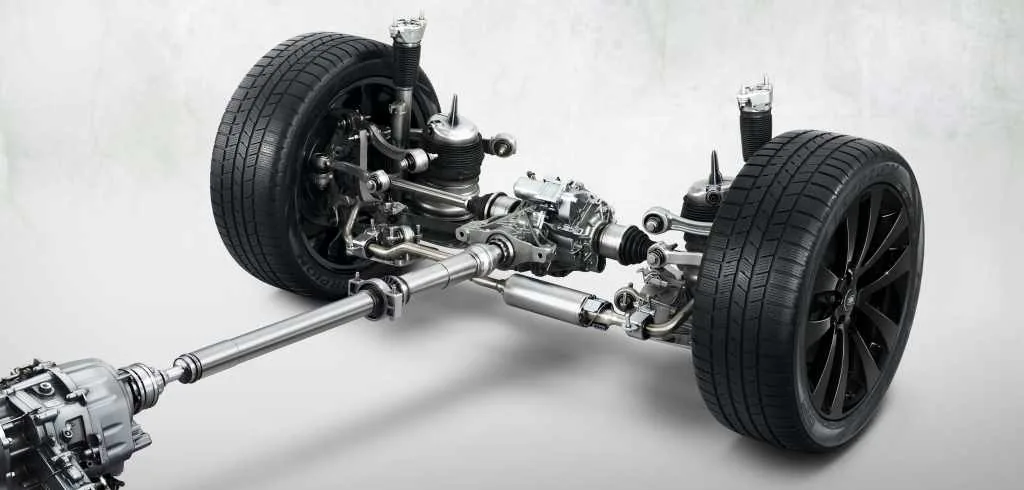
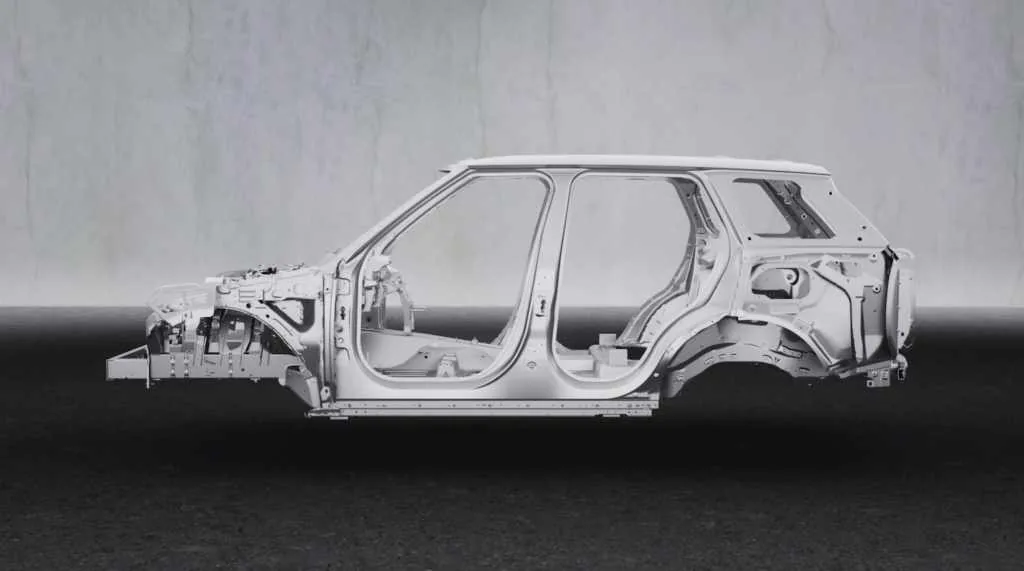
The MLA-Flex body architecture gives those systems a rigid foundation. Structural stiffness is not exciting to advertise, but it helps the suspension work accurately and reduces the need to disguise body movement with excessive spring rate. It also supports the quietness buyers expect at this price.
Real Off-Road Depth, Even If Few Owners Need It
The Sport is unusual among road-focused luxury SUVs because its terrain capability remains fundamental to the vehicle. Terrain Response 2, adjustable air-suspension height and carefully managed all-wheel drive give it credible traction and clearance. Dynamic SE also brings a twin-speed transfer case, which provides the low-range gearing that separates serious hardware from a visual off-road package.
Most owners will use that capability for snow, wet grass, steep access roads or a difficult trailhead rather than rock crawling. It still changes the ownership experience. The driver knows the vehicle can leave a polished road without becoming fragile or helpless.
The SV Is an Engineering Showcase
The SV’s 4.4-liter twin-turbo V8 produces 626 horsepower in U.S. terms. Range Rover quotes 0–60 mph in 3.6 seconds for the SV Black. Those numbers are dramatic, but the 6D Dynamics suspension is the more interesting story. Hydraulically interlinked dampers manage pitch and roll while retaining air springs, allowing the SV to control its body without relying on conventional anti-roll bars in the usual way.
Optional carbon-ceramic brakes and carbon-fiber wheels reduce unsprung mass, and Range Rover says the lightest configuration can save as much as 76 kg compared with an equivalent conventional setup. The SV is therefore more than an engine upgrade. It is also a very expensive answer to the problem of making a heavy luxury SUV respond like something smaller.
Practicality, Price and Long-Term Ownership
The Range Rover Sport is a five-seat SUV. Car and Driver lists 32 cubic feet behind the rear seats and 53 with them folded. That is useful, but buyers who routinely need a third row should look elsewhere. The cabin profile favors first- and second-row comfort over maximum family capacity.
Current U.S. pricing begins at $83,700 for SE and $90,800 for Dynamic SE before the listed $1,850 destination charge. Autobiography begins at $120,900, while SV versions range from $152,000 to $170,200. Options can move every version much higher. At that level, insurance, large tires, brakes and depreciation matter as much as fuel.
Complexity is the central ownership risk. Air suspension, rear-wheel steering, active differentials, hybrid hardware and tightly integrated infotainment create the breadth owners want, but they also create more expensive systems to diagnose outside warranty. Cariary would not repeat the lazy claim that every Range Rover is unreliable. A better recommendation is to examine service history, software updates, suspension behavior and warranty coverage with unusual care, then budget for premium-car repairs rather than ordinary-SUV running costs.
Who Should Buy It?
Recommended for: buyers who want one luxury SUV to feel special in the city, composed on a long trip and credible away from pavement; owners who value design and driving position as much as outright handling; and PHEV buyers with reliable home charging.
Consider something else if: you need seven seats, simple long-term ownership or the sharpest steering in the class. The BMW X5 is the rational all-rounder, the Porsche Cayenne is the driver’s benchmark, and the full-size Range Rover offers greater rear-seat ceremony.
Cariary Perspective: Four Stars
CARIARY POINT: ★★★★☆ (4/5)
The Range Rover Sport earns four stars because it has a clear identity and the engineering to support it. It is handsome without being noisy, comfortable without feeling detached, and capable in places where many luxury SUVs only look adventurous. The P400 already delivers the core experience; P460e and P530 let the buyer choose between electric daily driving and traditional V8 reserve.
The missing star reflects price, weight, screen-dependent controls and the long-term cost of so much chassis and powertrain complexity. None of those weaknesses erases the appeal. They simply mean the emotional decision should be followed by a careful specification and ownership plan. Cariary has not driven this example, so the score is a research-based editorial assessment rather than a road-test rating.
Range Rover Sport FAQ
Is the Range Rover Sport smaller than the Range Rover?
Yes. It is the shorter, lower and more driver-focused member of the pair. The full-size Range Rover offers more rear-seat space and ceremony.
Which Range Rover Sport engine is best?
The P400 is the strongest value because its 395-hp inline-six is smooth and sufficiently powerful. Choose the P460e if you can charge regularly, or the P530 if V8 character matters enough to justify the cost.
Does it have real off-road equipment?
Yes. The lineup includes Terrain Response 2 and height-adjustable air suspension, while Dynamic SE includes a twin-speed transfer case with low range.
How much electric range does the PHEV provide?
Range depends on version and certification. A related 2026 P550e carries a 51-mile EPA rating and achieved 54 miles in Car and Driver’s 75-mph test. Check the window sticker for the exact P460e you are considering.
Is the Range Rover Sport reliable?
No single label can answer that for every vehicle. Its mechanical and electronic complexity increases potential repair cost, so service history, warranty coverage, software status and a thorough inspection are essential.
Data Reference
- Range Rover USA: current Range Rover Sport models and specifications, accessed September 7, 2026.
- Land Rover USA: third-generation Range Rover Sport launch and chassis technology.
- JLR Media: Range Rover Sport SV Carbon technical details, August 2025.
- Car and Driver: 2026 Range Rover Sport P550e instrumented test.

