CARIARYCAR · DIARY · PERSPECTIVE
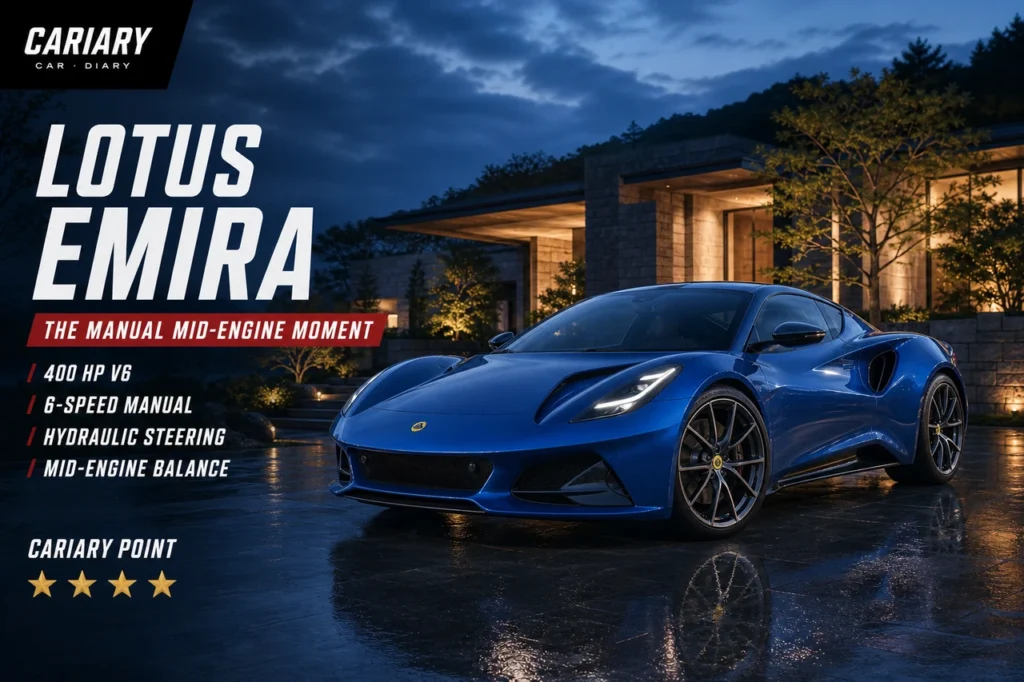
Cover: AI-generated Cariary editorial illustration, visually checked against the specified vehicle. It is not road-test photography.
The Lotus Emira appeals to a driver who wants the journey to involve more than selecting a mode. Its manual V6 version combines a clutch pedal, a mid-mounted engine and hydraulic steering in a shape that can make an ordinary arrival feel unusual. None of that guarantees a good daily car. It does give the buyer a clear reason to investigate one.
For a used First Edition, the important question is whether that involvement remains welcome after the first month. Entry and exit, luggage, tyre choice and access to service will shape the experience more often than a perfect sequence of corners. This review treats those details as part of the car’s character, rather than an interruption to the interesting part.
This is a research-based review of the Emira V6 manual First Edition, using launch-era technical specifications and identified First Edition photographs. It is a used-buyer’s assessment, not a test of the later V6 SE, Turbo SE or 420 Sport. Cariary has not driven this car. Market-specific equipment and any quoted test impressions are identified. Data checked September 7, 2026.
Four stars: a distinctive manual sports car whose steering and mid-engine packaging make a strong emotional case. Buy it with a clear view of your roads, body fit and support network; the shape alone cannot answer those questions.
Lotus Emira: Key Specifications
| Reference version | Emira V6 manual First Edition |
|---|---|
| Engine | 3.5-litre supercharged V6 |
| Output | 400 hp / 420 Nm, manual specification |
| Layout | Transverse mid-engine / rear-wheel drive |
| Transmission | 6-speed manual with limited-slip differential |
| Steering | Hydraulic power assistance |
Which Lotus Emira Are You Actually Buying?
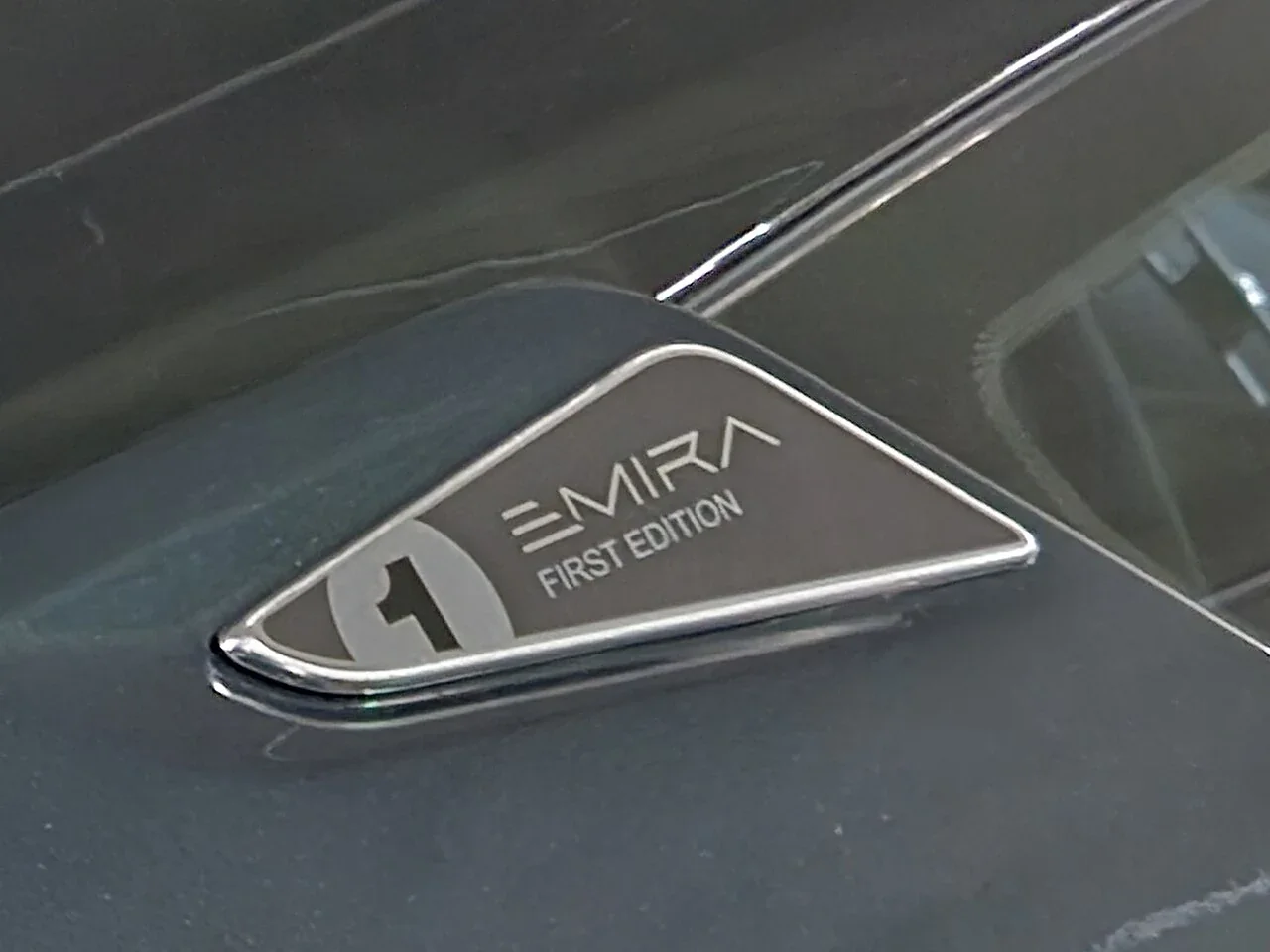
The name now covers several combinations. A V6 manual First Edition is not interchangeable with a four-cylinder dual-clutch model, and a later special version should not be used to describe an earlier car’s equipment. Verify the build details, transmission and chassis specification against the actual vehicle.
The official First Edition specification document confirms the fundamental V6 manual arrangement, including the transverse engine position and mechanical limited-slip differential. That document is for Japan; its original local price and equipment bundle are not presented here as a current U.S. or UK offer.
For buyers browsing advertisements, this distinction saves time. Choose the mechanical experience first. Colour and trim can then refine the choice, rather than distract from an automatic gearbox or suspension specification you did not actually want.
Lotus Emira: A Supercharged V6 Behind the Seats
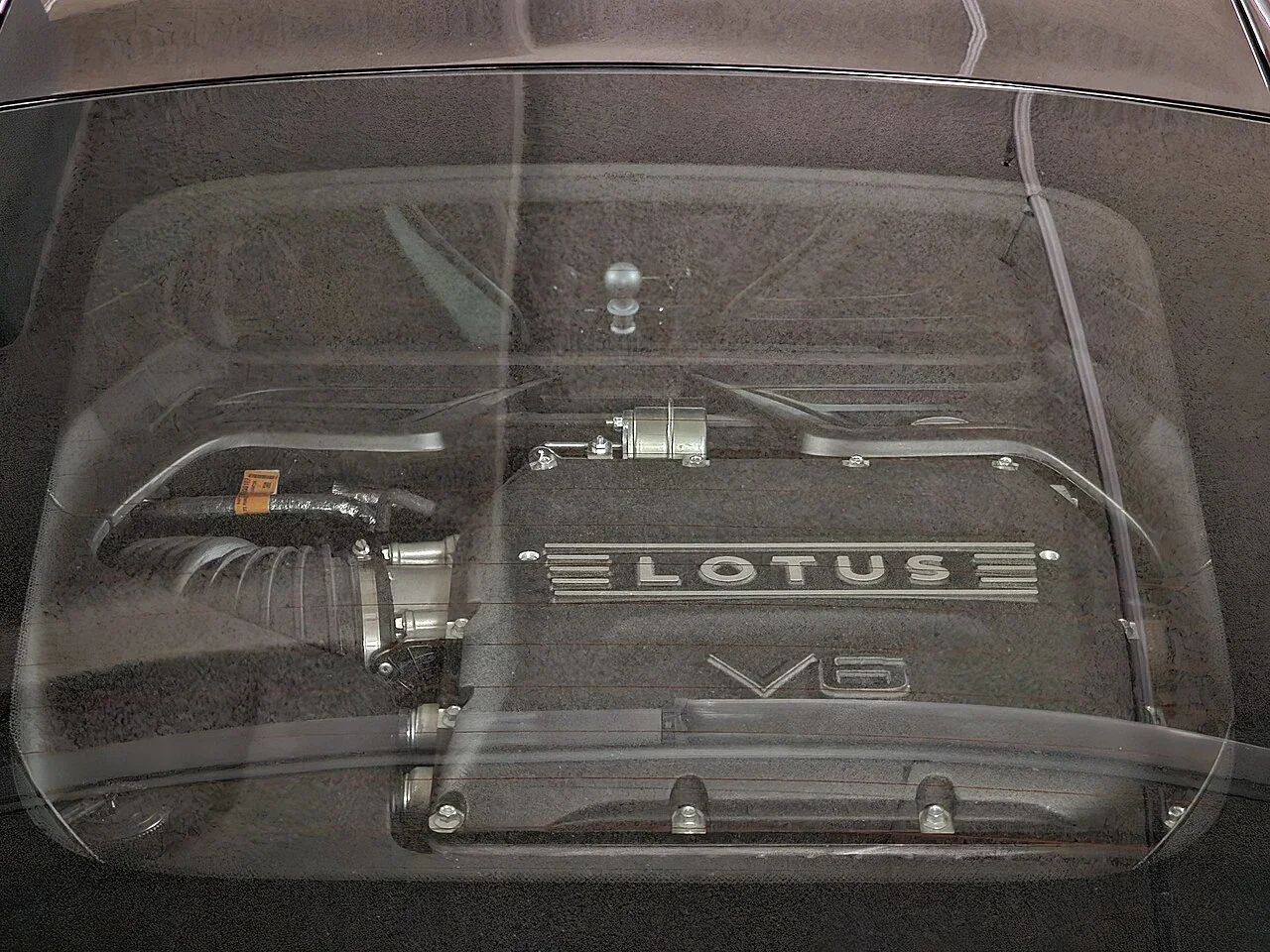
The real engine photograph below shows where the V6 sits in relation to the passenger compartment. It illustrates packaging, not the internal airflow or exact design of hidden components. Much of the powertrain is concentrated behind the occupants, helping explain the mid-engine proportions.
The supercharged engine gives the manual car its own rhythm. The driver chooses when to change gear and how much work to leave to engine speed. That can make a familiar road engaging without requiring the highest available output. A faster automatic alternative may produce a better number while asking less of the person holding the wheel.
Engine origin also needs perspective. Toyota ancestry is useful context, but it does not turn a mid-engine Lotus into a Toyota sedan with identical servicing costs. Access, cooling, transmission, body parts and the available specialist network all affect ownership. Avoid letting one reassuring component name stand in for an inspection of the whole car.
The Manual Gearbox Deserves Its Own Test Drive
A manual is not automatically satisfying because it exists. Shift weight, travel, clutch engagement and the distance between pedals need to suit the driver. Try the car from cold and again when fully warm, with gentle changes as well as brisk ones. An awkward shift should be investigated, not automatically celebrated as mechanical character.
In his First Edition road test for Motoring Research, Tim Pitt admired the steering communication and chassis balance but was less convinced by the gearshift. That mixed assessment is useful: it separates the car’s strongest qualities from the appealing idea of a manual Lotus.
The exposed shift mechanism is an attractive detail, yet the daily benefit comes from how naturally your hand and feet work together. A fifteen-minute viewing is too short to settle that. If both household drivers will use the car, both should try it before the purchase becomes a shared commitment.
Tour or Sport: Choose the Roads You Really Drive
Tour and Sport refer to physical suspension choices on the First Edition, rather than a menu that converts one setup into the other. Tyres complicate the comparison further. The launch specification offered road-focused Goodyear rubber and a more track-oriented Michelin Cup 2 combination. A used car may now wear something different.
For mainly public-road use, Cariary would begin by evaluating Tour and suitable road tyres. This is a buying preference based on the frequency of imperfect surfaces, rather than a claim that Sport is universally uncomfortable. Owners who regularly attend circuits may place greater value on the firmer option, with the associated tyre planning.
Compare like with like wherever possible. A worn tyre, incorrect pressure or poor alignment can overwhelm a subtle suspension difference. Asking which chassis is ‘best’ without knowing the tyres and route often produces an answer to the wrong question.
Exotic Proportions, Ordinary Parking Spaces
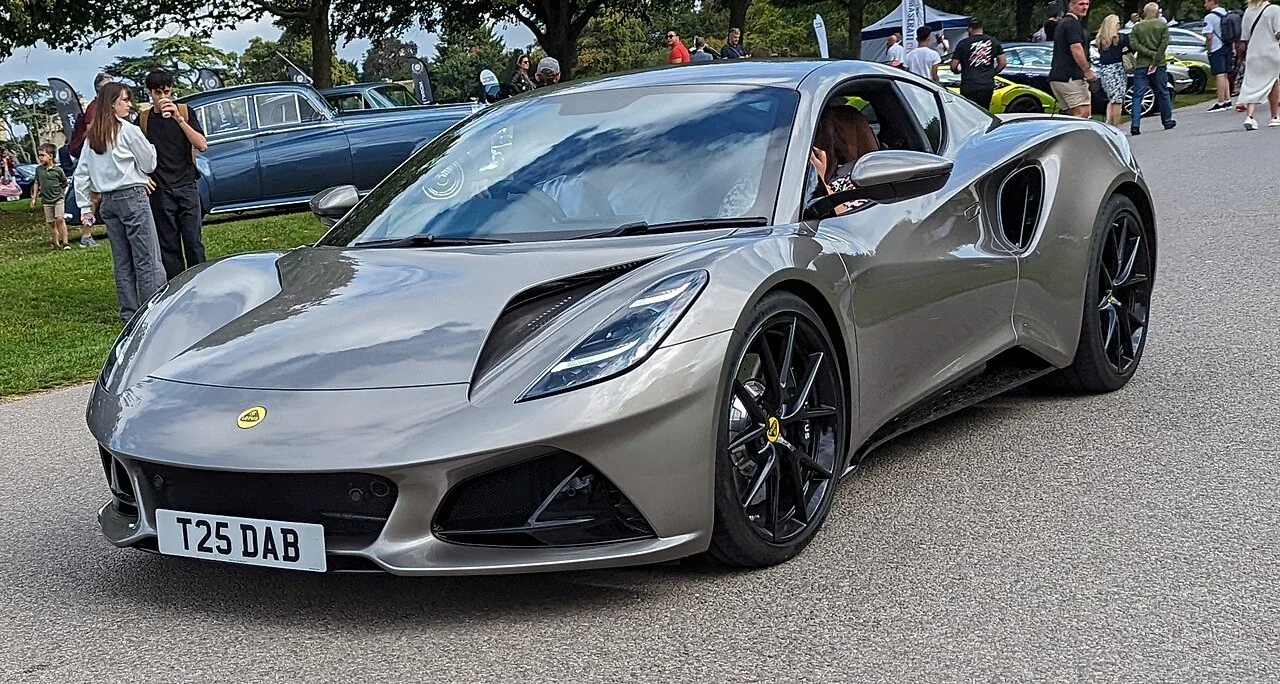
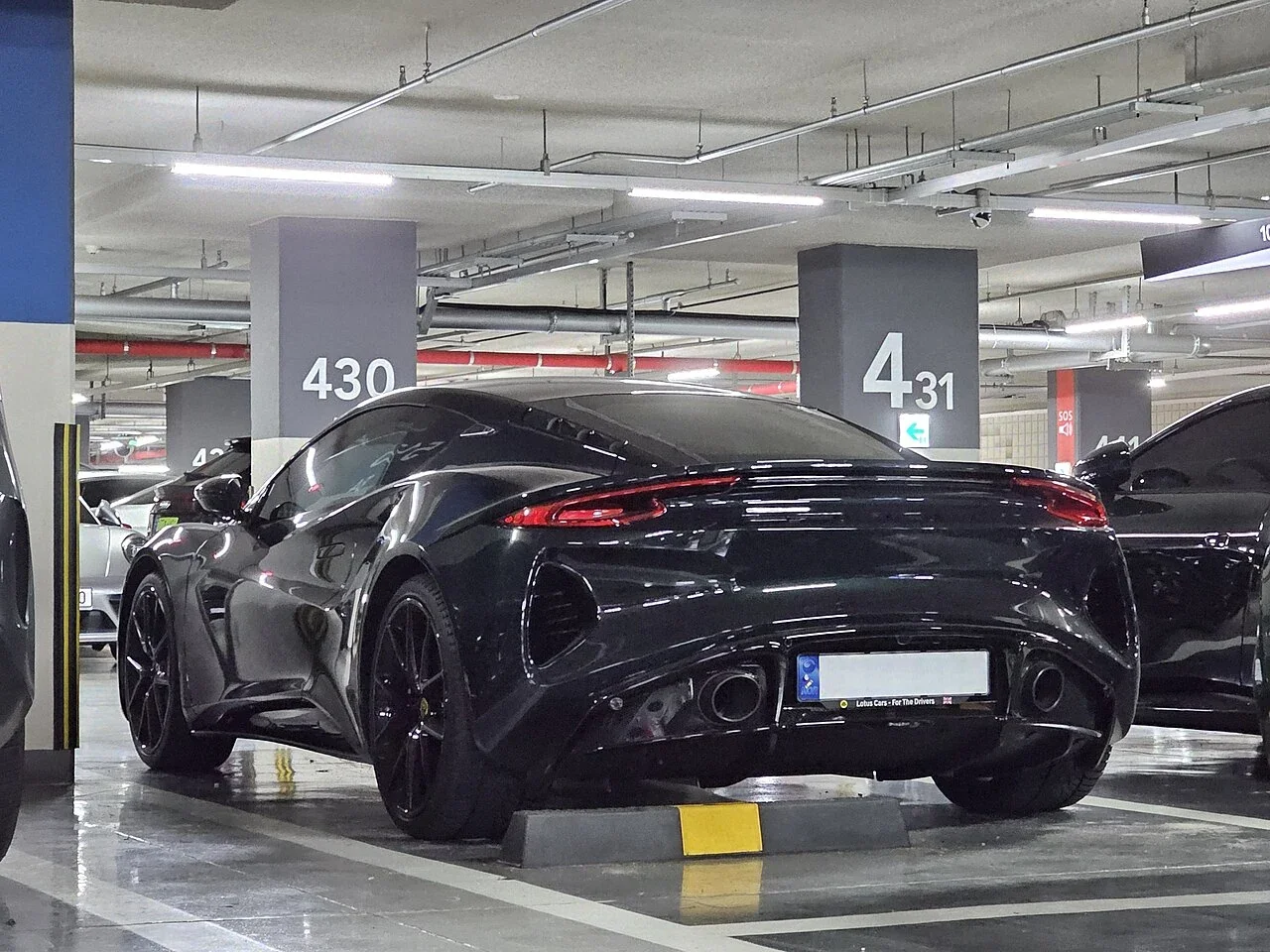
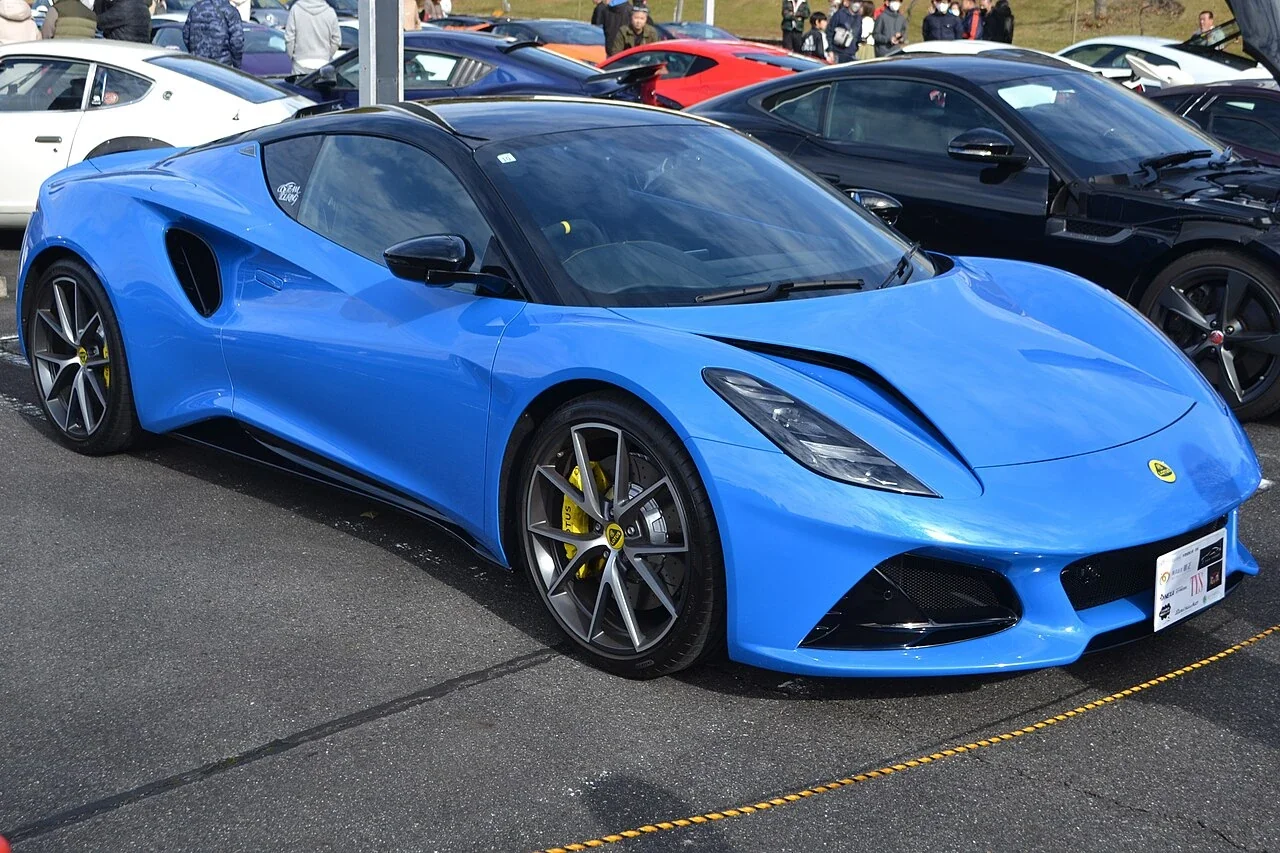
The Lotus Emira’s side intake and low nose communicate the mid-engine layout without needing a large rear wing. Close-up photographs also explain why condition matters: lamp units, painted edges and intake surrounds deserve a careful look on a car that sits low in normal traffic.
Check the underside and lower front bodywork at a viewing, especially if the car has used steep entrances. A scrape does not automatically condemn a car, but it should be understood and reflected in the condition assessment. Ask a specialist to distinguish a cosmetic mark from damage that needs proper repair.
Then try your own access routine. Open the door to the width available in your garage, sit down and get out several times. The spectacular silhouette should not conceal an uncomfortable movement you will repeat on every errand. Enthusiasm can justify compromise; it should not prevent you from recognising it.
Can the Lotus Emira Work Beyond Weekend Drives?
Two seats and limited storage make packing a practical exercise. Use soft bags and test the actual items you travel with. A quoted luggage total does not tell you whether a rigid case fits through an opening or whether frequently needed items can be reached without unpacking everything.
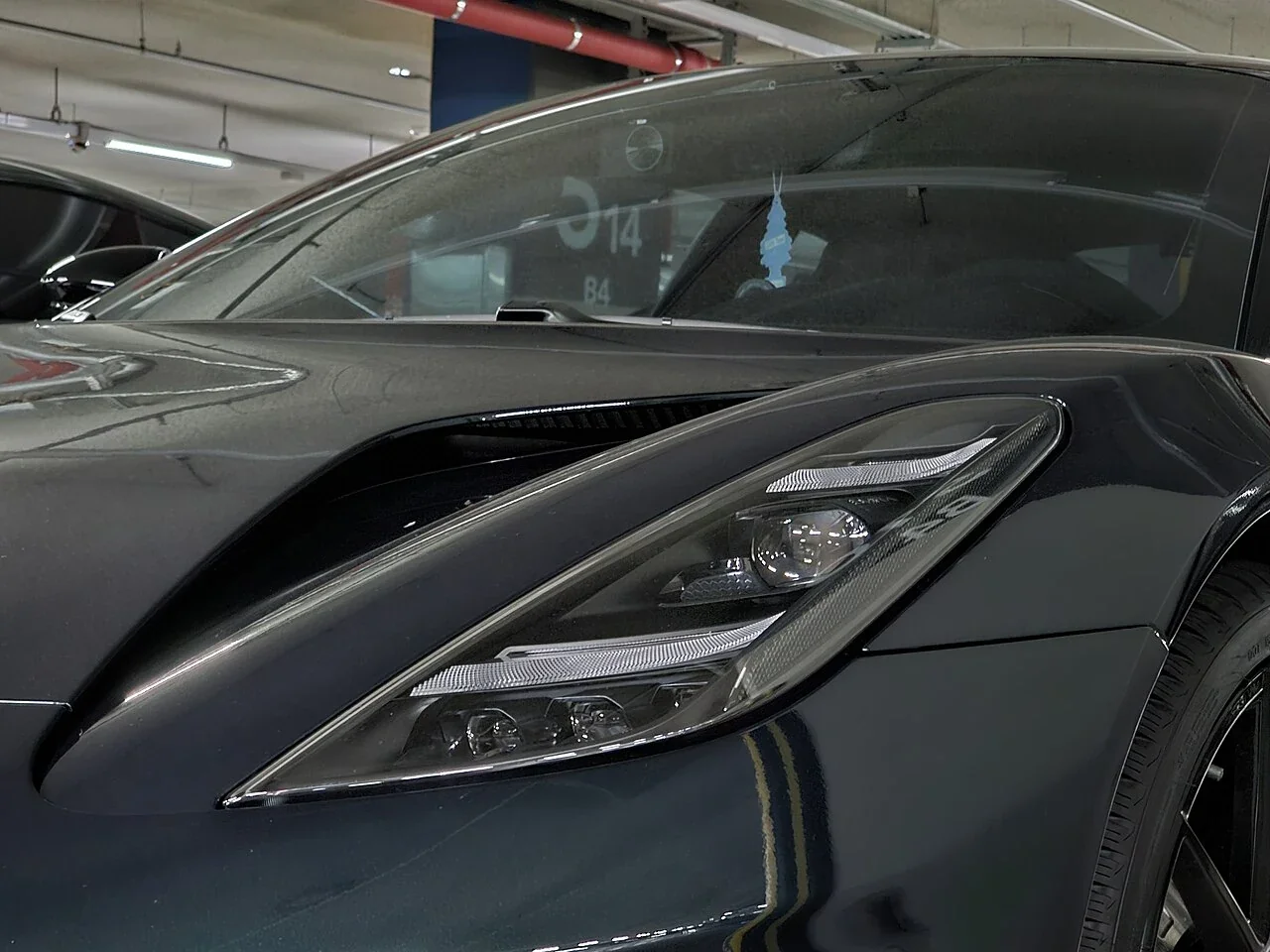
The First Edition cabin includes modern displays and everyday convenience equipment, but those features still need to work well in your example. Demonstrate phone connection, air conditioning, windows, locks and cameras where fitted. A low-mileage car can still have unresolved faults; an impressive specification list cannot show whether they have been corrected.
The crucial distinction is between occasional inconvenience and repeated friction. A low seat may be part of the pleasure on a Sunday drive and a persistent problem on a busy day of errands. Decide how often this car will perform each role. A realistic answer helps preserve the enjoyment that attracted you in the first place.
The Used-Buying Budget Starts After the Advert
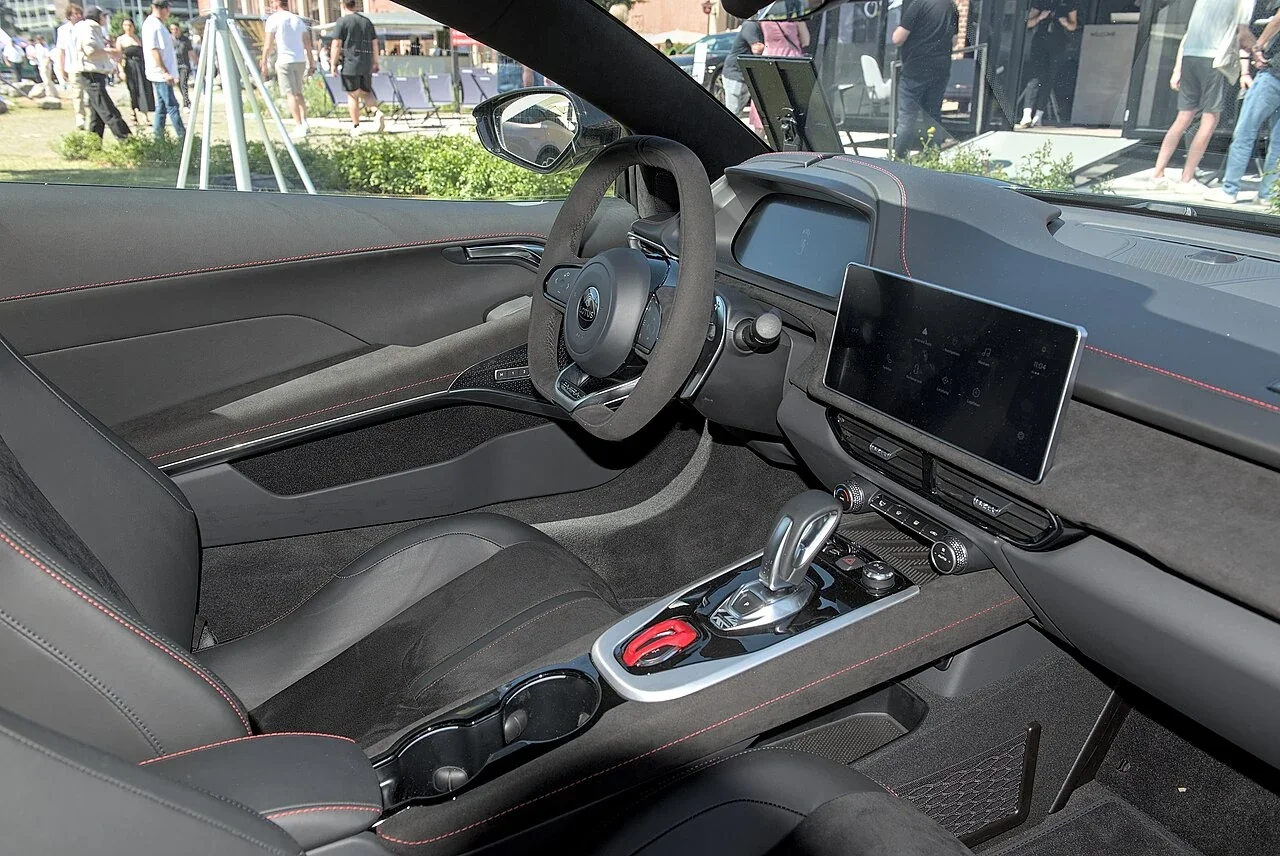
Compare examples on condition, records and specification before chasing the lowest asking price. Include an independent inspection, imminent servicing, insurance and tyres in the decision. If the nearest qualified workshop requires a long trip, add the time and transport arrangements as well as the invoice.
Ask about previous track use and modifications without assuming either proves abuse. Evidence matters: service records, brake and tyre condition, geometry checks and the quality of any installation are more informative than a vague promise that the car was ‘never driven hard.’ A heavily altered car also deserves a realistic plan for returning to the intended specification.
No robust failure-rate dataset has been established in this review, so it does not declare the Emira trouble-free or inherently unreliable. The sensible response to uncertainty is a thorough inspection and a support plan. Those precautions are part of choosing a relatively specialised car, rather than a prediction that it will fail.
Lotus Emira or Porsche Cayman?
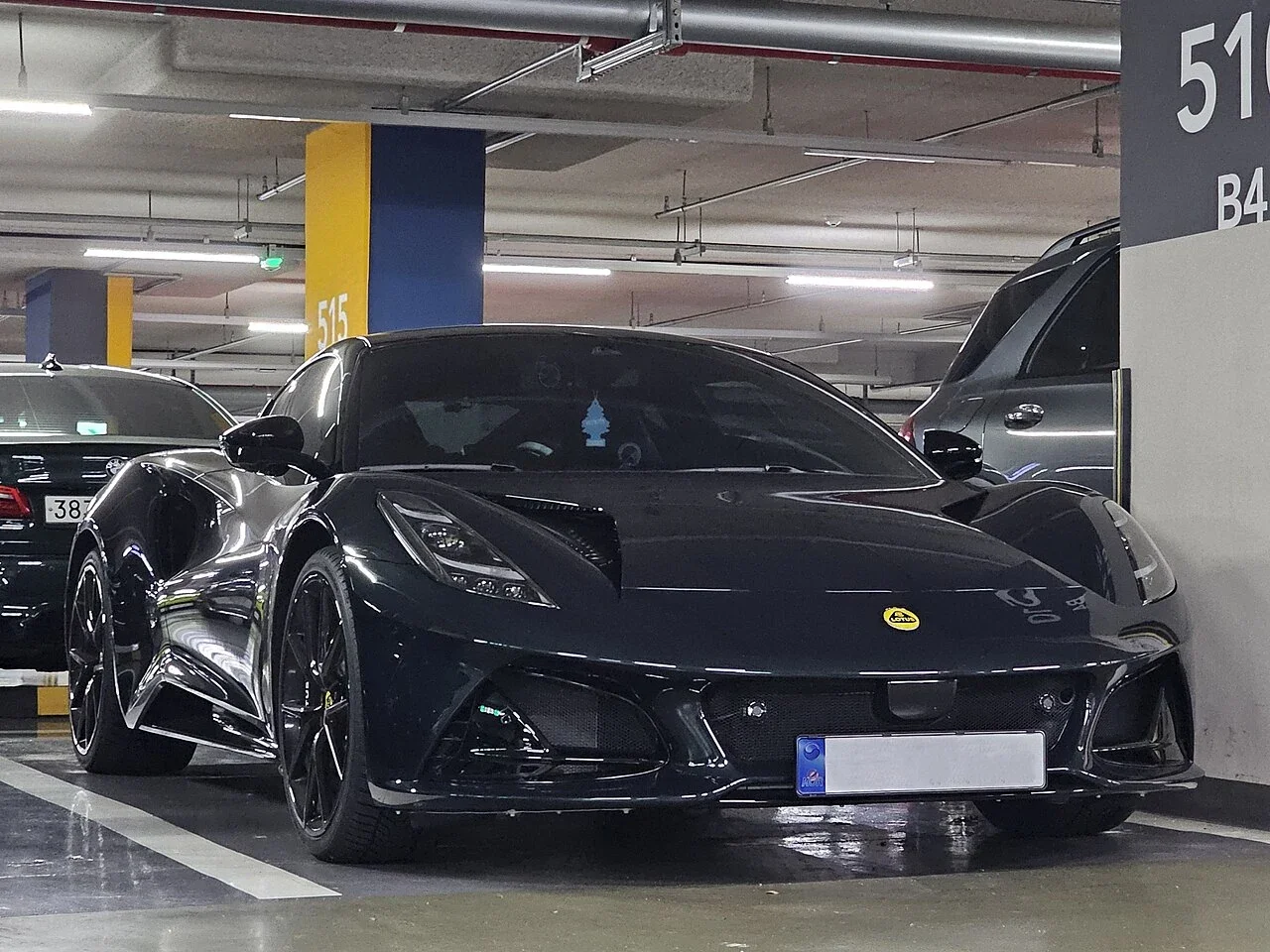
A Cayman belongs on the same shortlist when the aim is a compact, engaging sports car. Compare the controls and cabin with equal care, rather than assuming either badge settles the argument. The Emira’s visual occasion may matter more to one buyer; another may give greater weight to an established local service relationship or a familiar driving environment.
A manual GR Supra presents a different route to involvement. Its engine is ahead of the occupants and its character is distinct, but it is worth testing if the real priority is a six-cylinder engine and three pedals. That comparison can reveal whether you specifically want the Lotus’s mid-engine arrangement or simply an enjoyable manual coupe.
Our four stars recognise how clearly the V6 manual Emira expresses its purpose. The deduction reflects the fit and ownership conditions attached to it. Buy the example that suits your roads and daily movements, and allow the engine, steering and shape to provide the excitement.
Who Should Buy It?
Recommended For
Drivers seeking a manual mid-engine coupe, distinctive styling and involving controls, who can plan around two-seat practicality and specialist support.
Not Recommended For
Buyers needing easy access, generous luggage space, rear seats or a car selected primarily for low-effort commuting and inexpensive ownership.
One-Line Verdict: The Emira’s best extra is a life with enough room to enjoy the way it asks you to drive.
Frequently Asked Questions
Does every Lotus Emira have a manual?
No. This article covers the V6 manual First Edition. Other engine and transmission combinations need a separate specification check.
Can a drive mode change Tour suspension into Sport?
No. On the First Edition these are physical chassis specifications. Driving modes do not replace springs, dampers or tyres.
Is the V6 naturally aspirated?
No. It is supercharged. The engine photograph is a real view of its installation, not a diagram of internal components.
Does Toyota engine ancestry guarantee cheap ownership?
No. The complete Lotus installation, servicing access, chassis, bodywork and support network determine the ownership demands.
Further Reading and Data Reference
Data reference date: September 7, 2026. Specifications and attributed test observations are linked where discussed. Cariary Point is an editorial buyer-fit assessment, not an owner road-test score or reliability rating.
For the broader model history and range, see the Cariary Lotus Emira vehicle profile. This review focuses on the specific manual version identified above.
For a different approach to performance and long-distance appeal, read the Cariary Bentley Continental GT review. Explore more Cariary car reviews and buyer perspectives.

