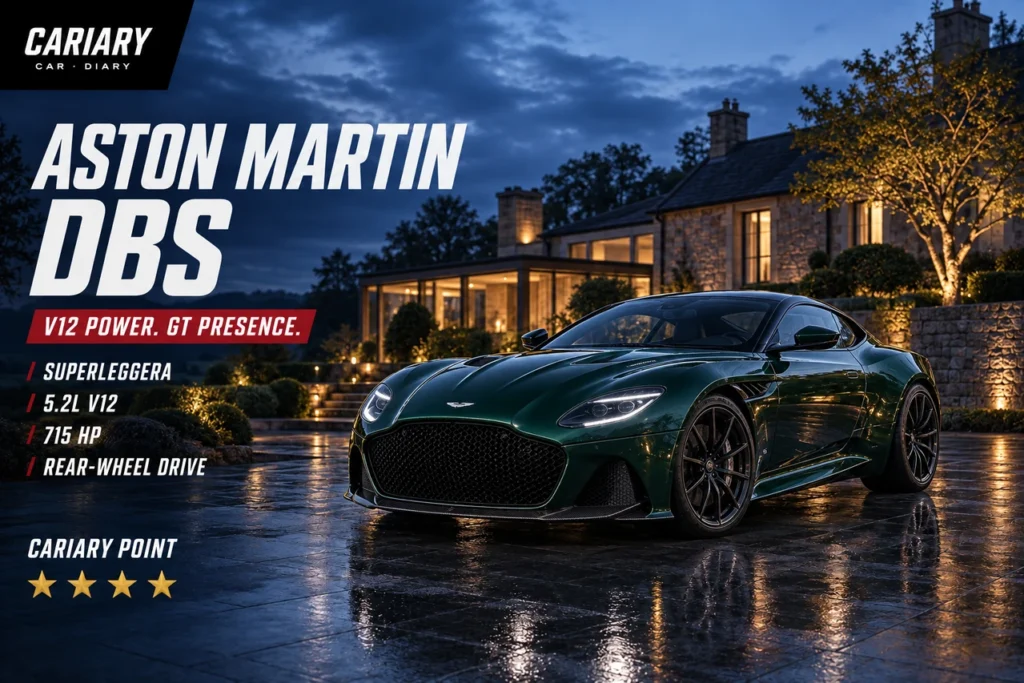
CARIARYCAR · DIARY · PERSPECTIVE
Cover: AI-generated Cariary editorial illustration, checked against the specified vehicle. It is not road-test photography.
This Aston Martin DBS review is about the appeal of a grand tourer that looks composed before it reveals how much performance sits beneath the hood.
The original Superleggera has an unusually persuasive shape: a long nose, a compact-looking cabin and broad rear shoulders. Cariary can understand wanting it before discussing a single specification. The more useful question is whether the complete ownership experience supports that attraction. A beautiful V12 coupe should be chosen for the way you plan to use it, not for the engine count alone.
This research-based review covers the original DBS Superleggera coupe introduced in 2018, with its launch 5.2-liter V12 specification. It excludes the Volante, DBS 770 Ultimate and older DBS generations. Cariary has not road-tested this car; independent driving observations are attributed.
4/5 for a dramatic V12 grand tourer. Its proportions, engine and long-distance identity form a strong emotional purchase case. Size, an older cabin interface and substantial specialist running costs make careful buyer matching essential.
Aston Martin DBS: Key Specifications
| Reference | Original 2018-introduced DBS Superleggera coupe |
|---|---|
| Engine | 5.2-liter twin-turbo V12 |
| Output | 715 bhp / 725 PS at 6,500 rpm |
| Torque | 900 Nm / 663 lb-ft |
| Transmission / drive | Rear-mounted eight-speed automatic; rear-wheel drive |
| 0–100 km/h / 0–62 mph | 3.4 seconds; manufacturer claim |
| Maximum speed | 211 mph; manufacturer claim |
| Seating | 2+2 |
| Source | Aston Martin DBS Superleggera launch release |
Aston Martin DBS Design: The Long-Hood Argument
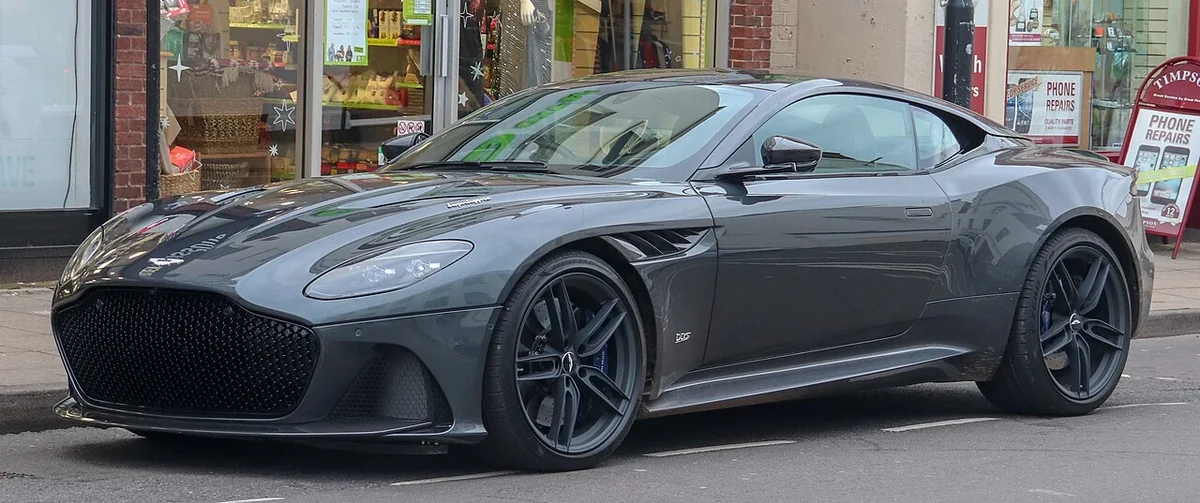
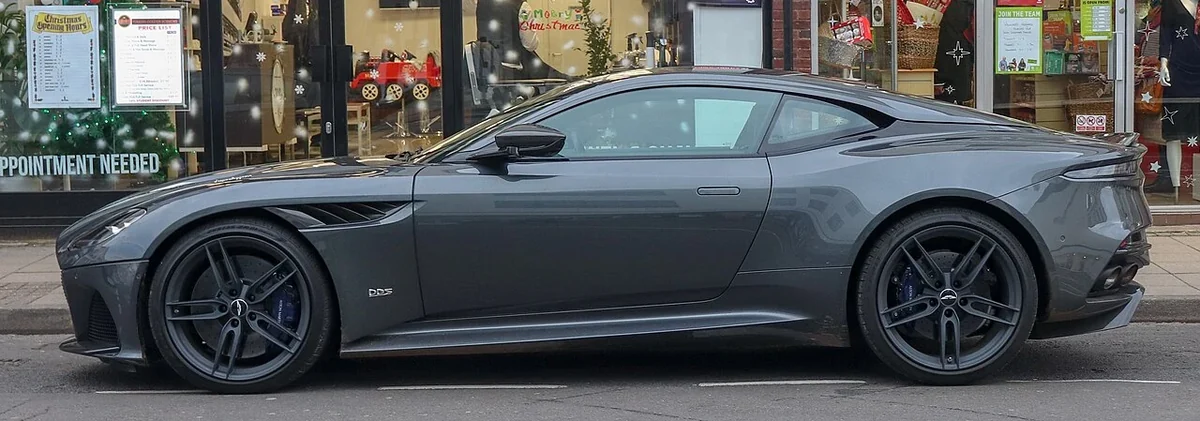
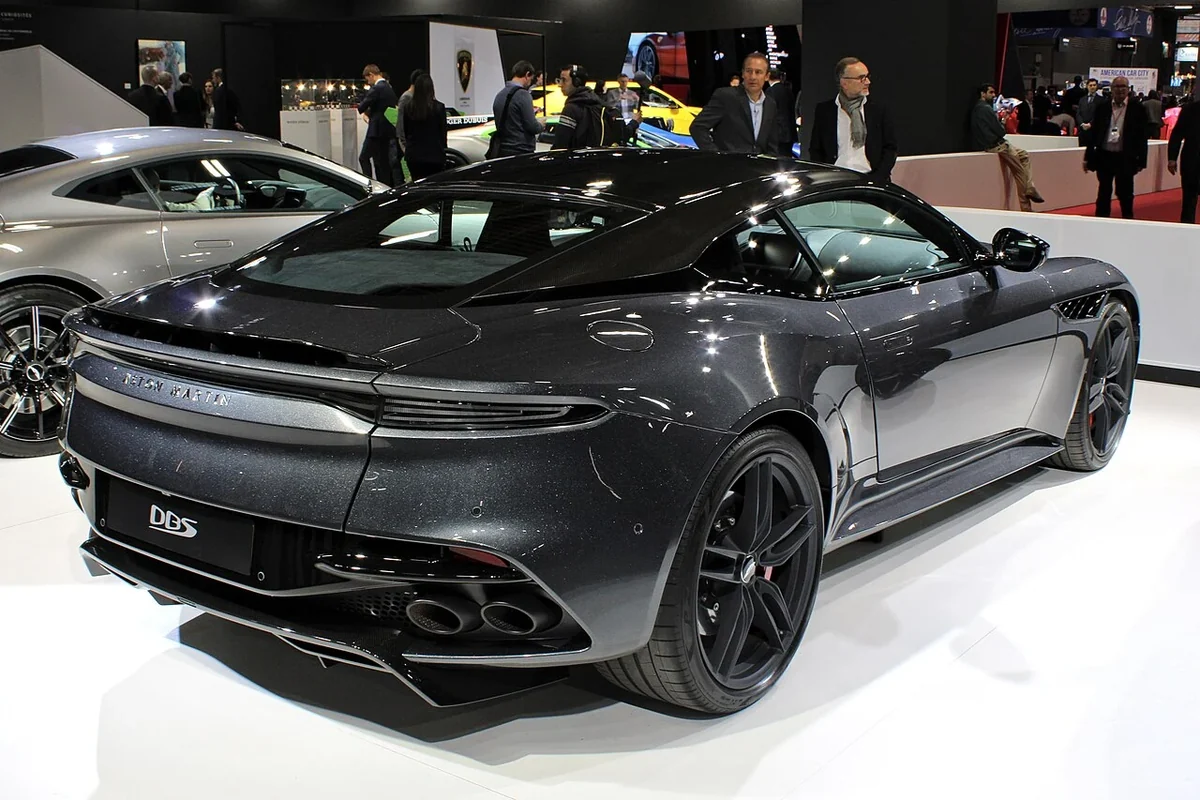
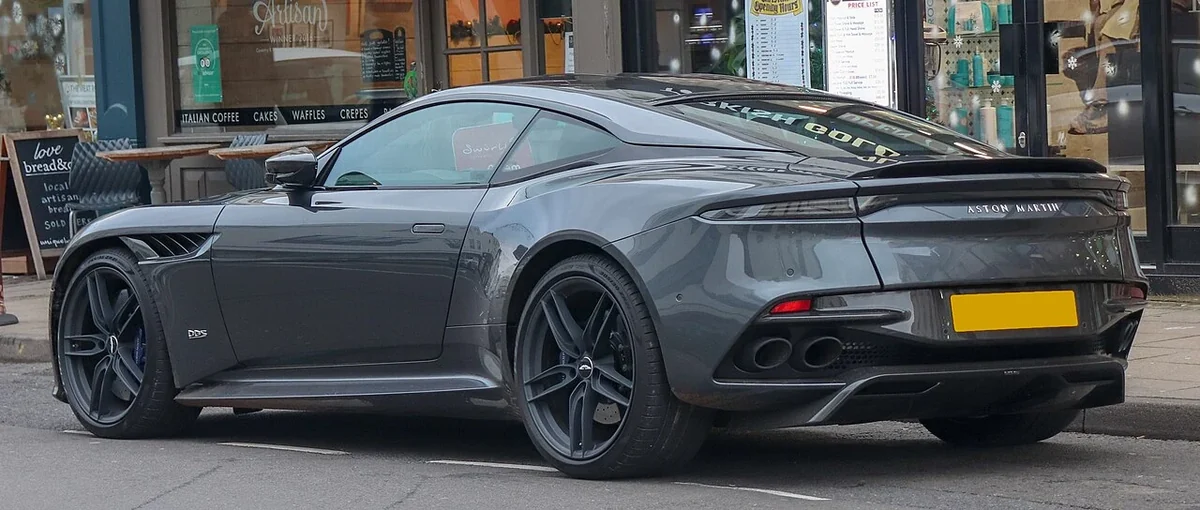
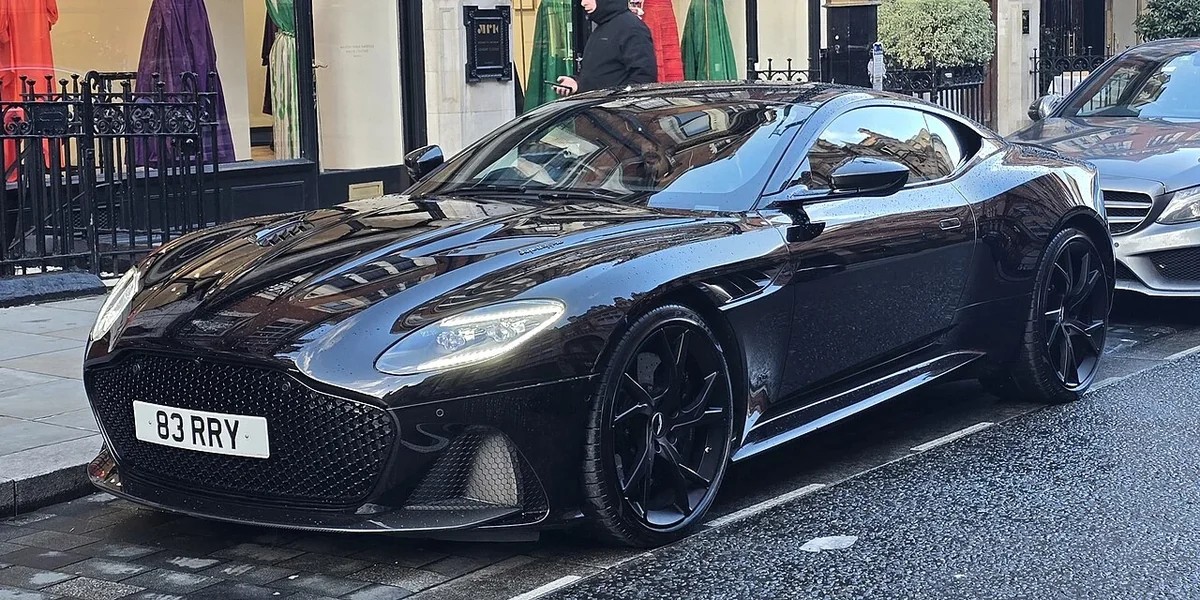
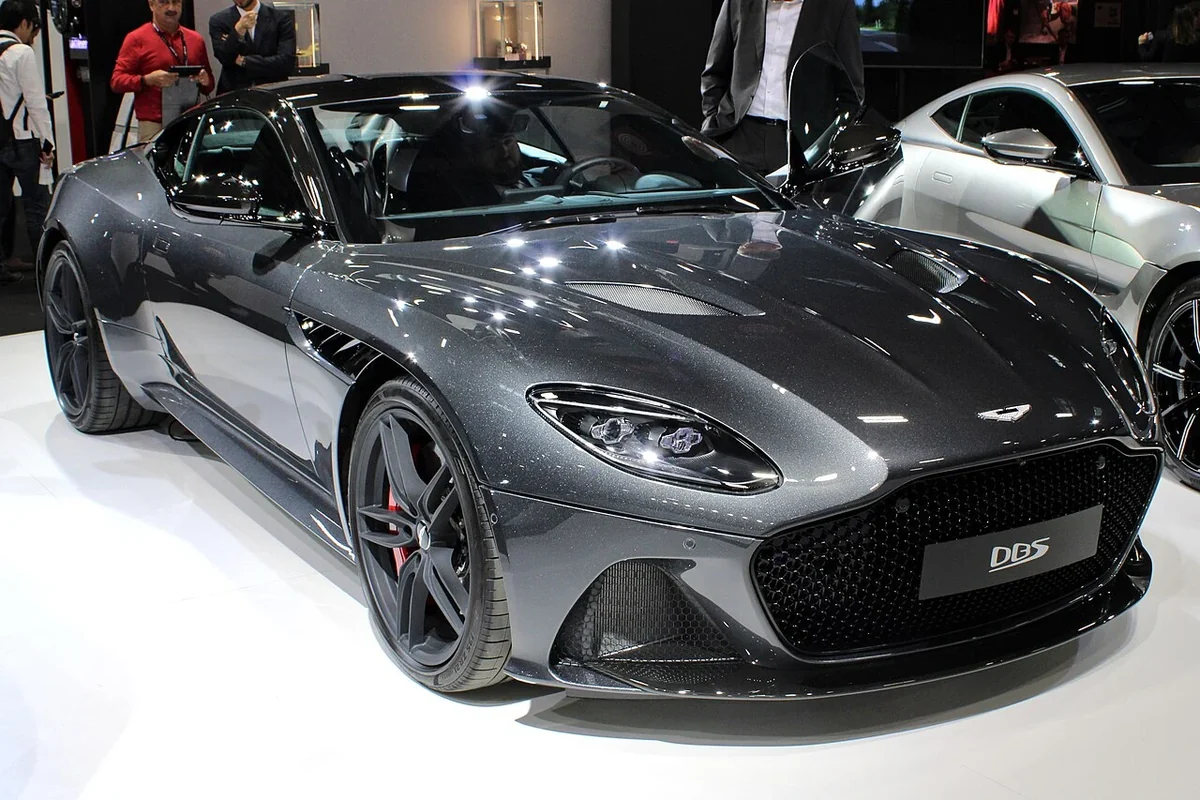
The original DBS Superleggera looks muscular without needing a crowded silhouette. The hood, cabin and rear quarters create a clear visual sequence, while the large front opening gives the car a more forceful expression. Cariary sees a grand tourer whose appearance can remain rewarding during the ordinary moments between fast drives.
That is a legitimate part of value. If a car makes you want to use it and still pleases you when parked outside a destination, it is delivering something a spreadsheet cannot fully describe. The mistake is allowing that appeal to replace the practical assessment entirely.
Look closely at the actual example’s paint, trim and body alignment. Dark colors can hide as much as they flatter. Have any repair history explained by a qualified inspector, especially where specialized body materials are involved. An immaculate-looking photograph is the start of an inquiry, not the final evidence that a particular DBS deserves its price.
Aston Martin DBS V12: Torque Shapes the Appeal
Aston Martin’s launch specification gives the DBS a twin-turbo 5.2-liter V12 producing 715 bhp and 900 Nm. The rear-mounted eight-speed automatic sends drive to the rear wheels. Its claimed 3.4-second sprint is to 100 km/h, or approximately 62 mph; it should not be relabeled as a measured 0–60 result.
For Cariary, the attraction is not simply that twelve is greater than eight. It is the prospect of an engine that gives a grand tourer a distinctive sense of effort and occasion. A buyer who wants that character can have a convincing reason to choose the DBS without using every available increment of performance.
The same output demands sensible expectations about conditions. Rear-wheel drive and abundant torque are not a guarantee of usable acceleration on every surface. Evaluate normal response and control on the test drive, and keep the car’s tires and maintenance in appropriate condition. Capability is most enjoyable when it comes with confidence in the individual machine.
Driving Evidence: A GT With Serious Intent
Car and Driver’s DBS Superleggera first drive described a strong, characterful engine and credible touring comfort, while finding steering communication muted and some low-speed controls less polished. Those are observations from its test, not a firsthand Cariary report.
That combination suggests a useful way to approach the Aston Martin DBS: begin with the grand-touring role instead of demanding the smallest sports car’s delicacy. A powerful coupe can be deeply satisfying when it makes distance feel special, even if it is not the most transparent tool for a narrow, technical road.
The buyer still needs to test both halves of the brief. Include town traffic as well as open-road cruising. If the low-speed behavior annoys you, it will remain part of ownership after the exciting demonstration ends. Conversely, if the car’s relaxed stride is exactly what you want, a criticism framed around another type of sports car may matter less.
The Cabin Has to Work Beyond Its Materials
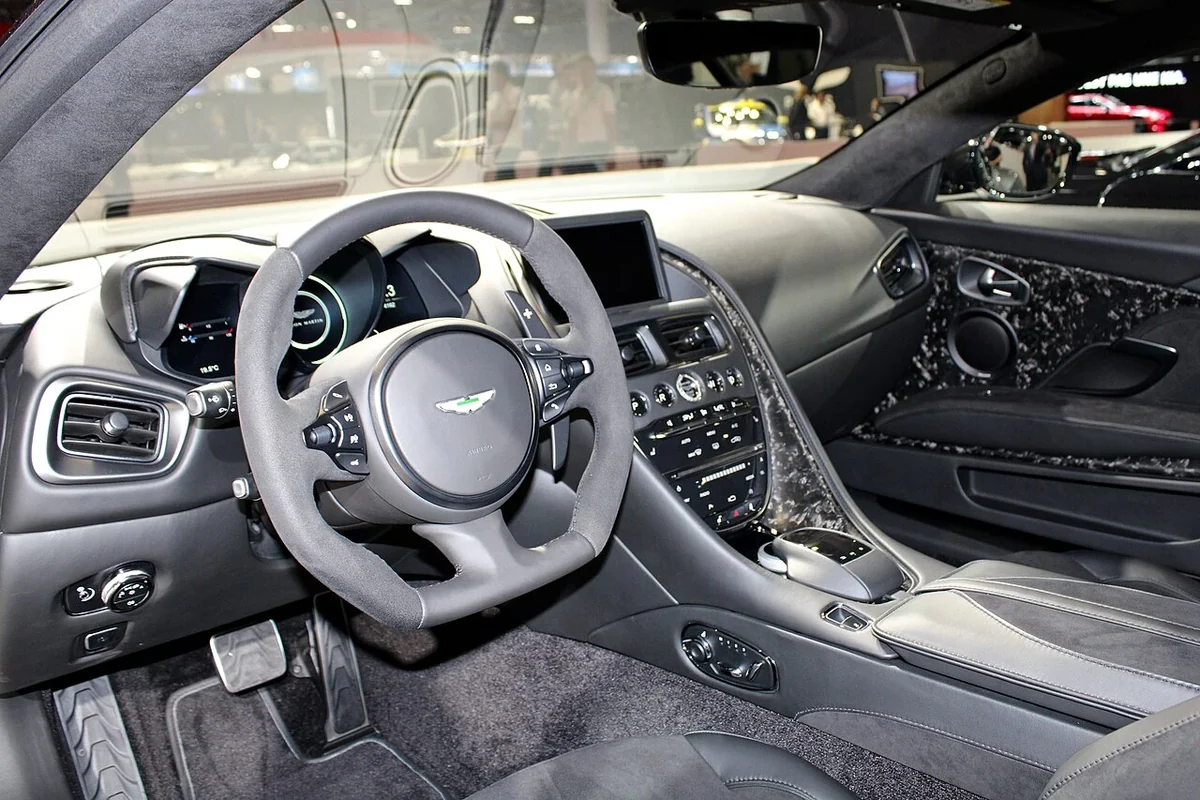
The interior photograph shows a distinct earlier-generation arrangement: a separate central screen above physical controls, a prominent center console and a driver-focused instrument area. It is important to buy that cabin knowingly rather than imagine the interface of a newer Aston Martin inside this body.
Try the functions you use every day. Set a destination, connect your device where supported, adjust the climate and explore the audio controls. Confirm the equipment on the specific example rather than assuming that a feature mentioned in a modern review is present in an older DBS.
Seats deserve a long enough trial to reveal their fit. Check support, head clearance and passenger comfort in the positions you would use for a real trip. A leather-covered surface can look luxurious without matching your body. For a grand tourer, the ability to arrive feeling comfortable is part of the central promise, so this deserves as much attention as the exhaust note.
The Superleggera Name Does Not Make It a Tiny Sports Car
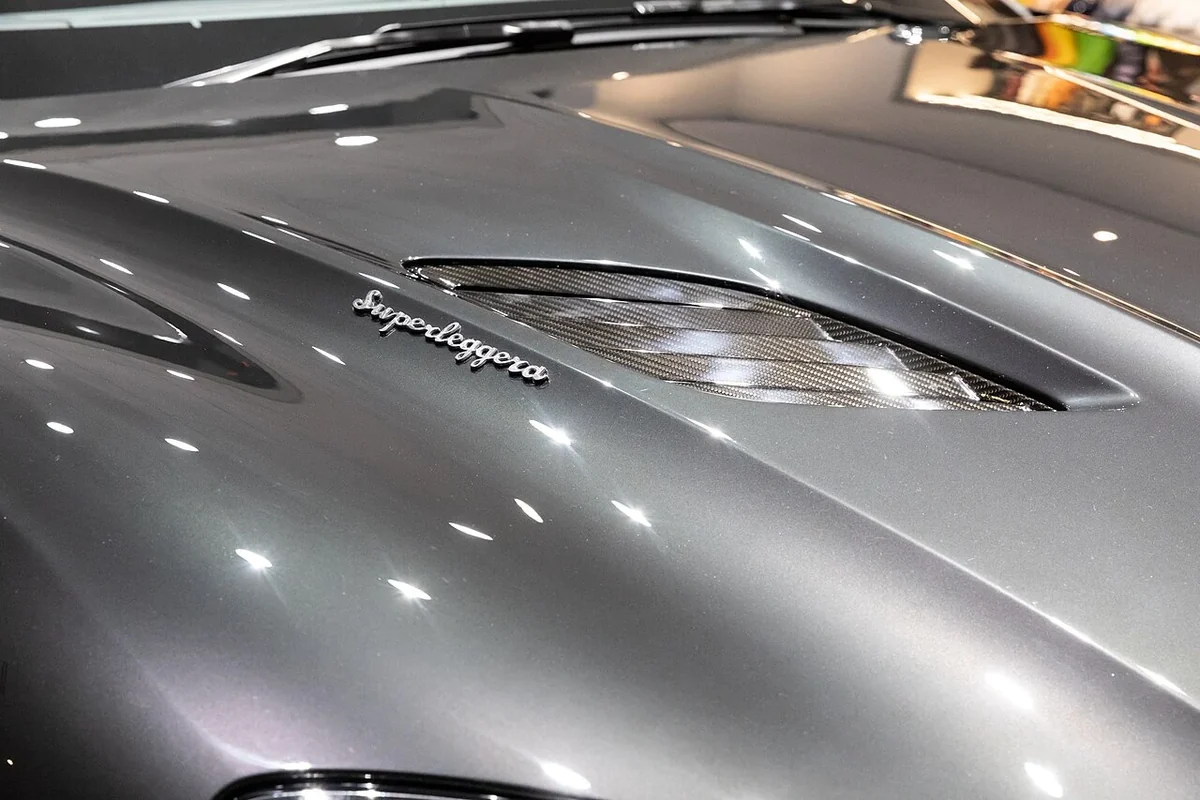
The name can encourage an expectation of extreme lightness, but the DBS should still be understood as a substantial front-engine GT. Aston Martin describes carbon-fiber body panels and an aluminum structure in its launch material. Those choices do not turn a long, powerful 2+2 coupe into a minimalist two-seater.
The practical implication is to evaluate placement and access in the environments you use. Try a tight turn at low speed, check the view when reversing and consider door opening room in your garage. A car can look elegant from a distance while asking more of the driver in a confined space.
Cariary does not see size as an automatic fault. It can contribute to the visual presence and touring character that make a GT desirable. The issue is compatibility. If narrow parking and crowded streets dominate your driving, make that part of the decision before the bodywork persuades you that every journey will resemble an empty country road.
Weekend Travel and the 2+2 Compromise
The rear seats are best treated as a space to evaluate, not as a promise of sedan-like passenger accommodation. If someone needs to sit there regularly, test that arrangement in person. For many prospective owners, the more relevant question will be how comfortably two people and their luggage can travel.
Bring realistic bags to the viewing and check access as well as volume. Hard cases can be awkward even when their total capacity looks modest. Think about coats, a camera bag and the items you want available during a journey. The grand-touring experience works better when packing does not become an elaborate puzzle.
Also consider whether this is the car your partner will choose for a weekend away. The Aston Martin DBS can be an emotional purchase, but shared use makes the passenger’s preferences part of the value. A car that both people enjoy is more likely to accumulate meaningful journeys than one that remains a private fantasy in the garage.
Buying a Used Aston Martin DBS: Original Cost Still Matters
A used price should not be confused with a reduced level of mechanical ambition. This remains a complex V12 luxury car with specialized components. Before buying, obtain a specialist inspection and written estimates for any work due. Ask about service history, diagnostics, tire and brake condition, cooling, suspension and documented body repairs.
Verify warranty terms and local support rather than assuming that every example qualifies for the same coverage. Check outstanding campaigns by VIN with an authorized dealer. These are ordinary due-diligence steps for an expensive used car, not a claim that every DBS has the same failure pattern.
Compare the ownership proposition with the Maserati GranTurismo and Bentley Continental GT perspectives. Consider the actual cars available to you, not just brand reputations. The best purchase is one whose character you want and whose ongoing care you can fund without turning each service visit into a crisis.
Cariary Point: Four Stars for a Distinctive V12 GT
The Aston Martin DBS earns four stars because its shape, engine and touring identity create a strong, consistent reason to own it. Cariary values that coherence. It is a car someone can choose for a specific emotional experience rather than as a generic demonstration of spending power.
The missing star reflects meaningful daily friction: a substantial body, an older interface and an ownership budget that must extend well beyond the purchase. The cited driving report also gives reasons to test low-speed refinement and steering feel rather than assume that expensive hardware guarantees perfection.
For a buyer who wants a beautiful V12 GT and accepts those conditions, the DBS remains a persuasive possibility. For someone chasing the most modern technology or the sharpest small-car response, the same purchase may disappoint. Cariary Point is useful only if it explains that distinction. Four stars here mean strong appeal for the right owner, with the reservations kept visible.
Who Should Buy It?
Recommended For
A buyer seeking a visually distinctive V12 grand tourer for two-person travel, who appreciates the original cabin and has access to specialist support. Someone who can maintain the car properly while accepting its size and limited rear-seat usefulness.
Not Recommended For
Anyone expecting a lightweight, compact sports car, modern infotainment simply because the badge is expensive, or low running costs after depreciation. A family needing regular adult rear-seat transport should look elsewhere.
One-Line Verdict: A beautiful, deeply appealing V12 GT whose ownership demands should be accepted before the keys change hands.
Frequently Asked Questions
Which Aston Martin DBS is reviewed?
The original DBS Superleggera coupe introduced in 2018 with a 5.2-liter twin-turbo V12. This review does not apply its figures to older DBS models, the Volante convertible or the 770 Ultimate. Check the exact derivative in a used listing.
Is its quoted acceleration 0–60 mph?
The launch figure used here is 3.4 seconds to 100 km/h, approximately 62 mph. It is a manufacturer claim. Cariary has not measured the car, and the article keeps that distinction rather than turning a published claim into a road-test result.
Does Superleggera mean it is extremely light?
The name should not replace an understanding of the vehicle’s role. Aston Martin describes specialized lightweight materials, but this is still a substantial V12 grand tourer. Assess its size and behavior in person rather than expecting the experience of a minimalist sports car.
Can the DBS serve as a family car?
Its 2+2 layout requires realistic expectations. Try the actual intended passengers and luggage before deciding. This review’s recommendation is strongest for two-person touring, not as a substitute for a spacious sedan or SUV.
Why four Cariary stars?
The design, engine and GT character offer a compelling whole, while size, interface age and running costs create clear conditions. The score represents editorial buyer-fit judgment, not a firsthand Cariary test, a reliability rating or a forecast of resale value.
Further Reading and Data Reference
Data reference date: September 13, 2026. Official specifications and attributed test observations are linked where discussed. Cariary Point is an editorial buyer-fit assessment, not an owner road-test score or reliability rating.
Explore more Cariary car reviews and buyer perspectives.

