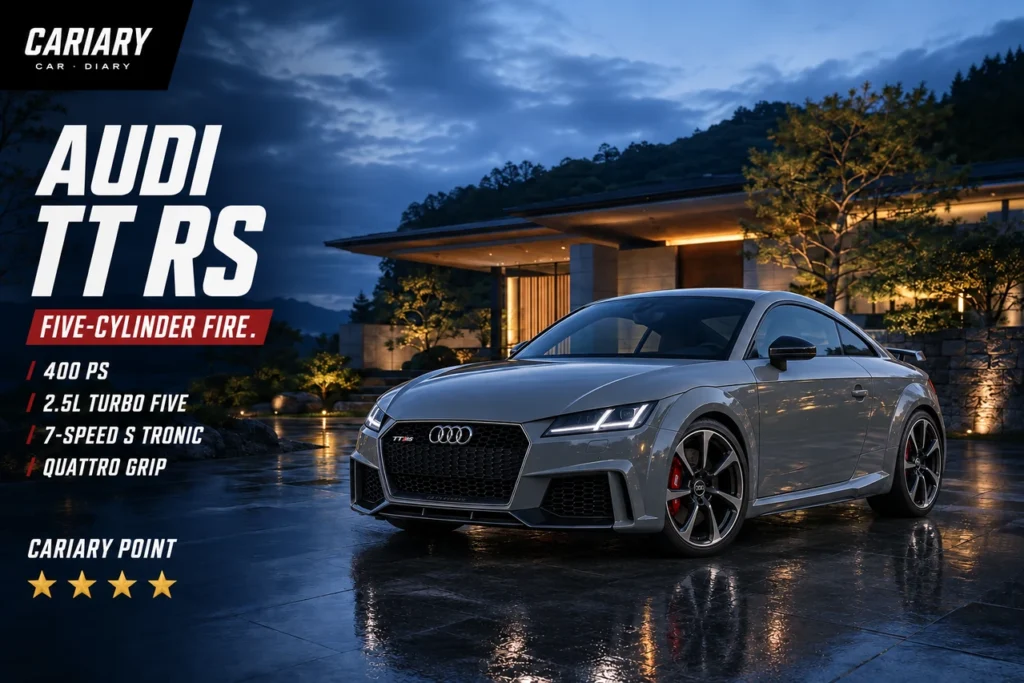
CARIARYCAR · DIARY · PERSPECTIVE
Cover: AI-generated Cariary editorial illustration, checked against the specified vehicle. It is not road-test photography.
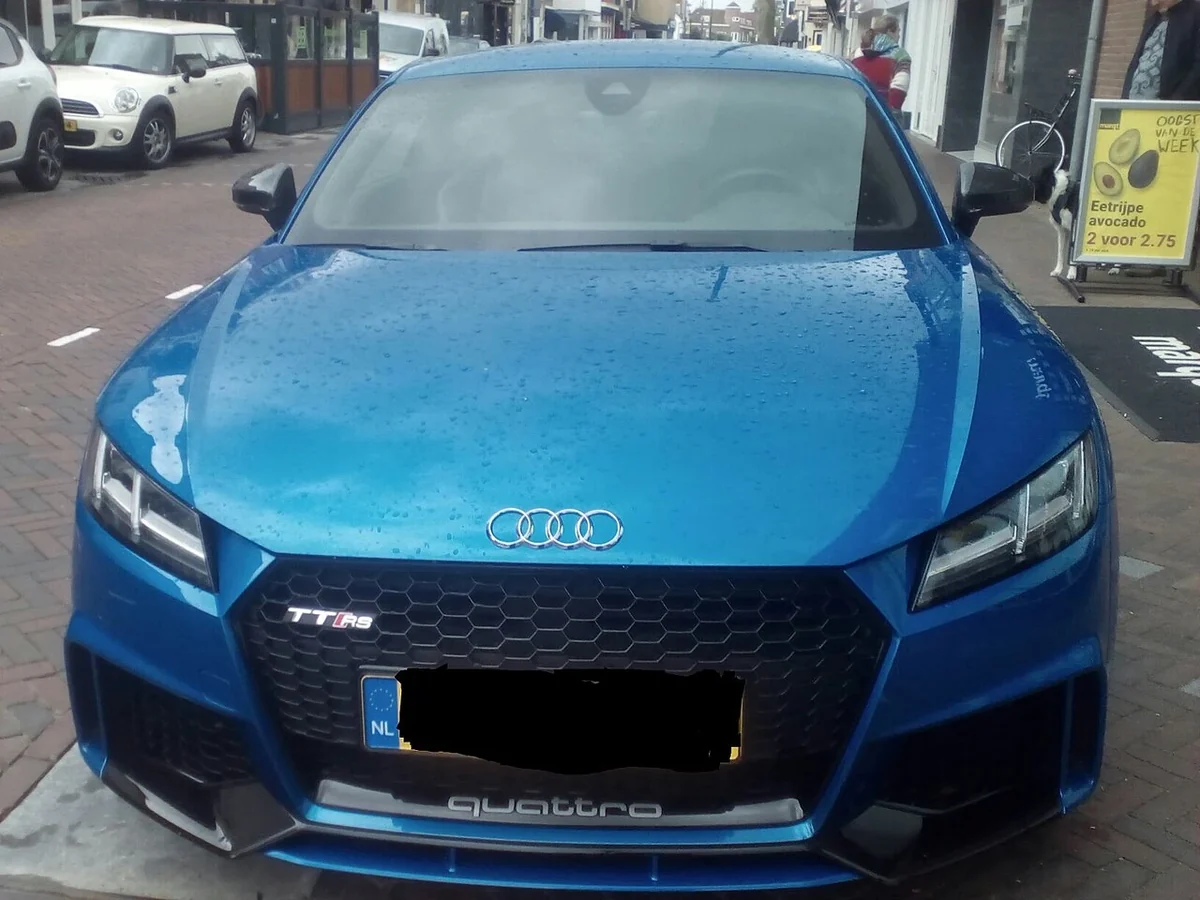
This Audi TT RS review asks whether a memorable engine can turn an already distinctive coupe into the car you keep wanting to use. The five-cylinder is the attraction, but the ownership case also depends on the hatch, cabin controls and the kind of roads you drive.
Cariary likes the idea of serious performance in a manageable shape. The TT RS does not demand supercar proportions to create a sense of occasion. Yet compactness alone does not make a coupe practical, and strong launch performance does not automatically make it the most involving choice. Those distinctions explain both its appeal and our four-star rating.
Scope: early, pre-facelift 8S TT RS coupe, using Audi’s 2016 German launch specification as reference. U.S. test observations are attributed separately. This is not a first-generation 8J, Roadster or later Iconic Edition. Cariary has not driven this example.
4/5: a compelling compact performance coupe for someone who values five-cylinder character and traction. The last star is withheld because the rear seats, automatic-only layout and driver involvement do not suit every sports-car brief.
Audi TT RS: Key Specifications
| Reference | 2016 German launch specification, early 8S coupe |
|---|---|
| Engine | 2,480 cc turbocharged inline-five |
| Output | 294 kW / 400 PS |
| Torque | 480 Nm at 1,700–5,850 rpm |
| Transmission | 7-speed S tronic dual-clutch |
| Drive | quattro all-wheel drive |
| 0–100 km/h | 3.7 seconds, manufacturer claim |
Audi TT RS: A Compact Shape With a Serious Engine
The TT’s rounded roofline and short-looking body remain recognizable even with the RS grille, large intakes and fixed spoiler. It is a different visual proposition from an angular mid-engine exotic. The appeal is concentrated rather than sprawling: you can want the shape without wanting every outing to feel like an event organized around a large car.
That makes the purchase question more subtle than simply choosing the fastest version. If you like the design but rarely use the extra performance, a regular TT deserves a place in the comparison. If the unusual engine is the reason you keep returning to the RS, the extra complexity has a clearer purpose. Cariary would start there, before being distracted by wheel finishes or an aftermarket power claim. The right specification should support the original reason for wanting the car.
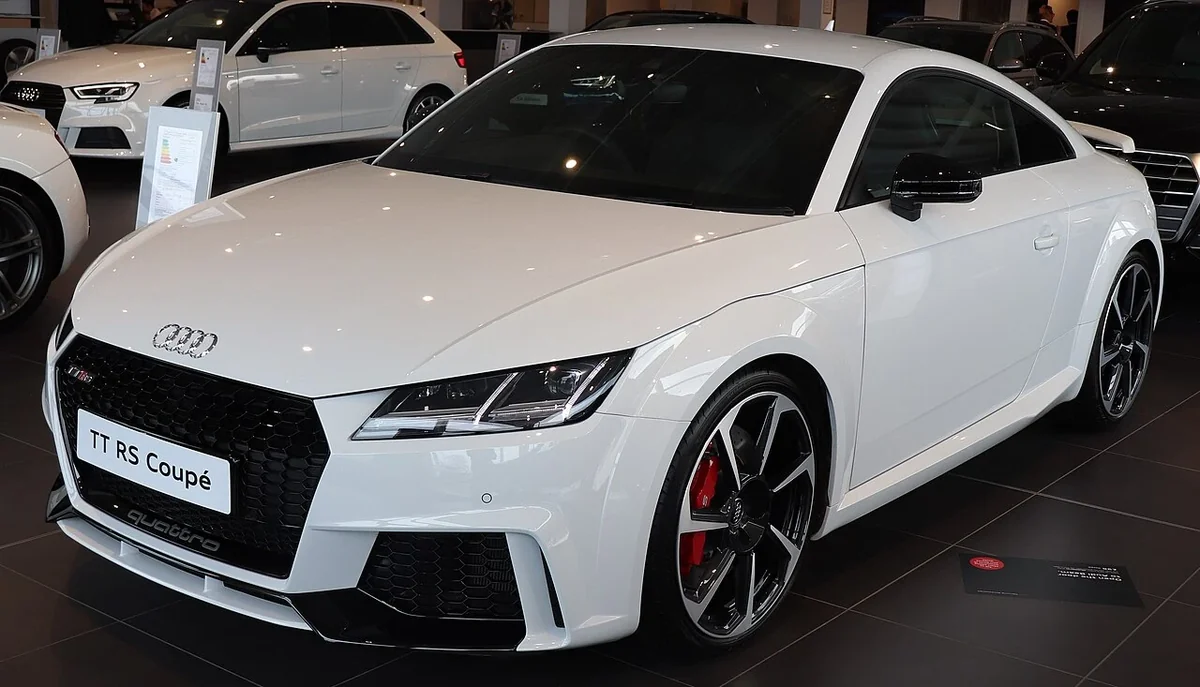
Five Cylinders: The Audi TT RS Difference
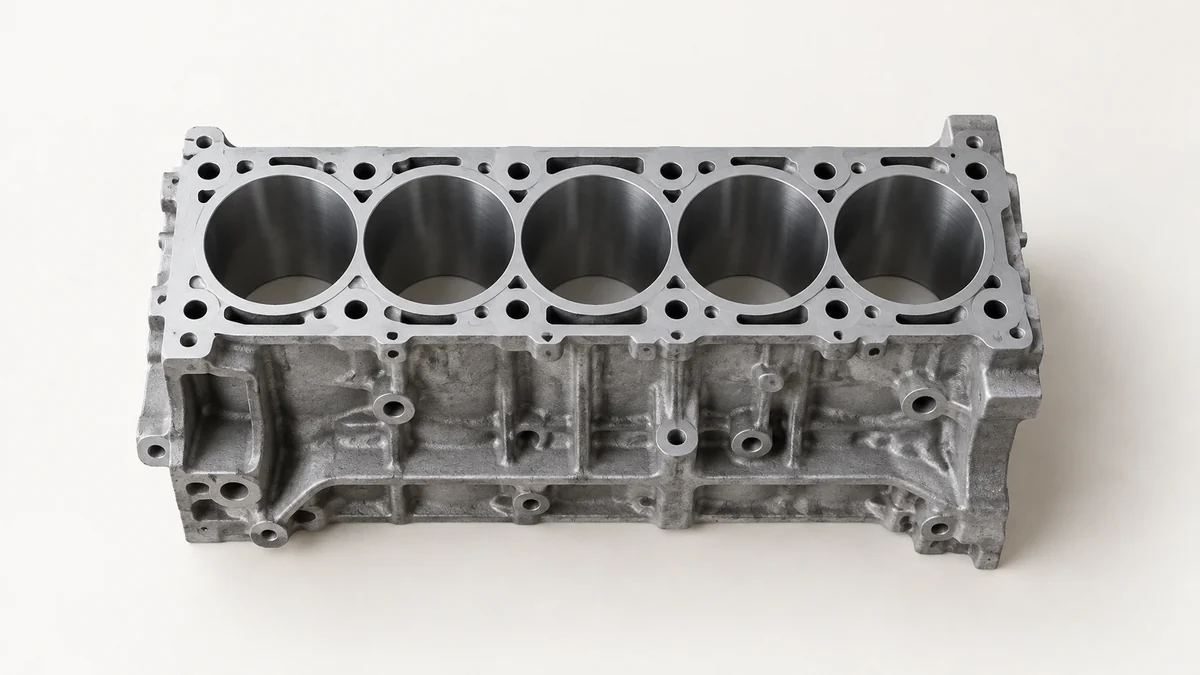
Audi’s launch engine explanation describes a 2.5-liter inline-five with an aluminum crankcase, 26 kg less engine weight than its predecessor and a 1-2-4-5-3 firing sequence. The firing events are evenly spaced at 144 degrees of crank rotation; the distinctive character is not evidence of random or irregular firing timing. Avoid the tempting but inaccurate description of five cylinders as half a V10 in every engineering sense.
The supporting concept image below does only one job: it shows five cylinders arranged in a straight row. It is generated and is not a photograph, casting drawing or repair reference for Audi’s actual engine. For a buyer, the important consequence is identity. This is a reason to prefer the RS beyond an acceleration spreadsheet. But a distinctive sound is not proof of condition; any modified intake, exhaust or engine software should be documented and assessed separately.
S Tronic and Quattro: Easy Speed, Different Involvement
The standard seven-speed S tronic removes the manual-versus-automatic choice from this generation. Its quick shifts help exploit the turbo engine’s range, while quattro adds another route for sending power to the road. The result should be judged as its own combination rather than as a failed attempt to imitate a rear-drive manual coupe.
Our interpretation is that this setup suits a driver who wants performance available without constant effort. That is a legitimate pleasure. It will not satisfy someone whose favorite part of a drive is balancing clutch, throttle and gear selection. During a test drive, assess low-speed take-up, reverse maneuvering and warm running as carefully as brisk acceleration. Do not let a dramatic launch replace a useful inspection. Tire condition still governs braking and cornering grip; an all-wheel-drive badge does not remove that dependence.
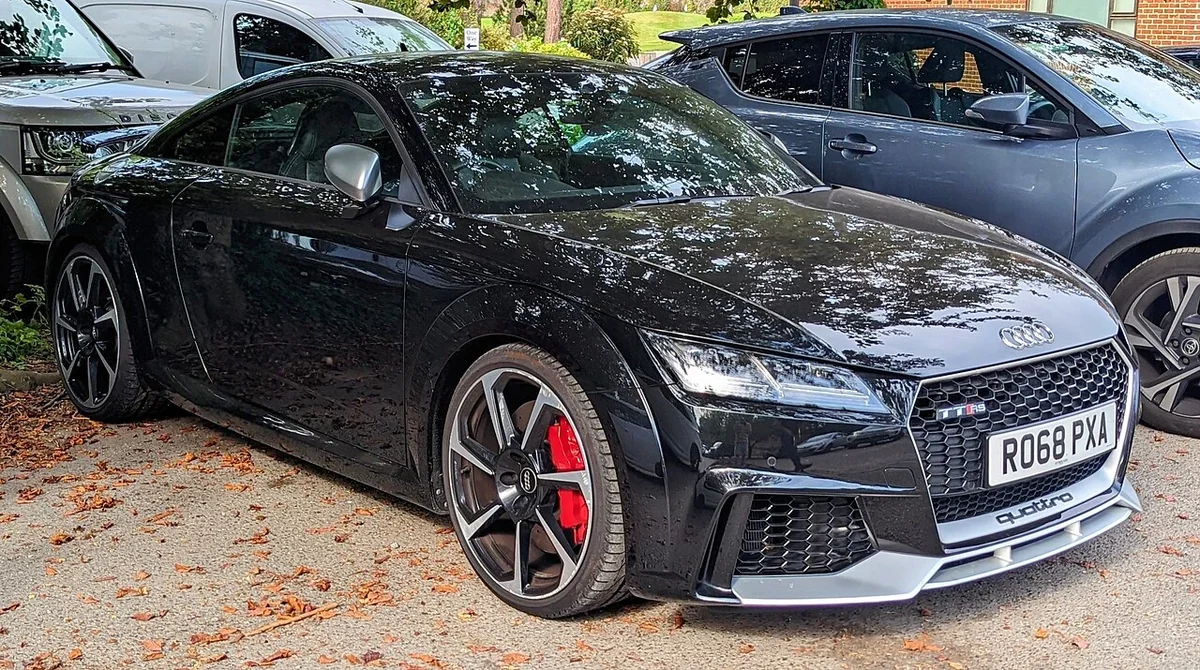
Audi TT RS Handling: Decide What You Want to Feel
Car and Driver’s 2018 U.S. test recorded strong performance and noted the absence of the earlier manual option. Its assessment is useful context, not evidence that Cariary drove the car. A buyer should still decide whether the steering, ride and response feel rewarding on familiar roads.
There are two different questions here: how quickly the car can cover ground, and how much conversation the driver wants from it. A coupe can answer the first brilliantly without being everyone’s favorite answer to the second. Test the actual suspension and wheel combination being offered. Rough surfaces, a sequence of ordinary bends and a section of slow traffic reveal more about fit than one straight-line burst. If an owner has altered the suspension, ask for alignment records and the original parts rather than assuming firmer must mean better.
The Cockpit Puts the Driver in Charge
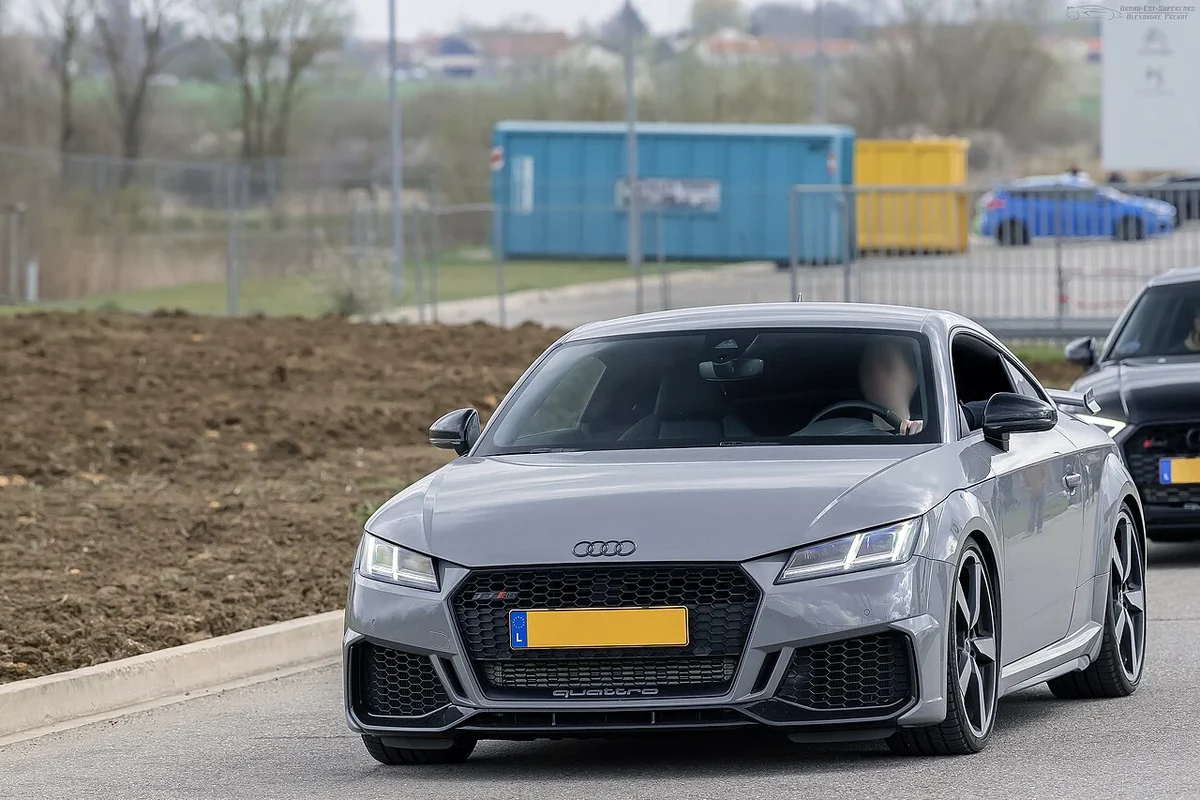
Audi’s controls documentation describes a 12.3-inch virtual cockpit, a center-console rotary controller and steering-wheel controls for starting the engine and changing drive modes. That arrangement makes a strong statement about who the cabin is organized around. It also means the passenger’s experience of navigation and media differs from a car with a shared central screen.
Cariary considers that a trade-off worth testing in person. Some buyers will appreciate having information close to the instruments and fewer surfaces competing for attention. Others will prefer a passenger-friendly display. Pair your own phone and test the installed equipment; model year, market and options matter more than an advertisement saying fully loaded. Aging connected services should not be assumed to work indefinitely. Judge the core controls that remain useful even when online features change.
A Hatch Helps; Rear Seats Still Need a Reality Check
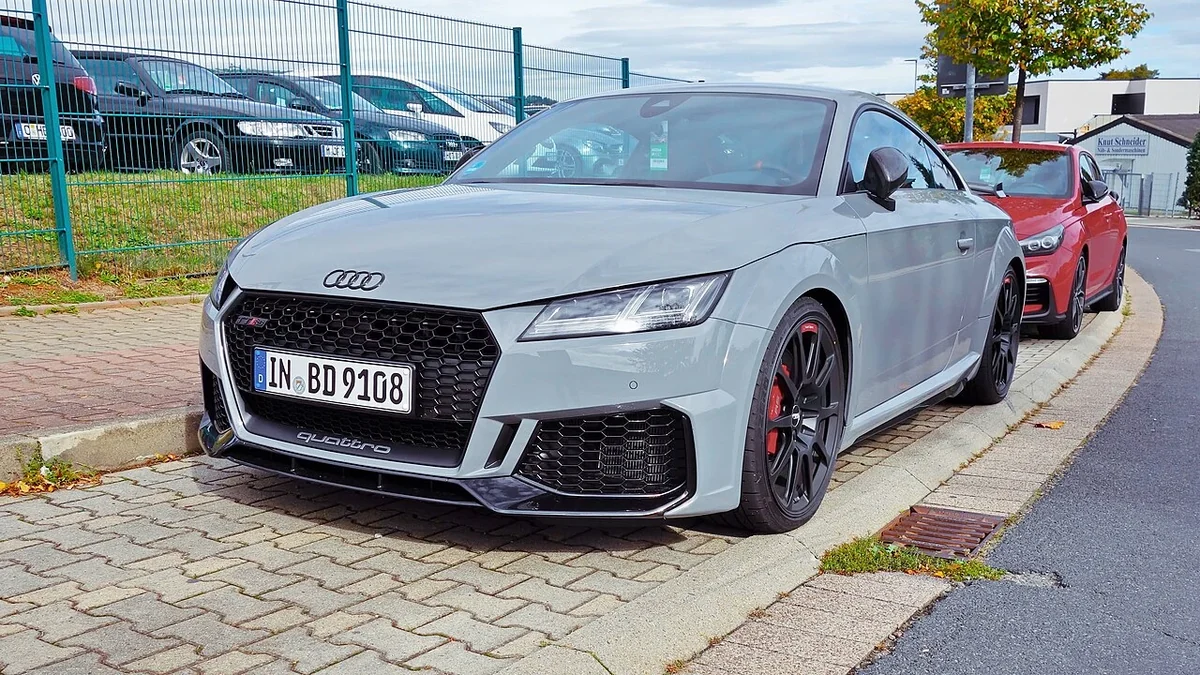
A hatchback opening makes a small coupe easier to load, but it does not make the rear compartment equivalent to a family hatch. Before treating the back seats as a solution, position the front seats for the actual occupants and test the remaining space. If child-seat use matters, confirm the exact seat, installation instructions and access in the car rather than drawing conclusions from a photograph.
This is where the Audi RS3 becomes more than a mechanical relative. Its more conventional passenger packaging can make the five-cylinder experience easier to share. The TT RS instead makes a stronger case when one or two people do most of the traveling and the coupe shape is part of the attraction. Pack the bags you use, close the hatch and check the view out. That simple test is more useful than debating whether tiny rear seats count as practicality.
Used Audi TT RS: Inspect the Specification You Are Paying For
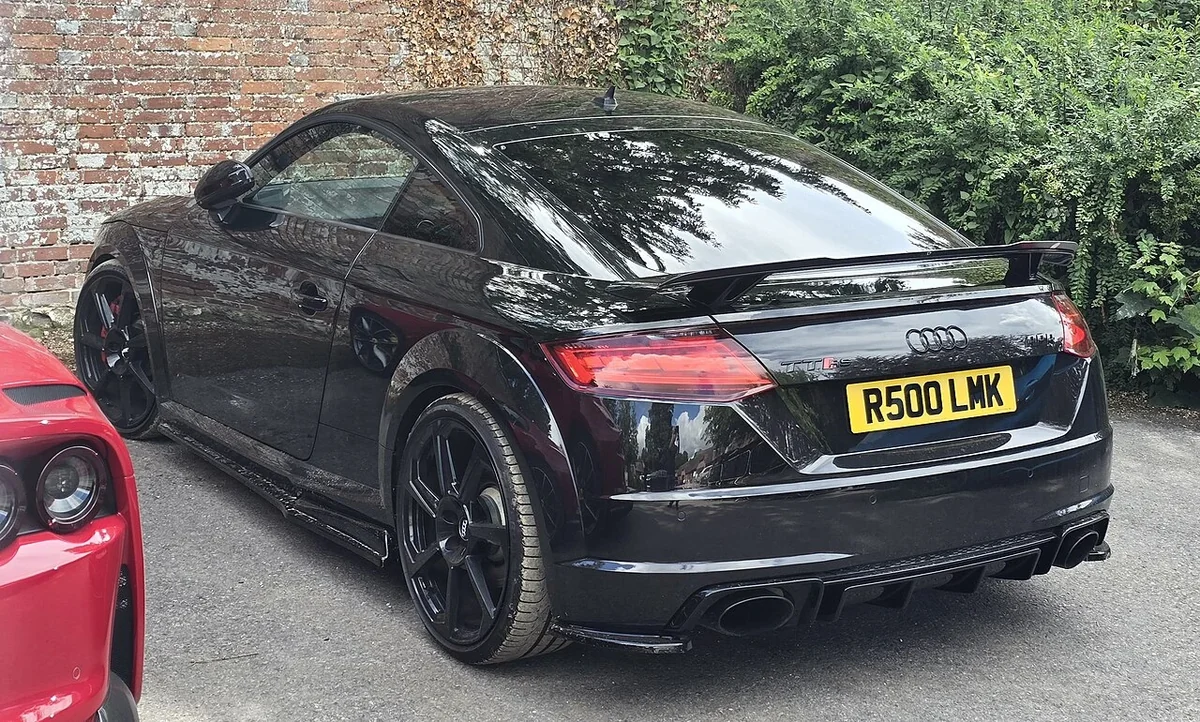
Separate factory equipment from later modifications before assigning value. Ask for a record of software changes, exhaust work, wheel replacement and suspension changes. A claimed power increase says little about workmanship, cooling margins or how the car was used. A specialist should assess the engine, transmission, all-wheel-drive system and stored diagnostic faults as a connected whole.
Check fluid-service evidence against the exact market and VIN requirements. Inspect brakes and tires with replacement costs in mind, and test every expensive electronic feature. Cariary would rather buy a transparently maintained car with honest cosmetic wear than an undocumented modified example polished for a sale. The Porsche 718 Cayman is useful alternative reading if chassis involvement matters more to you than this engine. The comparison is about priorities, not a universal winner.
Four Stars for a Distinctive Everyday Coupe
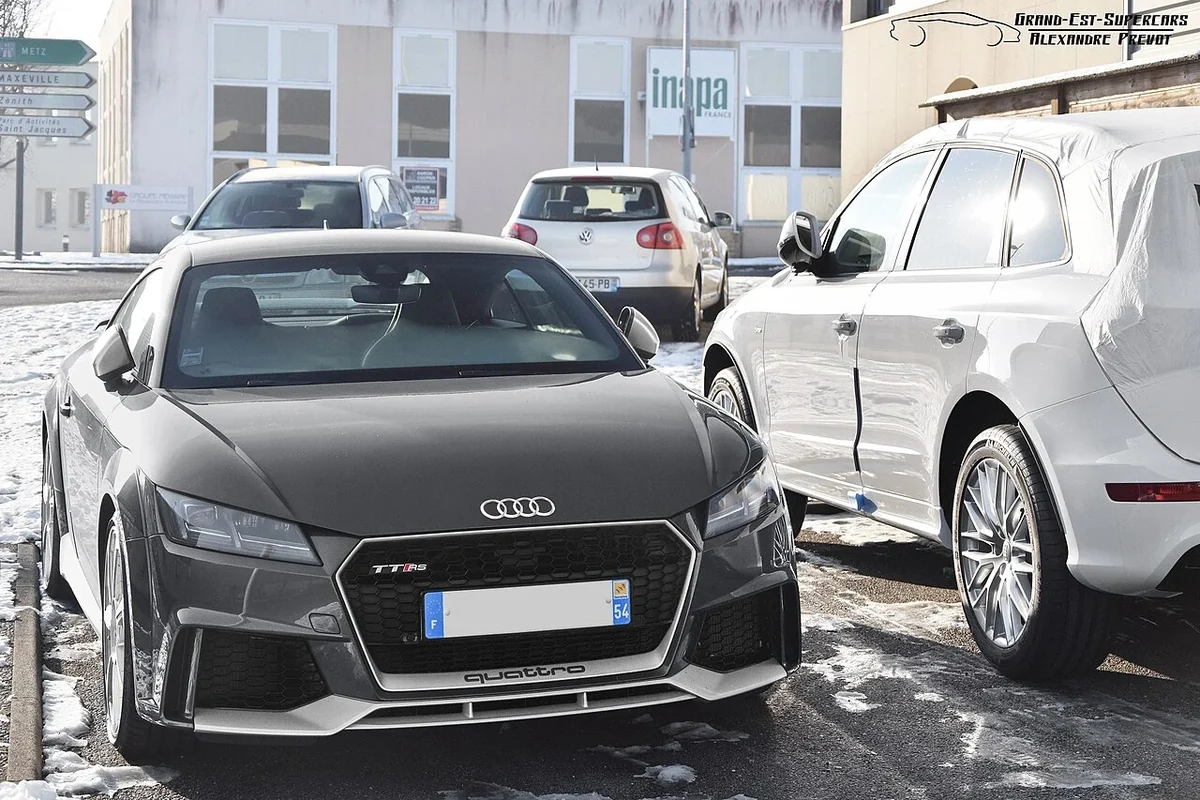
The TT RS earns four stars because its engine gives the coupe an identity that survives the first fast launch. Compact dimensions, a useful loading opening and a focused cockpit strengthen the argument for actually using it. That combination is more persuasive than buying an exotic shape that feels inconvenient on every normal journey.
The withheld star reflects the limits of the package: restricted rear accommodation, no manual option and a driving brief that will not be every enthusiast’s favorite. Those are meaningful compromises, but they need not matter equally to every buyer. The Jaguar F-TYPE R offers another kind of engine-led coupe appeal with a very different footprint. Choose the Audi when its compact, traction-oriented character is what you want, not when you are hoping its figures will make it feel like something else.
Who Should Buy It?
Recommended For
One or two occupants who want a compact, distinctive automatic coupe and specifically value the five-cylinder engine.
Not Recommended For
Drivers who require adult-friendly rear seats, a manual gearbox or a coupe chosen primarily for delicate rear-drive balance.
One-Line Verdict: The TT RS is most convincing when you buy its five-cylinder identity, not just its launch time.
Frequently Asked Questions
Is this the same TT RS as the earlier manual car?
No. The early 8S discussed here uses the seven-speed S tronic. Do not apply the previous 8J’s transmission choice to it.
Is 400 PS the same as 400 U.S. horsepower?
The units differ. This article uses Audi’s German 294 kW / 400 PS launch reference and keeps U.S. test observations separate.
Does quattro replace winter tires?
No. Drive layout does not remove the need for tires appropriate to conditions. Braking and lateral grip remain tire-dependent.
Is the engine illustration an Audi technical drawing?
No. It is a generated concept showing five cylinders in one row, with no claim to reproduce the actual engine’s detailed construction.
Why choose this over an RS3?
Choose the TT RS for the coupe shape and two-person use case. If carrying people regularly is central, the RS3 deserves serious consideration.
Further Reading and Data Reference
Data reference date: September 13, 2026. Official specifications and attributed test observations are linked where discussed. Cariary Point is an editorial buyer-fit assessment, not an owner road-test score or reliability rating.
Explore more Cariary car reviews and buyer perspectives.

