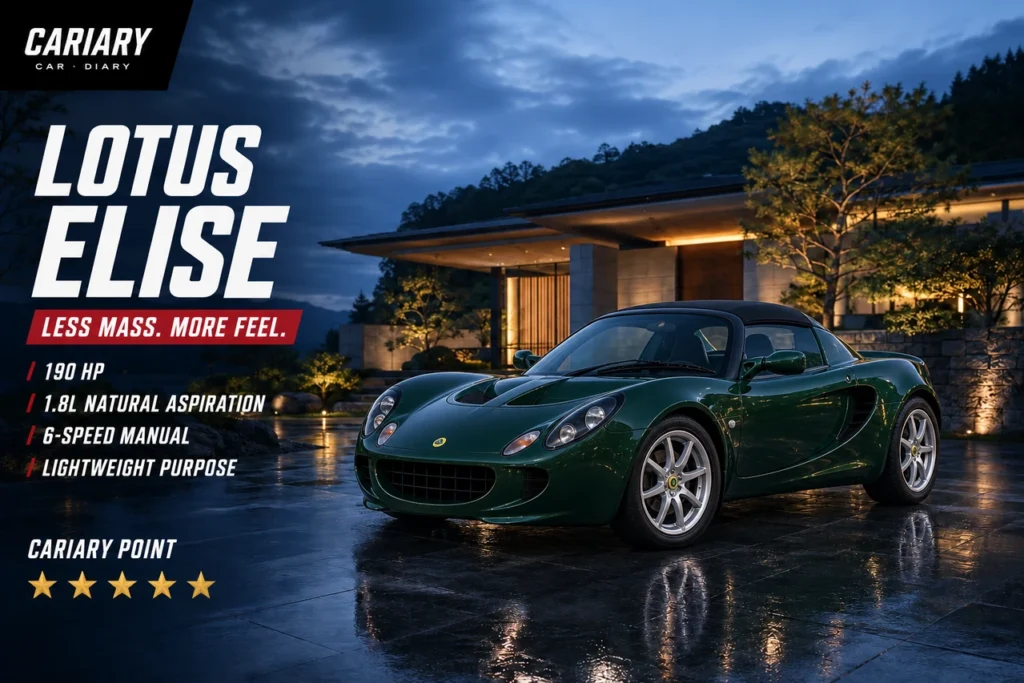
CARIARYCAR · DIARY · PERSPECTIVE
Cover: AI-generated Cariary editorial illustration, checked against the specified vehicle. It is not road-test photography.
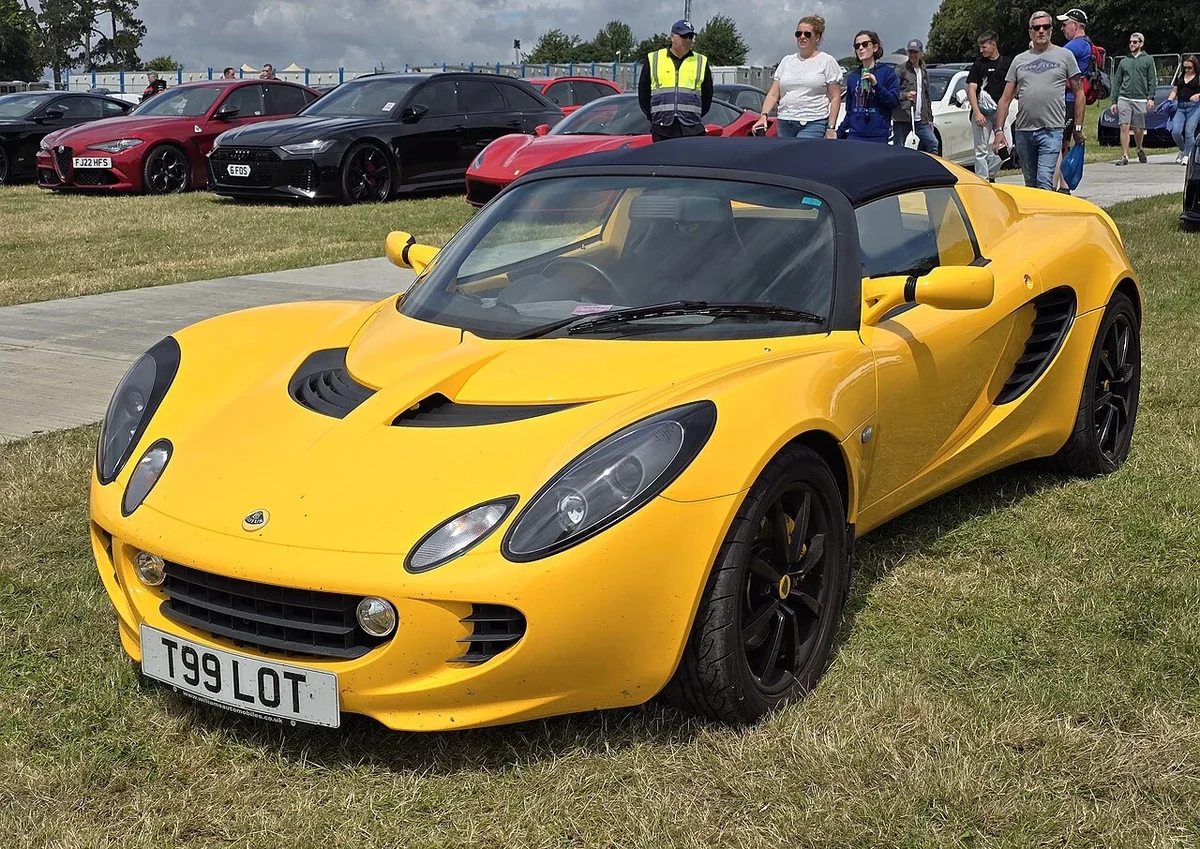
This Lotus Elise review asks a simple buyer question: how much convenience would you willingly trade for a more direct relationship with driving? The Elise makes that trade visible before the engine starts. Its small footprint and low cabin suggest a machine organized around a task, rather than a long equipment list.
Cariary gives this car five stars for a very specific reason. It has a clear identity that does not rely on enormous power. The right owner is choosing a focused experience and accepting the practical cost with open eyes. The wrong owner is hoping the compromises will somehow vanish after the first exciting drive.
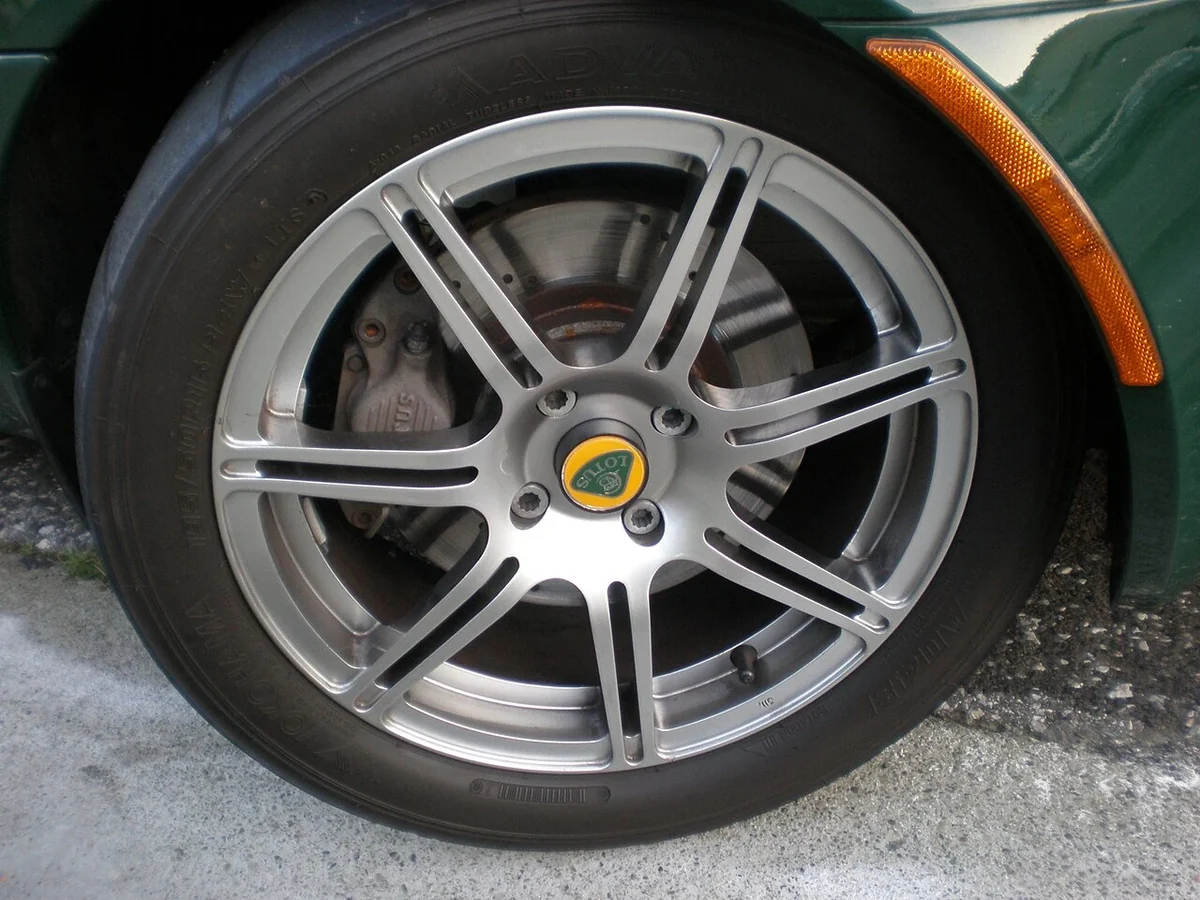
This research-based review focuses on the naturally aspirated Toyota-engined 2005 U.S. federal Series 2 Elise. It excludes Rover-engined versions, supercharged cars and the Exige. Any international 111R detail photograph is explicitly identified. Cariary has not road-tested these examples.
5/5 for a second-car buyer who deliberately prioritizes lightness, manual involvement and direct feedback. Limited access, luggage space and refinement are substantial compromises, so this is a purpose-specific recommendation rather than an all-round score.
Lotus Elise: Key Specifications
| Reference | 2005 U.S. federal Series 2 Elise |
|---|---|
| Engine | 1.8-litre naturally aspirated Toyota 2ZZ-GE inline-four |
| Output | 190 hp, U.S. reference |
| Transmission / drive | 6-speed manual / rear-wheel drive |
| Layout / seats | Mid-engine roadster / 2 |
| Steering | Unassisted rack-and-pinion |
| Period test | 5.1 seconds 0–60 mph, MotorTrend test car |
Lotus Elise: The Case for Less Car
A small sports car can offer something a larger, more powerful one cannot easily reproduce: the feeling that the machine is organized around the driver rather than around accommodating everything a buyer might someday request. That does not automatically make it superior. It makes the priorities unusually easy to identify.
The Lotus Elise asks you to want this focus. If the real plan is frequent motorway commuting, carrying bulky luggage and transporting passengers who dislike low seats, start with those facts. If the plan is a deliberate leisure drive, the same limitations may be acceptable. The car has not changed between those scenarios; the ownership brief has.
190 HP Works With a Different Set of Priorities
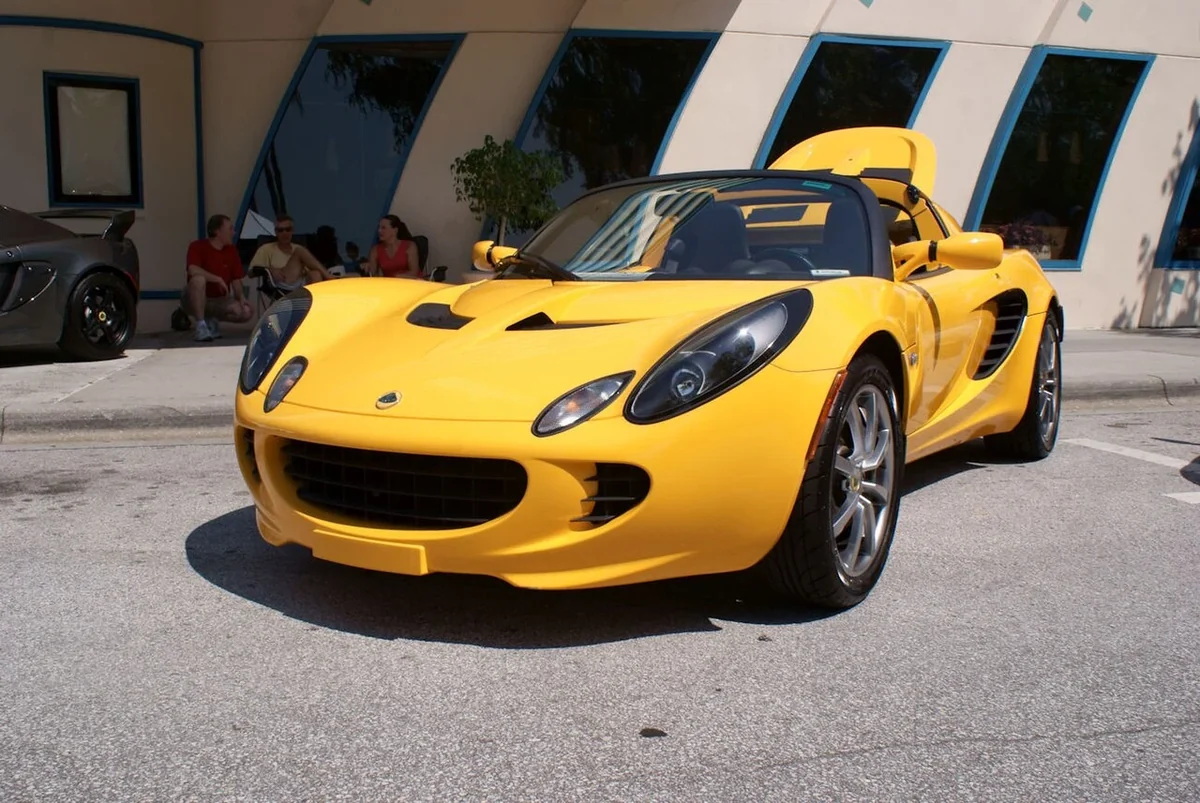
The U.S. federal car uses a Toyota-sourced naturally aspirated engine and manual gearbox. In its 2005 Elise instrumented test, MotorTrend listed 190 hp and recorded 5.1 seconds to 60 mph. Its test car weighed 1,979 pounds. That is a measured example, not a promise that every car with every option has identical mass or performance.
The important implication is that power should be considered alongside the car carrying it. Cariary would not choose this Elise to dominate an acceleration comparison. The appeal is an experience that can involve the driver without needing a supercar-sized engine. A healthy, coherent standard car may deliver that brief better than an ambitious conversion whose behavior and history are difficult to establish.
Lotus Elise Steering: Feedback Is the Attraction
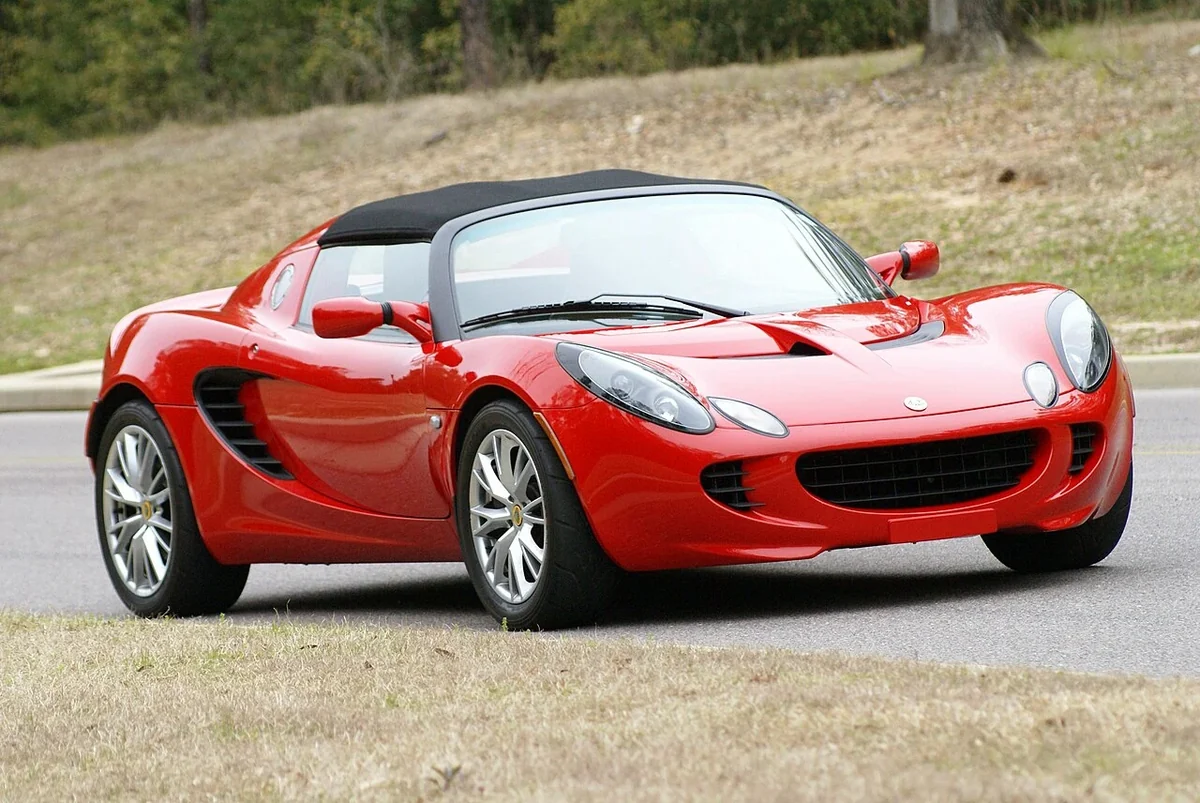
MotorTrend praised the unassisted steering’s communication and the car’s agility, while noting a harsh response to broken concrete. These were its observations, not a Cariary road test. The lesson for a buyer is to judge steering and ride together on roads resembling the ones you will actually use.
Do not decide from a short drive on a perfect surface. Ask whether the controls remain easy to interpret when the road is uneven, and have anything inconsistent investigated. Tire choice, alignment and suspension condition can change the experience. The model’s reputation is a reason to look closely at the setup, not a reason to assume every example feels right.
The Cabin Test Starts Before You Sit Down
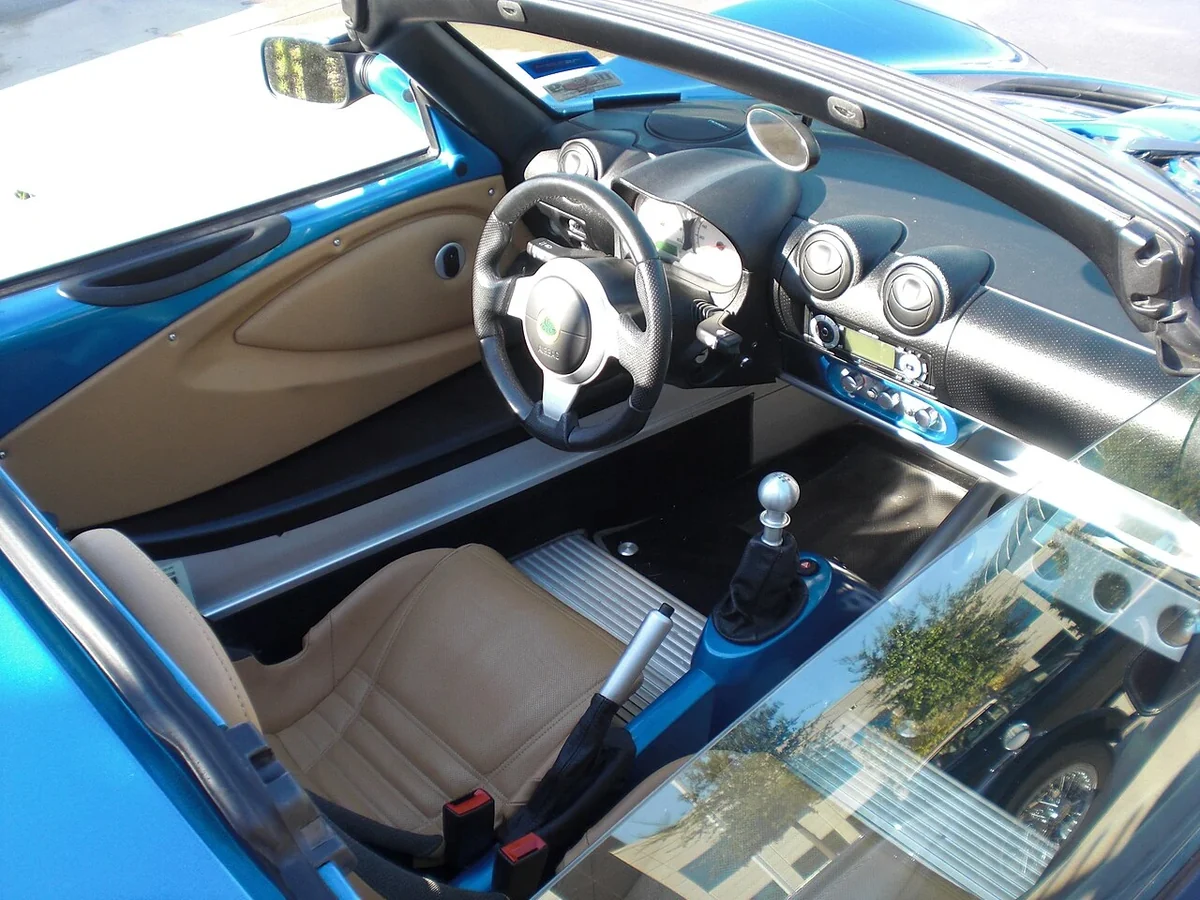
A low seat and substantial sill can make getting in and out the first meaningful test. Try it with the roof in place, without rushing or performing for an audience. Your passenger should do the same. Being able to enter once does not tell you whether you will be happy repeating the process on an ordinary day.
Check pedal spacing with your usual footwear, steering-wheel reach, visibility and whether the seat supports you over time. The cabin does not need to feel luxurious to be the right fit. It does need to work for your body. A bargain price will not change a seating position that leaves you uncomfortable or restricts confident control.
A Small Roadster Still Needs a Practical Plan
Pack the luggage you genuinely intend to carry. Think in terms of flexible small bags and actual available space rather than the phrase weekend trip. Check roof condition and fit, seals and signs of water entry. The point is to know the limits before you discover them far from home with a passenger and nowhere suitable to put a bag.
A second-car arrangement can make the Lotus Elise easier to appreciate because another vehicle handles the jobs it was not designed around. This is not an instruction to own more cars. It is a way of separating a realistic leisure role from a daily role that may disappoint. The Mazda MX-5 Miata review is a useful alternative if easier everyday use matters more.
Inspect the Structure, Not Just the Paint
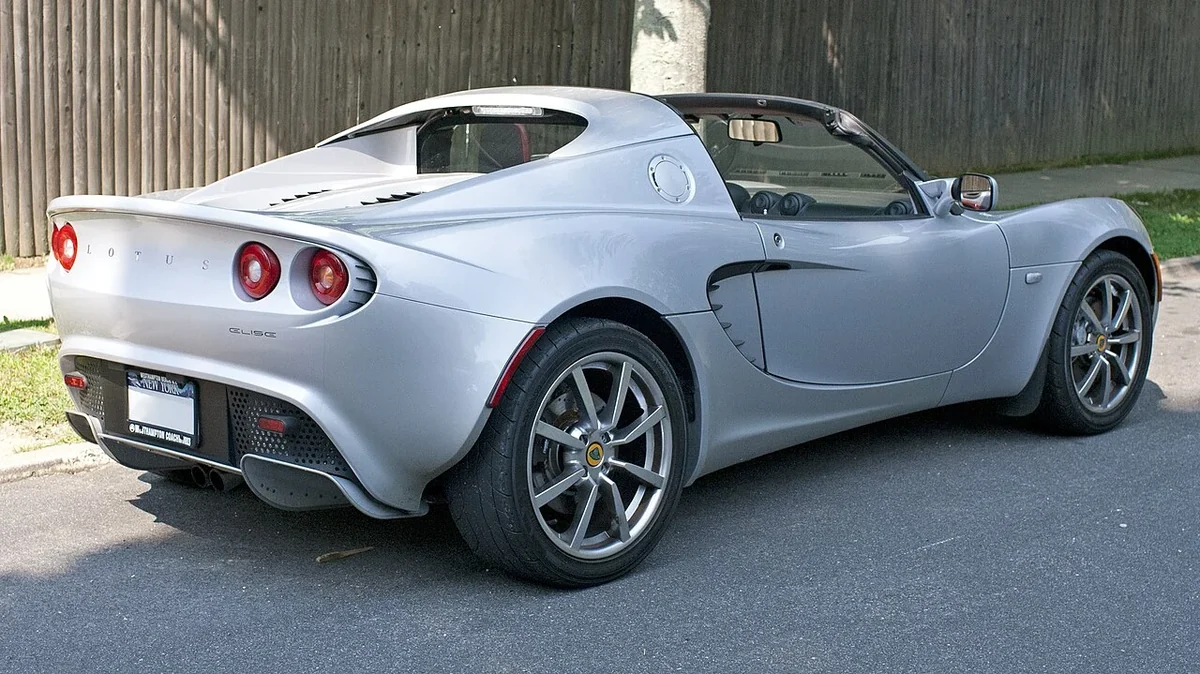
The bonded aluminium chassis is an important part of the Elise story. The period Lotus brochure describes the related Toyota-engined model’s lightweight approach; its UK specification should not be substituted for U.S. weight or equipment figures. For a used buyer, the structural inspection is more important than repeating a lightness slogan.
Have a Lotus specialist examine the chassis, suspension mounting areas, underside and body repair history. Ask for documentation of impacts and repairs, plus a clear explanation of any modifications. Cosmetic damage and structural damage are not the same problem, but neither should be diagnosed from a few listing photographs. The result should be an evidence-based assessment of this car.
Buy a Coherent Elise, Not a Project by Accident
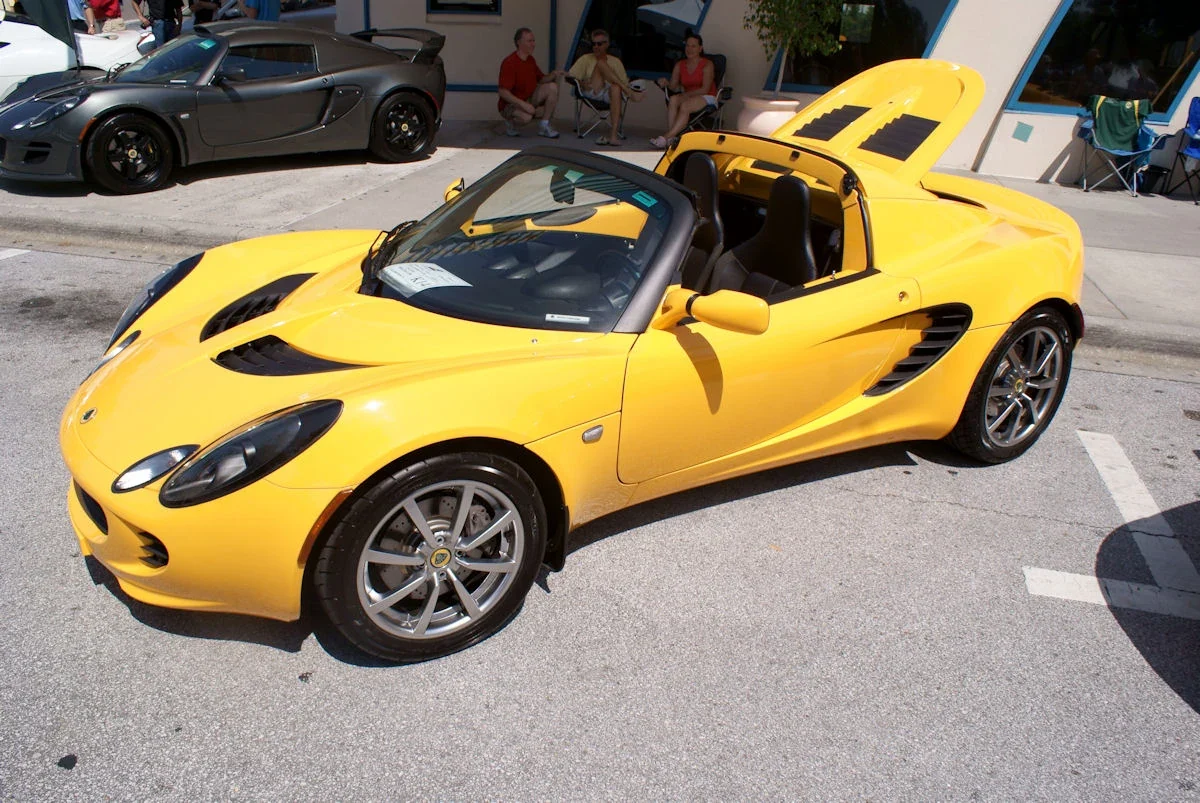
Review service records, cooling-system condition, leaks, clutch operation, shift quality, brakes and tires. Establish whether the car has been used on track and how it was maintained. Track use alone does not settle the condition question; undisclosed changes and missing documentation make the decision harder. Ask what work is needed immediately and obtain relevant quotations.
The Lotus Emira review explores a different Lotus proposition with a more contemporary cabin and broader comfort brief. The Honda S2000 review offers another route to a distinctive manual roadster. Choose among them by the experience and compromises you want, rather than assuming the most uncompromising car must be the most enjoyable to own.
Why the Lotus Elise Earns Five Cariary Stars
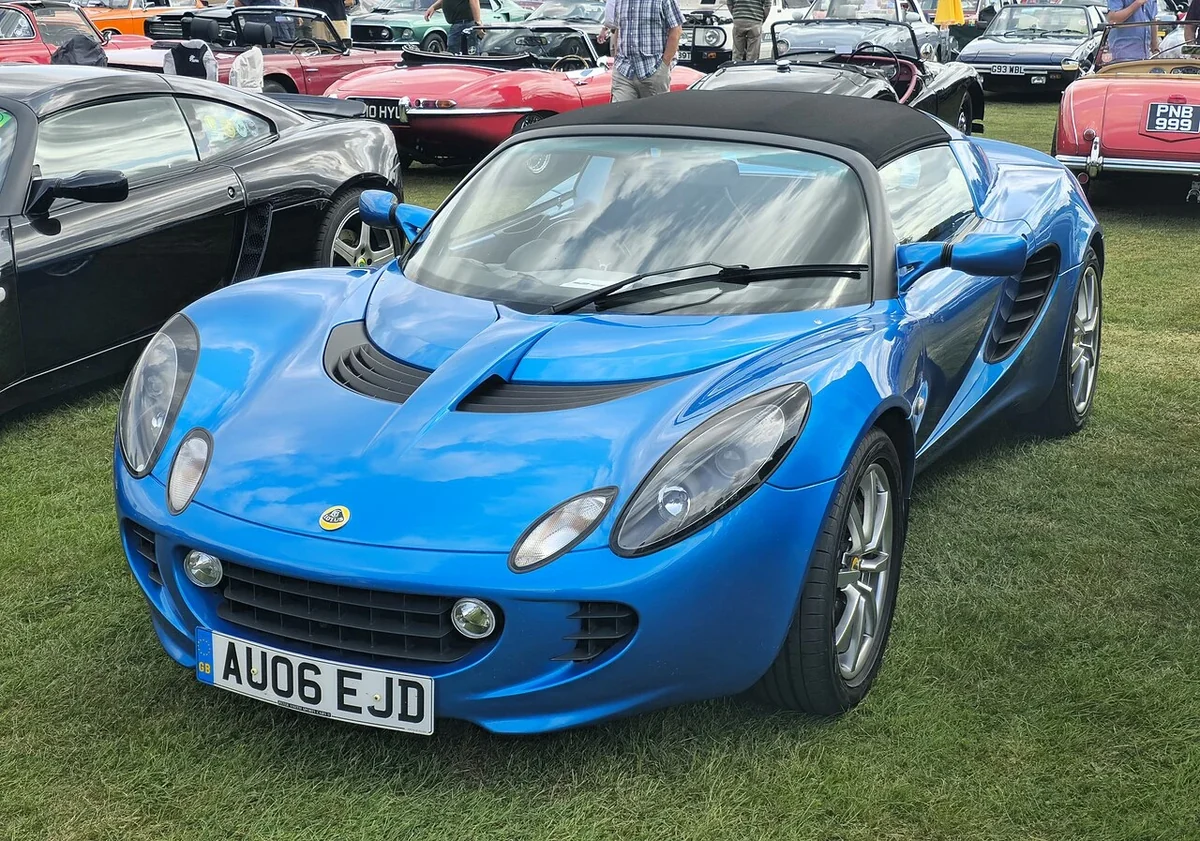
Five stars recognize the clarity of the idea: lightness, a manual gearbox and a driving-focused package create a reason to be interested that a higher horsepower figure cannot erase. For an owner who actively wants that experience, its compromises are identifiable and can be planned around rather than hidden behind a luxury promise.
The rating stops short of recommending every example or every use case. A damaged chassis, unsuitable modifications or a poor physical fit changes the decision completely. Cariary would choose a well-documented car that preserves coherent responses and then use it for the journeys it suits. The reward is not winning every comparison; it is enjoying a car with a precise purpose.
Who Should Buy It?
Recommended For
A leisure-car enthusiast who values lightness and manual engagement, fits the cabin comfortably and accepts modest practicality.
Not Recommended For
Drivers needing easy access, substantial luggage room, strong isolation from broken roads or a relaxed one-car solution.
One-Line Verdict: The Elise earns its place by concentrating on the driver, but you must genuinely want the compromises that make it different.
Frequently Asked Questions
Which Elise is reviewed here?
The naturally aspirated, Toyota-engined 2005 U.S. federal Series 2. Other engines and later supercharged models require separate comparisons.
Is 190 hp enough?
For the intended lightweight driving experience, the car has a credible case. Outright acceleration is not its only or strongest reason to buy.
Does it have power steering?
The reference car has unassisted steering. That is part of the control experience to evaluate during a viewing.
Can it work as my only car?
Possibly, but assess access, weather, luggage and commuting honestly. A dedicated leisure role is an easier fit for many buyers.
What is the most important inspection?
Use a Lotus specialist to assess structure and repair history alongside mechanical condition. A shiny body does not establish a sound chassis.
Further Reading and Data Reference
Data reference date: September 13, 2026. Official specifications and attributed test observations are linked where discussed. Cariary Point is an editorial buyer-fit assessment, not an owner road-test score or reliability rating.
Explore more Cariary car reviews and buyer perspectives.

