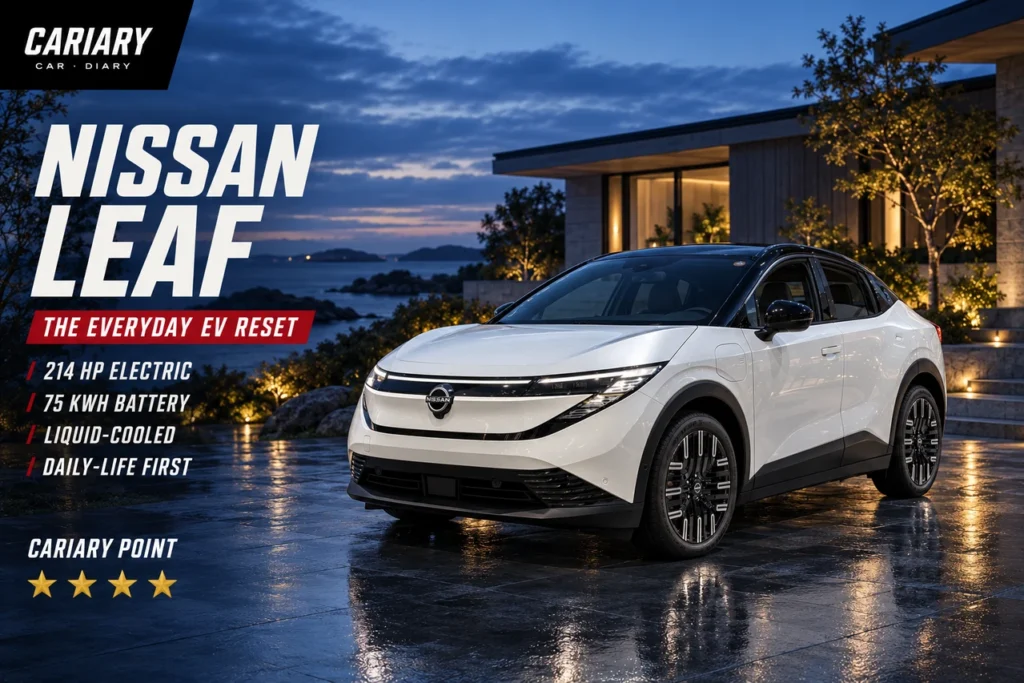
CARIARYCAR · DIARY · PERSPECTIVE
Cover: AI-generated Cariary editorial illustration, checked against the specified vehicle. It is not road-test photography.
This Nissan LEAF review is about a familiar name with a substantially different proposition. The 2026 U.S. model moves into a sleeker crossover shape, adopts a liquid-cooled battery and makes a much stronger range argument. The interesting question is not whether it looks more expensive. It is whether the changes remove enough everyday objections to make the car an easy choice.
Affordable electric cars have a difficult job. They must keep the purchase price approachable while providing enough range, useful equipment and charging convenience that owners do not feel they bought a compromise first and a car second. The new LEAF has promising answers, but some of its best headline numbers belong to different trims.
Cariary’s view: start with the modest versions and a realistic charging plan. A LEAF that fits your parking and travel routine can be more persuasive than a faster, more expensive EV. A LEAF bought without checking the two charging ports and local infrastructure can become unnecessarily frustrating.
Scope: third-generation ZE2 2026 Nissan LEAF, U.S. 75-kWh S+, SV+ and Platinum+ versions. This is a research-based buyer review, not a Cariary road test. Japanese and Canadian display photographs are identified below and do not establish U.S. equipment or charging-port specifications.
Four stars: a meaningful reset with useful range, battery thermal management and a competitive base-price proposition. Trim-dependent range and charging details require care, while the new generation has no long ownership history on which to base a reliability promise.
Nissan LEAF Review: Key Specifications
| Battery | 75 kWh, liquid cooled |
|---|---|
| Drive | Single front motor; front-wheel drive |
| Output | 214 hp / 262 lb-ft |
| EPA range | S+ 303 miles; SV+ 288 miles; Platinum+ 259 miles |
| DC charging | Up to 150 kW; manufacturer estimate about 35 minutes, 10–80%, suitable conditions |
| U.S. ports | NACS for DC fast charging; separate J1772 for AC charging |
| Base MSRPs | S+ $29,990; SV+ $34,230; Platinum+ $38,990; destination/taxes/options extra |
| Source | Nissan 2026 press kit and U.S. specifications |
1. Why This LEAF Should Be Judged as a New Generation
A long-running model name can become a shortcut in the buyer’s mind. That is useful until it hides a major engineering change. The third-generation LEAF retains the mission of approachable electric motoring, but its battery management, charging approach and body concept need to be considered on their own merits. An anecdote about an older LEAF is not a test result for this one.
That does not mean history is irrelevant. It explains why buyers will look particularly closely at repeated charging, battery condition and daily convenience. The right response is to examine the new hardware and then wait for credible long-term evidence. Neither nostalgia nor a redesign announcement can prove durability. The liquid-cooling change is meaningful; a claim that it guarantees a trouble-free decade would be a different, unsupported statement.
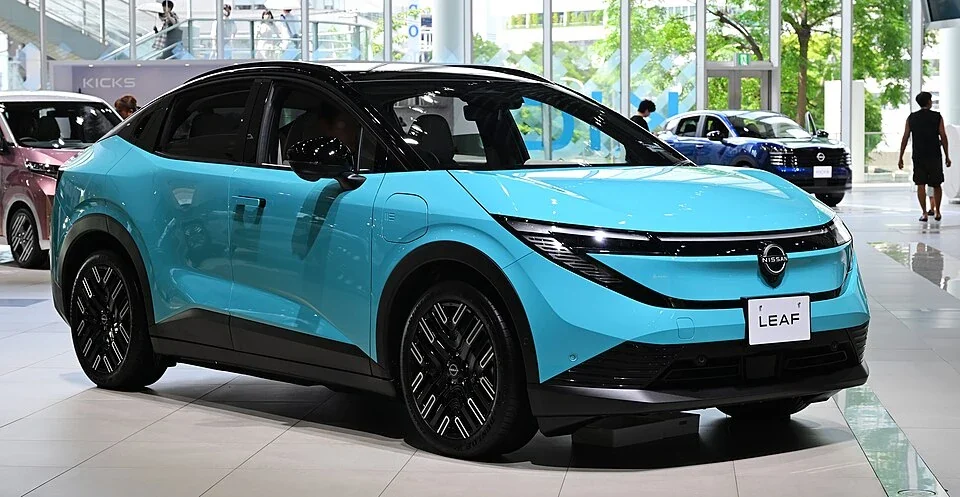
The new shape is also part of a market decision. Nissan has made the LEAF look closer to the crossovers many buyers already consider. That may reduce the feeling of making a special lifestyle statement simply to choose an electric car. In Cariary’s reading, normality is a strength here: the car’s job is to make electric ownership easier to live with, not to make every journey feel like a technology demonstration.
2. The 303-Mile Number Belongs to the S+
Nissan lists 303 EPA miles for the S+, 288 for the SV+ and 259 for the Platinum+. Those figures appear in the U.S. trim specifications. The distinction matters because shoppers can easily combine the range of the least expensive version with the equipment of the most expensive one in their mental picture. No single vehicle delivers that imaginary specification.
The gap from 303 to 259 miles is 44 miles, or roughly 15 percent of the base trim’s rating. That is not a claim that one version will always travel exactly 44 miles farther. It is a standardized comparison showing that comfort and visual upgrades come with consequences. If a regular long trip sits near the edge of your preferred charging interval, the simpler trim could be the more luxurious ownership experience.
Build your decision around a reserve rather than the last mile on the display. Cold weather, highway speed, elevation, wind, passengers and luggage can change consumption. A route that works only when the car matches its combined rating perfectly is a fragile plan. Look up the actual stops along your frequent journeys and consider what you would do if the preferred location were busy or unavailable.
3. Liquid Cooling Matters More Than a Dramatic Launch
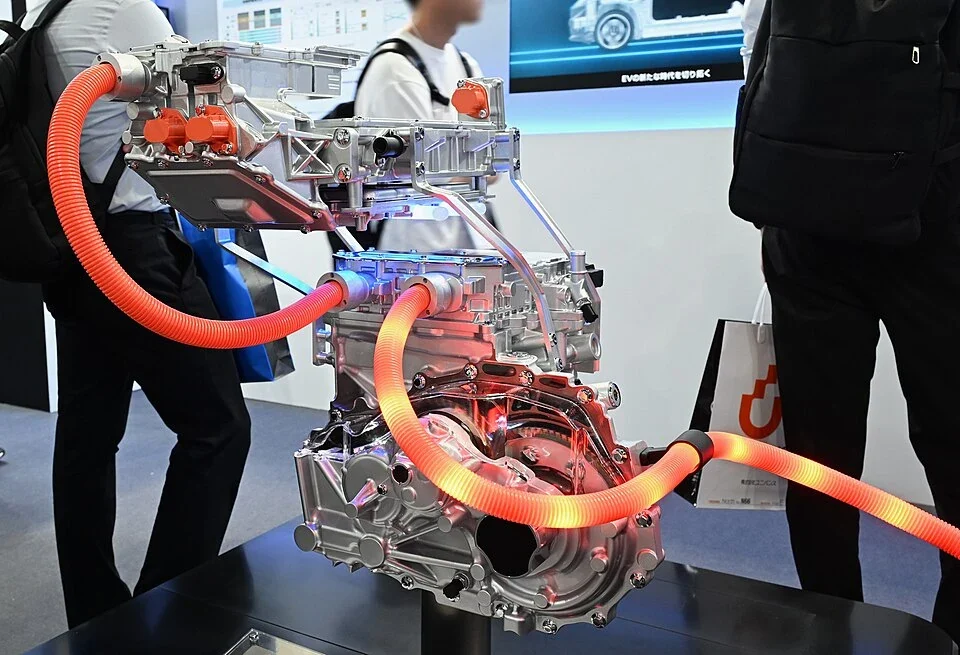
The 75-kWh battery uses liquid cooling. Nissan also describes a more compact three-in-one electric drive unit integrating the motor, inverter and reduction gear. These facts in the technical press kit are less theatrical than a very quick acceleration claim, but they fit the LEAF’s purpose. Battery temperature and compact packaging are central to making an EV useful repeatedly, not merely impressive once.
Liquid cooling gives the system a more controlled way to manage heat than relying on air alone. It does not remove the influence of ambient temperature or make every charging session identical. A battery arriving cold at a rapid charger can behave differently from one at an appropriate temperature. The practical benefit should be evaluated through repeatable tests and ownership evidence as those accumulate, rather than assumed from the presence of a cooling circuit.
The real powertrain display below is useful precisely because it shows actual components. It is a Japanese-market B7 display, not a drawing of U.S. service procedures. It illustrates integration without pretending that a photograph can explain every internal passage or control strategy. For a broader discussion of chemistry and purchase trade-offs, see Cariary’s NCM versus LFP battery guide. Chemistry is one part of a complete battery system, not a verdict by itself.
4. Two Ports Mean Two Different Charging Jobs
The U.S. LEAF’s NACS port handles DC fast charging, while the separate J1772 port handles AC charging. The connector name therefore does not mean that every NACS home wall unit can simply be plugged into the car for overnight charging. Buyers should check the exact vehicle, charging equipment and any manufacturer-approved adapter requirements before arranging an installation. Japanese display photos are not evidence of the U.S. port arrangement.
Nissan quotes a peak of 150 kW and an approximately 35-minute 10-to-80-percent session under suitable conditions. Peak power is a momentary ceiling, not an average for the whole stop. The battery’s state of charge and temperature, the charger’s capability and shared-site limits all affect the result. Comparing only maximum kilowatts can be as misleading as comparing engines only at one point on a torque curve.
A home or dependable workplace charging routine changes the meaning of these numbers. Most mornings you may simply leave with the energy you need, without visiting a station. Without that routine, public charging becomes a recurring appointment. Before buying, try the nearby facilities at the times you would actually use them, check their pricing and connector availability, and count the total time involved rather than the ideal charging time alone.
5. More Screen Is Not Automatically More Useful
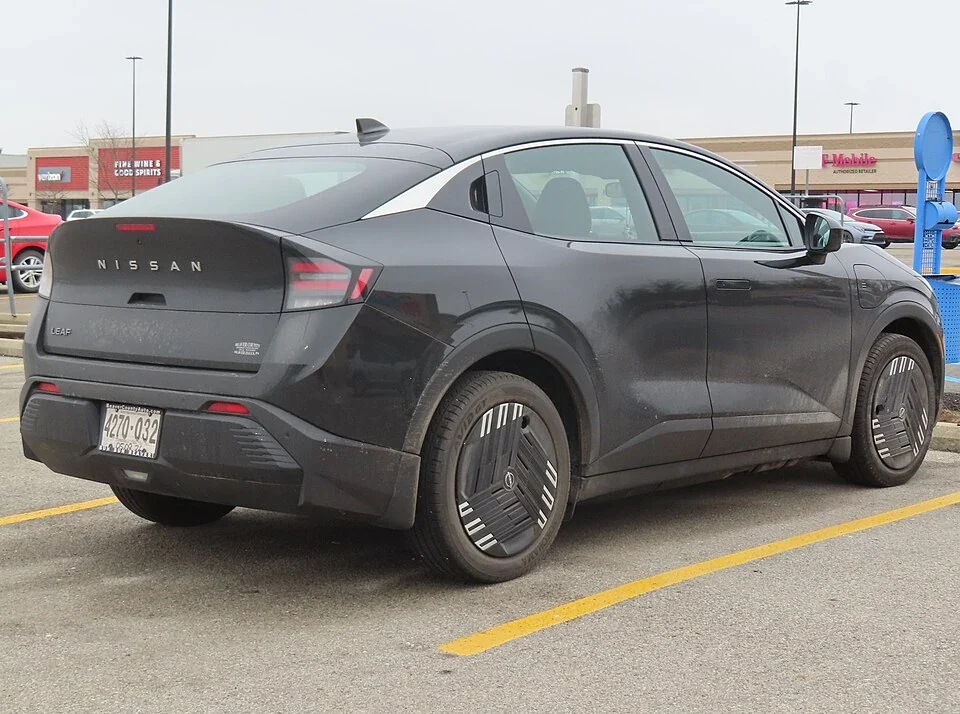
The base car uses dual 12.3-inch displays; the upper trims offer a dual 14.3-inch setup with Google built-in. Nissan also offers features such as a dimming panoramic roof higher in the range. These are reasons to investigate a trim, not reasons to skip a hands-on demonstration. The decisive functions are often ordinary ones: changing climate settings, navigating, checking charge information and connecting a familiar phone.
The cabin photograph here shows a Japanese right-hand-drive display car. It helps explain the general arrangement, but the steering position, equipment and software are not presented as an exact U.S. configuration. This distinction is especially important in an EV, where a visually similar screen can hide different services, subscriptions or network features. Ask the dealer to demonstrate the functions of the specific U.S. trim you are considering.
For daily comfort, spend more time on the seat than the brochure. Check thigh support, rear-seat access and the view through the back window. A sloping roof is visually attractive, but passengers experience the space beneath it. If the car will carry child seats or an older relative regularly, test that routine with the real people and equipment. A well-designed display cannot compensate for an uncomfortable passenger on every journey.
6. The Useful Crossover Test Happens With Your Luggage
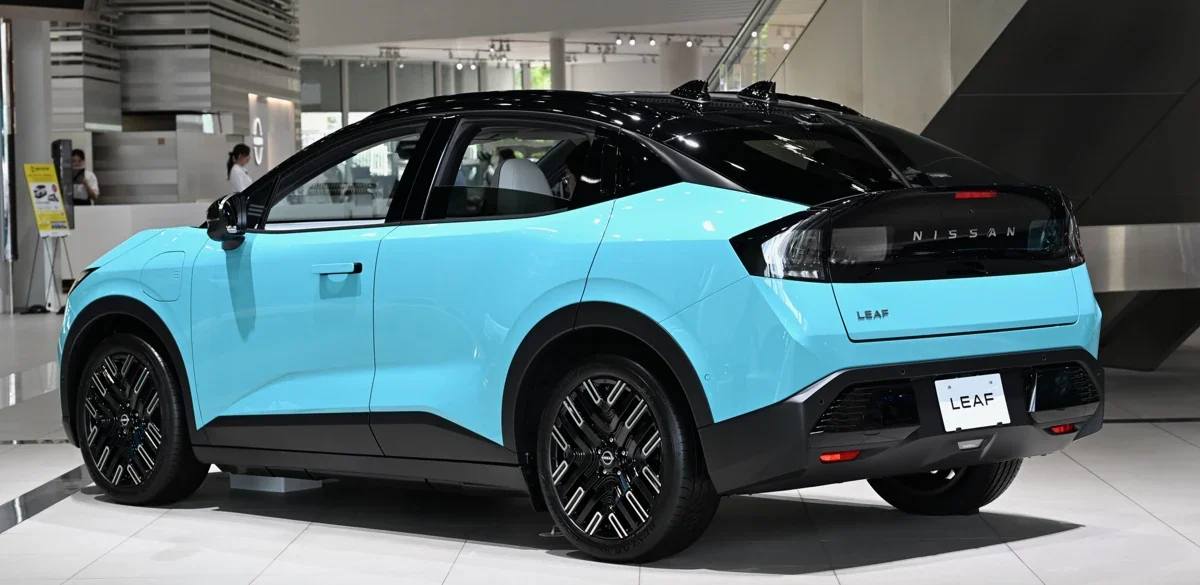
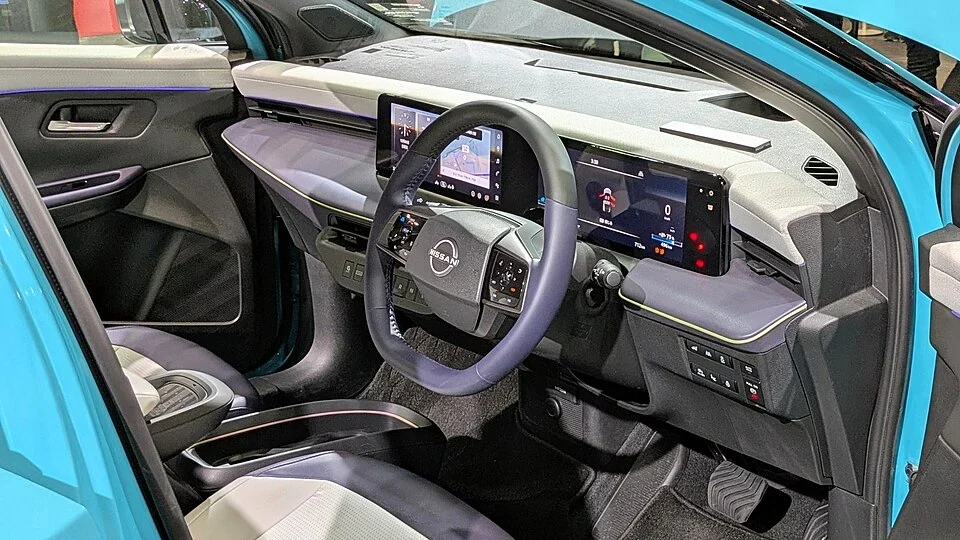
The LEAF’s crossover-like body makes it tempting to assume generous utility. The correct test is less glamorous: place the stroller, work equipment or suitcases you actually carry into the car. Check the opening, floor height and space with the rear seat occupied. Cargo figures can depend on whether seats are folded and whether underfloor space is included, so an isolated maximum-volume number is a poor substitute for that exercise.
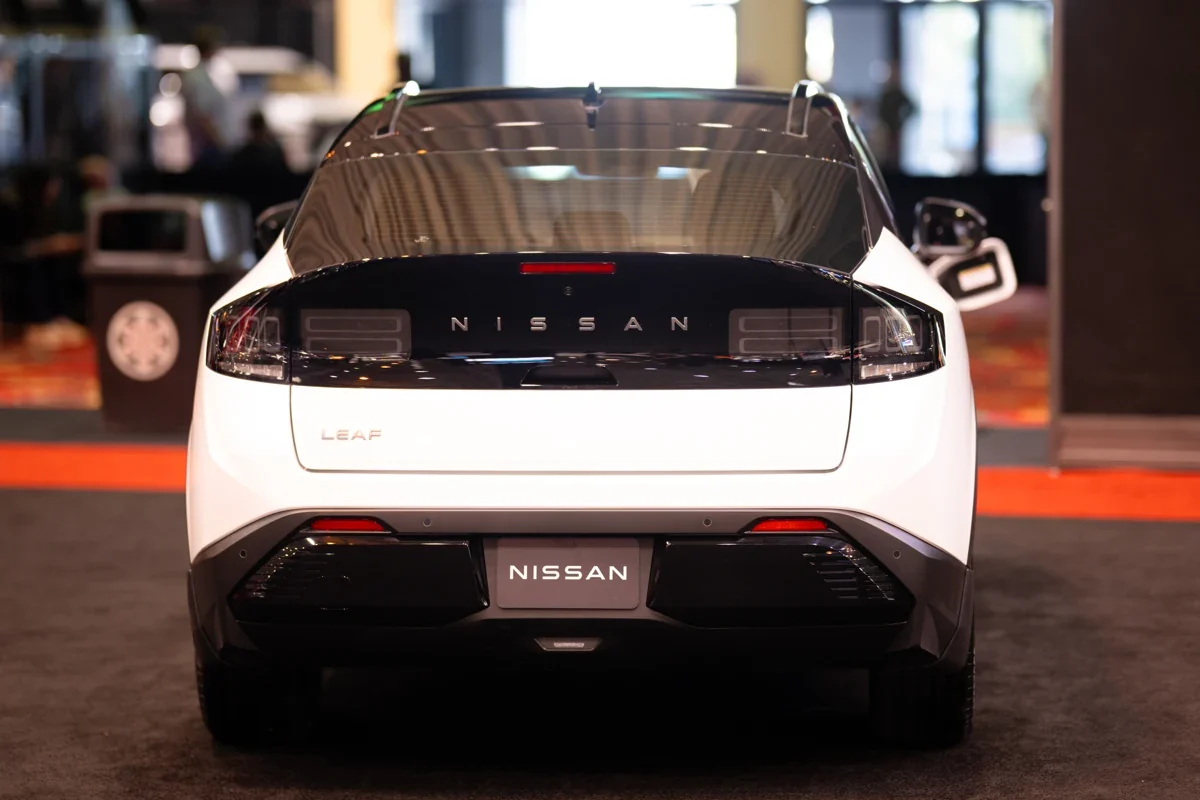
This review deliberately avoids repeating an ambiguous cargo-volume description in the newsroom prose. The useful conclusion does not depend on forcing a number into the article. A hatch can be practical without being a large family hauler, and the owner must decide whether its particular shape handles their objects. The Japanese show photograph below illustrates the opening, not a certified measurement or a promise about U.S. luggage capacity.
Also consider the everyday loading sequence. Can a passenger get in while the driver handles a bag? Is a charging cable easy to reach when the boot is full? Does a rear-seat passenger have a comfortable place for their feet after the front seat is adjusted? These details turn a model from an attractive specification into a workable household tool. They are especially valuable when you are moving from a larger gasoline crossover.
7. S+ Versus SV+ Versus Platinum+: Keep the Mission Clear
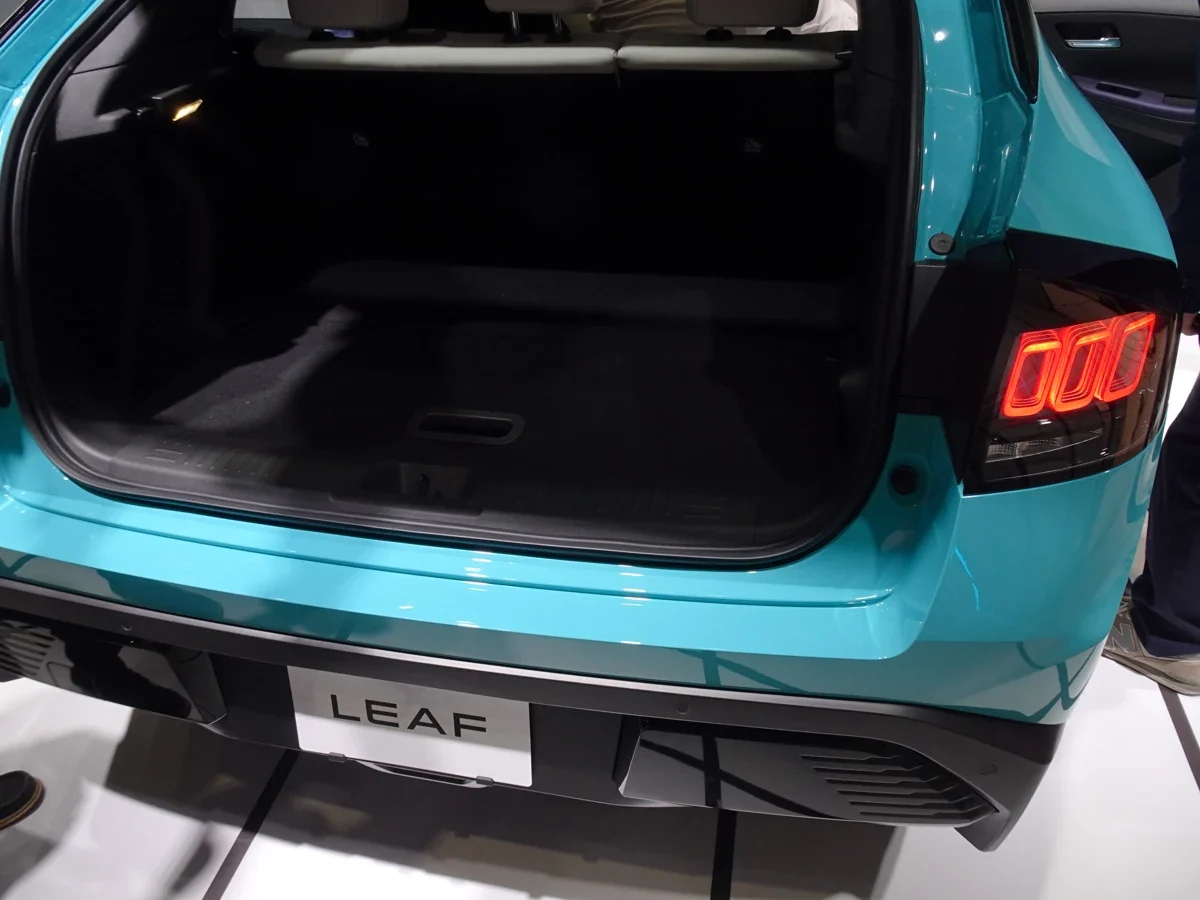
Published base MSRPs are $29,990, $34,230 and $38,990 respectively. The current press-kit price table separately lists $1,575 destination and handling. Taxes, registration, accessories and dealer charges are additional. These are reference prices, not a guarantee of local stock or a transaction price. This review does not build its recommendation around an assumed tax credit or an expired promotional offer.
The S+ makes the cleanest value argument because it combines the lowest price with the highest EPA range. The SV+ deserves attention when its added equipment solves something you use every day. The Platinum+ can be appealing, but the step from base to top is $9,000 before extras, while rated range falls. At that point, compare the actual quotation with other EVs rather than assuming the most expensive LEAF is automatically the best LEAF.
Write down the three features you would most miss in the cheaper version. If you cannot name them without reading the feature list, pause before upgrading. Conversely, if a specific seat, camera or convenience feature makes daily use substantially better for you, its value is real even if it does not improve range. A disciplined buyer can appreciate premium equipment without letting it quietly change the entire budget.
8. Nissan LEAF Review: The Ownership Plan Decides the Verdict
Energy cost should be calculated from your own electricity tariff and expected efficiency, with charging losses allowed for. Public rapid-charging prices may differ sharply from a home tariff, and parking or idle charges can matter. A low base MSRP does not protect you from an expensive charging routine. Equally, a modest EV with convenient overnight charging may save more time in everyday life than a much faster car saves during occasional overtakes.
Budget for tires, insurance, damage repairs and ordinary wear as well. Electric propulsion reduces some engine-related maintenance tasks, but it does not eliminate maintenance. Our car maintenance guide provides the broader context. For this new generation, a long-term reliability verdict would be premature; check the written warranty, local service support and the particular car’s recall status rather than treating brand reputation as a substitute.
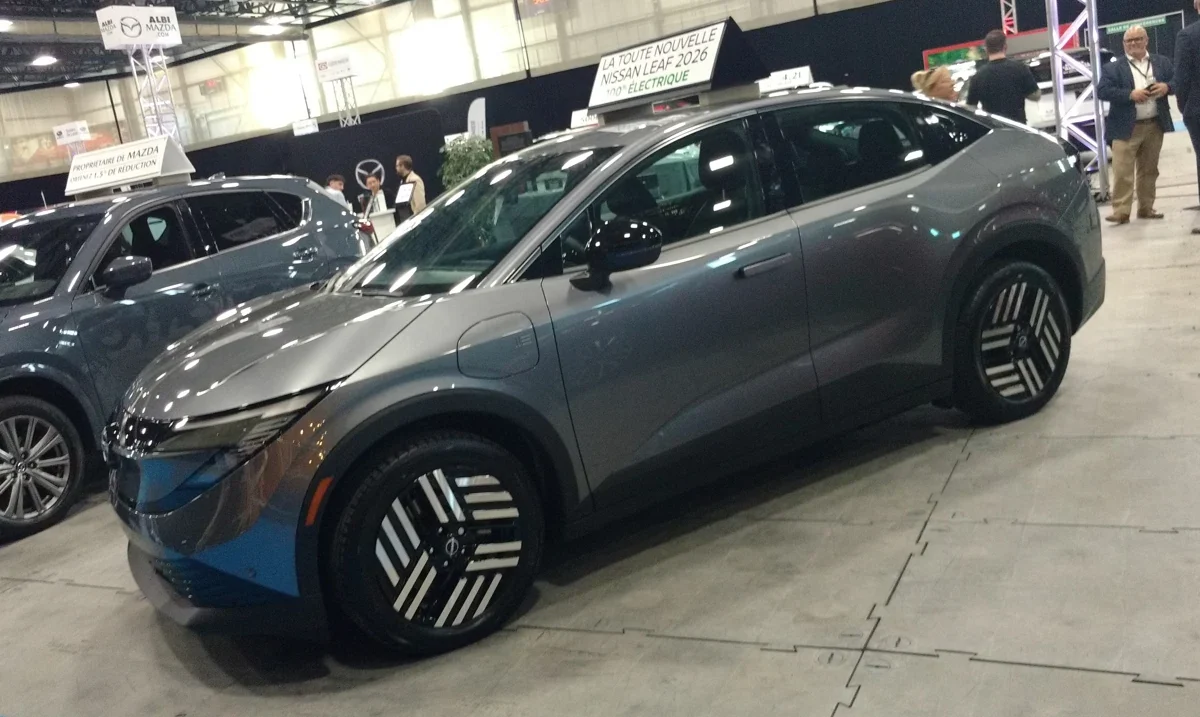
Cariary gives the LEAF four stars because the redesign addresses the practical foundations of an approachable EV. We stop short of five because charging compatibility still needs explaining, the upper trims dilute the base car’s value argument, and real long-term evidence is still developing. The strongest LEAF purchase is the one that feels ordinary after six months: it carries what you need, charges where you already park and does not demand constant negotiation with your routine.
Who Should Buy It?
Recommended For
Drivers with dependable home or workplace charging who want a sensibly sized EV, useful range and a restrained purchase budget; S+ and SV+ deserve the first look.
Not Recommended For
Buyers who depend on an untested public-charging routine, need a large family cargo area or require the top trim to deliver the base model’s 303-mile EPA rating.
One-Line Verdict: The new LEAF earns attention by making ordinary electric ownership more credible; the right trim and charging routine finish the job.
Frequently Asked Questions
Which 2026 LEAF has 303 miles of range?
The U.S. S+ has the 303-mile EPA rating. SV+ is rated at 288 miles and Platinum+ at 259. Do not apply the base rating to every trim.
Is the 2026 LEAF battery liquid cooled?
Yes. The U.S. 75-kWh third-generation battery uses liquid cooling. That is a meaningful design change, not proof of a particular long-term degradation rate.
Does it have all-wheel drive?
The reviewed U.S. versions use a single front motor and front-wheel drive. Do not infer AWD from the crossover body shape.
Can its NACS port handle home AC charging?
The U.S. LEAF’s NACS port is for DC fast charging. It has a separate J1772 AC port; verify your charging equipment and approved adapter requirements.
How long does fast charging take?
Nissan quotes about 35 minutes from 10 to 80 percent under suitable conditions, with a peak of 150 kW. Temperature, charger capability and battery state affect the result.
Which trim is the best value?
Cariary would start with S+ for price and range, then compare SV+ if its equipment is useful every day. The best choice depends on the actual quotation and your needs.
Is this a first-hand road test?
No. This Nissan LEAF review combines official U.S. specifications with editorial buyer analysis. Photos from other markets are labeled and are not evidence of a Cariary test drive.
Further Reading and Data Reference
Data reference date: October 11, 2026. Official specifications and attributed test observations are linked where discussed. Cariary Point is an editorial buyer-fit assessment, not an owner road-test score or reliability rating.
Explore more Cariary car reviews and buyer perspectives.