Quick Take
The Polestar 4 is one of the few premium EVs that does not feel like it is trying to win buyers with one dramatic trick.
It is not the fastest EV in its class. It is not the cheapest. It is not the most SUV-like. It also does not chase the extreme minimalism of Tesla or the heavy luxury feel of some German rivals.
Its strength is balance.
After living with a Polestar 4 Single Motor Long Range with the Plus Pack, the most surprising thing is not one single feature. It is how complete the car feels: efficient, comfortable, visually distinctive, practical enough, and more premium in daily use than its price might suggest.
What Is the Polestar 4?
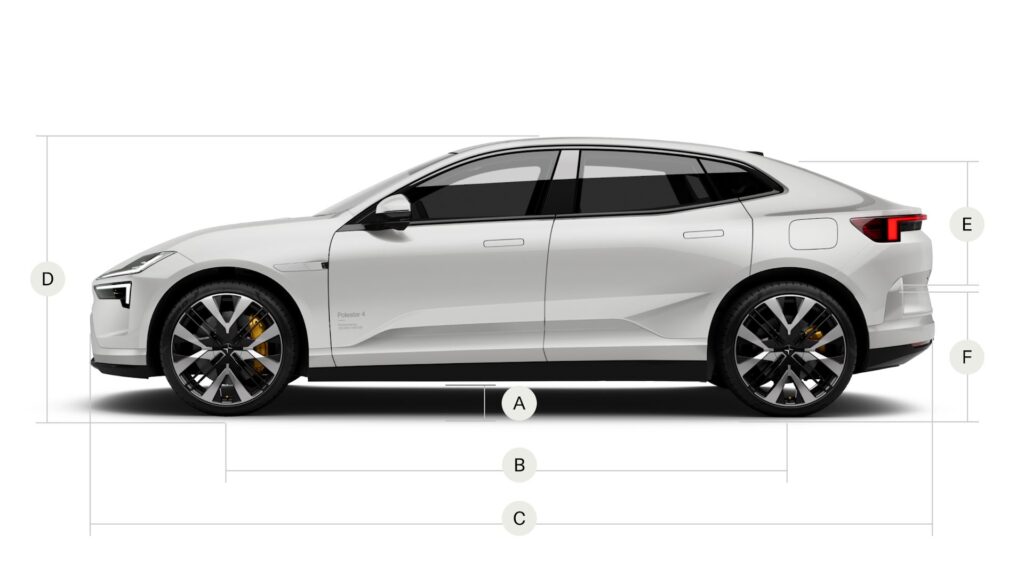
The Polestar 4 is a premium electric crossover positioned between a conventional SUV and a coupe-like EV.
Polestar calls it a coupe-style SUV, but that description only explains part of the car. It is lower and sleeker than many family SUVs, yet wider and more substantial in person than photos suggest. It sits in the same broad buyer conversation as the Tesla Model Y, Porsche Macan Electric, Audi Q6 e-tron, Genesis GV60, and BMW iX3.
The reviewed vehicle is Cariary’s own Polestar 4 Single Motor Long Range with the Plus Pack. That matters because the Single Motor version is not the headline performance model, but it may be the version that makes the most sense for many real buyers.
Credit: Image: Polestar
Why This Car Exists
The Polestar 4 exists because the premium EV market has become crowded, but not always emotionally convincing.
Tesla proved that buyers would accept a software-led EV. German brands brought luxury, performance, and brand recognition. Hyundai, Kia, and Genesis made EV design more adventurous. Porsche is now pushing electric performance SUVs into a more emotional space.
Polestar’s answer is different. It leans on Scandinavian restraint, Volvo-related safety thinking, clean design, and a quieter kind of premium feel.
The Polestar 4 is not trying to look like a traditional luxury SUV. It is trying to show that an EV can be modern without becoming disposable. That is one of its most important qualities: the design does not feel like a short-term trend.
Key Specs and Real-World Meaning
The Single Motor Long Range model produces around 270-plus horsepower depending on market specification. On paper, that may sound modest in a segment where dual-motor EVs often advertise dramatic acceleration.
In real use, it is enough.
The Single Motor Polestar 4 already delivers the instant response people expect from a premium EV. It is quick enough for highway merging, quiet overtaking, and daily driving without ever feeling underpowered. Buyers should not assume the Dual Motor version is necessary unless they specifically want stronger acceleration or all-wheel drive.
Official range varies by market and testing cycle. In the owner experience reflected here, the official figure is approximately 511 km. In favorable real-world conditions, a full charge has frequently displayed and achieved more than 600 km of estimated range.
That should not be read as a universal promise. EV range changes with temperature, speed, tires, elevation, climate control use, and driving style. But the important point is that the Polestar 4 Single Motor Long Range has consistently exceeded expectations in efficiency. It feels like a car that uses its battery well, not just a car with a large battery.
Polestar 4 battery chemistry and market specifications should also be checked locally. For buyers comparing it with LFP-based EVs, Cariary’s NCM vs LFP battery guide (image and internal link insertion) is worth reading because battery chemistry affects cost, charging habits, cold-weather behavior, and long-term ownership expectations.
Credit: Image: Polestar
Design and Identity
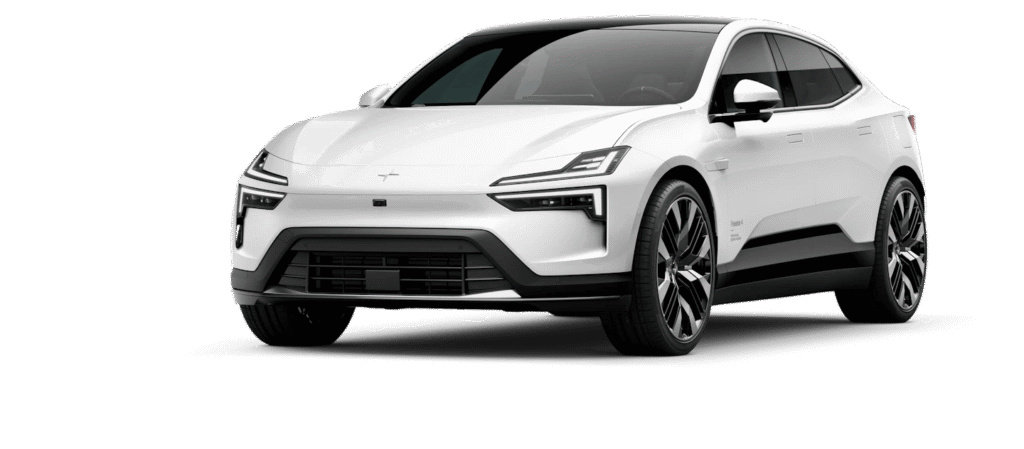
The Polestar 4 looks better in person than it usually does in photos.
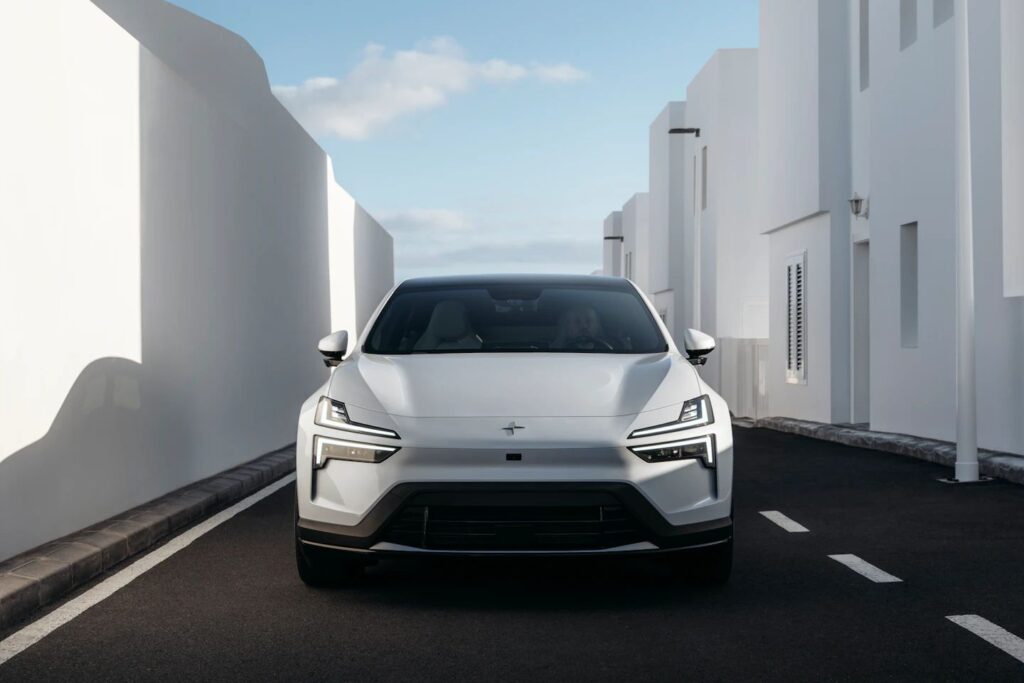
The front lighting signature is the first surprise. In images and videos, it can look neat and technical. In person, it appears larger, sharper, and more expensive. At night, the front lighting gives the car a presence that is hard to capture on a screen.
Credit: Image: Polestar
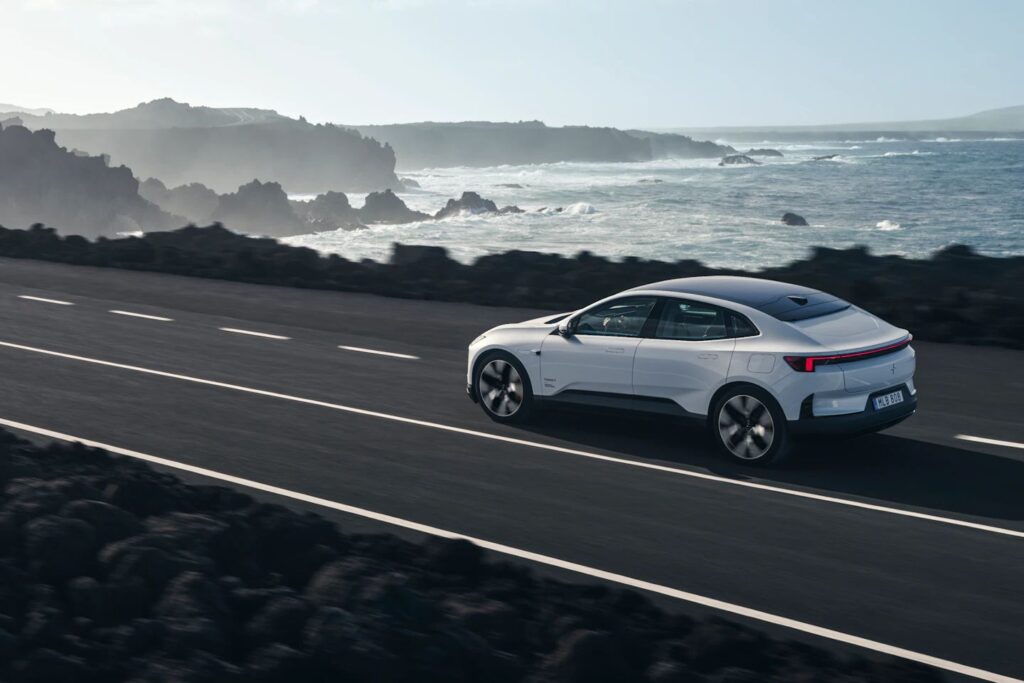
The rear design is also more interesting than expected. Some buyers may see a little Porsche Cayenne influence in the rear light shape and broad stance. But the Polestar 4 is less sharp and less aggressive than a Porsche. Its rear is wider, rounder, and more approachable.
That gives the car a distinctive personality. It is futuristic, but not cold. Premium, but not flashy. Different, but not strange for the sake of being strange.
The frameless doors and automatic flush door handles add a lot to this impression. These are small details, but they change the way the car feels when you approach it. They make the Polestar 4 feel more expensive than its price suggests.
Credit: Image: Polestar
Size and Daily Practicality
The Polestar 4 is not excessively long. That is not the main ownership issue.
The more important point is width.
In real-world driving, the Polestar 4 feels noticeably wide. Parking garages, narrow streets, tight urban roads, older apartment buildings, and crowded supermarket parking lots require more attention than the length figure might suggest.
This does not make the car difficult in the way a large pickup or full-size luxury SUV can be difficult. It is still manageable. But buyers moving from a compact SUV or sedan should not judge the car only by length. The width is the number they will feel every day.
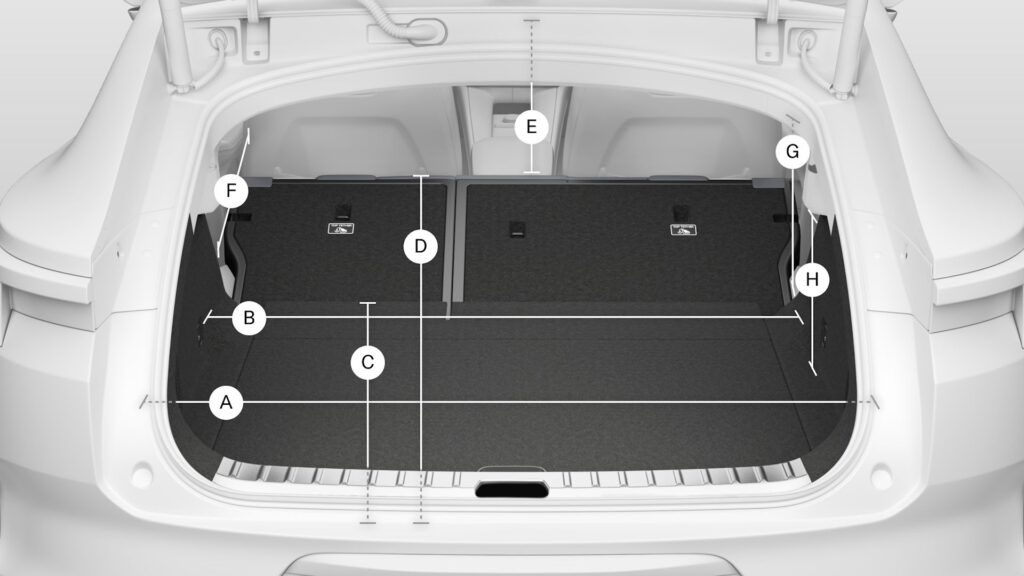
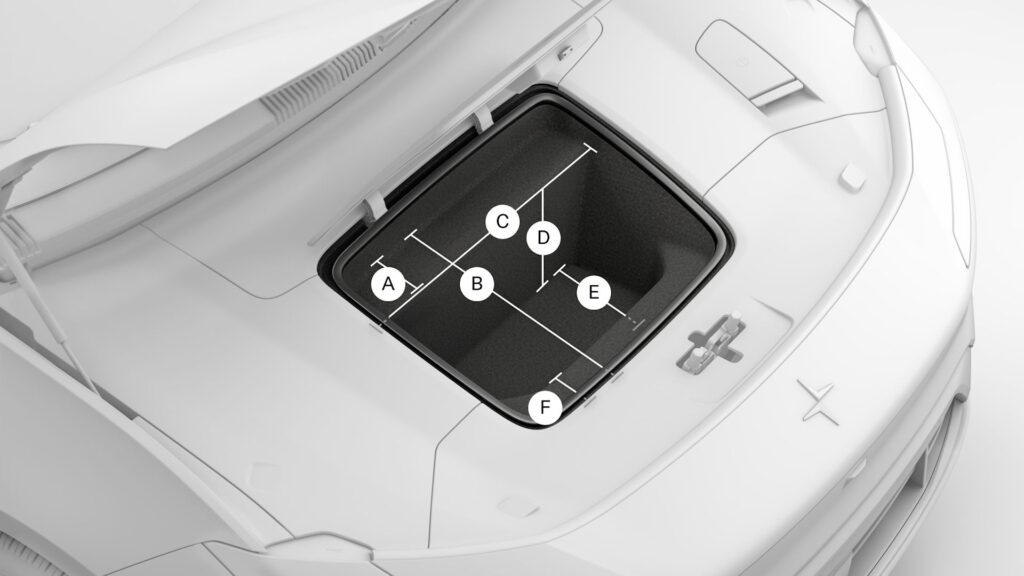
The cargo area is practical enough for normal use, and the front storage area is useful for smaller items or charging accessories. It is not a boxy family SUV, but it does not feel like a design exercise with no daily usefulness.
Credit: Image: Polestar
Interior and Daily Use
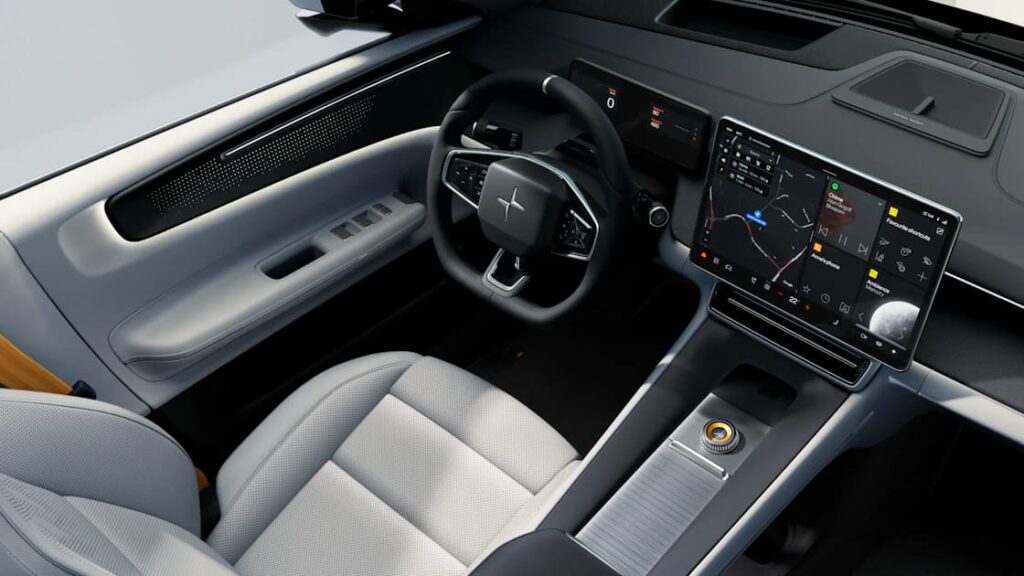
The Polestar 4’s cabin is one of its strongest areas.
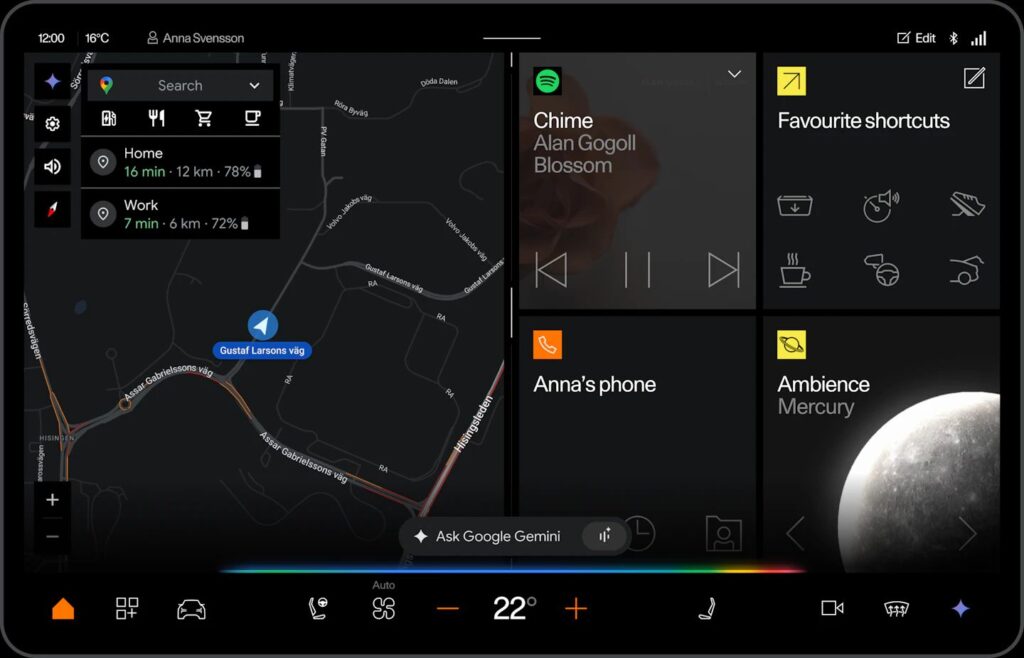
It feels modern without feeling empty. The dashboard is screen-led, but the overall cabin atmosphere is calmer and warmer than many minimalist EV interiors. The Plus Pack adds meaningful comfort and premium features, which help the car feel like a genuine premium product rather than a base EV with a nice exterior.
Credit: Image: Polestar
The seats are worth special attention. Visually, they resemble sporty bucket seats. You might expect them to be firm or aggressively bolstered. In practice, they sit between luxury comfort and sporty support. They hold the body securely, but they do not feel punishing.
That balance is one of the car’s quiet strengths.
Credit: Image: Polestar
Rear Window-Free Design
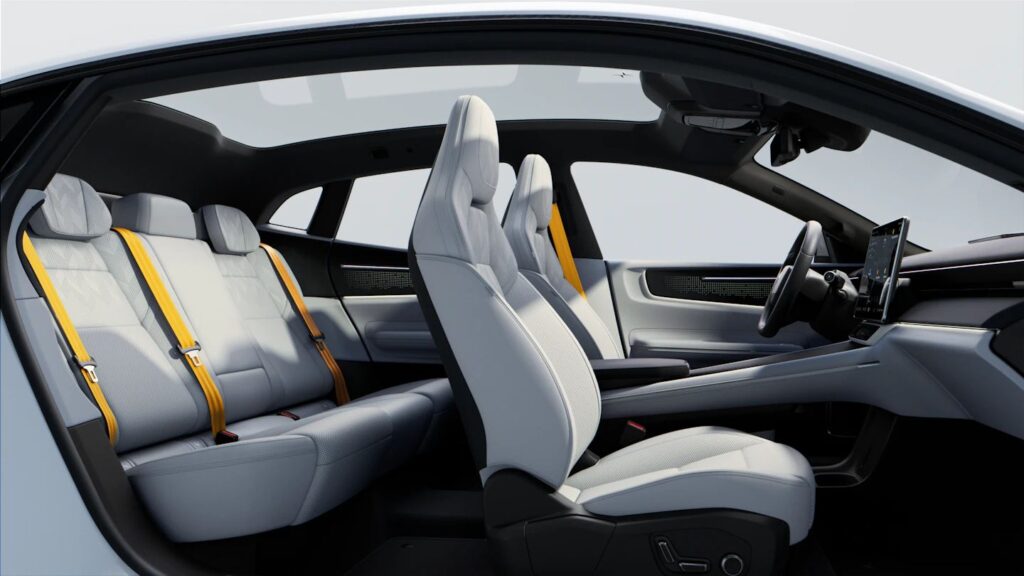
The Polestar 4’s most unusual feature is the absence of a traditional rear window.
Instead of looking through rear glass, the driver uses a roof-mounted camera system displayed through the digital rear-view mirror. At first, this takes adjustment. The image can appear closer than a normal mirror reflection, and your brain needs time to recalibrate.
After that adjustment, rear visibility is generally not a problem. In some situations, the camera view can even feel clearer than a conventional mirror because passengers, headrests, and rear pillars do not block the view in the same way.
The bigger surprise is that the missing rear window does not make the cabin feel claustrophobic. The panoramic glass roof gives the interior enough openness that rear passengers do not feel sealed inside a dark capsule.
Credit: Image: Polestar
Ride Quality and Suspension
The reviewed car is the Single Motor version, not the Dual Motor version with adaptive air suspension.
That creates a fair concern. Buyers may assume the Single Motor car rides worse, feels cheaper, or lacks the refinement expected from a premium EV.
In practice, the ride quality is surprisingly good. The suspension tuning feels more comfort-oriented than aggressively sporty. It is not a harsh EV. It does not constantly remind you that the battery is heavy. It feels refined, controlled, and calm in normal driving.
That matters because the Polestar 4’s character is not built around attacking corners. It is built around effortless daily driving, quiet efficiency, and a cabin that stays pleasant over distance.
Performance
The Single Motor Polestar 4 is not the version for buyers chasing acceleration numbers.
That is fine.
The power output is more than sufficient for daily driving and highway use. The car responds immediately, accelerates smoothly, and rarely feels like it needs more power. The Dual Motor version exists for buyers who want the stronger punch, but the Single Motor version already delivers the EV smoothness and effortless response that most premium buyers actually use.
This is one of the easiest mistakes to make when shopping EVs: assuming the faster version is automatically the better version. In the Polestar 4, the Single Motor Long Range may be the smarter daily car.
Credit: Image: Polestar
Price-to-Value Judgment
The Polestar 4’s value is not only about price.
It is about how many things it gets right at once: design, efficiency, comfort, safety identity, real-world performance, cabin feel, and ownership confidence.
During Cariary’s purchase process, both the Tesla Model Y and Polestar 4 were seriously considered. The Tesla Model Y remains the easier mainstream recommendation for charging network familiarity, software reputation, and broad market acceptance. But the Polestar 4 gained favor because it felt more distinctive, more premium, and more connected to Volvo’s safety-focused heritage.
That is not an anti-Tesla argument. It is a buyer-process argument.
Some buyers will prefer Tesla’s ecosystem. Others will prefer the Polestar’s design maturity, cabin atmosphere, and brand character. For this ownership case, the Polestar 4 felt like the more complete long-term choice.
Tesla Model Y
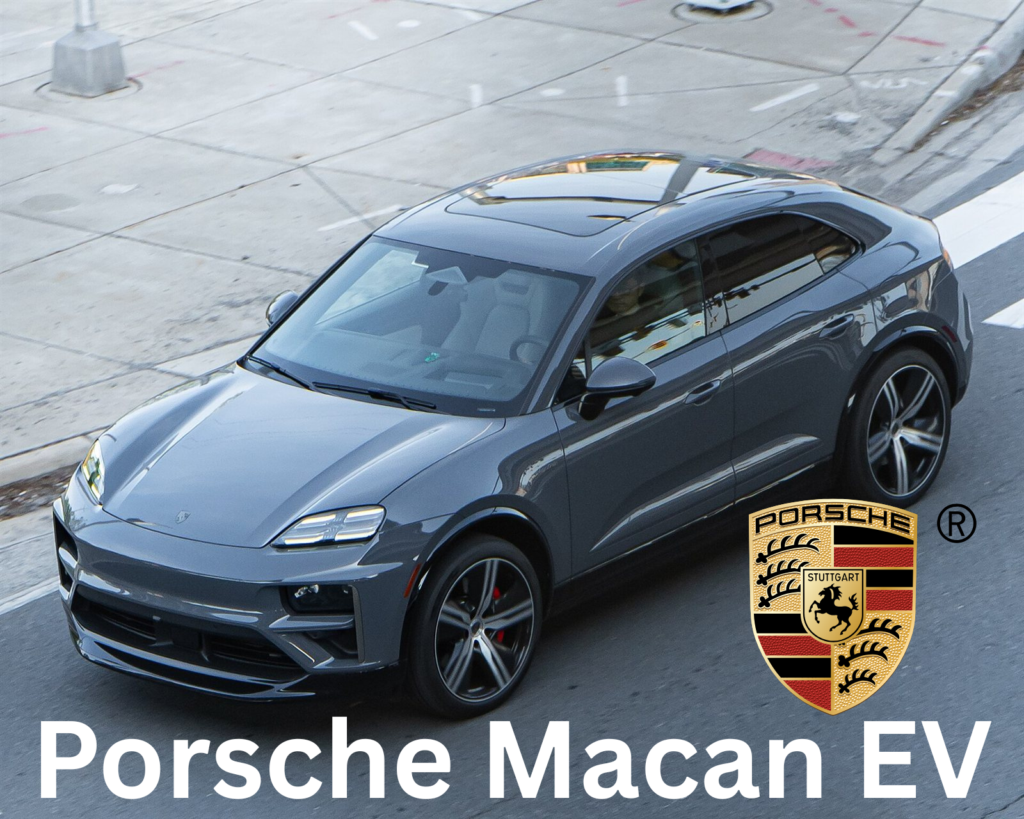
Porsche Macan Electric (if you want to see Porsche Macan EV Review Click that photo)
Audi Q6 e-tron
Competitor Comparison
The Tesla Model Y is the obvious rival because it is the default EV crossover choice in many markets. It is easier to understand, easier to recommend, and benefits from a mature charging and software ecosystem. The Polestar 4 counters with a more premium cabin feel, more distinctive design, and a stronger sense of occasion.
The Porsche Macan Electric is the emotional rival. It brings stronger brand pull and sharper performance identity, but it is likely to become expensive quickly once options are added. The Polestar 4 is less sporty, but it may be easier to live with and easier to justify financially.
The Audi Q6 e-tron is the traditional premium-brand alternative. It will appeal to buyers who want a familiar German luxury experience in EV form. The Polestar 4 feels less conventional and more design-led.
The Genesis GV60 is another strong comparison for buyers who want something different from Tesla. Genesis brings comfort, equipment, and a strong value argument. Polestar feels more Scandinavian and more restrained.
The BMW iX3 belongs in the same shopping conversation where available. It is more familiar as a premium SUV, while the Polestar 4 feels more like a new kind of EV crossover.
Recommended For
The Polestar 4 is recommended for buyers who want a premium EV that feels complete rather than extreme.
It suits drivers who value real-world efficiency, calm design, comfortable suspension tuning, supportive seats, and a cabin that feels modern without becoming cold.
It is especially strong for buyers who considered a Tesla Model Y but want something more distinctive, or for buyers who like Volvo’s safety-related brand heritage but want a more design-forward EV.
Not Recommended For
The Polestar 4 is not ideal for buyers who want maximum charging-network simplicity above everything else.
It is also not the best fit for drivers who need a very narrow city car, a boxy family SUV, or a traditional rear-view mirror experience with no adaptation period.
Buyers who dislike camera-based visibility systems should test the digital rear-view mirror carefully before ordering.
Buyer Verdict
The Polestar 4 Single Motor Long Range with the Plus Pack may be the most convincing version of the car for many buyers.
It has enough performance, better-than-expected real-world efficiency, a comfortable ride, strong seats, a premium cabin, and a design that keeps getting better with time. The lack of a rear window sounds strange at first, but it becomes less important after real use. The width matters more than the length in daily driving, and that should be part of any test drive.
The key ownership surprise is range and efficiency. A car with an official figure around 511 km frequently showing and achieving over 600 km in favorable conditions changes the way you think about the vehicle. It makes the Polestar 4 feel less like a stylish EV with compromises and more like a genuinely well-engineered daily car.
This is not just a good-looking EV. It is one of the more rounded premium EVs in its price band.
Cariary Perspective
The Polestar 4 is easy to underestimate because it does not shout.
It does not have Tesla’s software mythology, Porsche’s performance image, or Audi’s familiar luxury badge. Instead, it wins slowly. The lighting looks better at night than expected. The seats feel better after time than they look in photos. The Single Motor performance feels more than enough. The ride is more comfortable than the spec sheet suggests. The real-world efficiency can be genuinely impressive.
The most important thing about the Polestar 4 is that it feels complete. Many EVs are excellent in one area and compromised elsewhere. The Polestar 4 does not feel like that. It feels like a car designed around daily satisfaction rather than a single marketing headline.
For buyers who want a premium EV that is distinctive, efficient, comfortable, and quietly confident, Cariary strongly recommends the Polestar 4.
One-Line Verdict
The Polestar 4 is a distinctive premium EV that feels less like a trend and more like a complete long-term daily car.
FAQ
Is the Polestar 4 a good EV?
Yes. The Polestar 4 is a strong premium EV because it combines design, efficiency, comfort, and usability without relying on one headline feature.
Is the Single Motor Polestar 4 powerful enough?
Yes. The Single Motor version has more than enough power for daily driving and highway use. The Dual Motor is faster, but it is not necessary for most buyers.
How good is the real-world range?
Official range varies by market, but Cariary’s Single Motor Long Range ownership experience has frequently shown and achieved over 600 km in favorable conditions. This is not guaranteed in all weather or driving conditions, but efficiency has consistently exceeded expectations.
Does the Polestar 4 have a rear window?
No. The Polestar 4 does not use a traditional rear window. It uses a roof-mounted camera and digital rear-view mirror. It takes adjustment, but visibility is generally not a major issue after adaptation.
Does the missing rear window make the cabin feel dark?
Not in our experience. The panoramic glass roof gives the cabin enough openness that the rear-window-free layout does not feel claustrophobic.
Is the Polestar 4 comfortable?
Yes. Even without the Dual Motor model’s adaptive air suspension, the Single Motor version rides comfortably and feels more refined than expected.
Is the Polestar 4 better than the Tesla Model Y?
It depends on the buyer. The Tesla Model Y is stronger for ecosystem familiarity and mainstream convenience. The Polestar 4 feels more premium, more distinctive, and more design-led.
Who should avoid the Polestar 4?
Buyers who need maximum charging simplicity, a narrow city car, a traditional rear-view mirror, or a boxy family SUV should test alternatives carefully.
Related Cars
- Tesla Model Y
- Porsche Macan Electric
- Audi Q6 e-tron
- Genesis GV60
- BMW iX3
- Volvo EX40
- Polestar 3
Data Reference Date
June 16, 2026