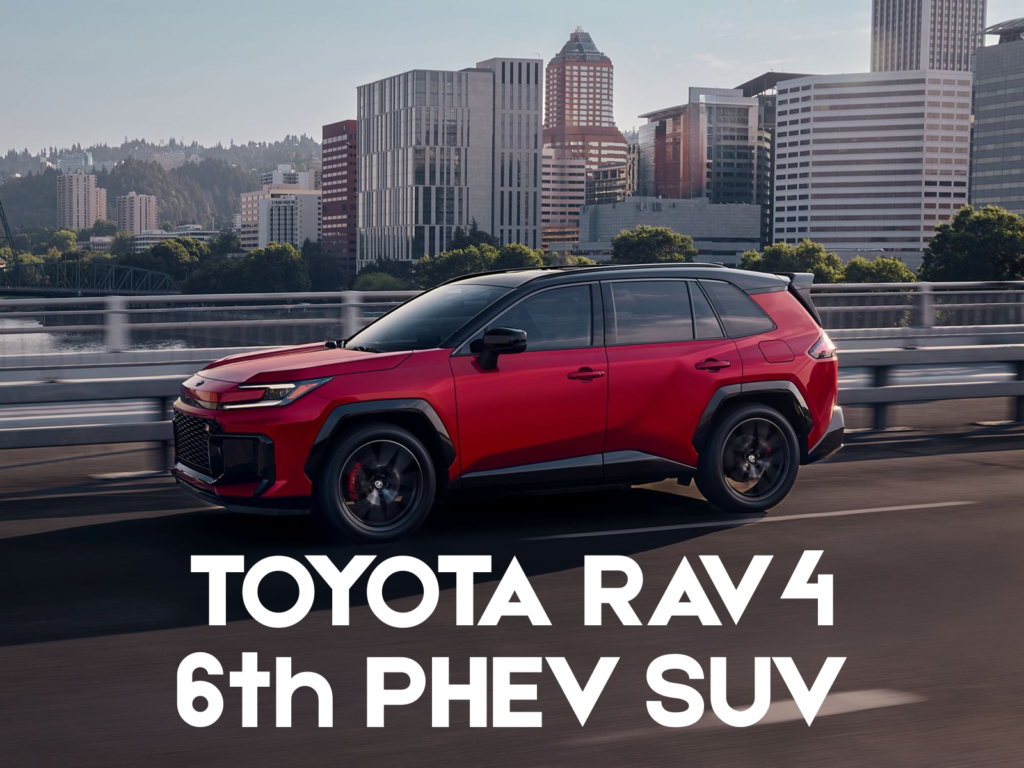
Quick Take
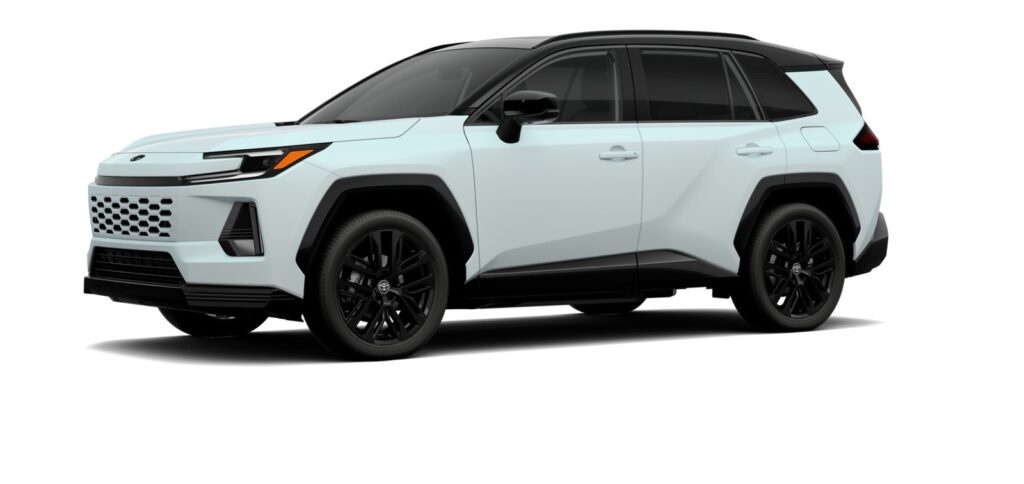
Credit: Image: Toyota
The Toyota RAV4 is not the kind of SUV that tries to impress buyers with one dramatic feature.
That has always been its strength.
The new sixth-generation RAV4 builds on the same idea: solid hybrid power, usable space, dependable engineering, simple controls, and enough design sharpness to feel newer without becoming strange.
Toyota has made the new RAV4 hybrid-only in key markets, with regular Hybrid and Plug-in Hybrid versions. The standard Hybrid offers around 230 hp depending on drivetrain, while the Plug-in Hybrid reaches up to about 320 hp. That gap tells you a lot about Toyota’s thinking. The gasoline engine itself is not designed to win a horsepower contest. The full system is designed to work reliably, efficiently, and calmly for a long time.
That is very Toyota.
What Is It?
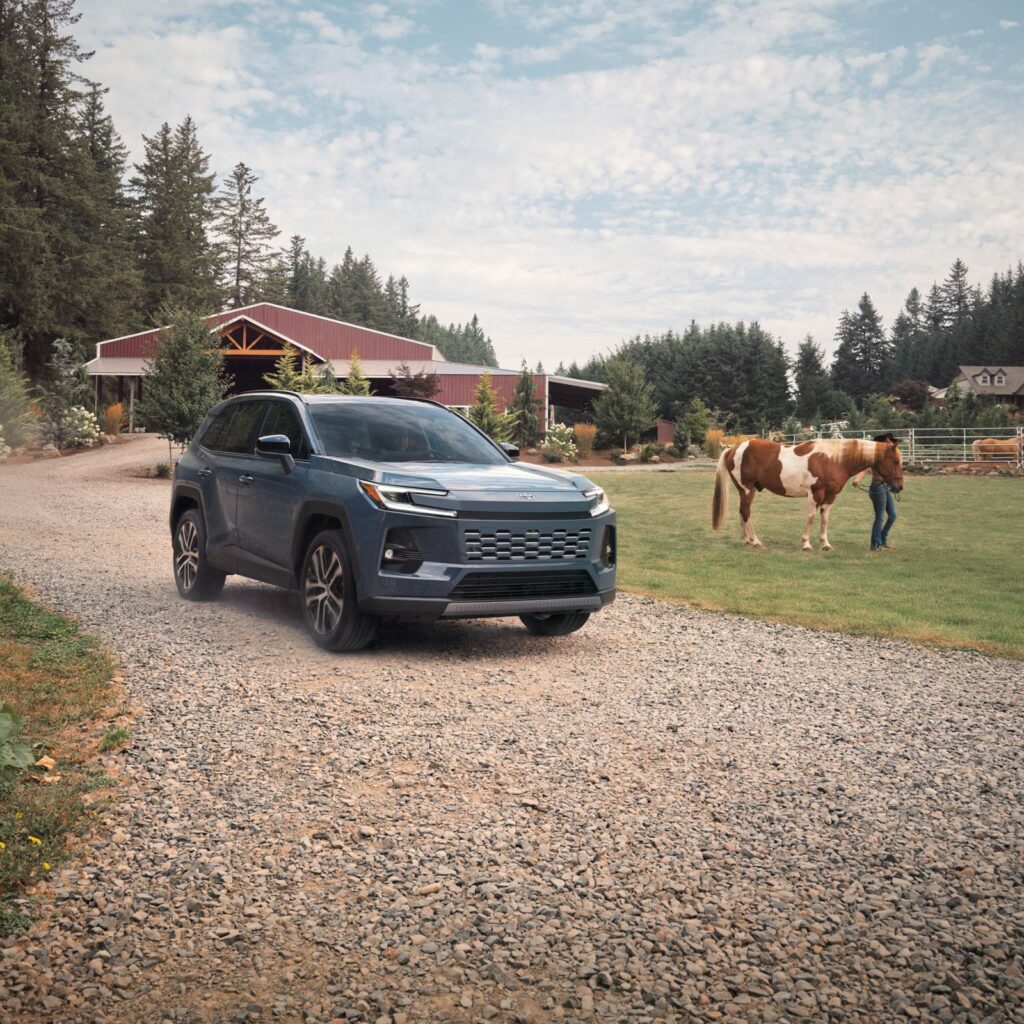
Credit: Image: Toyota
The Toyota RAV4 is a compact SUV, but “compact” does not mean small in real life. For many families, it is the default answer: easier to park than a large SUV, more practical than a sedan, more efficient than old gas-only crossovers, and usually safer as a long-term ownership decision than chasing something flashier.
The sixth-generation RAV4 continues that role, but with a clearer electrified direction. Instead of offering a traditional gas-only lineup, Toyota now pushes the RAV4 around hybrid and plug-in hybrid powertrains.
That matters because the RAV4 is not a niche vehicle. It is one of Toyota’s most important global models. When Toyota changes the RAV4, it is not only updating an SUV. It is showing where mainstream buyers are being moved.
Why This Car Exists

Credit: Image: Toyota
The new RAV4 exists because Toyota understands something very simple: most buyers are not ready to treat every daily car as a full EV, but they still want better fuel economy, lower running costs, and more electric driving in daily life.
That is why the RAV4 Hybrid and RAV4 Plug-in Hybrid make sense.
Toyota does not need to make the RAV4 feel like a science project. It needs to make it feel normal, dependable, and easy. The buyer should not have to study charging strategy, range anxiety, battery degradation, and winter range loss before choosing the family SUV.
The Plug-in Hybrid adds EV-like driving for short trips. The regular Hybrid gives strong efficiency without charging. Both versions protect the basic Toyota promise: get in, drive, spend less time worrying.
This also connects naturally to why Japanese cars remain so popular in the U.S. Toyota’s success has often come from durability, efficiency, and low-drama ownership rather than chasing the most exciting spec sheet.
Key Specs and Real-World Meaning
Credit: Image: Toyota
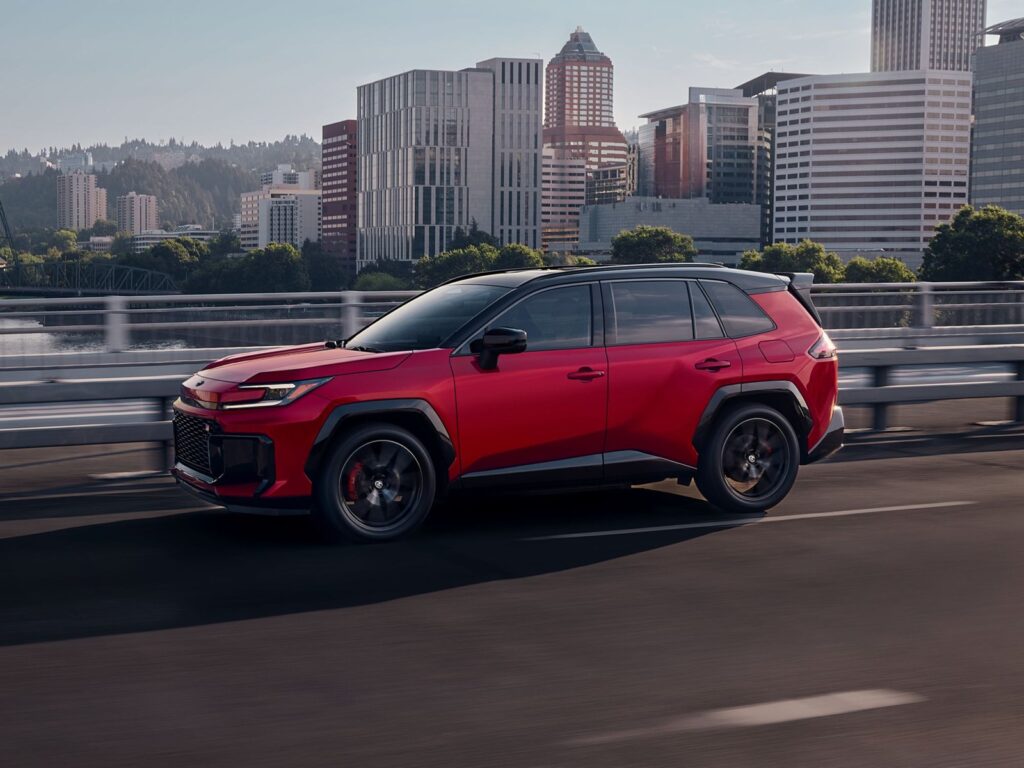
The RAV4 uses a 2.5-liter gasoline hybrid system. The engine itself is not shocking on paper. Depending on market and specification, the gasoline engine’s standalone output may look modest compared with some smaller turbocharged engines from other brands.
That is not accidental.
Toyota usually does not tune mainstream hybrid engines to feel highly stressed. The point is not to make the engine look exciting by itself. The point is to make the engine, electric motors, transmission logic, battery, cooling, and reliability profile work together over years of ownership.
The regular RAV4 Hybrid delivers roughly 226 hp in front-wheel-drive form and around 236 hp with all-wheel drive in the U.S. market. That is enough for normal driving, highway merging, and family use. It will not feel like a performance SUV, but it should not feel underpowered either.
The Plug-in Hybrid is the more interesting version. With electric motor support, total system output reaches up to about 320 hp. That changes the character of the car. It means the RAV4 PHEV is not only an efficient commuter SUV. It can also feel genuinely quick when the battery has charge.
That is the beauty of Toyota’s approach here. The engine alone looks conservative. The system as a whole becomes much stronger.
Plug-in Hybrid Battery and Charging
Credit: Image: Toyota
The RAV4 Plug-in Hybrid uses a battery around 22.7 to 22.86 kWh, depending on market reporting and specification. Toyota targets up to about 50 miles of electric-only driving in the U.S. rating context, while other markets may quote different figures.
For many drivers, that is enough to handle commuting in EV mode most days.
If your daily round trip is around 30 to 45 miles, the RAV4 PHEV could operate like an EV during the week and like a hybrid on longer trips. That is exactly where plug-in hybrids make sense. They are not full EV replacements for everyone, but they can remove gasoline use from many ordinary driving days.
Credit: Image: Toyota
The unusual part is DC fast charging. Most plug-in hybrids do not offer it, because their batteries are smaller and they can still use gasoline. Toyota’s decision to offer DC fast charging on selected RAV4 PHEV trims makes the car more flexible. It is not as important as home charging, but it gives buyers another option when traveling or when fast top-ups are convenient.
That makes the RAV4 PHEV feel less like an old plug-in hybrid and more like a bridge between a normal hybrid and a full EV.
Design and Identity
Credit: Image: Toyota
The front design clearly follows Toyota’s newer hammerhead-inspired face. It has that flattened, sharp-nosed look that Toyota has been applying across newer models.
It makes the RAV4 look more technical and more assertive.
Cariary still thinks the previous fifth-generation RAV4 may be the better-looking design overall. The old model had a tougher and more naturally rugged character. The new one looks sharper and more modern, but not necessarily more handsome from every angle.
Still, the sixth-generation design has its own logic.
Credit: Image: Toyota
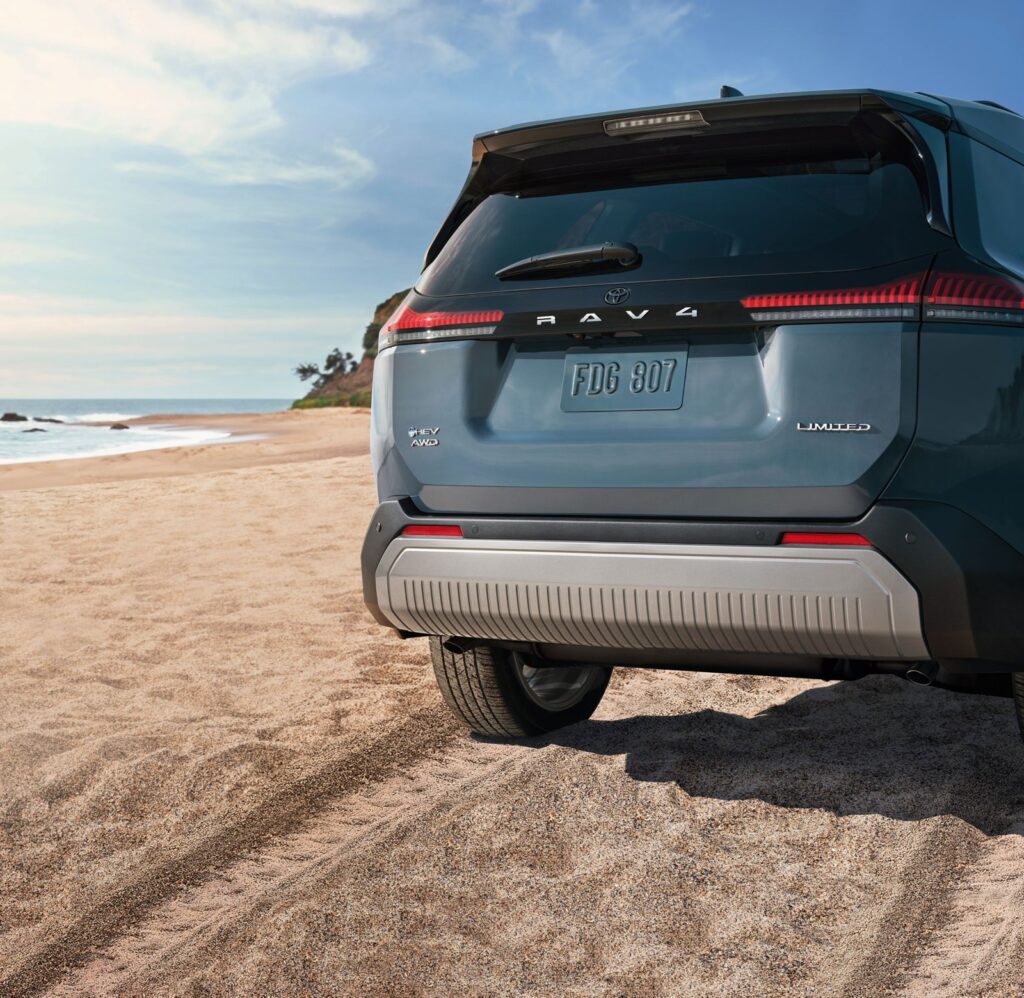
The body uses more straight lines than curves, which makes the SUV look more athletic. The shorter-looking rear trunk line compared with the front section also helps the proportions feel sportier. It does not look soft or overly round. Even though this is a practical SUV, Toyota has clearly tried to make it feel more energetic.
Credit: Image: Toyota
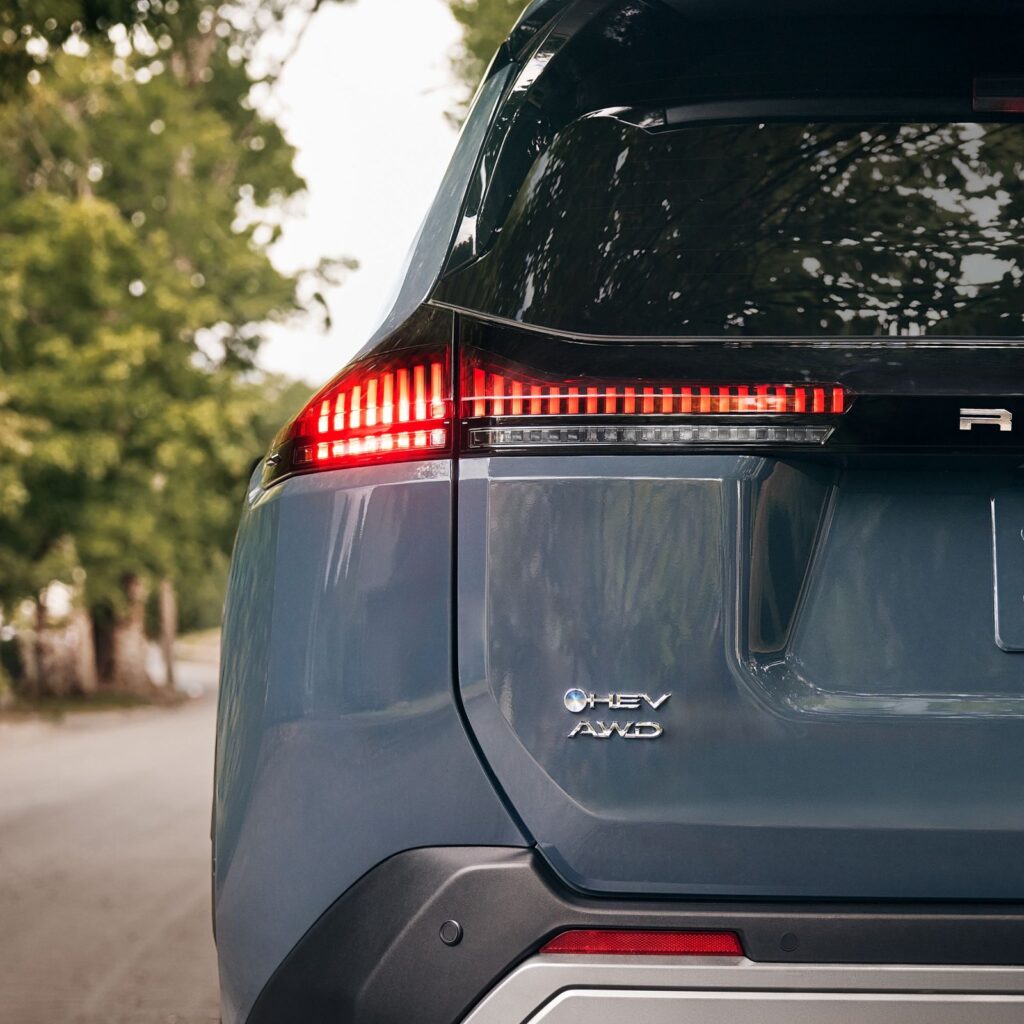
The rear is practical and clean, but there is one detail Cariary finds disappointing: the hidden exhaust. Even though this is still a gasoline-powered hybrid SUV, Toyota does not expose a proper muffler tip in the rear bumper. It makes the back look cleaner, but it also removes a small mechanical detail that could have helped the SUV feel more grounded.

Credit: Image: Toyota
GR Sport and Sportier Intent
Credit: Image: Toyota
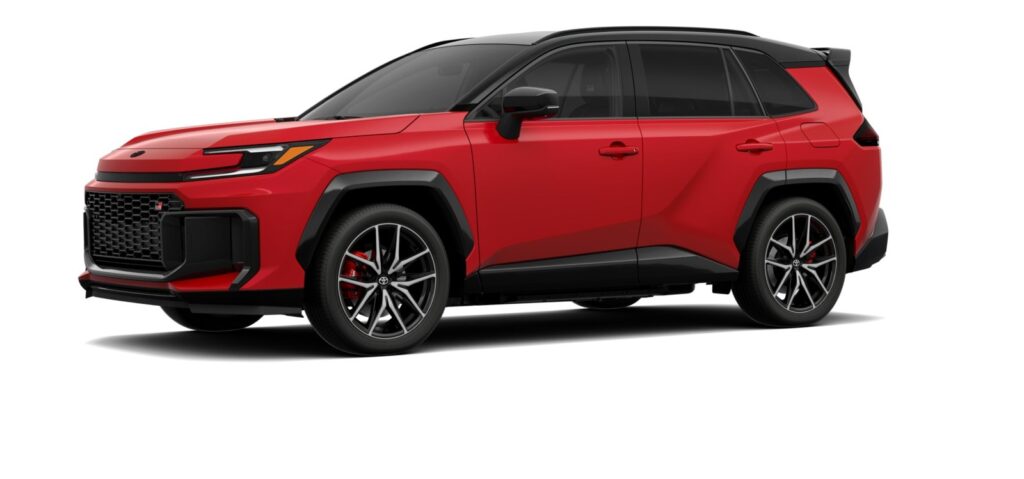
The GR Sport model adds a more athletic personality to the RAV4 lineup.
The rear spoiler, sportier stance, and GR-related tuning suggest Toyota is not only chasing traditional family buyers. It also wants younger buyers who may want the practicality of an SUV without feeling like they bought something completely ordinary.
That is smart.
The RAV4 does not need to become a sports SUV. But a sportier version helps the model feel broader and less anonymous. It gives buyers a way to choose a RAV4 that looks a little more personal.

Credit: Image: Toyota
Interior and Daily Use
Credit: Image: Toyota
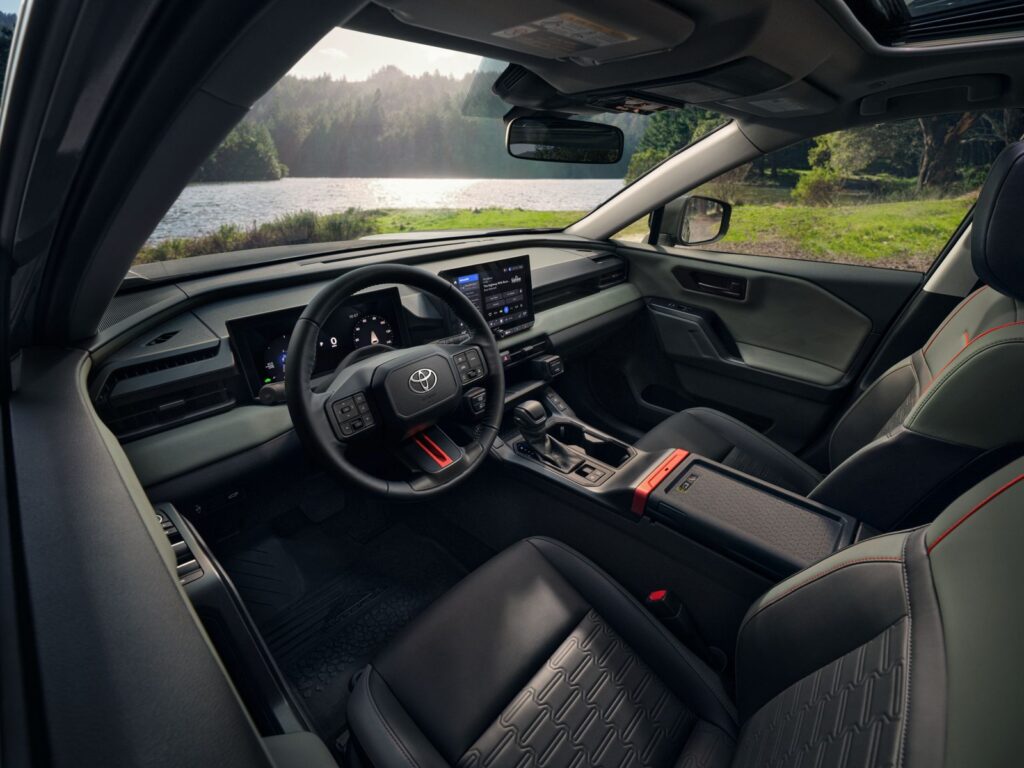
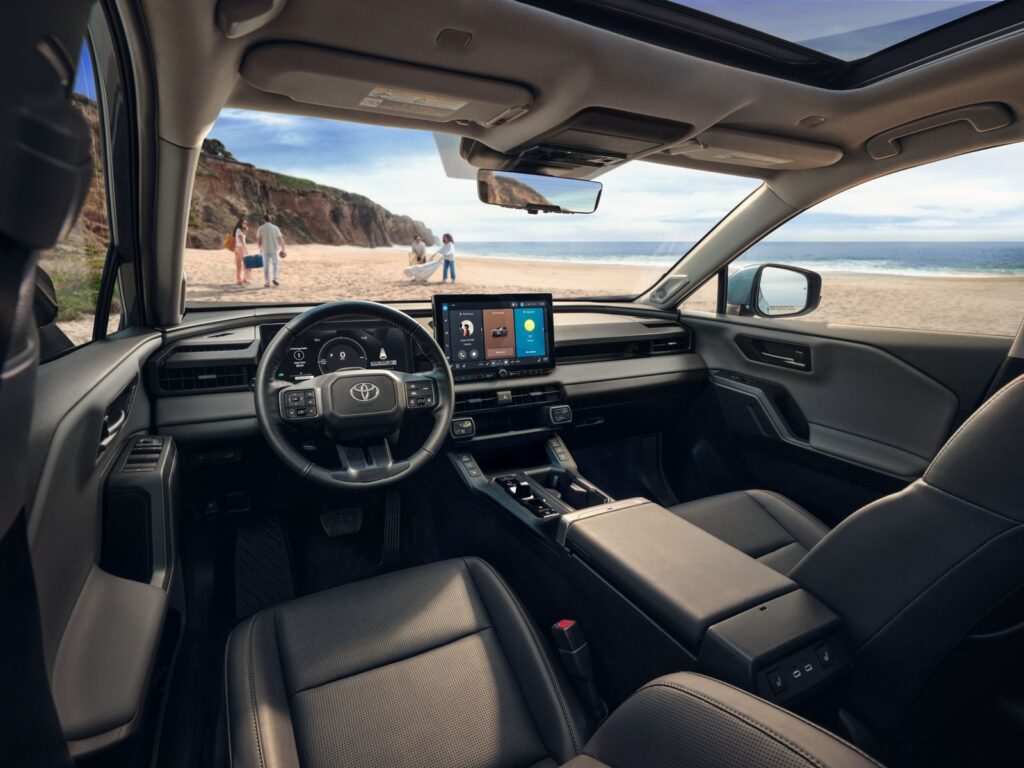
The interior may be one of the most Toyota parts of the new RAV4.
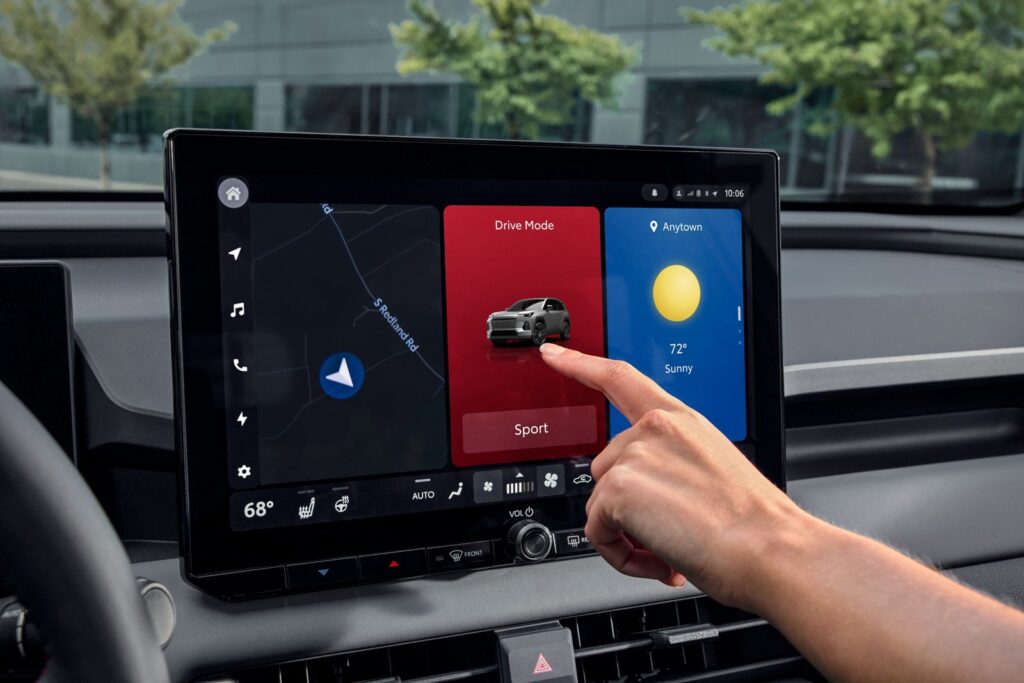
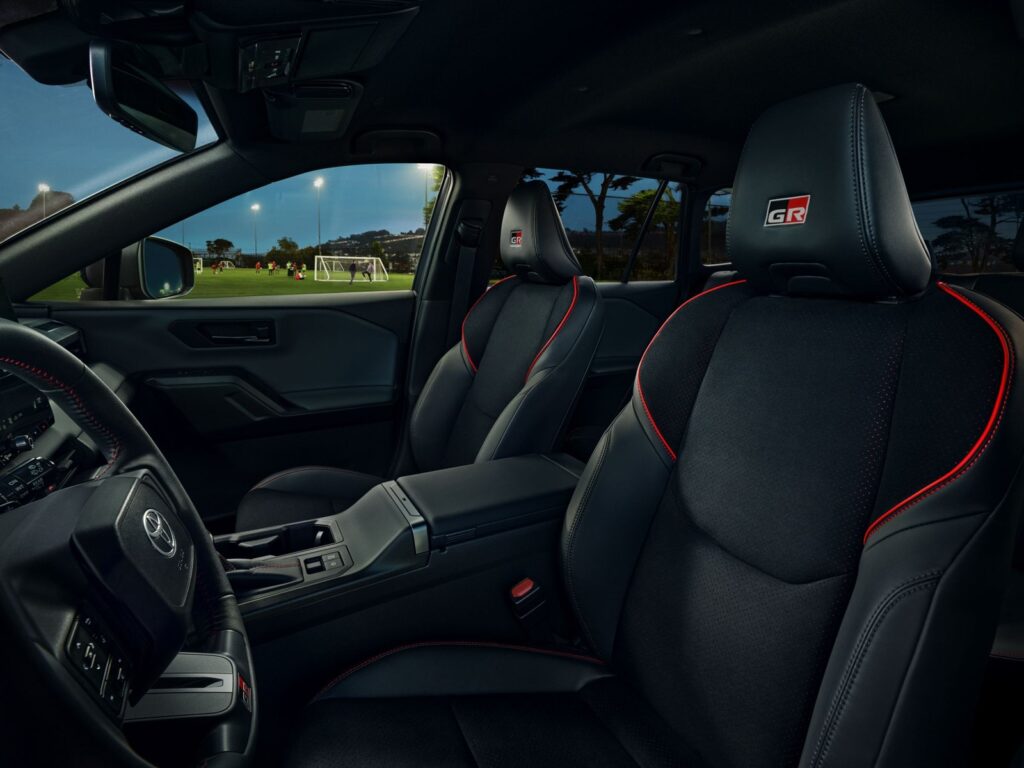
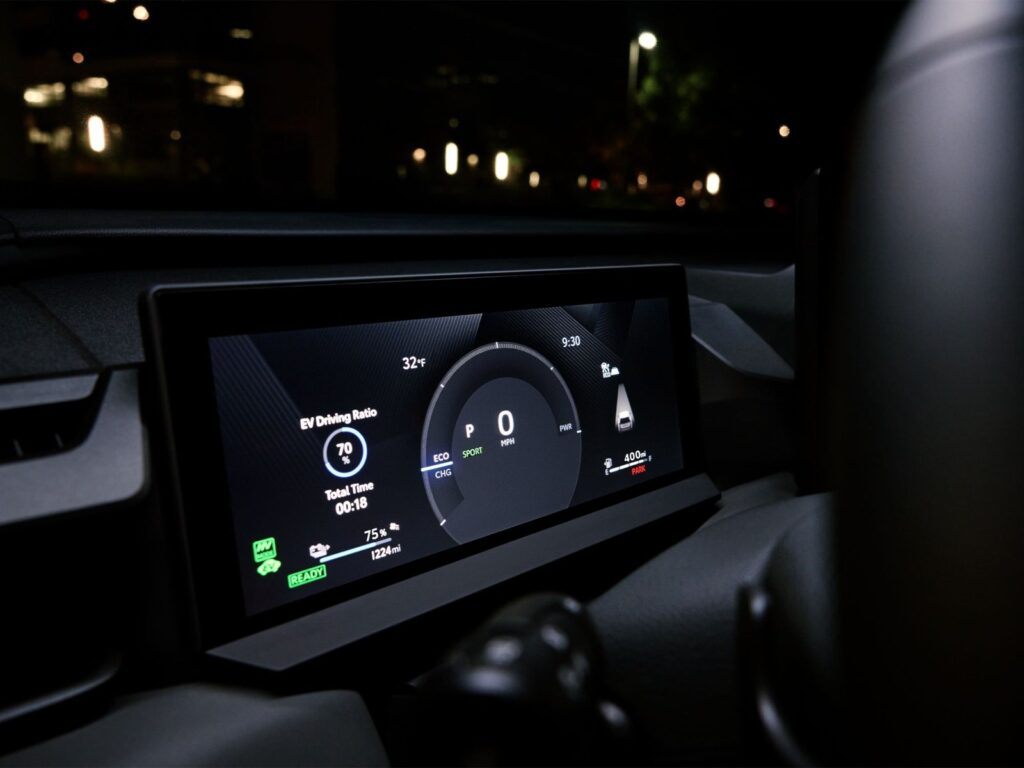
Many modern cars are moving toward one large combined display that merges the gauge cluster and infotainment screen into a single wide panel. Toyota does not fully follow that trend here. The RAV4 keeps a separate digital gauge cluster and a separate infotainment screen.
That might look less futuristic, but it may be better in daily use.
Toyota is a conservative brand in the best sense of the word. It usually changes interior controls more slowly than some rivals, and that can be frustrating if you want the most dramatic cabin design. But it also means Toyota is less likely to sacrifice usability just to look advanced.
Credit: Image: Toyota
The center controls are still relatively intuitive, and Toyota keeps useful physical buttons. Cariary strongly supports this direction. In an era where some brands hide basic functions inside screens or make the hazard light button strangely small or awkwardly placed, physical controls still matter.
A family SUV should not make simple tasks harder.
Credit: Image: Toyota
The RAV4’s cabin may not be the most luxurious, but it understands what drivers actually need while moving: clear displays, direct controls, easy climate access, and a layout that does not demand too much attention.
Rear Seat and Cargo Space

Credit: Image: Toyota
The second row remains one of the RAV4’s strongest daily-use areas.
It offers enough space for adult passengers to sit comfortably, not just children. That matters because compact SUVs often look practical from the outside but become compromised once real adults sit in the back.
The RAV4 avoids that problem. It feels like a proper family SUV rather than a small crossover pretending to be one.

Credit: Image: Toyota
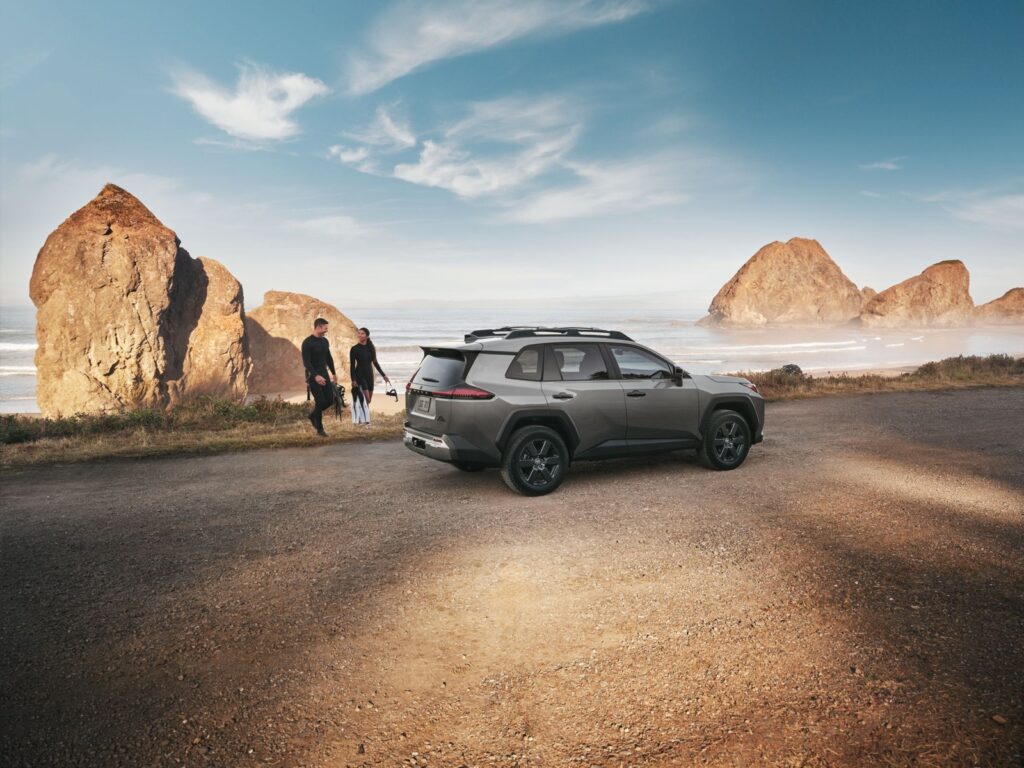
Cargo space is also useful, though it should be understood correctly. This is not a large SUV trunk. Toyota lists up to 37.8 cu. ft. of cargo capacity behind the rear seats, which is strong for the class but still within normal compact SUV territory.
For groceries, luggage, outdoor gear, strollers, or weekend travel, it should be more than enough. But buyers expecting large-SUV cargo space should move up a size.
Ride, Handling, and Basic Quality
The RAV4 has always been strongest when judged by fundamentals.
That is the same point Cariary made with the Toyota Camry: Toyota often makes cars that do not overwhelm you with one spectacular advantage, but they do the basic jobs very well.
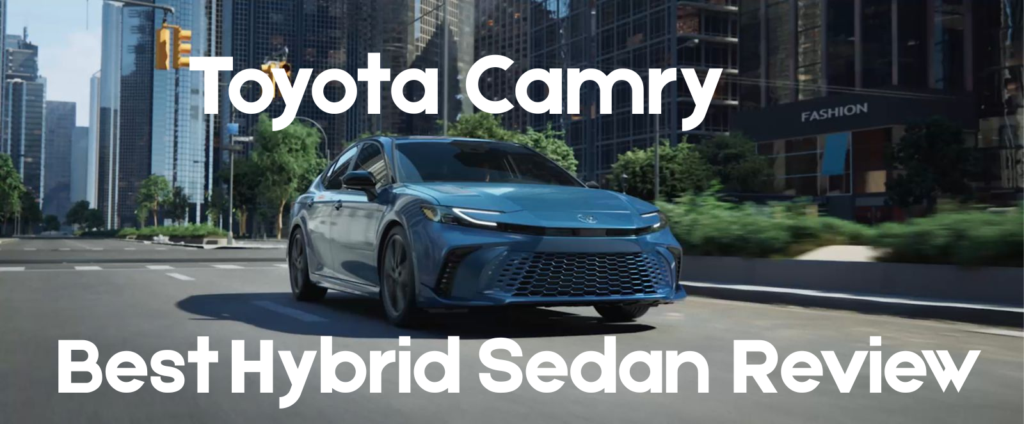
The RAV4 follows that same philosophy. Reviews and early impressions point toward a car that drives with enough power, enough comfort, and enough stability for normal buyers. It is not trying to be a Mazda CX-5 in handling sharpness or a luxury SUV in ride isolation.
Instead, it tries to be easy.
It should accelerate without stress, stop predictably, ride comfortably enough, and avoid making ownership feel complicated. That is the kind of basic quality many buyers value more after three years than they did during the test drive.
Price-to-Value Judgment
Credit: Image: Toyota
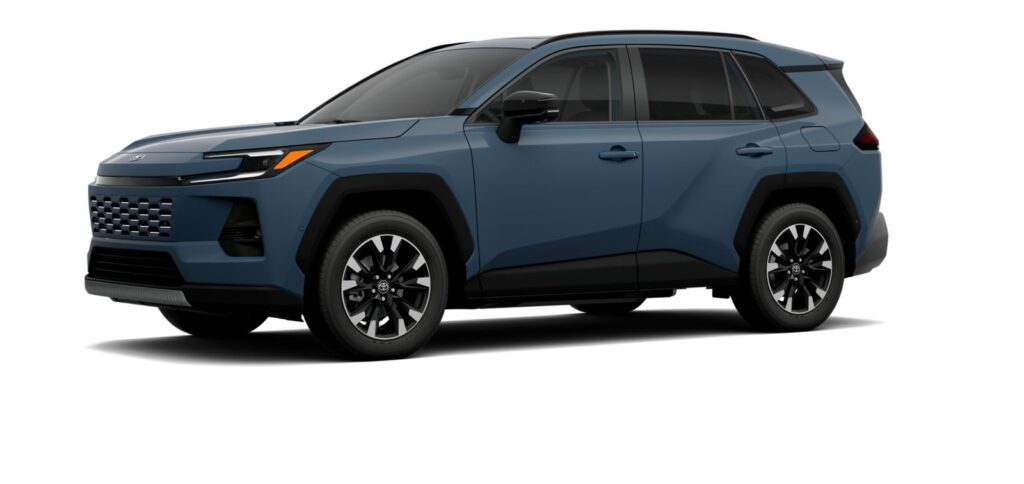
The 2026 RAV4 starts at $31,900 in the U.S. for the regular hybrid lineup, with higher trims adding more equipment and the Plug-in Hybrid moving into a more expensive but more powerful category.
The value depends on which version you choose.
The regular Hybrid is the safest recommendation for most buyers. It gives the fuel economy, Toyota reliability logic, and practical SUV layout without requiring charging.
The Plug-in Hybrid makes sense if you can charge at home or work and your daily driving distance fits the EV range. In that case, the extra cost can be easier to justify because the vehicle may operate like an EV most weekdays while still giving gasoline flexibility for longer trips.
The GR Sport is the emotional version. It adds character and sportier styling, but buyers should make sure they are paying for something they actually care about, not just a badge.
Competitor Comparison
Honda CR-V Hybrid
The CR-V Hybrid is the RAV4’s most natural rival. It feels mature, spacious, and easy to recommend. The Honda may appeal more to buyers who want a smoother, quieter family SUV personality.
The RAV4 counters with stronger hybrid variety, a plug-in hybrid option, and Toyota’s long-standing hybrid reputation.
Hyundai Tucson Hybrid / Plug-in Hybrid
The Tucson feels more design-led inside and out. It gives buyers a bolder cabin and often strong equipment for the money.
The RAV4 feels more conservative, but that conservatism is also part of its appeal. Toyota buyers may prefer the RAV4 because it feels less experimental.
Kia Sportage Hybrid / Plug-in Hybrid
The Sportage offers strong packaging, value, and modern styling. It can feel more generous on equipment.
The RAV4’s advantage is brand trust. Toyota’s hybrid durability reputation remains a major reason buyers return to the brand.
Mazda CX-50 Hybrid
The CX-50 Hybrid is more emotional in design and may feel more premium from the driver’s seat. It is the rival for buyers who still care about steering feel and cabin mood.
The RAV4 is the more practical answer. It may not feel as special, but it is easier to recommend to a wider range of buyers.
Ford Escape Plug-in Hybrid
The Escape PHEV gives buyers a plug-in option, but the RAV4 PHEV feels more complete and more desirable as a product. Toyota’s hybrid system reputation also makes the RAV4 easier to trust for long-term ownership.
Recommended For
The Toyota RAV4 is recommended for buyers who want a practical compact SUV with strong fuel economy, proven hybrid logic, intuitive controls, and enough space for real family use.
The regular Hybrid is best for buyers who want simplicity.
The Plug-in Hybrid is best for buyers who can charge regularly and want EV-like commuting without giving up gasoline range.
The GR Sport is best for buyers who want a more youthful and athletic-looking RAV4 without leaving Toyota reliability behind.
Not Recommended For
The RAV4 is not ideal for buyers who want a premium-feeling cabin, dramatic acceleration in the regular Hybrid, or the emotional design of a more style-focused SUV.
It is also not the right choice if you need large-SUV cargo space or three-row flexibility.
And if you strongly prefer the tougher look of the fifth-generation RAV4, the sixth generation’s sharper, more modern face may take time to accept.
Buyer Verdict
The sixth-generation Toyota RAV4 looks like a very strong product.
It improves the electrified lineup, adds a more capable Plug-in Hybrid, keeps the cabin usable, and sharpens the design without forgetting why people buy RAV4s in the first place.
The RAV4 is not trying to be the most luxurious, the fastest, or the most futuristic SUV in the class. It is trying to be the SUV that works for the largest number of people with the least amount of drama.
That is exactly why it has been successful for so long.
Cariary Perspective
Cariary sees the new RAV4 as one of Toyota’s most convincing mainstream products.
The previous fifth-generation RAV4 may still be the prettier SUV to our eyes, especially because it had a more naturally rugged character. But the sixth generation feels more complete as a modern product. It takes Toyota’s hybrid strength, adds a sharper design, keeps practical controls, and gives buyers a Plug-in Hybrid with enough electric range to matter.
The most important thing is that Toyota did not forget the basics. The RAV4 still feels like a car made for people who need transportation first, not a moving technology showroom. That may sound simple, but many brands are making daily cars more complicated than they need to be.
The new RAV4 is sporty enough to feel fresh, efficient enough to make sense, and practical enough to remain one of the easiest SUVs to recommend. From Cariary’s view, Toyota did a very good job with this generation.
One-Line Verdict
The new Toyota RAV4 succeeds because it adds sharper styling and stronger hybrid technology without losing the basic Toyota qualities that made buyers trust it in the first place.
FAQ
Is the 2026 Toyota RAV4 hybrid-only?
In key markets such as the U.S., the 2026 RAV4 lineup is centered around hybrid and plug-in hybrid powertrains rather than a traditional gas-only lineup.
How much power does the Toyota RAV4 Hybrid make?
The regular RAV4 Hybrid makes around 226 hp with front-wheel drive and around 236 hp with all-wheel drive in the U.S. market.
How much power does the RAV4 Plug-in Hybrid make?
The RAV4 Plug-in Hybrid makes up to about 320 hp, making it much stronger than the regular Hybrid.
Can the RAV4 Plug-in Hybrid fast charge?
Yes, selected RAV4 Plug-in Hybrid trims offer DC fast charging, which is unusual for a plug-in hybrid.
How far can the RAV4 Plug-in Hybrid drive in EV mode?
Toyota targets up to about 50 miles of electric-only driving in the U.S. rating context, though real-world range depends on temperature, speed, terrain, and driving style.
Is the Toyota RAV4 good for families?
Yes. The RAV4 offers a roomy second row, useful cargo space, good fuel economy, and straightforward controls, making it a strong family SUV.
Is the fifth-generation RAV4 better looking than the new one?
Some buyers may prefer the tougher look of the fifth-generation RAV4. The sixth generation looks sharper and more modern, but not necessarily more rugged.
Related Cars
- Honda CR-V Hybrid
- Hyundai Tucson Hybrid
- Kia Sportage Hybrid
- Mazda CX-50 Hybrid
- Ford Escape Plug-in Hybrid
- Toyota Camry Hybrid
Data Reference Date
June 21, 2026