Quick Take
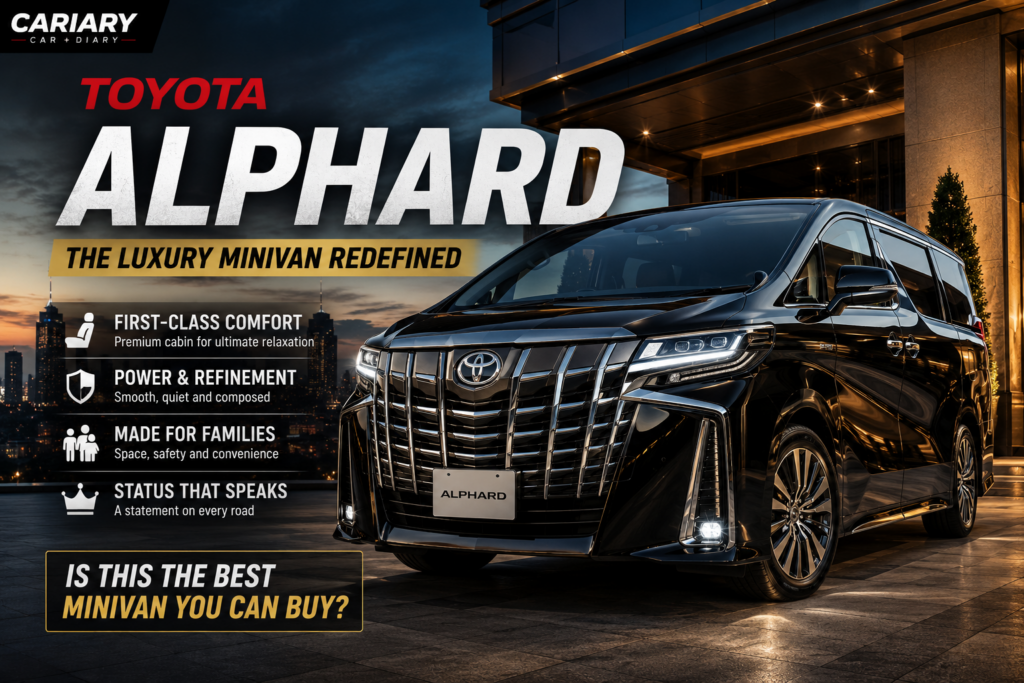
The Toyota Alphard is not a normal minivan. It is Toyota’s executive RV, built for people who care less about driving excitement and more about being driven well.
From the outside, the Alphard can look narrower than expected. Its width is only 1,850 mm in Japan, which is not especially wide for a luxury vehicle. But once you step inside, the whole car starts to make sense. Toyota has taken a relatively manageable exterior footprint and extracted an impressively generous cabin from it.
That is the Alphard’s trick: it does not look huge from the outside, but it feels important from the second row.
What Is It?
The Toyota Alphard is a premium MPV sold mainly in Japan and several Asian markets. In its latest form, it is offered with hybrid, plug-in hybrid, and market-dependent gasoline or turbo gasoline powertrains.
Credit: Image: Toyota Motor Corporation
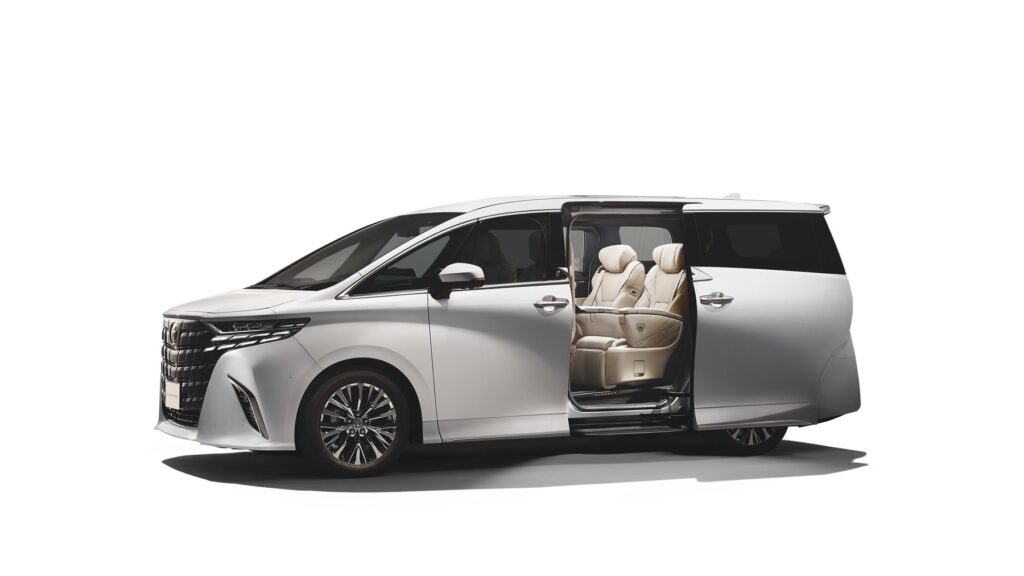
The important version for understanding the Alphard is the Executive Lounge. This is where the car stops feeling like family transportation and starts feeling like VIP transport.
The Alphard is not trying to compete with pickup trucks or large American SUVs. It was created for markets where road width, parking systems, dense cities, and passenger comfort all matter at the same time.
Why This Car Exists
The Alphard exists because Japan has a very different luxury-transport culture from North America.
In the U.S., a wealthy buyer may choose a Cadillac Escalade, Lincoln Navigator, Mercedes GLS, or Range Rover P530
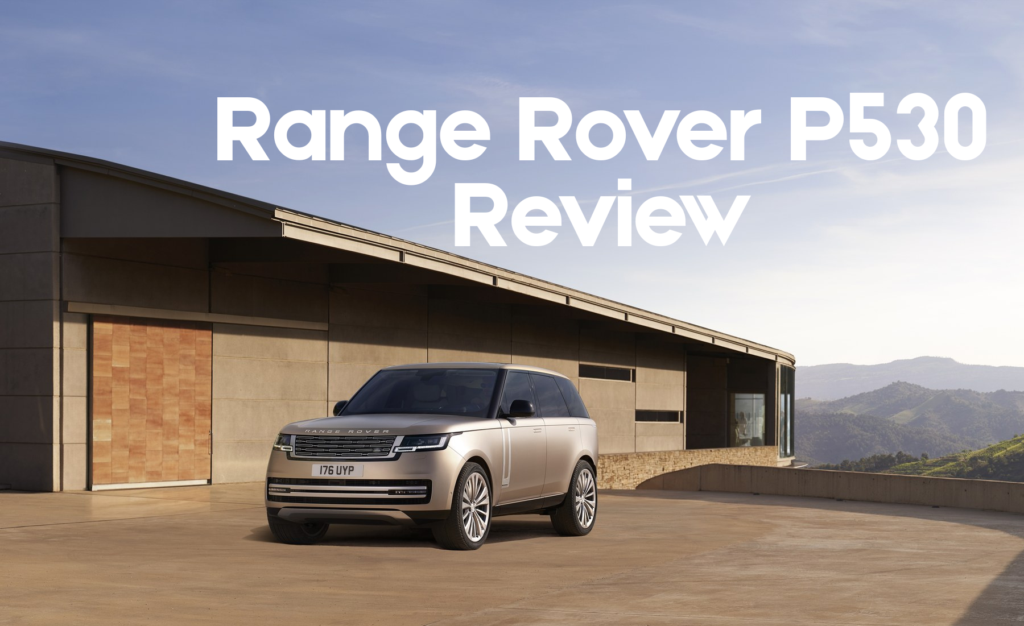
In Japan and much of Asia, a luxury MPV can make more sense. Sliding doors are convenient. The second row is easier to access. The cabin height is useful. The driver does not need a truck-sized vehicle to carry VIP passengers.
Credit: Image: Toyota Motor Corporation
Toyota’s own global newsroom explains that the Alphard and Vellfire were designed to stay within 5,000 mm of length and 1,850 mm of width while maximizing interior space. That is exactly the point. This car is shaped by Japanese urban reality: narrow roads, compact parking, and a culture where being driven comfortably can matter more than looking sporty.
The result is a vehicle that may seem strange to American SUV buyers, but feels completely logical in Tokyo, Hong Kong, Singapore, Seoul, Bangkok, Jakarta, and other dense cities.
Key Specs and Real-World Meaning
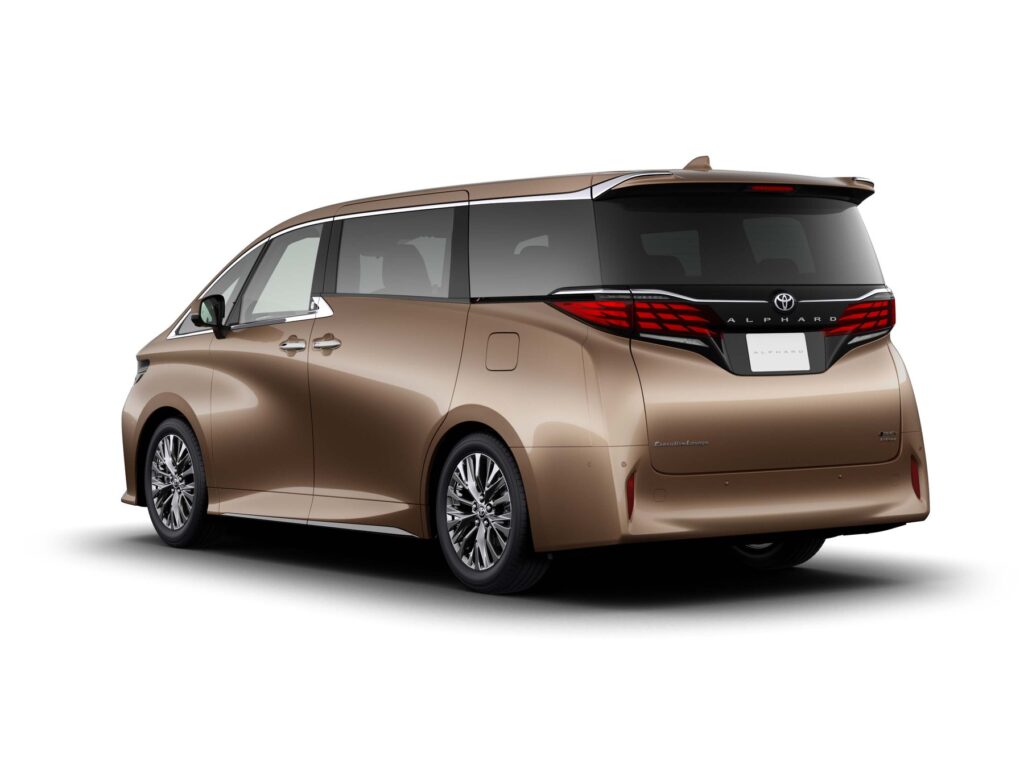
The Alphard’s Japanese-market dimensions are roughly 4,995 mm long, 1,850 mm wide, and 1,935-1,945 mm tall depending on wheel size. Some export-market versions are listed around 5,010 mm long, but the width remains the key number.
Credit: Image: Toyota Motor Corporation
The width matters more than the length. A big SUV can feel confident on wide American roads, but in dense Japanese streets, width becomes stress. Toyota kept the Alphard narrow enough to feel manageable while using height, wheelbase, and interior packaging to create space.
This is why the car can surprise people. The exterior does not look extremely wide, but the cabin feels much more generous than expected.
Design and Identity
Credit: Image: Tokumeigakarinoaoshima, CC BY-SA 4.0, via Wikimedia Commons
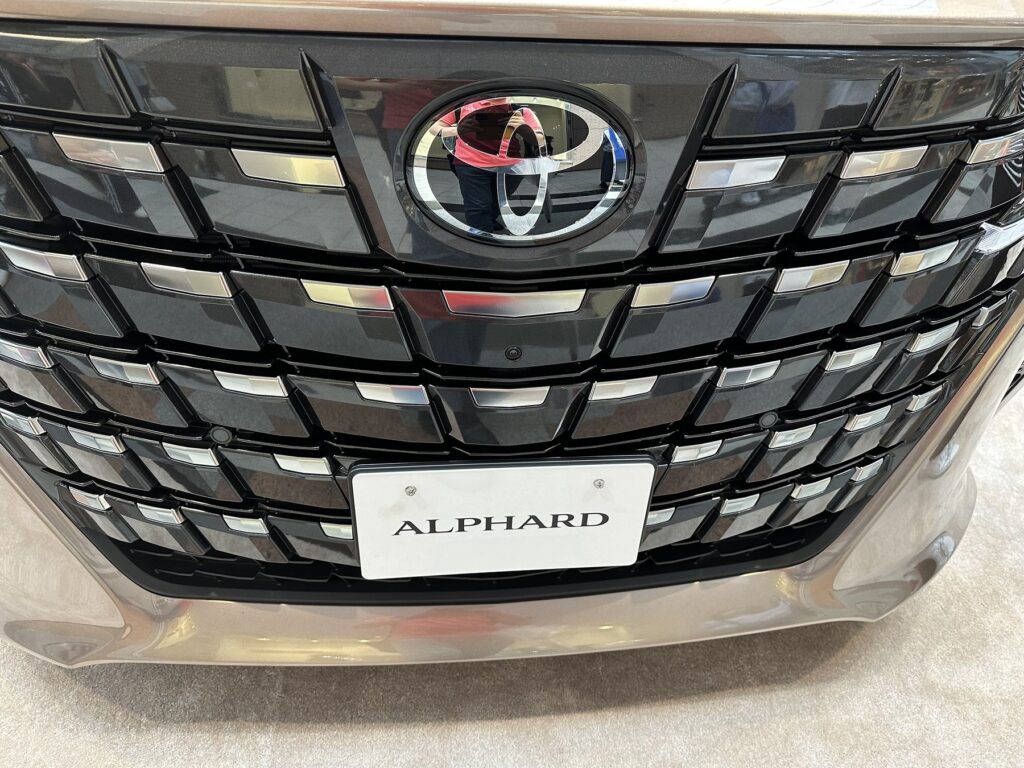
The Alphard still carries a very Japanese luxury design language. The grille is large, formal, and maybe too decorative for some global buyers. Cariary does not think Toyota has fully removed the “Japanese domestic luxury van” look, and some readers in the U.S., Canada, U.K., or Australia may need time to understand it.
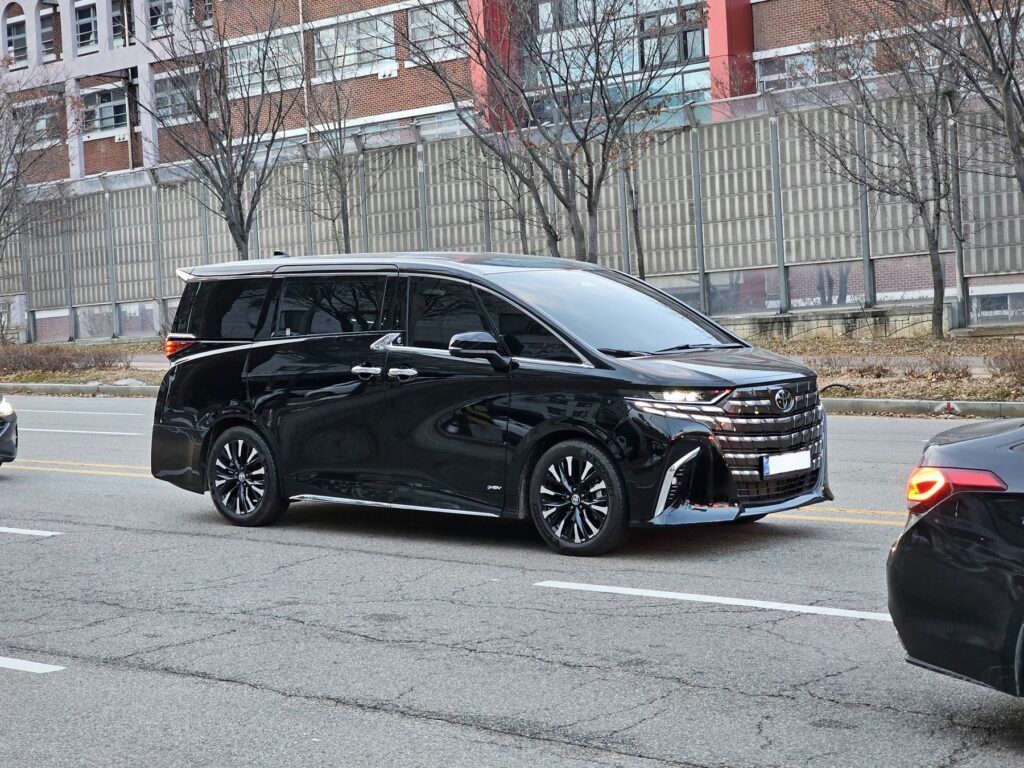
But the design is not impossible to look at. It has presence. In black, especially, the Alphard looks like an official vehicle rather than a family shuttle.
Credit: Image: Damian B Oh, CC BY-SA 4.0, via Wikimedia Commons
The design works better when you stop judging it like an SUV. The Alphard is not trying to look athletic. It is trying to look formal, expensive, and suitable for someone important in the second row.
Interior and Daily Use
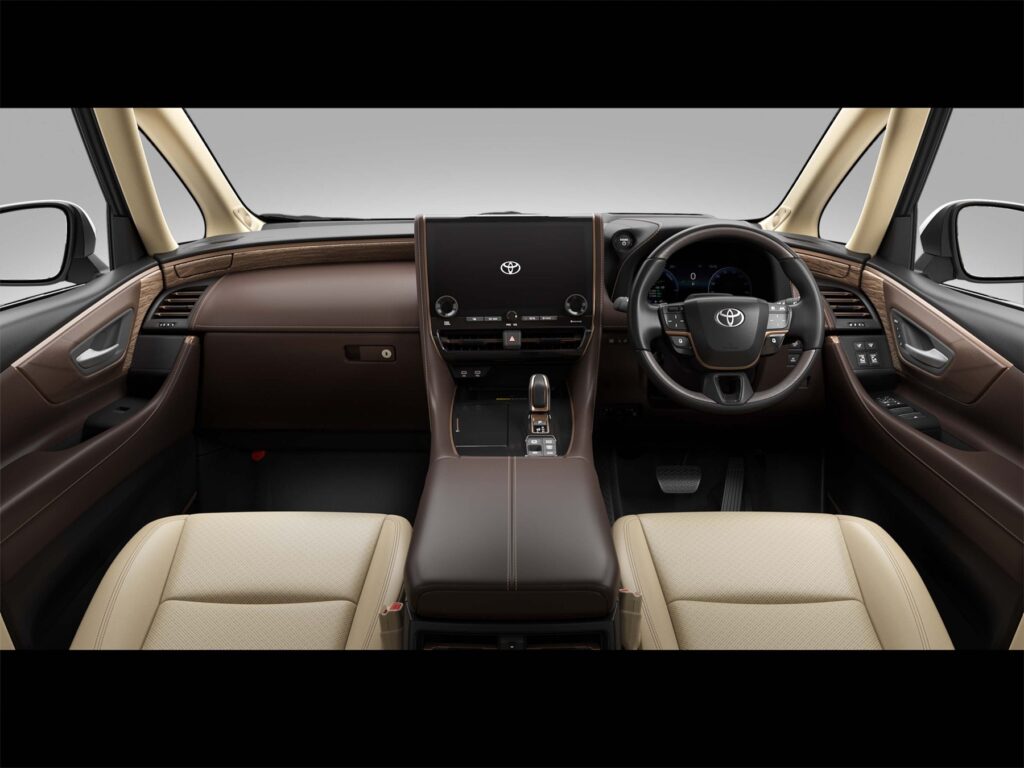
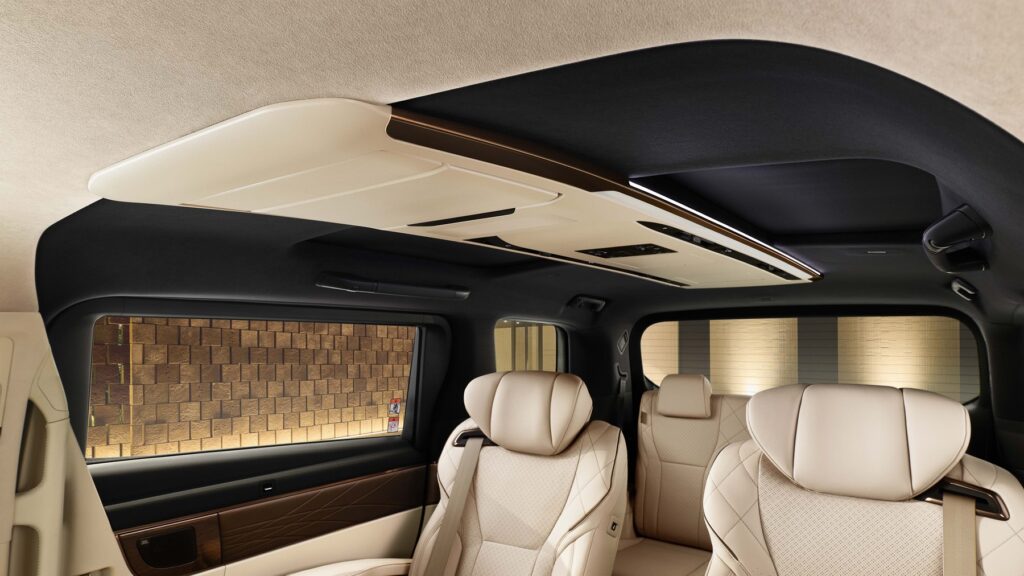
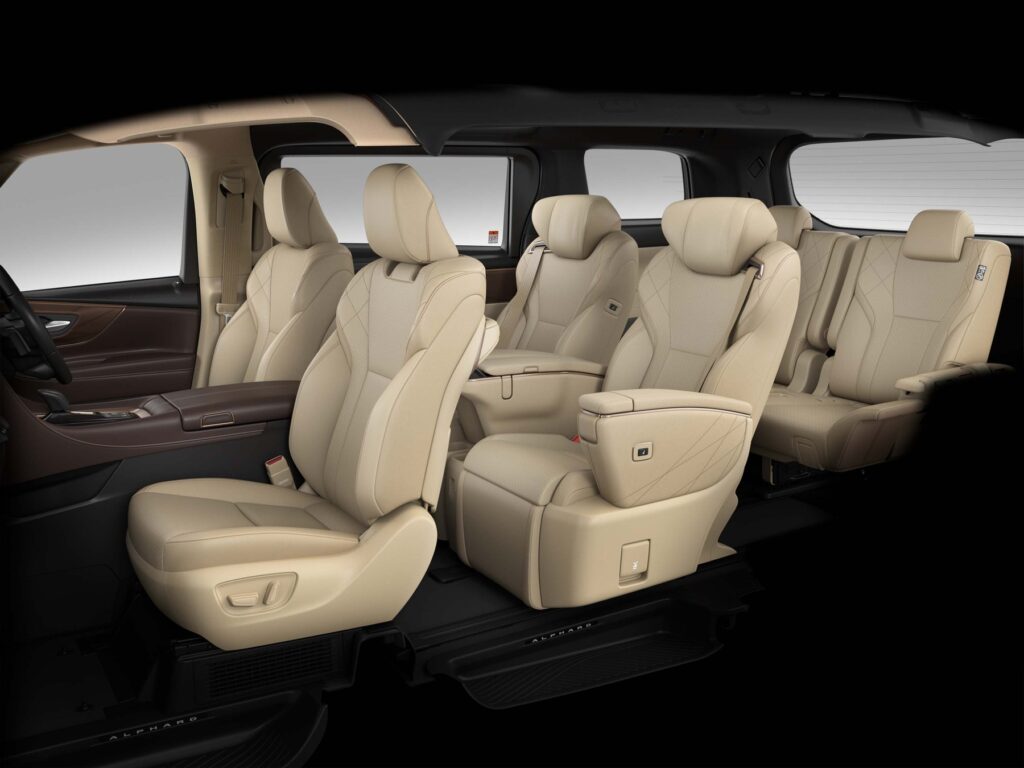
The interior is where the Alphard becomes convincing.
Credit: Image: Toyota Motor Corporation
The second-row independent seats are the core of the car. They are not just comfortable seats in a van. They are the reason the Alphard exists. Wide cushions, reclining ability, leg support, armrests, and a lounge-like layout make the Executive Lounge feel suitable for VIP use.
If you only look at the exterior, the Alphard can seem narrow or even slightly awkward. Sit in the second row, and it becomes clear that Toyota has done excellent packaging work.
Credit: Image: Toyota Motor Corporation
This is also where Toyota’s broader philosophy appears. In Cariary’s Toyota Camry article,
we described how Toyota often wins by getting the fundamentals right rather than chasing one spectacular feature. The Alphard uses the same idea, but applies it to passenger comfort instead of sedan basics.
The Japanese Road Context
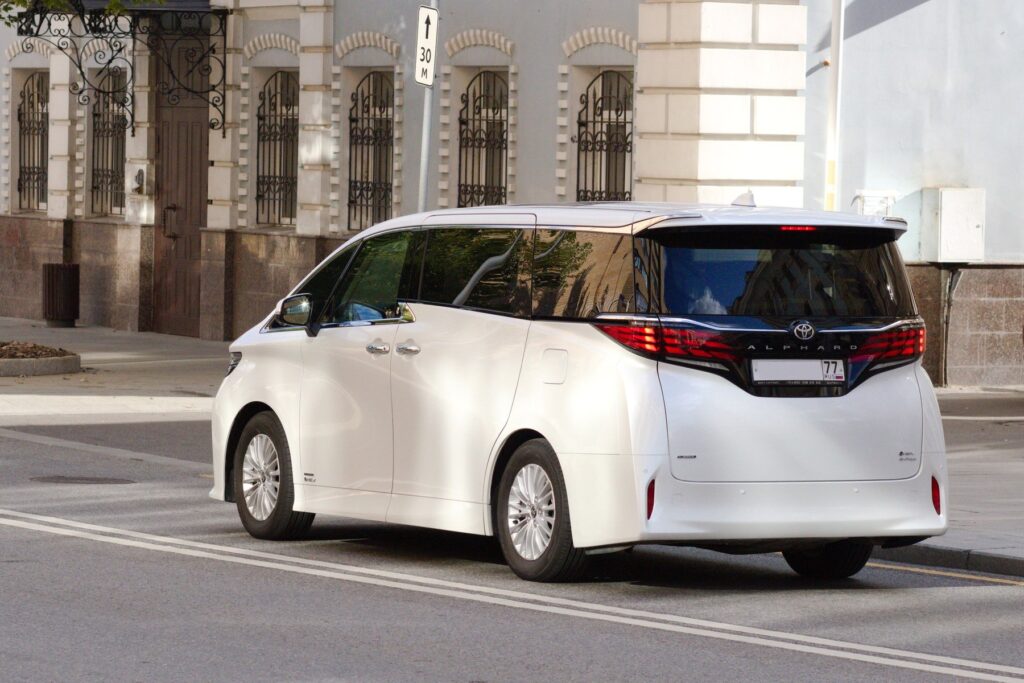
Cariary’s interpretation is that the Alphard was shaped by Japan’s roads as much as by luxury demand.
Japan has many narrow streets, dense parking areas, and compact urban spaces. Small kei cars are everywhere, and even premium vehicles need to respect road width. In that environment, a full-size American-style SUV can feel excessive.
Credit: Image: Retired electrician, CC0, via Wikimedia Commons
The Alphard answers that problem beautifully. It gives VIP second-row comfort without demanding an Escalade-sized footprint.
That may also explain why the Alphard is so common in Japan. It fits the road environment, the chauffeur culture, and the buyer expectation in a way that few imported luxury SUVs can fully match.
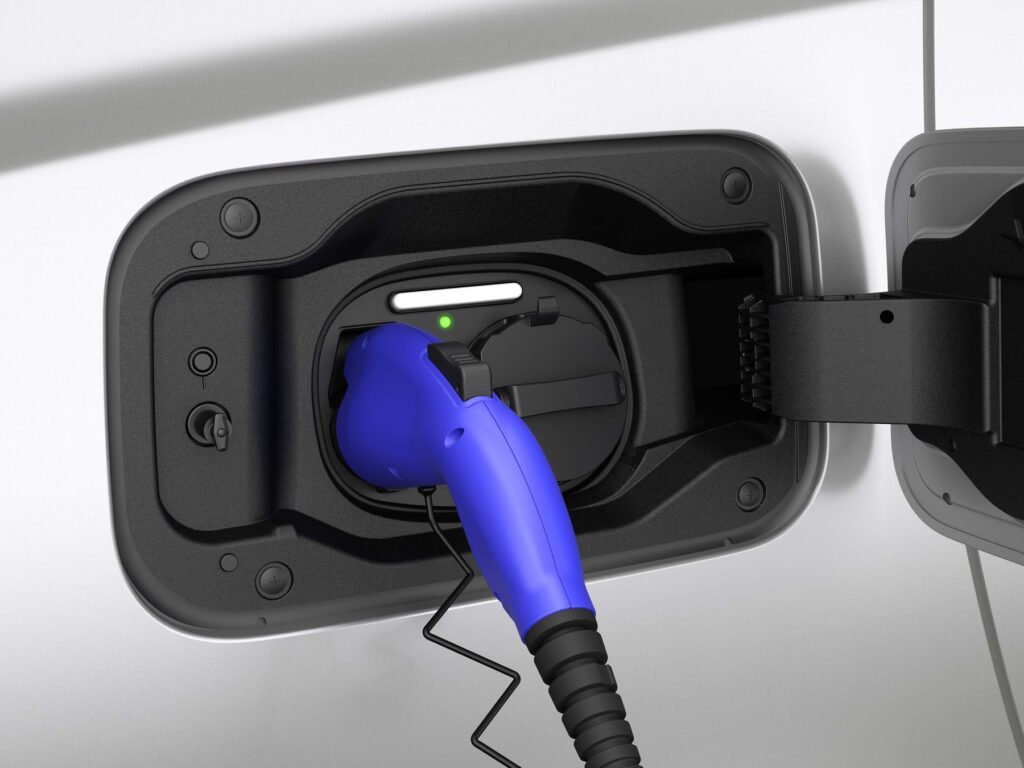
Hybrid and PHEV Logic
Credit: Image: Toyota Motor Corporation
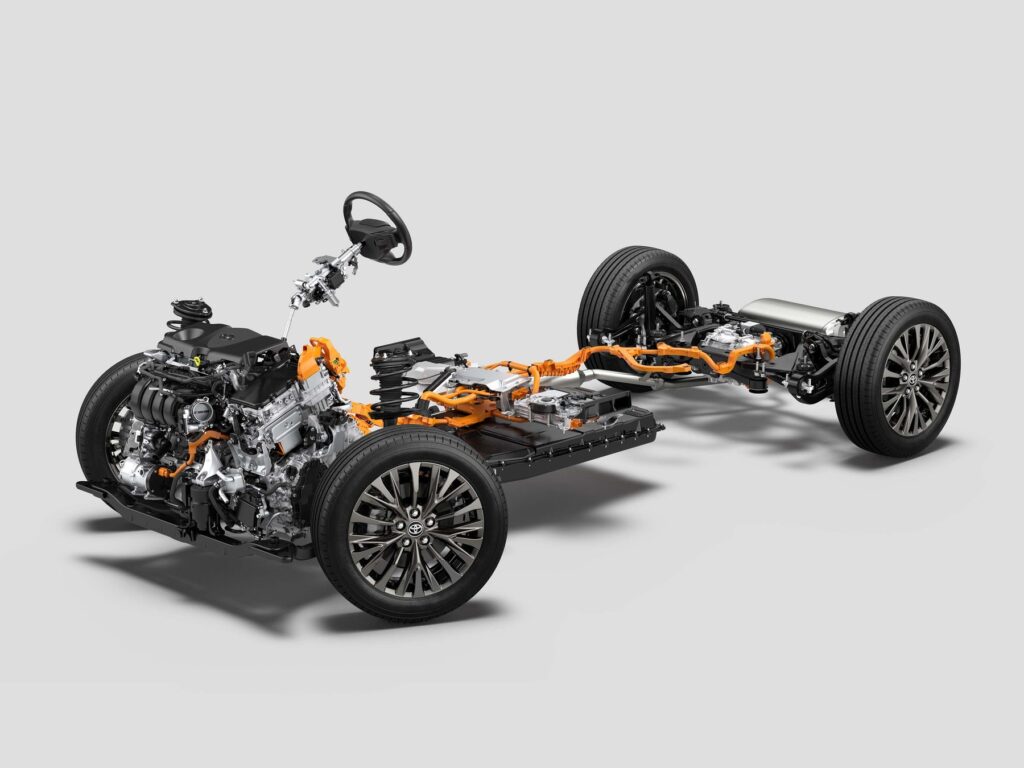
The Alphard is not a performance vehicle. Its powertrain should be judged by smoothness, quietness, efficiency, and low-stress operation.
Toyota’s hybrid expertise matters here. In Cariary’s Toyota RAV4 article,
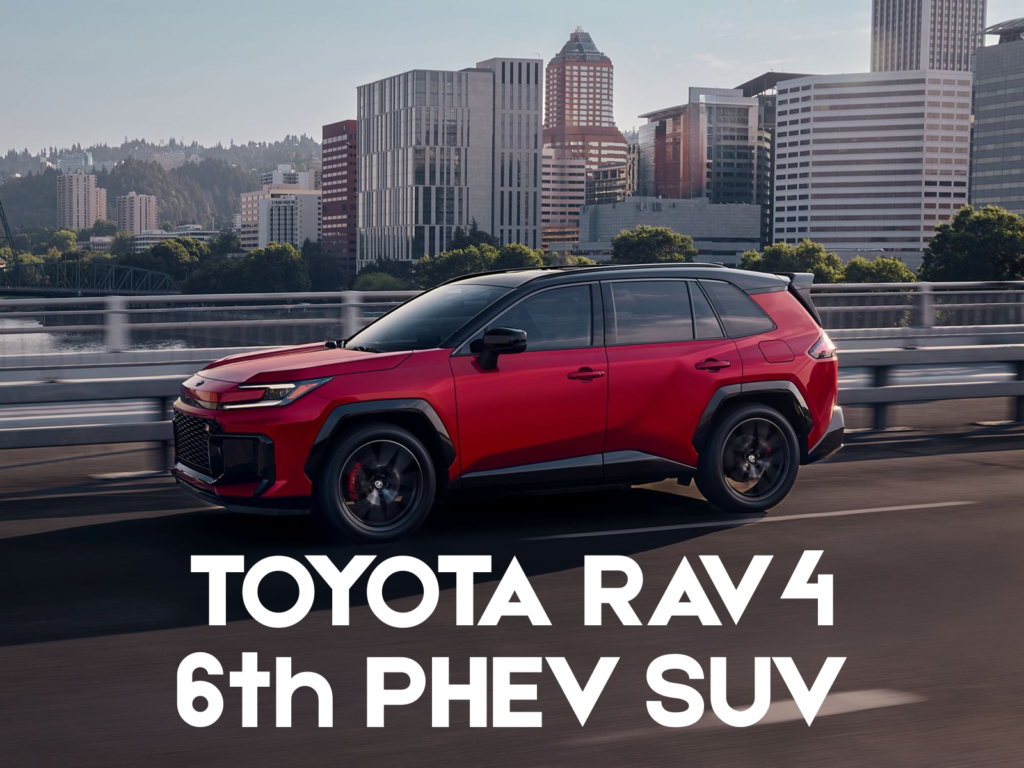
we discussed how Toyota often uses hybrid technology as a practical ownership tool rather than a flashy technology story. The Alphard follows that same logic.
A quiet hybrid or plug-in hybrid system suits a chauffeur MPV. The goal is not speed. The goal is a calmer cabin, better urban efficiency, and less noise during VIP transport.
Credit: Image: Toyota Motor Corporation
This also connects naturally to Cariary’s “Why Are Japanese Cars So Popular in the U.S.? (Part 1: Durability & Efficiency Edition)”
The Alphard may be a luxury vehicle, but its appeal still comes from a very Japanese combination: packaging, reliability expectation, efficiency, and ease of use.
Price-to-Value Judgment
The Alphard’s value depends entirely on the buyer.
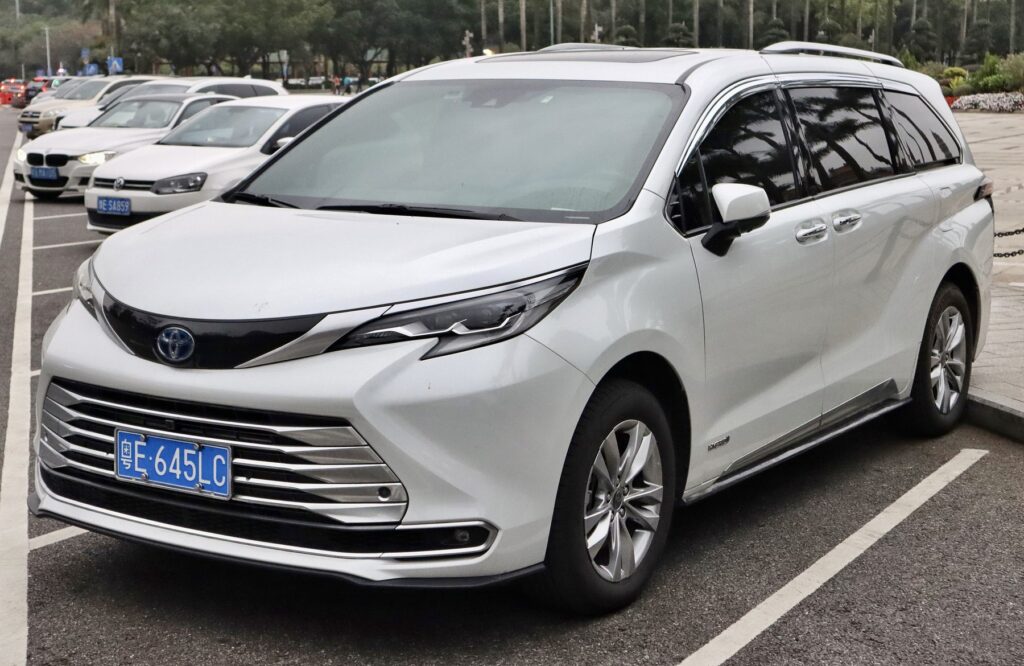
If you want a driver’s car, this is not it. If you want a stylish SUV with road presence in North America, a Range Rover, Escalade, or Lexus LX may make more sense. If you want a family minivan in the U.S., the Toyota Sienna is the more obvious answer.
Credit: Image: User3204, CC BY-SA 4.0, via Wikimedia Commons
But if you want a luxury vehicle built around second-row passengers, the Alphard becomes much more persuasive.
Its value is not horsepower. It is not towing capacity. It is not off-road ability. Its value is that Toyota managed to build a compact-width executive lounge on wheels.
That is rare.
Competitor Comparison
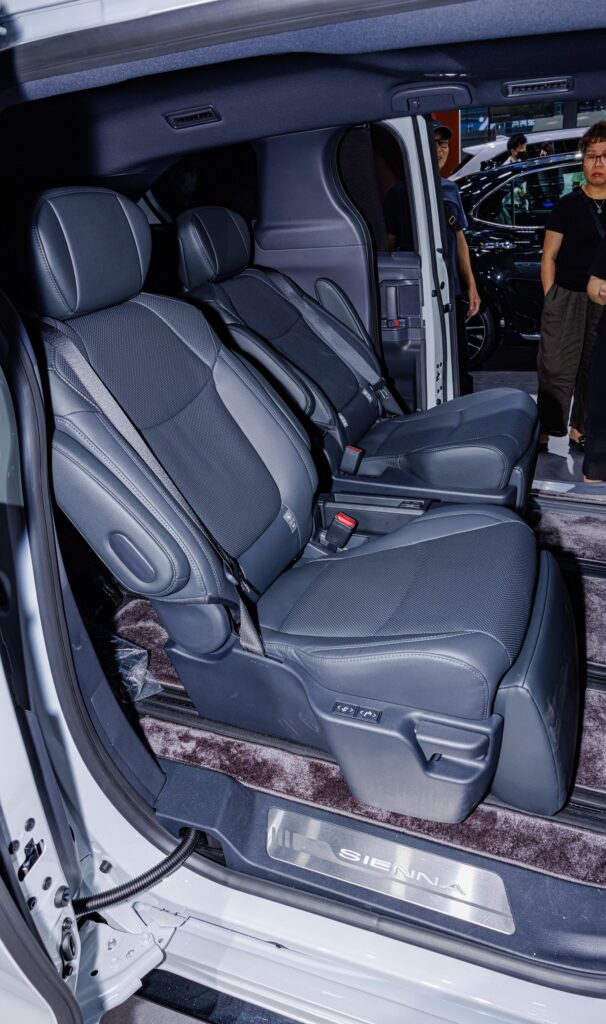
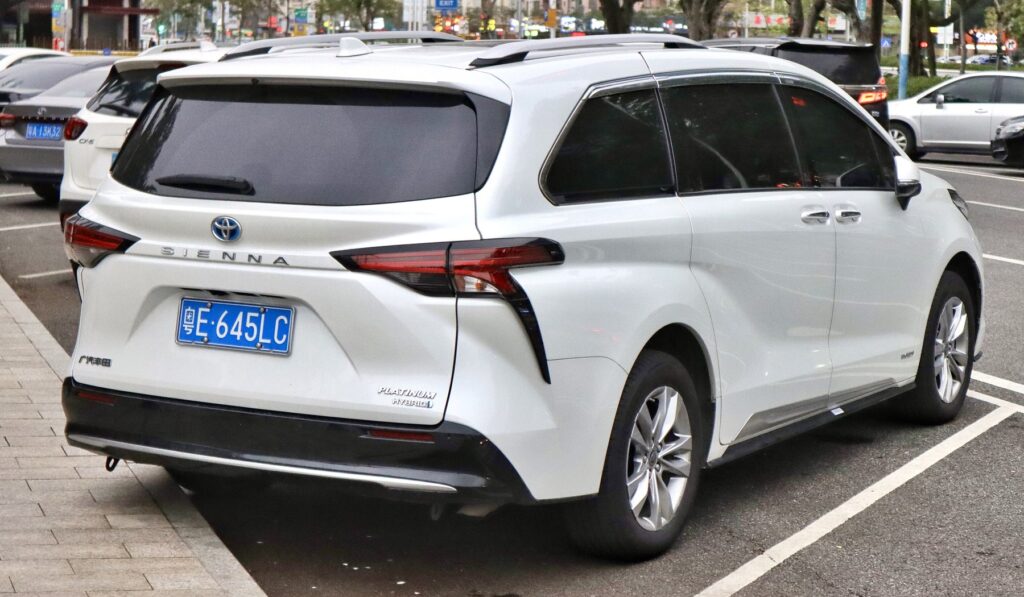
The Toyota Sienna is the practical North American comparison. It is larger in spirit, more family-focused, and better suited to U.S. roads and buyers. But it does not have the Alphard’s same VIP identity.
Credit: Image: Dinkun Chen, CC BY-SA 4.0, via Wikimedia Commons
The Lexus LM is the luxury sibling in some markets. It pushes the idea further, especially for chauffeur buyers who want Lexus branding and even more rear-cabin luxury.
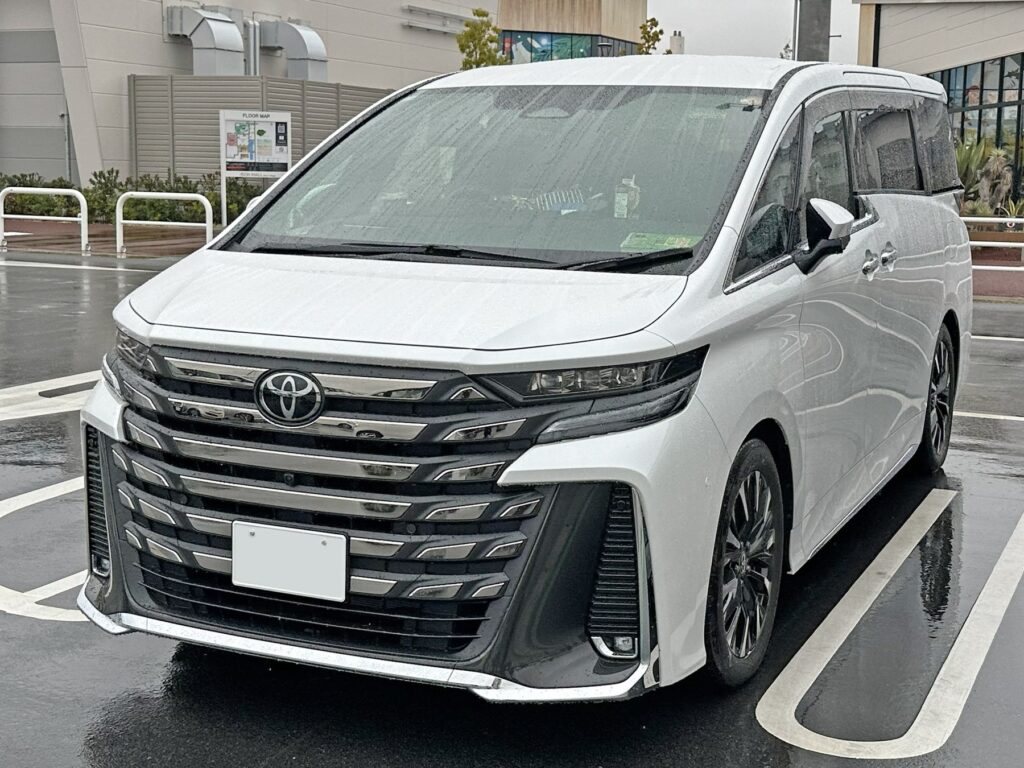
The Toyota Vellfire is the closest internal alternative. It shares the same basic concept but presents itself with a sharper and more aggressive personality.
Credit: Image: Tokumeigakarinoaoshima, CC0, via Wikimedia Commons
The Mercedes-Benz V-Class is the European luxury van alternative, but it feels more commercial-van-derived in some configurations. The Alphard feels more purpose-built around Asian executive transport.
Large SUVs like the Cadillac Escalade, Range Rover, or BMW X7 offer more power and broader global recognition, but they do not offer the same sliding-door, second-row-first experience.
Would the Alphard Work in the U.S.?
This is the difficult question.
In the U.S., roads are wider, pickup trucks are normal, and big SUVs dominate luxury-family transportation. American buyers often associate luxury with height, towing ability, engine power, and road presence.
The Alphard’s strengths are different. It is narrower, more passenger-focused, and more urban. It does not look like an American luxury status vehicle.
Credit: Image: User3204, CC BY-SA 4.0, via Wikimedia Commons
That makes its U.S. appeal uncertain. Some luxury shuttle companies, hotels, executives, and enthusiasts would understand it immediately. But mainstream American buyers may still prefer a Sienna for family use or an Escalade for status.
The Alphard would probably be admired by the right people, but it may not become a mass-market American success.
Recommended For
The Toyota Alphard is recommended for buyers who want a quiet, comfortable, chauffeur-friendly luxury MPV with excellent second-row comfort and a manageable exterior width.
It is also ideal for buyers in dense cities where a large SUV feels too wide but a normal minivan does not feel special enough.
Not Recommended For
The Alphard is not recommended for buyers who want strong driving excitement, bold SUV status, maximum cargo volume, or American-style road presence.
It is also not the obvious choice for U.S. family buyers unless they specifically understand and want the Japanese executive MPV concept.
Buyer Verdict
The Toyota Alphard makes the most sense after you ride in it.
From outside, it may not look wide or dramatic enough to justify its reputation. Inside, especially in the second row, the logic becomes obvious. Toyota built this car around passengers, not around the driver’s ego.
That is why owners tend to be satisfied. The Alphard knows its job and performs it extremely well.
Cariary Perspective
The Alphard is one of those cars that global readers should not judge too quickly.
If you look at it through an American SUV lens, it may seem strange. It is not wide, not muscular, not especially sporty, and not trying to dominate the road. But if you look at it through Japanese roads, VIP transport, and second-row comfort, it suddenly becomes one of Toyota’s smartest products.
Cariary’s view is simple: if you are seriously considering an Alphard, try one in Japan first. Ride in the second row. Watch how easily it moves through narrow streets. Then the car starts to explain itself.
The Alphard is not Toyota trying to copy a luxury SUV. It is Toyota building luxury around space, access, quietness, and passenger dignity.
One-Line Verdict
The Toyota Alphard is a narrow-width executive MPV that makes far more sense from the second row than from the sidewalk.
FAQ
Is the Toyota Alphard a minivan or a luxury car?
It is both. Structurally, it is an MPV, but in Executive Lounge form it is designed more like chauffeur transport than a normal family minivan.
Is the Alphard sold in the United States?
Toyota does not officially sell the Alphard as a mainstream U.S. model. U.S. buyers usually look at the Toyota Sienna instead.
Why is the Alphard popular in Japan?
It fits Japan’s dense roads and parking environment while offering VIP-level second-row comfort.
Is the Alphard wider than a normal SUV?
No. The Japanese-market Alphard is about 1,850 mm wide, which is relatively manageable for a luxury people mover.
Is the Alphard comfortable in the second row?
Yes. The second-row independent seats are the main reason to buy the Alphard.
Should I buy an Alphard or a Sienna?
Choose the Sienna if you want a practical North American family minivan. Choose the Alphard if you want a more formal executive MPV experience.
Related Cars
- Toyota Vellfire
- Lexus LM
- Toyota Sienna
- Mercedes-Benz V-Class
- Kia Carnival
- Lexus LX
- Cadillac Escalade
Data Reference Date
July 28, 2026