CARIARYCAR · DIARY · PERSPECTIVE
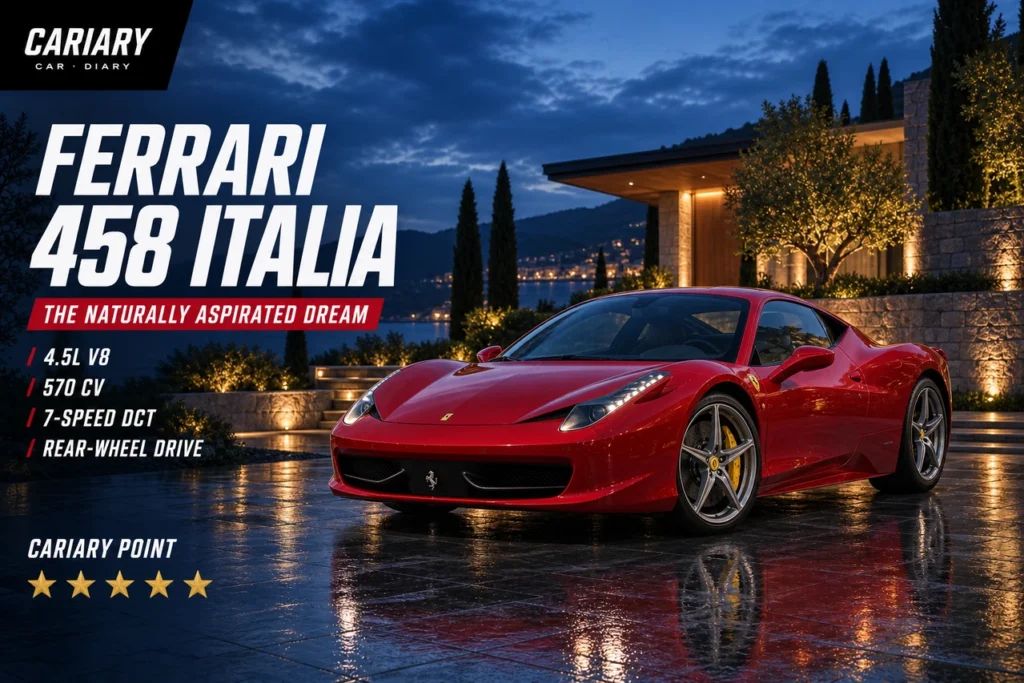
Cover: AI-generated Cariary editorial illustration, checked against the specified vehicle. It is not road-test photography.
This Ferrari 458 Italia review starts with a question that newer supercars cannot answer with horsepower alone: what would you want to experience if the drive itself were the reason to leave home?
The attraction is unusually clear. A low, beautifully resolved body surrounds an engine that asks for revs and a cockpit centered on driving. It is the sort of Ferrari that makes the purchase feel emotional before the spreadsheet opens. The spreadsheet still matters. An older exotic must be bought as a particular machine with a history, not as an internet legend.
This research-based review covers the original Ferrari 458 Italia coupe, using Ferrari’s 2009 launch brochure as its technical reference. It excludes the Spider, Speciale and competition cars. Cariary has not road-tested this vehicle. Photographs show individual cars with differing specifications.
5/5 for an enthusiast’s second car: the naturally aspirated engine, cohesive shape and focused driving purpose make a compelling whole. This is a conditional recommendation for a properly inspected example and an owner who can fund specialist care, not a claim of trouble-free ownership.
Ferrari 458 Italia: Key Specifications
| Reference | Original Italia coupe; launch specification |
|---|---|
| Engine | 4.5-liter naturally aspirated V8 |
| Output | 570 CV / 419 kW at 9,000 rpm; approximately 562 hp |
| Torque | 540 Nm / 398 lb-ft at 6,000 rpm |
| Transmission / drive | Seven-speed dual-clutch; rear-wheel drive |
| 0–100 km/h | Under 3.4 seconds; manufacturer claim |
| Seating | Two |
| Data source | Ferrari launch brochure, archived copy |
Ferrari 458 Italia Design: The Shape Is Part of the Value
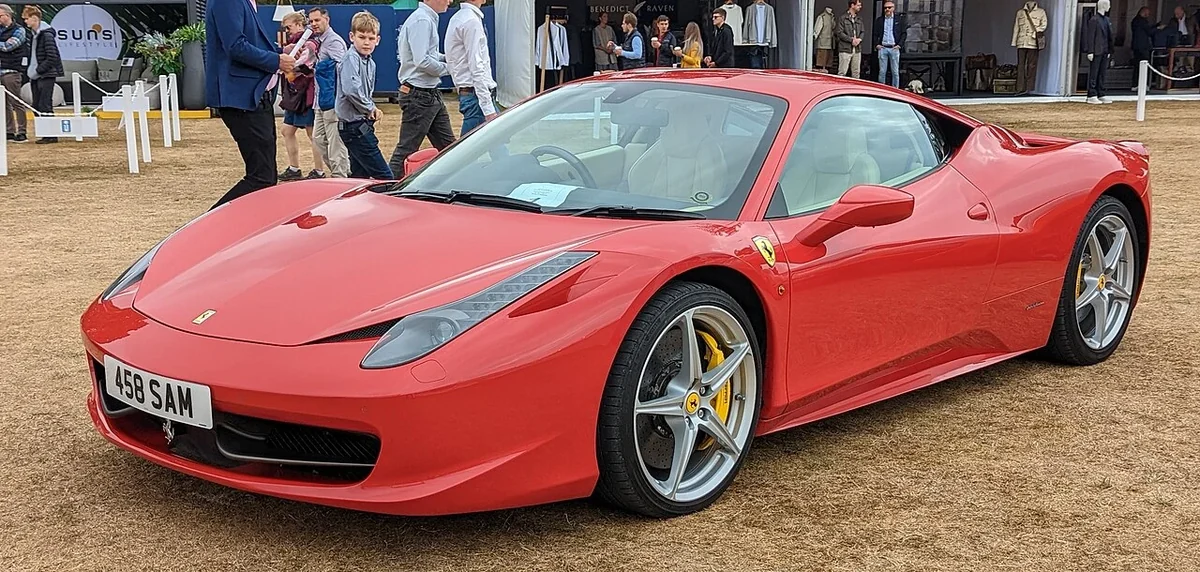
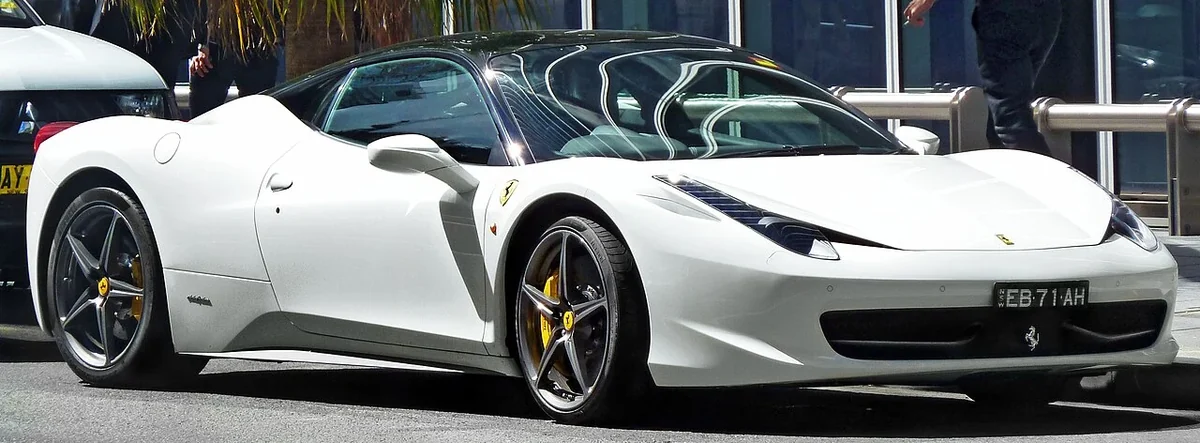
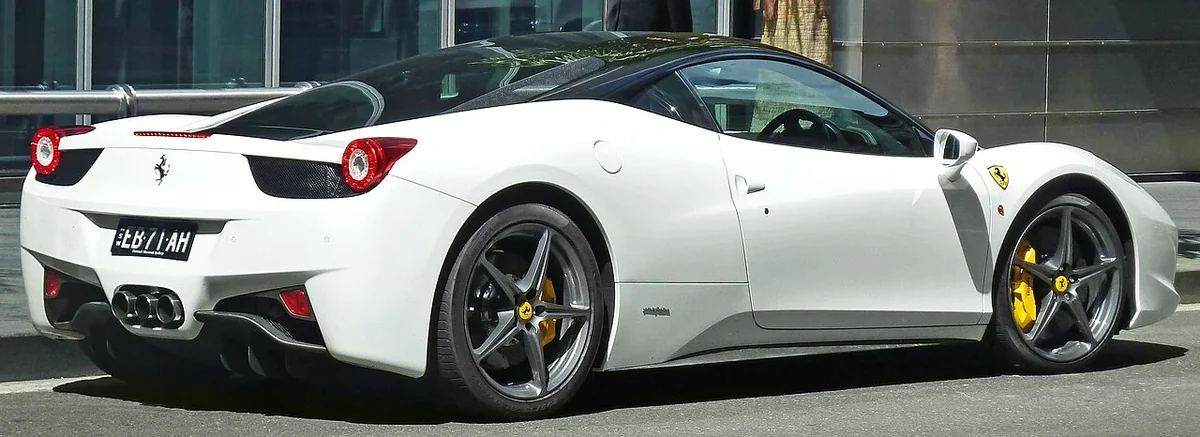
The 458’s appeal is not confined to what happens when the engine starts. Look at the low nose, compact cabin and rear shoulders: the visual mass gathers around the engine without making the car look clumsy. Cariary sees that coherence as a lasting ownership benefit. A beautiful car can remain rewarding when traffic removes any opportunity to explore performance.
Ferrari’s brochure credits Pininfarina and Ferrari Centro Stile for the design. The triple central exhaust and tall headlight arrangement give this original Italia a distinct identity. It does not need Speciale-style additions to explain itself.
For a buyer, originality deserves attention. Examine whether the wheels, bumpers and trim suit the version being advertised. An aftermarket part is not automatically defective, but its installation, documentation and effect on insurability belong in the purchase discussion. Choose the car you actually want to look at, then verify that its condition supports the asking price.
The V8 Makes the Case Without a Horsepower War
The Ferrari 458 Italia uses a naturally aspirated engine. Its peak output arrives high in the rev range, which gives the driver a reason to work through the engine’s delivery instead of treating the accelerator as a switch for instant torque. That is the emotional argument for this car, not a promise that maximum revs are appropriate on public roads.
The quoted 570 CV is metric horsepower. It is roughly 562 mechanical horsepower, so those two figures do not describe different tunes. Keeping the units straight matters when comparing a used-car listing with an American road test.
Cariary’s interpretation is that the engine’s character is worth more here than another acceleration statistic. A modern hybrid can be extraordinarily impressive, as our Ferrari 296 review discusses. The 458 offers a different reason to spend: a naturally aspirated soundtrack and a rev-led relationship with the drivetrain. Whether that difference is worth the ownership commitment is personal.

Driving Character: Excitement Still Needs Familiarity
In its original 458 Italia drive, Car and Driver highlighted exceptionally quick steering, rapid dual-clutch changes and strong braking, while noting the adjustment required by the steering-wheel controls. Those are the publication’s driving observations, not a Cariary test result.
Our buyer takeaway is to resist confusing responsiveness with instant familiarity. A steering system that reacts quickly can feel wonderful once its relationship with your hands becomes natural. On the first drive, it deserves smaller, more deliberate inputs. The same applies to understanding drive modes before experimenting with them.
The gearbox also changes the ownership proposition. Someone picturing a gated manual Ferrari needs to reset that expectation; this car’s rhythm is built around paddles. Decide whether that is the experience you want before falling in love with a particular color. The Ferrari 458 Italia is a specific interpretation of involvement, not a substitute for every older Ferrari fantasy.
The Cabin Should Fit Your Body, Not Just Your Taste
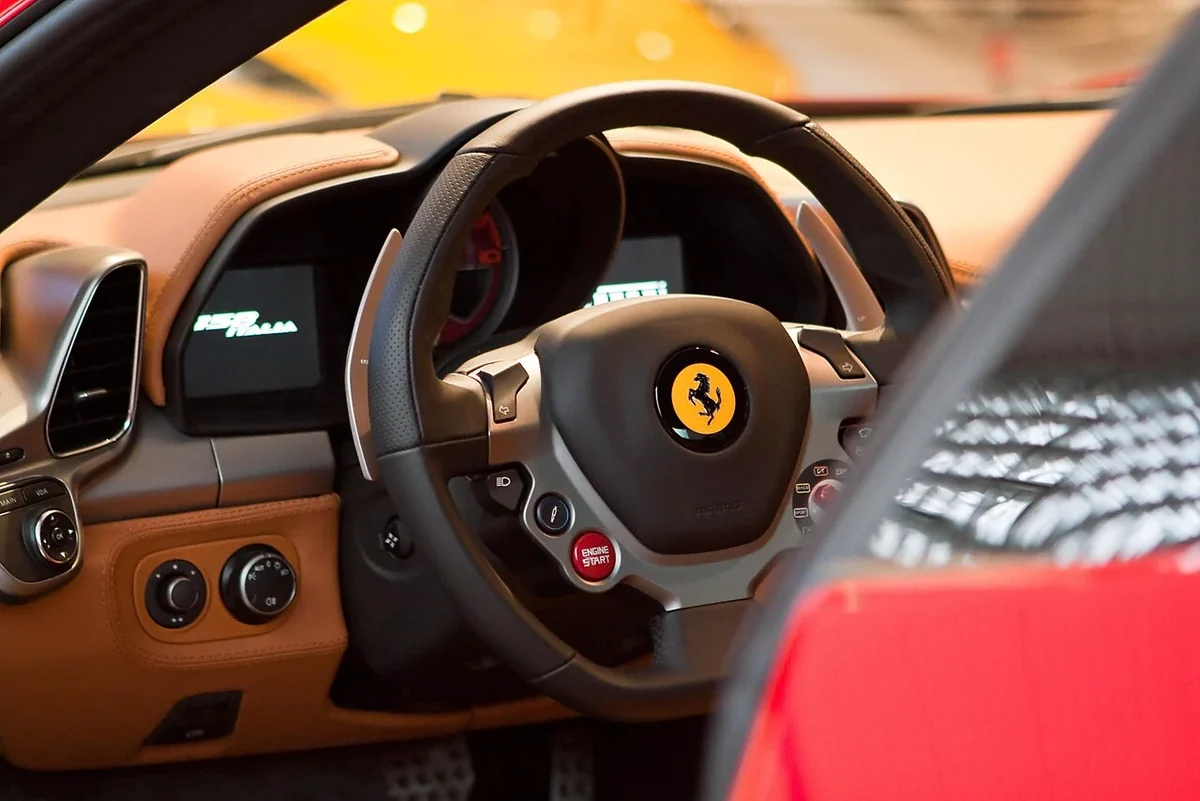
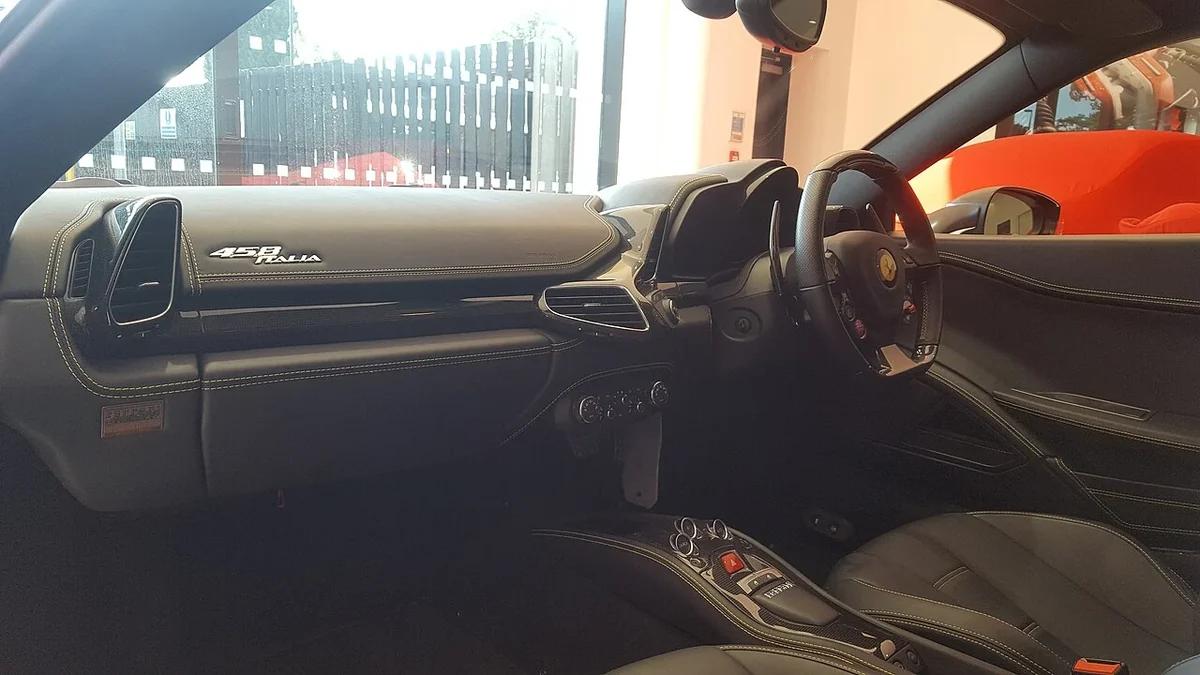
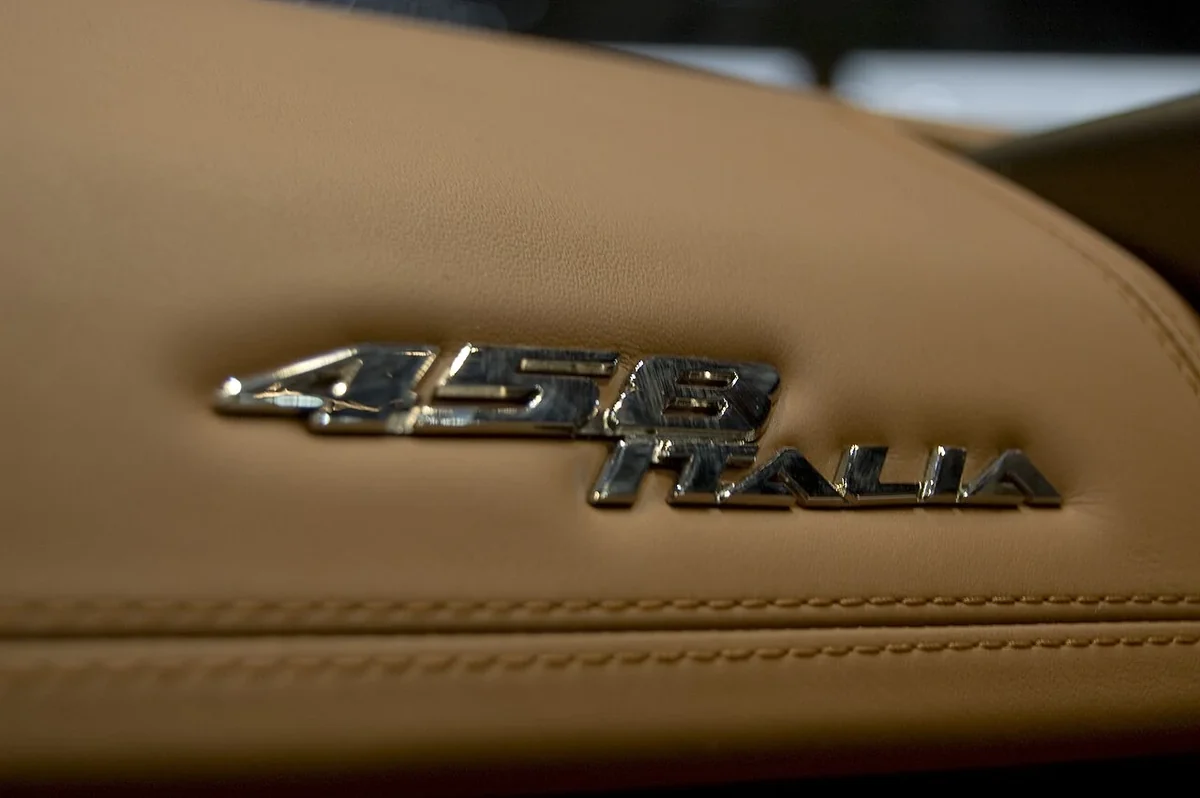
The interior photographs reveal a cockpit that puts the steering wheel and instruments ahead of a large central entertainment display. That gives the cabin a purposeful visual hierarchy, but attractive photographs cannot establish whether the driving position works for you. Seat specification and individual adjustment range matter more than a generic statement that the car is comfortable.
Spend time in the actual car with the doors closed. Check head clearance, pedal reach, steering-wheel position and visibility over each shoulder. Repeat the process with the passenger who will share the car. A seat that feels dramatic for five minutes may be a poor match for a two-hour outing.
Also operate the equipment you will use while parked: climate controls, audio, windows and seat adjustments where fitted. These are ordinary tasks in an extraordinary car. If they frustrate you at a viewing, the badge will not make the frustration disappear after purchase. Interior wear and sticky or damaged trim should be priced into the decision rather than accepted as atmosphere.
Daily Use: Plan the Small Journeys Too
A second car still has to leave its garage. Before buying, consider the exit ramp, the narrow corner near home and the parking spaces at places you actually visit. A car that makes every short trip feel like a logistics exercise may end up being admired more often than driven.
Pack the luggage you would genuinely take for a weekend, or at least measure it. Soft bags can be more useful than hard cases in a small compartment. Check any front-lift equipment on the specific example rather than assuming that an advertisement’s long options list is accurate or that every Italia has the same equipment.
Cariary does not mark a two-seat supercar down simply for lacking family-SUV utility. The question is whether its limitations are compatible with its role in your household. If another car handles passengers and routine errands, a focused Ferrari can make sense. If this must solve every journey, the ownership case becomes much narrower.
Buying Used: Condition Is the Most Important Specification
Start with a specialist inspection independent of the seller. Ask for a documented assessment of the drivetrain, suspension, underbody, cooling system, brakes, tires and diagnostic history. This is a purchasing process, not a claim that every 458 suffers from a particular fault. The objective is to understand the individual car before agreeing on its value.
Service invoices are more useful than a reassuring phrase such as “fully maintained.” Compare dates, mileage and the work performed. Have the inspector explain any gaps, evidence of body repair or changes from original specification. A low odometer reading does not tell you how the car was stored or whether age-related maintenance was completed.
Obtain written local estimates for the work that inspection identifies. Include transport, insurance and a reserve for unplanned repairs in your budget. Check outstanding campaigns by VIN with an authorized Ferrari dealer and the relevant national recall database. A clean-looking example and a completed inspection serve different purposes; you want both.
458 Italia or Another Dream Car?
The useful comparison is not “which one wins a drag race?” It is which experience you would choose repeatedly. Our Lamborghini Huracán review explores another naturally aspirated mid-engine attraction, with its own visual and mechanical identity. Neither car becomes the correct answer simply because its headline number is larger.
If your priority is a broader daily-use envelope, the Porsche 911 perspective belongs on the reading list. Evaluate real examples on the same route and with the same practical questions. Comparisons made only from photographs tend to overvalue drama and undervalue the things that determine how often you take the keys.
The Ferrari 458 Italia makes the strongest case when you specifically want its shape, engine and paddle-shift character. If you mainly want the Ferrari badge at the lowest entry price, pause. The cheapest route into the badge can be an expensive route into the ownership experience.
Cariary Point: Why This 458 Earns Five Stars
The five-star rating is an editorial judgment of the car’s fit as a special-purpose enthusiast purchase. Its visual identity and mechanical character reinforce the same reason to own it. We are not rewarding it for being the newest, the easiest to finance or the most practical vehicle available.
The conditions are significant: a sound example, a realistic maintenance reserve and another solution for journeys the Ferrari cannot handle. Those conditions do not erase the rating; they define the buyer to whom it applies. A neglected car with the same badge does not inherit five stars from the model name.
For Cariary, the decisive question is whether this is a car you would choose even after accepting the compromises. With the 458, there is a convincing answer beyond status. The engine, proportions and sense of occasion offer a coherent reason to make room for it. That is why this review rates its enthusiast appeal so highly while remaining strict about the purchase process.

Who Should Buy It?
Recommended For
A buyer seeking a distinctive naturally aspirated Ferrari for deliberate drives, who can accommodate two seats, specialist inspections and meaningful maintenance spending. The best match values the original Italia’s character without needing a limited-edition badge.
Not Recommended For
Someone needing one inexpensive, effortless car for every task; a buyer expecting a manual gearbox; or anyone whose entire budget is consumed by the purchase price. An attractive advertisement is not a substitute for condition evidence.
One-Line Verdict: A brilliant naturally aspirated Ferrari, provided the car’s history is as convincing as its shape.
Frequently Asked Questions
Is the Ferrari 458 Italia turbocharged?
No. The original Italia has a naturally aspirated 4.5-liter V8. Its appeal depends partly on how power builds with engine speed. This review does not treat the later turbocharged Ferrari models as interchangeable, and the quoted performance figures are manufacturer claims rather than Cariary measurements.
Does the 458 Italia have a manual gearbox?
The original production Italia uses a seven-speed dual-clutch transmission with paddle operation. Buy it because you enjoy that arrangement. If a gated manual is central to your dream, a different model should be on your shortlist rather than hoping this car will provide the same experience.
Why do listings show 570 CV and 562 hp?
They use different horsepower units. Ferrari’s 570 CV is approximately 562 mechanical horsepower. Check the market, unit and model version before comparing numbers; a simple unit conversion should not be described as an engine upgrade.
Can a 458 Italia be used every day?
That depends on the individual car, your route and your tolerance for its compromises. Assess garage access, seating, luggage and service arrangements in person. Our recommendation is strongest as an enthusiast’s additional car, not as a universal daily-driver solution.
Does five stars mean it is a safe investment?
No. Cariary Point assesses buyer appeal and purpose-fit, not future resale value, reliability or financial return. This review makes no appreciation forecast. Price, condition and your ability to absorb ownership costs still determine whether a particular purchase is sensible.
Further Reading and Data Reference
Data reference date: September 13, 2026. Official specifications and attributed test observations are linked where discussed. Cariary Point is an editorial buyer-fit assessment, not an owner road-test score or reliability rating.
Explore more Cariary car reviews and buyer perspectives.

