CARIARYCAR · DIARY · PERSPECTIVE
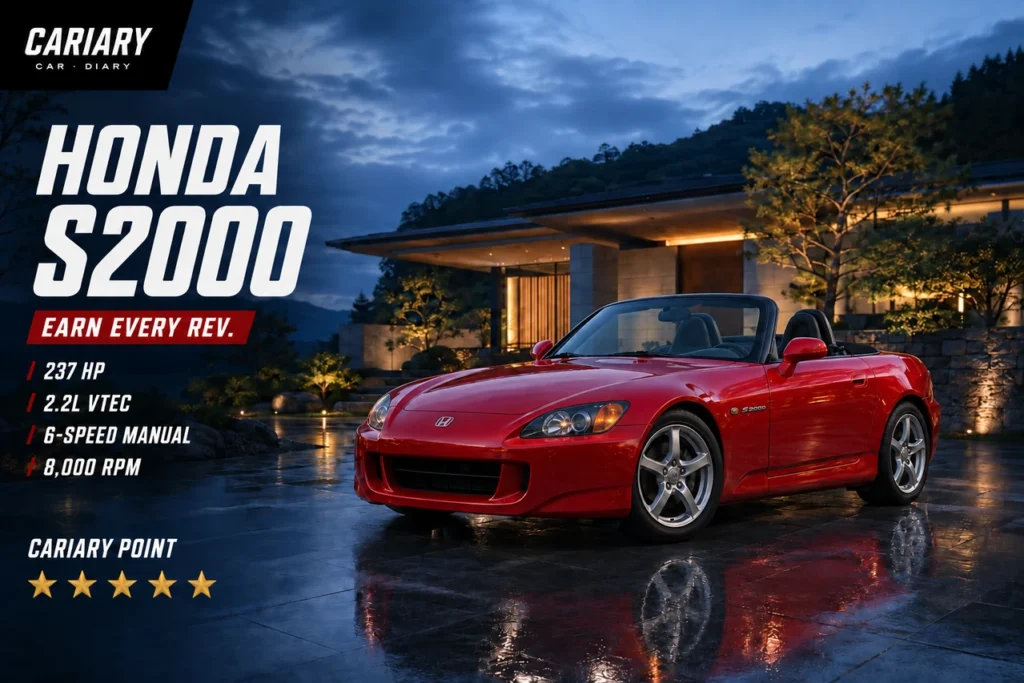
Cover: AI-generated Cariary editorial illustration, checked against the specified vehicle. It is not road-test photography.
This Honda S2000 review is about the pleasure of doing something yourself. In a market full of effortless acceleration, the Honda’s appeal is that the engine and gearbox keep asking for your attention. That can turn an ordinary stretch of road into an occasion, but it can also feel demanding to someone shopping for an easy convertible.
Cariary’s strongest reason to choose an S2000 is the clarity of its brief. It offers two seats, an open roof and a manual transmission around a naturally aspirated engine. The decision is whether that focus matches your free time and expectations. A famous reputation should start the conversation; the condition of the actual car and the way you fit inside it should finish it.
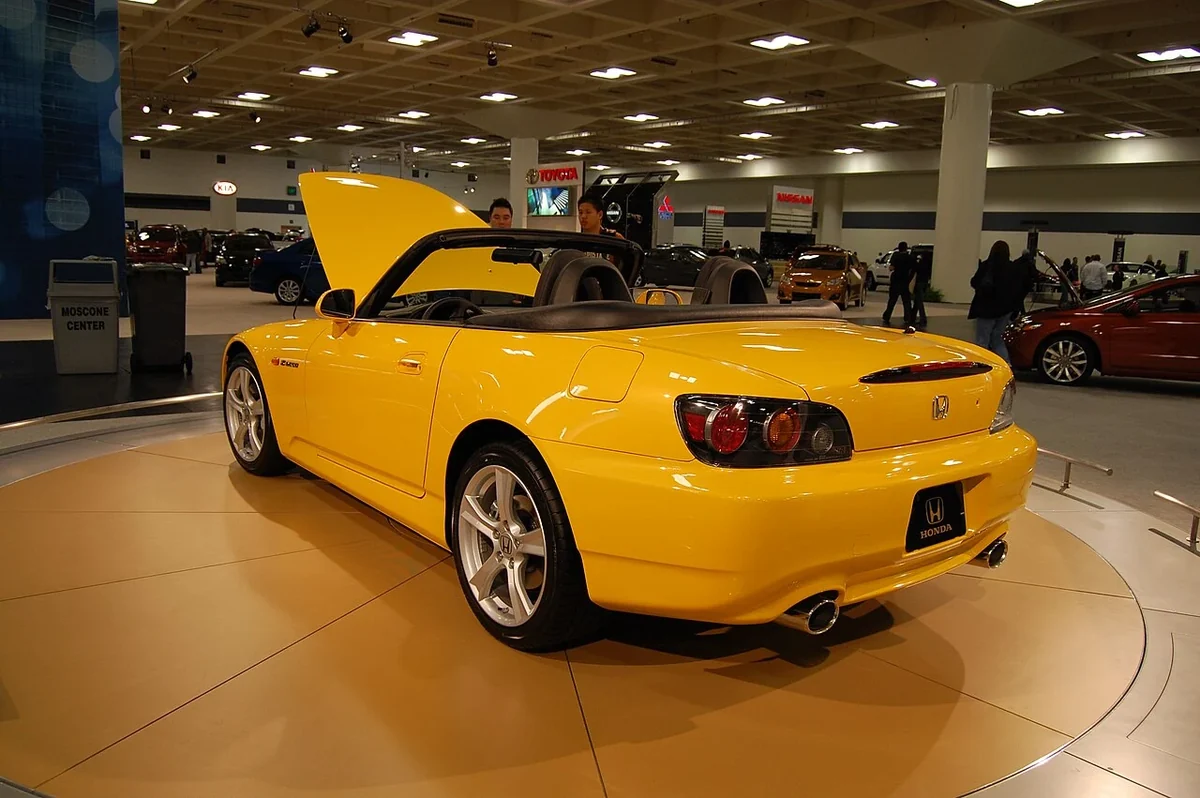
Reference: standard 2006–2009 U.S.-market AP2 roadster, with the 2006 Honda specification as baseline. This is not the CR, Japanese Type S or European 2.0-liter model. Selected 2007 right-hand-drive cabin photographs are explicitly identified as layout references. No Cariary road test is claimed.
5/5 for a dedicated recreational roadster: high-rpm response, a standard manual and a clear two-seat purpose form a distinctive package. The recommendation assumes you welcome the effort; it does not erase noise, tight accommodation or the need to inspect an aging sports car.
Honda S2000: Key Specifications
| Reference | 2006 U.S. standard AP2 |
|---|---|
| Engine | 2,157 cc naturally aspirated inline-four |
| Output | 237 hp at 7,800 rpm, revised SAE net standard |
| Torque | 162 lb-ft at 6,800 rpm |
| Redline | 8,000 rpm |
| Transmission / drive | 6-speed manual / rear-wheel drive |
| Differential | Torque-sensing limited-slip |
Honda S2000: Choose the Correct Version First
AP1 and AP2 are useful starting points, but market differences make casual internet summaries unreliable. The later U.S. car uses a 2.2-liter engine; the same calendar year does not guarantee the same engine elsewhere. This article’s numbers come from the 2006 Honda U.S. factsheet, preserved in a brochure archive. Its 237-hp figure reflects the revised SAE measurement convention, so it should not be read as a simple three-horsepower mechanical downgrade from an earlier 240-hp claim.
The practical reason to focus on 2006 onward is a clearly defined combination, including electronic throttle and stability assistance. It still remains a manual, rear-drive roadster. Check the VIN, build details and original market of an imported car before transferring these specifications to it. A seller describing every facelift S2000 as an identical AP2 is simplifying something that can affect parts, equipment and expectations.
An 8,000-RPM Engine That Rewards Participation
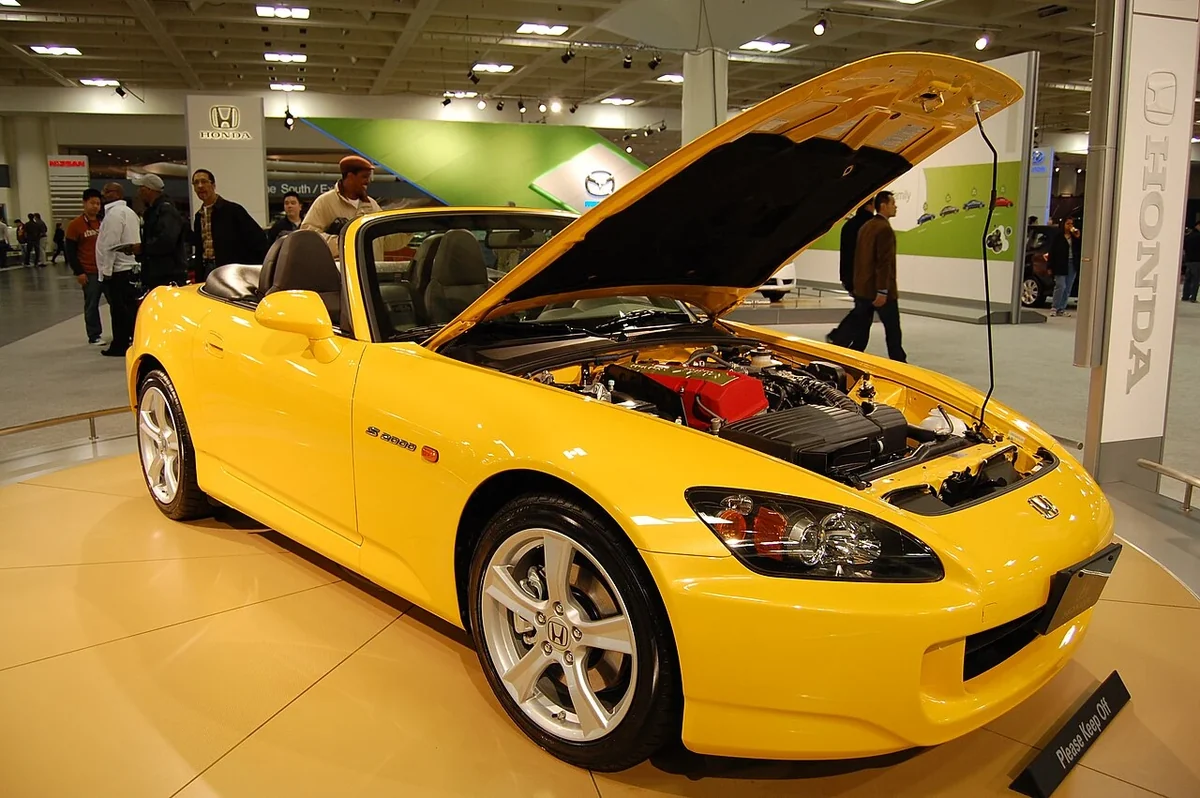
The torque peak tells you something useful about the experience: this is not an engine selected for maximum low-rpm shove. The appeal involves choosing a gear and letting the engine climb, rather than expecting a small pedal movement in any gear to produce a large turbocharged surge. That difference is central to the buyer decision, not a deficiency to explain away.
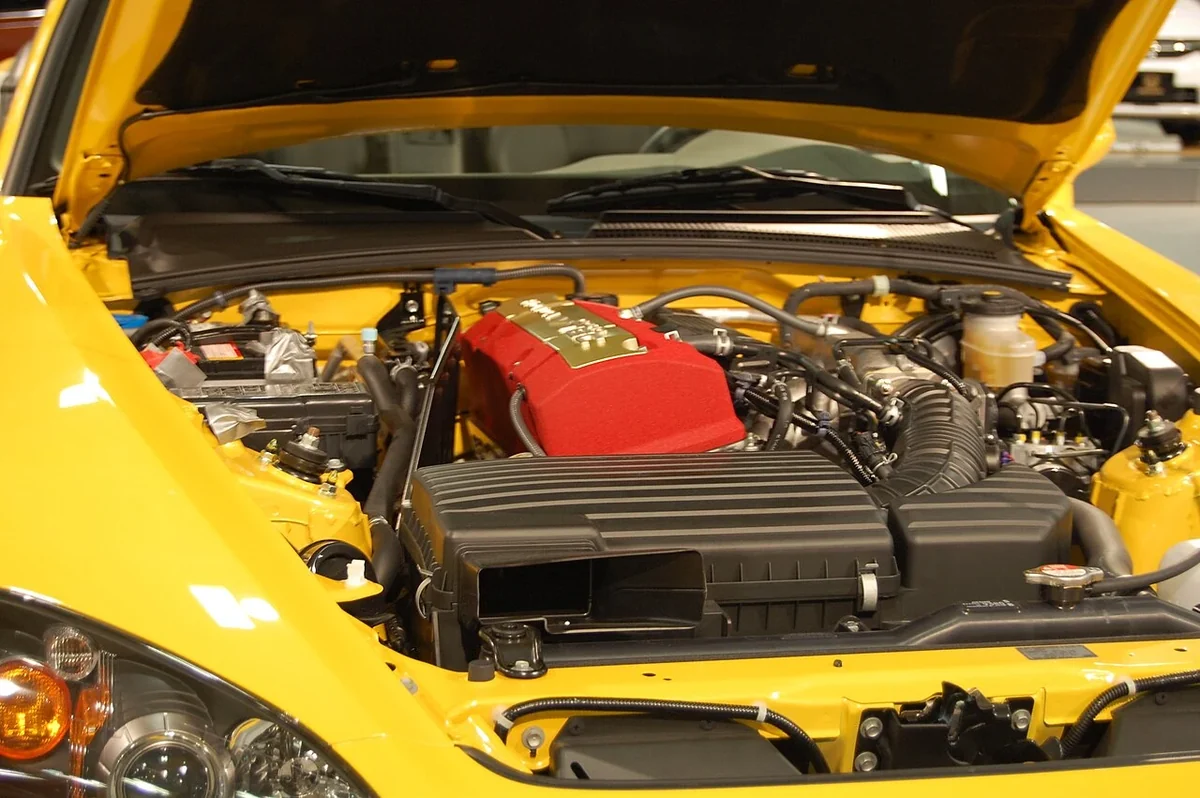
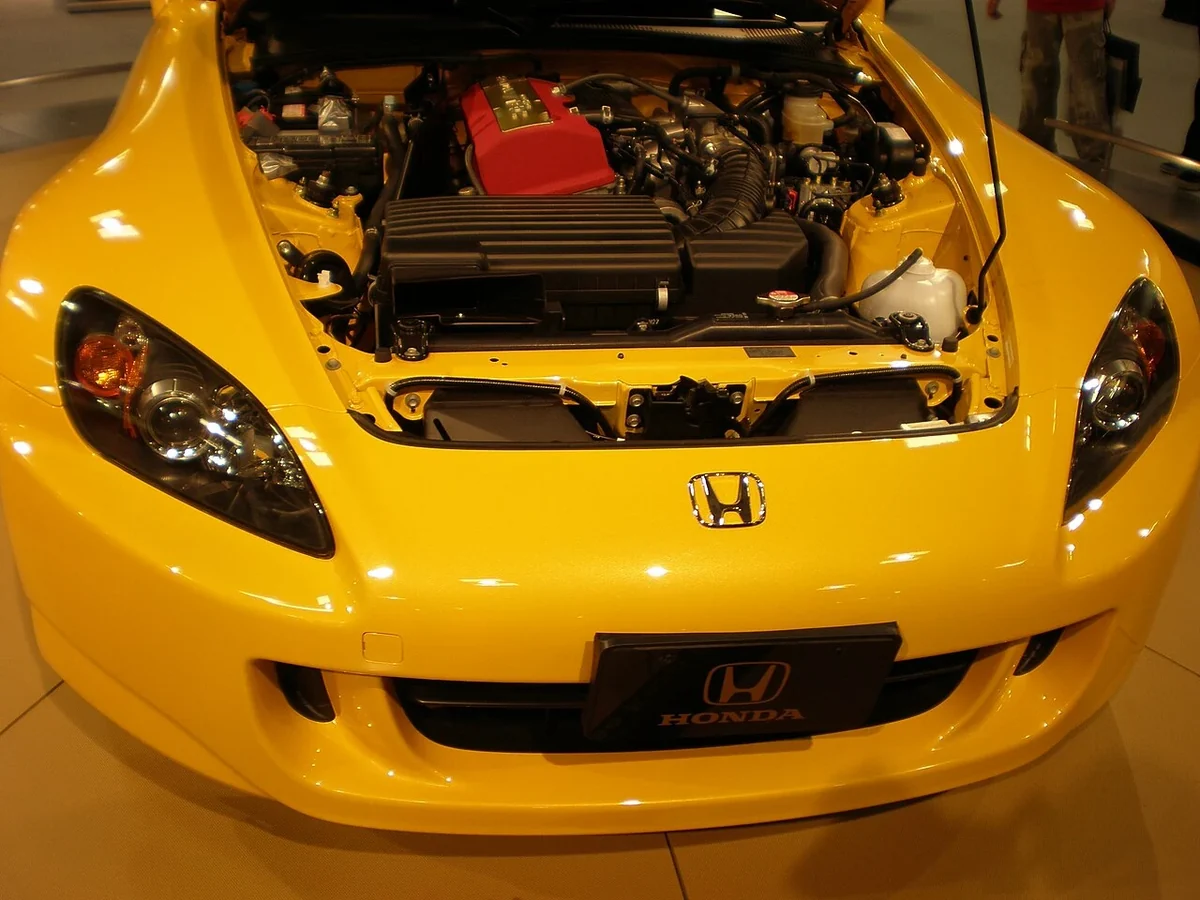
Our editorial view is that the effort creates lasting interest for the right owner. A favorite road remains engaging because you can refine timing and gear choice. Someone who mainly wants a relaxed commute may reach the opposite conclusion, quite reasonably. The real engine photographs show the longitudinal four-cylinder installation; they are more useful here than an invented racing cutaway. Warm the car and use it according to Honda’s instructions. A celebrated redline is an operating limit, not a requirement for enjoying every journey.
Honda S2000 Manual: The Gearbox Is the Point
The manual transmission is not an optional nostalgia package in this reference car. It is fundamental to how the engine is used. A driver who enjoys matching speed, gear and revs has a reason to choose the Honda even when a newer automatic is quicker. The question is participation, not whether a human can beat a modern dual-clutch gearbox in a drag race.
During inspection, feel every gear with the car fully warmed and ask a specialist to investigate any resistance, grinding or tendency to disengage. Do not accept an unfamiliar noise as normal simply because an enthusiast says these cars are raw. Equally, do not demand that a sporting manual behave like a softly isolated luxury-car selector. Good condition and deliberate character are different things. The manual Toyota GR Supra provides a useful contrast in how extra torque changes the reason to shift.
The Chassis Asks for Respect, Not Fear
Honda’s specification lists double-wishbone suspension, electric power steering and a limited-slip differential. The 2006 owner’s manual explains the car’s controls and stability assistance. These systems do not make tire choice, weather or driver inputs irrelevant. A light-feeling, responsive car still depends on grip at four small contact patches.
Cariary would judge a prospective purchase on the roads it will actually use, within ordinary legal limits. Does it track consistently? Is the steering centered? Does the suspension settle after a bump, and are left and right responses similar? Altered springs, wheels or alignment can change the car substantially. A modified example is not automatically bad, but it needs a documented reason and competent setup. Buy a well-explained car rather than a list of fashionable parts whose combined effect no one can describe.
A Small Cockpit Can Be a Deciding Factor
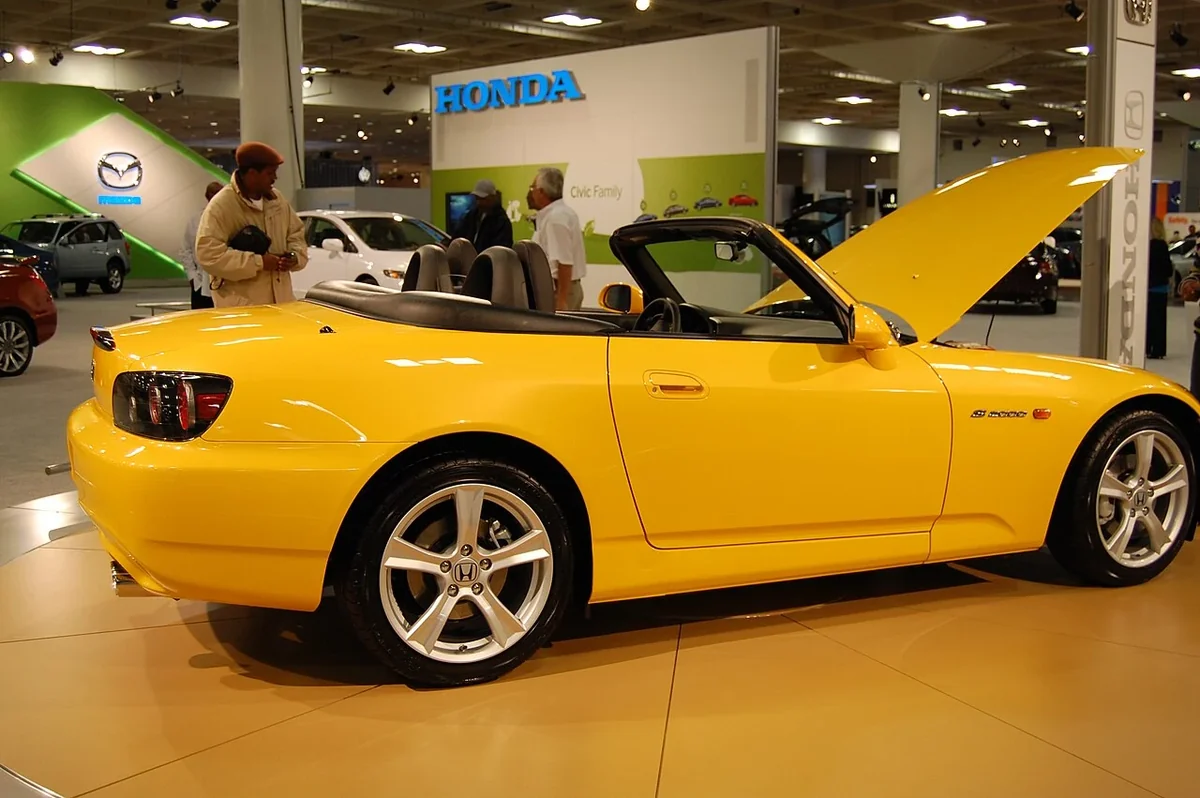
The cabin is concentrated around driving. The digital instrument cluster, prominent center tunnel and two seats create a very different environment from a current screen-heavy coupe. That simplicity can feel refreshing, but the available space is a physical fact. Taller drivers should test knee clearance, headroom with the roof closed and their ability to use the pedals comfortably.
Our right-hand-drive 2007 cabin reference photographs illustrate the seating and console arrangement, not the U.S. engine specification or a promise of identical equipment. Sit in the actual car you intend to buy. Include the passenger who is most likely to join you. A roadster that fits only one person well may still suit solo weekend driving, but it changes the imagined shared experience. No review score can compensate for a seat or wheel position that makes you uncomfortable.
Roof Down Is a Use Case, Not a Whole Life
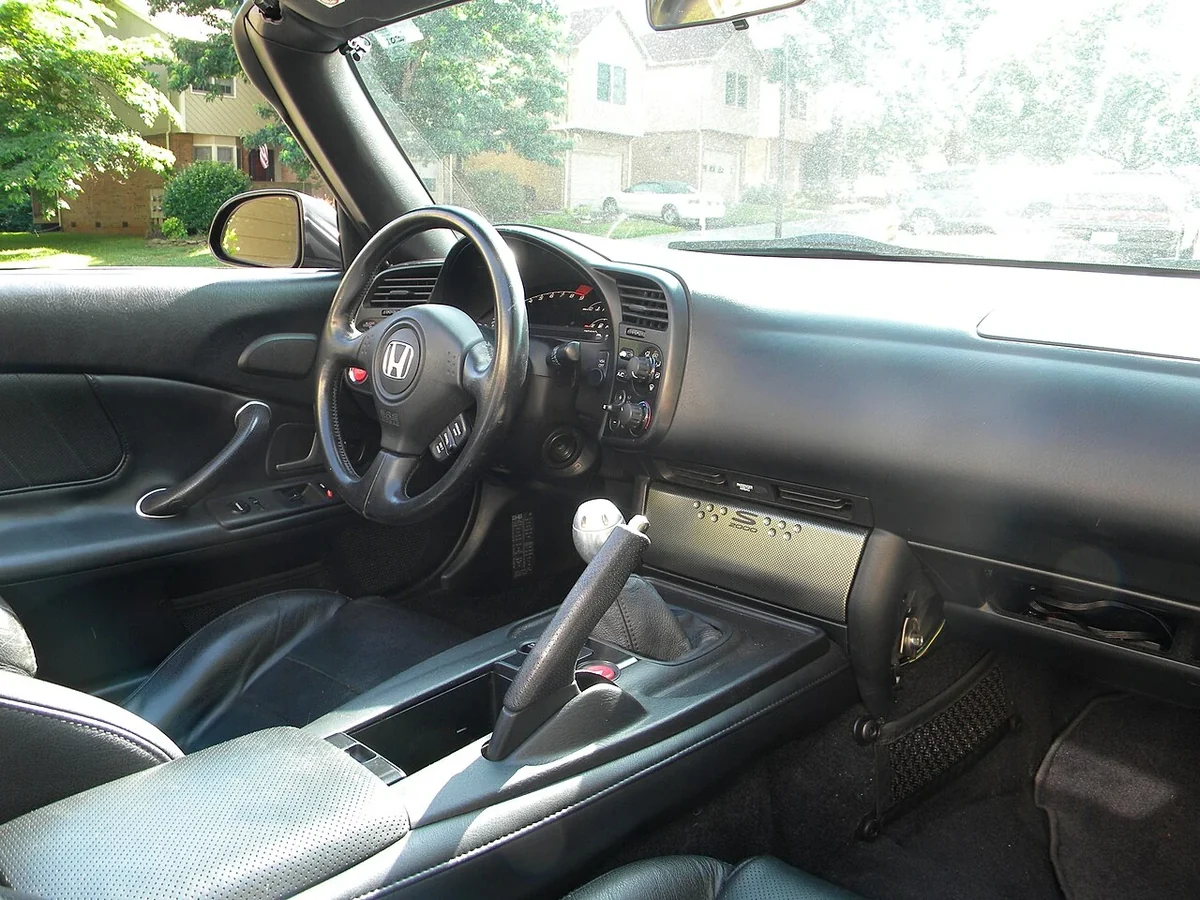
An open roof changes the trip: weather, route and luggage become part of the planning. The S2000 is most persuasive when that planning sounds enjoyable. It is less persuasive when you need the roof to disappear at every opportunity simply to justify a difficult daily routine. Try the car roof up as well as down; noise, visibility and seal condition deserve attention.
Inspect the fabric, rear window, drains and the area around the roof mechanism. Check operation without forcing anything and look for water evidence after a proper inspection. Bring your normal weekend bags, rather than inferring usefulness from a storage photograph. The Mazda MX-5 is an obvious comparison for open-air enjoyment. The choice should be made through fit, controls and ownership plans, not through an assumption that more peak horsepower always buys more fun.
Used Honda S2000 Checks That Deserve Money
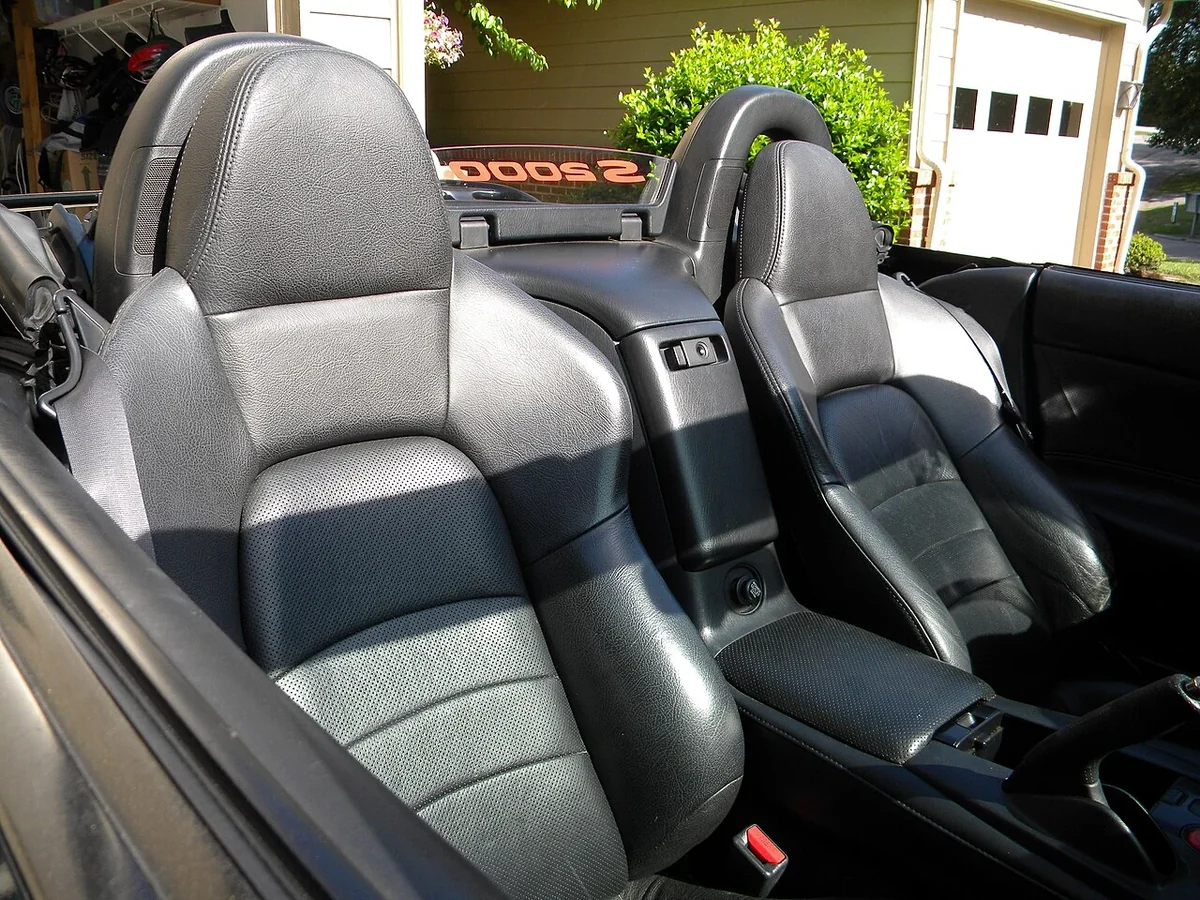
A pre-purchase inspection is especially valuable on a car that may have passed through several enthusiastic owners. Ask for a condition report that distinguishes normal aging, modifications and evidence of hard use. Service history should explain what was done, not merely contain a collection of stamps. Check that the tires match the car’s requirements and that replacement suspension parts form a coherent package.
Car and Driver’s S2000 buying guide highlights transmission synchros, wheel bearings and soft-top condition, and recommends a specialist assessment. Treat those as inspection prompts, not predictions that your car must fail. Cariary would also ask the inspector to assess any claimed engine work and the evidence supporting it. A shiny engine bay or loud exhaust cannot establish mechanical health. Keep money available after purchase for the work the inspection actually identifies.
Why This Roadster Earns Five Stars
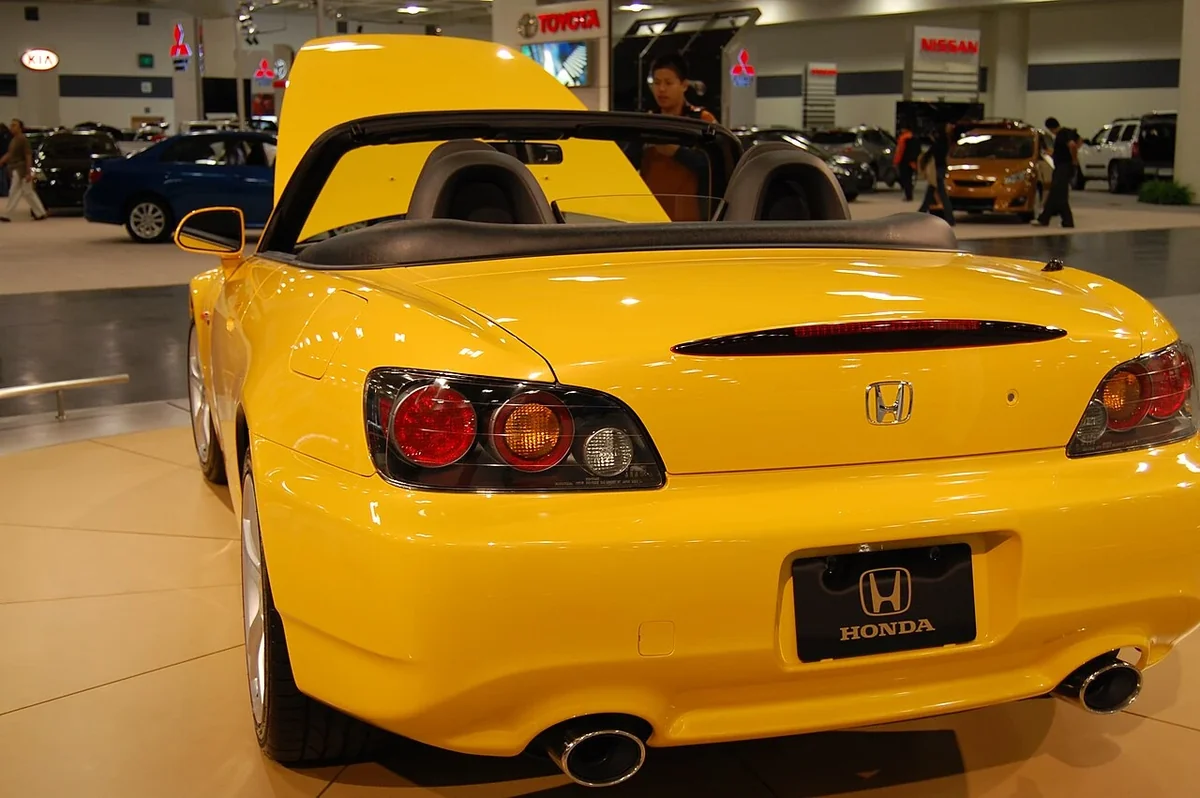
The S2000 earns five stars as a focused leisure car because the main ingredients reinforce one another. The manual keeps the high-revving engine relevant, the two-seat body makes the brief clear and the absence of excessive luxury expectations leaves room for direct enjoyment. The score is not a statement that a twenty-year-old Honda is automatically cheap or reliable.
The most important comparison may be with your own schedule. If you have regular opportunities to enjoy a small manual roadster, its deliberate character can remain interesting long after the novelty wears off. If nearly all driving is congested, tiring or loaded with people and luggage, another format may be kinder. The Civic Type R takes Honda enthusiasm into a more practical shape. Choose the S2000 when the specialized role is real, rather than hoping the badge will create time to use it.
Who Should Buy It?
Recommended For
An involved driver seeking a dedicated manual roadster, who fits the cabin and will maintain a carefully inspected example.
Not Recommended For
A buyer seeking effortless low-rpm pace, roomy touring accommodation or modern-car convenience from an aging convertible.
One-Line Verdict: The S2000 is special because it asks you to drive; buy it only if that invitation sounds like a reward.
Frequently Asked Questions
Does every AP2 have a 2.2-liter engine?
Do not rely on that shortcut internationally. This review uses the later U.S. specification; verify the original market and exact car.
Is the 237-hp rating evidence of a detune?
The 2006 U.S. factsheet uses revised SAE net measurement rules. Comparing it directly with an earlier nominal 240 hp can mislead.
Can I buy an automatic S2000?
The standard car discussed here was manual only. If you need an automatic, choose a different model rather than expecting a factory alternative.
Is a modified car always a poor purchase?
No, but its parts, setup and workmanship require evidence. An inspection should assess the whole car rather than the price of its accessories.
Does the five-star score assume daily use?
No. It evaluates the S2000 as a focused recreational roadster, with its space, age and comfort limitations explicitly accepted.
Further Reading and Data Reference
Data reference date: September 13, 2026. Official specifications and attributed test observations are linked where discussed. Cariary Point is an editorial buyer-fit assessment, not an owner road-test score or reliability rating.
Explore more Cariary car reviews and buyer perspectives.

