CARIARYCAR · DIARY · PERSPECTIVE
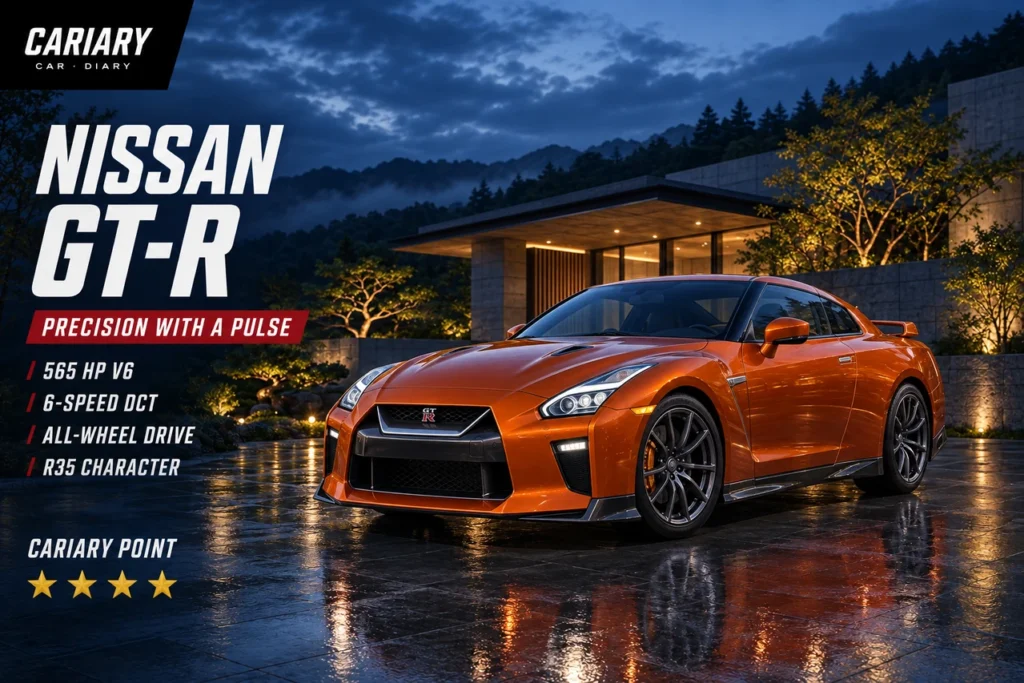
Cover: AI-generated Cariary editorial illustration, checked against the specified vehicle. It is not road-test photography.
This Nissan GT-R review starts with a question that acceleration figures cannot answer: would the R35 still feel special on a journey where you never use full throttle? That is the test a memorable performance car must pass. A launch-control demonstration lasts seconds; the relationship with the car lasts years.
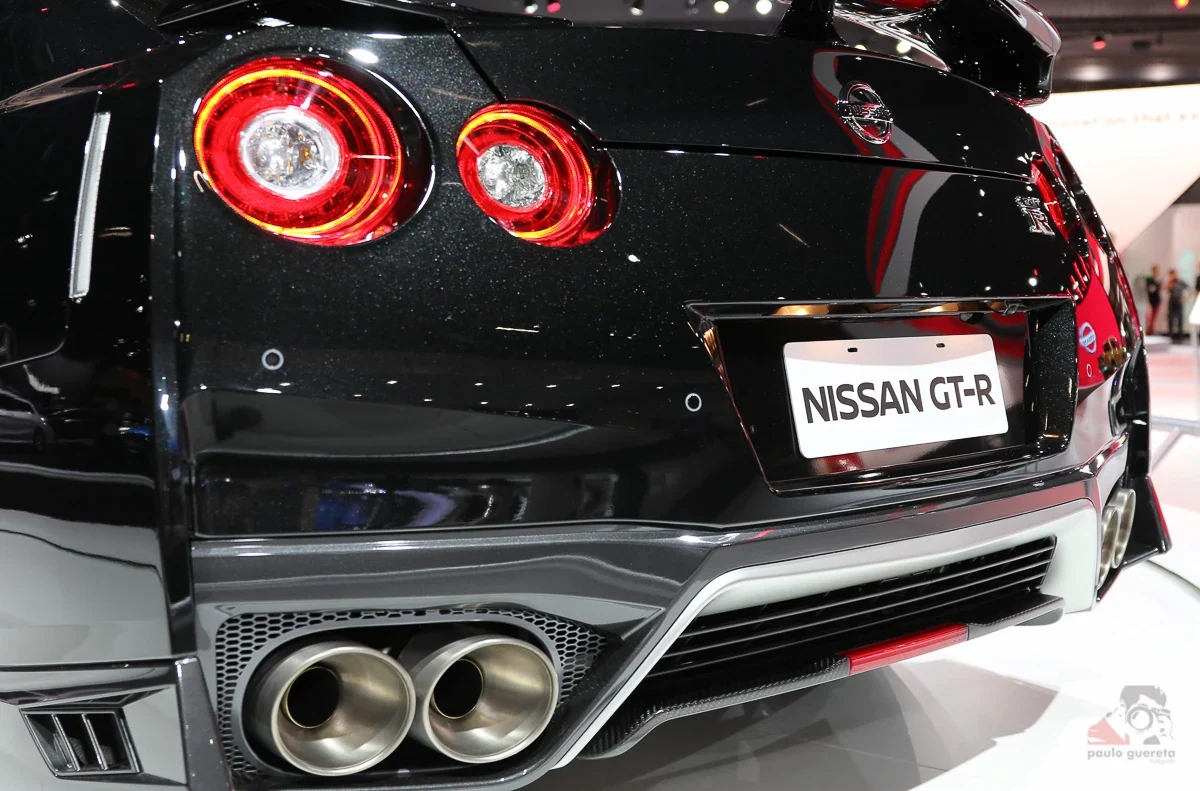
Cariary is drawn to the GT-R because its identity is so complete. The upright cabin, substantial body and four round rear lamps suggest something engineered around a stubborn idea. For a buyer, the interesting part is whether that idea fits life outside the highlight reel.
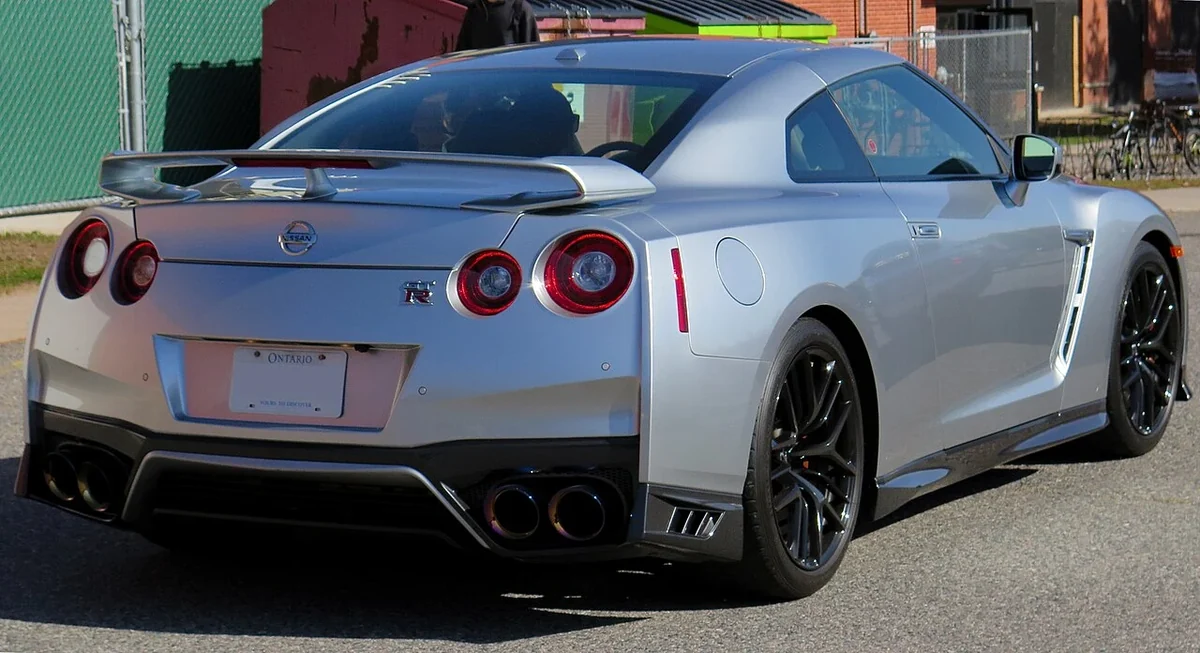
This research-based review uses the 2017 U.S. Nissan GT-R Premium as its reference. It excludes NISMO, Track Edition and modified cars. International photographs of the same facelift are identified in captions. Cariary has not road-tested these examples.
4/5 for an enthusiast who wants the R35 experience and can support its maintenance. Its focused drivetrain and recognisable character earn a strong recommendation; size, limited rear-seat usefulness and specialist ownership needs prevent an unconditional fifth star.
Nissan GT-R: Key Specifications
| Reference | 2017 U.S. GT-R Premium, R35 facelift |
|---|---|
| Engine | 3.8-litre twin-turbocharged V6 |
| Output / torque | 565 hp / 467 lb-ft |
| Transmission | 6-speed dual-clutch transaxle |
| Drive / seating | ATTESA E-TS all-wheel drive / 2+2 |
| Specification source | Nissan 2017 U.S. brochure |
Nissan GT-R: A Shape That Explains the Mission
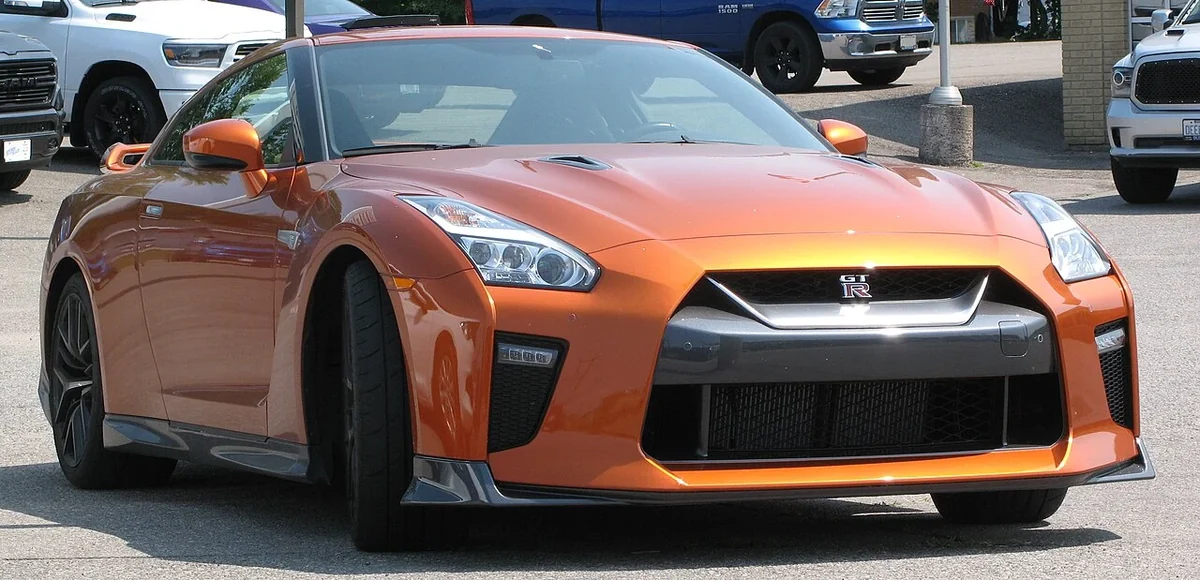
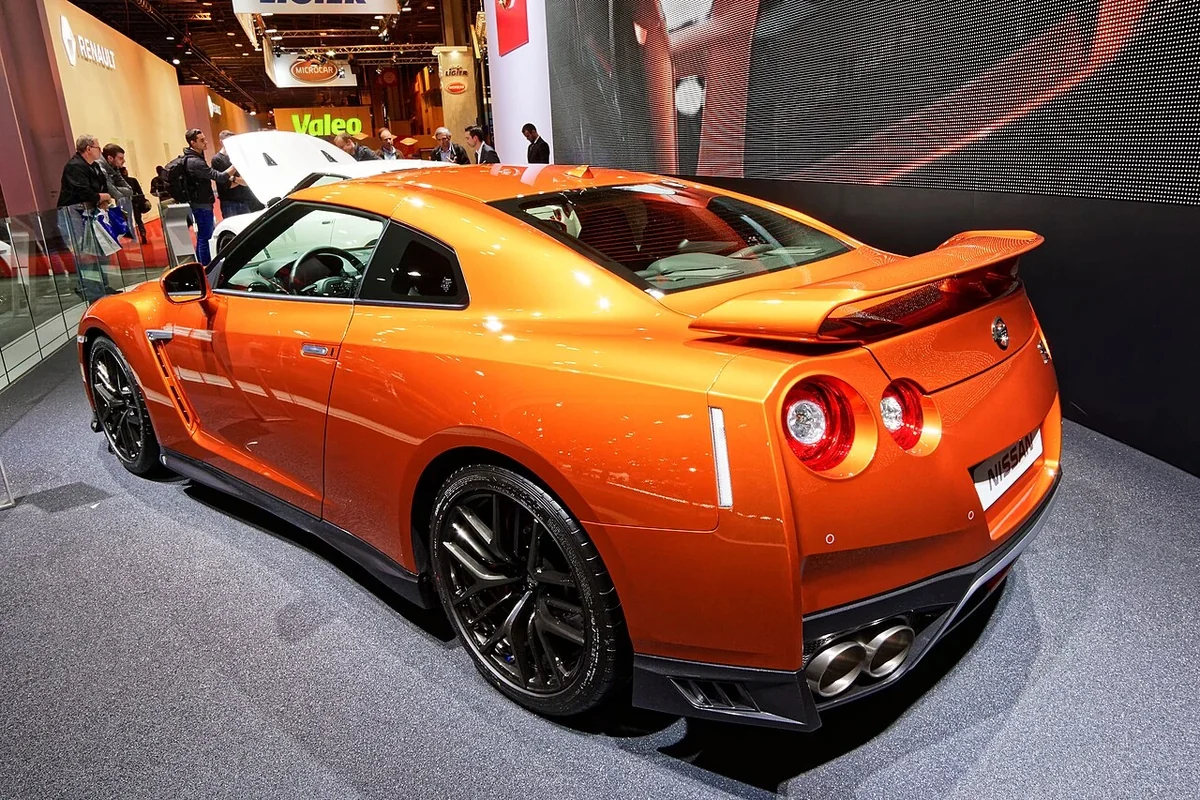
The R35 does not need the silhouette of a delicate mid-engined exotic to announce itself. Its broad shoulders and relatively upright passenger compartment create a different kind of presence. It looks substantial because visual lightness is not the central promise. That gives it a lasting appeal to someone who prefers engineering attitude over theatrical entrances.
Look at a standard example before deciding that it needs wider wheels or a more aggressive body kit. The original proportions already tell a coherent story. For a used buyer, restrained appearance also makes inspection easier: panel alignment, paint differences and damage around the lower body deserve more attention than an aftermarket wing.
565 HP Is Only the Beginning of the Decision
The U.S. brochure specifies the 565-hp twin-turbo V6, six-speed dual-clutch transmission and AWD system. Those figures belong to the Premium used here, not the more powerful NISMO. The essential attraction is the complete package rather than the possibility of adding another headline power number.
A standard car gives a buyer a clearer starting point. Ask what has been changed, who performed the work, and whether invoices match the seller’s explanation. More boost may be exciting in an advertisement, but it adds questions about calibration, heat management and driveline history. A convincing answer includes documents, not simply a claim that the car has always been treated gently.
Why the Transaxle Matters to the Experience
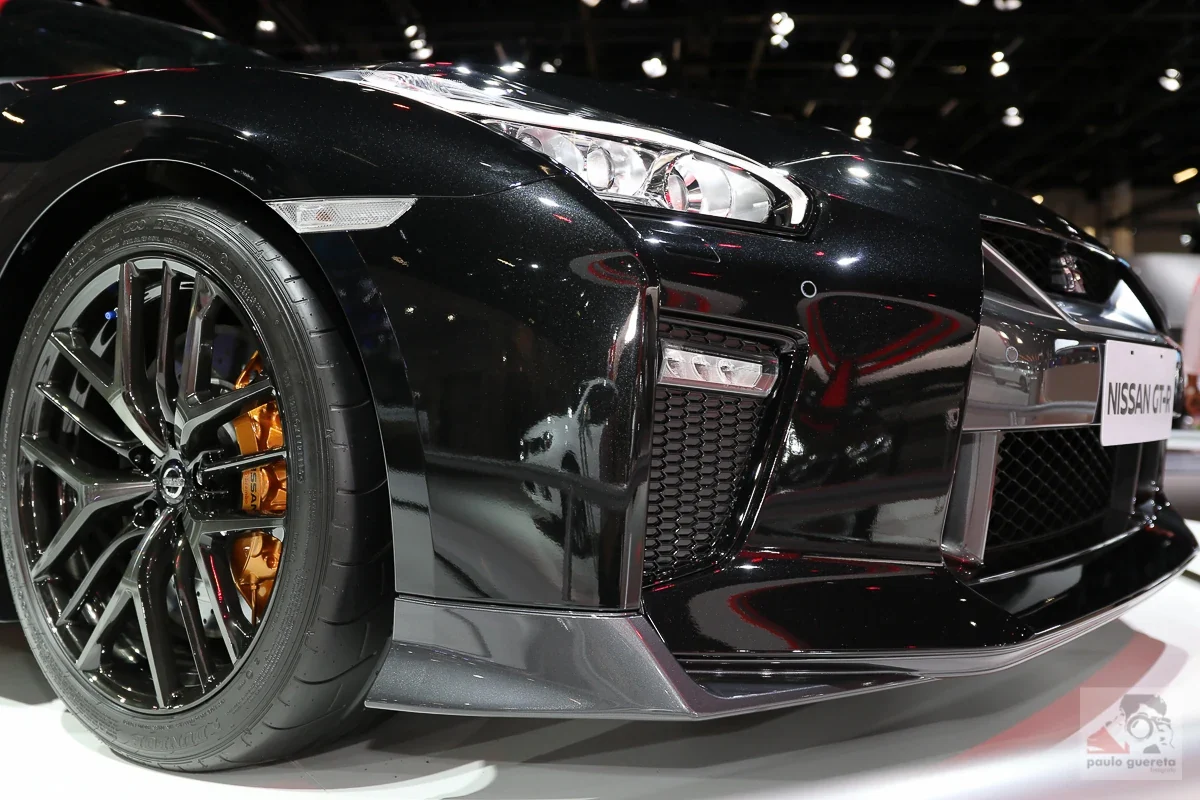
Nissan’s 2017 owner’s manual describes the rear-mounted transmission and the GT-R’s particular operating and servicing requirements. This is a useful reminder that its mechanical layout deserves model-specific attention. Familiarity with an ordinary Nissan does not automatically translate into familiarity with this one.
On an inspection drive, spend time in the situations an enthusiastic seller may rush past: a cold departure, gentle manoeuvring, low-speed changes of pace and parking after the car is warm. Ask a qualified GT-R specialist to distinguish expected characteristics from faults. A dramatic full-throttle run is a poor substitute for understanding how the car behaves during the other ninety-nine per cent of a journey.
The 2017 Cabin Makes a More Persuasive Road Car
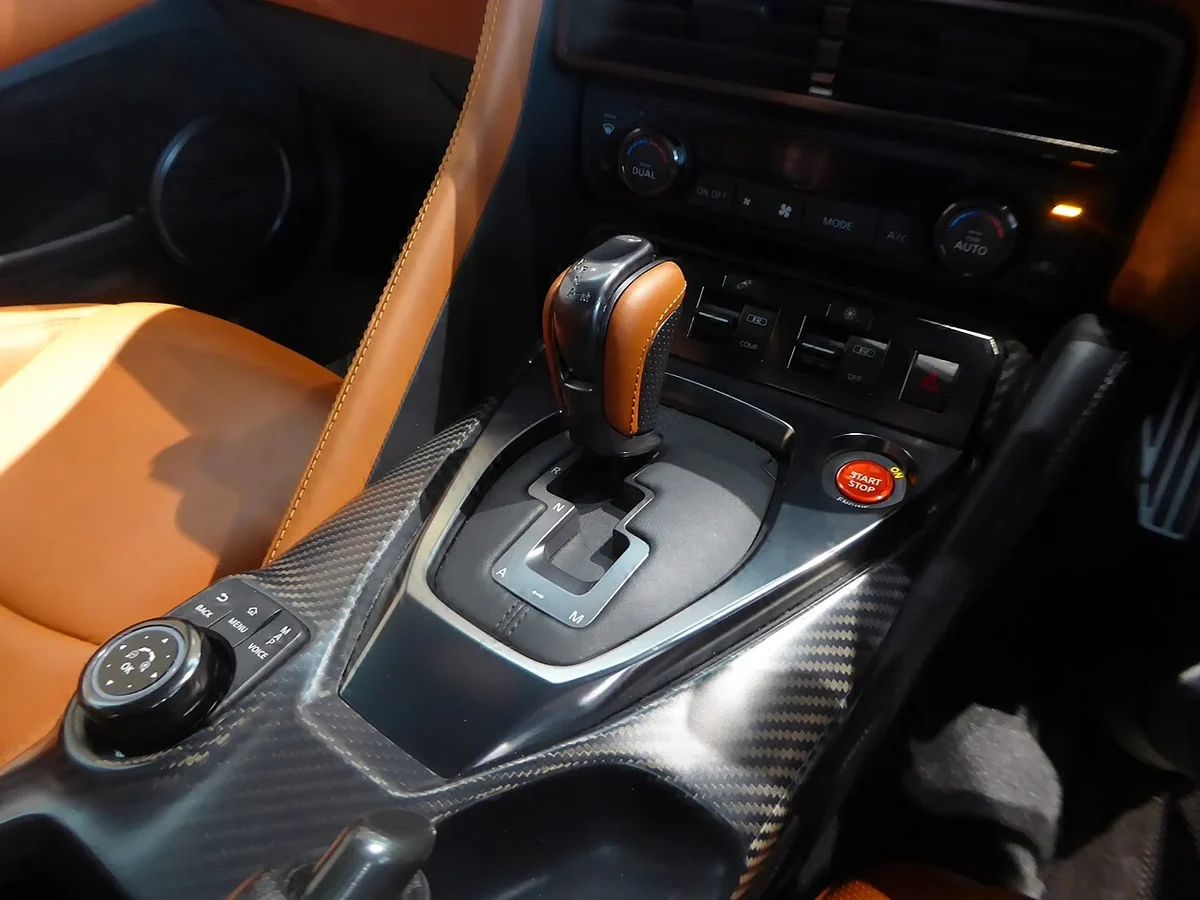
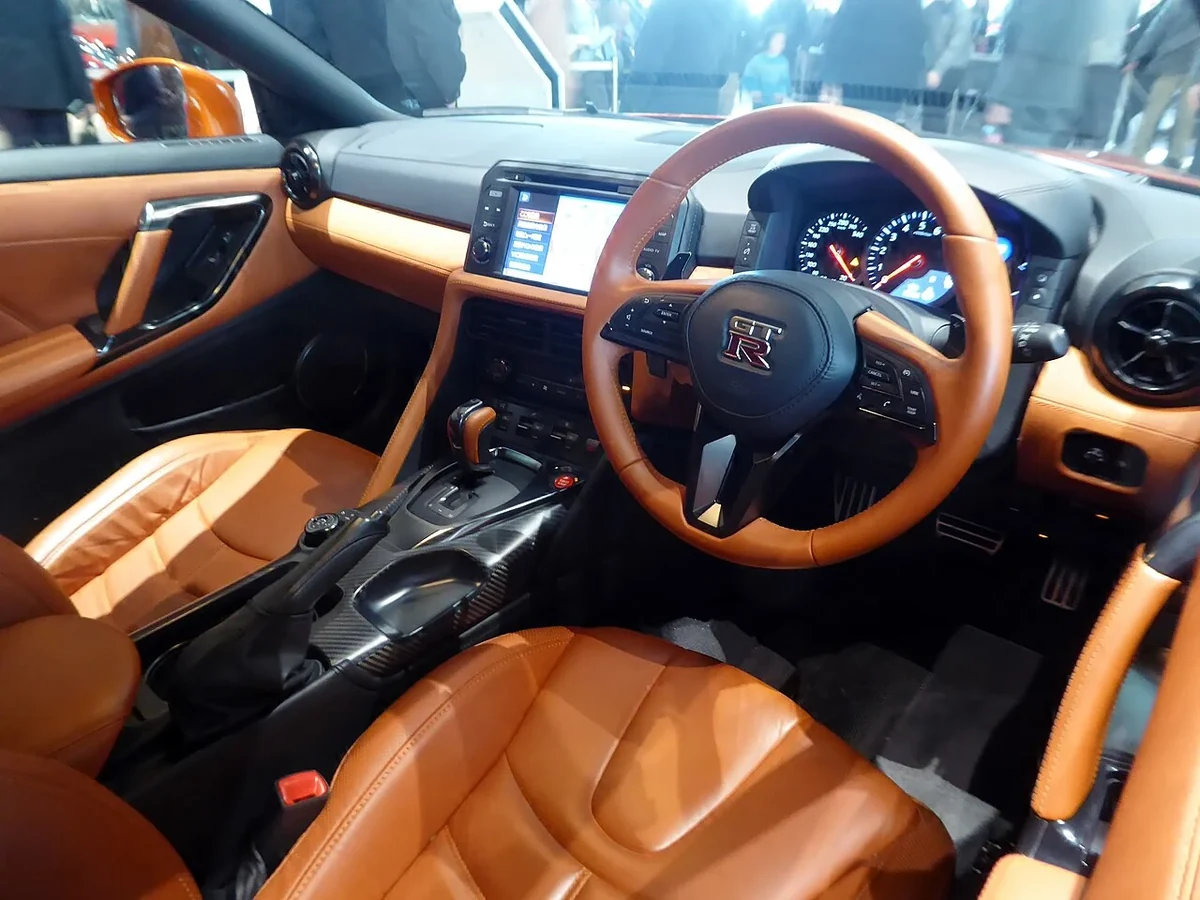
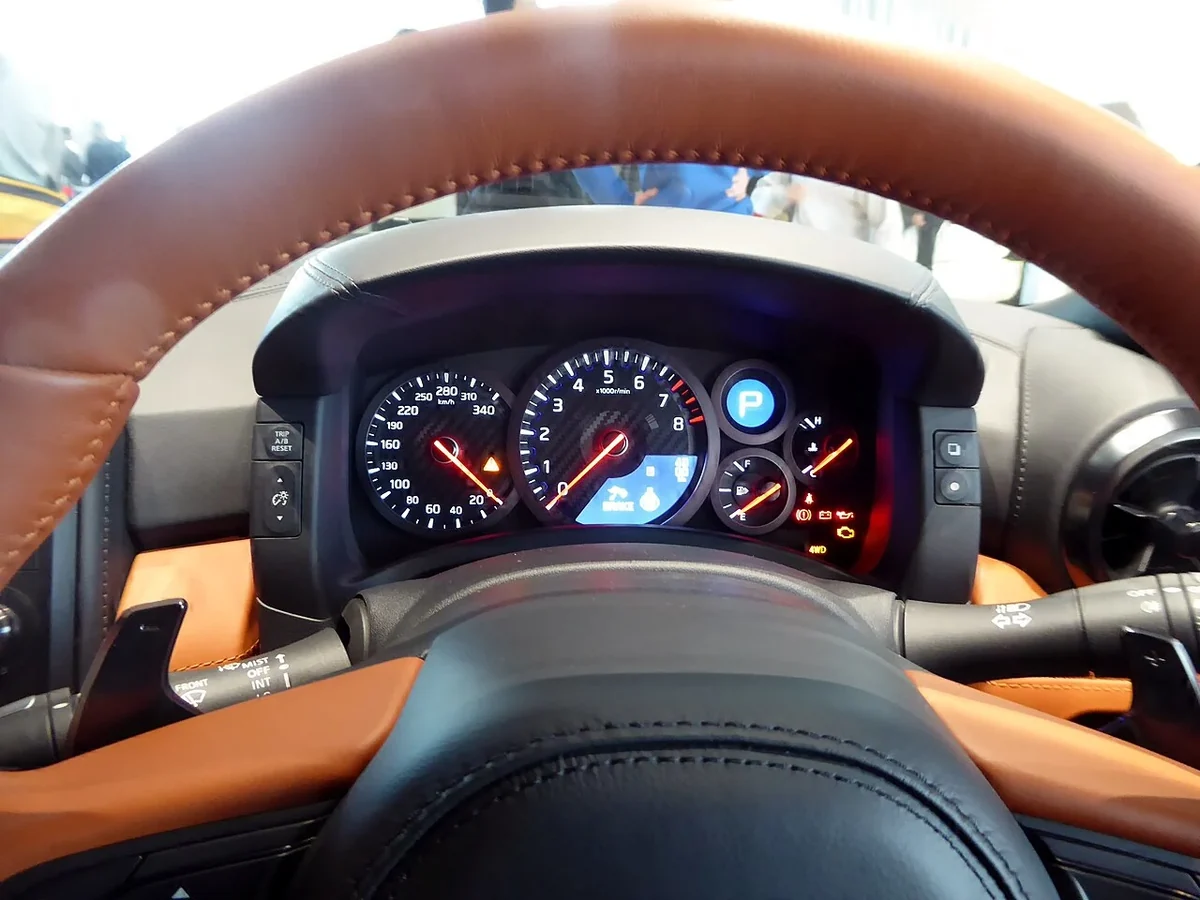
For this facelift, Nissan describes a simplified centre dashboard, wheel-mounted paddles and an eight-inch touchscreen. The redesign is relevant because controls are things an owner touches repeatedly. It is easier to appreciate serious machinery when ordinary tasks do not keep interrupting the drive.
Still, a brochure photograph cannot establish whether the seat suits your back or whether the interface suits your habits. Pair your own phone and try the functions you actually use. Do this while parked, without a salesperson demonstrating shortcuts. An older navigation system can be tolerable; a daily connection routine that irritates you may become much harder to forgive.
Refinement Helps, but Does Not Erase the Brief
Car and Driver’s European first drive reported improved long-distance civility and found Comfort damping useful on rough village streets. It also described limited steering feedback. Those are attributed observations from that drive, not measurements made by Cariary.
Our buying interpretation is that the 2017 update deserves attention from someone who wants to travel in the car, not merely demonstrate it. Test the route you would actually use: broken urban pavement, a familiar motorway section and your own parking entrance. A car can be composed at speed yet still demand compromises that matter much more during a daily commute.
Treat the Rear Seats as a Bonus
The GT-R is a 2+2, but a seat count is not a family-use verdict. Put the front seat where the driver needs it, then check the remaining space with the intended passenger. The answer should come from a real seating trial, especially if regular rear-seat travel is part of the purchase justification.
Apply the same honesty to luggage and parking. Bring your usual travel bags, measure the garage opening and consider how far the doors can swing beside another car. These checks do not reduce the romance. They identify whether the car will be used freely or saved for days when every practical detail happens to align.
Buy the Service History Before the Reputation
The owner’s manual calls for GT-R-specific attention and distinguishes additional maintenance associated with high-performance use. Ask a specialist to review the actual service record against how the car was used. Do not turn an old warranty description into an assumption that coverage still exists.
Budget for the car in front of you: tyre condition, brakes, fluids, leaks, underbody damage and any unresolved diagnostic findings. A written inspection and current local estimates are more useful than a universal annual-cost number. For a car bought to create memorable drives, the financial goal is simple: leave enough reserve that the next service does not make you afraid to use it.
Nissan GT-R Review: Character Worth Supporting
The GT-R makes the strongest case when its particular way of doing things is the attraction. If you only want the quickest possible straight-line time, the shopping list can become endless. If you want an R35, its appearance, history and unusual mechanical brief can remain rewarding even when another car wins the numbers contest.
For a different interpretation of an enduring performance-car identity, read our Porsche 911 perspective. This is not a claim that one is universally better. Cariary’s four-star verdict recognises how compelling the Nissan is while keeping the ownership commitment visible. Buy an excellent example for the experience, rather than a questionable one for the badge.
Who Should Buy It?
Recommended For
An enthusiast who specifically wants an R35, values its focused engineering and has access to competent specialist support. Occasional rear-seat use is a bonus rather than the main reason to buy.
Not Recommended For
A buyer needing generous family space, minimal running-cost uncertainty or the easiest possible urban car. A neglected bargain is also a poor route into the GT-R experience.
One-Line Verdict: The R35 is a convincing emotional purchase when the condition and ownership budget are as serious as the performance.
Frequently Asked Questions
Is this Nissan GT-R review about NISMO?
No. The reference is the 2017 U.S. Premium. NISMO hardware and output are not silently applied to it.
Does the R35 have a manual gearbox?
This reference model has a six-speed dual-clutch transmission, not a three-pedal manual.
Why does it receive four stars?
Its distinctive performance brief is excellent, but practical compromises and specialist ownership requirements narrow the recommendation. The score is an editorial assessment, not a reliability statistic.
Further Reading and Data Reference
Data reference date: September 13, 2026. Official specifications and attributed test observations are linked where discussed. Cariary Point is an editorial buyer-fit assessment, not an owner road-test score or reliability rating.
Explore more Cariary car reviews and buyer perspectives.

