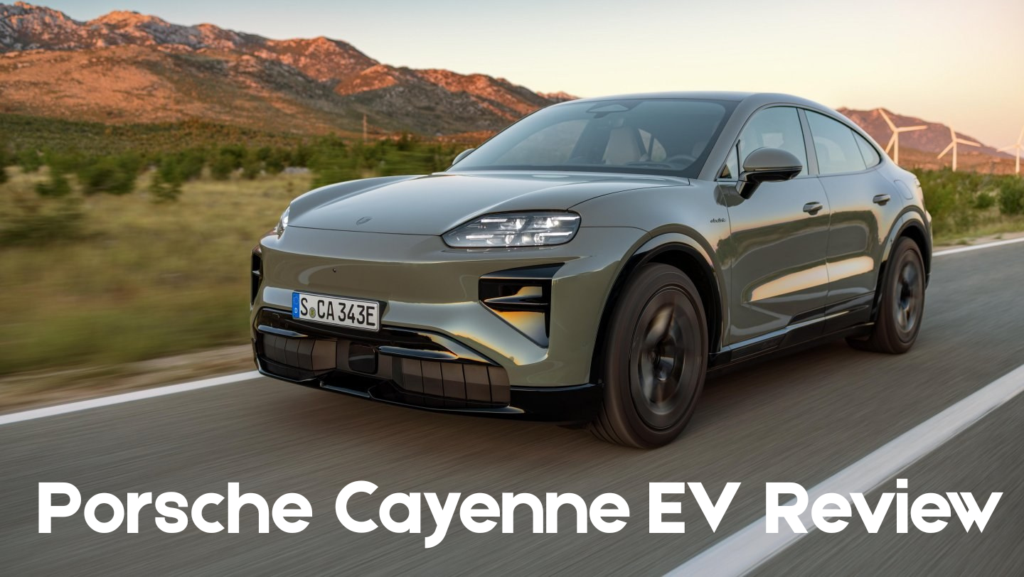
Cariary has already covered the Porsche Macan Electric, and that car was important because it showed how Porsche could turn one of its smaller SUVs into a serious EV.
The Cayenne Electric is a bigger test.
The Macan Electric had to prove that Porsche could make an electric SUV feel premium, efficient and properly Porsche-like. The Cayenne Electric has to do all of that while carrying the weight of Porsche’s most important SUV nameplate.
This is not just another electric SUV. It is Porsche asking whether its larger family SUV can survive the EV transition without becoming a quiet appliance.
Quick Take
The Porsche Cayenne Electric is the full-size follow-up to the Macan Electric.
It keeps combustion and plug-in hybrid Cayenne models alive in parallel, but adds a fully electric Cayenne family with serious performance, fast charging, more rear-seat space and a more digital interior.
For buyers who liked the idea of the Macan Electric but need more room, more comfort and more long-distance confidence, the Cayenne Electric is the more complete Porsche EV SUV.
What Is It?
Credit Image: Porsche AG
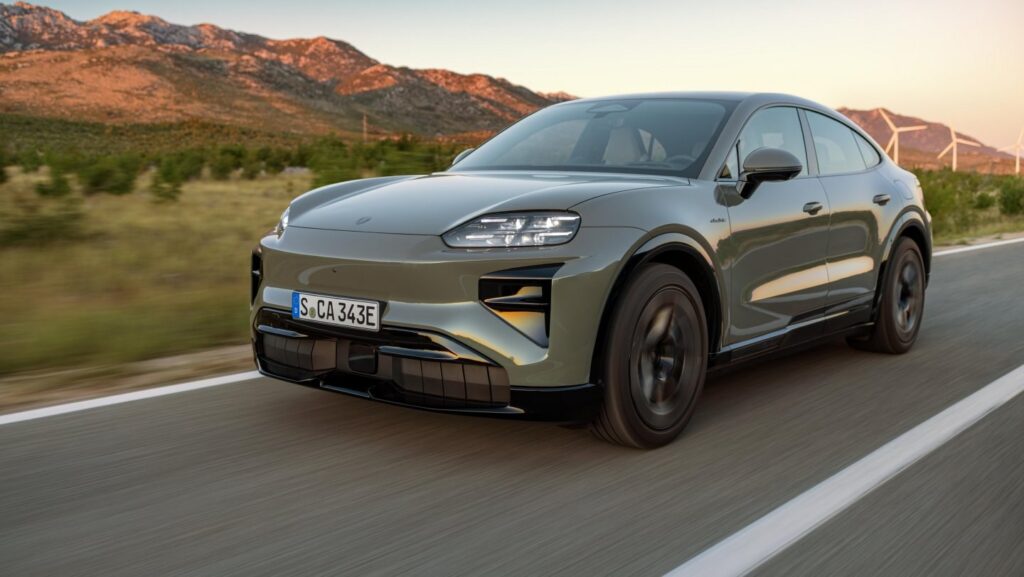
The Cayenne Electric is Porsche’s fully electric version of the Cayenne SUV.
Porsche launched the 2026 Cayenne Electric and Cayenne Turbo Electric as all-wheel-drive EVs, while continuing to sell combustion-engine and plug-in hybrid Cayenne models alongside them.
That part matters. Porsche is not forcing every Cayenne buyer into EV ownership immediately. It is building a powertrain choice strategy: gas, plug-in hybrid and full EV.
The headline numbers are very Porsche:
- Cayenne Electric: up to 435 hp with Launch Control
- Cayenne Turbo Electric: up to 1,139 hp with Launch Control
- 0-60 mph as quick as 2.4 seconds for the Turbo Electric
- Up to 400 kW DC charging under ideal conditions
- 10-80 percent charging in less than 16 minutes
- 113 kWh high-voltage battery
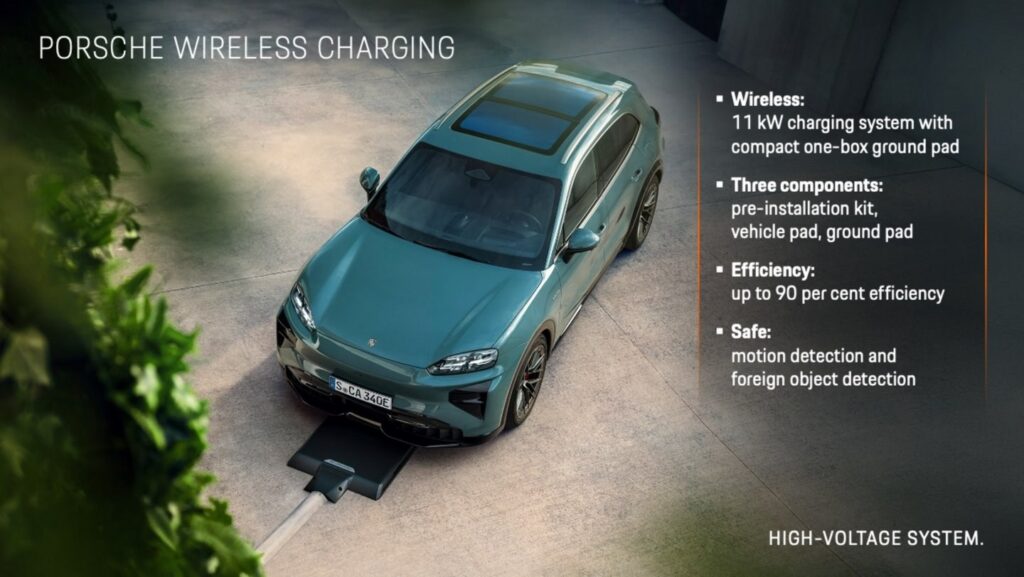
- Optional Porsche Wireless Charging at up to 11 kW
Why This Car Exists
Credit Image: Porsche AG
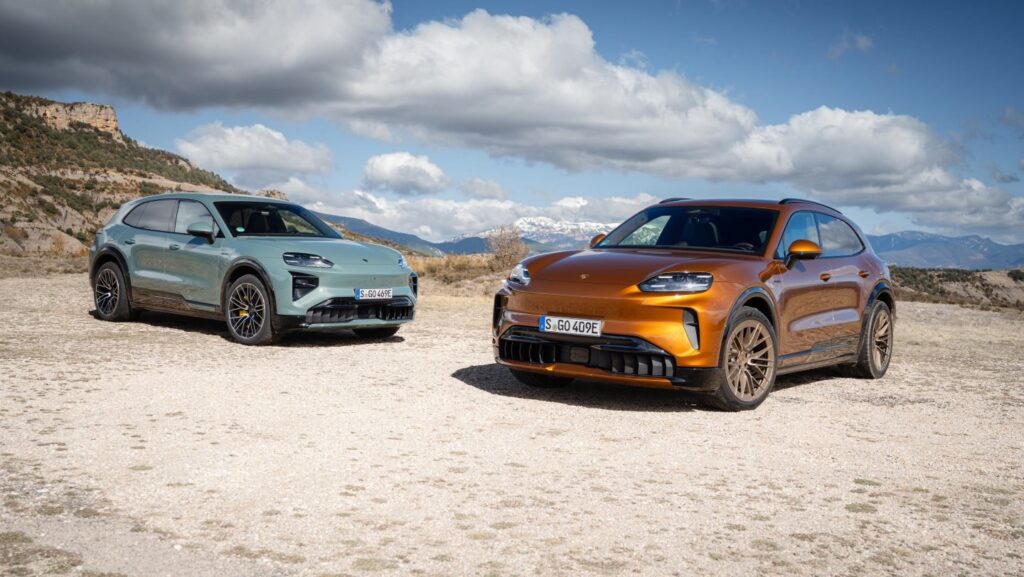
The Macan Electric was Porsche’s first serious step into electric SUV volume.
The Cayenne Electric is the next level because the Cayenne name means something different. It is bigger, more expensive, more family-oriented and more central to Porsche’s SUV identity.
The original Cayenne helped Porsche expand beyond sports cars. Some enthusiasts resisted it at first, but the Cayenne became one of the models that changed Porsche’s business. Now the Cayenne Electric has to perform a similar role for the EV era.
It needs to tell buyers:
You can go electric without giving up Porsche SUV identity.
Design and Identity
Credit Image: Porsche AG
The Cayenne Electric does not look like Porsche wanted to shock people.
That is a good thing.
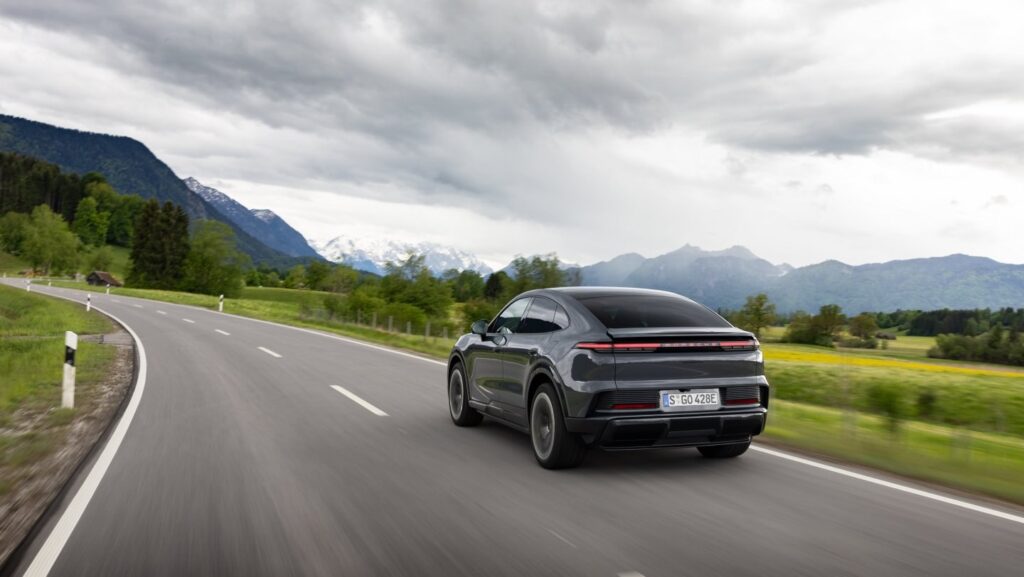
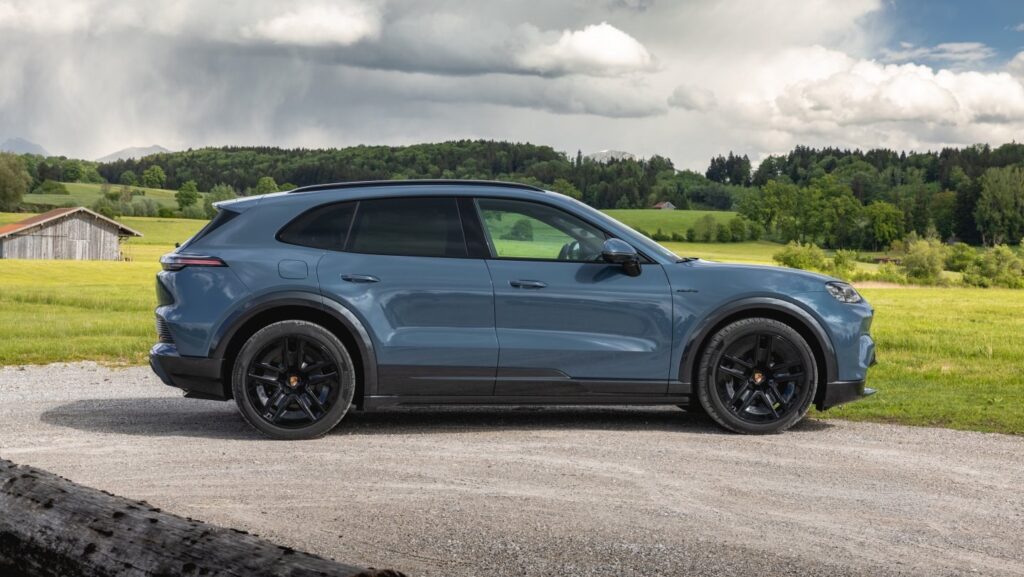
The proportions are still recognizably Cayenne: wide stance, strong shoulders, sloping roofline and a premium SUV posture. The EV details are there, but they do not erase the familiar shape.

Credit Image: Porsche AG
The lighting is cleaner, the surfaces are smoother, and the aerodynamics are more deliberate. But this is not a spaceship design. Porsche understands that Cayenne buyers usually want modernity without losing the image of a proper luxury SUV.
Battery, Charging and Real Ownership Meaning
Credit Image: Porsche AG
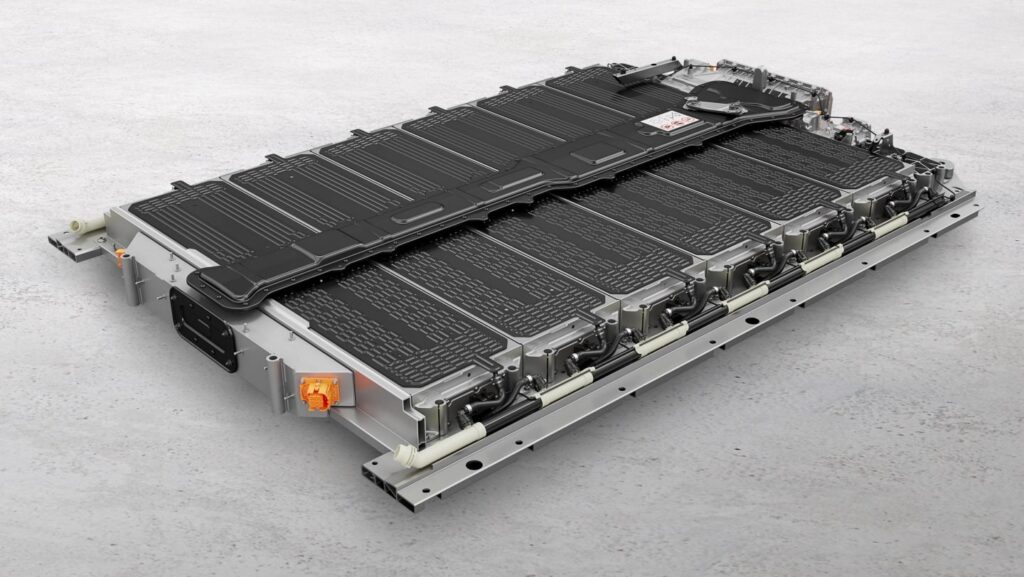
The 113 kWh battery is the technical center of the Cayenne Electric.
For a large luxury EV SUV, battery size matters because buyers expect road-trip usability, not just city commuting. The Cayenne Electric is not supposed to be a second car for short errands. It has to work as a primary family vehicle.
Credit Image: Porsche AG
Porsche’s claim of up to 400 kW charging is especially important. If real-world charging conditions support it, this helps reduce one of the biggest concerns around large EV SUVs: long charging stops.
The optional Porsche Wireless Charging system is also interesting. It will not replace fast charging on road trips, but at home it could make EV ownership feel more natural. Park above the charging plate, and the car charges without plugging in.
That is the kind of convenience luxury EV buyers will notice.
Performance: Porsche Refuses to Make a Slow Flagship EV
Credit Image: Porsche AG
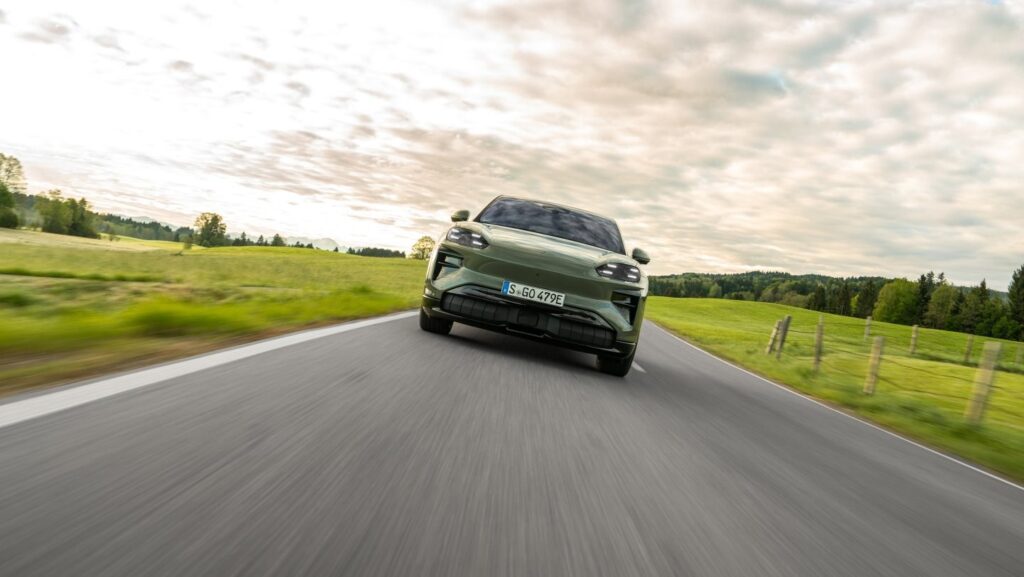
The Cayenne Turbo Electric is the statement model.
With up to 1,139 hp and a 2.4-second 0-60 mph time, it is not merely fast for an SUV. It is supercar-fast in a body built for family use.
But the more important question is not whether it accelerates hard. Any powerful EV can do that.
The real question is whether it still feels like a Porsche when the road starts turning.
Porsche addresses that with adaptive air suspension, PASM, available rear-axle steering and Porsche Active Ride on the flagship model. These systems matter because a large EV SUV carries serious weight. Without body control, it can feel fast but blunt.
The Cayenne Electric’s job is to make weight feel managed, not invisible.
Interior and Practicality
Credit Image: Porsche AG
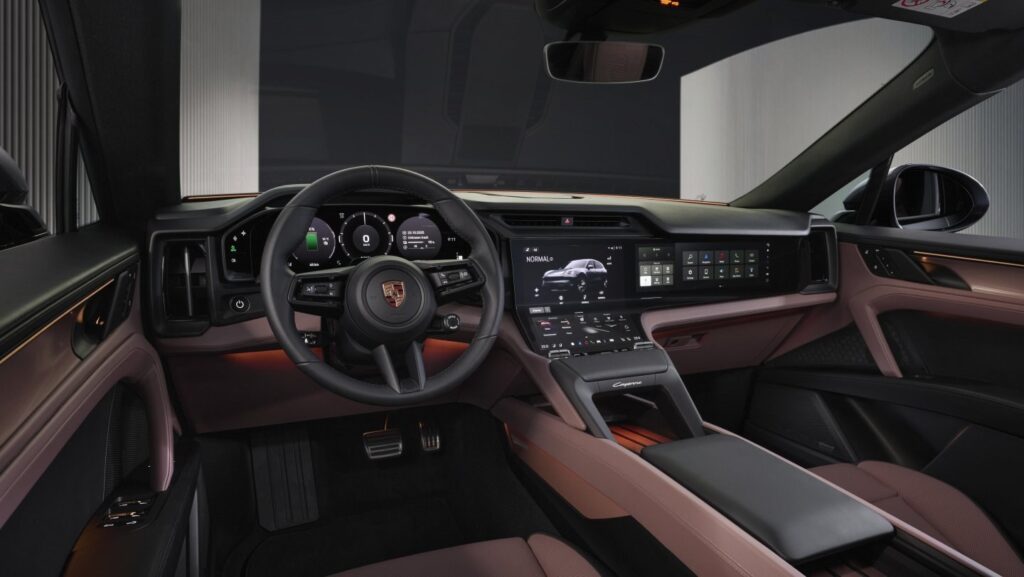
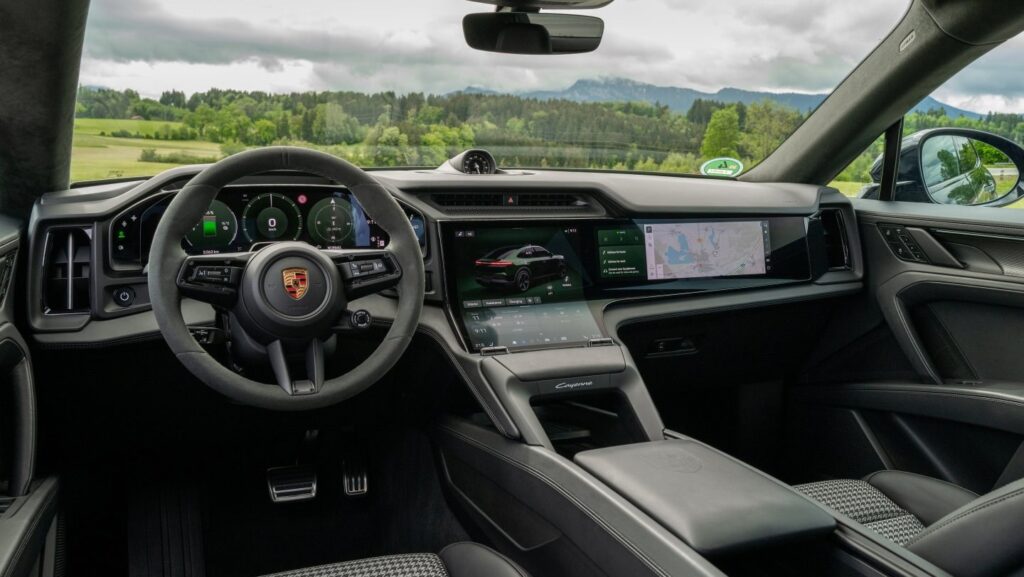
The interior may be one of the biggest reasons buyers choose the Cayenne Electric over the Macan Electric.
The Macan Electric is the sportier, more compact EV SUV. The Cayenne Electric is the family luxury version.
Porsche says the EV is 55 mm longer than the combustion Cayenne, with a wheelbase almost five inches longer. That means more rear legroom and a more comfortable second row.
Credit Image: Porsche AG
Cargo space also matters. Porsche lists 19.5 to 56.1 cu-ft of luggage capacity, plus a 3.2 cu-ft front luggage compartment.
That gives the Cayenne Electric a clearer role: it is the Porsche EV for buyers who need real family space, not just a stylish electric crossover.
Macan Electric vs Cayenne Electric
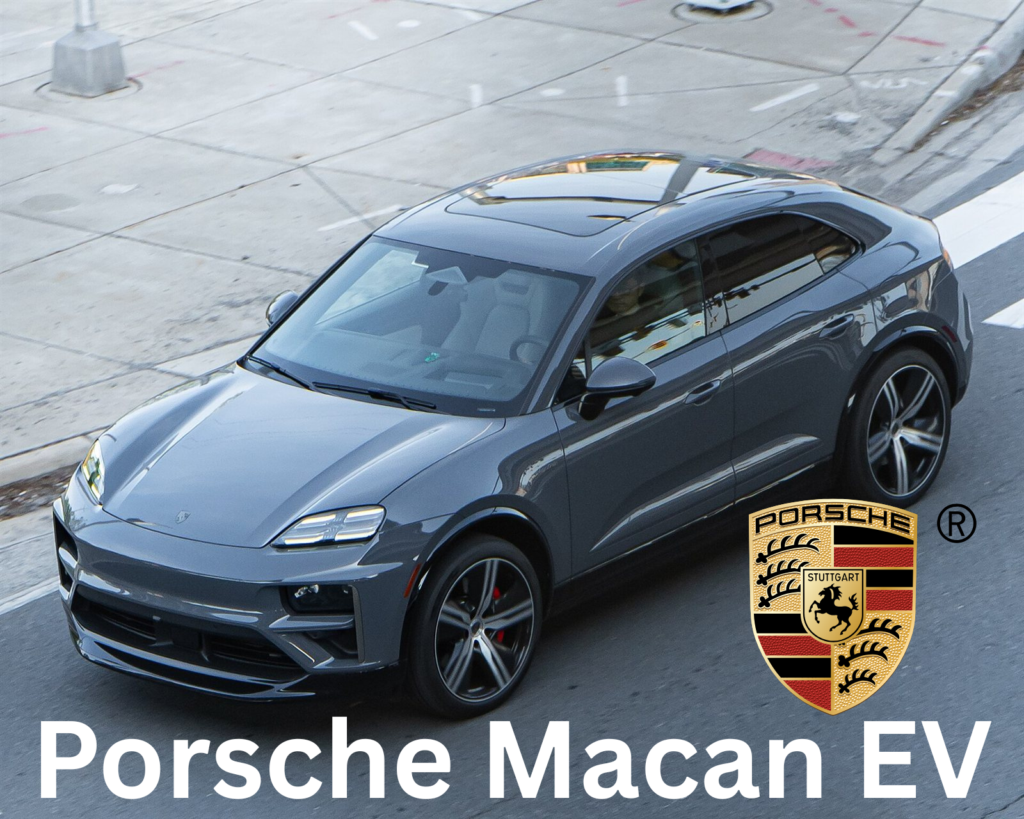
The Macan Electric is the sharper and more compact Porsche EV SUV.
The Cayenne Electric is the more complete family SUV.
If you want a Porsche EV mainly for daily driving, city use and a sportier crossover feel, the Macan Electric may still be the better choice. It should feel easier to park, easier to place on narrow roads and more agile in normal driving.
The Cayenne Electric makes sense when space, comfort, road-trip ability and family use matter more.
That is why the Cayenne Electric matters to Cariary. It is not replacing the Macan Electric story. It expands it.
Price-to-Value Judgment
Credit Image: Porsche AG
The Cayenne Electric is expensive.
Porsche listed U.S. MSRP at $109,000 for the Cayenne Electric and $163,000 for the Cayenne Turbo Electric, excluding delivery and other costs.
That means buyers should not judge it only as an EV SUV. They should judge it as a Porsche luxury SUV with electric performance, fast charging, high-end interior technology and long-distance capability.
The base Cayenne Electric may be the more rational version. It gives the EV Cayenne experience without moving into the extreme price and power of the Turbo Electric.
The Turbo Electric is the halo version. It exists to prove what Porsche can do.
Competitor Comparison
The BMW iX is more futuristic and more EV-native in personality, but it does not carry the same Porsche driving identity.
The Mercedes-Benz EQE SUV and EQS SUV focus more on quiet luxury and comfort. They make sense for buyers who want calm more than driver involvement.
The Range Rover Electric will likely compete on prestige, design and luxury presence rather than Porsche-style performance.
The Lotus Eletre is more dramatic and performance-focused, but Porsche has the stronger luxury-SUV brand trust.
The Macan Electric is the internal comparison. It is smaller and sportier, while the Cayenne Electric is the more complete family EV.
Recommended For
Buy the Cayenne Electric if you want a Porsche EV SUV with real family space.
It is especially strong for buyers who liked the Macan Electric concept but need more rear-seat room, more cargo flexibility and more long-distance confidence.
The Cayenne Electric also makes sense for luxury SUV buyers who want EV performance without leaving the Porsche brand.
Not Recommended For
Do not buy the Cayenne Electric if you mainly drive alone and do not need the size.
Do not buy the Turbo Electric just because the horsepower number is shocking. The base Cayenne Electric will already be more than enough for most people.
Do not buy it if you want the cheapest way into a Porsche EV. That is the Macan Electric’s role.
And do not buy it if you are not ready for EV charging habits, even with fast charging and optional wireless charging.
Buyer Verdict
The Porsche Cayenne Electric feels like the natural next chapter after the Macan Electric.
The Macan Electric proved Porsche could make an EV SUV feel desirable. The Cayenne Electric has to prove Porsche can make a larger electric SUV feel like a real Cayenne.
Based on the specification, charging technology, interior space and performance strategy, Porsche is taking the right approach: do not make the Cayenne Electric weird. Make it capable, fast, useful and unmistakably Porsche.
Cariary Perspective
The Cayenne Electric may become more important than the Macan Electric.
The Macan Electric showed Porsche entering the electric SUV market with a smaller, sportier model. But the Cayenne name carries more historical weight. The Cayenne helped Porsche grow beyond sports cars. Now the Cayenne Electric has to help Porsche grow beyond combustion SUVs.
Cariary sees this as Porsche’s real SUV EV test.
If the Cayenne Electric succeeds, Porsche buyers may begin to accept that an electric SUV can still feel like a Porsche. If it fails, the problem will not be speed. It will be whether the car feels special enough to justify Porsche money.
One-Line Verdict
The Porsche Cayenne Electric is the larger, more serious follow-up to the Macan Electric: a family-size Porsche EV built to prove that the Cayenne name can survive electrification.
FAQ
Is the Porsche Cayenne Electric already launched?
Yes. Porsche presented the Cayenne Electric in 2025 and listed 2026 Cayenne Electric models, with deliveries expected from the end of summer 2026 in the U.S.
How powerful is the Porsche Cayenne Turbo Electric?
Porsche lists up to 1,139 hp with Launch Control for the Cayenne Turbo Electric.
How fast does the Cayenne Turbo Electric accelerate?
Porsche lists 0-60 mph in 2.4 seconds for the Cayenne Turbo Electric.
How fast can the Cayenne Electric charge?
Under ideal conditions, Porsche says the Cayenne Electric can charge at up to 400 kW DC and go from 10 to 80 percent in less than 16 minutes.
Is the Cayenne Electric replacing the gasoline Cayenne?
No. Porsche says combustion-engine and plug-in hybrid Cayenne models will continue alongside the Cayenne Electric.
Should I choose the Macan Electric or Cayenne Electric?
Choose the Macan Electric if you want a smaller, sportier EV SUV. Choose the Cayenne Electric if you need more space, more comfort and more family practicality.
Related Cars
- Porsche Macan Electric
- BMW iX
- Mercedes-Benz EQS SUV
- Range Rover Electric
- Lotus Eletre
Data Reference Date: July 19, 2026