CARIARYCAR · DIARY · PERSPECTIVE
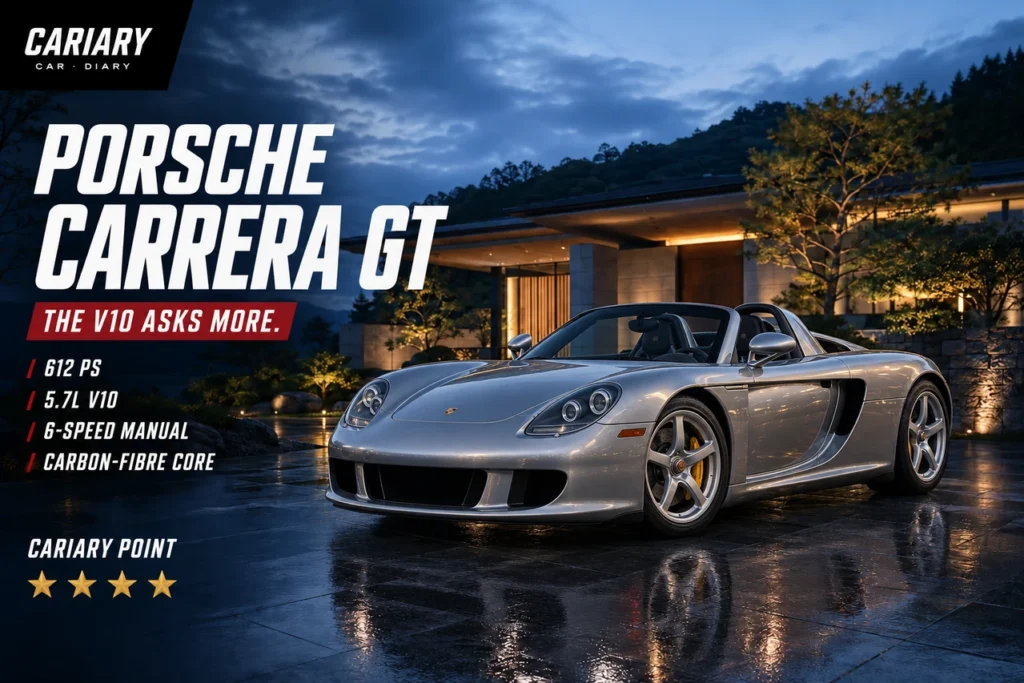
Cover: AI-generated Cariary editorial illustration, checked against the specified vehicle. It is not road-test photography.
This Porsche Carrera GT review starts with a distinction: an unforgettable car is not necessarily an easy car to recommend to every enthusiast. Its attraction is obvious. The harder question is whether the owner wants to build the knowledge, preparation and relationship that such an unusual machine deserves.
Cariary is drawn to the combination of a naturally aspirated V10, a manual gearbox and an unusually focused structure. None of those qualities requires exaggerating the car into a mythical object. The real engineering is interesting enough, and the ownership decisions are more useful than another argument about its reputation.
This research-based buyer review covers the production 2003–2006 Carrera GT with European technical figures, not the 2000 concept. U.S. recall information is identified separately and must be checked against the individual VIN. Cariary has not road-tested these cars.
4/5 for a committed enthusiast seeking an extraordinary manual V10 experience. The engineering and identity are exceptional; technique, specialist support, condition and careful preparation narrow the suitable audience.
Porsche Carrera GT: Key Specifications
| Reference | Production European Carrera GT, 2003–2006 |
|---|---|
| Engine | 5,733 cc naturally aspirated V10 |
| Output / torque | 450 kW / 612 PS; 590 Nm |
| Transmission | 6-speed manual, ceramic clutch |
| Structure | Carbon-fibre monocoque |
| Kerb weight | 1,380 kg, European reference |
| 0–100 km/h / maximum | 3.9 seconds / 330 km/h, Porsche claims |
Porsche Carrera GT: Purpose Beneath the Shape
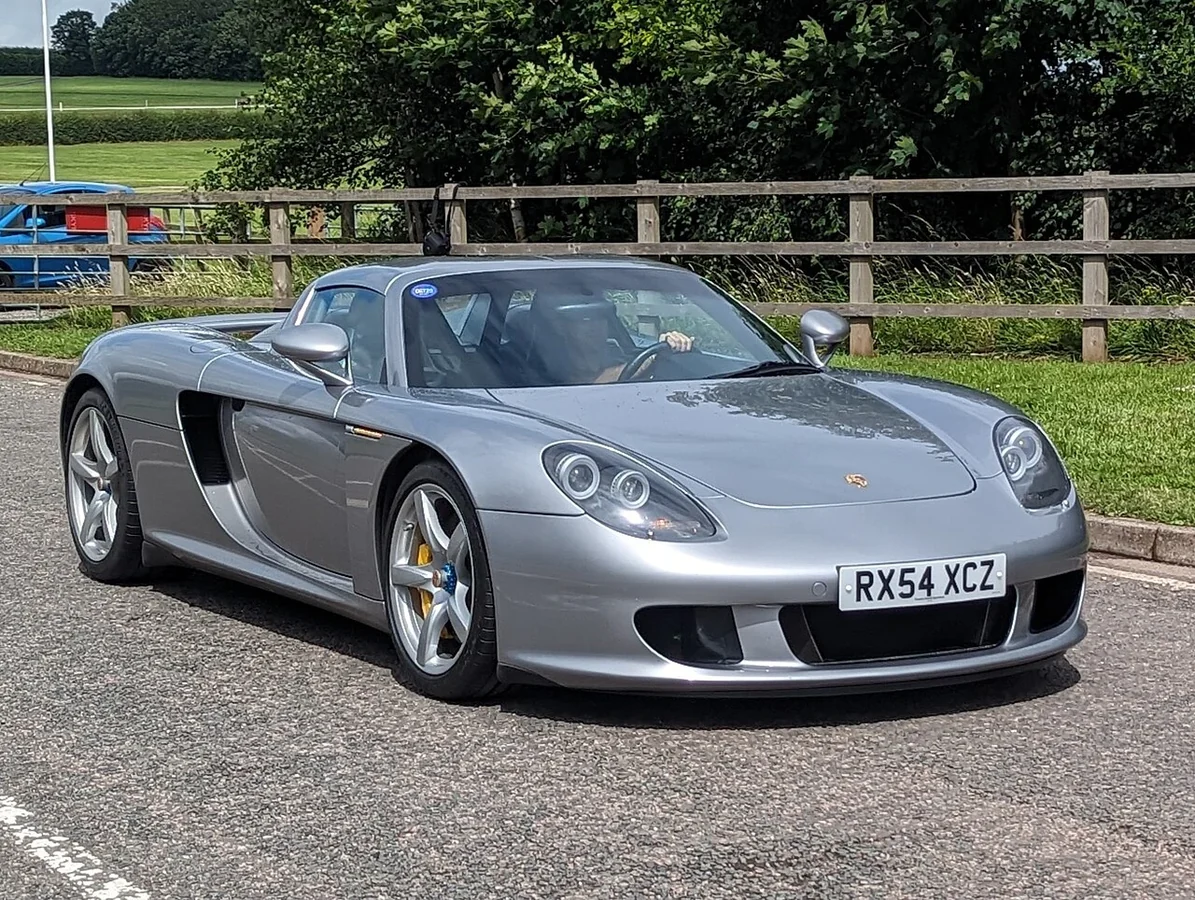
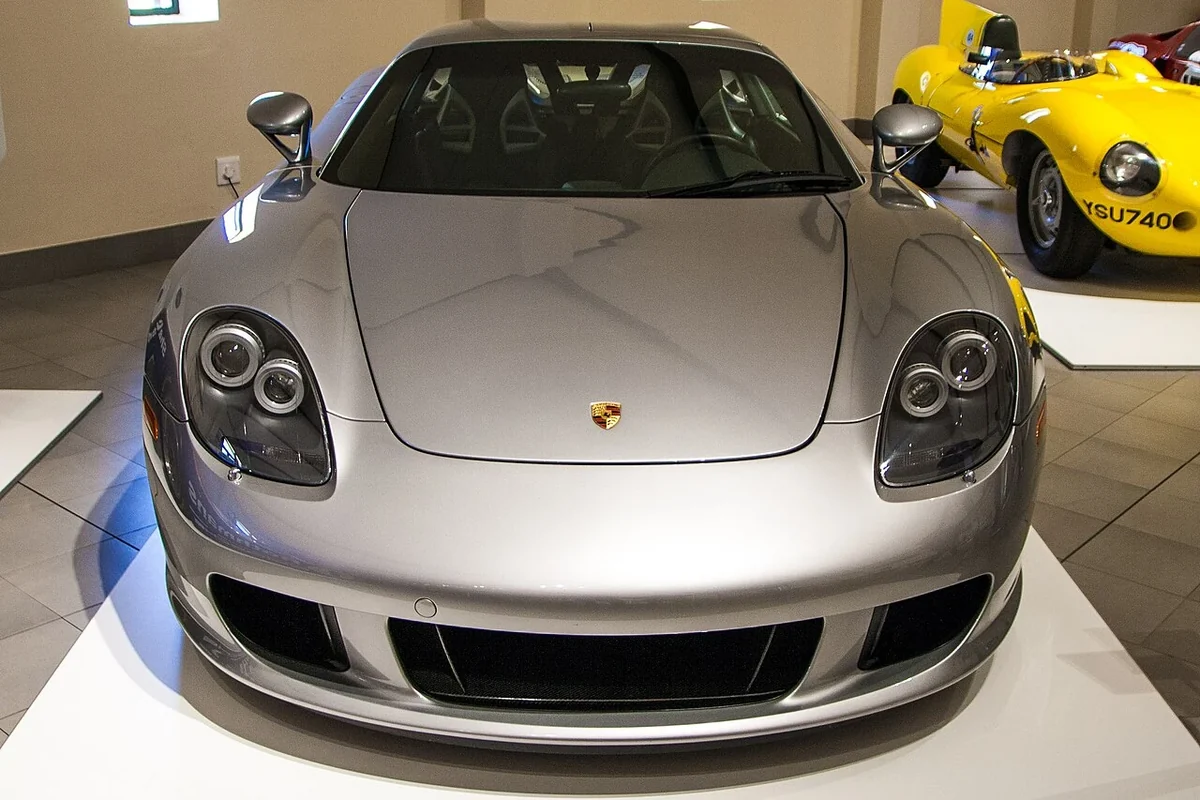
The low nose, open cabin and long rear deck make the layout easy to understand. The car looks specialized without needing an enormous collection of visible appendages. Its appeal comes partly from that restraint: the form suggests substantial engineering without asking the viewer to decode a visual performance checklist.
Porsche’s anniversary history distinguishes the 2000 concept from the later production car and records 1,270 production examples. Its racing ancestry traces to an unraced prototype program. Calling it a Le Mans-winning race car converted for the street would turn an interesting origin into an inaccurate one.
The V10 Makes the Case Without a Lap Time
A naturally aspirated V10 paired with a manual creates a clear ownership proposition: the driver chooses how to engage with the engine. The appeal is not confined to an acceleration number. It is the prospect of learning a distinctive mechanical rhythm, including the parts that demand patience rather than delivering instant gratification.
The European figures in the table come from Porsche’s published technical data. They should not be combined casually with differently expressed power units or test results from another market. More importantly, a quoted maximum speed says almost nothing about whether this car fits your routes, skill, parking arrangements or expectations of a relaxed journey.
Porsche Carrera GT: A Manual That Requires Respect
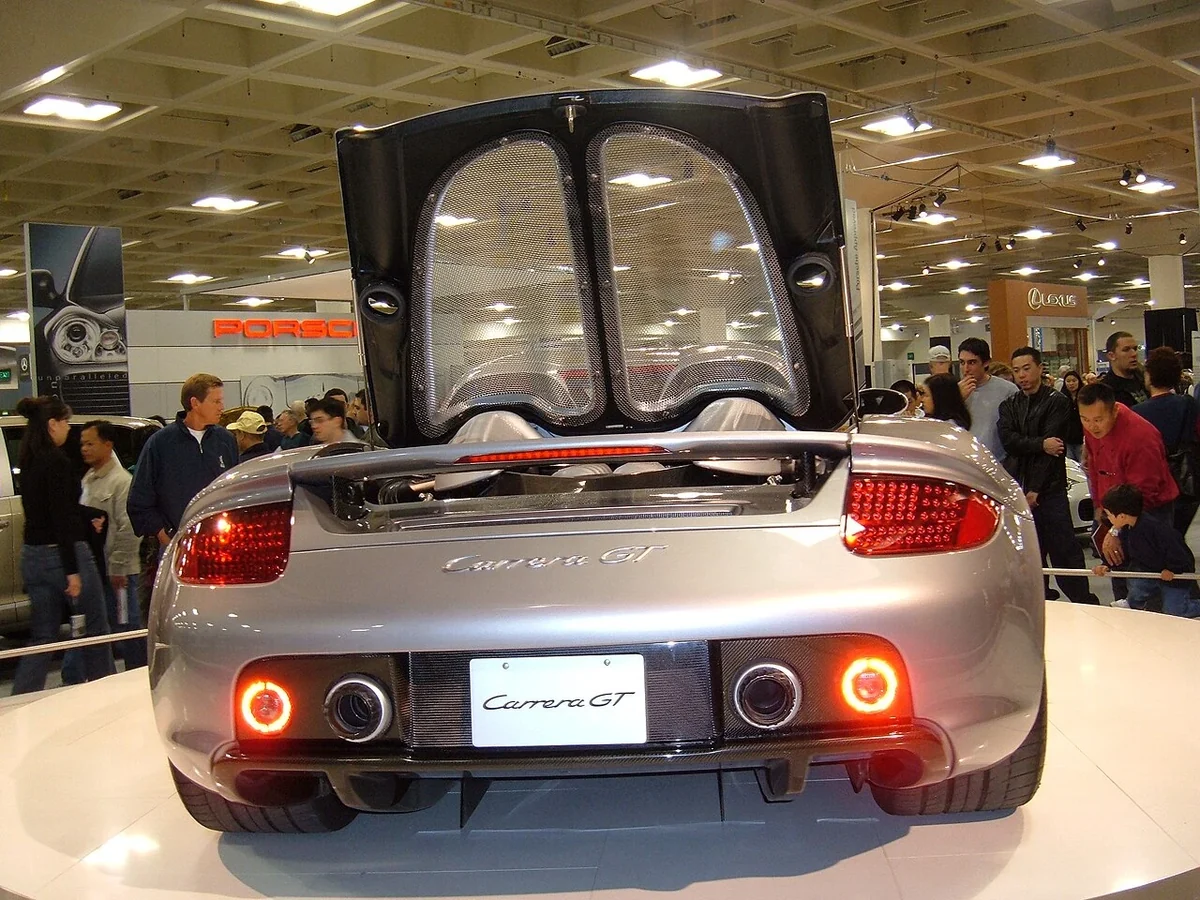
Porsche’s engineering retrospective explains the compact ceramic clutch and its contribution to a low drivetrain position. That technical purpose is more informative than repeating stories about embarrassing departures. The clutch is part of an integrated design, not a challenge installed merely to make the car difficult.
A buyer should obtain model-specific familiarization from qualified people and follow the operating guidance for the car. A short online description cannot replace instruction or confirm clutch condition. During an inspection, ask how condition was assessed and what the findings mean for your intended use. Avoid practicing unfamiliar techniques in traffic just because someone described them confidently on a forum.
Carbon Construction Changes the Inspection
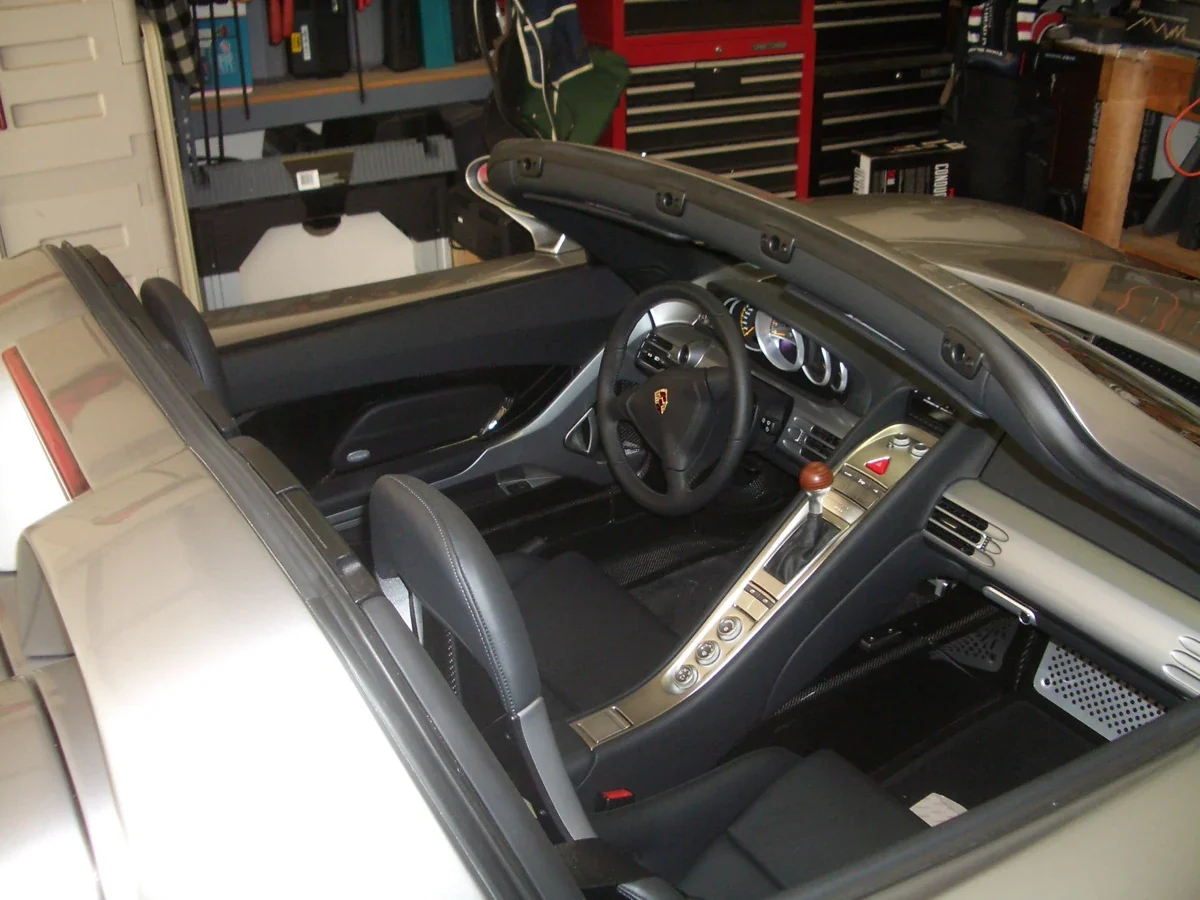
The carbon-fibre structure is central to the Carrera GT’s identity. It also means an inspection cannot stop at paint and upholstery. Ask for a specialist who understands this model’s structure, lifting requirements and repair documentation. A reassuring generic used-car checklist is not equivalent to a model-specific assessment.
Establish where the car has been stored, serviced and repaired. If there has been an impact, the important questions concern the location, extent, method of assessment and quality of the work. Neither automatic rejection nor blind acceptance is useful. The buyer needs evidence that can be evaluated by someone qualified to interpret it.
Tires Are Part of the Car’s Development
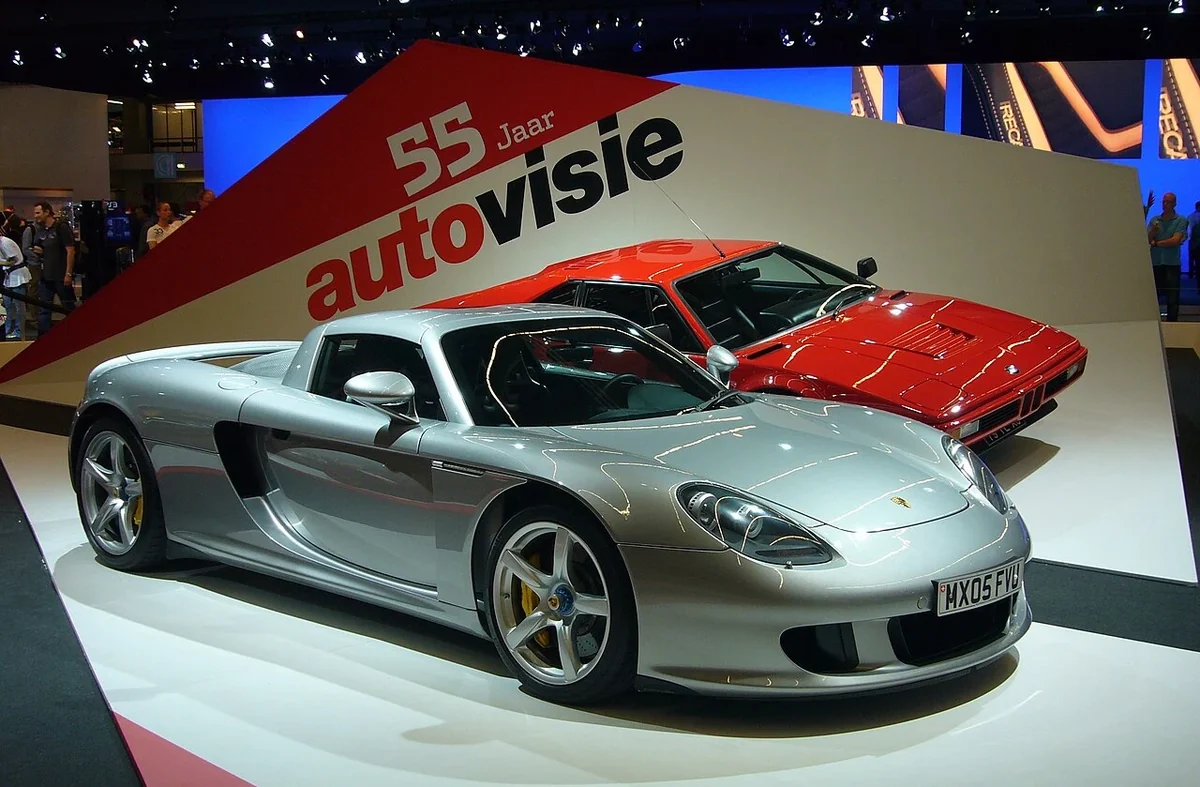
In October 2024, Porsche announced a Carrera GT-specific Michelin Pilot Sport Cup 2 update. The point is the bespoke specification, not that any tire bearing the Cup 2 name is interchangeable. Porsche reported development benefits; those claims do not guarantee grip in every temperature or weather condition.
Before use, have the fitted tire specification, condition, age and pressures checked against current model guidance. Tires with plenty of visible tread can still deserve replacement. Treat the entire setup as a system and keep a record of what is fitted. Cosmetic originality is not a sensible reason to continue driving on unsuitable rubber.
Verify the Recall Remedy Before Driving
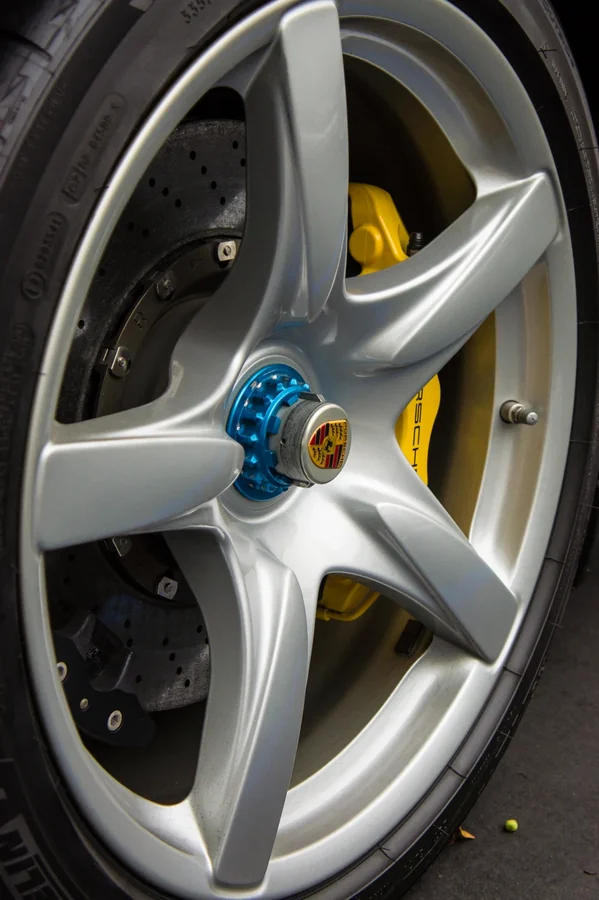
For U.S. cars, NHTSA recall 23V241 concerns suspension-joint integrity. Porsche’s November 2024 APA3 remedy bulletin describes replacement work and strongly advises against driving affected cars to the dealer before that remedy is completed. This is more current than the initial recall’s interim description.
Have Porsche confirm the individual VIN’s campaign status and retain completion documentation. A listing that says the car is serviced is not enough. If applicable work is outstanding, arrange the appropriate transport through the service provider. The existence of a remedy does not prove it has been carried out on the car you are considering, and a historic bulletin is not a live VIN status report.
The Garage and Support Network Matter
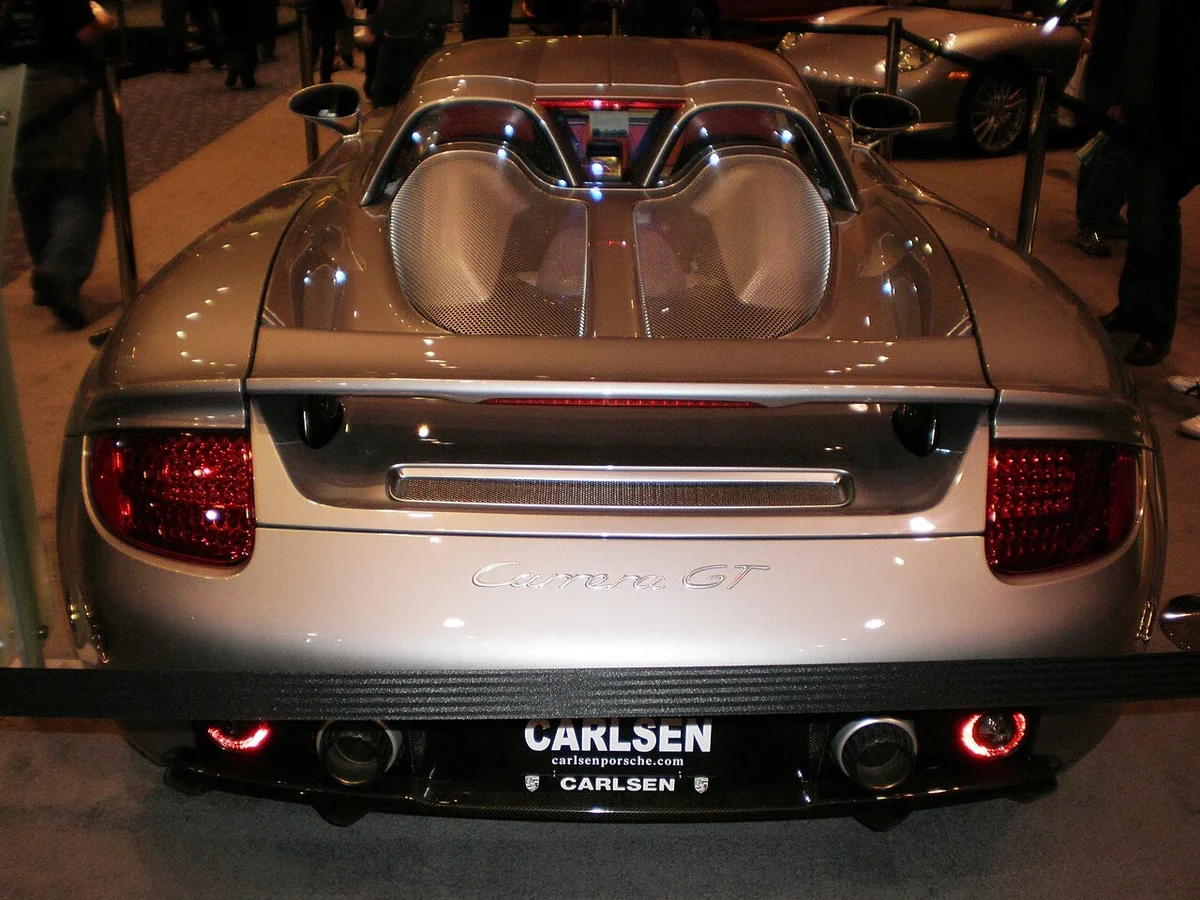
Work out who will maintain the car before buying it. Ask about booking lead times, transport, parts availability and what an initial inspection would include. Storage, battery care and regular attention should be planned with the specialist. These arrangements are part of making ownership enjoyable, not administrative details to postpone until something needs repair.
The Lexus LFA review offers another perspective on choosing a car for a rare engine identity. Our Porsche 911 perspective considers a very different ownership brief. A buyer who wants frequent, low-friction use may find greater satisfaction in a less specialized Porsche, even while continuing to admire the Carrera GT.
Why the Porsche Carrera GT Receives Four Stars
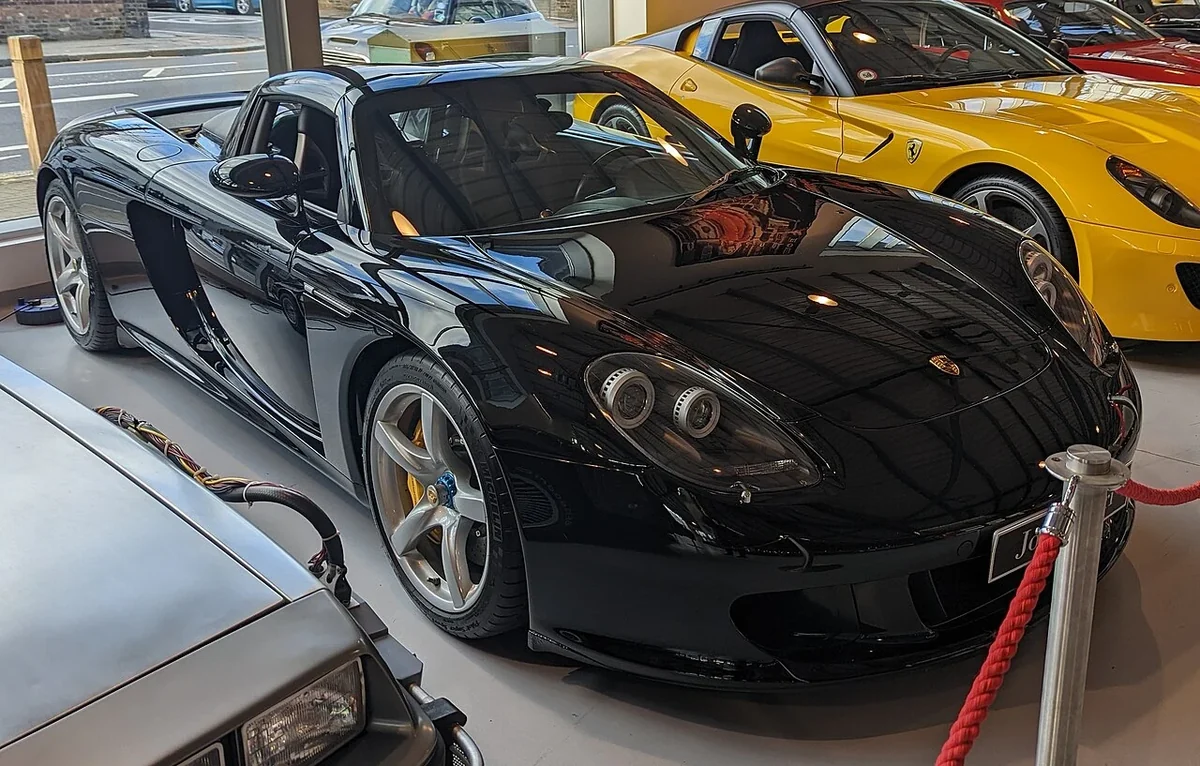
Four stars recognize exceptional engineering and an unusually concentrated driving proposition. The Carrera GT offers a reason to be interested that does not disappear when newer cars accelerate harder. It asks the owner to care about the process of driving and maintaining it, which can be a major part of its appeal.
The missing star reflects how narrow that ownership fit is. The car needs suitable preparation, qualified support and an owner willing to learn. Cariary would never turn its reputation into a promise of easy enjoyment or a prediction of financial return. Admire the legend, but make the purchase decision from verified condition and your actual willingness to meet its requirements.
Who Should Buy It?
Recommended For
Experienced enthusiasts who specifically want a manual V10, qualified specialist support and the commitment to learn the car carefully.
Not Recommended For
Buyers seeking an easy exotic, ordinary repair logistics or a purchase based mainly on reputation and possible appreciation.
One-Line Verdict: The Carrera GT’s greatness is real, but enjoying it responsibly begins with preparation rather than mythology.
Frequently Asked Questions
Is this the same car as the 2000 concept?
No. The review uses production-car specifications. The concept and production versions should be distinguished.
Does it have a manual transmission?
Yes. The production Carrera GT has a six-speed manual and ceramic clutch.
Is any Michelin Cup 2 suitable?
No. Verify the correct Carrera GT-specific specification and current guidance with Porsche. The family name alone is insufficient.
Has every car had the suspension recall completed?
That cannot be inferred. Check the individual VIN and documented campaign completion with Porsche before use.
Why only four stars?
The rating balances an extraordinary experience against a demanding ownership fit. It is neither a lap-time ranking nor a reliability statistic.
Further Reading and Data Reference
Data reference date: September 13, 2026. Official specifications and attributed test observations are linked where discussed. Cariary Point is an editorial buyer-fit assessment, not an owner road-test score or reliability rating.
Explore more Cariary car reviews and buyer perspectives.

