CARIARYCAR · DIARY · PERSPECTIVE
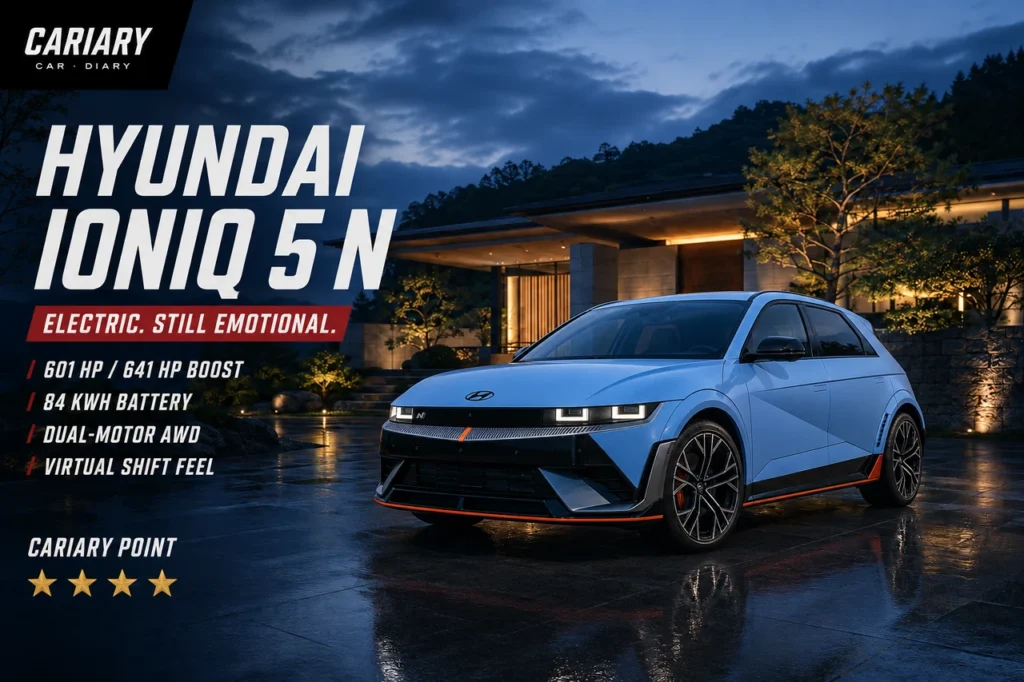
Cover: AI-generated Cariary editorial illustration, visually checked against the specified vehicle. It is not road-test photography.
This Hyundai IONIQ 5 N review starts with a question that a launch-control demonstration cannot answer: will you still enjoy this car when the novelty of instant acceleration wears off? Hyundai has an unusually thoughtful response. It gives the driver something to do with that performance, from adjustable chassis behavior to convincing simulated gear changes.
The result is an EV that invites emotional involvement while retaining the useful shape of a five-door family car. That combination earns attention. It also needs a realistic look at charging, tires, seat comfort and the patience required to learn its many settings.
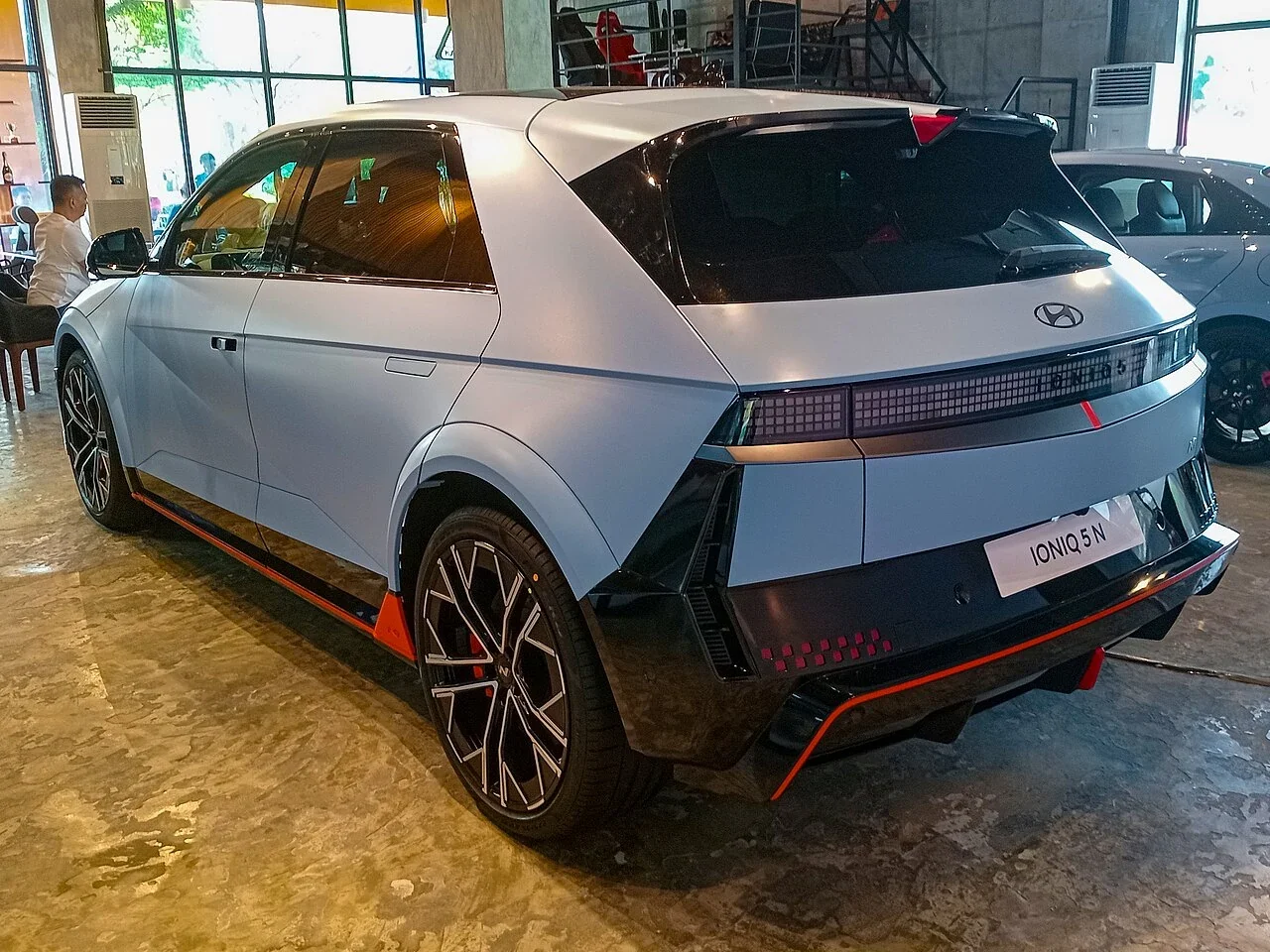
This research-based Hyundai IONIQ 5 N review uses the 2026 U.S. model for current pricing and equipment. Earlier production photographs illustrate the shared design and are identified in captions. Independent 2025 test findings are attributed separately. Cariary has not road-tested this vehicle.
Four stars for an unusually involving electric performance car. The recommendation is strongest when dependable charging fits your routine and the whole household accepts its sporting priorities.
Hyundai IONIQ 5 N review: Key Specifications
| Reference | 2026 U.S. IONIQ 5 N; five seats |
|---|---|
| Power | 601 hp normally; up to 641 hp during the 10-second N Grin Boost |
| Layout | Dual-motor all-wheel drive; rear electronic limited-slip differential |
| Battery / range | 84 kWh; EPA-estimated 221 miles |
| Charging | Native NACS; supplied CCS adapter for compatible DC chargers |
| DC claim | 10–80% in as little as 18 minutes on suitable 350-kW equipment; conditions apply |
| Starting MSRP | $59,900 before destination, tax and options |
Why the IONIQ 5 N Feels Like a Different Proposition
An ordinary fast EV can make acceleration feel like a feature you demonstrate to passengers. Hyundai has tried to build a car whose appeal continues between those demonstrations. The N treatment reaches the motors, brakes, suspension, seats and driver controls. It is a distinct performance model, not simply an IONIQ 5 with N Line styling.
Its square proportions also change the emotional equation. You get a recognizable, slightly unconventional shape without making the accommodation sacrifice of a low two-seat coupe. That creates an attractive possibility for someone who wants one car to handle weekday duties and provide a reason to take the longer route at the weekend.
The key is to distinguish useful versatility from universal suitability. A broad cabin does not automatically make the ride, seats or running costs ideal for every family member. The N asks you to pay for engineering you should actually want to use. If your main priorities are quiet transport and maximum distance between charging stops, start your comparison with the ordinary IONIQ 5.
601 HP, Brief Boost and the Meaning of Repeatability
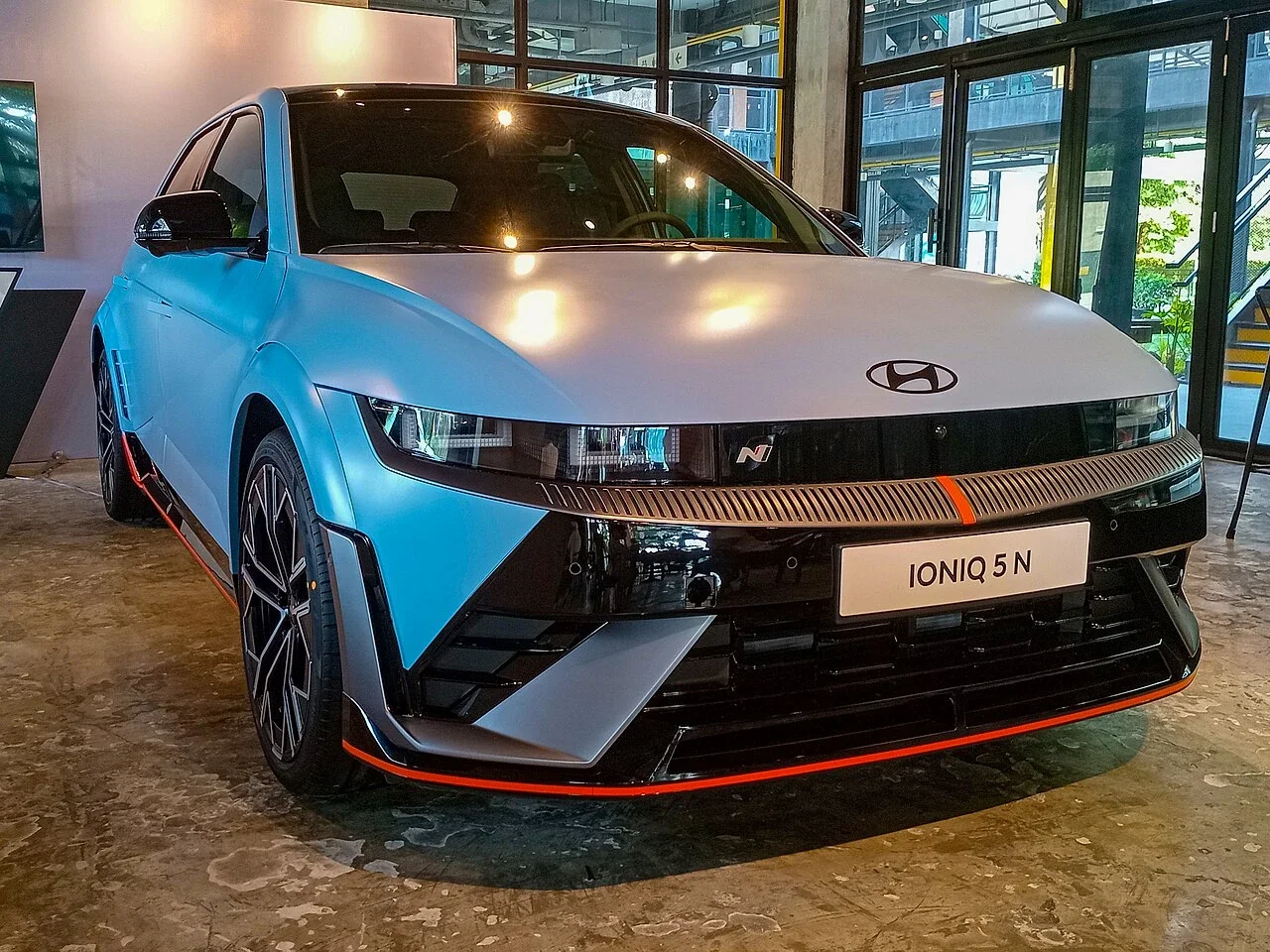
Hyundai lists 601 hp in normal maximum-output operation and up to 641 hp with N Grin Boost. The extra output lasts ten seconds. Presenting the higher number without that condition misses what buyers need to understand: peak output is one operating state, not an unlimited promise for every battery temperature and charge level.
Battery conditioning and thermal management matter because delivering high power repeatedly creates heat. A quick departure from a traffic light and a sequence of circuit laps are very different demands. N Battery Preconditioning and N Race are part of the manufacturer’s effort to manage those demands; they are not guarantees that any charging or track schedule will work.
In its instrumented 2025 test, Car and Driver recorded 0–60 mph in 3.0 seconds, omitting a 0.2-second rollout. That is an attributed test of an earlier model, not a Cariary result or a guaranteed 2026 time.
For road buyers, the more important question is whether acceleration remains easy to meter. A car this powerful should feel manageable at a small pedal opening. Try normal traffic speeds, a gentle uphill start and a moderate passing maneuver during a legal test drive. The experience you repeat matters more than the most dramatic number.
Virtual Shifts: A Useful Choice, Not a Mechanical Gearbox
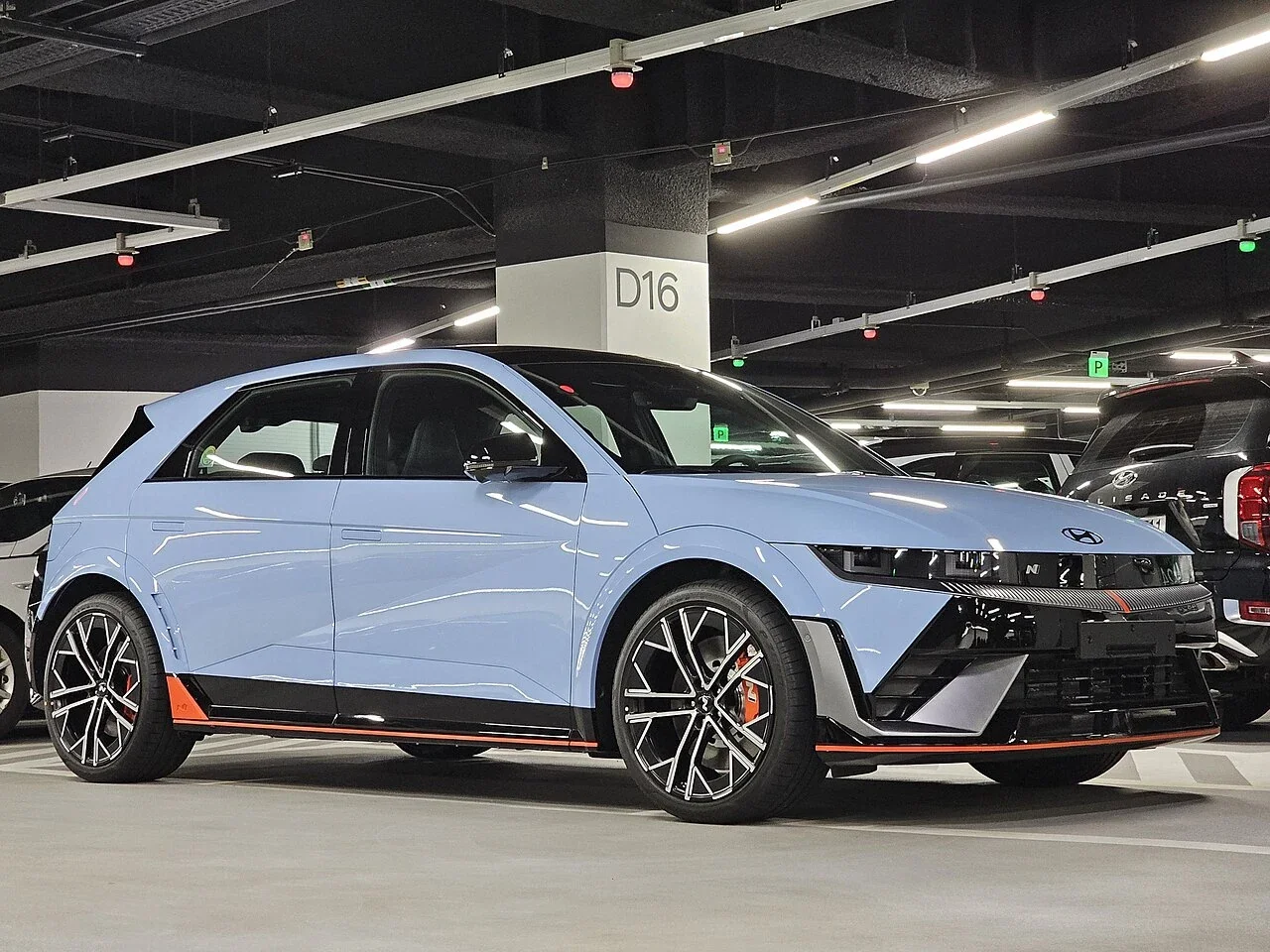
N e-Shift changes motor response to imitate the interruption and rhythm of gear changes. N Active Sound+ provides an accompanying soundtrack. There is no eight-speed combustion-car gearbox hidden underneath: the sensation is deliberately created through software and sound. Understanding that distinction lets you judge the experience on its own terms.
The interesting part is that software can give the driver another cue for speed and load. A rising sound and a predictable shift point can create a rhythm that silent acceleration lacks. Some people will find that delightful. Others will prefer the smooth electric delivery. Neither reaction needs an argument about which form of enjoyment is more legitimate.
Use the demonstration to find out how quickly you can select the setup you like. Then switch it off and try the car as a normal EV. If you only enjoy it with every special function activated, make sure restarting and restoring those settings does not become a daily irritation.
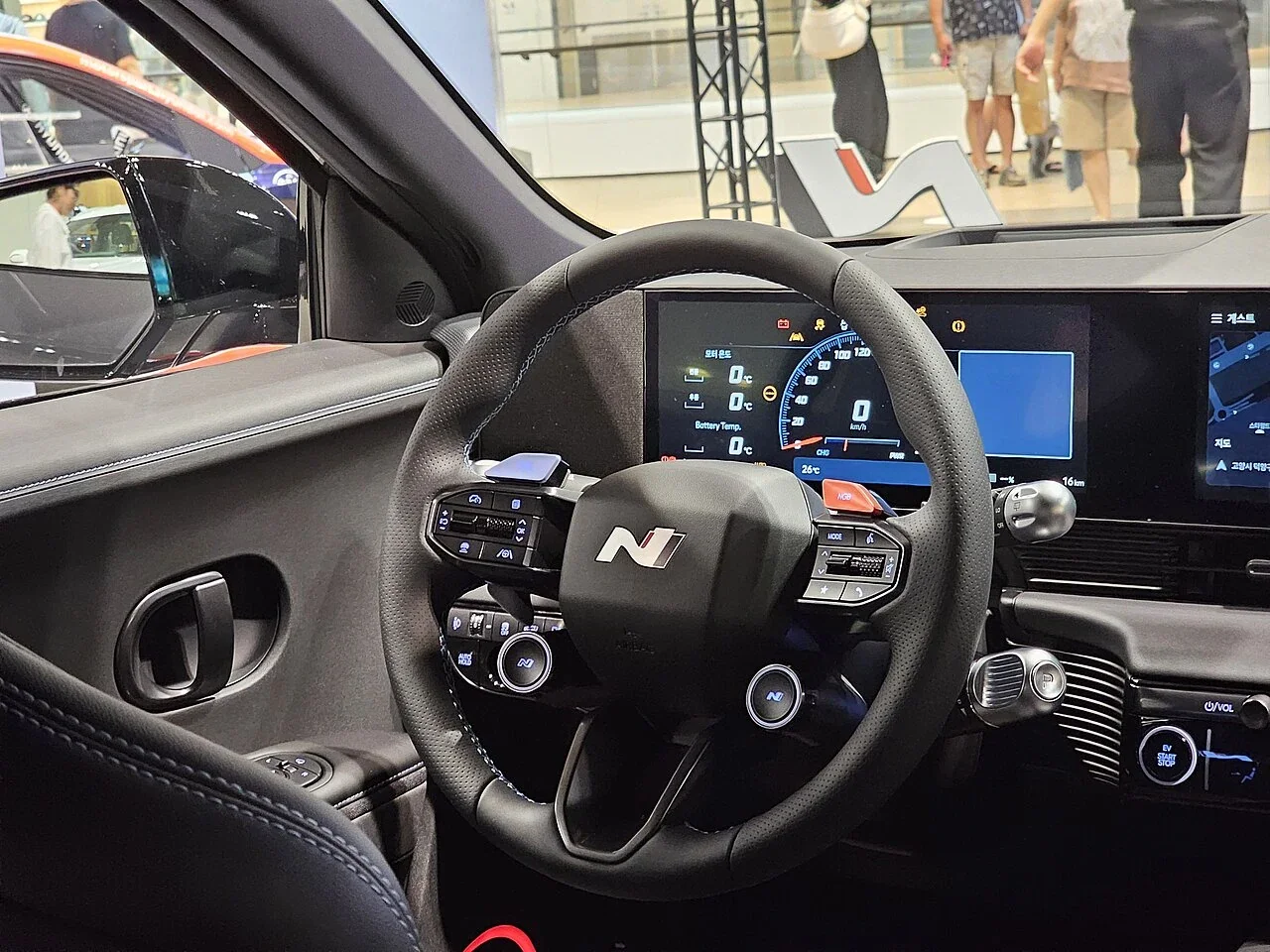
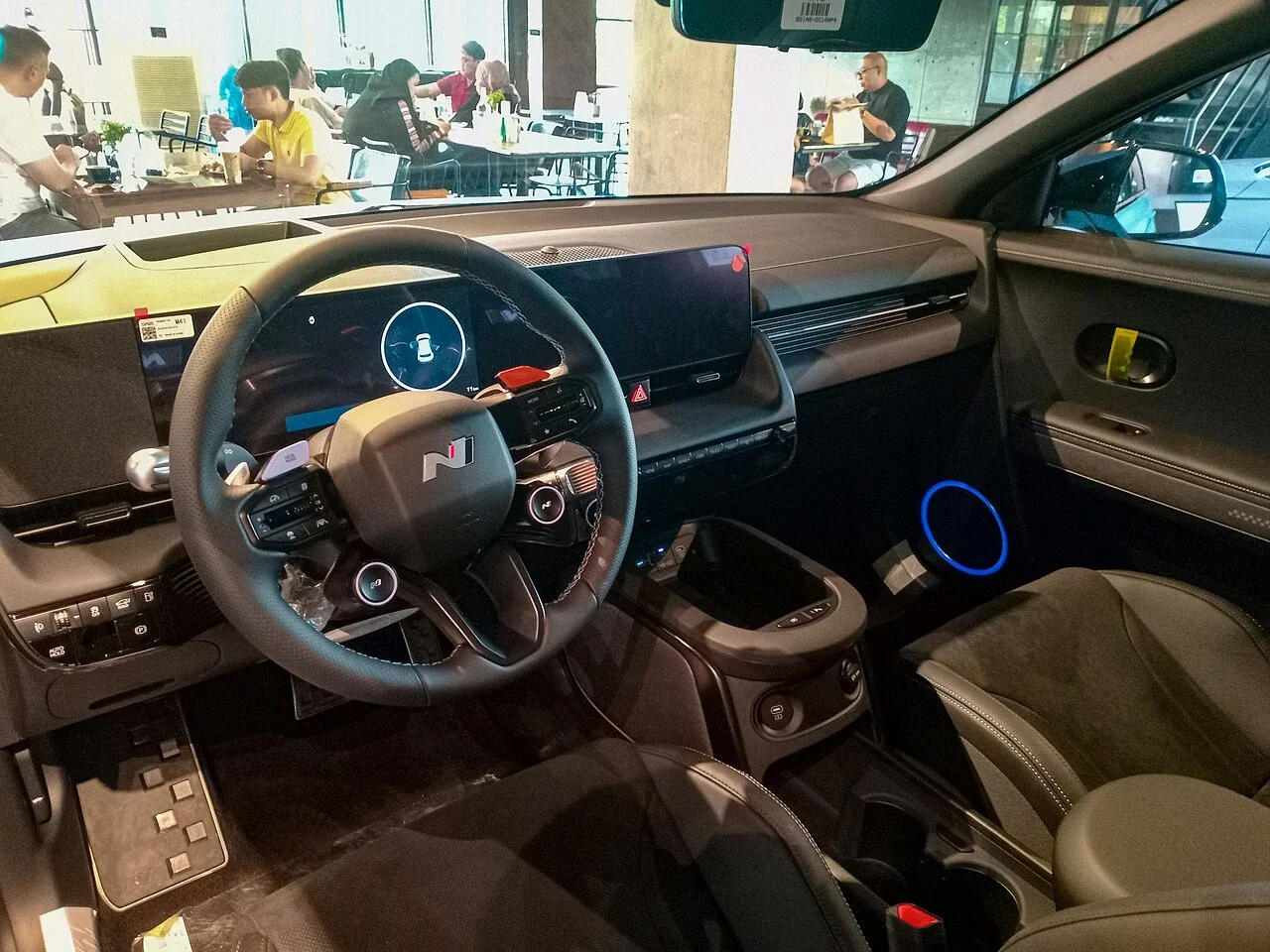
The steering-wheel buttons deserve the same attention as the headline features. Their value is being able to reach a familiar configuration without hunting through a menu. Good customization reduces friction after the learning period; customization that remains a chore can turn an appealing idea into another screen to manage.
Seats, Access and the Family-Car Test
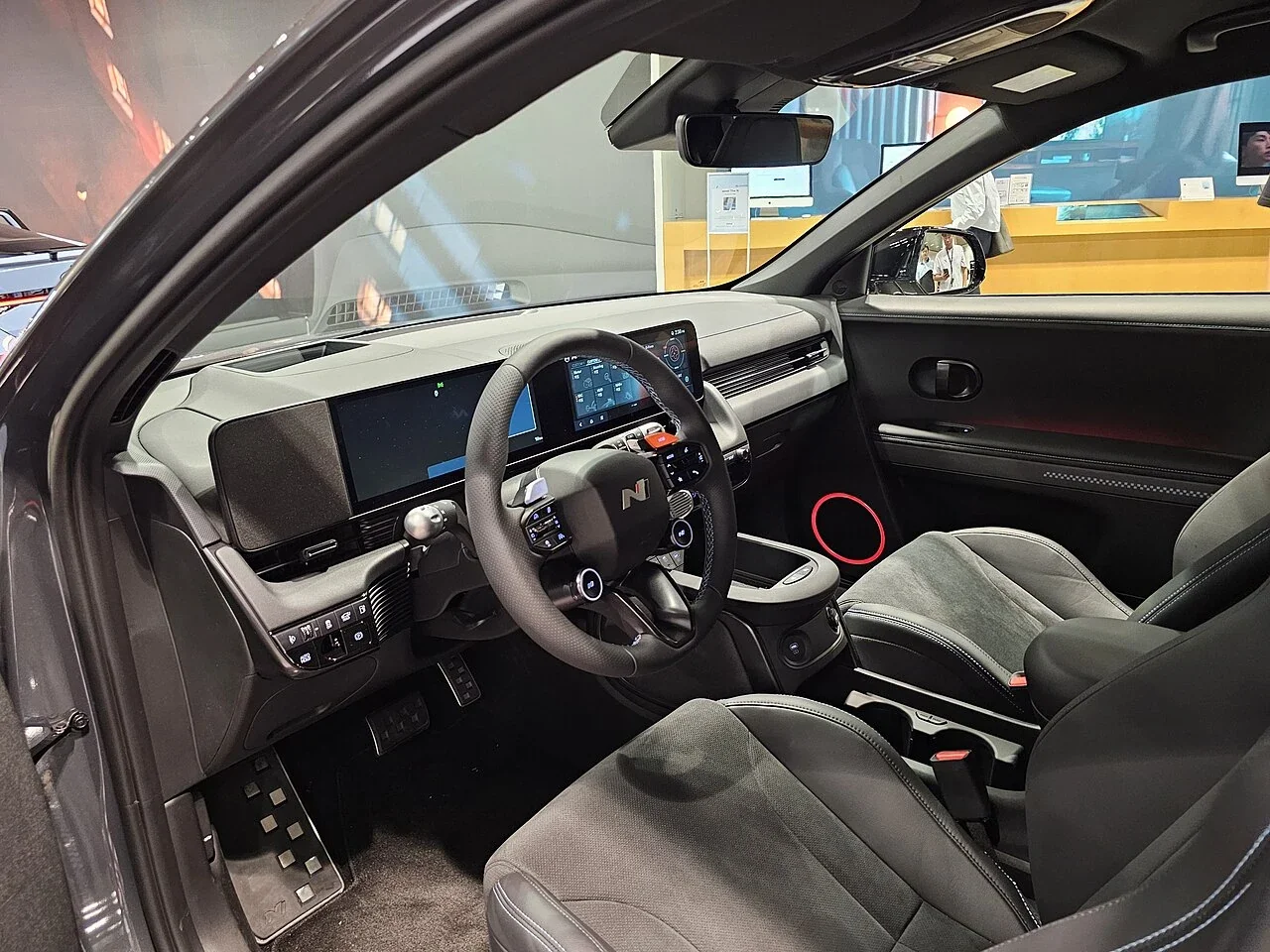
The front seats are a central part of the N experience. Their bolsters help support the driver, but their shape also determines how comfortable every journey feels. Sit in them long enough to notice pressure at the hips and shoulders. Adjust the wheel and seat together rather than accepting the position left by the previous driver.
The practical test should include everyone who regularly uses the car. Try entry and exit, rear-seat knee room, the route of a child-seat belt where applicable, and the space left for the front passenger. A car can have plenty of measured room while still making one person’s usual task unnecessarily awkward.
This is where the hatchback-style body helps. Its large rear opening is more useful for ordinary luggage than the small luggage compartments of many performance coupes. Bring the actual bags, stroller or work equipment you carry. Shape, loading height and the ability to close the hatch matter more than a volume number viewed in isolation.
The cabin photographs here are earlier production references. They explain the seat and console arrangement, not the exact equipment of every 2026 car. Inspect the delivered specification, particularly the driver-monitoring camera and controls introduced or revised for the current model year.
Charging: The 2026 NACS Change Matters
The current U.S. model page confirms a native NACS port for 2026. That is a meaningful distinction from the earlier CCS-equipped N. Hyundai supplies an adapter for compatible CCS charging, so buyers should check both the physical equipment supplied with the car and the charging locations they expect to use.
Hyundai quotes 10–80% in as little as 18 minutes using suitable 350-kW DC equipment and the CCS adapter. Its NACS V3 Supercharger claim is as little as 30 minutes for the same charge window. The plug shape alone therefore does not tell you how long a stop will take. Charger voltage, available power, battery temperature and state of charge all matter.
The EPA estimate remains 221 miles. Car and Driver’s earlier 2025 vehicle managed 190 miles in its 75-mph highway range test. Treat that as one useful piece of route-planning context, not a promise for the 2026 model, winter travel or your own motorway speed.
Reliable overnight charging makes the ownership case much stronger. If you depend entirely on public charging, map a typical week before committing. Include a busy evening, a failed charger and a trip that ends late. The N should add enjoyment to life, not require constant rearrangement of it.
The Costs That Survive the Test Drive
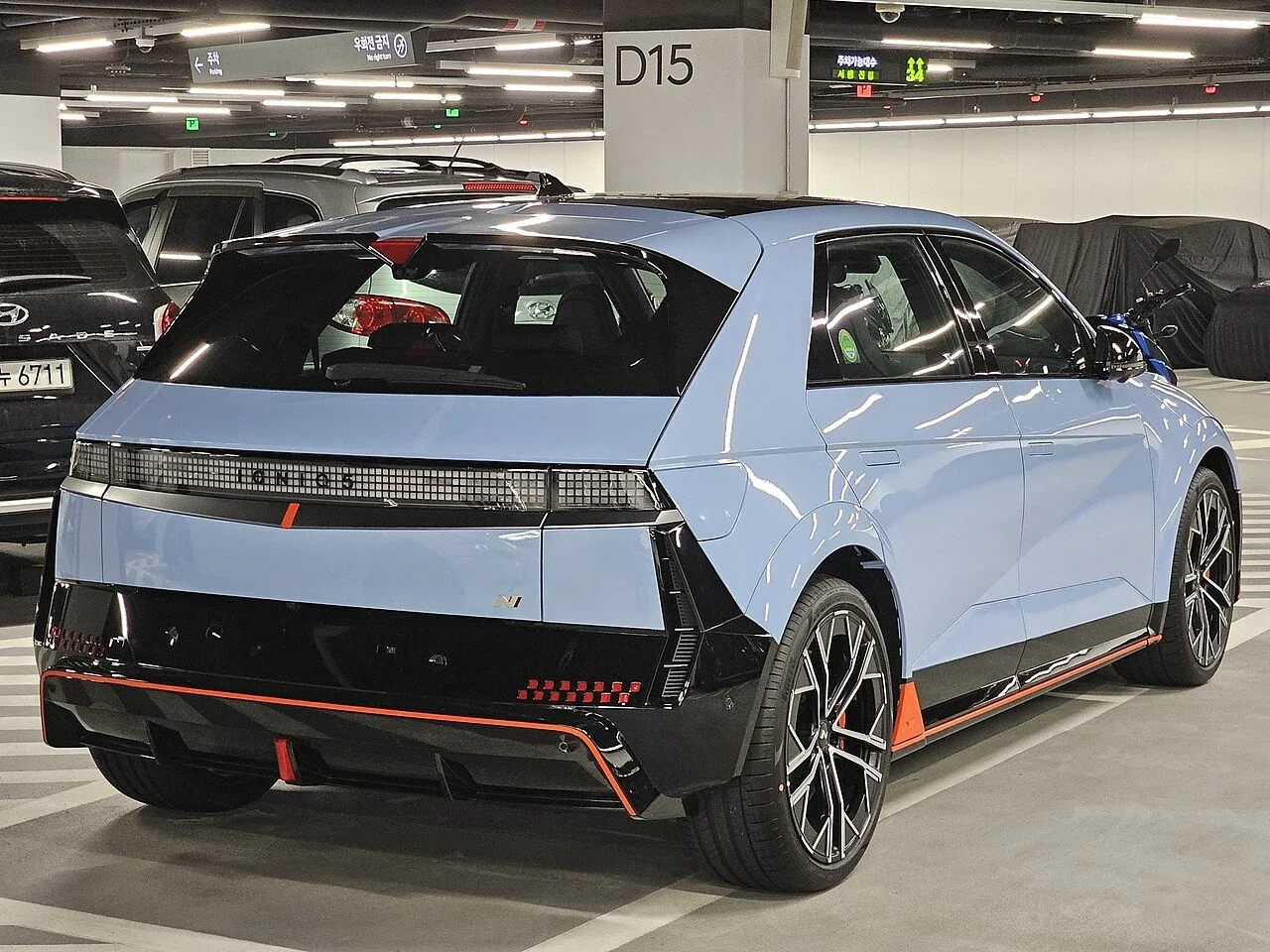
The 21-inch wheel package and 275/35R21 performance tires are part of the car’s capability. They are also recurring expenses. Price an appropriate replacement set locally and consider how your climate changes the tire requirement. A performance summer tire is not a year-round answer simply because the car has all-wheel drive.
Electric propulsion removes routine engine-oil service, but the complete car still has tires, suspension, cooling systems, brakes and electronic equipment. Regenerative braking can reduce friction-brake work in ordinary driving; it does not make inspections or track consumables unnecessary. Our guide to brakes and tires explains why the whole package matters.
Check insurance before signing, and separate an attractive purchase payment from total ownership cost. Home electricity, public fast charging, finance terms and tire wear can produce very different outcomes for two owners of the same model. Avoid treating a generic EV savings calculator as a personal forecast.
Hyundai advertises substantial warranty coverage, including battery coverage, but eligibility and exclusions belong in the actual warranty booklet. Verify the in-service date and applicable terms for a used car. Ask about outstanding campaigns by VIN and inspect evidence of modifications or hard use rather than assuming a clean-looking example has lived an easy life.
What to Compare Before Buying
An Audi RS 3 presents a useful alternative for someone who wants strong character in a compact practical body but prefers gasoline refueling. Its appeal centers on its engine and compact-sedan identity. The Hyundai asks whether configurable electric performance and a larger hatch opening suit your daily pattern better.
The Porsche Macan Electric belongs on a different-budget shortlist when the desired result includes a Porsche cabin, driving position and brand experience. Do not infer that similar acceleration makes the products interchangeable. Compare the exact versions and the things you touch and use every day.
A conventional hot hatch remains relevant too. Our Honda Civic Type R review considers a manual performance car whose interaction comes through a clutch and gearbox. The choice is less about proving one technology superior than deciding which kind of participation you want to repeat.
Finally, test a normal IONIQ 5 on the same route. That comparison reveals the opportunity cost most clearly. It tells you whether the N’s controls and chassis character justify the extra tire expense, shorter range and stronger sporting emphasis for your particular household.
Hyundai IONIQ 5 N Review: The Cariary Perspective
The N’s most persuasive idea is that an EV can have a recognizable personality after the initial acceleration surprise. It gives the owner choices about sound, rhythm and response. That makes it more interesting than a specification contest, even for someone who ultimately decides to leave the simulated shifts switched off.
The limit is that personality does not cancel logistics. A favorite seat and a favorite drive setting are easier to enjoy when charging is dependable and the daily route suits the car. The same vehicle can be a satisfying all-round companion for one owner and an unnecessarily complicated purchase for another.
Before making the decision, complete one ordinary test: settle into the seat, connect your phone, adjust the climate, select a calm setting and drive a familiar route. Then try the special features. If the ordinary version of the experience already works, the extra ability becomes a benefit you can enjoy rather than a distraction from a poor fit.
That is the basis of four Cariary stars. The IONIQ 5 N offers an unusually clear reason to choose a performance EV, while leaving enough practical demands that an unconditional recommendation would be misleading. Buy the daily routine and the driving character together.
Who Should Buy It?
Recommended For
Drivers who want an engaging five-seat EV, have dependable charging and are willing to learn its settings. It is particularly compelling when one car must combine useful accommodation with a distinct sporting personality.
Not Recommended For
Drivers prioritizing maximum highway range, minimum tire costs or the simplest possible controls. Buyers who find the seats uncomfortable should not expect the power figure to compensate.
One-Line Verdict: The IONIQ 5 N makes electric performance feel personal, provided the charging routine feels ordinary.
Frequently Asked Questions
Does it really have gears?
N e-Shift simulates gear changes through motor control. Judge the sensation for yourself; it does not turn the car into a mechanical multi-speed combustion drivetrain.
Is the 641-hp figure always available?
No. It is the maximum with the ten-second N Grin Boost function under its operating conditions. Normal maximum output is 601 hp.
Does the 2026 U.S. N have NACS?
Yes. The current model has native NACS, while earlier N cars used CCS. Check the model year and supplied adapters before buying.
Is it a good first EV?
It can be if charging is already straightforward. Solve home or regular charging access first; performance does not make an inconvenient charging arrangement easier.
Should I choose it instead of an ordinary IONIQ 5?
Choose the N when you actively want its sporting controls, seats and chassis. For a transport-first purchase, compare the standard model’s comfort, range and total cost carefully.
Further Reading and Data Reference
Data reference date: September 7, 2026. Specifications and attributed test observations are linked where discussed. Cariary Point is an editorial buyer-fit assessment, not an owner road-test score or reliability rating.
Explore more Cariary car reviews and buyer perspectives.

